
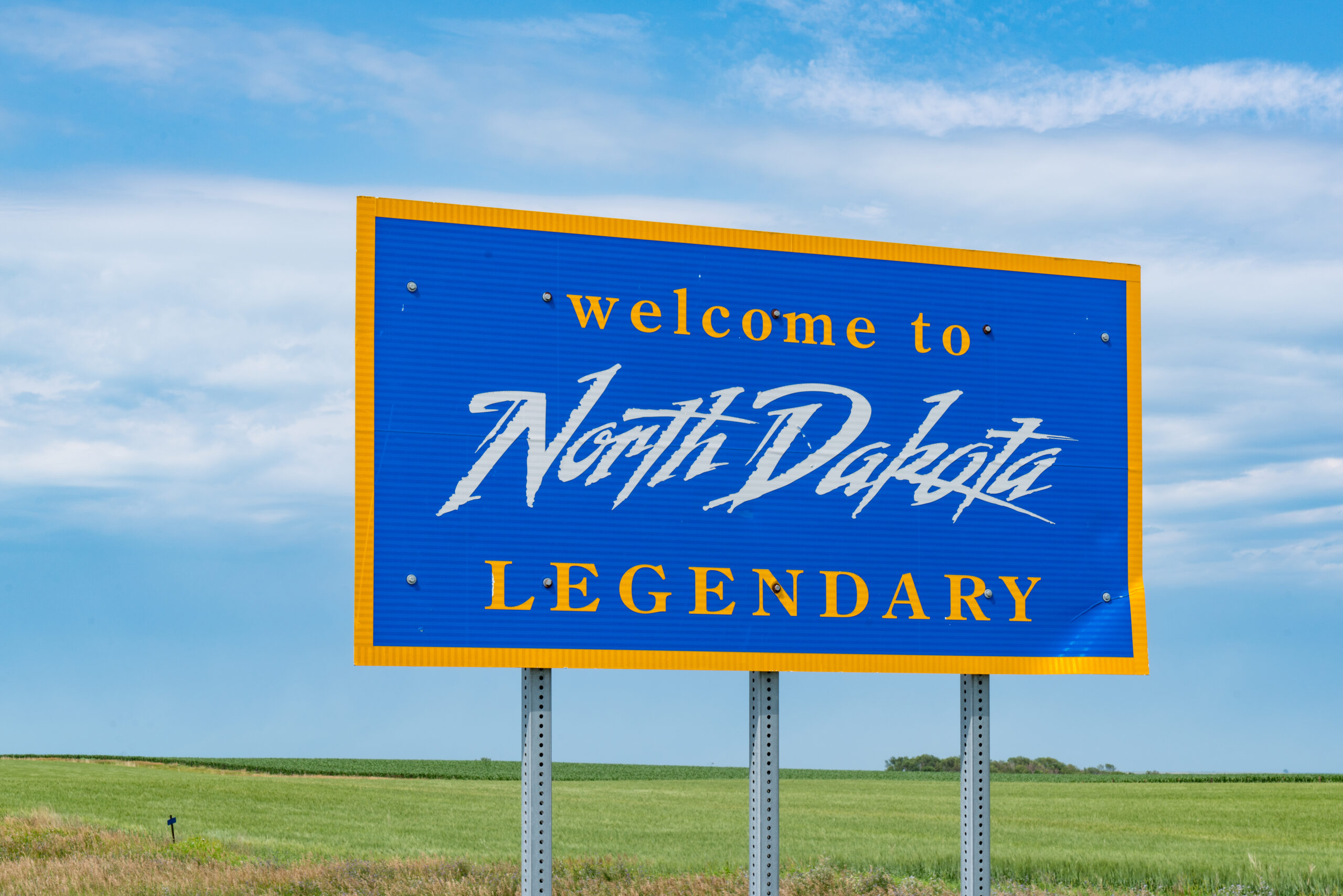
North Dakota is a state often misunderstood by distance. On maps, it appears spare and empty; in reality, it is one of the most quietly powerful landscapes in North America. This is a place where space itself shapes perception—where the horizon feels infinite, the sky dominates daily life, and silence is not absence but presence.
The northern plains teach patience. Here, land unfolds gradually rather than dramatically. Fields of wheat ripple like water beneath enormous skies, while rivers carve slow, deliberate paths through prairie and badlands. Time moves differently in North Dakota, measured less by urgency than by season, weather, and light.
Yet this is no empty land. Indigenous nations—the Mandan, Hidatsa, Arikara, Dakota, and Ojibwe—have lived along these rivers and plains for centuries, building cultures rooted in earth, water, and migration. Their histories are inseparable from the land itself and remain vital today.
North Dakota’s towns and cities reflect resilience rather than spectacle. Built against cold winters and isolation, they value community, self-reliance, and continuity. There is a deep honesty here: what exists does so for a reason.
To know North Dakota is to listen—to wind through grass, to trains crossing open land, to stories passed quietly rather than proclaimed. It is a state that does not demand attention but rewards it richly.
17. Fargo — Prairie Energy and Northern Innovation
Fargo stands as North Dakota’s most dynamic urban center, a city shaped by both prairie grit and creative reinvention. Positioned along the Red River of the North, Fargo grew from a railroad town into a cultural and economic hub that balances Midwestern warmth with surprising modernity.
The city’s downtown pulses with life. Independent bookstores, galleries, theaters, and cafés occupy restored brick buildings, creating a walkable core that feels youthful and engaged. North Dakota State University infuses Fargo with academic energy, drawing students, researchers, and artists who shape the city’s evolving identity.
Fargo’s relationship with its climate has forged resilience. Long winters encourage community—gatherings, festivals, and shared spaces become essential rather than optional. Summers, by contrast, explode with activity, as parks, river trails, and outdoor concerts reclaim the city.
Flooding has tested Fargo repeatedly, strengthening its civic resolve and innovation. The city’s response—planning, cooperation, and adaptation—reflects a broader North Dakota character: pragmatic, forward-looking, quietly determined.
Fargo feels less like a frontier outpost than a northern crossroads, where tradition and experimentation meet beneath wide skies.
16. Bismarck & Mandan — Rivers, Capitals, and Continuity
Bismarck rises above the Missouri River as both political center and historical anchor. As North Dakota’s capital, it governs quietly, without the theatrical grandeur of larger states, reflecting the measured tone of the land it represents.
Across the river lies Mandan, older in spirit if not in skyline. Together, the two cities form a paired landscape—modern governance on one bank, ancestral memory on the other. Nearby lie the remnants of earth-lodge villages once inhabited by the Mandan, Hidatsa, and Arikara peoples, whose lives were shaped by the Missouri long before statehood.
The river remains central. It offers recreation, sustenance, and perspective, flowing steadily through centuries of change. Trails and parks trace its banks, inviting reflection rather than haste.
Bismarck’s identity is rooted in stability. Government buildings, museums, and cultural centers emphasize education, heritage, and public service. Life here is deliberate, grounded, and closely tied to land and history.
This is a place where North Dakota’s past and present meet most clearly—not in conflict, but in continuity.
15. Theodore Roosevelt National Park — Where the Plains Turn Wild
In western North Dakota, the land breaks open. The plains fold into badlands, and Theodore Roosevelt National Park reveals a landscape of rugged beauty shaped by erosion, time, and solitude.
Painted canyons, buttes, and winding rivers create a terrain that feels both harsh and alive. Bison roam freely, prairie dogs chatter, and wild horses move like ghosts across the land. This is one of the few places where the American frontier still feels tangible.
The park bears the name of Theodore Roosevelt because it shaped him profoundly. His time ranching here informed his conservation ethic and belief in protecting wild places—not as monuments, but as living systems.
The badlands demand attention. They are dramatic yet fragile, fierce yet vulnerable. Light transforms them constantly, turning stone and grass into shifting palettes of gold, rust, and shadow.
Here, North Dakota reveals its most unexpected face—not flat, but fierce; not empty, but alive.
14. The Red River Valley — Black Soil and Open Skies
The Red River Valley stretches along North Dakota’s eastern edge like a vast, cultivated plain. Formed by the ancient waters of glacial Lake Agassiz, this land is among the most fertile in North America. Its soil—dark, rich, and deep—has sustained generations of farmers and shaped the region’s agricultural identity.
Fields here extend to the horizon, their geometry broken only by grain elevators, farmsteads, and the slow curve of the Red River itself. Sugar beets, wheat, soybeans, and sunflowers dominate the landscape, their cycles dictating the rhythm of life.
Towns in the valley reflect a practical beauty. Built for function rather than display, they value cooperation, hard work, and continuity. Flooding remains a constant concern, and the valley’s communities have learned resilience through shared effort and planning.
The openness of the Red River Valley invites contemplation. Without mountains or forests to frame the view, the sky becomes the main event—vast, changing, and endlessly expressive. Sunrise and sunset transform the land into shifting fields of color, reminding visitors that beauty does not require elevation, only attention.
13. Minot — Northern Crossroads and Endurance
Minot sits near the center of North Dakota’s northern tier, shaped by railroads, military presence, and the demands of a harsh climate. Often described as “Magic City,” Minot grew rapidly in the early 20th century, fueled by trade and transportation.
The city’s character is defined by endurance. Winters are long and unforgiving, forging a strong sense of community and mutual reliance. Residents learn to plan, prepare, and support one another—a mindset that permeates daily life.
Minot Air Force Base brings global connections to this otherwise remote region, adding cultural diversity and reinforcing the city’s strategic significance. Festivals like the annual Norsk Høstfest celebrate heritage, particularly the strong Scandinavian influence that shaped the region’s settlement.
Minot’s downtown is modest but proud, with museums, theaters, and local businesses reflecting a commitment to culture even in challenging conditions. The city does not seek attention, but it stands firm—anchored by resilience and quiet confidence.
12. Fort Union & the Missouri River — Commerce on the Frontier
Along the Missouri River near the Montana border stands Fort Union Trading Post, once the most important fur trade center in the Upper Missouri region. In the 19th century, this remote outpost became a crossroads of cultures, commerce, and survival.
Traders, trappers, and Native nations met here to exchange goods, negotiate alliances, and navigate shifting power dynamics. The fort’s location—accessible by river yet isolated by land—made it a vital hub in an otherwise vast wilderness.
Today, reconstructed buildings offer insight into frontier life, but the deeper story lies in the river itself. The Missouri remains broad and commanding, flowing past cottonwood groves and open plains much as it did two centuries ago.
Fort Union represents a pivotal moment in North Dakota’s history—when global trade reached deep into the continent, forever altering Indigenous lifeways and the land itself.
Standing on the riverbank, one feels the weight of convergence: cultures meeting, histories colliding, and a frontier briefly brought into focus.
11. Williston & the Bakken — Boomtown Lessons on the Prairie
Williston stands at the edge of transformation. Once a quiet agricultural town along the Missouri River, it became the epicenter of the Bakken oil boom in the early 21st century—a surge that reshaped both landscape and identity.
At its peak, the boom brought rapid growth, global attention, and immense pressure. Housing shortages, crowded roads, and transient populations tested the town’s infrastructure and sense of community. Yet beneath the turbulence lay a deeper North Dakota trait: adaptability.
As the energy cycle stabilized, Williston recalibrated. Investments shifted toward sustainability, civic planning, and quality of life. Parks, schools, and cultural spaces expanded, signaling a long-term vision beyond extraction.
The Bakken fields surrounding Williston reflect modern America’s ongoing negotiation with energy, economy, and environment. Pumpjacks rise against open skies, reminders of both prosperity and consequence.
Williston’s story is not one of excess, but of learning—how a small prairie town absorbed global forces and emerged steadier, wiser, and more self-aware.
10. Lake Sakakawea — Water, Wind, and Wide Horizons
Lake Sakakawea stretches across western North Dakota like an inland sea, its waters formed by the damming of the Missouri River. Named for the Lemhi Shoshone woman who guided the Lewis and Clark expedition, the lake carries both historical and cultural weight.
Its vast shoreline—longer than California’s Pacific coast—creates a surprising sense of openness and movement. Winds sweep across the water, sailboats glide between coves, and anglers trace quiet inlets in search of walleye and northern pike.
For surrounding communities, the lake offers recreation, irrigation, and a rare sense of abundance in an otherwise dry landscape. Campgrounds and marinas bring seasonal life, while winter transforms the lake into a frozen expanse of stark beauty.
Lake Sakakawea is both human-made and deeply natural. It demonstrates how North Dakota adapts its rivers without fully taming them, allowing water to remain central to identity and survival.
9. Pembina Gorge — Forests at the Edge of the Plains
Near the Canadian border, the Pembina Gorge surprises first-time visitors. Carved by glacial meltwater, this deep valley cuts dramatically into the northeastern plains, revealing forests, cliffs, and winding streams rarely associated with North Dakota.
Here, oak, maple, and basswood trees thrive, creating one of the state’s most ecologically diverse regions. Trails descend through layered vegetation, offering shade, color, and a sense of enclosure absent from much of the state.
The gorge feels intimate. Its slopes block the horizon, and the sound of wind in leaves replaces the endless openness of the plains. Wildlife flourishes in this sheltered environment, and each season brings transformation—from spring wildflowers to autumn fire.
Pembina Gorge is a reminder that North Dakota defies simplification. It holds multitudes: prairie and forest, openness and enclosure, endurance and delicacy.
8. Devils Lake — Rising Waters and Resilient Lives
Devils Lake defies expectation. Unlike most lakes, it has no natural outlet, rising and falling according to climate rather than river flow. Over decades, its expanding waters have reshaped towns, farmland, and infrastructure, forcing residents to adapt continually to an unpredictable natural force.
For those who live nearby, the lake represents both opportunity and challenge. It is one of the most productive fishing destinations in the Midwest, drawing anglers from across the country, yet its expansion has submerged roads, fields, and homes.
The community’s response reveals a defining North Dakota trait: perseverance. Dikes, water management systems, and cooperative planning reflect collective effort rather than defeat. Devils Lake teaches humility—reminding residents that control is never absolute.
Here, water is not scenery; it is destiny.
7. Jamestown — The Prairie’s Steady Heart
Jamestown occupies a central position both geographically and symbolically. Situated along the James River, it serves as a quiet anchor in North Dakota’s vast interior.
The city balances modest growth with tradition. Its institutions—schools, churches, museums—reflect long-standing civic commitment. Frontier Village and the National Buffalo Museum connect present-day life with the region’s historic relationship to bison and prairie survival.
Jamestown’s appeal lies in stability. Life here moves deliberately, grounded in family, work, and continuity. The surrounding farmland reinforces this sense of rootedness, stretching outward in orderly patterns that reflect generations of stewardship.
In Jamestown, North Dakota reveals its center—not dramatic, but dependable.
6. Rugby — At the Center of the Continent
Rugby proudly claims its place as the geographic center of North America, a distinction marked by a simple stone monument rising from the prairie. While the designation may be debated, the symbolism feels fitting. Rugby embodies the quiet centrality of North Dakota itself—unassuming, grounded, and reflective.
This small town offers a snapshot of prairie life at its most sincere. Grain elevators loom over modest streets, and community life revolves around schools, churches, and seasonal events. Here, belonging matters more than spectacle.
The surrounding landscape is open and expansive, reinforcing a sense of calm perspective. Rugby’s residents live attuned to weather, harvests, and time-honored routines, reminding visitors that the heart of a place is often found far from its edges.
In Rugby, geography becomes philosophy—a reminder that the middle holds its own power.
5. Fort Abraham Lincoln — Conflict, Memory, and the Plains
South of Mandan, Fort Abraham Lincoln stands on rolling hills above the Missouri River, preserving one of the most consequential chapters in American frontier history. This was once a military outpost where soldiers prepared for campaigns that would shape the fate of the Great Plains.
The fort is closely associated with Lieutenant Colonel George Armstrong Custer, whose departure from here led to the Battle of the Little Bighorn. Yet the site tells a broader story—of military expansion, Indigenous resistance, and the enduring consequences of conquest.
Reconstructed buildings and earth-lodge villages reflect the layered histories that intersected on this land. Visitors walk between narratives—those of the U.S. Army and those of the Mandan people who lived here long before fort walls rose.
Fort Abraham Lincoln invites reflection rather than celebration. It reminds visitors that history is complex, marked by ambition and loss, and that understanding requires listening to all voices.
4. The Prairie Pothole Region — North America’s Nursery
The Prairie Pothole Region stretches across central and eastern North Dakota, a mosaic of shallow wetlands formed by retreating glaciers. These potholes—thousands of small ponds scattered across the prairie—create one of the most important ecosystems on the continent.
Each spring, millions of migratory birds arrive, transforming the landscape into a living chorus of wings and calls. Ducks, geese, and shorebirds depend on these waters for breeding, earning the region its nickname: “North America’s Duck Factory.”
Beyond wildlife, the potholes shape agriculture and land use, influencing drainage, conservation, and farming practices. Their presence underscores the delicate balance between productivity and preservation.
The Prairie Pothole Region reveals North Dakota’s ecological significance. It is a reminder that the state’s value extends far beyond its borders—supporting life cycles that span hemispheres.
3. Railroad Towns — Steel Lines Across Open Land
Railroads shaped North Dakota before highways ever did. Steel lines stitched together vast distances, giving rise to towns spaced like punctuation marks across the prairie. Many of these communities—Valley City, Carrington, Dickinson—owe their existence to the arrival of the train.
The railroad brought movement to an otherwise still landscape. Grain flowed east, goods arrived from afar, and people followed opportunity across open land. Towns formed around depots, elevators, and rail yards, their grids reflecting function rather than flourish.
Though freight trains still pass through, their role has evolved. Former depots now house museums, cafés, or civic spaces, preserving the memory of connection. These towns retain a sense of purpose shaped by logistics, labor, and patience.
Railroad towns embody North Dakota’s relationship with distance—not as obstacle, but as fact to be worked with, measured, and respected.
2. State Parks Beyond the Badlands — Hidden Natural Sanctuaries
While Theodore Roosevelt National Park draws most attention, North Dakota’s state parks offer quieter encounters with nature. Places like Turtle River State Park, Icelandic State Park, and Fort Stevenson State Park reveal intimate landscapes shaped by rivers, forests, and history.
These parks feel personal rather than monumental. Trails wind through cottonwood groves and rolling hills, campsites sit close to water, and wildlife appears without spectacle. The scale invites immersion rather than awe.
Icelandic State Park, settled by Icelandic immigrants, blends cultural heritage with lakeside serenity. Turtle River offers wooded escape near the Red River Valley, while Fort Stevenson overlooks Lake Sakakawea, pairing military history with expansive views.
Together, these parks demonstrate North Dakota’s understated relationship with nature—protective, accessible, and rooted in stewardship rather than tourism.
1. Native Nations — The First and Continuing Presence
Long before borders or statehood, North Dakota was shaped by Native nations whose presence remains vital and enduring. The Mandan, Hidatsa, Arikara, Dakota, and Lakota peoples understood this land not as empty space, but as living territory—defined by rivers, seasons, and sacred sites.
The Missouri River was a lifeline, not only for trade and agriculture but for ceremony and storytelling. Earth lodges once clustered along its banks, their circular forms reflecting a worldview rooted in balance and continuity. Even today, the land carries memory: burial mounds, village sites, and trails still whisper of deep time.
Reservations such as Standing Rock, Fort Berthold, Spirit Lake, and Turtle Mountain are not relics of the past. They are contemporary communities—complex, creative, and resilient—where language revitalization, cultural education, and political sovereignty continue to evolve.
To understand North Dakota fully is to recognize that its story did not begin with settlement, nor does it belong solely to the present. The Native nations remain stewards of culture and land, reminding the state of its oldest truths: that identity is tied to place, and that survival is inseparable from respect.