
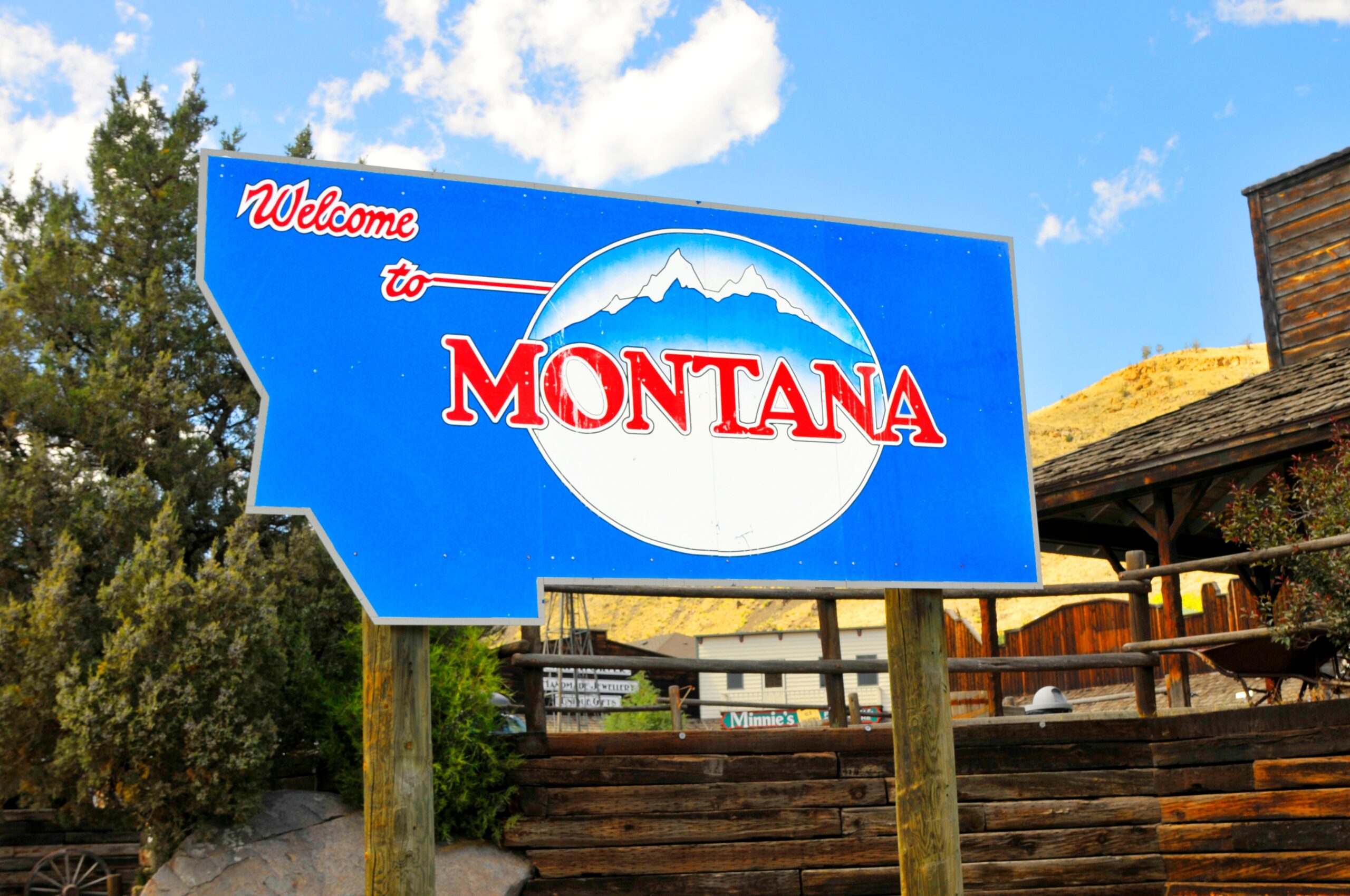
Montana is not merely large; it is spatially transformative. The state reshapes how distance, silence, and time are perceived. Here, land is not backdrop but presence—assertive, humbling, and formative. Known simply as Big Sky Country, Montana earns the name not through exaggeration but through lived experience. The sky feels closer, wider, and more consequential, as if weather, light, and horizon are active participants in daily life.
This is a state defined by contrasts: sweeping plains that suddenly give way to jagged mountains; river valleys carved with patience; towns that feel provisional yet enduring. Montana’s history is braided from Indigenous nations, frontier settlement, extraction, and conservation—forces often in tension, yet inseparable. The Blackfeet, Crow, Salish, Kootenai, and other tribes remain foundational to Montana’s identity, shaping land ethics that continue to influence the state’s relationship with nature.
Montana’s cultural character is marked by self-reliance without bravado. People speak plainly, value competence, and respect the land not romantically but practically. Winters are long, distances real, and mistakes costly. These conditions have cultivated a quiet seriousness, tempered by humor and generosity.
Writers and thinkers—from A.B. Guthrie to Norman Maclean—have long been drawn to Montana not for spectacle alone, but for clarity. The land strips life down to essentials, making space for reflection. Rivers, especially, play a central role—not just as resources, but as metaphors for continuity, discipline, and grace.
To understand Montana is to accept that some places do not yield themselves quickly. They ask for attention, patience, and humility. What they offer in return is depth—of experience, of silence, of belonging.
14. Glacier National Park: The Architecture of Ice and Time
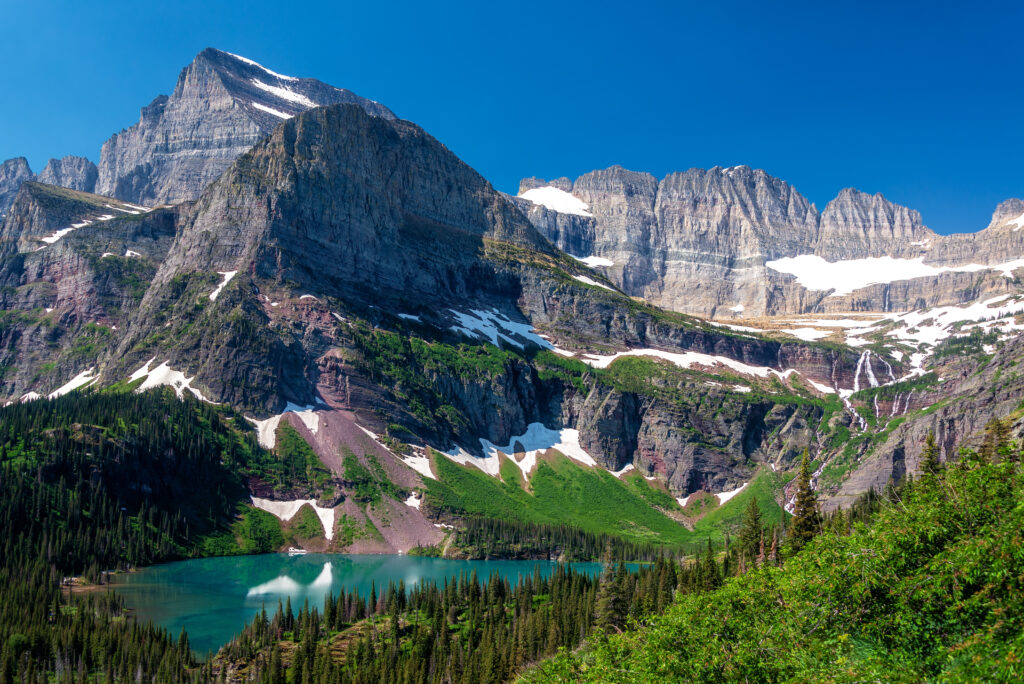
Glacier National Park stands as one of North America’s most uncompromising landscapes—a place where geology, climate, and time assert themselves with rare clarity. Along Montana’s northern border, the park unfolds in sharp ridges, hanging valleys, turquoise lakes, and remnants of ancient ice that once shaped the continent.
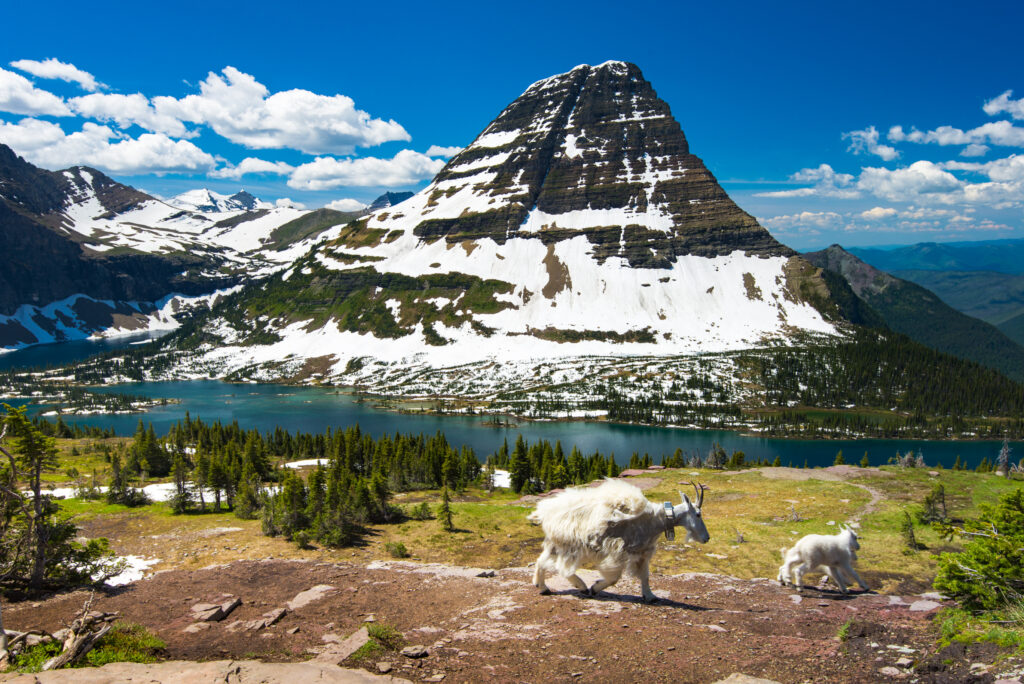
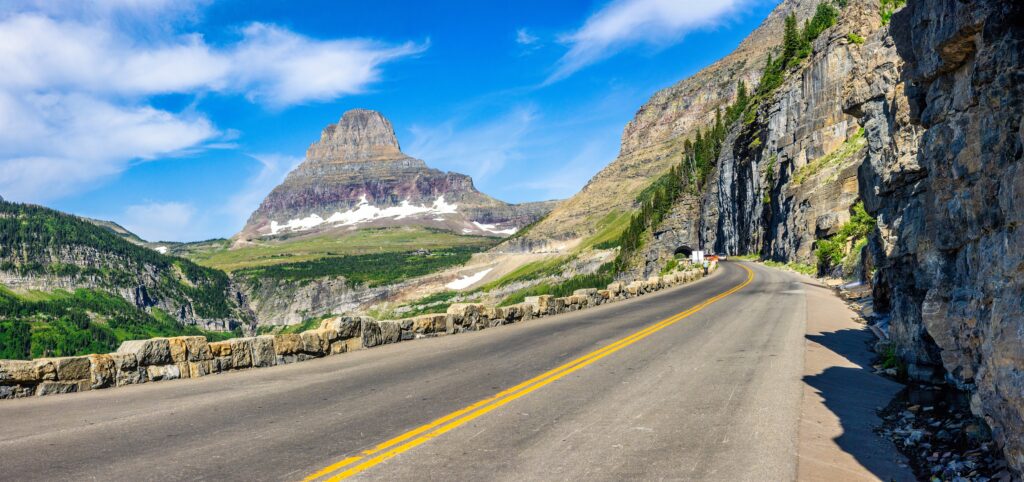
The Going-to-the-Sun Road threads through the heart of the park, revealing dramatic transitions from cedar forests to alpine tundra within miles. Yet Glacier resists easy consumption. Weather changes abruptly, trails demand respect, and wildlife retains primacy. This is not curated wilderness; it is preserved complexity.
Glacier holds profound cultural significance for the Blackfeet Nation, whose ancestral lands extend into the park’s eastern reaches. Mountains here are not merely scenic—they are storied, named, and spiritually alive. This perspective reframes the landscape as relationship rather than resource.
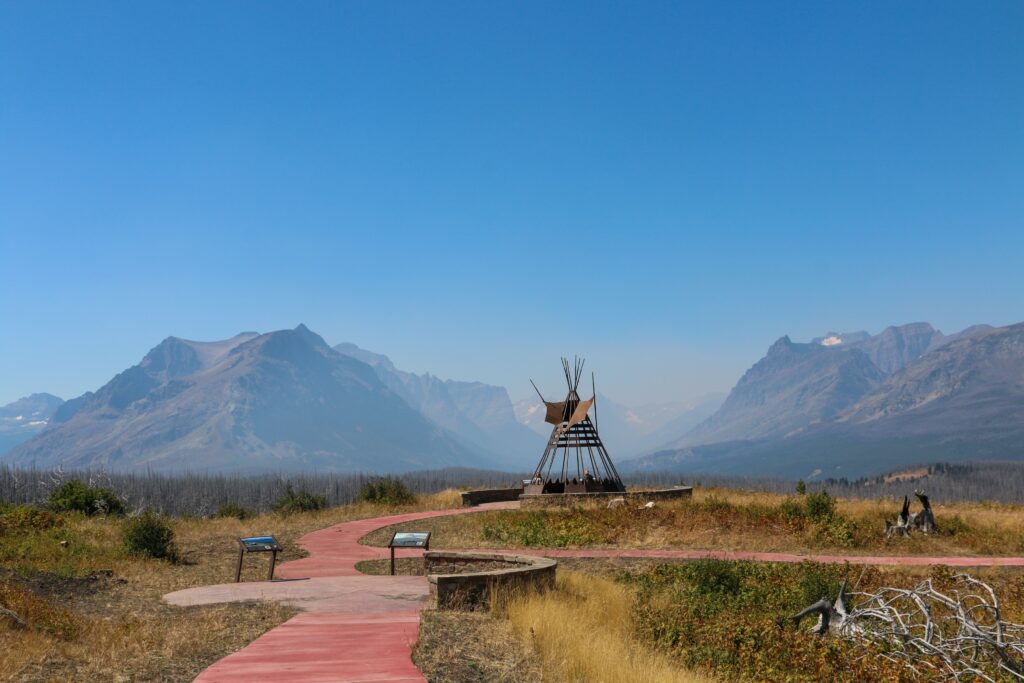
The park’s shrinking glaciers serve as visible markers of environmental change, lending urgency to its beauty. Glacier does not merely inspire awe; it asks questions about stewardship, responsibility, and loss.
More than any single place, Glacier National Park reveals Montana’s essence: grandeur paired with gravity, beauty inseparable from consequence. It is a place that does not flatter visitors—but rewards those willing to move carefully, listen closely, and look long.
13. The Flathead Valley & Flathead Lake: Water, Agriculture, and Scale
South of Glacier National Park, the Flathead Valley opens into one of Montana’s most fertile and visually expansive regions. Anchored by Flathead Lake—the largest natural freshwater lake west of the Mississippi—the valley combines agricultural productivity with striking natural beauty.
Orchards, cattle ranches, and grain fields thrive in soil enriched by glacial history, while the lake moderates climate and sustains both wildlife and recreation. Flathead Lake’s clarity and size lend it a quiet authority; it feels inland-oceanic, reflecting wide skies and distant mountains.
Towns such as Kalispell, Polson, and Whitefish balance growth with preservation, navigating the tension between tourism and tradition. The lake’s southern reaches fall within the Flathead Indian Reservation, where the Confederated Salish and Kootenai Tribes play a leading role in land and water stewardship.
The Flathead Valley reveals Montana’s agricultural heart alongside its environmental conscience—an interdependence rather than a contradiction.
12. Bozeman: Aspiration at the Edge of Wilderness
Bozeman occupies a distinctive position in modern Montana: a place where ambition, education, and wilderness meet in sometimes uneasy proximity. Set in the Gallatin Valley and framed by mountain ranges on all sides, the town has grown rapidly, propelled by its access to Yellowstone, ski terrain, and open land that still feels limitless.
At the heart of Bozeman is Montana State University, an institution that has brought research, innovation, and youthful energy to a historically agricultural town. Engineering, environmental science, and technology startups now sit alongside cattle ranches and grain fields, creating a cultural tension that defines Bozeman’s present moment.
Growth has brought opportunity, but also questions. Housing affordability, land preservation, and infrastructure strain have sparked vigorous civic debate. Bozeman exemplifies a broader Montana challenge: how to remain grounded while welcoming change, how to grow without losing proportion.
Despite development, the land retains authority. Trails begin at neighborhood edges, rivers run cold and clear, and weather still dictates daily rhythm. The mountains impose perspective—reminding residents that ambition here must negotiate with scale.
Bozeman reflects Montana’s evolving identity: outward-looking yet constrained by geography, innovative yet rooted in land ethics. It is a place learning, in real time, how to balance aspiration with restraint.
11. Yellowstone’s Northern Gate: Gardiner & the Living Ecosystem
Though Yellowstone National Park is often associated with Wyoming, its northern gateway lies firmly in Montana, and Gardiner stands as the park’s most honest threshold. Unlike other entrances, there is no gate here—only an arch and a gradual transition from town to ecosystem.
Gardiner is small, utilitarian, and shaped by proximity to wildlife rather than spectacle. Elk roam streets in winter, wolves move invisibly through nearby valleys, and rivers flow without interruption. The absence of a formal boundary reinforces Yellowstone’s true nature: not a contained attraction, but a living system that extends beyond park lines.
Montana’s relationship with Yellowstone is grounded in coexistence. Ranchers manage land alongside migration corridors. Scientists, outfitters, and residents negotiate daily with forces far older than infrastructure. This is conservation not as abstraction, but as lived practice.
Gardiner’s economy depends on the park, yet its culture resists romanticization. Life here is practical, seasonal, and shaped by awareness that humans are guests in a much larger ecological order.
Yellowstone’s northern gate reveals Montana’s environmental ethic at its clearest: protection paired with realism, reverence tempered by responsibility.
10. The Missouri River Breaks: Solitude and Continuity
In central Montana, the Missouri River Breaks unfold as one of the most remote and least altered landscapes in the continental United States. Here, the river cuts through badlands, coulees, and sandstone cliffs, creating a geography defined by isolation and scale.
This region has changed little since Lewis and Clark passed through more than two centuries ago. There are no towns, few roads, and limited access. Reaching the Breaks requires effort, preparation, and acceptance of discomfort—qualities that shape the experience itself.
The land does not entertain. It offers silence, exposure, and perspective. The river winds patiently through a landscape that resists urgency, reinforcing Montana’s belief that not all land must be optimized or improved.
For Montanans, the Breaks represent a philosophical commitment: that some places should remain difficult, undeveloped, and free from constant human presence. It is wilderness preserved not for spectacle, but for continuity.
The Missouri River here carries more than water—it carries history, restraint, and an understanding that stewardship sometimes means leaving things alone. Few places express Montana’s values with such clarity.
9. Butte: Labor, Grit, and Reckoning
Butte is Montana’s most uncompromising town—a place where the state’s industrial past is neither softened nor forgotten. Once known as “the Richest Hill on Earth,” Butte was built atop copper veins that powered American electrification and drew thousands of immigrants into dangerous underground labor. The city’s steep streets, brick buildings, and headframes remain as visible reminders of that era.
Mining shaped everything here: economy, politics, class structure, and identity. Butte became a stronghold of organized labor, earning a reputation for solidarity and resistance. That history is preserved not as nostalgia but as memory—complex, painful, and instructive. The environmental consequences of extraction, including the vast Berkeley Pit, remain part of the city’s present reality.
Yet Butte endures. Its historic district is one of the largest in the country, and restoration efforts emphasize honesty over gloss. Bars, theaters, and community halls still serve as social anchors, reinforcing a culture of directness and mutual reliance.
Butte reveals a side of Montana often overshadowed by wilderness imagery: the cost of progress, the dignity of labor, and the long shadow of industry. It is a place that asks visitors to confront history fully—and respect the resilience forged in its depths.
8. Helena: Power, Wealth, and Quiet Authority
Helena’s origins lie in gold, but its present identity is defined by governance and continuity. Founded during Montana’s gold rush, Helena quickly amassed wealth, visible today in grand mansions, churches, and civic buildings that rise unexpectedly from the hills.
As the state capital, Helena exerts influence without spectacle. Its political culture reflects Montana’s broader character: pragmatic, accessible, and deeply tied to land concerns. Decisions made here shape water rights, public lands, and conservation policy—issues that carry real consequence across the state.
The city’s setting reinforces balance. Trails begin within walking distance of downtown, and the surrounding hills invite daily engagement with nature. Helena’s residents move easily between civic duty and outdoor life, embodying Montana’s belief that leadership should remain grounded.
Helena represents Montana’s quieter form of power—measured, accountable, and shaped by place rather than ambition alone.
7. The Crow Reservation & Little Bighorn: Memory on the Land
Southeastern Montana holds one of the most significant cultural landscapes in the United States: the Crow Reservation and Little Bighorn Battlefield. Here, history is not abstract—it is embedded in hills, rivers, and stories that remain actively held by the Crow people.
The battlefield, often framed through military narrative, takes on deeper meaning when understood through Indigenous perspective. For the Crow, the land speaks of alliances, survival, and continuity rather than victory or defeat. Oral history, ceremony, and family lineage preserve meanings that monuments alone cannot convey.
Life on the reservation reflects resilience amid challenge. Cultural preservation, language revitalization, and land stewardship efforts assert presence rather than memory. The landscape itself—wide, open, uncompromising—mirrors values of endurance and connection.
This region reframes Montana’s story. It insists that history be understood not as conquest completed, but as relationship ongoing. Little Bighorn is not a closed chapter—it is a living place.
6. The Hi-Line: Distance as Identity
Northern Montana’s Hi-Line stretches along U.S. Route 2, a corridor defined not by landmarks but by space itself. Towns appear far apart—Havre, Malta, Chinook—each serving as a vital outpost in a landscape that tests endurance. The horizon is uninterrupted, and weather dictates rhythm more than clock or calendar.
Here, distance shapes identity. People measure life in miles, seasons, and self-sufficiency. Community bonds form through necessity: neighbors help because there is no alternative. Agriculture dominates, with wheat fields rolling toward the edge of sight, shaped by wind and patience rather than technology alone.
The Hi-Line challenges romantic notions of the American West. There is beauty here, but it is severe and unadorned. Winters isolate. Summers burn. Yet those who remain value clarity, honesty, and resilience. The land does not pretend to be gentle—and neither do its people.
This region represents Montana at its most elemental: stripped of spectacle, rich in character, and governed by reality.
5. Ranching Culture: Stewardship and Survival
Ranching in Montana is not an aesthetic—it is a discipline passed through generations. Families manage land measured in tens of thousands of acres, balancing livestock, weather, water, and wildlife in a constant negotiation with nature.
The work demands humility. Drought, wildfire, and market shifts remind ranchers that control is limited. Stewardship becomes a necessity rather than ideology; overuse harms future viability. Many ranches operate with conservation in mind, protecting grasslands, riparian zones, and migration corridors.
Culturally, ranching reinforces Montana’s values of independence paired with responsibility. Decisions are practical, long-term, and rooted in experience. This mindset influences state politics, land-use debates, and attitudes toward development.
Ranching culture shapes Montana’s open spaces not as untouched wilderness, but as working landscapes—places where human presence seeks balance rather than dominance.
4. Winter, Fire, and the Test of Resilience
Montana’s beauty is inseparable from its hardship. Winter arrives early and stays long, testing infrastructure, patience, and resolve. Roads close. Towns isolate. Yet life continues through preparation and cooperation.
In recent decades, wildfire has added another trial. Dry summers and changing climate patterns have altered ecosystems and risk. Fire is both natural and destructive—necessary for renewal, devastating when unchecked. Communities now live with heightened awareness, planning for evacuation and recovery as part of seasonal routine.
Resilience in Montana is not abstract. It is built through shared experience, mutual aid, and acceptance of uncertainty. Survival depends on respect for land forces greater than individual will.
These challenges forge Montana’s character. The state does not reward complacency, but it honors preparation, humility, and collective strength.
3. Missoula: Culture, Rivers, and the Western Mind
Missoula sits where mountain valleys open into ideas. Anchored by the Clark Fork River and surrounded by public lands, the city blends outdoor devotion with intellectual curiosity. It is Montana’s most openly progressive place, shaped by the University of Montana and a long tradition of writers, thinkers, and conservationists.
Here, rivers are not just scenery—they are lifelines. Fly fishers wade at dawn, cyclists follow river trails, and the city’s rhythm follows water levels and seasons. Missoula’s culture values dialogue as much as solitude. Bookstores, music venues, and cafés serve as informal town halls, where conversations stretch late and ideas are tested openly.
Missoula represents a different Western archetype: one that believes land protection and cultural expression strengthen each other. The city’s identity is rooted in access—to wilderness, to education, to art—without losing its Montana grit.
2. Livingston and the Yellowstone Valley
Livingston lies at the edge of the Yellowstone River, where prairie meets mountain and weather arrives without warning. Long known as a railroad town, it has evolved into a magnet for artists, anglers, and those drawn to wide skies and creative independence.
The Yellowstone Valley feels expansive and exposed, yet deeply grounded. Winds roll uninterrupted, light shifts dramatically, and the river anchors everything. Fishing defines the seasons, but the town’s cultural life thrives year-round through galleries, writing communities, and live music.
Livingston’s appeal lies in its authenticity. It does not try to be refined; it simply is. The town embodies Montana’s balance between solitude and shared experience—a place where people come to work, reflect, and remain.
1. The Little Bighorn Battlefield: Memory on the Land
The Little Bighorn Battlefield is quiet, expansive, and deeply layered. Rolling hills hold one of the most consequential encounters in American history, where Lakota, Cheyenne, and Arapaho forces defeated U.S. cavalry in 1876.
Unlike traditional monuments, this landscape emphasizes perspective. Indigenous memorials now stand alongside military markers, acknowledging history as contested and complex. The wind moves freely across the field, carrying the weight of consequence rather than triumph.
This place forces reflection on power, resistance, and survival. It reminds visitors that Montana’s past includes displacement and resilience, and that honoring truth requires listening to multiple voices. The land remembers—even when people forget.