
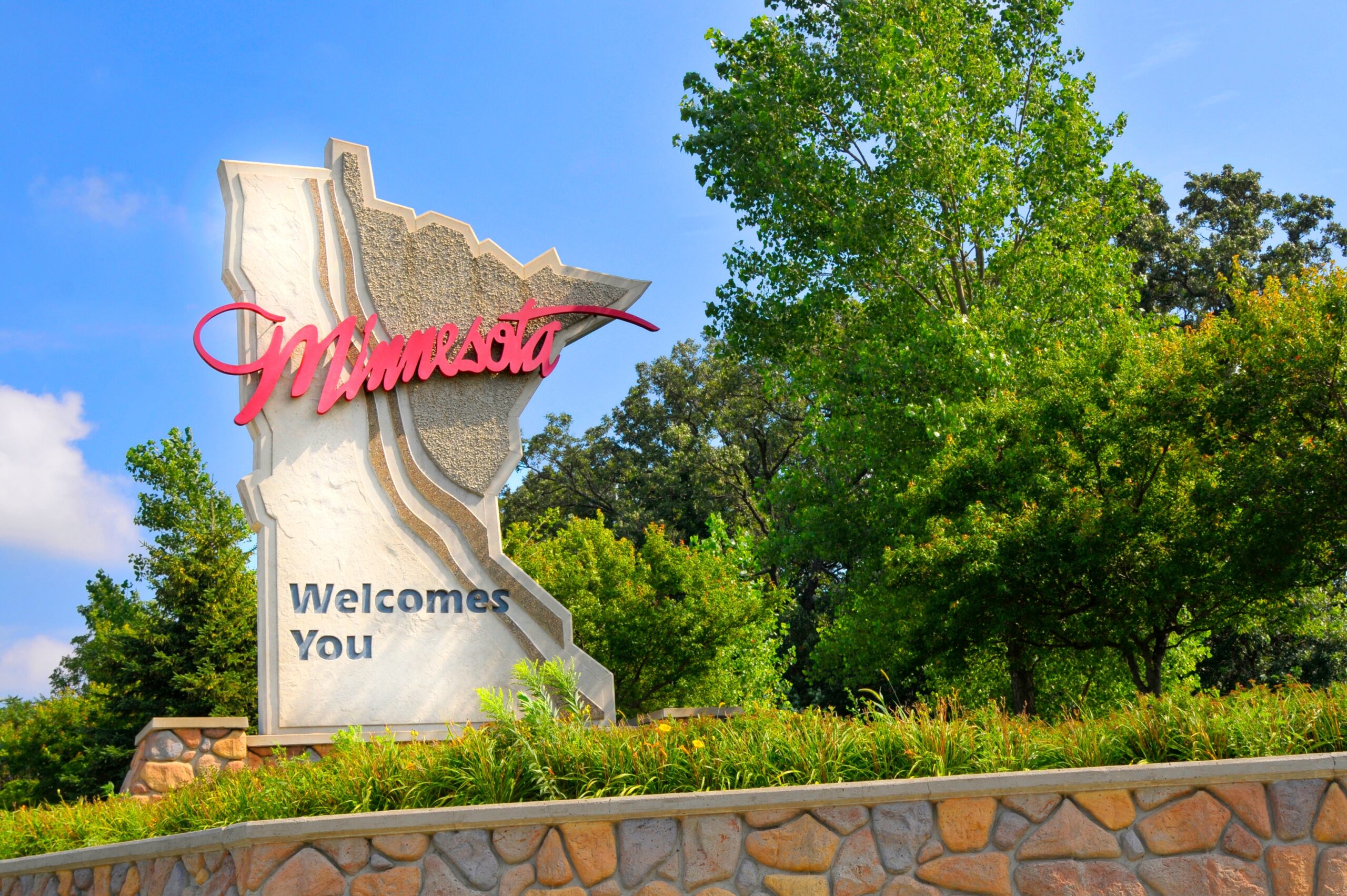
Minnesota does not announce itself loudly. It reveals itself slowly, through water and weather, through restraint and generosity, through a deep relationship with land that shapes both character and culture. Known as the Land of 10,000 Lakes—a modest understatement—it is a place where nature is not scenery but structure. Lakes, rivers, forests, and prairies form the backbone of daily life, influencing how people move, think, and gather.
This is a state defined by balance. Indigenous Dakota and Ojibwe histories coexist with Scandinavian, German, and Eastern European settlement patterns that brought a distinctive ethic of cooperation and endurance. Winters are long and exacting; summers feel earned. The climate has cultivated a people known for understatement, resilience, and civic trust—traits that quietly power one of the most functional public cultures in the United States.
Minnesota’s cultural identity is shaped as much by silence as by sound. It produces bold artists, musicians, and thinkers—Prince, Bob Dylan, Louise Erdrich—but rarely demands attention for doing so. Its cities invest deeply in public spaces, education, and the arts, while its rural regions maintain an intimate connection to agriculture, water, and wildlife.
From the vibrant neighborhoods of Minneapolis and Saint Paul to the boreal forests of the Boundary Waters, Minnesota offers a model of how modern life can coexist with ecological respect. It is neither nostalgic nor hurried. Instead, it moves with deliberation, grounded in the belief that community, stewardship, and patience are forms of strength.
To understand Minnesota is to understand how quiet places can leave lasting impressions.
20. Minneapolis: A City Built on Water and Ideas
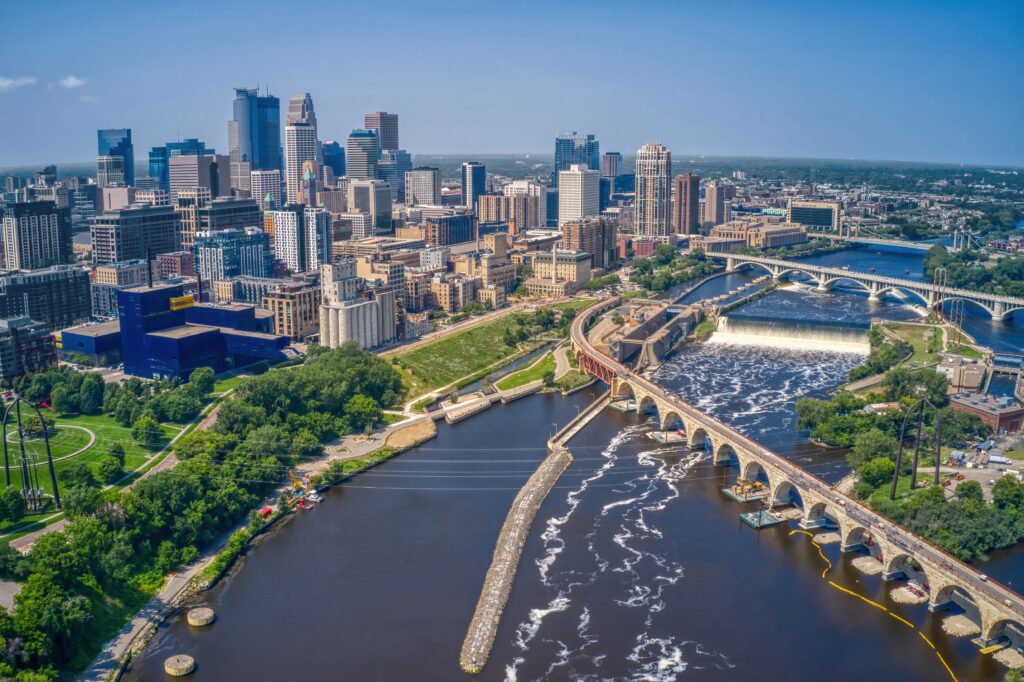
Minneapolis rises from the Mississippi River, shaped by waterfalls, mills, and reinvention. Once an industrial powerhouse built on flour and timber, the city has transformed itself into one of America’s most culturally dynamic urban centers—without losing its connection to water and landscape.
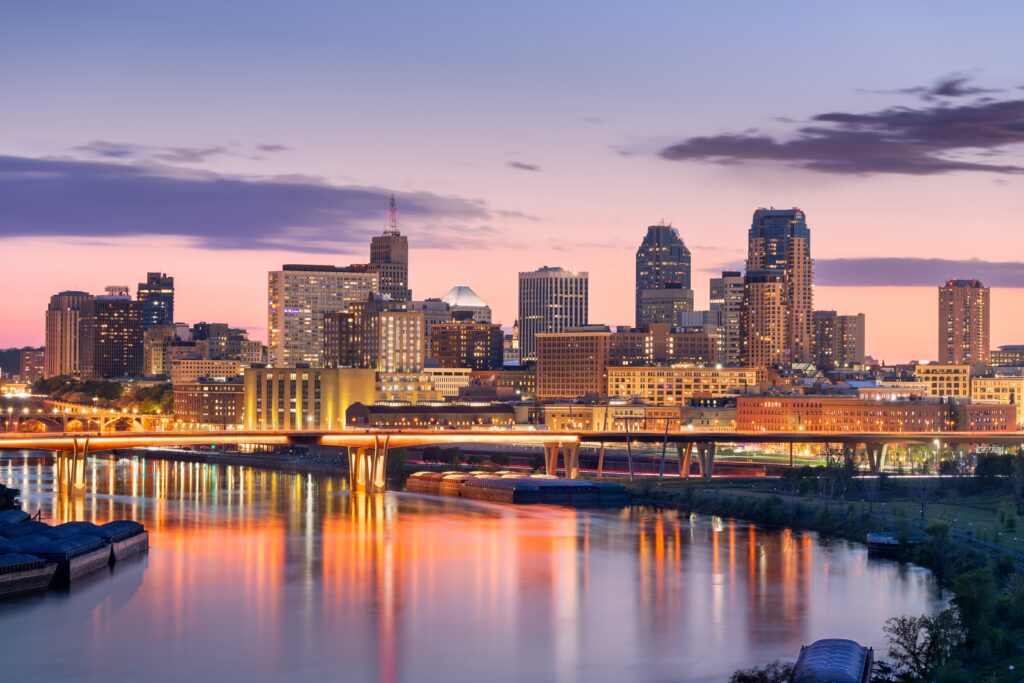
The city’s defining feature is its integration of nature into urban life. Lakes sit within neighborhoods. Bike paths follow rivers and creeks. Parks are not ornamental but essential, forming a continuous green network that encourages movement and reflection. Minneapolis feels breathable, intentional, and deeply humane.
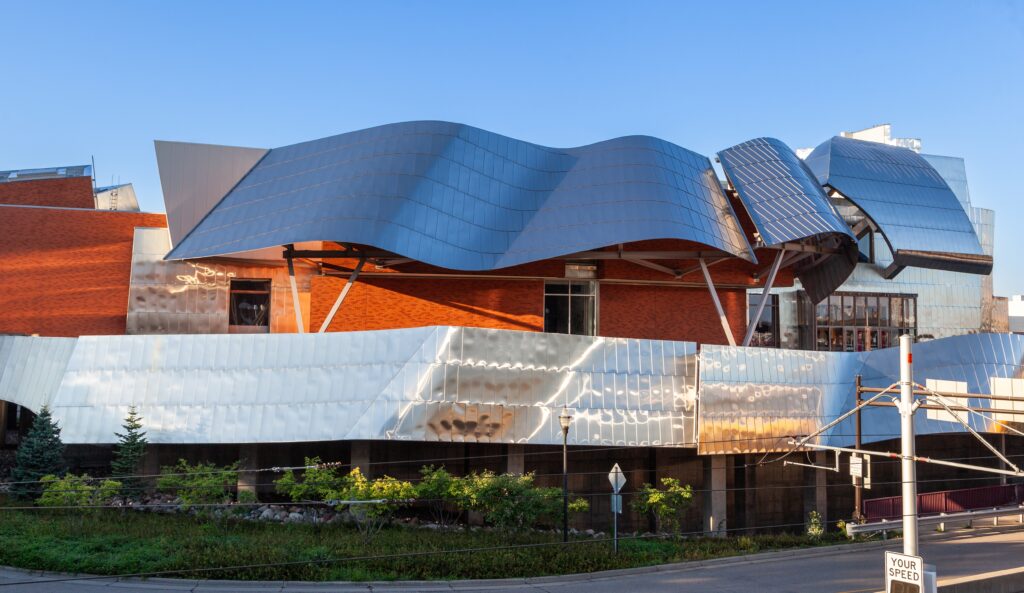
Culturally, the city punches far above its size. Music, theater, design, and food flourish here, supported by institutions that value experimentation and accessibility. Neighborhoods like Northeast, Uptown, and Cedar-Riverside maintain distinct identities while contributing to a shared civic fabric.
Minneapolis also reflects Minnesota’s complexity—its progressive ambition, its reckoning with inequality, and its determination to build something better. It is a city that believes systems matter, that public life is worth investing in, and that creativity should serve community.
19. Saint Paul: History, Dignity, and Continuity
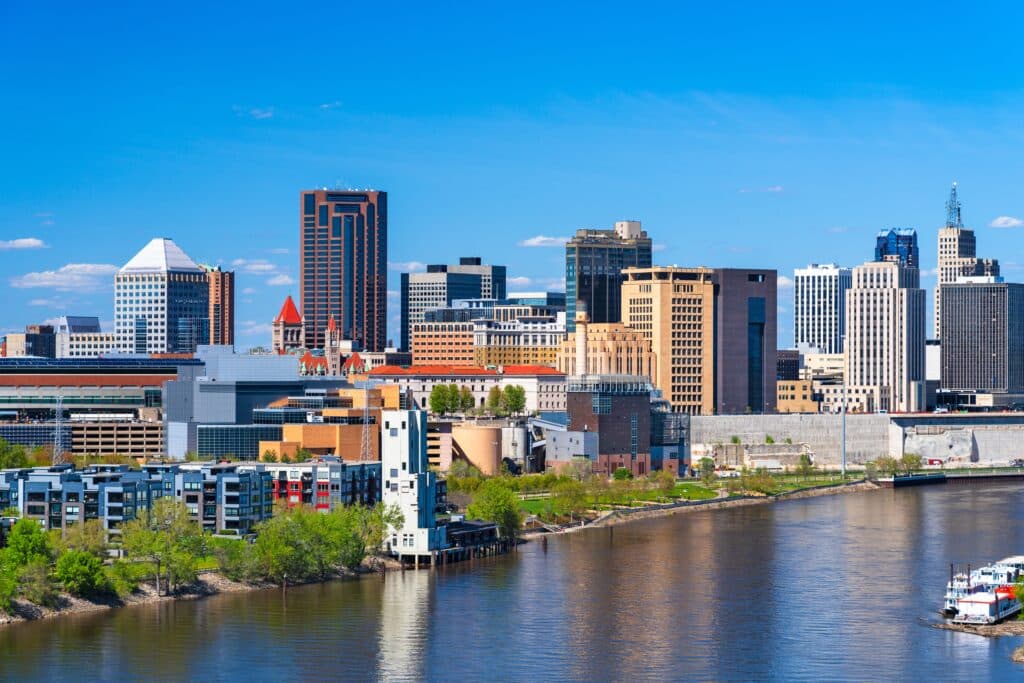
If Minneapolis is kinetic and forward-facing, Saint Paul is composed and reflective. The state capital rises gracefully above the Mississippi, its neighborhoods layered with history and continuity rather than constant reinvention.
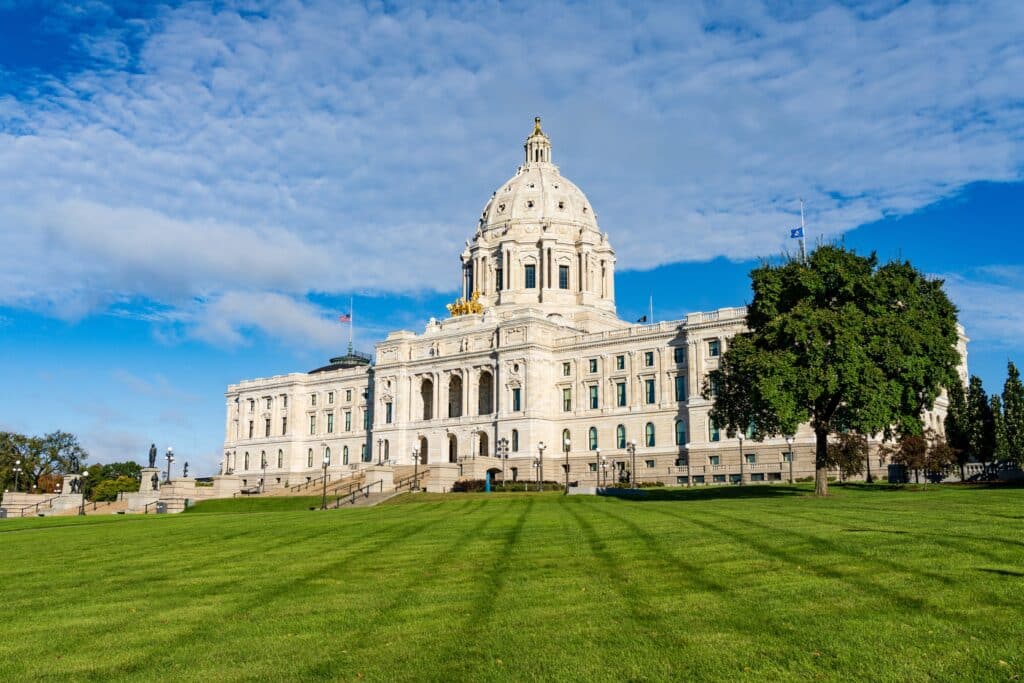
Saint Paul’s strength lies in its sense of permanence. Victorian homes, Catholic cathedrals, and long-established communities give the city a grounded dignity. The pace is slower, the tone quieter, but the cultural depth is profound. Institutions like the Minnesota History Center and the Ordway Center anchor civic life, reinforcing the city’s role as guardian of memory.
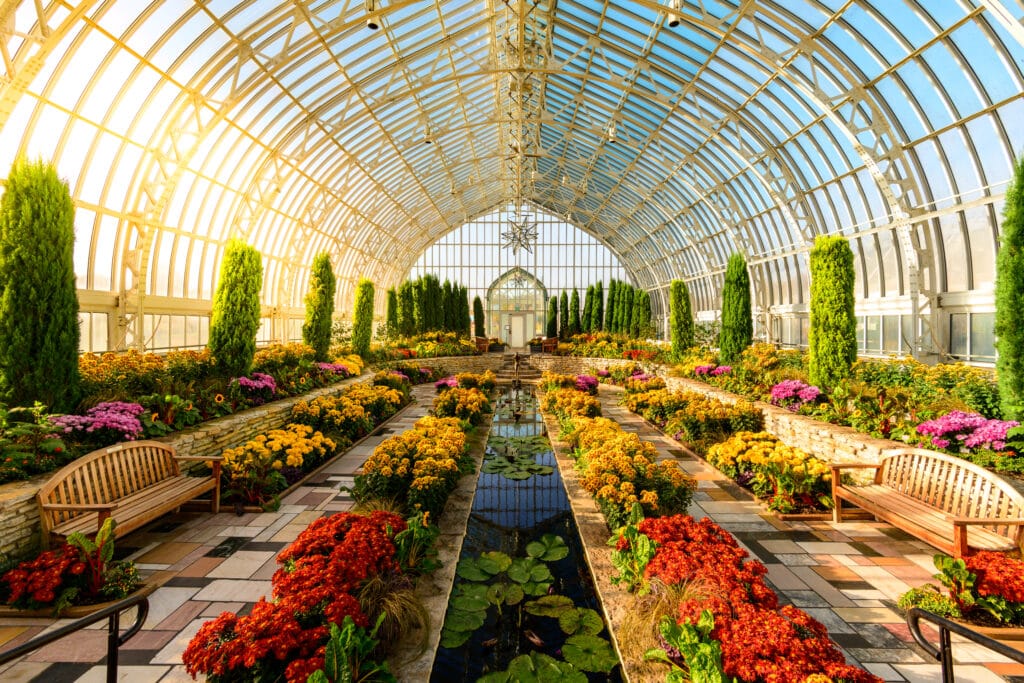
The river remains central—less industrial now, more symbolic. It reminds Saint Paul of its role as gateway, meeting point, and anchor. Immigrant communities continue to shape the city, particularly Hmong and East African populations whose presence adds new layers to Minnesota’s evolving story.
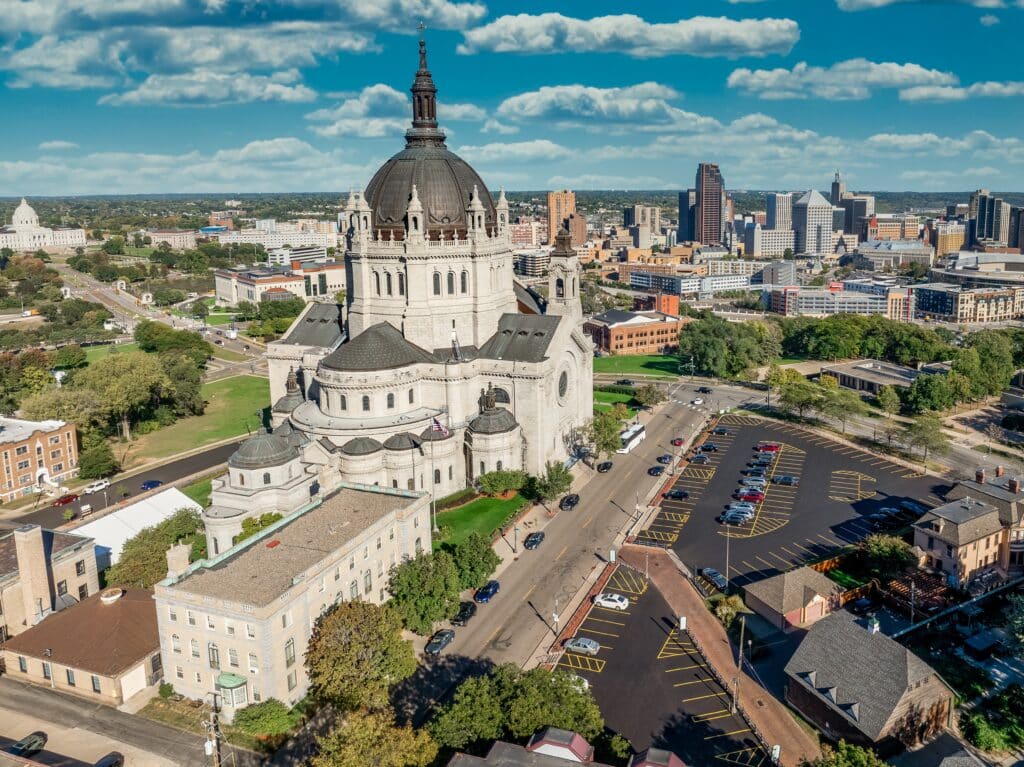
Saint Paul does not chase trends. It cultivates belonging.
18. The Boundary Waters Canoe Area Wilderness: Silence as Sanctuary
In northeastern Minnesota lies one of the most pristine wilderness areas in the continental United States: the Boundary Waters Canoe Area Wilderness. Here, lakes connect by narrow portages, and human presence is deliberately minimized.
This is not wilderness as spectacle but as participation. Canoes replace motors. Silence replaces noise. Days are structured by weather, light, and effort. The experience strips life down to essentials—movement, sustenance, awareness.
The Boundary Waters represent Minnesota’s environmental ethic at its highest expression: protection through restraint. The region is fiercely defended by residents who understand that its value lies precisely in what has not been altered.
It is a place that teaches humility, patience, and reverence—qualities deeply embedded in Minnesota’s identity.
17. Duluth: Where Freshwater Feels Like Ocean
Duluth rises dramatically from the western edge of Lake Superior, a city shaped by elevation, weather, and the restless presence of water. Streets climb steep hills; views open suddenly onto a horizon so vast it feels marine rather than inland. The lake dominates everything—light, temperature, mood—granting Duluth a maritime character unique in the Midwest.
Once a major shipping and industrial hub, Duluth has learned how to reinterpret its past. Old warehouses and rail yards now house studios, cafés, and cultural venues, while the iconic Aerial Lift Bridge remains a working monument to the city’s connection to global trade. Massive ore ships still pass silently through the canal, reinforcing Duluth’s enduring relevance as a port city.
Nature presses close here. Forests, creeks, and cliffs weave directly into residential neighborhoods. The Lakewalk, stretching miles along the shoreline, invites daily communion with water and sky. Duluth’s resilience—tested by harsh winters and economic change—has forged a community that values creativity, self-reliance, and quiet pride.
16. The North Shore: Minnesota’s Wild Edge
Stretching north from Duluth to the Canadian border, Minnesota’s North Shore is a place of elemental beauty. Here, Lake Superior meets ancient volcanic rock, creating cliffs, waterfalls, and forests that feel almost Nordic in character.
Small towns like Two Harbors, Silver Bay, Grand Marais, and Lutsen punctuate the shoreline, offering warmth and human scale amid vastness. The rhythm of the shore is dictated by seasons—wildflowers and long light in summer, blazing color in autumn, frozen power in winter.
State parks line the route, protecting waterfalls that surge toward the lake and trails that climb to breathtaking overlooks. The Boundary Waters begin just inland, reinforcing the sense that civilization here is a guest rather than a master.
The North Shore embodies Minnesota’s reverence for land: access paired with protection, beauty met with responsibility.
15. The Iron Range: Labor, Legacy, and Landscape
Northern Minnesota’s Iron Range tells a story of extraction, immigration, and endurance. Rich iron ore deposits fueled American industrial growth, drawing workers from Finland, Italy, Slovenia, and beyond. Towns like Hibbing, Virginia, and Eveleth were built around mines that reshaped both land and lives.
The landscape bears the marks of industry—vast open pits now filled with water, rail lines threading through forests—but it also reveals remarkable resilience. Reclaimed lands have become lakes and wildlife habitats, and communities continue to evolve while honoring their working-class heritage.
The Iron Range contributes a powerful strand to Minnesota’s identity: solidarity, pragmatism, and pride in honest labor. It is a place where history is not romanticized but respected, and where community bonds remain strong.
14. Lake Minnetonka: Leisure and Legacy
Just west of Minneapolis lies Lake Minnetonka, a complex network of bays and channels that has long served as a retreat and gathering place. Once a summer playground for industrialists arriving by streetcar, the lake has become a year-round center of recreation and community life.
Historic towns like Wayzata, Excelsior, and Mound balance elegance with accessibility. Sailboats and paddleboards glide across water that reflects changing skies, while lakeside trails and cafés foster connection rather than exclusivity.
Lake Minnetonka illustrates Minnesota’s democratic approach to beauty: cherished, shared, and thoughtfully maintained.
13. Bemidji & the Mississippi Headwaters: Where a River Begins
In Bemidji, the Mississippi River emerges quietly from Lake Itasca, beginning its long journey south. The moment is understated, yet deeply symbolic. Minnesota understands origins—how small beginnings shape vast outcomes.
Bemidji blends Indigenous heritage, artistic spirit, and northern geography. The city honors its Ojibwe roots while supporting a vibrant creative community. Forests, lakes, and wetlands surround it, reinforcing a close relationship with land and water.
Standing at the river’s source offers perspective: on scale, responsibility, and continuity. Few places capture Minnesota’s sense of purpose so clearly.
12. The Driftless Area: Minnesota Unfolded
Southeastern Minnesota belongs to the Driftless Area, a region untouched by the last glaciers and defined by rolling hills, limestone bluffs, and deeply carved river valleys. Unlike the flatter landscapes elsewhere in the state, this terrain feels unexpectedly old and intimate, shaped by erosion rather than ice.
The Mississippi River dominates the region, carving a scenic corridor through towns such as Red Wing, Winona, and Wabasha. Here, waterfowl gather in astonishing numbers, drawing naturalists and birders from around the world. The river’s presence is not merely visual—it informs culture, economy, and identity.
Vineyards, orchards, and small farms thrive in the sheltered valleys, while historic towns preserve brick storefronts and riverfront parks. The Driftless Area reveals a gentler Minnesota—one that values continuity, craftsmanship, and connection to land.
11. Red Wing & the Mississippi Bluffs: Craft and Continuity
Red Wing stands at the meeting of river and bluff, a town shaped by geology and industry alike. Known globally for its boots and pottery, Red Wing exemplifies Minnesota’s tradition of craftsmanship—practical, durable, and quietly elegant.
The town’s historic downtown faces the Mississippi, its warehouses and storefronts repurposed for modern life. Above it, Barn Bluff rises steeply, offering panoramic views that connect river, town, and horizon.
Red Wing’s identity rests in balance: industry without excess, heritage without stagnation. It demonstrates how small communities can evolve while remaining rooted.
10. Rochester & the Mayo Clinic: Precision and Care
Rochester’s global significance is anchored by the Mayo Clinic, an institution that has reshaped modern medicine through collaboration, ethics, and patient-centered care. What makes Rochester remarkable is not just excellence but intention.
The city reflects Minnesota’s values of competence, humility, and service. Despite its international reach, Rochester remains orderly, approachable, and community-focused. Parks, trails, and public art reinforce a sense of balance between intellect and livability.
Rochester proves that ambition need not be loud—and that care, practiced with integrity, can define a place.
9. Pipestone National Monument: Stone, Spirit, and Memory
In southwestern Minnesota, Pipestone National Monument preserves sacred quarries used by Indigenous peoples for centuries to carve ceremonial pipes. The soft red stone holds deep spiritual significance, transcending tribal boundaries.
The site remains active—not as a relic, but as a living cultural landscape. Indigenous carvers continue to work the stone, maintaining traditions through permission, ritual, and respect.
Pipestone reminds visitors that Minnesota’s story did not begin with settlement. It invites reflection on stewardship, continuity, and reverence.
8. The Alexandria Lakes Region: Summer in Motion
Central Minnesota’s Alexandria Lakes Region captures the state’s deep affection for summer. Dozens of lakes surround the town, forming a landscape devoted to water, light, and recreation.
Cabins, docks, and pontoon boats define the rhythm of life here. Families gather across generations, repeating rituals of swimming, fishing, and evening fires. The region reflects Minnesota’s belief that leisure is not indulgence but restoration.
7. Winter Culture & the Minnesota State Fair: Endurance Celebrated
Winter defines Minnesota as much as any lake or river. Rather than retreat, Minnesotans adapt—ice fishing villages appear overnight, outdoor rinks glow in neighborhoods, and festivals embrace cold as culture.
The Minnesota State Fair, held at summer’s end, celebrates this spirit. It is democratic, abundant, and communal—a reflection of the state itself.
6. Mankato & the Minnesota River Valley: Agriculture and Adaptation
The Minnesota River Valley unfolds gently through the state’s south-central region, supporting fertile farmland and communities shaped by agriculture and trade. Mankato, the region’s hub, blends college-town energy with rural practicality.
This valley tells a complex story—of Indigenous displacement, settlement, and adaptation. The river once served as a transportation artery; today it defines ecosystems and landscapes that sustain modern farming. Bluffs and prairie remnants provide visual reminders of what came before cultivation.
Mankato reflects Minnesota’s ability to hold history honestly while continuing forward, valuing education, environmental stewardship, and economic resilience.
5. Stillwater & the St. Croix Valley: Birthplace of a State
Stillwater occupies a singular place in Minnesota’s imagination and history. Set along the banks of the St. Croix River, it is widely regarded as the birthplace of the state—a town where commerce, governance, and settlement converged in the mid-19th century. The river, wide and steady, once carried logs and ambition downstream; today it carries memory.
Stillwater’s downtown is a carefully preserved tapestry of Victorian brick buildings, limestone facades, and iron bridges. These structures do not exist as museum pieces but as living spaces—restaurants, inns, bookstores, and galleries that maintain continuity between past and present. Walking its streets feels like stepping into a dialogue between eras.
Beyond the town lies the St. Croix Valley, one of the most scenic and ecologically protected corridors in the Midwest. Forested bluffs rise above quiet water, framing a landscape deliberately spared from industrial excess. Designated as one of the nation’s first National Scenic Riverways, the St. Croix embodies Minnesota’s early understanding that preservation is a form of progress.
Stillwater represents Minnesota at its point of origin: ambitious but reflective, entrepreneurial yet deeply tied to place. It reveals how rivers shaped not only economies, but civic values—connection, continuity, and stewardship.
4. Mankato & the Minnesota River Valley: Agriculture and Adaptation
The Minnesota River Valley unfolds across south-central Minnesota as a landscape of fertility and transition. Carved by ancient glacial waters, the valley supports some of the richest agricultural land in the state, forming the backbone of Minnesota’s farming economy. Mankato, positioned at the river’s bend, stands as the region’s cultural and educational anchor.
This is a working landscape—fields of corn and soy stretch to the horizon—but it is also one layered with history. The valley bears witness to Indigenous presence, forced removal, and settlement, creating a complex narrative that modern communities continue to confront with growing honesty.
Mankato blends rural practicality with academic energy, shaped by Minnesota State University and a vibrant local economy. Trails trace riverbanks, bluffs rise above the city, and parks create moments of pause within productive land. The river itself no longer serves as a commercial artery but remains ecologically and symbolically central.
The Minnesota River Valley illustrates adaptation: land transformed for agriculture, communities evolving to balance productivity with sustainability, and history increasingly acknowledged rather than erased. It reflects a Minnesota that understands its prosperity is inseparable from responsibility.
3. Grand Rapids & Northern Lakes Culture: Between Forest and Water
Grand Rapids, set amid northern forests and lakes, occupies a liminal space between wilderness and town life. Surrounded by public lands, rivers, and glacial lakes, it embodies a distinctly northern rhythm—one shaped by seasons, solitude, and self-reliance.
This is a region where outdoor life is not recreational but foundational. Hunting, fishing, foraging, and snow travel remain practical skills, passed down through families and communities. Yet Grand Rapids is also a place of quiet creativity. Artists, writers, and musicians are drawn to its long winters and reflective summers, finding inspiration in stillness.
The town’s cultural legacy includes Judy Garland, whose birthplace hints at the imaginative life that can emerge from remote landscapes. Local museums, theaters, and arts organizations continue this tradition, grounding creativity in community rather than spectacle.
Grand Rapids represents northern Minnesota’s balance: independence paired with mutual support, isolation softened by belonging. It reveals how culture flourishes not despite remoteness, but because of it.
2. New Ulm: Old World Roots, Midwestern Ground
New Ulm stands as one of Minnesota’s most distinct cultural enclaves, shaped profoundly by German immigration. Founded by settlers seeking both land and cultural continuity, the town preserves traditions that remain deeply woven into daily life.
Architecture, festivals, and music reflect this heritage without becoming performative. The Minnesota River, flowing nearby, grounds New Ulm geographically and historically, reinforcing its connection to land and labor. Community events—often centered around music, food, and seasonal ritual—emphasize participation over display.
New Ulm’s strength lies in how it integrates tradition into modern life. German heritage here is not nostalgic; it is lived. Schools, civic organizations, and local businesses sustain values of discipline, craftsmanship, and collective responsibility.
The town illustrates how immigrant cultures did not dissolve into Minnesota’s identity—they shaped it fundamentally, adding depth, resilience, and continuity.
1. Minnesota’s Indigenous Nations: Presence, Not Past
Any definitive understanding of Minnesota must begin—and continue—with its Indigenous nations, particularly the Dakota and Ojibwe, whose relationship to this land predates statehood by millennia. Their presence is not historical abstraction but living reality.
Across reservations, urban centers, and cultural institutions, Indigenous communities maintain language, ceremony, and stewardship practices that shape Minnesota’s evolving identity. Efforts toward land acknowledgment, treaty education, and language revitalization reflect a growing commitment to truth rather than erasure.
Sacred sites, waterways, and place names across the state testify to this enduring relationship. Pipestone, Mille Lacs, and the Mississippi itself carry meanings deeper than maps can convey.
This chapter reframes Minnesota not as inherited territory, but as shared responsibility—one that demands listening, accountability, and respect. The state’s future, like its past, is inseparable from Indigenous presence.