
Illinois is a state defined by contrast — a place where the endless sweep of Midwestern prairie meets the glittering geometry of one of the world’s great cities; where the Mississippi rolls slow and ancient along bluffs older than memory, while the Chicago River slides between towers of glass and steel. It is a landscape where history, innovation, migration, and artistry converge, shaping a region that is as diverse in spirit as it is in geography.
To journey across Illinois is to travel between worlds. The north hums with urban rhythm — jazz drifting from dimly lit clubs, the elevated train rattling through neighborhoods stitched with murals, bakeries, blues bars, and global cuisines. Chicago is its own universe: bold, architectural, restless, and endlessly creative, a city that mirrors the lake it borders — deep, powerful, and shimmering with possibility.
But beyond the city limits, Illinois transforms. The suburbs unfurl into farmland; prairies stretch toward the horizon in golden waves; small towns stand rooted in tradition, offering diners, antique shops, and a kind of calm that settles softly on the shoulders. River towns cling to limestone bluffs, with steamboat echoes lingering in the breeze. Historic courthouses, Underground Railroad sites, and Native American mounds speak to centuries layered beneath the soil. State parks cradle canyons carved by wind and water, their sandstone walls cool and ancient.
Illinois is a crossroads — of cultures, of histories, of landscapes. It is the birthplace of Abraham Lincoln’s political rise, the cradle of gospel, blues, and early rock, the home of modern architecture, and the setting for countless American stories. Here, the prairie’s quiet strength blends seamlessly with urban dynamism, creating a state that embodies both movement and memory.
This guide explores thirty of its most essential places — from Chicago’s soaring skyline to the whispering forests of the Shawnee, from the mighty Mississippi to small towns infused with pride and character. Illinois is not merely a place to visit. It is a place to experience, to contemplate, and to remember.
Chicago: The City That Invented Itself
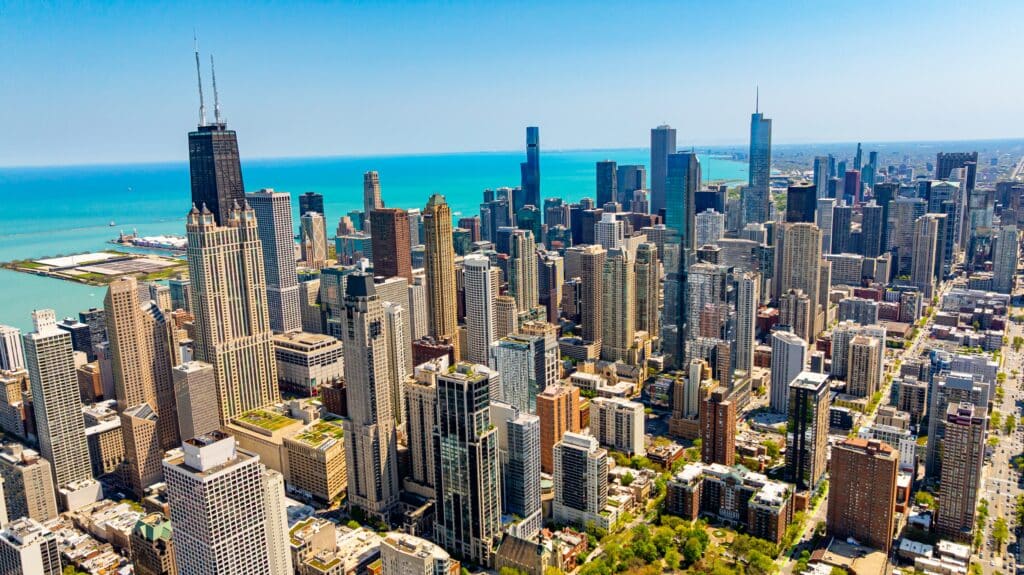
Chicago is not just a city — it is a phenomenon. Rising from the ashes of the Great Fire of 1871, it rebuilt itself with ambition, innovation, and an unmistakable aesthetic courage. Today, its skyline stands like a sculpture garden of steel and glass, its towers reflecting the blue sweep of Lake Michigan and the restless energy of millions of lives in motion.
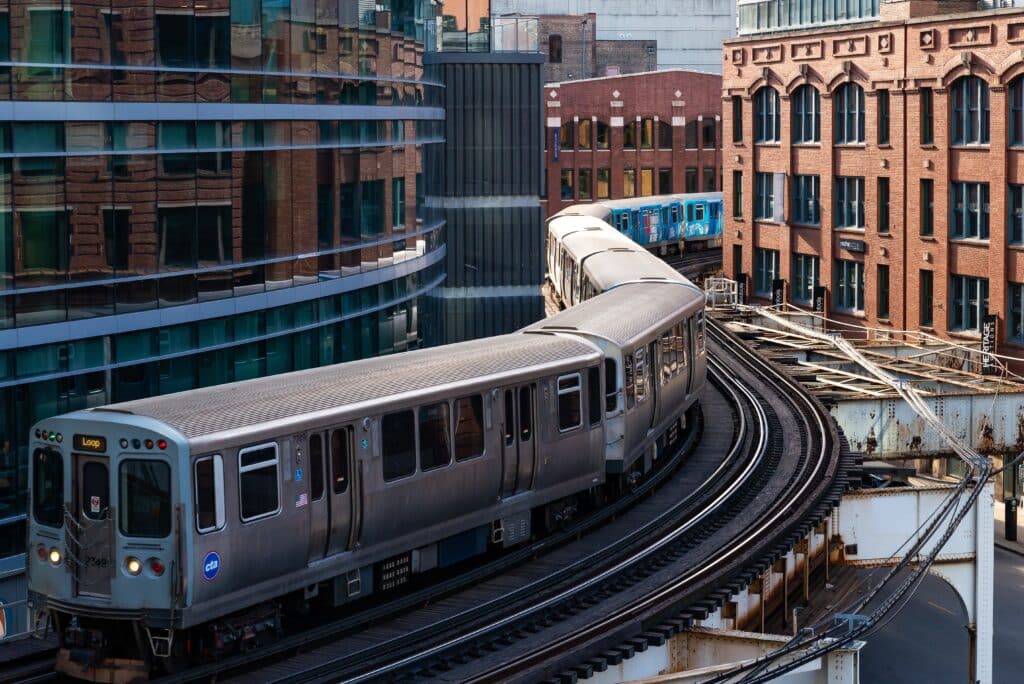
Downtown’s Loop hums with momentum. Elevated trains trace iron paths overhead as office workers, students, and travelers weave between the canyon-like streets. The Chicago Riverwalk reveals a more serene perspective: terraced steps where kayakers paddle, cafés spill onto promenades, and architectural masterpieces rise with quiet authority.
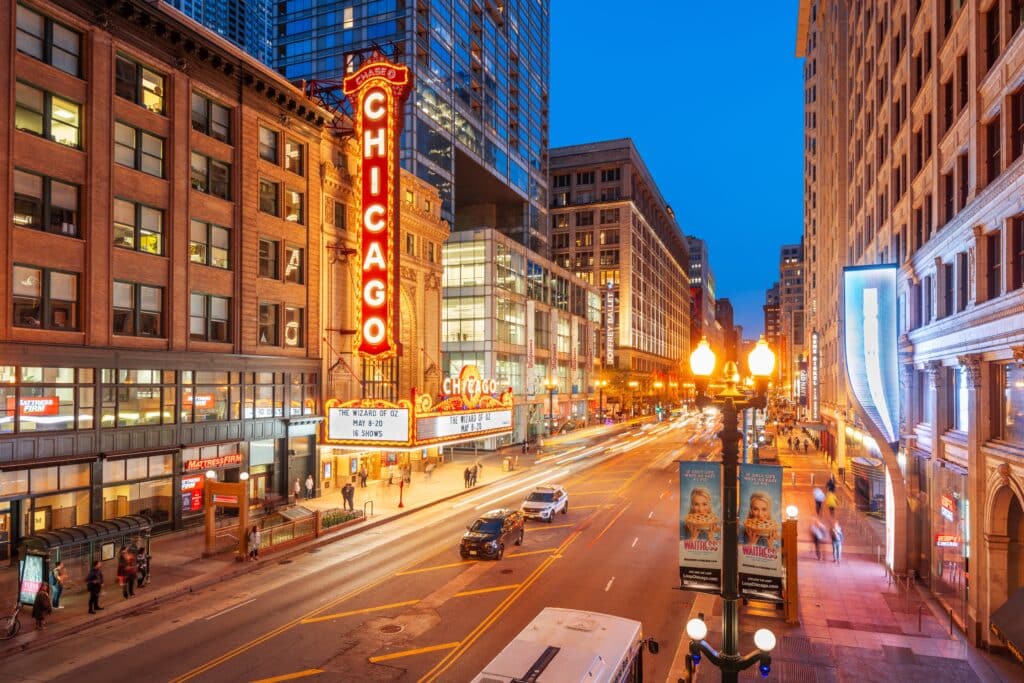
Chicago’s cultural depth is astonishing. The Art Institute, with its Impressionist collection and iconic lions, is a sanctuary of global artistry. Millennium Park brings public space into the future with the reflective elegance of Cloud Gate. Meanwhile, neighborhoods like Pilsen, Hyde Park, Logan Square, and Bronzeville pulse with identity — tacos sizzling on street corners, jazz clubs glowing under soft lights, bookstores tucked into historic storefronts.
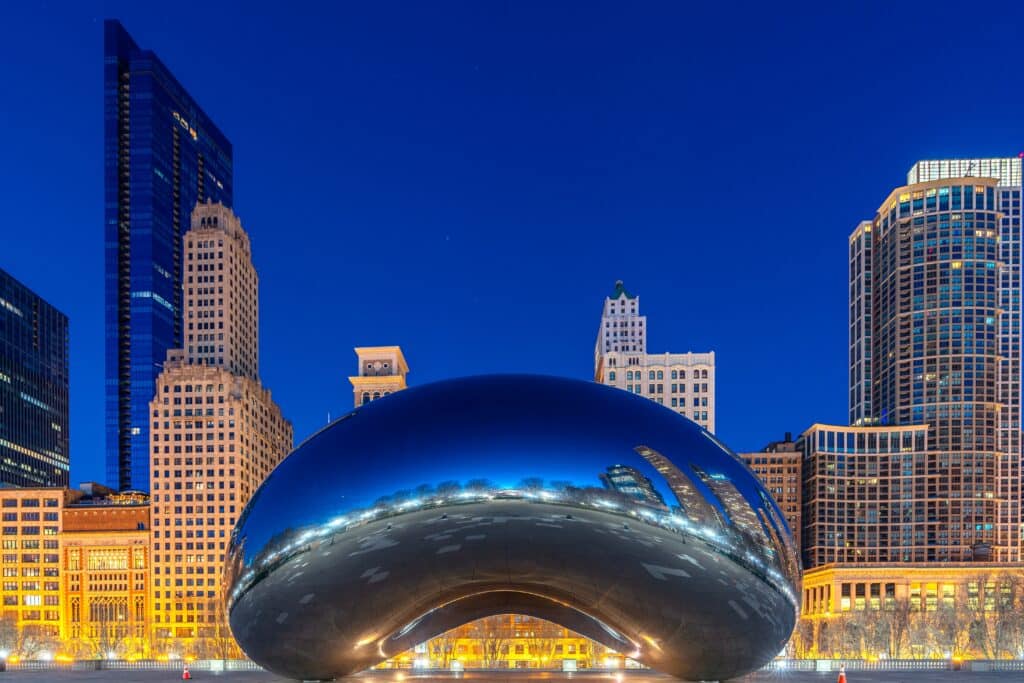
But perhaps Chicago’s greatest strength is its duality. It is bold yet intimate, industrial yet artistic, polished yet gritty. On summer nights, the lake breeze drifts across beaches and parks, softening the city’s lines. In winter, snow wraps the streets in quiet, transforming the urban sprawl into something almost poetic.
Chicago is a city that reinvents itself without ever losing its soul — a place where the American story feels both familiar and continuously unfolding.
Springfield: The Heart of Lincoln’s Legacy
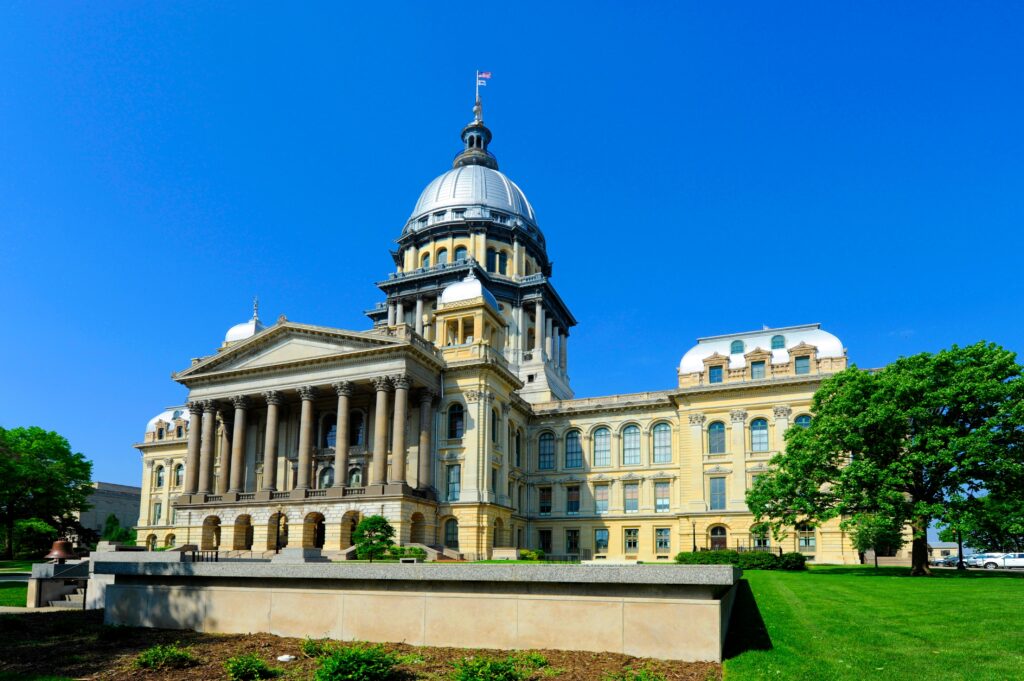
Springfield is a city woven with history — not the distant, abstract kind, but the deeply personal legacy of Abraham Lincoln, whose life and spirit still shape the city’s character. Walking through its streets feels like stepping into the chapters of a living biography.
The Lincoln Home National Historic Site preserves the only home Lincoln ever owned. Its rooms, carefully restored to their 1860 appearance, radiate warmth and intimacy — a reminder that world-changing figures are often forged in ordinary spaces. Nearby, the Old State Capitol stands in dignified silence, where Lincoln delivered his “House Divided” speech and sharpened the political instincts that would define a nation.
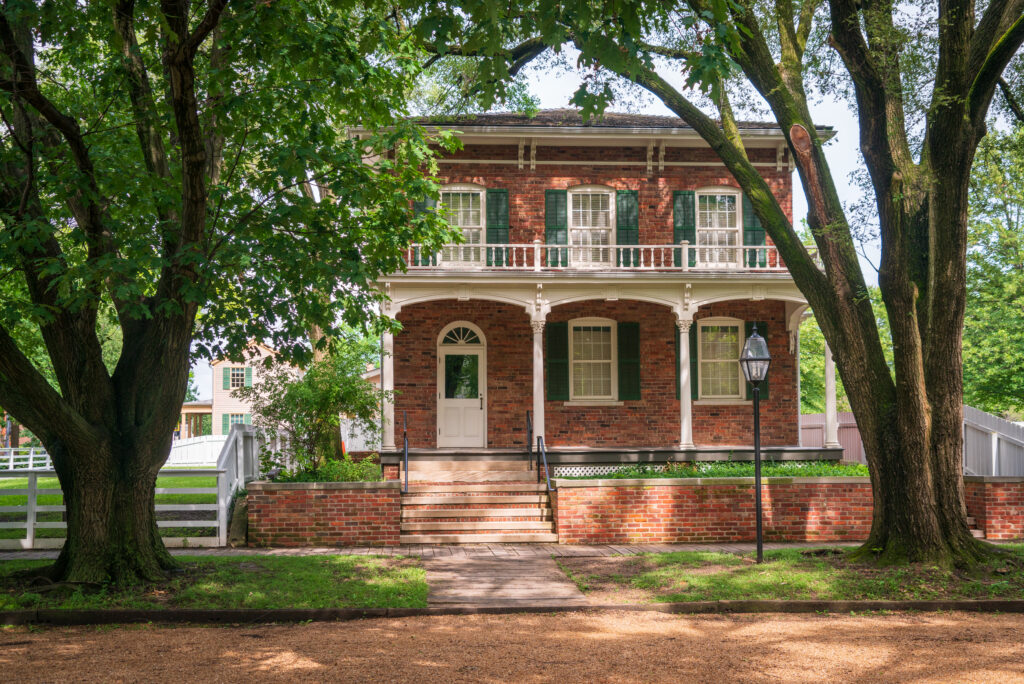
The Lincoln Presidential Library and Museum, however, is Springfield’s crown jewel — immersive, theatrical, emotional. Exhibits blend storytelling with innovation, creating an experience that allows visitors to feel the tension of wartime decisions, the tenderness of family life, and the sheer weight of leadership.
Yet Springfield is more than its historic mantle. The city offers tree-lined neighborhoods, bustling markets, and the lively corridors of downtown. The scent of horseshoe sandwiches — a Springfield original — drifts from local diners. Washington Park blooms each spring, while festivals bring music and color to the streets.
Springfield embodies Illinois’ historical heart — reflective, resilient, and grounded in the belief that one person’s story can reshape the world.
Peoria: A City Along a Restless River
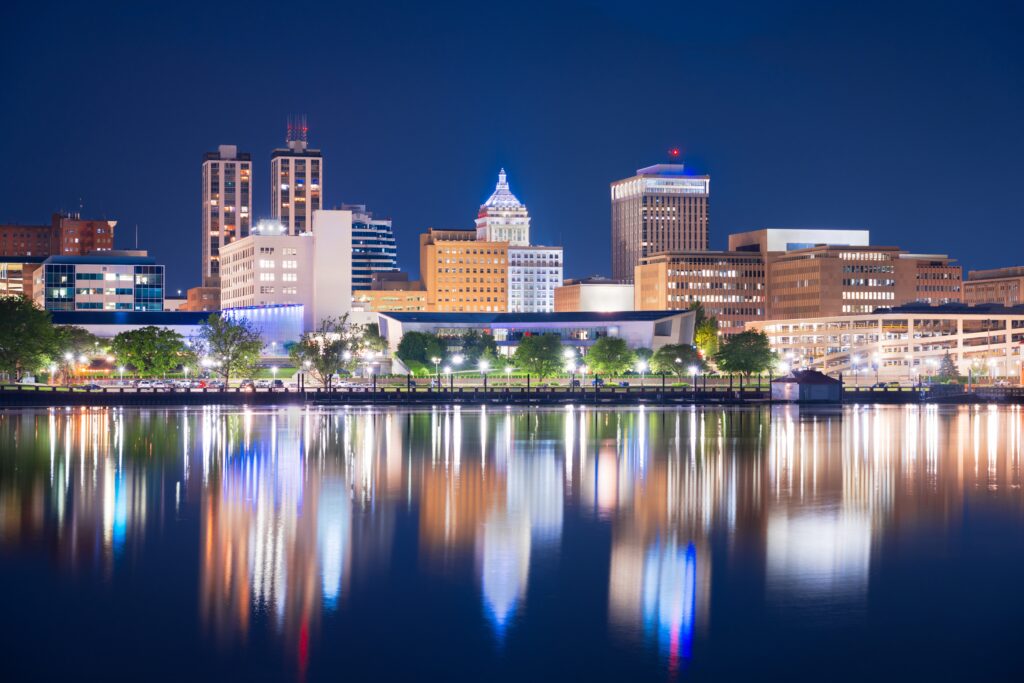
Peoria sits gracefully along the Illinois River, its skyline rising above broad waters that once carried the lifeblood of Midwestern commerce. Today, it blends industry, innovation, and natural beauty in a way that feels both historic and forward-looking.
The Riverfront District is Peoria’s beating heart — a lively stretch of promenades, craft breweries, theaters, and parks. Riverboats glide past as people gather for concerts, markets, and festivals beneath open sky. The river itself is mesmerizing: sometimes mirror-still, sometimes rippling with restless energy.
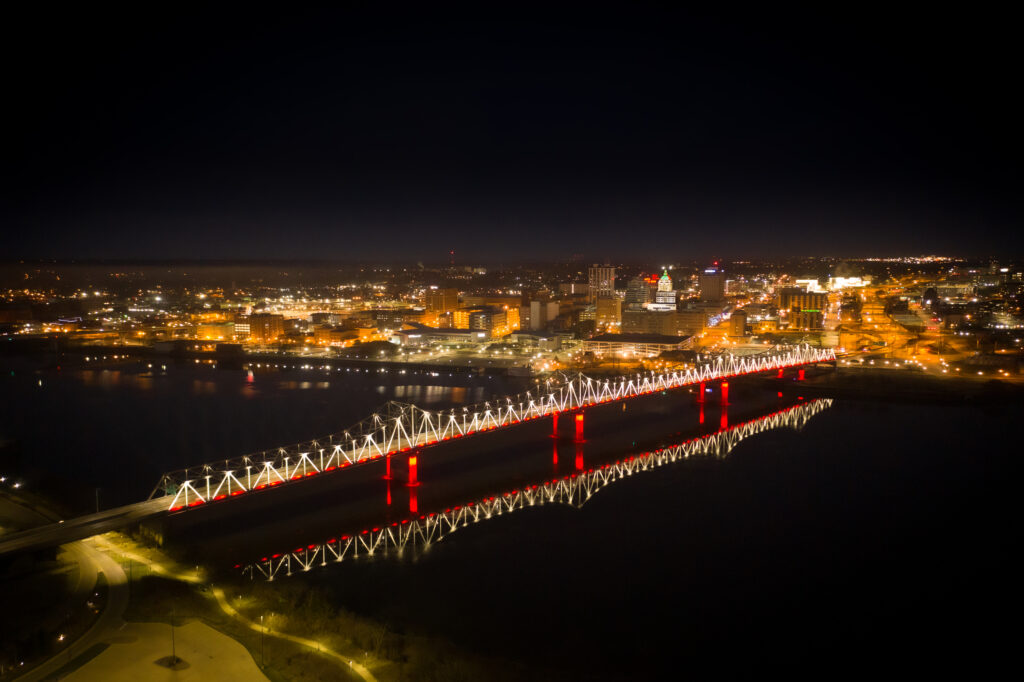
Peoria’s artistic spirit thrives in places like the Peoria Riverfront Museum, a hub of culture, science, and community engagement. The nearby Caterpillar Visitor Center nods to the city’s industrial roots, celebrating the machines that helped build the modern world.
Nature is never far away. The Luthy Botanical Garden and Peoria Zoo offer leafy escapes, while the Forest Park Nature Center provides miles of trails winding through wooded hills and bird-filled ravines — a surprise of wildness within city limits.
Peoria feels grounded, authentic, and quietly proud. It is a city shaped by the river’s flow — steady, reflective, and always connected to the wider world.
Rockford: The Forest City on the Rock River
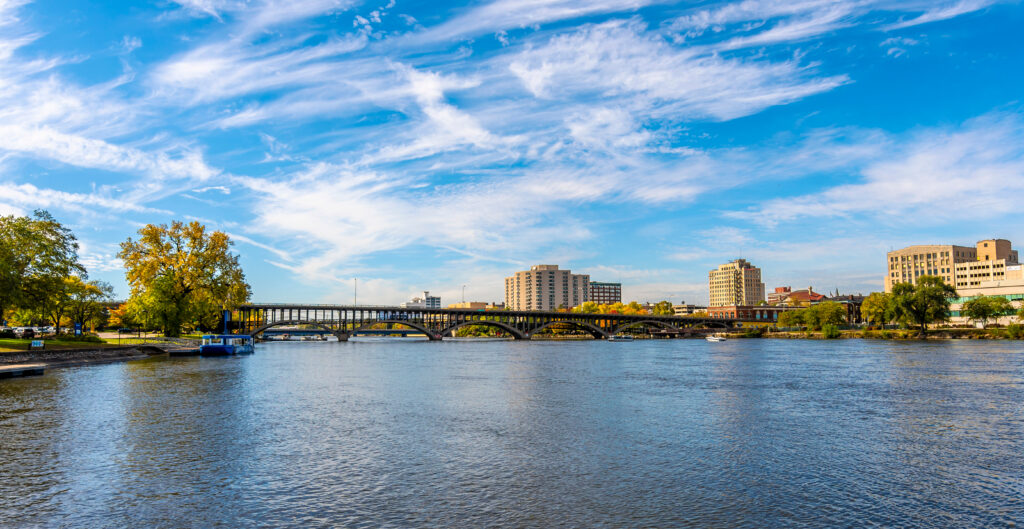
Rockford stands at the northern edge of Illinois, a city shaped by craftsmanship, immigrant heritage, and the steady flow of the Rock River. Long known as the Forest City, Rockford still carries that leafy DNA — tree-lined boulevards, sprawling parks, and neighborhoods where old oaks cast shadows across quiet streets.
At the city’s heart lies the serene and extraordinary Anderson Japanese Gardens — considered among the most authentic and exquisite Japanese gardens in North America. Pathways curl past koi ponds and sculpted pines; waterfalls murmur gently over stone; and the entire landscape creates an atmosphere of contemplative stillness rarely found in an urban center. Just across the way, the Nicholas Conservatory & Gardens adds a splash of tropical warmth, its glasshouse filled with orchids, palms, and fragrant blooms.
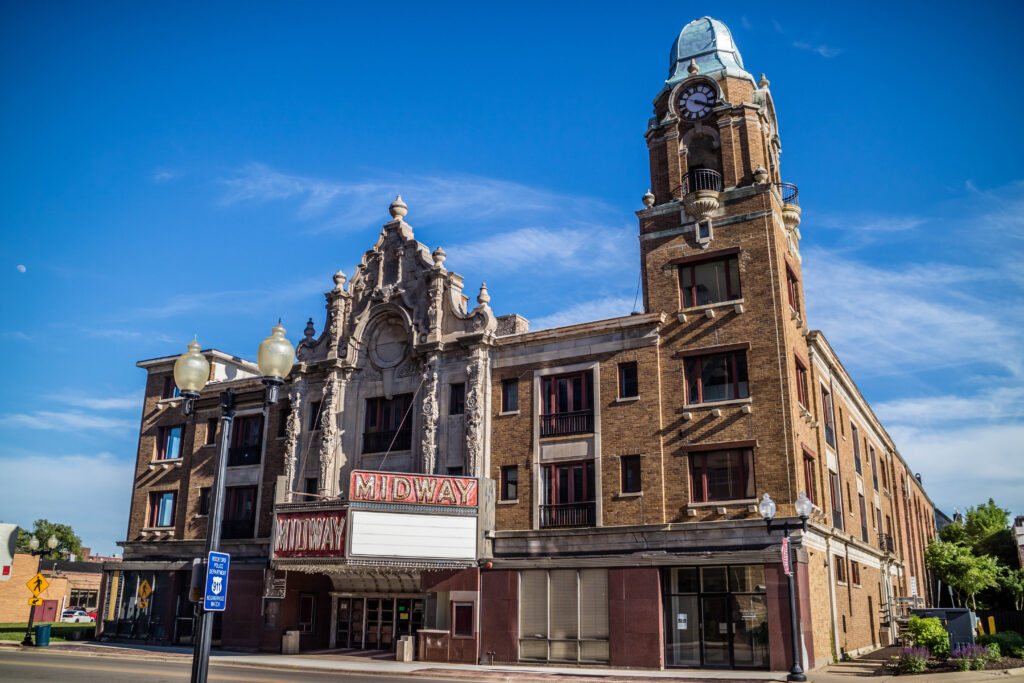
Downtown Rockford is experiencing a creative reawakening. Historic industrial buildings now house studios, breweries, and independent restaurants where chefs draw inspiration from the city’s Swedish and Italian roots. Murals brighten brick walls, and the Coronado Theatre — restored to its golden-age splendor — glimmers like a Baroque dream, its ceiling painted with a starry sky.
Along the river, pedestrian paths and parks stitch together a green corridor where joggers, cyclists, and families move beside water that shifts from silver to blue under Midwestern sunlight. Rock Cut State Park, just northeast of downtown, expands that sense of wildness with its lakes, forests, and miles of trails.
Rockford is resilient and authentic — a city that honors its working-class history while embracing new energy. It is a place of unexpected beauty and slowly unfolding charm, where tradition and creativity rise together like sunrise over the river.
Galena: A Town Steeped in Time and Hillside Grace
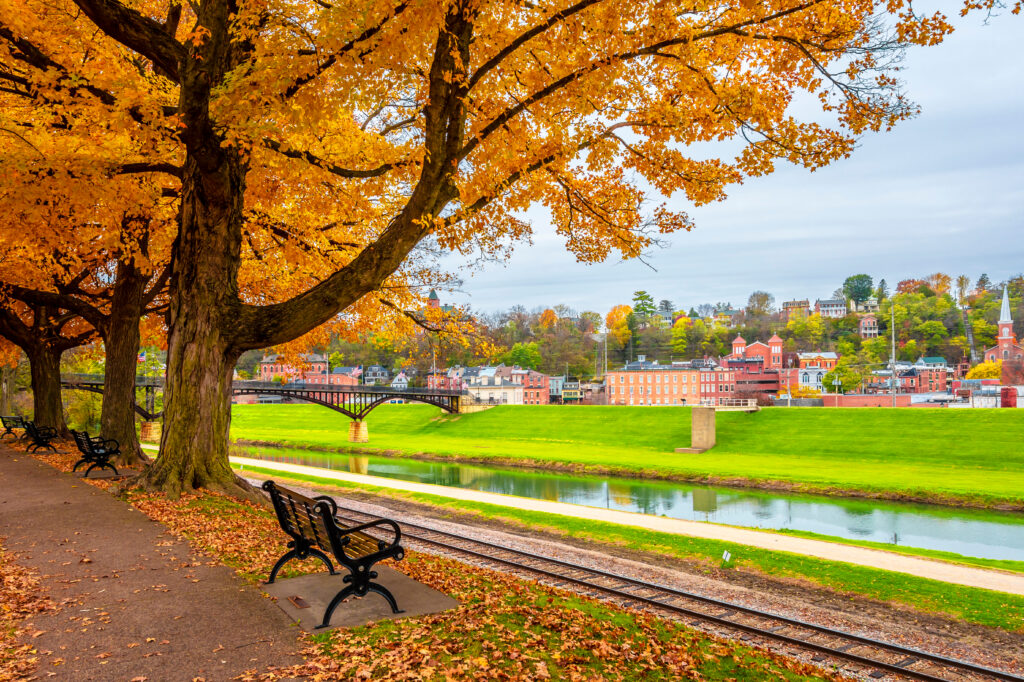
Approaching Galena feels like entering another century. Nestled amid rolling northwest hills, this postcard-perfect town rises from the banks of the Galena River in a cascade of 19th-century brick storefronts, steeples, and elegant Victorian homes. Once a booming lead-mining center and Mississippi River port, Galena now exudes quiet historical romance — a place where time lingers in doorways and cobblestones.
Main Street is the town’s crown jewel: a long, graceful curve of boutiques, cafés, bakeries, art galleries, and old-fashioned storefronts. Wrought-iron balconies and painted signs evoke a bygone era, while the scent of roasted coffee and handmade fudge drifts through the air. Visitors wander slowly, savoring the charm of each corner.
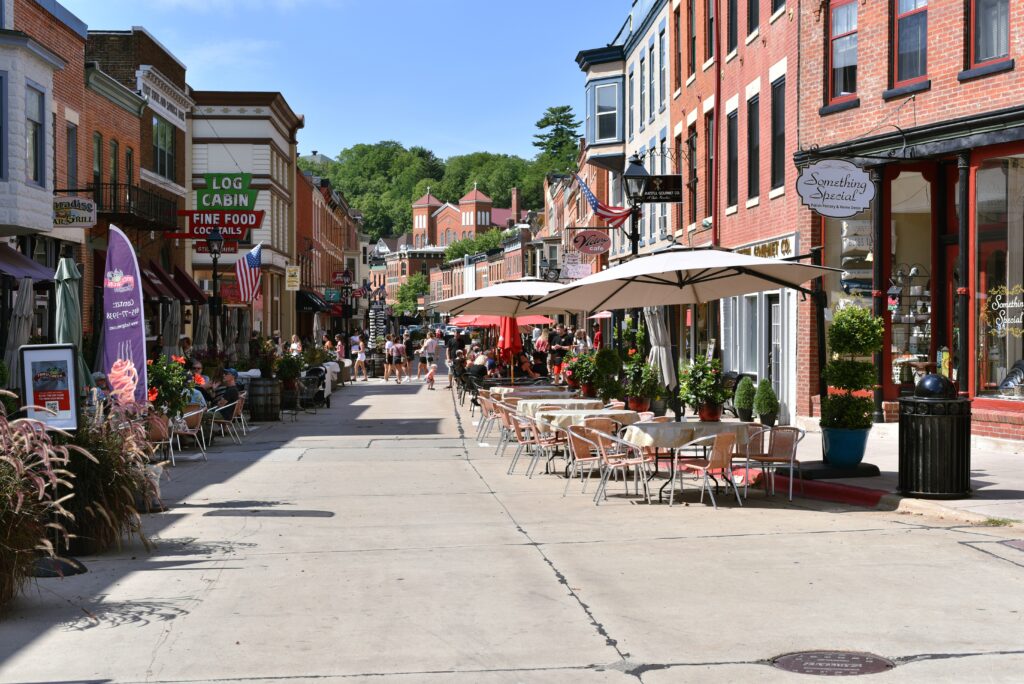
History runs deep here. The Ulysses S. Grant Home, preserved with care, tells the story of the Civil War general and future president who called Galena home. The Downtown Historic District contains more than 1,000 buildings listed on the National Register of Historic Places — an astonishing concentration for such a small town.
Nature frames everything. The hills surrounding Galena are unlike anywhere else in Illinois — soft, rounded, reminiscent of the Driftless Area untouched by glaciers. Horseshoe Mound offers sweeping valley views, while the Galena River Trail winds peacefully between cliffs and water.
In autumn, Galena glows with gold and amber foliage; in winter, snow transforms its streets into a living Christmas card. Yet beyond seasonal beauty, Galena’s deeper magic lies in its pace — unhurried, welcoming, and rooted in stories that continue to shimmer long after you leave.
Champaign–Urbana: The Intellectual Heartbeat of the Prairie

In the heart of central Illinois, the twin cities of Champaign and Urbana rise from the prairie as an oasis of intellect, creativity, and youthful energy. Anchored by the sprawling campus of the University of Illinois, this region feels alive with possibility — a place where ideas spark, cultures intersect, and innovation moves with effortless rhythm.
The campus itself is a world within a world. The Main Quad, framed by stately red-brick buildings and ancient trees, radiates academic gravitas. Students cross its broad lawn between classes, their voices weaving into the larger tapestry of campus life. Inside the Krannert Center for the Performing Arts, world-class music, theater, and dance performances unfold nightly, reflecting a community that values creativity as much as scholarship.
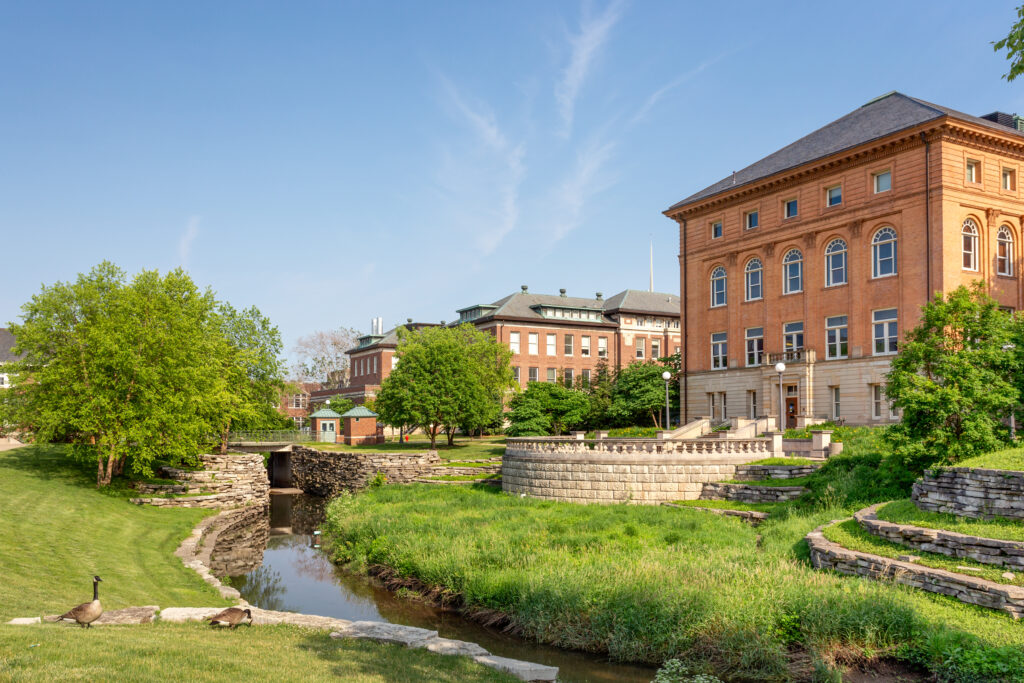
Downtown Champaign pulses with eclectic restaurants, microbreweries, record shops, and late-night cafés. In Urbana, Saturday mornings at the Market at the Square bring farmers, artisans, and neighbors together in a celebration of local flavor. International influences shape the culinary landscape — from Korean BBQ to Middle Eastern bakeries to Indian cafés — making the twin cities one of the most globally diverse food scenes in the Midwest.
Beyond the urban core, the prairie stretches outward in endless, golden rows. The land is flat, yes — but its flatness becomes a kind of poetry, especially at sunset, when the entire horizon ignites in pink and tangerine light. The vastness offers clarity, breathing room, and a sense of connection to the land’s agricultural roots.
Champaign–Urbana thrives at the intersection of tradition and innovation. It is a place where the Midwest’s grounded warmth meets the imaginative spark of a global university — a community that feels both welcoming and endlessly curious.
Evanston: Intellectual Breeze on the Shores of Lake Michigan

Just north of Chicago, Evanston feels like a world unto itself — a lakeside city with leafy streets, Gothic towers, and a cosmopolitan calm that lingers like the scent of fresh lake air. Anchored by Northwestern University, Evanston blends academic intensity with neighborhood charm, creating an atmosphere both sophisticated and undeniably relaxed.
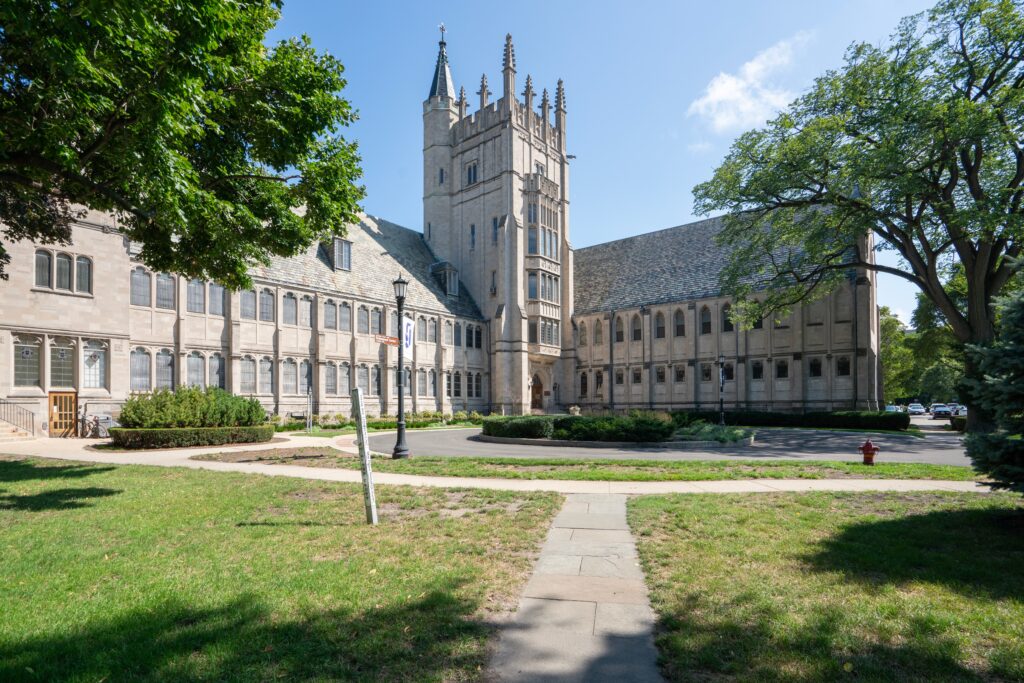
The campus stretches elegantly along the Lake Michigan shoreline, where walking paths trace the water’s edge. On bright mornings, the lake glows turquoise; on stormy afternoons, it shifts to gunmetal gray, waves rising against the rocky shore. Students wander between ivy-covered buildings, past modern arts centers and historic libraries, giving the entire city a youthful, intellectual pulse.
Downtown Evanston is intimate yet worldly. Cafés buzz with conversation; international eateries reflect the diversity of students and residents alike; and bookstores invite you to linger over new titles or vintage finds. The city’s quiet residential streets unfold beneath canopies of old elms and maples, where Victorian homes and early 20th-century architecture blend seamlessly into the gentle rhythm of neighborhood life.
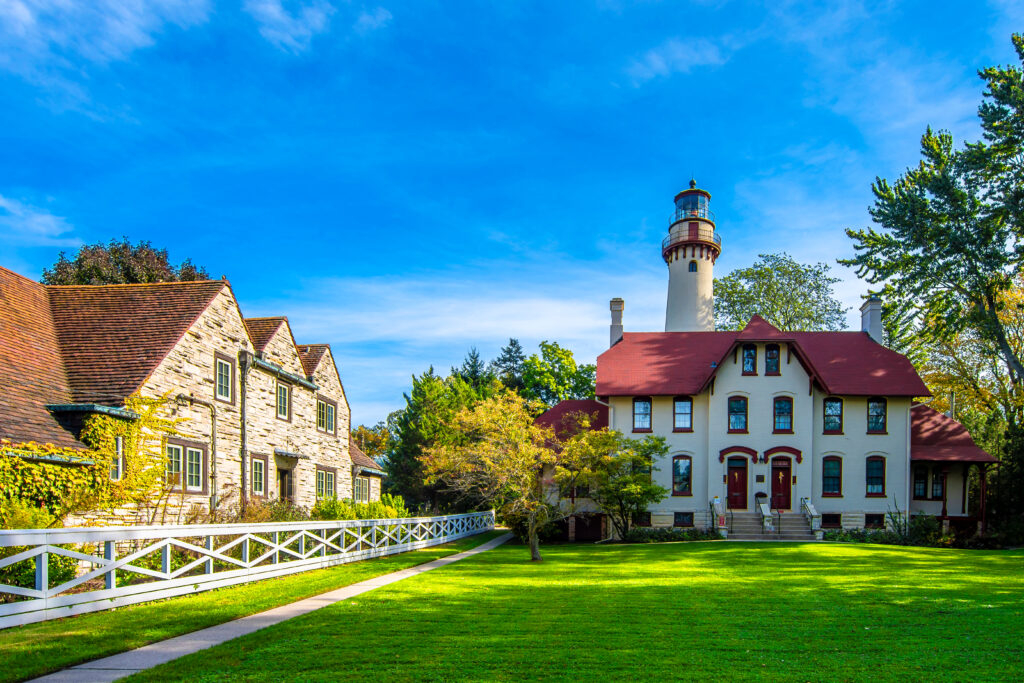
To the east, the lakefront parks offer sandy beaches, tennis courts, birdwatching spots, and breezy lawns perfect for picnics or reading. Lighthouse Beach, with its historic white tower, is one of the most peaceful waterfront spots along the North Shore. Even on busy summer days, there is something contemplative in the air — a sense that Evanston encourages you to breathe more deeply, think more clearly, and see more fully.
Evanston is cultivated but not pretentious, vibrant yet measured. It is a place where art, scholarship, and nature coexist with ease, forming a community that feels both forward-thinking and timeless — a city where the lake’s horizon seems to promise possibility.
Starved Rock State Park: Canyons Carved by Time
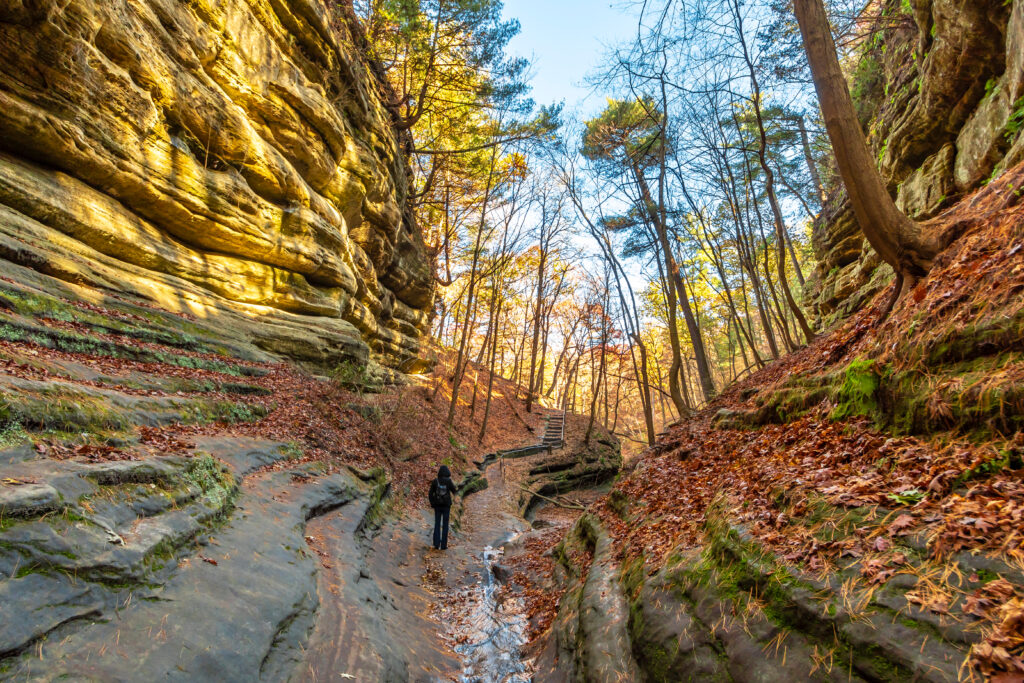
In the center of Illinois, where one might expect only prairie and farmland, lies something wholly unexpected: a landscape of sandstone canyons, cascading waterfalls, towering bluffs, and deep forest silence. Starved Rock State Park, perched above the Illinois River, feels almost mythic — a place shaped by ice, water, and centuries of natural persistence.
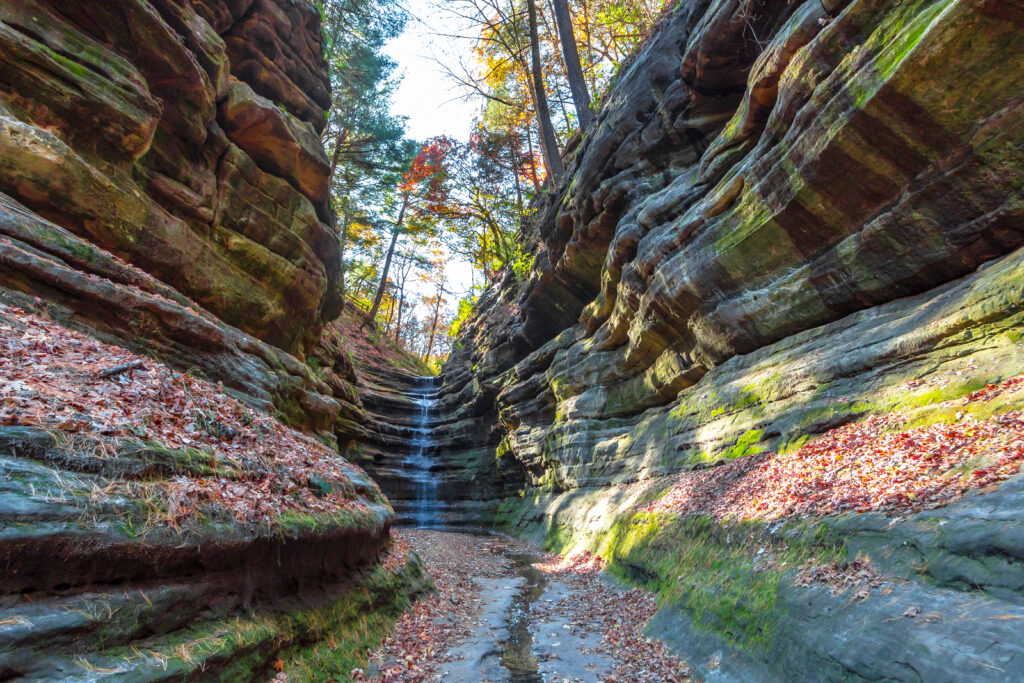
The park’s signature feature is its network of 18 canyons, carved into golden stone by glacial meltwater thousands of years ago. Each canyon has its own personality: some narrow and shadowed, smelling of moss and wet earth; others wide and open, where waterfalls plunge into emerald pools during spring rains. Trails weave through this labyrinth of rock and forest, leading hikers from quiet groves to panoramic overlooks.
At Starved Rock Lodge, built of timber and stone during the 1930s, a fireplace crackles in winter and visitors gather to warm themselves after snowy treks. From the lodge’s back deck, the Illinois River stretches into the distance, dotted with migrating eagles in the colder months. The sight of these birds — powerful, soaring above the frozen river — is one of the park’s most cherished experiences.
Despite its popularity, the park retains moments of deep solitude. Step into a canyon early in the morning and you may hear only the drip of water echoing off stone walls or the rustle of leaves high above. The air feels cool and ancient, as though you’ve stepped into a pocket of time untouched by the modern world.
Starved Rock is a sanctuary — an unexpected, almost secret marvel in the middle of the Midwest. It is Illinois at its most dramatic, revealing the quiet but astonishing power of nature’s long memory.
Bloomington–Normal: Twin Cities with Midwestern Warmth and Academic Spirit
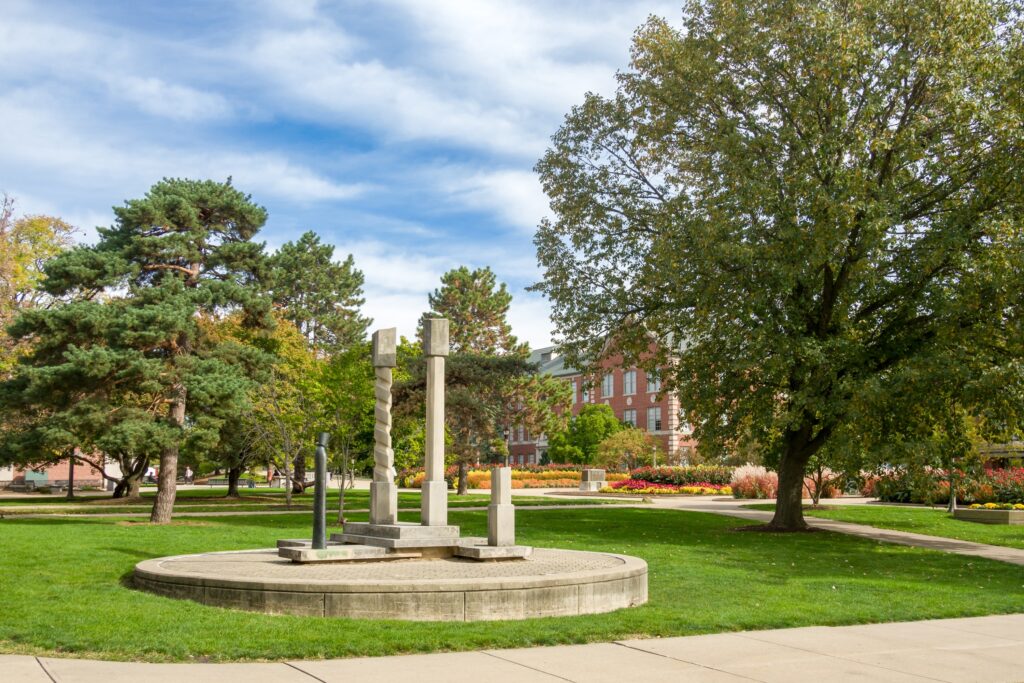
In the heart of central Illinois, Bloomington–Normal forms a seamless pair — two cities intertwined by history, education, and an easygoing Midwestern charm. They are places where tree-lined streets cradle classic homes, where the pace is steady and unhurried, and where the rhythm of daily life is shaped by universities, local businesses, and a strong sense of community.
At the center of this cultural pulse is Illinois State University, one of the oldest public universities in the Midwest. Its campus blends red-brick architecture with modern arts centers and broad lawns filled with students moving between classes. ISU brings creativity and youthful energy to the region — from theater productions to gallery openings to spirited Redbirds game days. Just across town, Illinois Wesleyan University adds its own layer of academic richness, its compact campus shaded by mature trees and historic buildings.
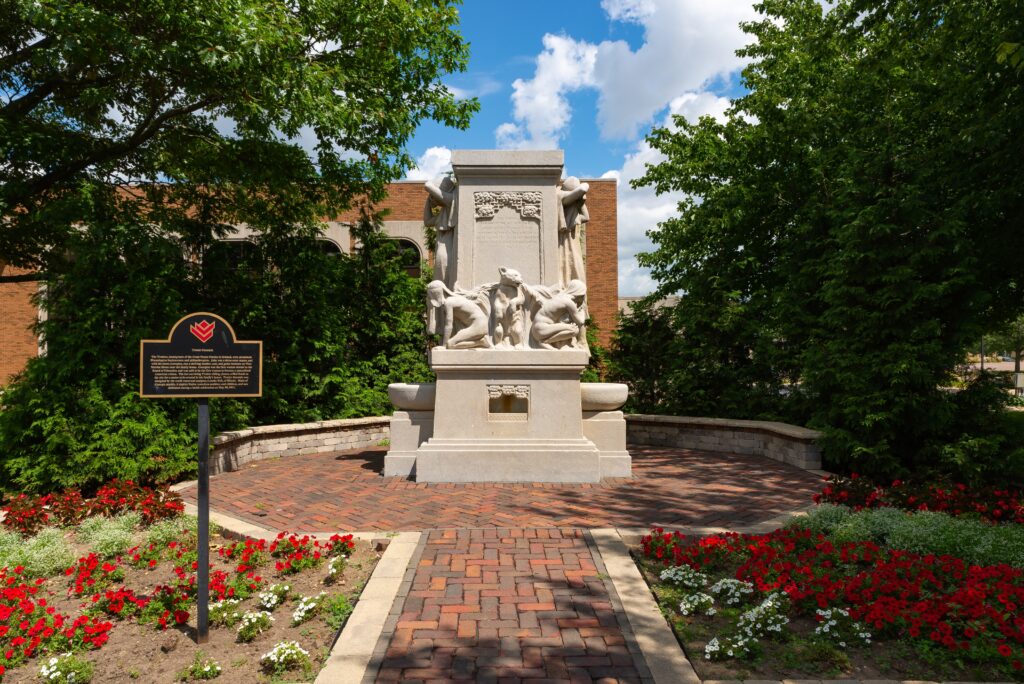
Bloomington’s Downtown Square offers a mix of cafés, craft breweries, local shops, and restaurants housed in handsome 19th-century structures. The ambiance is warm and inviting, especially during farmers’ market days when the streets fill with flowers, produce, and music. Normal’s Uptown district, meanwhile, is sleek and modern — a pedestrian-friendly hub anchored by the beautiful Uptown Station, lively plazas, and an eclectic blend of dining and entertainment.
Nature is never far away. The Constitution Trail, stretching for miles across both cities, is beloved by joggers, cyclists, and families. In autumn, the trail becomes a glowing corridor of gold and scarlet leaves. Miller Park Zoo and the tranquil waters of Ewing Cultural Center’s gardens add even more green places to wander.
Bloomington–Normal is not flashy — it doesn’t need to be. Its strength lies in its authenticity: the friendliness of its residents, the balance between tradition and progress, and the grounded feeling of a community that grows steadily without losing its heart.
Alton: Where the Mississippi Bends and History Lives in the Bluffs
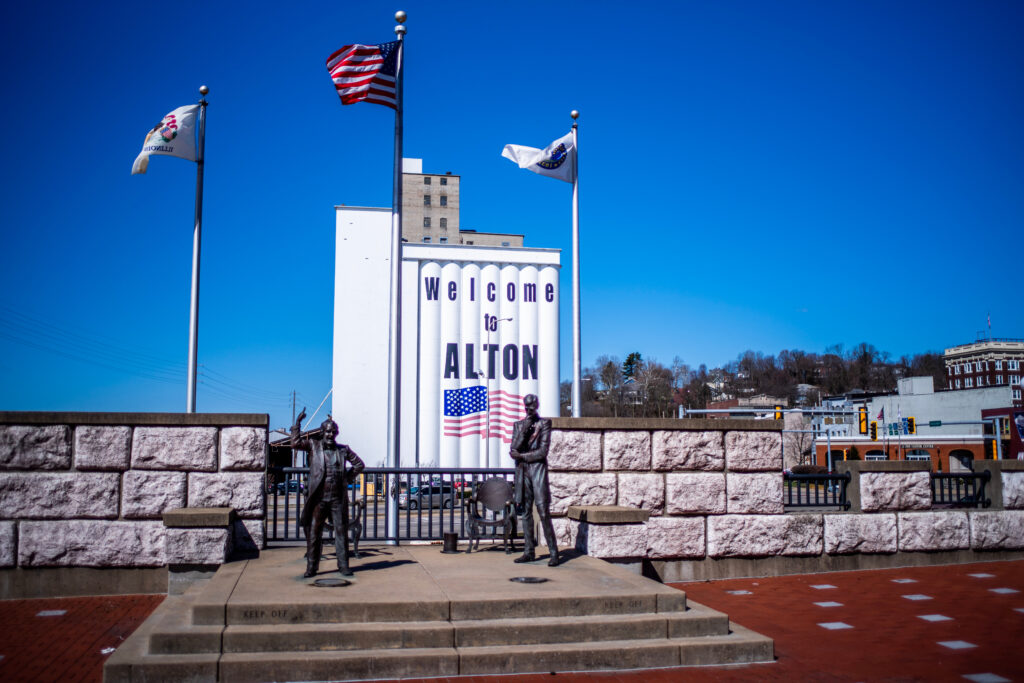
Alton sits dramatically along a sweeping bend of the Mississippi River, its limestone bluffs rising like pale guardians over the water. This is a river town with a storied past — a place touched by giants of history, myth, and America’s unsettled frontier. Walk its streets and you sense the echo of steamboats, Lincoln-era debates, and the wild lore of river life.
The riverfront is Alton’s soul. From the Great River Road, the landscape unfolds in cinematic layers: cliffs, forests, wide water, and the constant movement of barges drifting downriver. In winter, bald eagles gather in stunning numbers, soaring between ice-edged branches and the cottony mist above the river. It is one of the most breathtaking wildlife displays in the Midwest.
Alton’s historic character runs deep. The Elijah P. Lovejoy Monument honors the abolitionist martyred here, reminding visitors of the fierce moral battles fought on this frontier of freedom. The Lincoln–Douglas Square marks the site of the final, and perhaps most consequential, debate between the two statesmen. The town’s older neighborhoods — filled with stately Victorian homes, wrought-iron fences, and quiet, tree-shaded sidewalks — preserve a sense of timelessness.
Yet Alton also leans into the eccentric and mysterious. Local legends celebrate the area’s “haunted” past, with old mansions and prisons that feed the city’s supernatural folklore. The ambiance is less frightening than atmospheric — fitting for a place so steeped in untold stories.
Beyond history, Alton offers natural beauty. The confluence of the Mississippi and Missouri Rivers creates dynamic ecosystems, visible from scenic lookouts and wildlife refuges nearby. At sunset, the bluffs burn gold, and the river glows like warm metal.
Alton is eloquent, dramatic, and textured — a city where the past feels close enough to touch and the river’s steady presence shapes every day.
Kaskaskia: Illinois’ Forgotten First Capital
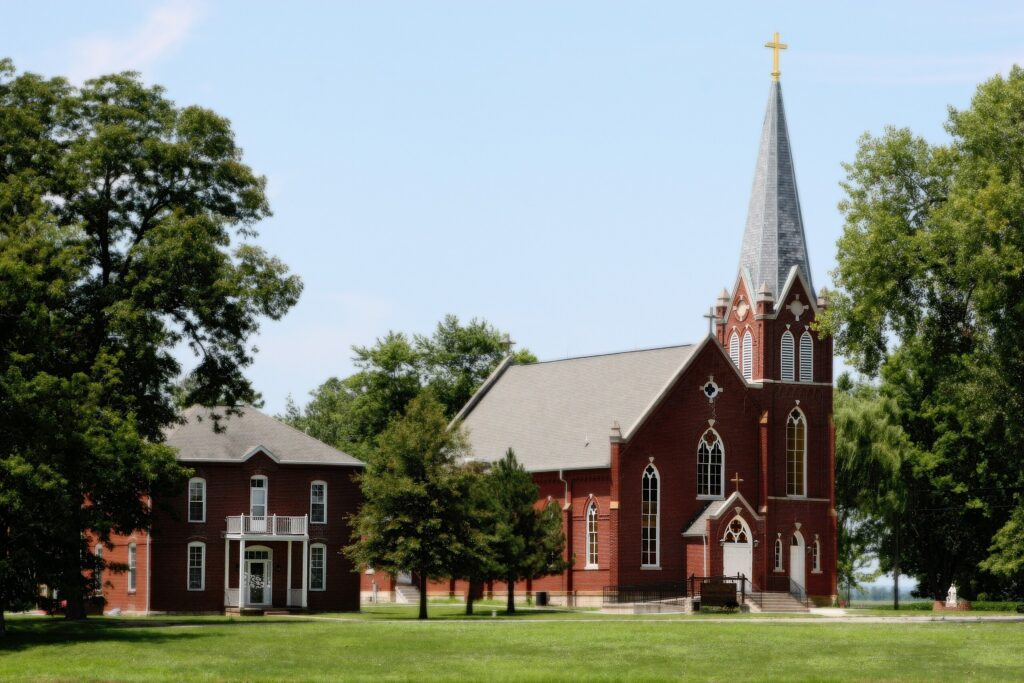
Kaskaskia is one of the most unusual, haunting, and historically rich places in Illinois — a small community surrounded entirely by Missouri due to a dramatic shift in the Mississippi River’s course. Once the state’s first capital and a thriving French colonial town, it is now home to only a handful of residents, standing like a quiet sentinel over a past nearly swallowed by nature.
To journey to Kaskaskia is to step back in time. The landscape is wide and rural — fields stretching toward distant tree lines, the river curving with timeless authority. The silence here is profound, broken only by the sound of wind and the occasional call of a bird gliding across the horizon. This stillness magnifies the emotional resonance of the place.
At its center stands the Liberty Bell of the West, a symbol of the town’s revolutionary-era significance. Cast in 1741, the bell was rung in 1778 to celebrate George Rogers Clark’s capture of Kaskaskia — a pivotal moment in securing the Illinois territory for the young United States. Today it is displayed in a modest brick structure, sacred in its quiet dignity.
Kaskaskia’s remaining buildings offer glimpses of its former life, though floods and shifting geography have erased much of the old town. The modern village sits on what is now effectively an island, accessible only through Missouri, a strange twist that furthers its mystique.
Visitors come not for attractions but for atmosphere — the feeling of being in a place where history, loss, and endurance intersect. Kaskaskia stands as a reminder that even once-important centers can be humbled by nature’s slow, relentless forces, yet remain powerful in spirit.
It is Illinois’ most poignant historical site — humble, isolated, and unforgettable.
Springfield’s New Salem: An Evocative Frontier Village
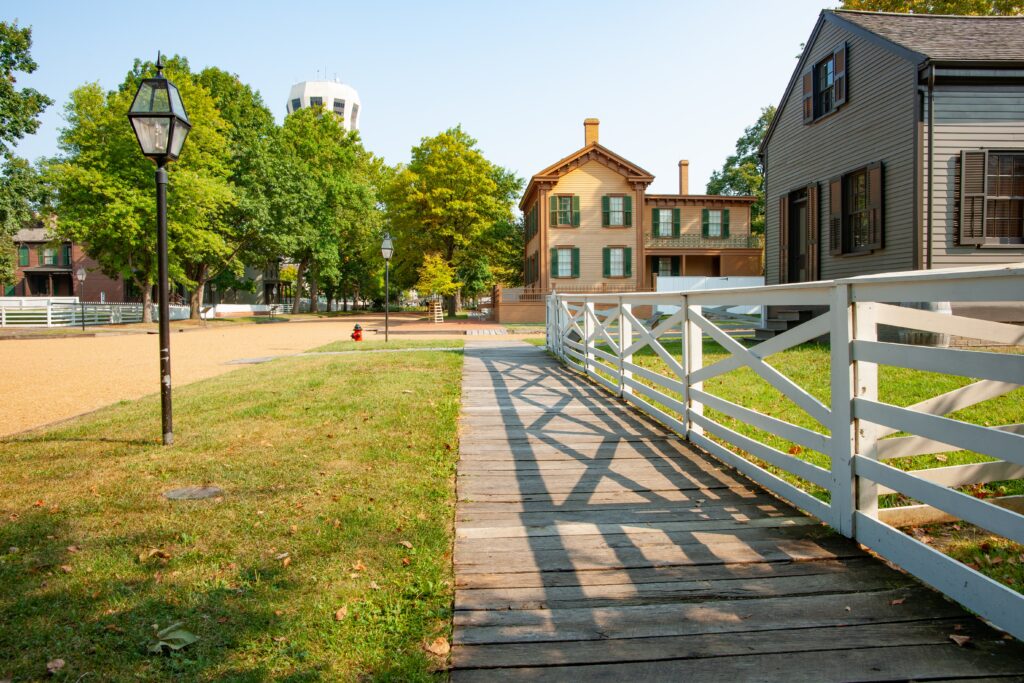
New Salem is one of Illinois’ most carefully preserved historical treasures — a living reconstruction of the small frontier village where Abraham Lincoln spent his early adulthood. Nestled amid rolling hills and quiet woodlands, the site feels timeless, rural, and touched by a gentle frontier melancholy. It is a place where the 1830s do not simply feel remembered — they feel lived.
The village is composed of log homes, workshops, taverns, and mills, each crafted with painstaking detail. Split-rail fences line dirt paths. Smoke curls from chimneys in cooler seasons. Interpreters dressed in period clothing demonstrate blacksmithing, cabin cooking, and other daily tasks, not as performance but as a quiet re-creation of a vanished way of life. It creates an atmosphere that is intimate, immersive, and deeply human.
Lincoln arrived at New Salem as a young man searching for purpose. He clerked, studied, debated, failed in business, and discovered his gift for leadership here. The village captures the modesty of those beginnings — you can stand inside the small store where he worked, walk the same wooded paths, and imagine the introspective, eager young man forming ideas that would later define a presidency.
Beyond the village, the surrounding New Salem State Park offers scenic trails through tallgrass, forest, and softly undulating terrain. The landscape feels contemplative, almost devotional — a fitting counterpoint to the historical village. Seasonal events, from candlelit evenings to harvest festivals, enrich the sense of place.
New Salem is a work of memory and care — a reconstruction that honors authenticity over spectacle. It invites visitors to slow down, observe the small details, and breathe in the frontier quiet that shaped one of America’s greatest figures.
Cahokia Mounds: The Ancient City Beneath the Prairie
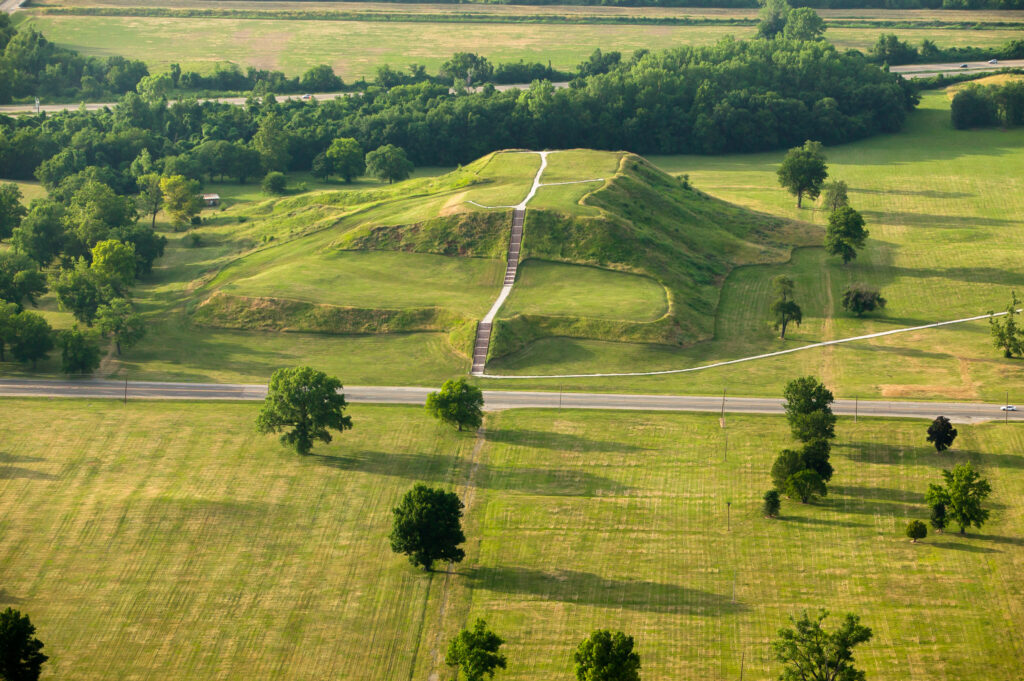
Long before Illinois was Illinois — before European traders, before frontier settlements, before statehood — there was Cahokia. Stretching across the wide floodplain near today’s St. Louis suburbs, Cahokia Mounds preserves the remnants of a vast pre-Columbian city that once rivaled London in size. It is the most powerful reminder in the Midwest that history here did not begin with colonists, but with an Indigenous civilization of staggering complexity.
Walking through the site feels like entering a dreamscape of earth and time. Grass-covered mounds rise gently from the landscape like the soft backs of great, sleeping animals. The largest, Monks Mound, ascends in massive terraces — the largest earthen structure north of Mexico. From its summit, the plains unfold in every direction, and you can sense the scale of the metropolis that once stood here: grand plazas, ceremonial spaces, neighborhoods, markets, and sophisticated agricultural fields.
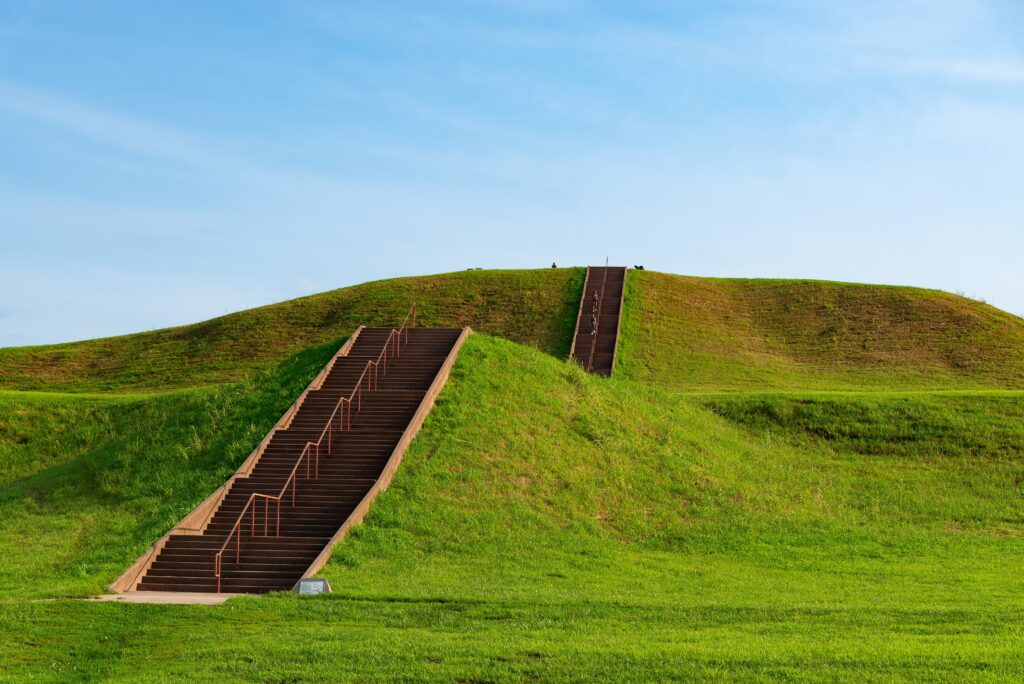
The Cahokia Interpretive Center deepens the experience with vivid reconstructions and artifacts: finely crafted tools, ceremonial objects, pottery adorned with ancient motifs. Together they reveal a society that was spiritual, artistic, and meticulously organized — a culture that built with purpose and lived in harmony with its environment.
Yet what lingers most is the atmosphere. The site maintains a profound quiet, an almost sacred hush. Even the air feels a little different atop Monks Mound, as if carrying whispers from a world whose stories we are only beginning to understand.
Cahokia is not a relic — it is a presence. A reminder that the heart of Illinois beats with ancient rhythms.
The Quad Cities: A Meeting of Rivers, Cultures, and Rhythms

Along a broad, confident stretch of the Mississippi River lies the Quad Cities — Rock Island and Moline in Illinois, paired with Davenport and Bettendorf in Iowa. Together they form a metropolitan region with a distinct energy: river-driven, industrious, and quietly creative.

The river is the defining presence here. Wide, powerful, and endlessly moving, it shapes everything — the history, the economy, the skyline. Downtown Rock Island offers riverfront promenades, music venues, and lively patios that glow with activity on summer evenings. Moline, once the beating heart of agricultural manufacturing, still carries the legacy of John Deere; the John Deere Pavilion invites visitors into the world of American farming with hands-on exhibits and gleaming machinery.
The Rock Island Arsenal, a massive military installation dating back to the 19th century, occupies an island in the river and houses an informative museum that traces the region’s strategic importance. Meanwhile, arts and culture thrive in unexpected corners. Davenport’s Figge Art Museum — visible across the water — often draws Illinoisans across the bridges, while Rock Island’s District pulses with nightlife, murals, and eclectic restaurants.
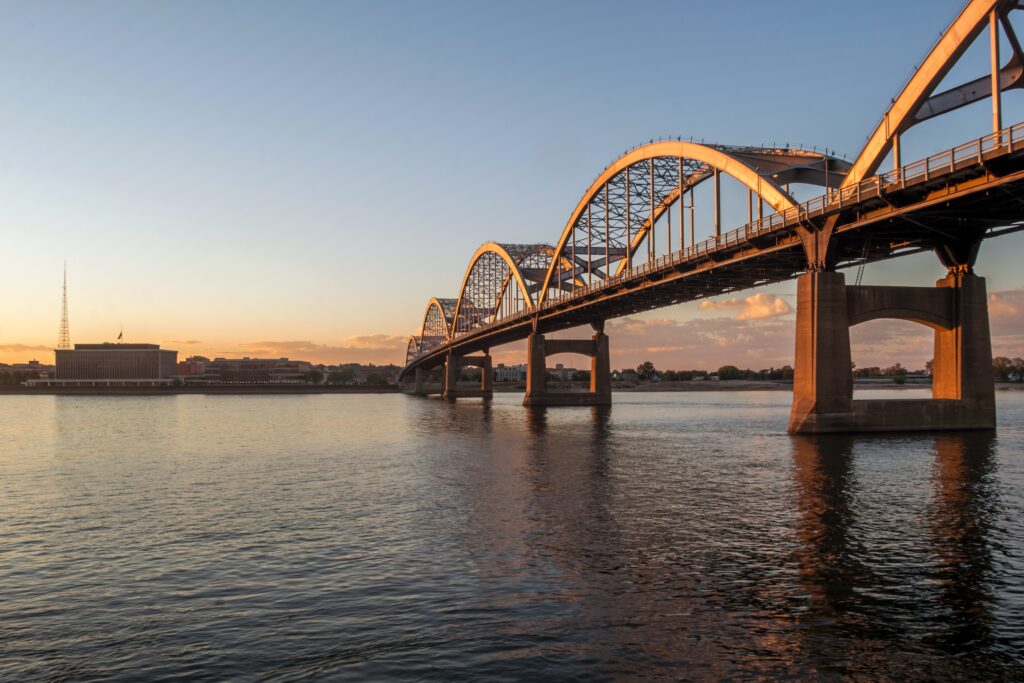
Outdoor life thrives along the river corridors. Biking and walking trails trace both shores, offering peaceful views of waterfowl, barges, and sunsets that saturate the sky in purples and golds. Seasonal festivals bring both sides of the river together — jazz concerts, food events, paddling excursions, celebrations that blend small-town warmth with metropolitan diversity.
The Quad Cities feel like a crossroads: of states, of histories, of ideas. A place where the rhythms of the Mississippi meet the rhythms of everyday life, creating a community that is as grounded as it is quietly vibrant.
Quincy & The Mississippi River Bluffs: A City of Architecture and Grand Views
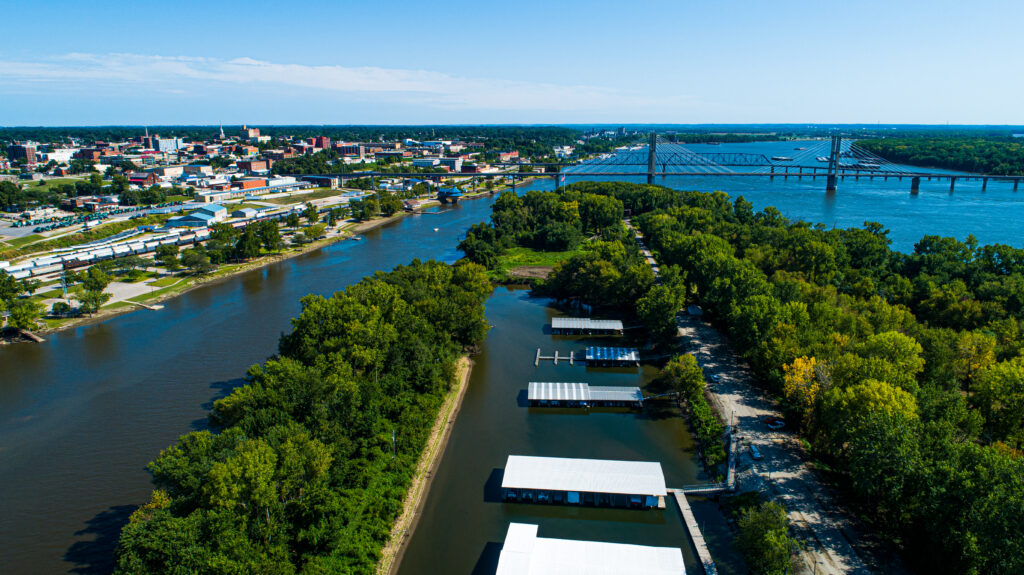
Quincy sits high above the Mississippi River, its historic neighborhoods draped elegantly across a bluff that gazes west toward Missouri. It is a city of architectural marvels — mansions, brick avenues, and elaborate churches built during the steamboat era, when river trade transformed Quincy into a powerhouse of culture and commerce.
The East End Historic District holds some of the Midwest’s most beautiful residential streets. Mansions range from Gothic Revival to Prairie School, each representing a chapter in the city’s evolution. Walking here feels like stepping into a curated open-air museum where every home tells a story of craftsmanship and ambition.
Downtown Quincy blends old-world facades with easygoing Midwestern charm. Cafés spill onto sidewalks, antiques fill storefront windows, and locals greet each other with an easy familiarity. A few blocks away, the limestone towers of St. Boniface Church rise dramatically, anchoring a neighborhood rich in German heritage.
But the Mississippi is the city’s true soul. At sunset, its waters glow bronze and rose, drifting lazily past the bluffs. From Quincy Bayview Bridge, the panorama is unforgettable — river, forested islands, distant farms, and a horizon that feels endlessly wide.
Quincy is both refined and relaxed, elegant yet deeply grounded in river-town authenticity.
The Shawnee National Forest: The Wild Heart of Southern Illinois
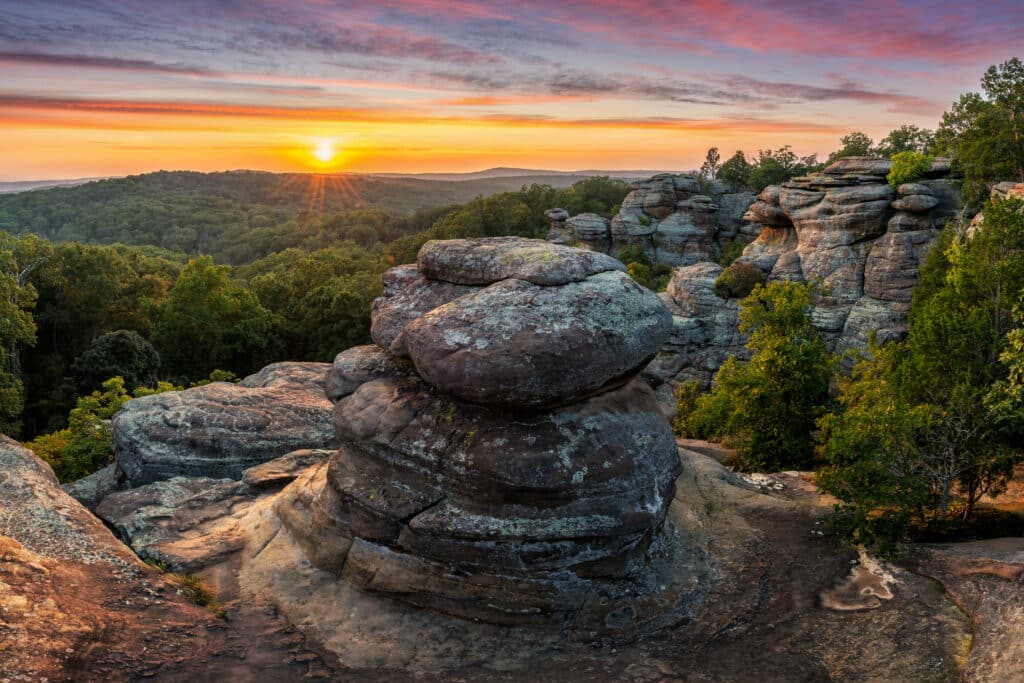
Southern Illinois reveals a side of the state few expect: rugged cliffs, deep forests, sandstone formations, and landscapes more reminiscent of Appalachia than the Midwest. At its center lies the magnificent Shawnee National Forest, a vast expanse of wilderness that feels worlds away from the prairies to the north.
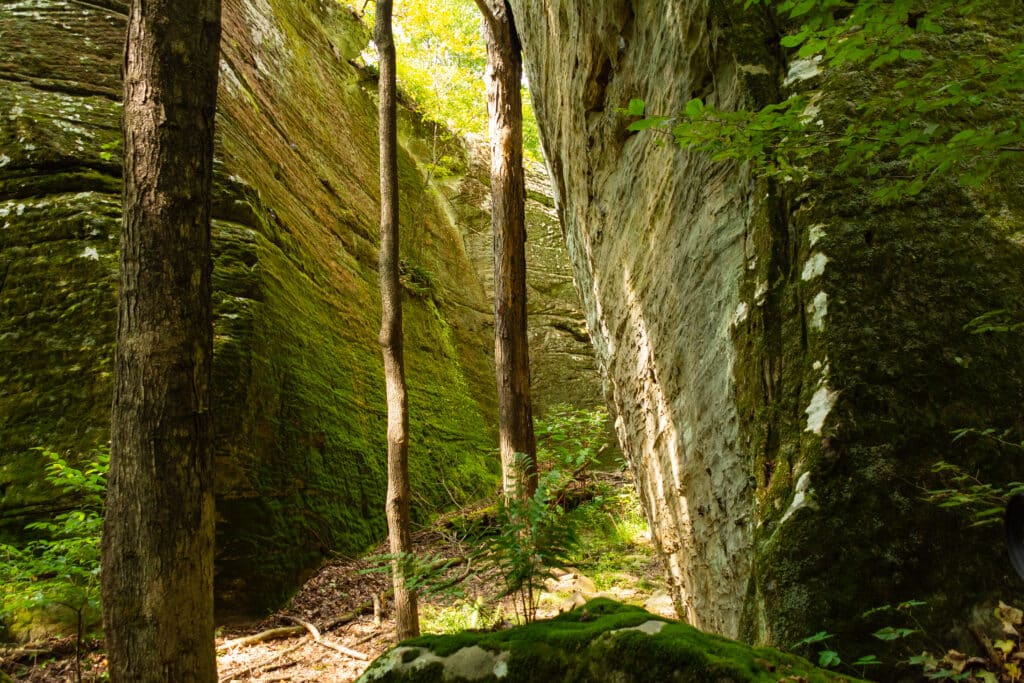
The forest’s crown jewel is Garden of the Gods, where ancient rock formations rise like stone sentinels sculpted by wind and time. Paths weave among overlooks with names like Camel Rock and Anvil Rock, offering panoramic views that stretch for miles over rolling hills and endless green.
Beyond Garden of the Gods, the forest holds lakes, waterfalls, and hidden pockets of quiet beauty. Bell Smith Springs dazzles with turquoise pools and natural stone bridges. Little Grand Canyon offers dramatic bluffs and seasonal waterfalls. Rim Rock, Pounds Hollow, and Burden Falls Wilderness invite exploration, each with its own personality.
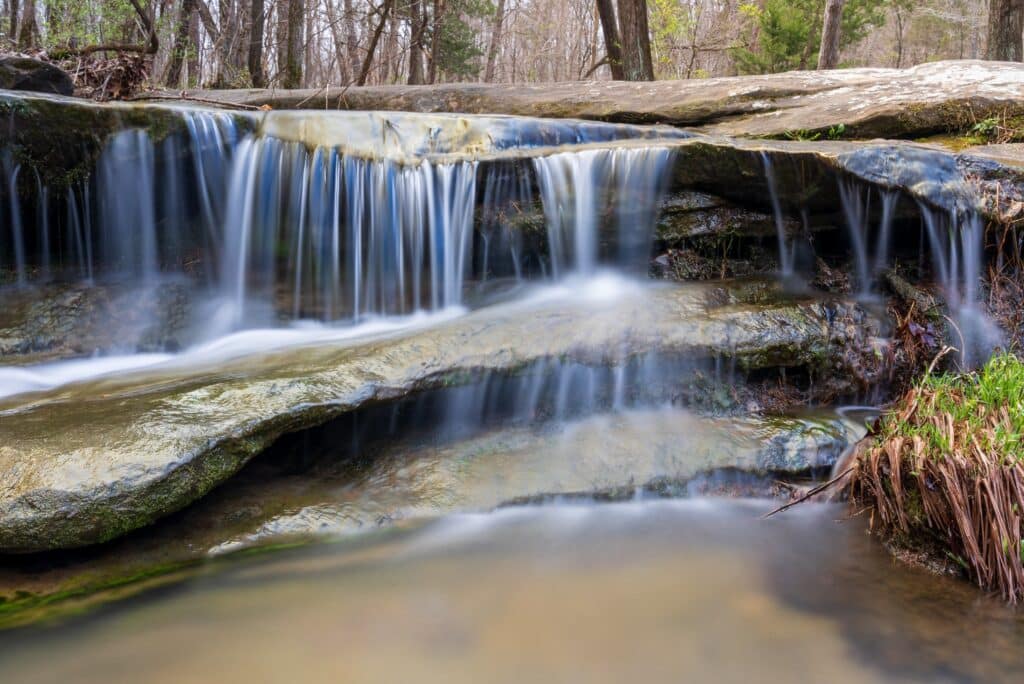
Wildlife thrives here — deer threading through underbrush, hawks circling silently, and spring wildflowers painting the forest floor with blues, yellows, and pinks.
The Shawnee is not simply scenic; it is rejuvenating. A place where stillness has weight, where the earth feels ancient, and where Illinois reveals a wild, unexpected depth.