
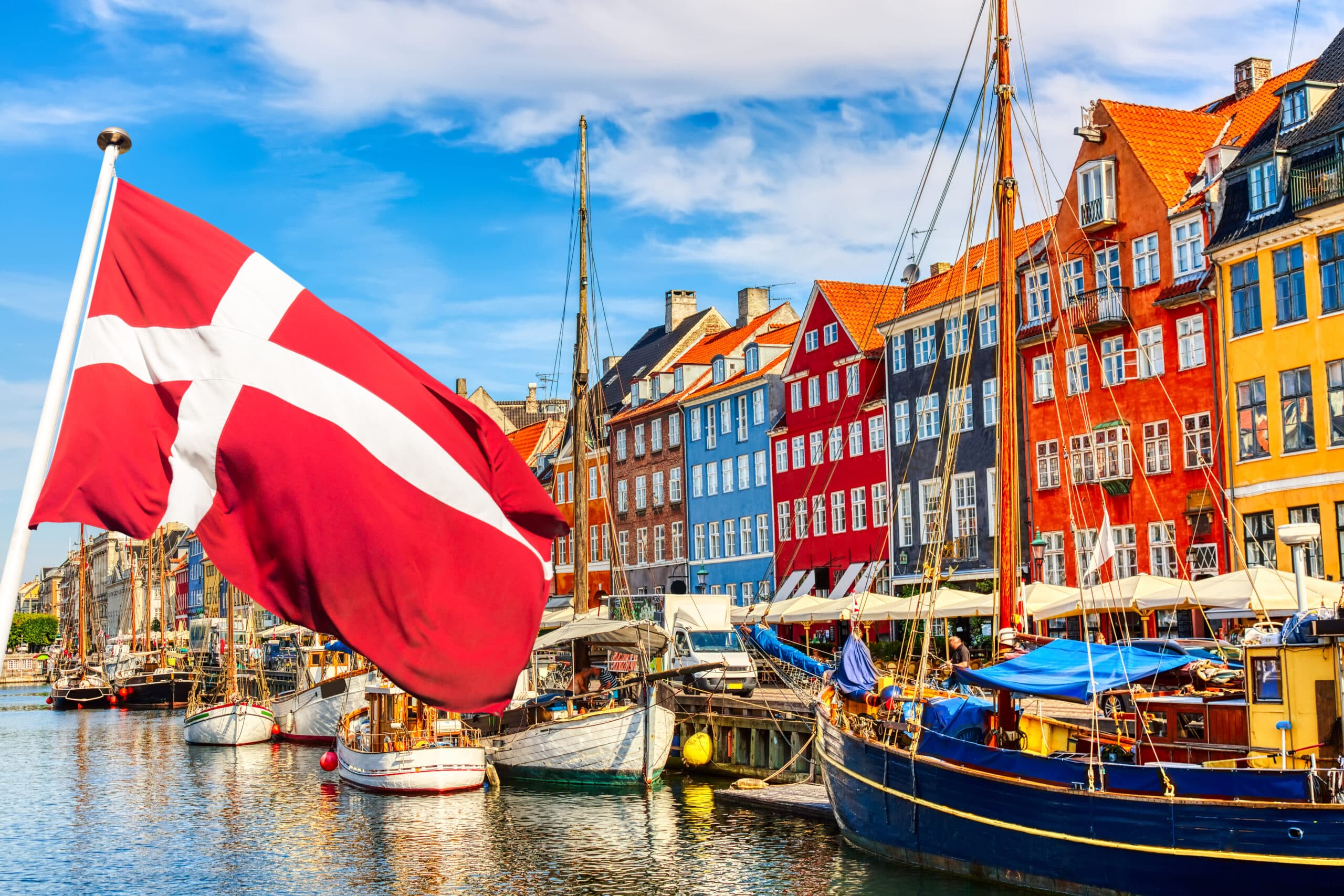
Denmark is a Nordic kingdom defined by water. Situated between the North Sea and the Baltic Sea, it consists of the Jutland peninsula and more than 400 islands, forming one of Europe’s longest coastlines relative to its size. This maritime geography has shaped Danish culture, trade, architecture, and identity for over a thousand years.
From the Viking Age to the present constitutional monarchy, Denmark has maintained continuity while adapting to modern realities. The Viking legacy—visible in archaeological finds, ship reconstructions, and runestones—laid foundations for seafaring skill and international exchange. Later centuries brought royal consolidation, Renaissance architecture, and agricultural reform, contributing to the stable welfare society recognized today.
Denmark consistently ranks among the world’s most livable countries. Its social model emphasizes equality, education, and public trust. The concept of hygge—a cultural expression of comfort, simplicity, and shared warmth—captures an essential element of Danish daily life.
Architecturally, Denmark balances preservation and innovation. Medieval brick churches, Renaissance castles, and 19th-century merchant houses coexist with modern design and sustainable urban planning. Danish design, known for minimalism and functionality, has influenced global aesthetics in furniture, architecture, and industrial products.
Environmentally, Denmark is a leader in renewable energy, particularly wind power. Coastal winds that once powered trade ships now drive turbines supplying clean electricity. Cities prioritize cycling infrastructure and green public spaces, reinforcing sustainable mobility.
Culturally, Denmark blends tradition and progress. Folk customs, maritime festivals, and regional cuisine exist alongside cutting-edge research, creative industries, and international cooperation.
30. Copenhagen
Copenhagen, the capital of Denmark, stands on the islands of Zealand and Amager, facing the Øresund Strait. Historically a Viking fishing village, it evolved into a royal capital and today ranks among Europe’s most livable cities.
Nyhavn, the colorful 17th-century harbor district, remains one of Copenhagen’s most recognizable settings. Lined with brightly painted townhouses and wooden ships, it reflects the city’s maritime heritage. Nearby stands Amalienborg Palace, residence of the Danish royal family, where ceremonial guards maintain daily tradition.
The Little Mermaid statue, inspired by Hans Christian Andersen’s fairy tale, has become a modest yet symbolic landmark. Meanwhile, Tivoli Gardens, one of the world’s oldest amusement parks, blends historic charm with modern entertainment.
Copenhagen is equally known for contemporary design and sustainability. Bicycle lanes dominate urban infrastructure, and innovative architecture shapes districts such as Ørestad. The city promotes renewable energy, green rooftops, and waterfront swimming zones.
Cultural institutions including the National Museum and the Louisiana Museum of Modern Art (located north of the city) reinforce Denmark’s artistic influence. Culinary innovation has also flourished, positioning Copenhagen at the forefront of New Nordic cuisine.
Despite modernization, cobbled streets and church spires preserve historic character. The skyline remains relatively low, reinforcing human-scale urban planning.
Copenhagen harmonizes royal tradition, maritime legacy, and progressive urban design. Its integration of history, sustainability, and cultural creativity establishes it as the dynamic heart of Denmark.
29. Aarhus
Aarhus, Denmark’s second-largest city, lies along the eastern coast of the Jutland peninsula. Founded during the Viking Age, it developed into a vibrant academic and cultural center.
The open-air museum Den Gamle By recreates Danish urban life from past centuries, allowing visitors to walk through reconstructed streets and historic houses. Nearby, the ARoS Aarhus Art Museum is distinguished by its circular rooftop walkway, offering panoramic views through colored glass.
Aarhus Cathedral, the longest church in Denmark, reflects Gothic architectural traditions. The Latin Quarter, with narrow streets and independent shops, preserves medieval character within a modern setting.
The city’s harbor area has undergone significant redevelopment, transforming industrial zones into residential and recreational districts. Waterfront promenades and modern housing projects illustrate contemporary Danish design principles.
Aarhus University contributes youthful energy and research innovation. Festivals, music events, and cultural exhibitions animate public spaces throughout the year.
Surrounding forests and beaches provide easy access to nature, reinforcing Denmark’s close relationship between urban life and landscape.
Aarhus harmonizes Viking heritage, academic vitality, and architectural renewal. Its balance of historical depth and modern creativity makes it a dynamic cultural hub within Denmark.
28. Odense
Odense, located on the island of Funen, is widely known as the birthplace of Hans Christian Andersen. The city combines literary heritage with a revitalized urban center.
The Hans Christian Andersen Museum traces the life and imagination of the famed author, integrating modern exhibition design with preserved historical buildings. Andersen’s childhood home remains a focal point of cultural tourism.
Odense Cathedral, dedicated to Saint Canute, reflects medieval religious architecture and national history. The surrounding old town contains half-timbered houses and cobbled lanes that preserve centuries of development.
Recent urban renewal projects have reshaped Odense’s center, prioritizing pedestrian zones and light rail infrastructure. Public spaces encourage cycling and outdoor gatherings.
The city maintains strong educational institutions and research facilities, contributing to technological innovation. Meanwhile, parks and river pathways offer green corridors through urban districts.
Cultural festivals celebrate literature and music, reinforcing Odense’s artistic identity. The blend of historic preservation and contemporary planning shapes its evolving character.
Odense harmonizes fairy-tale legacy, medieval architecture, and forward-looking urban design. Its literary significance and modern transformation secure its place as one of Denmark’s most distinctive cities.
27. Aalborg
Aalborg, located in northern Jutland along the Limfjord, developed from a Viking settlement into an important trading and industrial center. Its position by the narrow strait fostered maritime commerce and later industrial expansion.
The city’s historic core reflects centuries of development. Aalborg Monastery and Budolfi Cathedral illustrate medieval religious architecture, while half-timbered merchant houses recall Renaissance prosperity. Jens Bang’s House, a richly decorated 17th-century building, stands as one of Denmark’s finest examples of merchant architecture.
During the 19th and 20th centuries, Aalborg became known for cement production and heavy industry. In recent decades, former industrial zones along the waterfront have been transformed into cultural and residential areas. The Utzon Center, designed in part by architect Jørn Utzon, honors modern Danish design and innovation.
Aalborg University contributes academic vitality and technological research, reinforcing the city’s shift toward knowledge-based industries. Cultural festivals and music events animate public squares throughout the year.
Green spaces and waterfront promenades connect urban life to the Limfjord landscape. Bridges link different districts, emphasizing connectivity and mobility.
Aalborg harmonizes Viking origins, industrial heritage, and contemporary redevelopment. Its evolution from trading post to modern university city reflects broader patterns in Danish urban transformation.
26. Roskilde
Roskilde, situated west of Copenhagen on the island of Zealand, was once the capital of Denmark during the Viking and medieval periods. Its historical importance remains visible throughout the city.
Roskilde Cathedral, a UNESCO World Heritage Site, dominates the skyline with its twin spires. Built in brick Gothic style, it serves as the burial site of Danish monarchs, linking architecture to royal history.
The Viking Ship Museum along the Roskilde Fjord displays reconstructed vessels recovered from underwater excavations. These ships provide insight into seafaring techniques and the maritime strength of the Viking Age.
Each summer, the Roskilde Festival transforms the city into one of Europe’s largest music gatherings, attracting international performers and audiences. This modern cultural event contrasts with the city’s ancient heritage.
The fjord landscape shapes local identity. Sailing, kayaking, and walking paths along the water reinforce connections between nature and urban life.
Though modest in size, Roskilde balances historic preservation with contemporary vibrancy. Educational institutions and cultural centers contribute to community life.
Roskilde harmonizes royal legacy, Viking exploration, and modern cultural expression. Its cathedral and fjord setting anchor its enduring national significance.
25. Elsinore
Elsinore, known in Danish as Helsingør, lies at the narrowest point of the Øresund Strait between Denmark and Sweden. Its strategic location historically controlled maritime traffic entering the Baltic Sea.
Kronborg Castle stands prominently at the water’s edge. Built in the 16th century, it collected tolls from passing ships and symbolized Danish power. The fortress later gained literary fame as the setting for Shakespeare’s Hamlet.
The old town preserves narrow streets and colorful houses reflecting centuries of trade. Maritime museums and harbor areas document Elsinore’s seafaring past.
Ferries continue to connect Elsinore with Helsingborg in Sweden, maintaining cross-border exchange. The city’s economy has shifted from maritime toll collection to tourism, culture, and regional services.
Nearby beaches and coastal paths offer views across the strait. The interaction between land and sea remains central to the city’s character.
Modern cultural initiatives, including renovated dockyards and exhibition spaces, integrate historical structures into contemporary use.
Elsinore harmonizes strategic geography, Renaissance fortification, and literary association. Its commanding castle and maritime legacy secure its place as one of Denmark’s most historically significant coastal cities.
24. Skagen
Skagen occupies Denmark’s northernmost point, where the North Sea and the Baltic Sea meet at Grenen. This dramatic coastal setting has long defined the town’s identity, drawing fishermen, artists, and visitors to its luminous shores.
In the late 19th century, the Skagen Painters formed an artists’ colony here, inspired by the region’s unique light. Their works captured everyday coastal life and the subtle colors of sand and sky. The Skagens Museum preserves many of these paintings, reinforcing the town’s cultural significance.
The landscape is characterized by wide beaches, shifting dunes, and windswept grasses. Råbjerg Mile, one of Northern Europe’s largest migrating sand dunes, illustrates the dynamic interaction between land and sea. The meeting of the two seas at Grenen creates visible wave patterns, making it a distinctive natural phenomenon.
Traditional yellow houses with red-tiled roofs line Skagen’s streets, maintaining architectural unity. The harbor remains active, combining fishing traditions with tourism.
Cycling routes and coastal paths encourage exploration of surrounding heathlands and lighthouses. Seasonal visitors increase population during summer months, yet the town retains a quiet atmosphere outside peak season.
Skagen harmonizes artistic heritage, maritime culture, and striking coastal geography. Its position at Denmark’s edge, shaped by wind and water, gives it a uniquely atmospheric character.
23. Kolding
Kolding, situated in southern Jutland at the head of Kolding Fjord, developed as a strategic and commercial center during the Middle Ages. Its most prominent landmark, Koldinghus, reflects centuries of political and royal history.
Koldinghus Castle was originally constructed in the 13th century as a defensive fortress. Over time, it evolved into a royal residence before suffering fire damage in the 19th century. Modern restoration has integrated contemporary architectural elements with historic masonry, transforming it into a museum and cultural venue.
The city emphasizes design and education. Design School Kolding has established the town as an important center for creative industries in Denmark. Public art installations and innovative urban planning reflect this focus on aesthetics and functionality.
Kolding’s waterfront has undergone redevelopment, linking residential areas with green spaces and walking paths along the fjord. The geographic setting encourages outdoor recreation, including sailing and hiking in nearby forests.
Commercial growth and transport connections support regional trade, reinforcing Kolding’s role as a junction between northern and southern Denmark.
Historic streets coexist with modern architecture, illustrating continuity between past and present. Cultural events and exhibitions animate the castle grounds and city center throughout the year.
Kolding harmonizes medieval fortification, educational innovation, and scenic fjord landscapes. Its blend of historical depth and contemporary design underscores Denmark’s commitment to preserving heritage while embracing modern creativity.
22. Ribe
Ribe, founded in the early 8th century, is widely regarded as Denmark’s oldest town. Located in southwestern Jutland near the Wadden Sea, it began as a Viking trading settlement and gradually evolved into a medieval religious center.
Ribe Cathedral dominates the skyline, with Romanesque and Gothic elements reflecting architectural development across centuries. Its tower provides panoramic views over marshlands and tidal flats.
The old town preserves cobbled streets and half-timbered houses that convey medieval character. Ribe VikingeCenter recreates Viking life through reconstructed buildings and educational programs, offering insight into early Danish society.
Proximity to the Wadden Sea, a UNESCO World Heritage site, links Ribe to one of Europe’s most important tidal ecosystems. Seasonal bird migrations and expansive mudflats shape the surrounding landscape.
Flood management systems protect the town from rising tides, demonstrating Denmark’s long-standing relationship with coastal engineering. Marshlands and dikes illustrate adaptation to environmental challenges.
Despite its small population, Ribe maintains strong cultural identity through festivals, historical reenactments, and community traditions.
Ribe harmonizes Viking origins, medieval religious influence, and coastal resilience. As Denmark’s oldest town, it preserves a continuous narrative of settlement, trade, and adaptation along the North Sea frontier.
21. Silkeborg
Silkeborg is located in central Jutland amid forests, lakes, and rolling hills often described as Denmark’s lake district. The town developed in the 19th century around paper production, yet its natural setting remains its defining characteristic.
The Gudenå River, Denmark’s longest river, flows through Silkeborg and connects a network of lakes that encourage boating and canoeing. The surrounding woodlands provide hiking trails and cycling routes, reinforcing the region’s reputation for outdoor recreation.
One of Silkeborg’s most notable archaeological discoveries is the Tollund Man, a remarkably preserved Iron Age bog body displayed at the Museum Silkeborg. This find offers insight into prehistoric ritual practices and environmental conditions.
The Himmelbjerget hill, located nearby, is one of Denmark’s highest natural points. Though modest in elevation, it holds symbolic national significance and offers expansive views over the lakes.
Modern Silkeborg integrates residential neighborhoods with green corridors, emphasizing quality of life and environmental awareness. Cultural festivals, music events, and art exhibitions contribute to community vitality.
The town’s industrial origins remain visible in historic factory buildings that have been repurposed for cultural use. Waterfront promenades connect urban spaces with natural scenery.
Silkeborg harmonizes industrial heritage, archaeological significance, and scenic landscapes. Its lakes and forests provide a distinct contrast to Denmark’s coastal cities, highlighting inland natural beauty.
20. Hillerød
Hillerød lies north of Copenhagen in North Zealand and is closely associated with one of Denmark’s most important Renaissance landmarks, Frederiksborg Castle.
Frederiksborg Castle, built in the early 17th century by King Christian IV, stands on small islets within a lake. Constructed in Dutch Renaissance style, the castle symbolizes royal authority and architectural ambition. Today it houses the Museum of National History, displaying portraits and artifacts spanning Danish history.
Baroque gardens extend behind the castle, designed with symmetrical patterns and terraces. The combination of water, greenery, and red-brick architecture creates a striking visual ensemble.
Hillerød developed as a market town and administrative center. Modern residential areas and commercial districts surround the historic core, maintaining balance between growth and preservation.
The nearby Gribskov forest is among Denmark’s largest woodland areas, offering recreational opportunities and ecological significance. Lakes and walking trails reinforce connections between urban and natural environments.
Rail links connect Hillerød efficiently to Copenhagen, making it both a commuter town and a tourist destination. Cultural events and exhibitions held at the castle attract visitors year-round.
Hillerød harmonizes royal grandeur, natural landscapes, and modern suburban life. Its castle remains a defining symbol of Denmark’s monarchical and architectural heritage.
19. Sønderborg
Sønderborg is situated in southern Denmark near the German border, partly on the island of Als and partly on the Jutland mainland. Its location has shaped a complex history influenced by both Danish and German governance.
Sønderborg Castle overlooks the Alssund strait and dates back to the 12th century. Over time it functioned as a fortress, royal residence, and prison. Today it serves as a museum exploring regional history and borderland identity.
The city played a significant role during the Second Schleswig War of 1864, when conflict between Denmark and Prussia reshaped territorial boundaries. This legacy remains visible in memorial sites and historical exhibitions.
Modern Sønderborg emphasizes sustainability and innovation. The ProjectZero initiative aims to make the municipality carbon-neutral, reflecting Denmark’s broader environmental ambitions.
The waterfront has been revitalized with promenades, cultural centers, and residential developments. The Alsion complex combines concert halls, research institutions, and business facilities, linking education with economic growth.
Bridges connect Als island to the mainland, symbolizing physical and historical connections across regions. The surrounding coastline provides beaches and sailing opportunities.
Sønderborg harmonizes borderland history, military legacy, and environmental innovation. Its strategic location and commitment to sustainability define its contemporary character within southern Denmark.
18. Fredericia
Fredericia, located on the eastern coast of Jutland along the Little Belt strait, was founded in the 17th century as a fortified town. Established by King Frederick III, it was designed as a military stronghold to defend Denmark’s strategic waterways.
The town’s star-shaped ramparts remain among the best-preserved fortifications in Northern Europe. Earthen walls, bastions, and moats encircle the historic center, reflecting Renaissance military engineering principles. These defensive structures played a significant role during the First Schleswig War in the 19th century.
Fredericia’s city plan follows a strict grid pattern, contrasting with the irregular layouts of older medieval towns. Broad streets and orderly blocks reflect its planned origins. The Trinitatis Church, built for a diverse garrison community, symbolizes the town’s early commitment to religious tolerance.
The harbor has long supported maritime trade and industry. Modern port facilities coexist with waterfront cultural spaces and residential developments, illustrating urban adaptation.
Green spaces along the ramparts provide walking and cycling routes, integrating history into daily life. Beaches along the Little Belt offer scenic views and recreational opportunities.
Fredericia harmonizes military heritage, planned urban design, and coastal landscapes. Its preserved fortifications continue to define its identity, linking early modern defense strategies with contemporary civic life.
17. Horsens
Horsens lies on the eastern coast of Jutland at the end of Horsens Fjord. Historically a medieval market town, it later developed into an industrial center known for manufacturing and trade.
The city gained particular recognition for its former state prison, which operated from the 19th century until 2006. The renovated prison complex now serves as a museum and cultural venue, preserving its austere architecture while hosting exhibitions and events.
Horsens experienced significant growth during Denmark’s industrial expansion, with factories producing textiles, machinery, and tobacco. Many former industrial buildings have been repurposed into creative spaces, reflecting broader patterns of urban renewal.
The fjord landscape shapes the city’s atmosphere. Waterfront redevelopment has introduced promenades, marinas, and green parks, encouraging outdoor activity. Sailing and kayaking remain popular along the calm waters.
Cultural initiatives have strengthened Horsens’ contemporary profile. Large-scale concerts and festivals attract international performers, transforming the city into a regional cultural hub.
Educational institutions and improved infrastructure support economic diversification beyond heavy industry. Residential neighborhoods blend historic structures with modern housing.
Horsens harmonizes industrial legacy, penal history, and waterfront revitalization. Its transformation from manufacturing town to cultural destination illustrates adaptability within Denmark’s evolving urban landscape.
16. Vejle
Vejle is situated at the head of Vejle Fjord in southeastern Jutland, surrounded by forested hills that distinguish it from Denmark’s typically flat terrain. The city developed as a trading center before becoming a textile manufacturing hub during the 19th century.
The fjord and surrounding valleys create dramatic scenery. Modern architectural landmarks, including the wave-shaped residential complex known as The Wave, highlight innovative Danish design inspired by natural forms.
Vejle’s pedestrian streets preserve historic buildings alongside contemporary shops and cafes. The city has invested in sustainable urban planning, integrating green corridors and energy-efficient construction.
Nearby forests and hiking trails provide access to elevated viewpoints overlooking the fjord. Cycling infrastructure connects residential districts with commercial areas, reinforcing Denmark’s commitment to mobility and environmental awareness.
Industrial heritage remains visible in converted factories now used for cultural and business purposes. Educational institutions contribute to a diversified economy.
Bridges and highways make Vejle a transportation junction linking different parts of Jutland. Its strategic position supports commerce and regional cooperation.
Vejle harmonizes scenic topography, industrial transformation, and architectural innovation. Its blend of hills, fjord, and forward-looking design distinguishes it within Denmark’s urban landscape.
15. Svendborg
Svendborg is located on the southern coast of the island of Funen, facing the South Funen Archipelago. Its maritime position has shaped its development as a trading port and shipbuilding center for centuries.
The harbor remains central to the town’s identity. Historic wooden ships and modern sailing vessels share the waterfront, reflecting both tradition and contemporary maritime culture. The Danish Museum of Maritime History’s regional exhibitions and local collections document seafaring life in the archipelago.
Svendborg’s old town preserves narrow streets, colorful houses, and market squares that date back to the medieval period. The Church of Our Lady stands as a landmark, illustrating Gothic architectural influence in provincial Denmark.
The surrounding archipelago consists of numerous small islands connected by ferries. These islands support agriculture, small communities, and seasonal tourism. The calm waters encourage sailing, kayaking, and coastal hiking.
Cultural life thrives through festivals, music events, and art galleries. The town has attracted writers and creatives seeking inspiration from the sea and island landscapes.
Modern Svendborg balances tourism with everyday community life. Educational institutions and local businesses support economic stability while preserving small-town character.
Svendborg harmonizes maritime heritage, island geography, and cultural vitality. Its connection to the sea remains the defining feature of its historical and contemporary identity.
14. Holstebro
Holstebro lies in western Jutland along the Storå River. Although relatively small, the town has developed a strong cultural profile that distinguishes it within Denmark.
Originally a market town serving surrounding agricultural communities, Holstebro expanded during the 19th century with improved transportation links. Railways and roads strengthened trade connections across Jutland.
Holstebro is particularly known for its commitment to the arts. Public sculptures, including works by internationally recognized artists, are integrated into streets and plazas. The town supports theaters, music ensembles, and performance venues that contribute to a dynamic cultural scene.
The river corridor provides green spaces and walking paths that connect residential areas with the town center. Parks and landscaped areas enhance quality of life and encourage outdoor recreation.
Agriculture and food production remain important in the surrounding region. Modern businesses and educational institutions diversify the economy while maintaining links to rural traditions.
Holstebro’s urban planning emphasizes accessibility and community cohesion. Compact neighborhoods and pedestrian-friendly streets reinforce a sense of scale and connection.
Holstebro harmonizes agricultural heritage, artistic ambition, and small-town livability. Its investment in culture demonstrates how regional towns can cultivate distinct identities within Denmark’s broader social framework.
13. Næstved
Næstved is situated in southern Zealand and ranks among Denmark’s oldest towns. Established in the early medieval period, it became an important religious and commercial center.
The Church of St. Peter and the former Herlufsholm School reflect the town’s historical educational and ecclesiastical roles. Gothic brick architecture characterizes many surviving structures, linking Næstved to broader Scandinavian building traditions.
Its location near the Suså River facilitated trade and transport. River routes connected inland communities with coastal markets, strengthening Næstved’s economic importance during the Middle Ages.
Modern Næstved functions as a regional commercial hub, with shopping districts and residential areas expanding beyond the historic core. Cultural institutions, libraries, and theaters support civic engagement.
Nearby forests and coastal areas provide recreational opportunities. BonBon-Land amusement park, located just outside the town, adds a contemporary entertainment dimension to the region.
Infrastructure improvements, including rail connections to Copenhagen, integrate Næstved into national transport networks. The balance between preservation and modernization shapes urban development.
Næstved harmonizes medieval religious heritage, river-based trade history, and modern regional services. Its enduring role as a center for southern Zealand highlights continuity across centuries of Danish urban life.
12. Kolding
Kolding is situated in southern Jutland at the head of Kolding Fjord. Its strategic location made it an important royal and trading center during the Middle Ages.
Koldinghus, originally built in the 13th century, stands as the city’s most prominent landmark. The castle served as a royal residence and defensive stronghold before suffering fire damage in the 19th century. Modern restoration has preserved its ruins while integrating contemporary architectural elements, creating a distinctive blend of past and present.
The fjord has long supported commerce and shipbuilding. Today, waterfront areas combine industry, residential housing, and cultural institutions. The harbor district continues to evolve through redevelopment projects.
Kolding is also recognized for design and education. The Design School Kolding contributes to Denmark’s international reputation for innovation and functional aesthetics. This focus on creativity shapes the city’s modern identity.
Green spaces and forests surround the urban area, providing recreational opportunities. Cycling routes and pedestrian pathways connect neighborhoods with natural landscapes.
Commercial districts support regional trade, while improved transportation links enhance accessibility across Jutland. The city balances heritage preservation with contemporary growth.
Kolding harmonizes medieval royal history, fjord-based trade, and modern design culture. Its architectural contrasts illustrate Denmark’s broader commitment to integrating historical legacy with forward-looking urban planning.
11. Roskilde
Roskilde lies west of Copenhagen on the island of Zealand and holds a central place in Danish history. During the Viking Age and medieval period, it functioned as a royal and ecclesiastical center.
Roskilde Cathedral, constructed in brick Gothic style, serves as the burial site for numerous Danish monarchs. Its architectural form influenced church construction across Scandinavia and reflects the significance of Roskilde within the kingdom.
The Viking Ship Museum, located along the fjord, displays reconstructed vessels discovered in nearby waters. These ships provide insight into maritime technology and trade networks of the Viking Age.
Roskilde Fjord shapes the city’s landscape, offering sailing, rowing, and waterfront recreation. The harbor area has been revitalized to include cultural venues and educational facilities.
In contemporary times, Roskilde is internationally recognized for the Roskilde Festival, one of Europe’s largest music events. This annual gathering transforms the city into a major cultural destination.
Educational institutions and research centers contribute to economic diversity. Residential neighborhoods blend historic structures with modern development.
Roskilde harmonizes royal heritage, Viking maritime history, and vibrant cultural expression. Its enduring historical importance and contemporary dynamism reinforce its role within Denmark’s national narrative.
10. Skive
Skive is located in northwestern Jutland along the shores of the Limfjord. Historically dependent on agriculture and fishing, the town developed as a regional trading center.
The Limfjord provides access to inland waterways connecting different parts of northern Denmark. This maritime link supported commercial exchange and shipbuilding activities.
Skive’s urban center features modest historic buildings and public squares reflecting its market-town origins. Museums and local cultural institutions preserve regional traditions and crafts.
In recent decades, Skive has emphasized sustainability and renewable energy initiatives. Wind power and environmental planning projects illustrate Denmark’s broader commitment to green development.
The surrounding countryside includes rolling farmland, coastal landscapes, and small villages. Beaches and nature reserves along the Limfjord attract visitors seeking quiet recreation.
Modern infrastructure, including rail and road connections, integrates Skive into regional networks while maintaining its rural character. Community initiatives support cultural festivals and sports activities.
Skive harmonizes agricultural heritage, fjord-based commerce, and environmental innovation. Its modest scale and strong regional identity exemplify Denmark’s smaller towns that combine tradition with forward-looking sustainability goals.
9. Ringkøbing
Ringkøbing lies on the western coast of Jutland near Ringkøbing Fjord and the North Sea. Known for its well-preserved historic center, the town reflects traditional Danish market-town architecture.
Founded in the Middle Ages, Ringkøbing prospered through trade, particularly grain and agricultural goods. Its cobbled streets and low, red-roofed houses create a cohesive architectural environment shaped by centuries of careful preservation.
The nearby fjord supports fishing, windsurfing, and birdlife habitats. The surrounding dunes and coastal landscapes form part of a dynamic natural environment influenced by North Sea winds and tides.
Tourism plays an important role in the local economy. Visitors are drawn to beaches, cycling routes, and cultural festivals celebrating regional heritage. Museums highlight maritime history and rural life.
Despite seasonal tourism, Ringkøbing retains a strong sense of community. Local shops and cafes line the central square, maintaining traditional commercial activity.
Ringkøbing harmonizes medieval town planning, coastal ecology, and contemporary recreation. Its scale and architectural unity make it one of Denmark’s most picturesque small towns.
8. Silkeborg
Silkeborg is located in central Jutland amid lakes, forests, and rolling hills. The town developed during the 19th century around paper production and industrial growth.
The surrounding lake district defines Silkeborg’s character. Lakes such as Silkeborg Langsø and nearby waterways form part of Denmark’s largest freshwater system. Boating and canoeing remain popular recreational activities.
Forests and heathlands provide hiking trails and elevated viewpoints. Himmelbjerget, one of Denmark’s highest natural points, overlooks the lakes and has long been associated with national gatherings.
Industrial heritage is visible in former factory buildings that now house cultural institutions and businesses. The Paper Museum documents the town’s manufacturing past.
Silkeborg also gained international attention through the discovery of Tollund Man, a remarkably preserved Iron Age bog body found in nearby peatlands. This archaeological find deepened understanding of prehistoric Denmark.
Modern Silkeborg balances environmental conservation with tourism and education. Schools and cultural centers contribute to a vibrant civic life.
Silkeborg harmonizes freshwater landscapes, industrial transformation, and archaeological significance. Its setting among lakes and forests distinguishes it within Denmark’s inland regions.
7. Aabenraa
Aabenraa lies in southern Jutland near the German border along Aabenraa Fjord. Historically influenced by both Danish and German cultural traditions, the town reflects a blended regional identity.
During the 18th and 19th centuries, Aabenraa became known for shipbuilding and maritime trade. Large sailing vessels constructed here traveled across global trade routes.
The town’s hillside streets offer views of the fjord, while colorful houses and merchant buildings reflect its seafaring prosperity. Churches and schools illustrate longstanding educational traditions.
Border history has shaped Aabenraa’s political and cultural landscape. The Schleswig region experienced shifting sovereignty during the 19th and early 20th centuries, influencing language and identity.
Today, Aabenraa functions as a regional administrative center. Modern industries and cross-border commerce support economic stability.
The fjord environment encourages sailing and outdoor recreation. Parks and waterfront promenades integrate natural scenery with urban life.
Aabenraa harmonizes maritime heritage, borderland history, and contemporary regional administration. Its cultural duality reflects broader historical dynamics of southern Denmark.
6. Kalundborg
Kalundborg is located on the northwestern coast of Zealand overlooking the Great Belt. The town’s medieval origins remain visible in its distinctive church architecture.
The Church of Our Lady, built with five towers in Romanesque style, stands as one of Denmark’s most unusual ecclesiastical structures. Its design reflects the town’s early importance as a fortified settlement.
Kalundborg developed as a trading port, benefiting from maritime connections across the Great Belt. Fishing and agriculture supported the local economy for centuries.
In modern times, Kalundborg is recognized for industrial symbiosis initiatives. Local industries cooperate by sharing resources and energy, creating one of the world’s earliest examples of circular economy practices.
The surrounding coastline offers beaches and nature reserves. Harbors support both commercial shipping and leisure boating.
Transportation links connect Kalundborg to Copenhagen and western Denmark, strengthening regional integration.
Kalundborg harmonizes medieval architecture, maritime trade, and industrial innovation. Its combination of historic church design and modern environmental cooperation exemplifies Denmark’s ability to merge tradition with forward-thinking sustainability.
5. Frederikshavn
Frederikshavn is located in northern Jutland along the Kattegat coast. Its position facing Sweden and Norway has made it an important ferry and shipping hub for centuries.
Originally a small fishing village known as Fladstrand, the town gained prominence in the 19th century when harbor facilities expanded. Maritime trade and naval activity strengthened its economic foundation.
The port remains central to Frederikshavn’s identity. Ferries connect Denmark with Gothenburg and Oslo, reinforcing international ties across Scandinavia. Shipyards and maritime services continue to support employment.
Palm Beach, an unusual feature for Denmark, reflects urban landscaping efforts that transformed the waterfront into a leisure space. The beach area has become a local attraction during summer months.
Bangsbo Fort and surrounding forests preserve wartime history and natural scenery. Museums document regional maritime heritage and World War II experiences.
Modern Frederikshavn balances industrial port operations with tourism and recreation. Educational institutions and renewable energy projects contribute to contemporary development.
Frederikshavn harmonizes maritime infrastructure, cross-border connections, and coastal leisure. Its northern location reinforces Denmark’s role within wider Scandinavian networks.
4. Haderslev
Haderslev lies in southern Jutland along a fjord that stretches inland from the Little Belt. Founded in the Middle Ages, the town became a significant religious center.
Haderslev Cathedral, originally constructed in the 13th century, reflects Gothic brick architecture typical of the region. The town played a notable role during the Reformation, influencing ecclesiastical developments in Denmark.
The fjord provided commercial access and supported fishing and trade. Merchant houses and cobbled streets in the old town preserve historical character.
Cultural institutions celebrate both Danish and German heritage, reflecting the Schleswig region’s complex history. Museums and archives document shifting borders and identities.
Modern Haderslev functions as a regional service center. Education, light industry, and tourism support economic stability.
Outdoor recreation is prominent along the fjord and surrounding forests. Sailing, cycling, and hiking connect residents with the natural environment.
Haderslev harmonizes religious history, borderland culture, and fjord-based commerce. Its preserved cathedral and waterfront setting define its enduring regional importance.
3. Hillerød
Hillerød is situated north of Copenhagen in North Zealand and is best known for Frederiksborg Castle. Built in the early 17th century by King Christian IV, the Renaissance castle stands on small islets within a lake.
Frederiksborg Castle now houses the Museum of National History, presenting portraits and artifacts that chronicle Denmark’s political and cultural development. The Baroque gardens surrounding the castle emphasize symmetry and royal grandeur.
Hillerød developed as a royal town serving the castle estate. Over time, it expanded into a residential and commercial center connected to Copenhagen by rail.
The surrounding forests, including Gribskov, are among Denmark’s largest woodland areas. Lakes and trails provide outdoor recreation opportunities.
Modern Hillerød integrates historic preservation with suburban growth. Schools, hospitals, and retail districts serve a growing population.
Hillerød harmonizes royal Renaissance architecture, forest landscapes, and contemporary commuter life. The prominence of Frederiksborg Castle ensures its continued cultural significance.
2. Middelfart
Middelfart lies on the island of Funen along the Little Belt strait. Historically, its location made it a crossing point between Jutland and Funen.
Before the construction of bridges, ferries transported passengers and goods across the narrow strait. This role shaped Middelfart’s economic development.
The Old Little Belt Bridge, completed in 1935, became a landmark of Danish engineering. It strengthened transport connections and reduced reliance on ferry crossings.
Whale watching tours in the Little Belt focus on harbor porpoises, which inhabit the waters year-round. The coastal environment supports biodiversity and marine research.
The town center features historic houses and a harbor promenade. Tourism and small businesses contribute to local vitality.
Modern infrastructure and residential growth reflect Middelfart’s integration into regional commuting networks. Nature reserves and coastal paths enhance quality of life.
Middelfart harmonizes transport history, marine ecology, and small-town character. Its strategic strait location continues to define its identity.
1. Rønne
Rønne is the largest town on the island of Bornholm in the Baltic Sea. Its remote island location distinguishes it from mainland Danish cities.
Founded as a trading settlement, Rønne developed around fishing and Baltic commerce. The harbor remains essential for ferries connecting Bornholm with Copenhagen and Sweden.
Timber-framed houses and narrow streets characterize the old quarter. Churches and defensive structures reflect periods of conflict in the Baltic region.
Bornholm’s granite quarries contributed to construction projects across Denmark. The island is also known for smoked fish traditions and distinctive round churches in surrounding villages.
Tourism plays a central role in Rønne’s economy. Visitors are drawn to sandy beaches, rocky coastlines, and cycling routes that circle the island.
Despite its distance from mainland Denmark, Rønne maintains strong cultural ties to national institutions. Education and local governance support community life.
Rønne harmonizes island geography, Baltic trade history, and contemporary tourism. As the gateway to Bornholm, it completes Denmark’s 30-destination edition with a distinct maritime and insular character.