
Massachusetts is not merely a place on the map; it is a state of mind. Here, geography and intellect have grown side by side, shaping a landscape where villages, universities, harbors, and forests carry the weight of thought as much as history. This is where the American experiment was not only born, but repeatedly questioned, refined, and renewed.
The land itself feels intentional. Rocky coastlines and protected harbors invited settlement; dense forests and hard winters demanded resilience. From these conditions emerged a culture that values education, debate, civic duty, and an almost moral seriousness about public life. Yet Massachusetts is far from austere. Its towns brim with humor, eccentricity, and local pride, expressed through accents, traditions, and fierce loyalty to place.
The state’s story moves fluidly between eras. Colonial meeting houses coexist with biotech campuses. Revolutionary battlefields lie minutes from cutting-edge research labs. Old fishing towns reinvent themselves as cultural destinations without fully surrendering their working identities.
Massachusetts is also deeply regional. Cape Cod feels emotionally distant from the Berkshires; Boston’s gravity differs from the intellectual calm of Cambridge or the mill-town grit of Lowell and Fall River. Yet all are bound by a shared inheritance: a belief that ideas matter, that communities should be engaged, and that history is something to be actively reckoned with rather than quietly preserved.
To travel through Massachusetts is to encounter layers — of thought, memory, and ambition — laid one upon another. It is a state that rewards attentiveness. Nothing here is accidental, and very little is superficial.
16. Boston: The City That Thinks Aloud
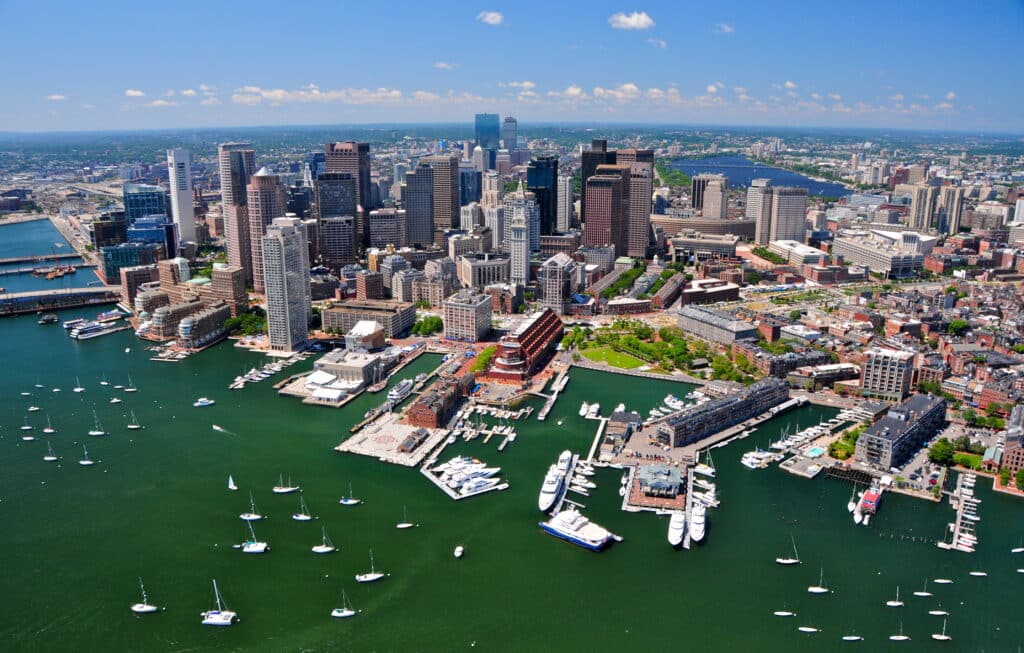
Boston is a city shaped as much by argument as by architecture. Its narrow streets and irregular angles reflect an urban form that predates certainty, where ideas were tested long before they were resolved. This is a city that has never been content merely to exist; it has always insisted on meaning.
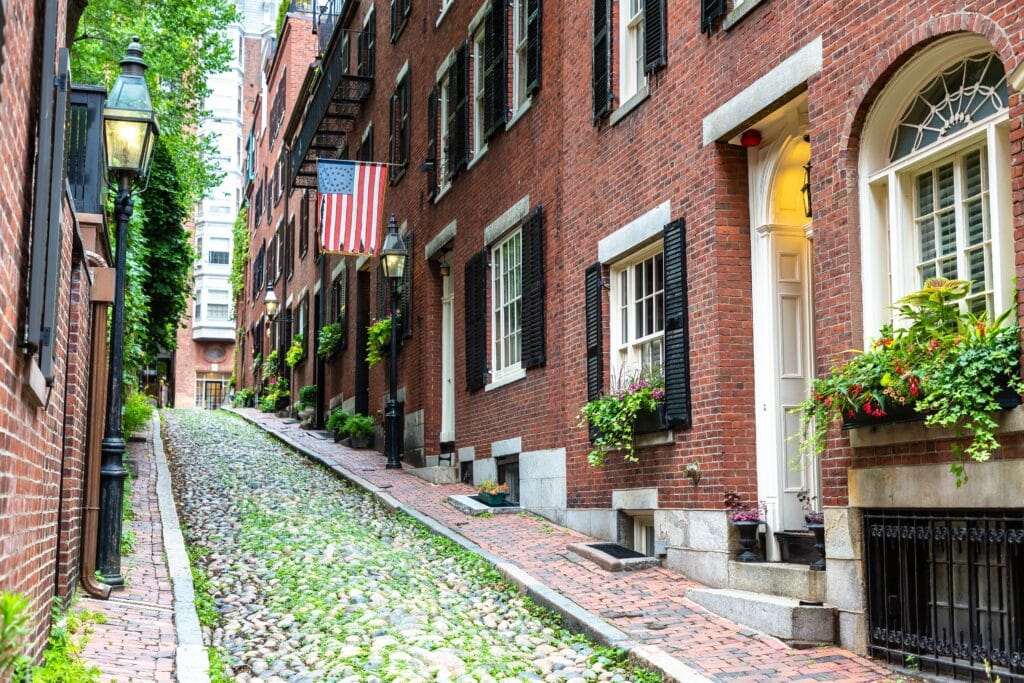
The neighborhoods of Boston carry layered identities. Beacon Hill, with its brick sidewalks and gas lamps, speaks to inherited power and civic authority. Back Bay, planned and deliberate, reflects ambition made orderly. South Boston and Roxbury reveal histories of labor, immigration, resistance, and reinvention. Each district tells a different chapter of the same ongoing conversation about belonging and progress.
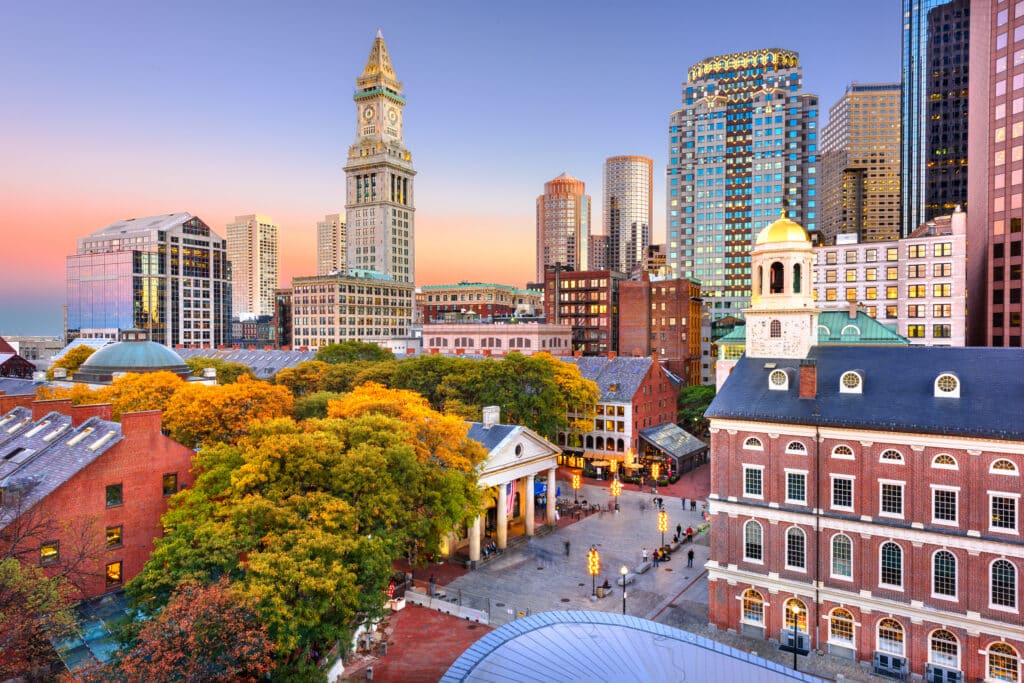
Boston’s revolutionary past is not preserved behind glass. It lives in meeting houses, public parks, and the enduring culture of debate. The Freedom Trail connects more than landmarks; it links a mindset that values dissent as a civic duty. Even today, protest and discourse feel native to the city’s rhythm.
Modern Boston is driven by education, medicine, and research, yet it retains a deeply human scale. Universities and hospitals spill into everyday life, shaping cafés, bookstores, and sidewalks. The harbor—once a site of rebellion and commerce—has become a space of reflection and renewal.
Boston’s greatness lies in its refusal to be easy. It challenges, provokes, and occasionally frustrates, but it never disengages. It is a city that thinks aloud—and expects others to listen.
15. Cambridge: Where the Future Is Quietly Invented

Across the Charles River, Cambridge offers a contrasting intensity. Where Boston projects history outward, Cambridge turns inquiry inward. This is one of the world’s great intellectual ecosystems, yet it operates with remarkable understatement.

Anchored by Harvard University and the Massachusetts Institute of Technology, Cambridge has shaped global thought in science, philosophy, economics, and politics. But its influence is not confined to lecture halls or laboratories. Ideas spill into public life—into bookshops, cafés, street conversations, and informal gatherings that treat curiosity as a shared civic resource.
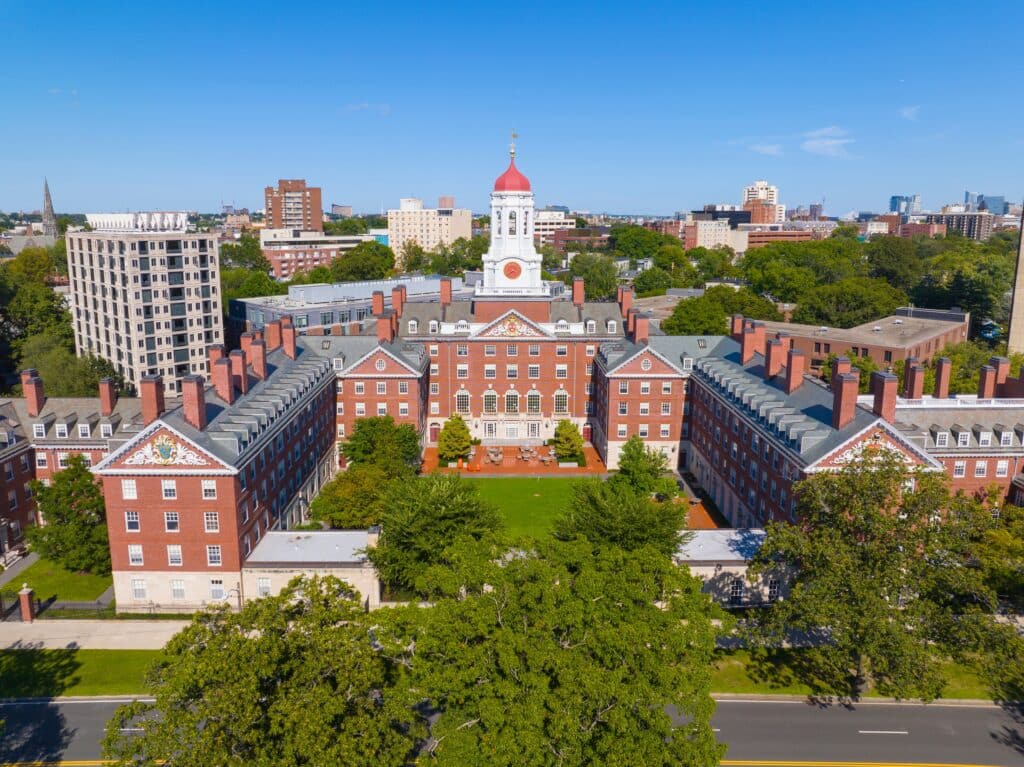
Harvard Square retains a timelessness rooted in debate and literature, while Kendall Square represents the future—biotechnology firms, startups, and research institutions clustered where poets and printers once gathered. The juxtaposition feels natural rather than jarring, continuing a tradition of reinvention without rupture.
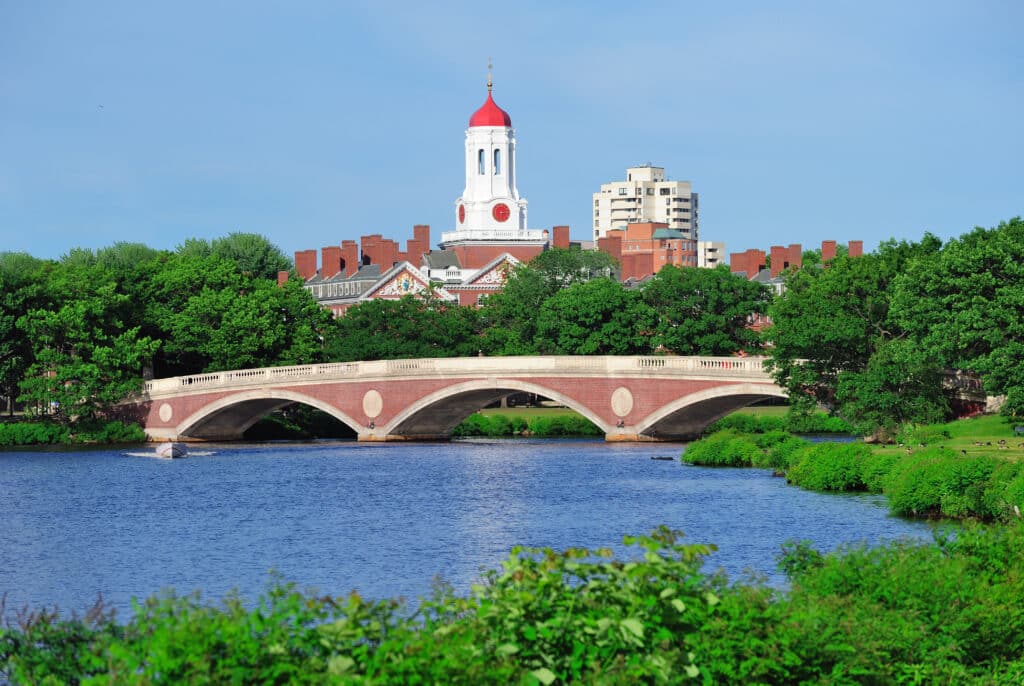
Residential streets soften the city’s intensity. Brick row houses, shaded sidewalks, and community gardens lend Cambridge a lived-in calm. Despite its global reach, it remains deeply local, shaped by neighborhood activism and civic participation.
Cambridge does not advertise its importance. It assumes that thought itself is enough. In doing so, it exemplifies Massachusetts’ enduring belief that ideas, carefully nurtured, can change the world.
14. Cape Cod: Light, Wind, and Reinvention

Cape Cod feels simultaneously fragile and expansive—a narrow arm of land shaped by glaciers, tides, and human longing. Its geography creates a sense of separation from the mainland, both physical and emotional, offering visitors and residents a distinct rhythm of life.

Towns like Provincetown, Chatham, Wellfleet, and Orleans balance tradition with transformation. Fishing harbors and historic homes coexist with art galleries, writers’ studios, and seasonal influxes of visitors. The Cape has long attracted those seeking reinvention—artists, thinkers, and individuals drawn to its mutable light and sense of edge.
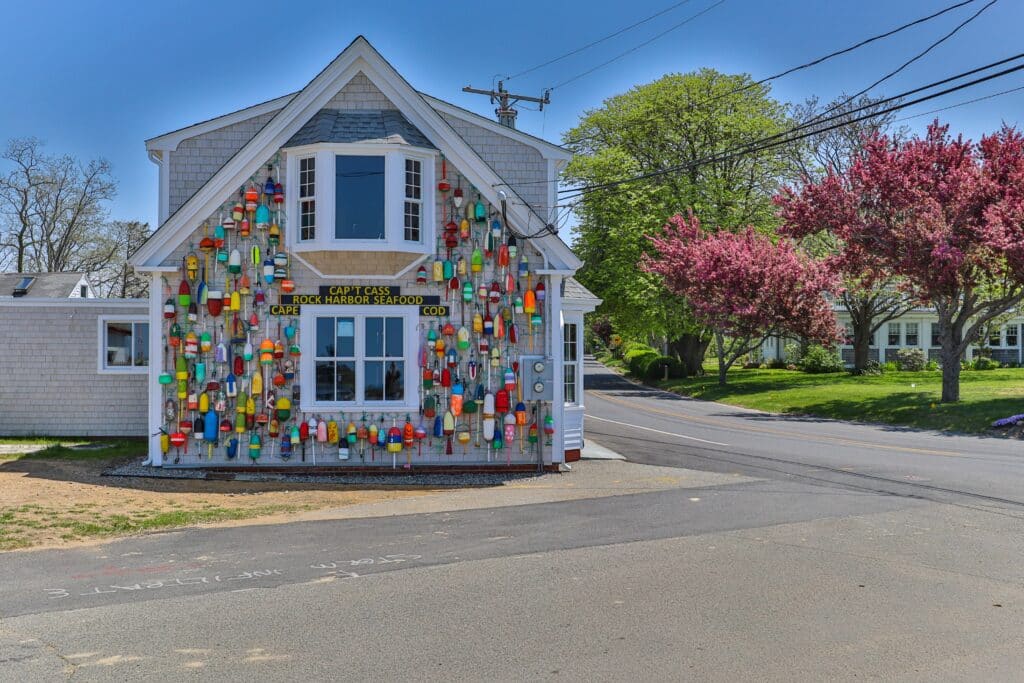
The environment defines daily life. Wind sculpts dunes, storms redraw shorelines, and the ocean asserts constant presence. The Cape’s beauty is inseparable from its impermanence; erosion and change are not threats but facts of existence.

Culturally, Cape Cod resists singular identity. It is working coastline and contemplative retreat, tourist destination and deeply rooted community. Year-round residents experience a quieter, more introspective version of the Cape—one defined by weather, shared resilience, and seasonal patience.
Cape Cod’s power lies in its honesty. It offers no permanence, only presence. In doing so, it captures one of Massachusetts’ most enduring truths: that meaning is found not in stability, but in attentive engagement with place.
13. Salem & the North Shore: Memory, Myth, and the Sea
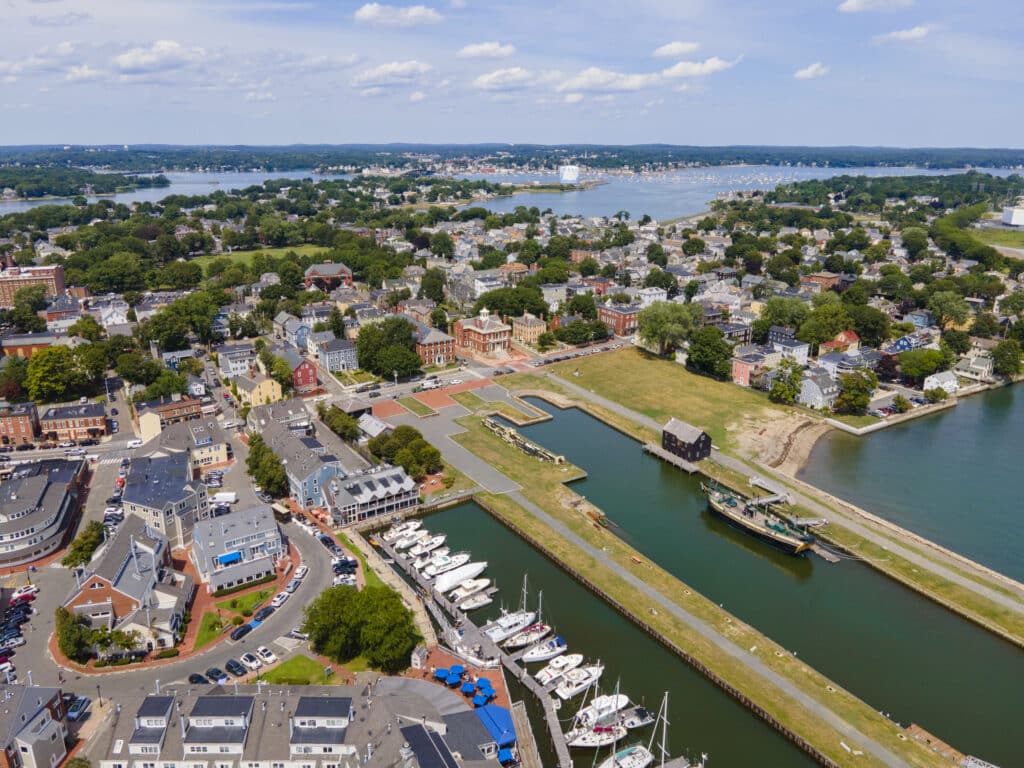
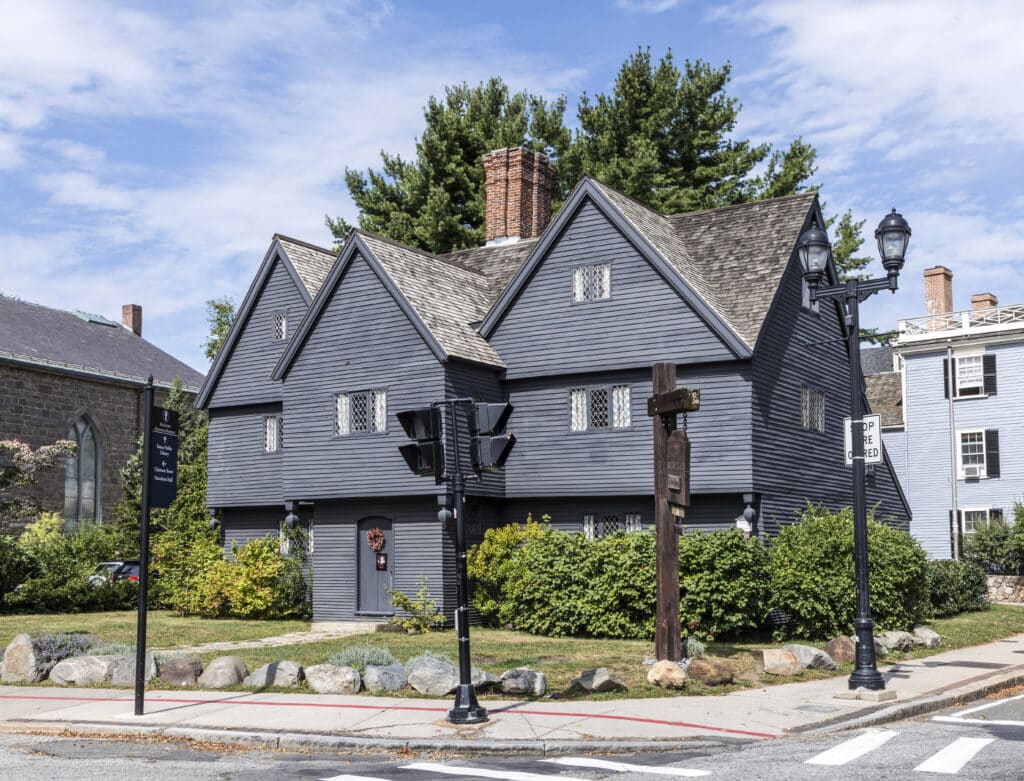
Salem exists in a delicate balance between myth and reality. To the world, it is synonymous with the witch trials of 1692, yet to understand Salem only through that lens is to miss its deeper, maritime soul. Long before hysteria defined its name, Salem was one of the most prosperous ports in the New World, its wealth drawn from global trade and the restless pull of the sea.
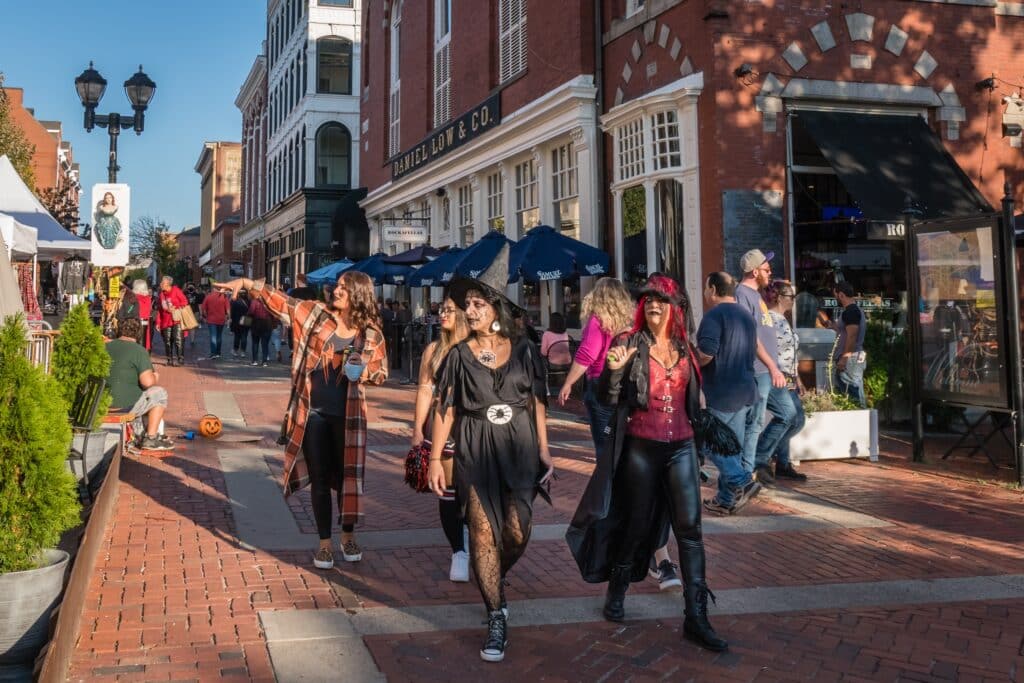
The town’s architecture reflects this layered history. Federal-style mansions stand beside modest workers’ homes, while wharves and customs houses recall an era when Salem ships reached Asia, Africa, and the Caribbean. The witch trials remain present—not as spectacle alone, but as a moral reckoning that continues to shape conversations about justice, fear, and collective responsibility.
Beyond Salem, the North Shore unfolds as a chain of coastal towns—Marblehead, Gloucester, Rockport, Ipswich, and Newburyport—each shaped by fishing, shipbuilding, and the Atlantic’s demands. Gloucester’s working harbor remains one of the oldest in the nation, its identity grounded in labor rather than nostalgia.
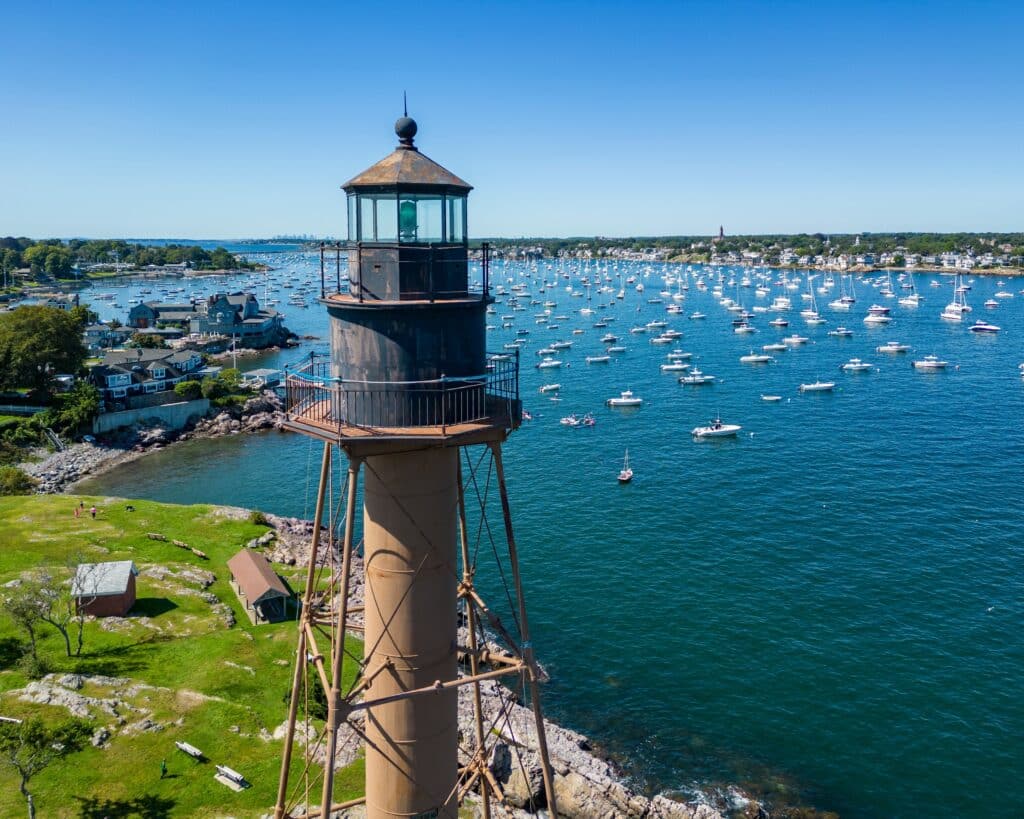
The North Shore carries a quieter beauty than Cape Cod, more rugged and resolute. Rocky headlands, tidal marshes, and weathered houses speak of endurance. Here, Massachusetts meets the ocean without romance, grounded in experience and memory.
12. Plymouth: The Weight of Origins
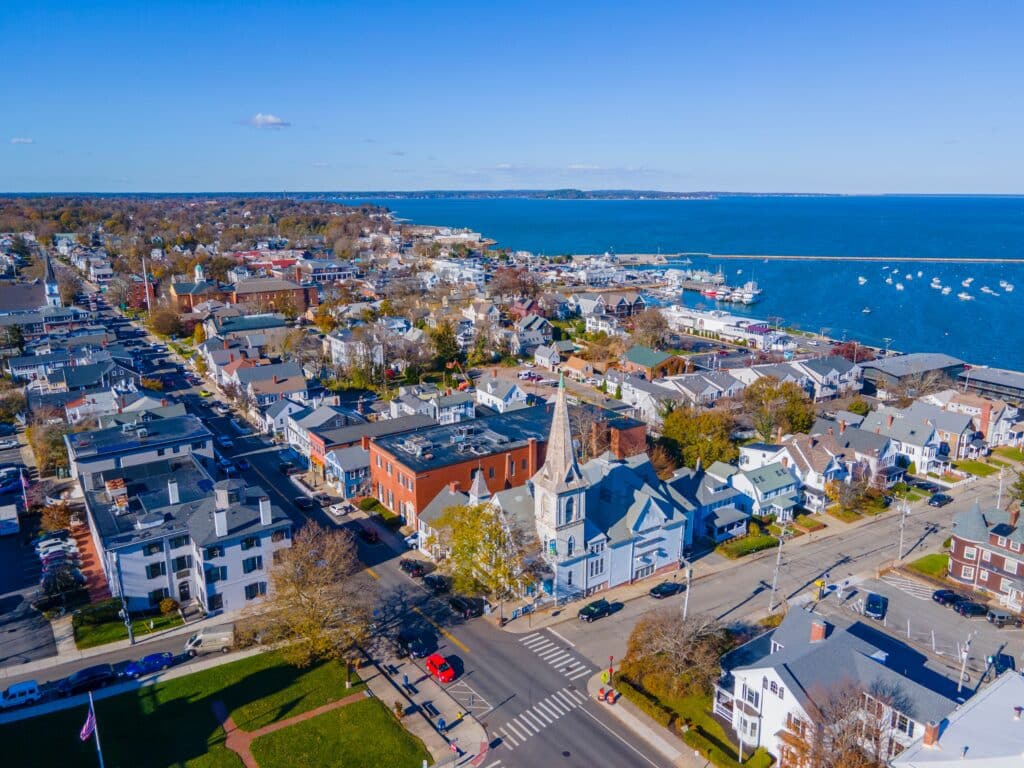
Plymouth occupies a singular place in the American imagination. It is often reduced to a beginning—a rock, a landing, a myth. Yet Plymouth is not a monument frozen in time; it is a living town that carries the burden and complexity of origins.

The story of the Pilgrims is inseparable from the land and from the Wampanoag people, whose presence long predates European arrival. Modern Plymouth increasingly acknowledges this fuller history, allowing multiple narratives to coexist rather than simplifying the past into comfort.

The harbor remains central to Plymouth’s identity. Fishing boats and pleasure craft share the water, while coastal paths invite reflection rather than spectacle. Historic homes and museums sit alongside schools, businesses, and neighborhoods where daily life continues uninterrupted.
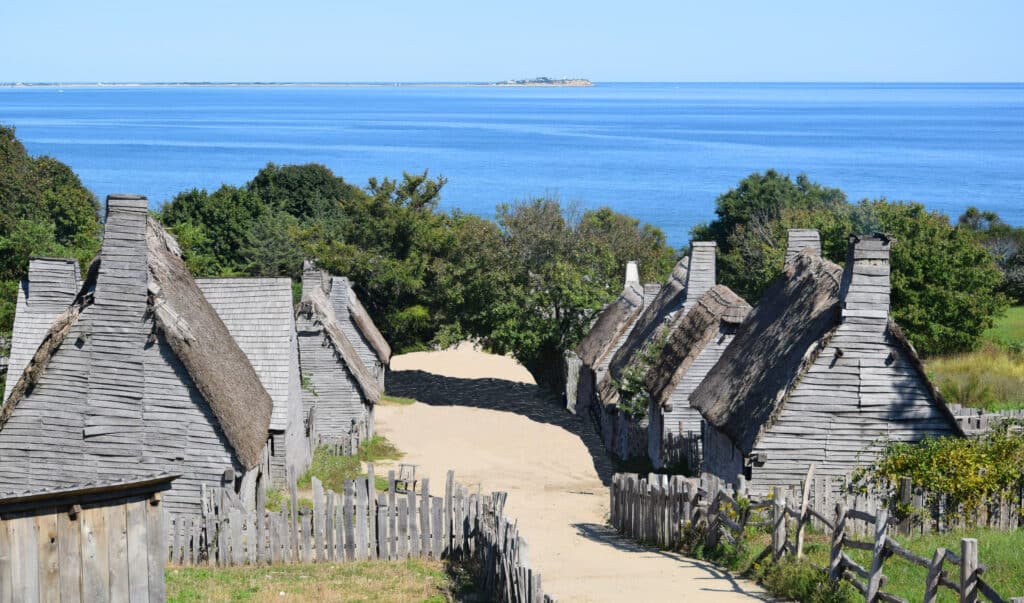
Plymouth’s significance lies not in certainty but in inquiry. It asks visitors to consider what it means to begin something—and what responsibilities follow. In doing so, it embodies Massachusetts’ willingness to revisit its own foundations with honesty and restraint.
11. Concord & Lexington: Where Memory Walks the Land
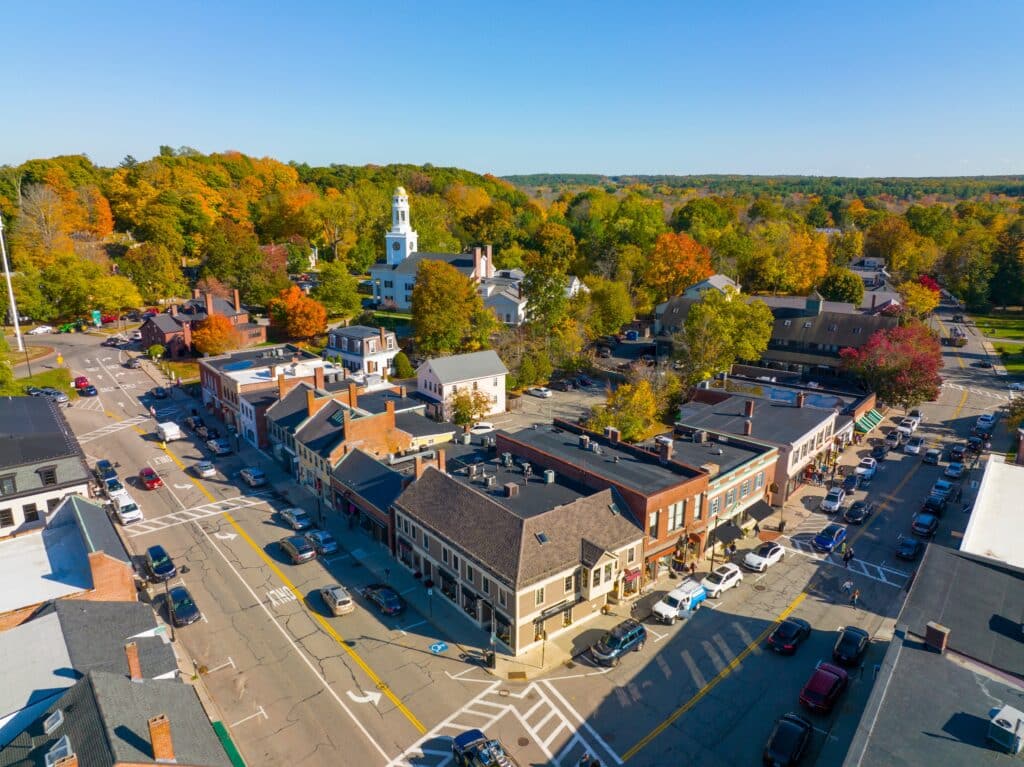
In Concord and Lexington, history does not announce itself loudly. It settles into fields, footpaths, and quiet town centers where the landscape itself carries memory.

Lexington Green marks the opening confrontation of the American Revolution, yet it feels less like a battlefield than a civic commons. The restraint is intentional. This is a place that honors action without glorifying violence. Nearby, Concord’s North Bridge stands as a symbol of resistance shaped by principle rather than fury.
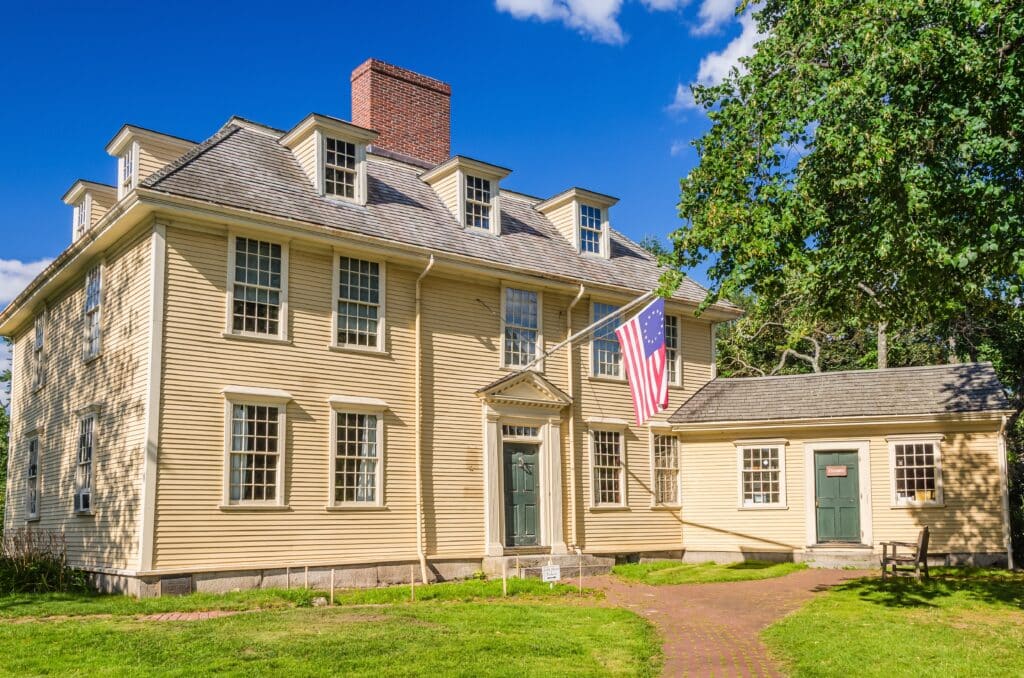
Concord also belongs to writers and thinkers. Ralph Waldo Emerson, Henry David Thoreau, Louisa May Alcott, and Nathaniel Hawthorne transformed the town into an intellectual refuge. Walden Pond remains less a destination than a question—a place inviting contemplation about simplicity, conscience, and individual responsibility.
These towns embody Massachusetts’ belief that thought and action are inseparable. The revolution began here not because of rage, but because of reflection. Even today, Concord and Lexington offer a quiet argument for deliberate progress grounded in moral clarity.
10. The Berkshires: Art, Hills, and Solitude
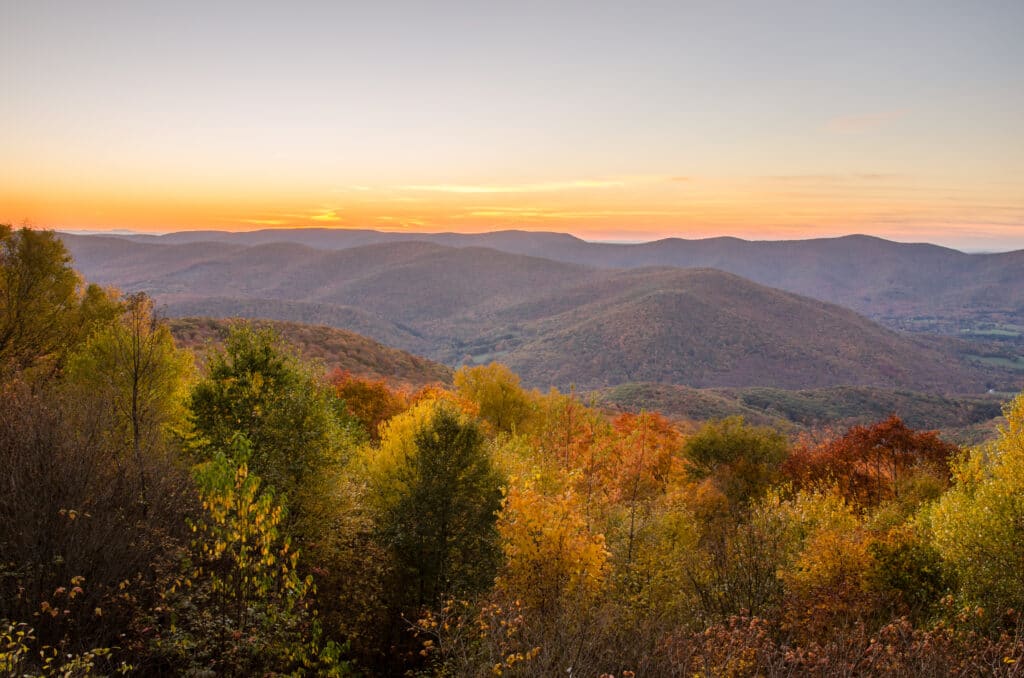
In the far western reaches of Massachusetts, the Berkshires rise gently, offering a landscape defined not by drama but by repose. Rolling hills, dense forests, and open meadows create a sense of spaciousness rare in the eastern half of the state. This is Massachusetts at its most contemplative.
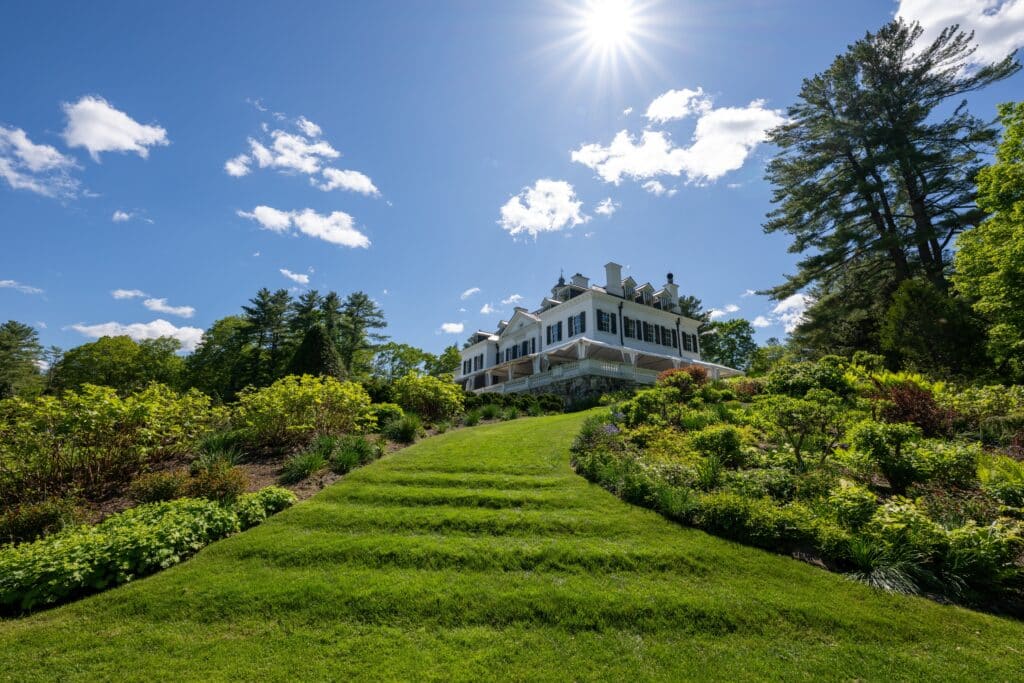
The region has long attracted artists, musicians, and thinkers seeking distance from urban intensity. Institutions such as Tanglewood, the summer home of the Boston Symphony Orchestra, and Jacob’s Pillow, a center for dance, root world-class culture in a pastoral setting. Museums like MASS MoCA and The Clark Art Institute bridge contemporary creativity and classical tradition.

Towns such as Lenox, Stockbridge, Great Barrington, and Williamstown balance cultural ambition with small-town life. Historic homes and modest main streets coexist comfortably, fostering a community that values participation over prestige.
Nature remains the Berkshires’ defining presence. Trails, lakes, and seasonal change shape daily rhythms. Autumn transforms the hills into a study in color, while winter brings stillness and introspection. The Berkshires invite not escape, but attentiveness—offering space to listen rather than to perform.
9. Lowell & Lawrence: Industry and Reinvention
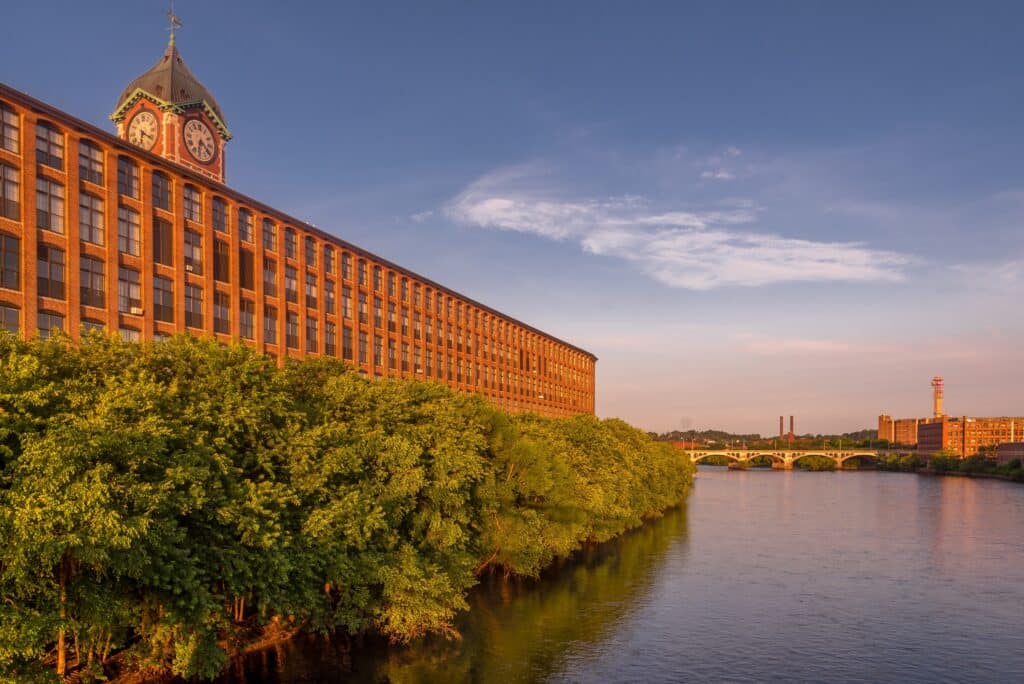
Along the Merrimack River, the mill cities of Lowell and Lawrence tell a story central to American modernity. Here, industrialization reshaped labor, migration, and urban life with unprecedented speed and consequence.
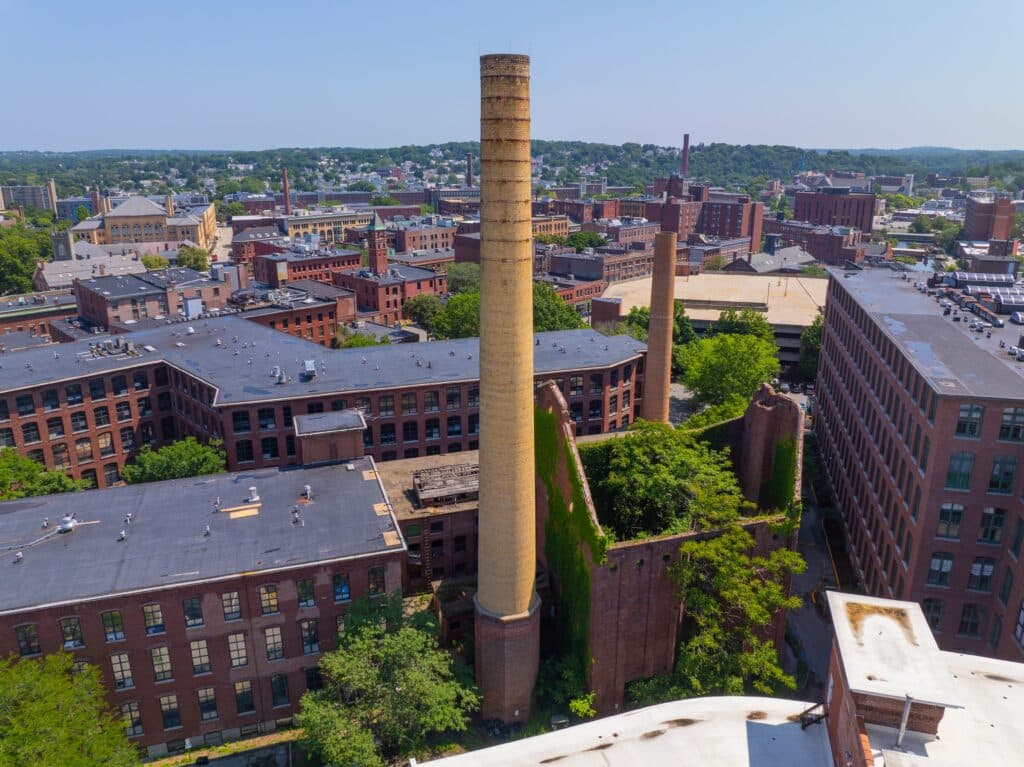
Lowell’s red-brick mills once harnessed waterpower to fuel textile production, drawing young women from rural New England and later immigrants from across the world. Today, preserved canals and factory buildings form a National Historical Park, transforming sites of labor into spaces of memory and education.
Lawrence, founded explicitly as an industrial city, carries a grittier legacy. Its history includes labor struggles that reshaped workers’ rights, most notably the 1912 “Bread and Roses” strike. Contemporary Lawrence reflects ongoing renewal, shaped by Latino culture, resilience, and civic reinvention.
These cities embody Massachusetts’ capacity for adaptation. Their stories are not romantic, but they are essential—reminding visitors that progress is built through effort, conflict, and renewal rather than comfort.
8. Springfield & the Connecticut River Valley
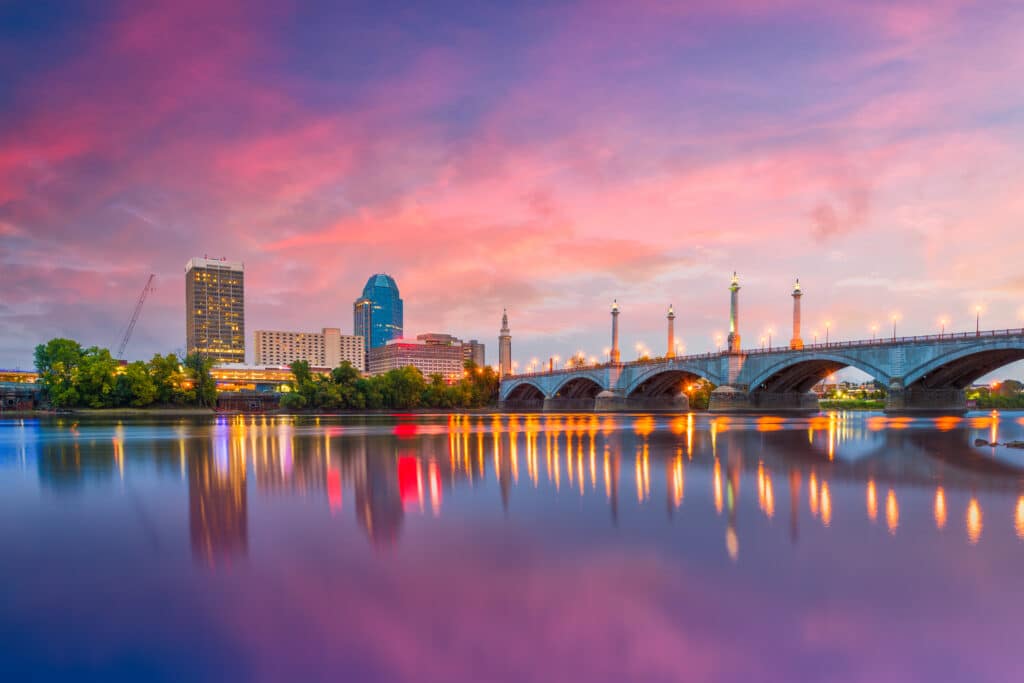
The Connecticut River Valley forms Massachusetts’ central artery, and Springfield stands as its urban heart. Historically a center of innovation and manufacturing, Springfield helped define American industry through arms production, precision manufacturing, and invention.
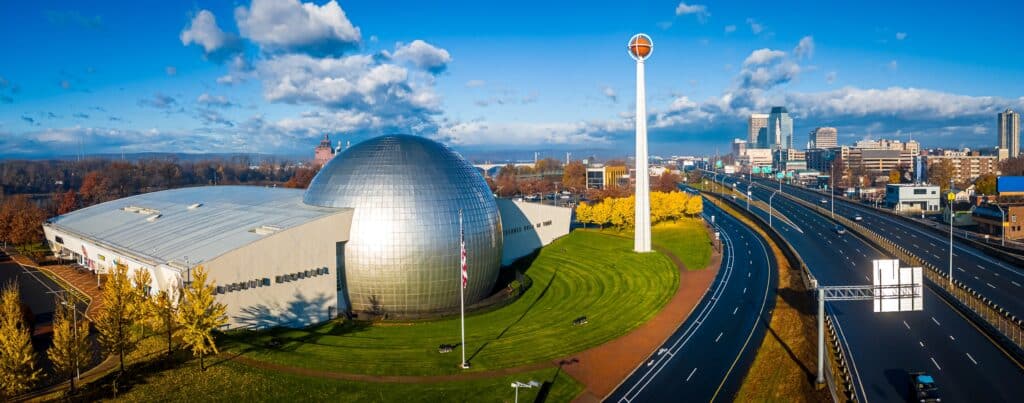
The city’s legacy includes the Springfield Armory, now a museum, and the birthplace of basketball, invented here in 1891. Yet Springfield’s identity extends beyond its achievements. It reflects the challenges of post-industrial America—adaptation, inequality, and the search for sustainable renewal.

Surrounding towns like Northampton, Amherst, and Hadley offer contrasting energies. Home to renowned colleges, the valley supports intellectual life, activism, and a vibrant arts scene. Farmland along the river sustains a strong agricultural tradition, grounding academic life in physical labor and seasonality.

The valley’s balance—between city and countryside, innovation and reflection—captures a core Massachusetts theme: progress tempered by responsibility to place.
7. Worcester: The Heart of the Commonwealth
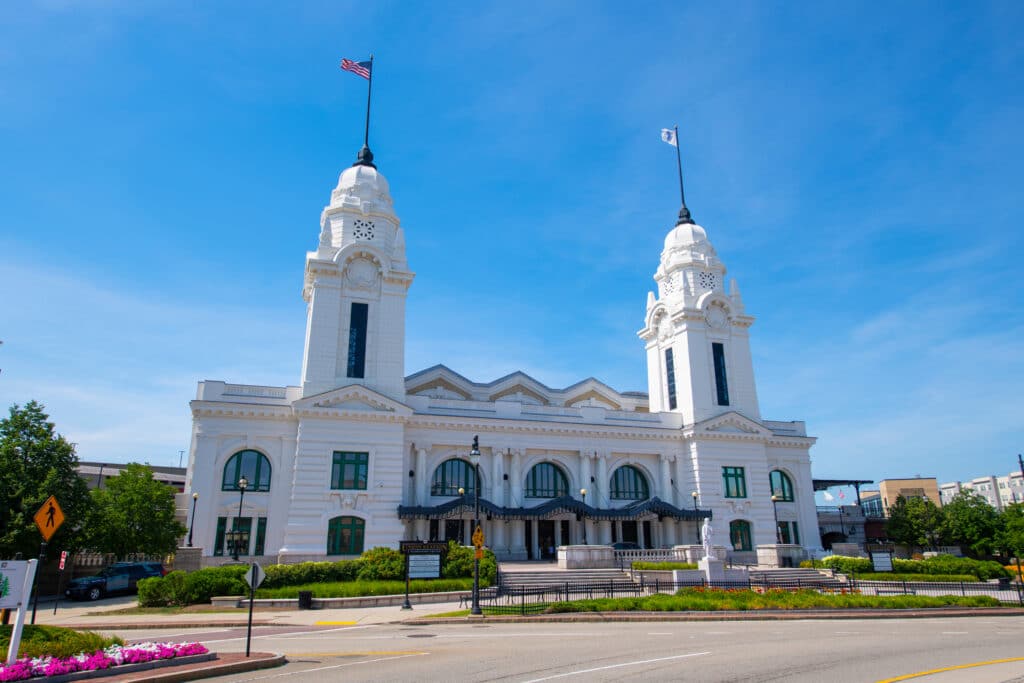
Worcester occupies a central position both geographically and symbolically within Massachusetts. Often overlooked in favor of coastal cities, it has long served as a crossroads of industry, education, and immigration. Its identity is shaped by movement—of people, goods, and ideas passing through its hills.

Historically an industrial powerhouse, Worcester produced machinery, wire goods, and innovations that powered regional growth. While manufacturing has receded, the city has adapted through education and healthcare. Institutions such as Clark University, Worcester Polytechnic Institute, and a network of medical centers anchor the city’s contemporary life.
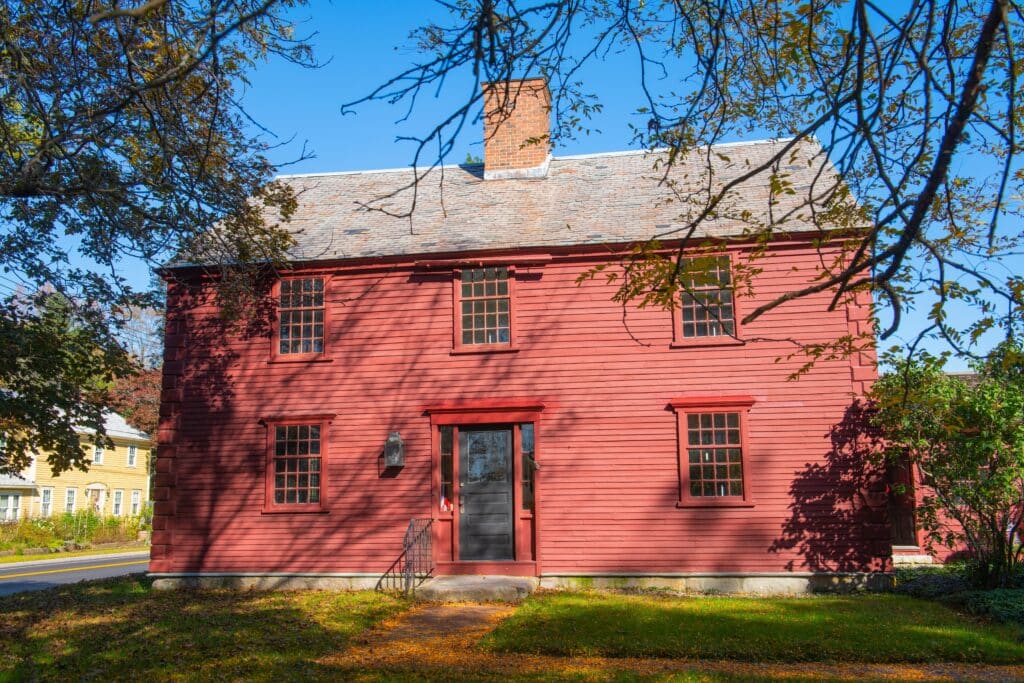
Worcester’s neighborhoods reflect successive waves of immigration—Irish, Italian, Eastern European, Latin American—each leaving marks on food, architecture, and civic culture. The city carries a quiet resilience, grounded in working-class values and local pride rather than spectacle.

Public spaces like Green Hill Park and Elm Park soften the city’s density, while hills offer vantage points that reveal its layered character. Worcester may lack the polish of Boston, but it embodies Massachusetts’ enduring belief in reinvention through effort.
6. Fall River & New Bedford: Whaling, Industry, and Change
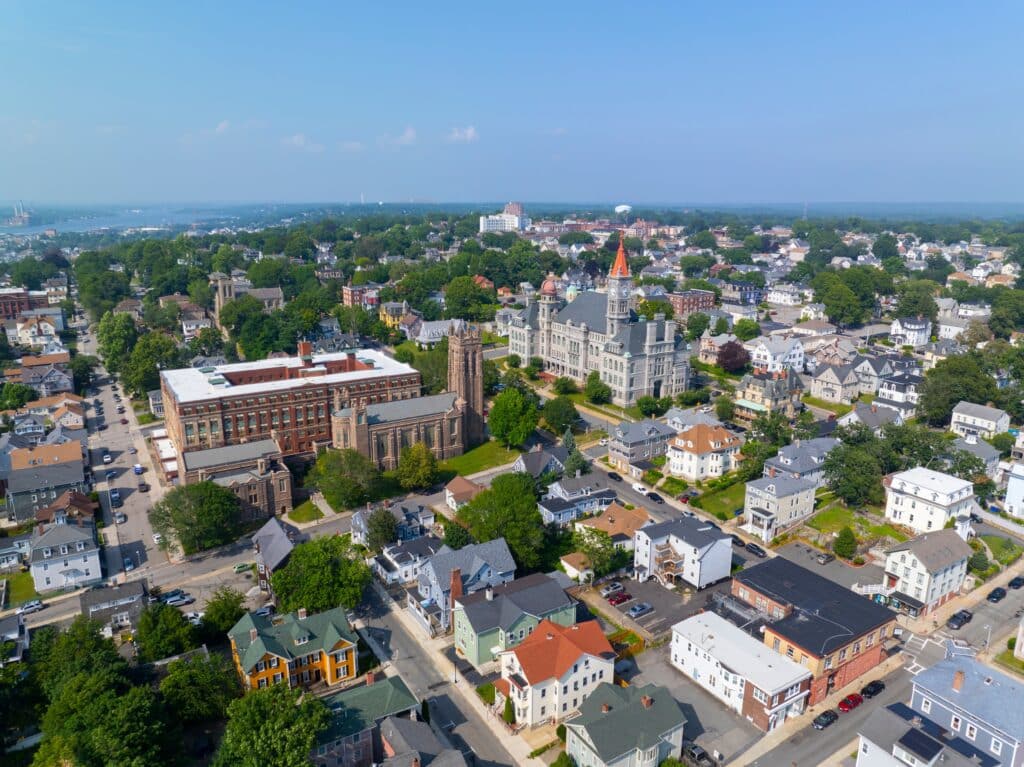
Along the southern coast, Fall River and New Bedford share a maritime and industrial heritage that shaped the world beyond Massachusetts. New Bedford was once the wealthiest city per capita in America, its prosperity drawn from the global whaling industry memorialized by Herman Melville in Moby-Dick.
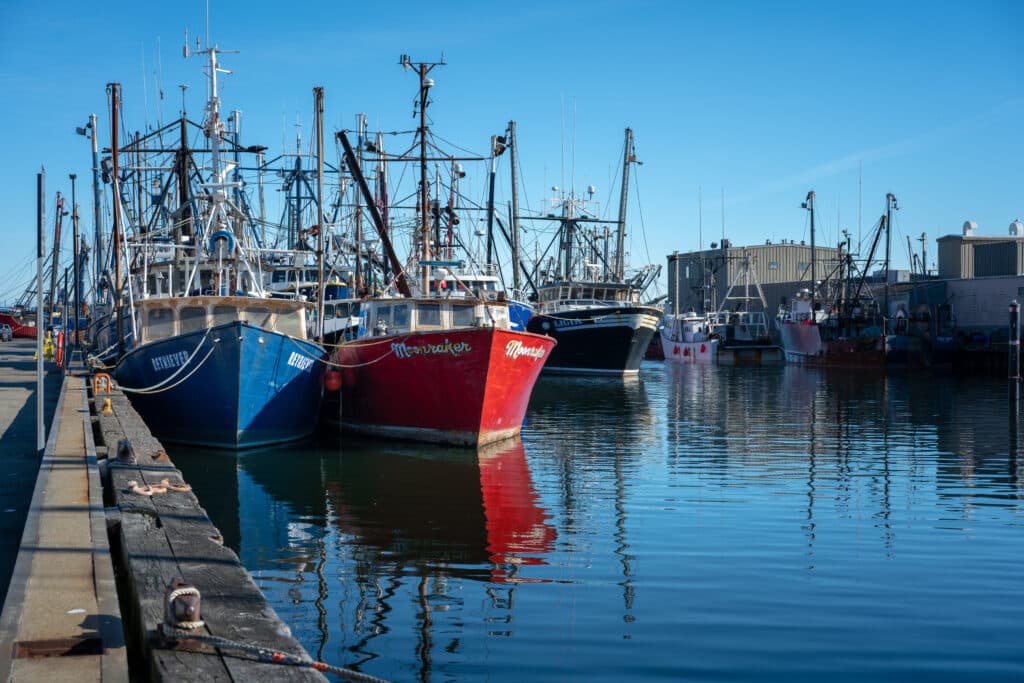
When whaling declined, textile mills rose, drawing immigrant labor and reshaping urban life. Fall River’s dense mill architecture and New Bedford’s working waterfront reflect both ambition and hardship. These cities were built on labor—often difficult, often invisible.
Today, both cities navigate renewal with honesty. Museums, cultural institutions, and waterfront development coexist with fishing fleets and tight-knit neighborhoods. Portuguese, Cape Verdean, and Azorean influences remain deeply embedded, giving the region a distinct Atlantic identity.
Fall River and New Bedford remind visitors that Massachusetts’ prosperity was neither effortless nor evenly distributed. Their strength lies in endurance.
5. Martha’s Vineyard & Nantucket: Isolation and Identity

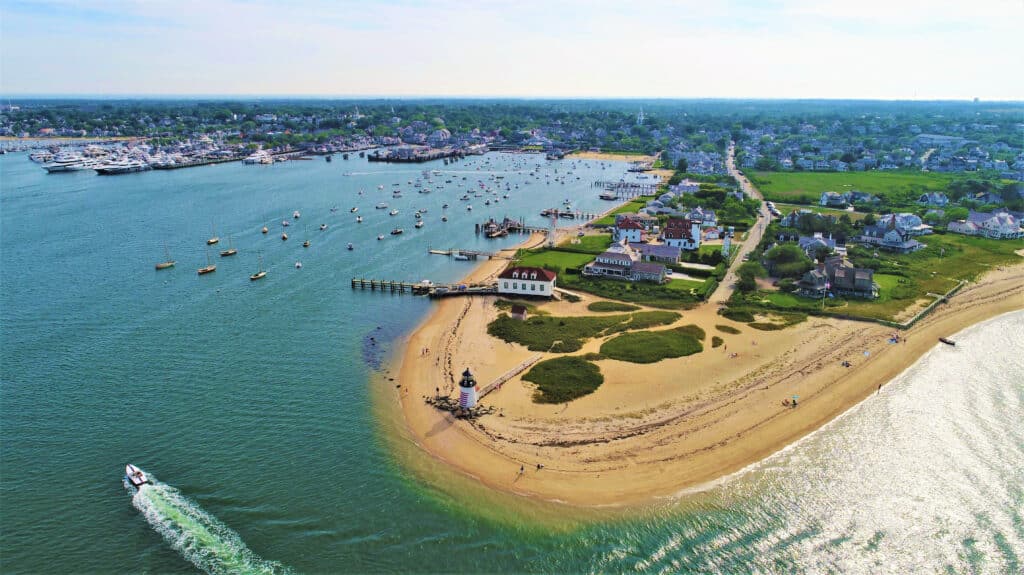
Off Massachusetts’ southern coast lie Martha’s Vineyard and Nantucket, islands shaped by separation. Though often associated with leisure, their deeper identity is rooted in self-reliance, maritime history, and environmental awareness.
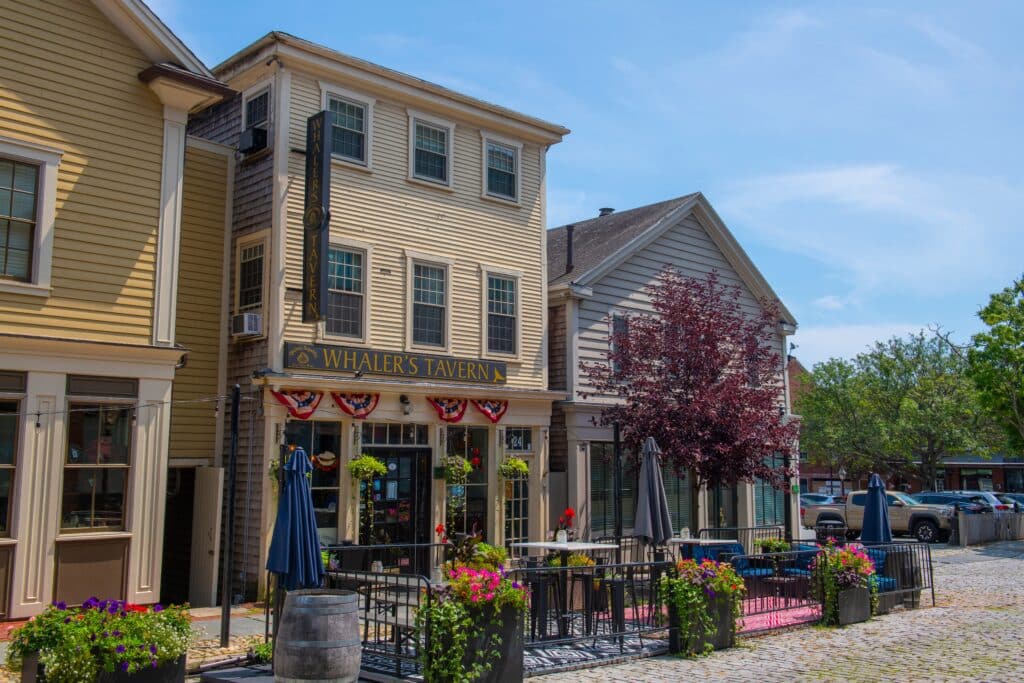
Nantucket’s cobblestone streets and preserved architecture reflect a tightly controlled relationship with the past. Once the center of global whaling, the island now protects its heritage through restraint and careful planning.
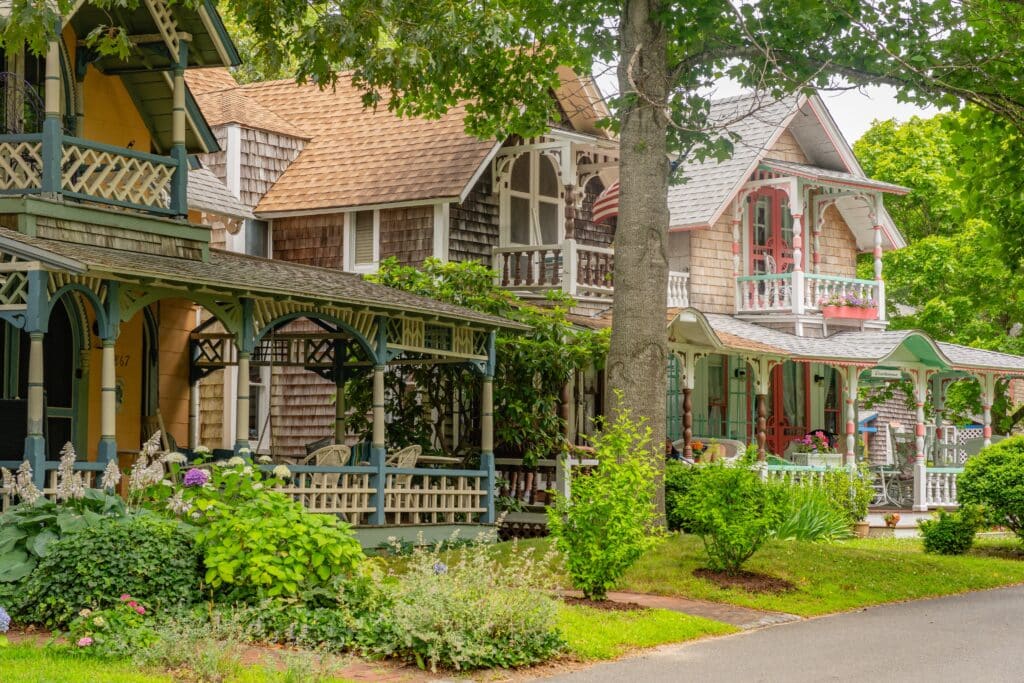
Martha’s Vineyard offers greater diversity—rural farmland, fishing villages, and artistic communities existing alongside seasonal tourism. The island has long served as a place of retreat for writers, musicians, and political figures seeking anonymity rather than display.
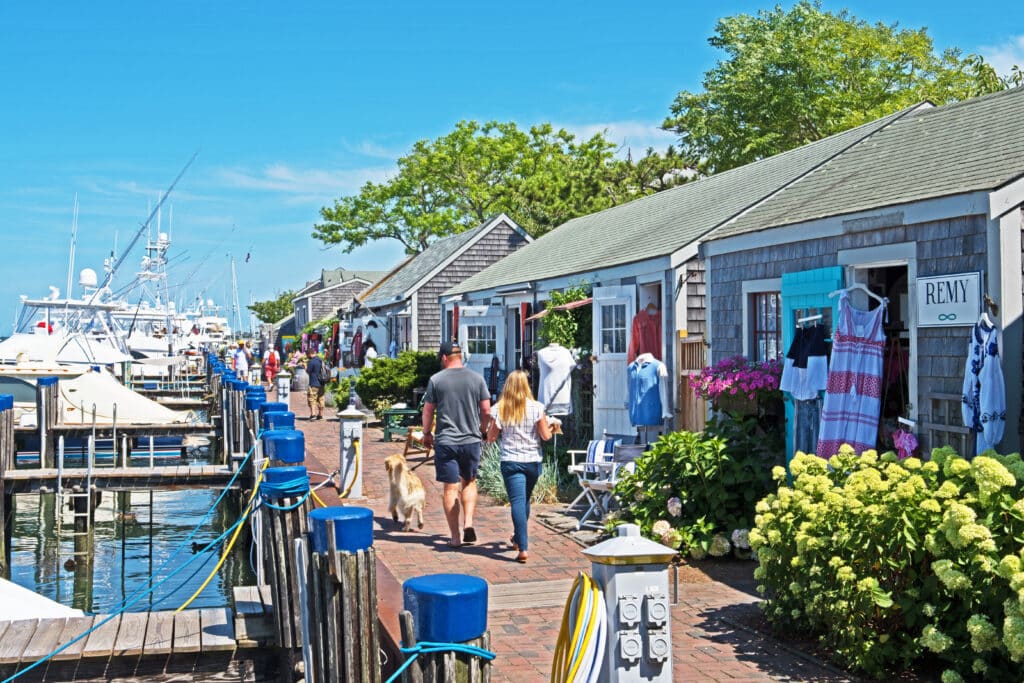
On both islands, weather dictates life. Ferries, storms, and seasons remind residents of their distance from the mainland. This isolation fosters community, humility, and attentiveness to the natural world.
4. Salem’s Hinterland: Essex County Beyond the Coast
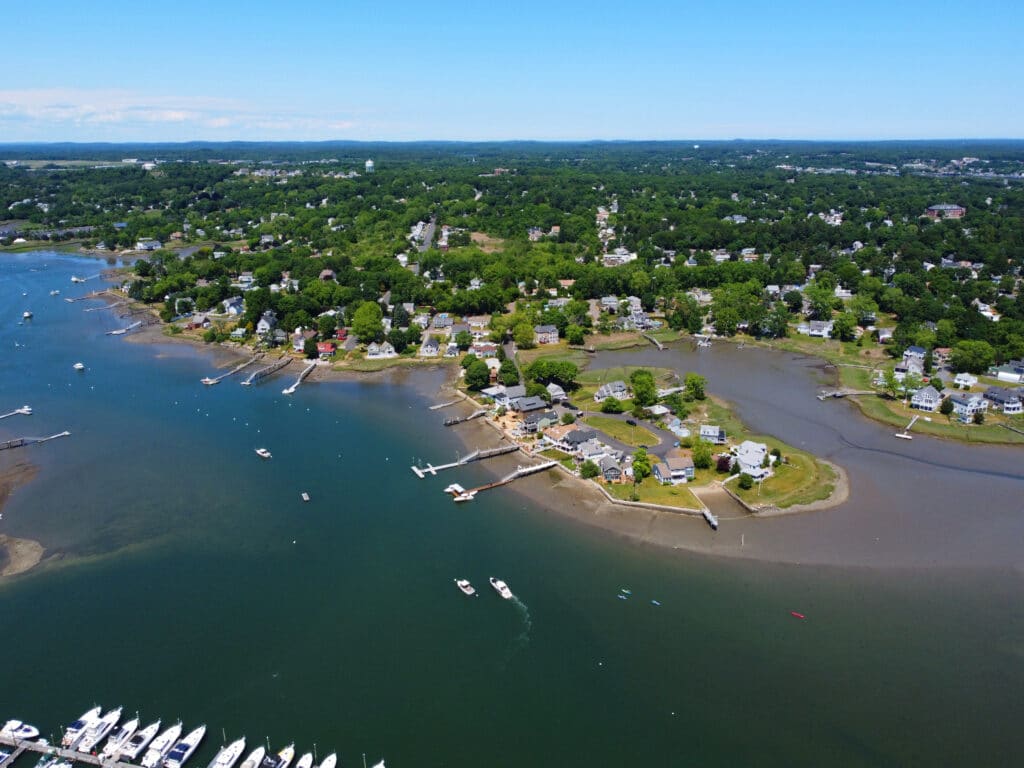
Beyond Salem’s harbor and the dramatic cliffs of the North Shore lies Essex County’s interior, a quieter landscape of villages, farms, and preserved commons that reveal how deeply rooted Massachusetts remains in local life. Towns such as Danvers, Topsfield, Hamilton, and Rowley are shaped less by tourism than by continuity.
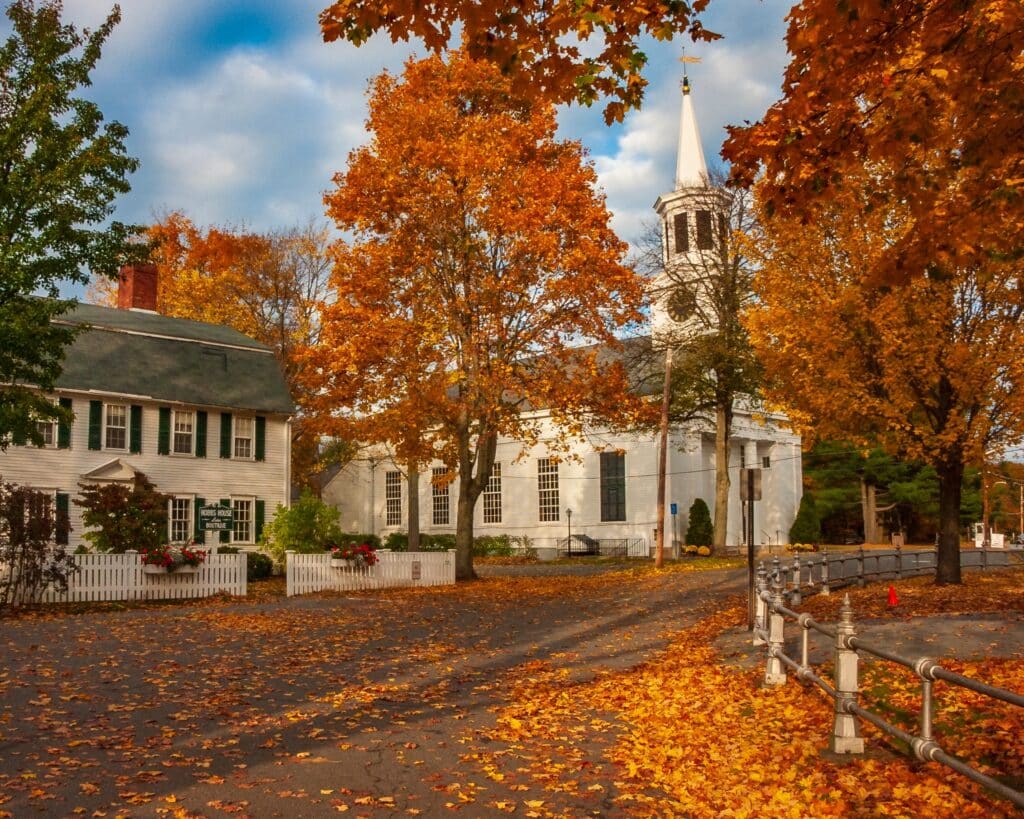
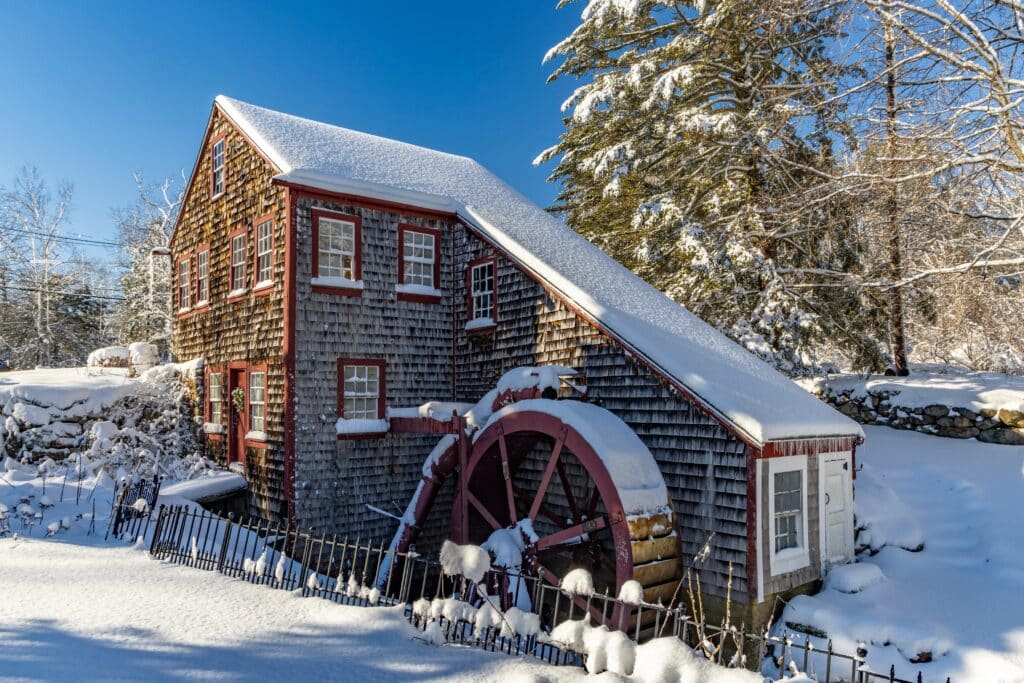
This is horse country and farmland, where colonial-era houses stand not as attractions but as homes. Stone walls trace old property lines through woods and meadows, reminders of agrarian systems that once structured nearly all New England life. The land feels intentional—managed, preserved, and respected rather than exploited.
Cultural memory here is subtle. Instead of monuments, there are town greens, volunteer fire stations, and seasonal rituals that reinforce belonging. Essex County’s interior towns embody a Massachusetts ideal: civic responsibility expressed through maintenance rather than display.
This region tempers the drama of the coast with endurance, offering a lived-in version of history where preservation is quiet and collective.
3. Northampton & the Pioneer Valley: Intellect Meets Earth

The Pioneer Valley, centered around Northampton, represents a rare balance between intellectual intensity and rural grounding. Anchored by the Five Colleges—Smith, Amherst, Hampshire, Mount Holyoke, and UMass Amherst—the valley supports one of the densest concentrations of academic life in the country.
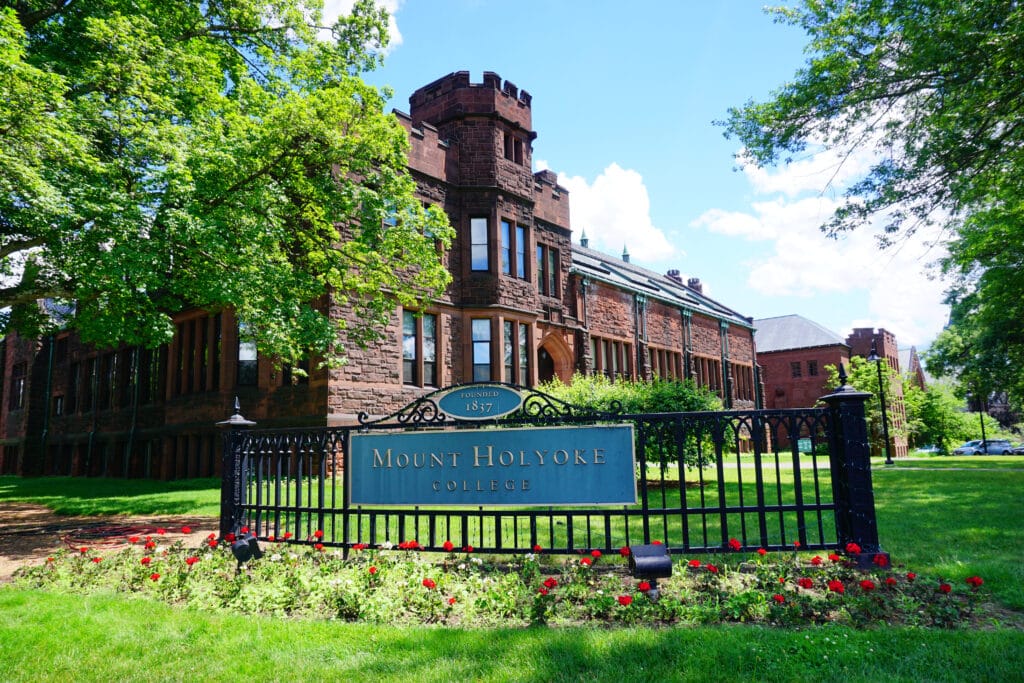
Yet the surrounding farmland, forests, and riverbanks keep ideas tethered to land. Local agriculture thrives alongside bookstores, performance venues, and independent presses. Political engagement, environmental stewardship, and artistic experimentation are not fringe pursuits here; they are communal norms.
Northampton itself radiates openness—socially, culturally, and intellectually. Its streets hum with conversation, while nearby trails and farmland provide space for reflection. The valley offers a model of how thought and place can coexist without hierarchy.
2. Quincy: Presidents, Shipyards, and Suburban Memory

Often overshadowed by Boston, Quincy carries outsized historical and civic importance. Birthplace of John Adams and John Quincy Adams, it stands as a reminder that leadership often emerges from modest, disciplined communities rather than grand capitals.

Quincy’s shoreline reflects its industrial past—shipyards, granite quarries, and working docks shaped the city’s economy and identity. Today, redevelopment and residential growth coexist with preservation efforts that protect its layered history.
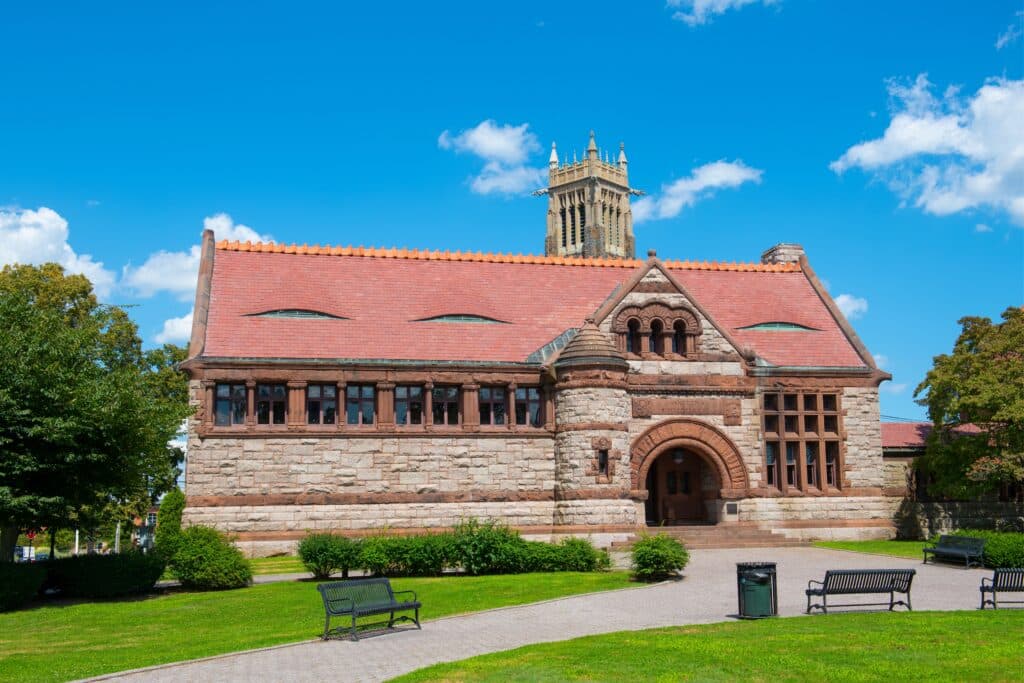
The city exemplifies Massachusetts’ suburban complexity: neither rural nor urban, neither frozen nor rootless. Quincy shows how continuity survives amid transformation.
1. Small-Town Massachusetts: The Everyday Commonwealth
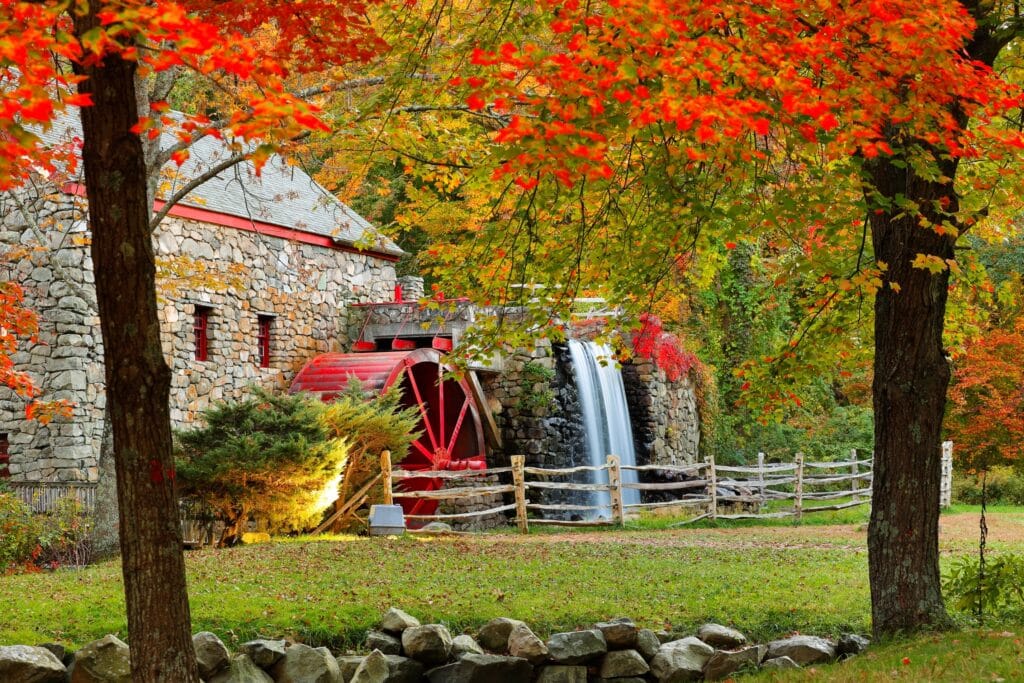
Perhaps the truest Massachusetts exists in its small towns—places without headlines or landmarks but rich in civic life. Town meetings, public libraries, volunteer boards, and school committees sustain a deeply participatory democracy.
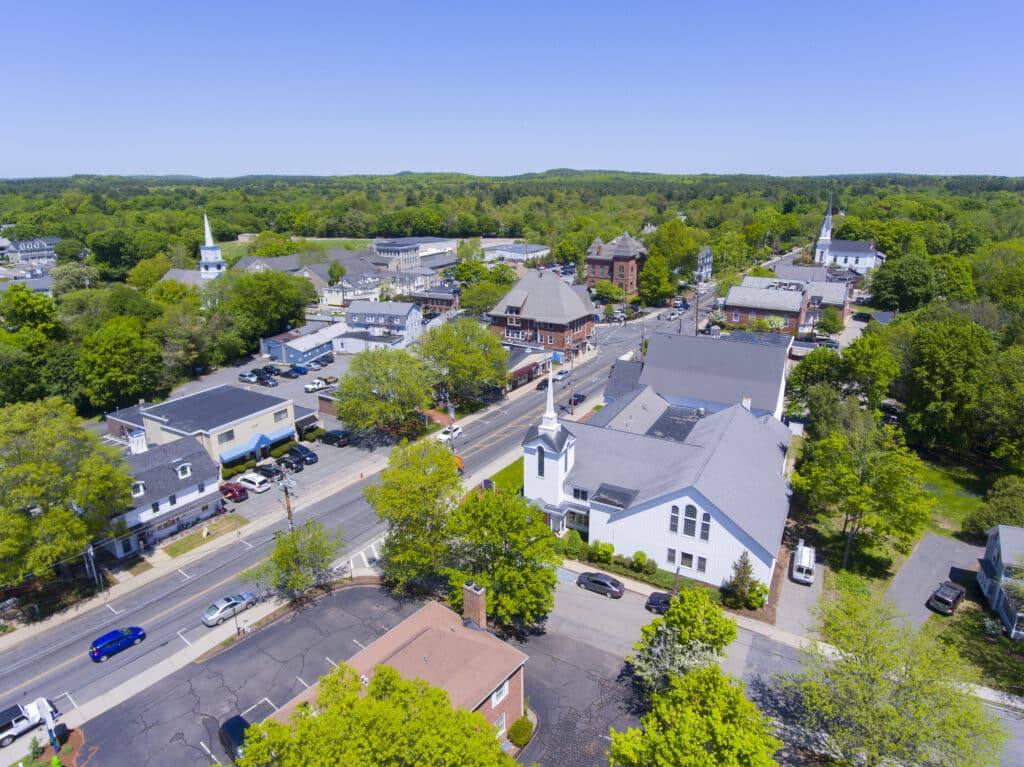
From Sudbury to Hadley, Medfield to Ashfield, these communities prize deliberation and responsibility. Decisions are debated openly, budgets scrutinized, and traditions maintained not by decree but by consent.
This is the Massachusetts that quietly shaped the nation’s civic character: practical, opinionated, thoughtful, and engaged. It is here—more than anywhere—that the Commonwealth reveals its enduring purpose.