

The United States is a country of staggering diversity, where vast landscapes, vibrant cities, and rich cultural histories coexist across nearly every region. From the sun-swept beaches of California to the rugged peaks of the Rocky Mountains, from bustling metropolises to quiet small towns, America offers experiences that are as varied as they are unforgettable. Traveling through the country is less like visiting a single destination and more like exploring dozens of distinct worlds, each shaped by geography, heritage, and human creativity.
Its natural wonders are unparalleled. Towering national parks, winding rivers, and sprawling deserts create spaces that inspire awe, adventure, and reflection. Meanwhile, cities pulse with energy, innovation, and multicultural influence. Urban centers like New York, Chicago, and Los Angeles blend architecture, art, and technology, offering encounters that are both dynamic and immersive. Even smaller towns and regional hubs reveal unique character, history, and traditions, reminding visitors that every corner of the country holds stories worth discovering.
The United States also reflects layers of history. Indigenous communities, colonial legacies, waves of immigration, and modern innovation have all shaped the social, cultural, and political fabric of the nation. Museums, neighborhoods, and public spaces preserve these narratives while simultaneously evolving to reflect contemporary life. This interplay between past and present is one of the country’s defining features, offering visitors a chance to engage with both tradition and progress.
Our article presents fifty of the best places to visit in the United States, chosen not merely for popularity but for the depth of experience each offers. Each chapter explores a city, park, or iconic destination in detail, highlighting what makes it remarkable and memorable. Whether seeking natural beauty, historical insight, cultural richness, or urban excitement, these destinations together form a portrait of America’s diversity, vibrancy, and enduring appeal. Every place on this list promises a journey that is inspiring, engaging, and uniquely American.
70. New York City, New York
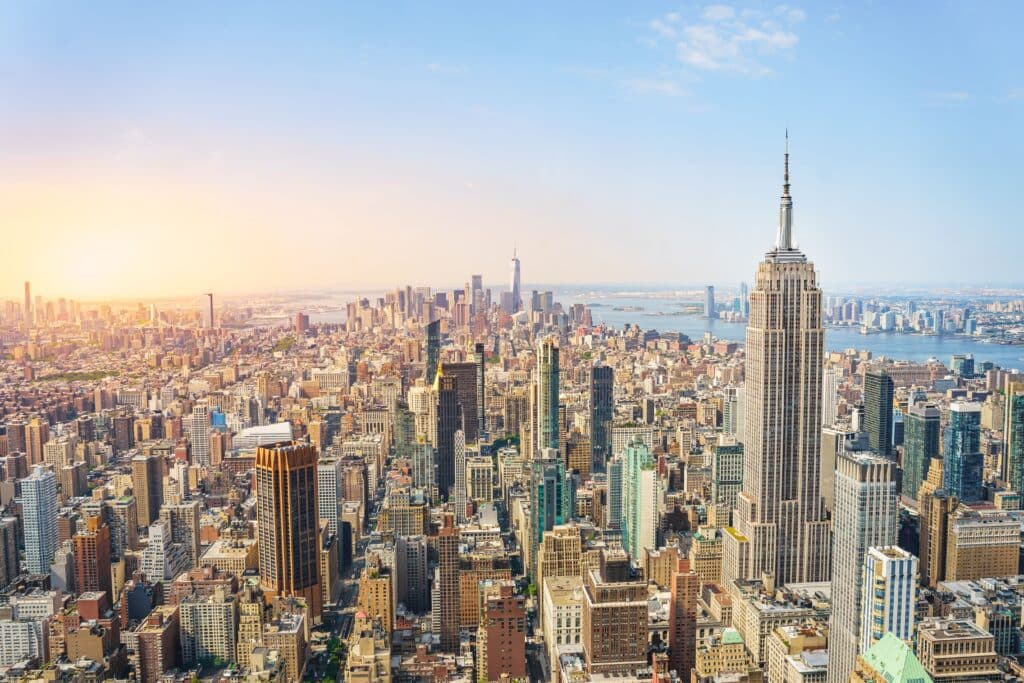
New York City, often called the capital of the world, is a sprawling metropolis defined by energy, ambition, and diversity. Composed of five boroughs—Manhattan, Brooklyn, Queens, the Bronx, and Staten Island—the city blends iconic landmarks with vibrant neighborhoods. Skyscrapers dominate the skyline, yet the city’s true essence lies at street level, where cultures from every continent converge in daily life.
Manhattan serves as the symbolic heart, home to Times Square, Central Park, and Broadway. Brooklyn offers creative neighborhoods, historic brownstones, and an innovative food scene, while Queens is among the most culturally diverse urban areas on Earth. The Bronx carries deep musical and sporting legacies, and Staten Island provides a quieter, scenic retreat. Each borough contributes its own rhythm and identity, creating a city that is both immense and intimate.
New York is a city of constant reinvention. Its neighborhoods evolve, industries shift, and new voices continually reshape its culture. Museums, galleries, theaters, and music venues preserve history and nurture creativity. Street art, fashion, and performances capture the present moment, reflecting a city that is simultaneously traditional and cutting-edge.
Despite its size, New York can feel personal. A favorite café, a familiar subway line, or a small park bench can anchor daily life amid the vast urban landscape. Visitors are rewarded for curiosity and resilience, discovering hidden gems alongside world-famous attractions. New York’s pace is fast, its energy palpable, yet its neighborhoods offer space for connection and reflection.
In essence, New York City is more than a destination—it is an experience. The city leaves a lasting impression, offering endless discovery, cultural richness, and a sense of possibility that few other places in the United States can match. Every street corner, park, and skyline view tells a story of ambition, diversity, and the unceasing movement that defines this global metropolis.
69. Grand Canyon National Park, Arizona

Grand Canyon National Park is one of the most extraordinary natural landscapes in the world. Carved by the Colorado River over millions of years, the canyon stretches approximately 277 miles, exposing layers of geological history in vibrant bands of red, orange, and gold. Standing at its rim, visitors encounter a sense of scale and depth that defies comprehension, a landscape simultaneously humbling and awe-inspiring.
The park’s vistas shift dramatically with light and weather. Sunrise and sunset transform the canyon, casting shadows and highlighting textures that emphasize its rugged contours. Hiking trails, viewpoints, and river excursions provide multiple ways to experience the grandeur, whether from the rim, the river, or deep within the canyon itself. Rafting along the Colorado River allows intimate interaction with its dynamic forces, while backcountry hikes reward patience and endurance with unparalleled scenery.
Grand Canyon is also rich in cultural significance. Indigenous communities, including the Havasupai, Hopi, Navajo, and others, have maintained ties to this land for centuries. Archaeological sites, stories, and traditions reflect the canyon’s enduring importance, blending natural beauty with human heritage. Visitors are encouraged to respect these connections while exploring the landscape responsibly.
Wildlife is another highlight, with species ranging from bighorn sheep and elk to a variety of birds. These creatures thrive within the park’s ecosystems, reinforcing the canyon’s ecological diversity. Grand Canyon National Park combines geological wonder, cultural history, and ecological richness, offering a profound experience for all who visit.
68. San Francisco, California

San Francisco is a city defined by geography, architecture, and cultural innovation. Situated on a hilly peninsula between the Pacific Ocean and San Francisco Bay, it is known for steep streets, scenic vistas, and iconic landmarks such as the Golden Gate Bridge. Its foggy climate, diverse population, and creative energy have shaped a city with a distinctive personality unlike anywhere else in the United States.
The city’s neighborhoods each offer a unique identity. Chinatown showcases vibrant cultural heritage and historic streets, while the Mission District is a hub of murals, cuisine, and creativity. The Marina and Pacific Heights feature scenic streets and Victorian architecture, and the eclectic Haight-Ashbury neighborhood reflects San Francisco’s countercultural legacy. Each area provides a different lens through which to experience the city.
Innovation has long been central to San Francisco’s character. Its proximity to Silicon Valley positions it as a hub for technology and entrepreneurship, yet it also preserves artistic, literary, and activist traditions. Galleries, theaters, and live music venues coexist with startups and modern design studios, reflecting the city’s dynamic duality of heritage and forward thinking.
Nature is ever-present. Golden Gate Park, coastal trails, and nearby beaches offer space to pause and reconnect with the environment. The city’s blend of natural beauty, architectural creativity, and cultural diversity ensures a memorable experience for every visitor. San Francisco invites exploration, reflection, and immersion in a city where history, innovation, and geography converge.
67. Yellowstone National Park, Wyoming
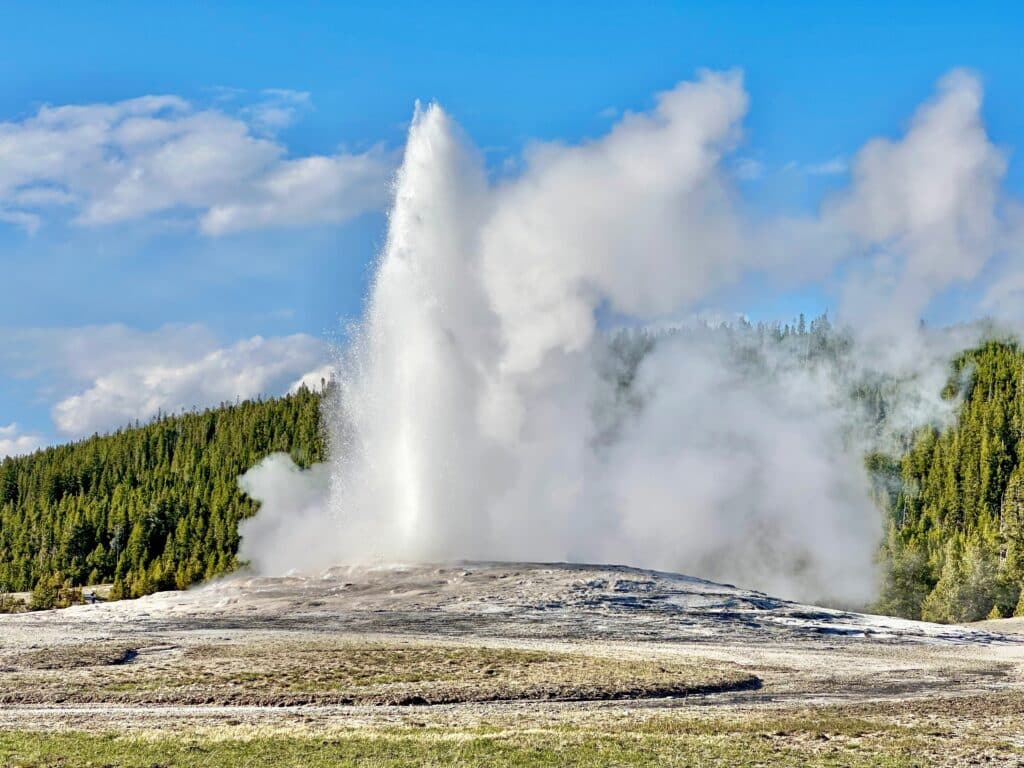
Yellowstone National Park, established in 1872 as the world’s first national park, is a landscape of geothermal wonders, expansive wilderness, and abundant wildlife. Located primarily in Wyoming, with portions extending into Montana and Idaho, it is a showcase of natural power and beauty, drawing millions of visitors each year to explore its dramatic terrain.
The park’s geothermal features are its most famous attractions. Geysers, hot springs, fumaroles, and mud pots reveal the volcanic forces beneath the surface. Old Faithful, the iconic geyser, erupts with regularity, captivating audiences, while lesser-known features such as Grand Prismatic Spring and Norris Geyser Basin create an ever-changing tableau of color and steam. These phenomena demonstrate the dynamic processes shaping the Earth.
Yellowstone’s wilderness extends beyond geothermal marvels. Its valleys, forests, and rivers support a rich ecosystem where bison, elk, wolves, grizzly bears, and numerous bird species thrive. Hiking, camping, and guided tours provide intimate encounters with wildlife and the park’s diverse habitats, encouraging visitors to appreciate the complexity and balance of nature.
The park also holds cultural significance. Indigenous peoples have maintained a connection to Yellowstone for centuries, and historical sites within the park preserve their stories and heritage. Interpretive centers and educational programs help visitors understand these human narratives alongside the natural environment.
Whether exploring its hiking trails, watching wildlife, or marveling at geothermal displays, Yellowstone provides experiences that are immersive and transformative. The park exemplifies conservation, illustrating the importance of protecting natural landscapes for future generations. Its scale, beauty, and ecological diversity make Yellowstone National Park a truly unparalleled destination, offering visitors a profound sense of wonder and respect for the natural world.
66. New Orleans, Louisiana
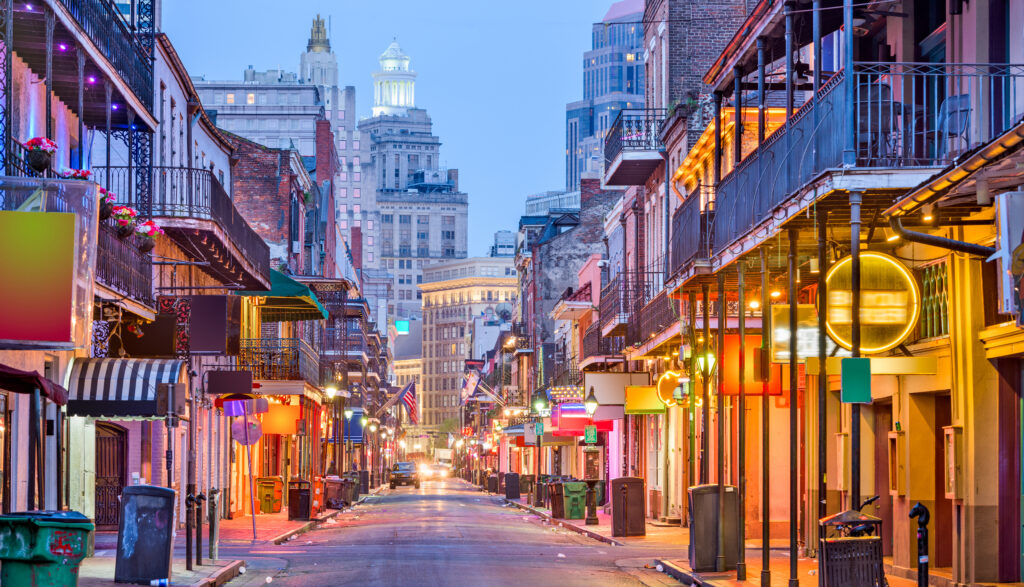
New Orleans, situated near the mouth of the Mississippi River, is a city defined by music, culture, and resilience. Known worldwide for jazz, vibrant festivals, and a rich culinary tradition, it embodies a blend of French, Spanish, African, and Caribbean influences, creating an atmosphere unlike any other in the United States.
The French Quarter, with its wrought-iron balconies, courtyards, and historic streets, serves as the city’s most iconic neighborhood. Beyond the Quarter, districts such as the Garden District, Tremé, and Marigny offer unique cultural perspectives, from historic architecture to contemporary art, music, and cuisine. Each neighborhood contributes to the city’s layered identity, creating a vibrant tapestry of experiences for visitors.
Music is the heartbeat of New Orleans. Jazz was born here, and live performances continue in clubs, festivals, and street corners. Local traditions like Mardi Gras highlight the city’s celebratory spirit, combining artistry, community, and ritual in ways that attract visitors from around the world. Food, too, reflects the city’s cultural heritage, with gumbo, jambalaya, po’boys, and beignets offering a sensory connection to its history.
New Orleans has faced numerous challenges, including natural disasters and social upheaval, yet the city maintains its spirit and resilience. Its residents continue to preserve cultural traditions while embracing innovation and creativity. Visitors leave with an impression that New Orleans is more than a destination—it is a living experience, where music, food, and community intersect to create a city of energy, warmth, and enduring character.
65. Chicago, Illinois
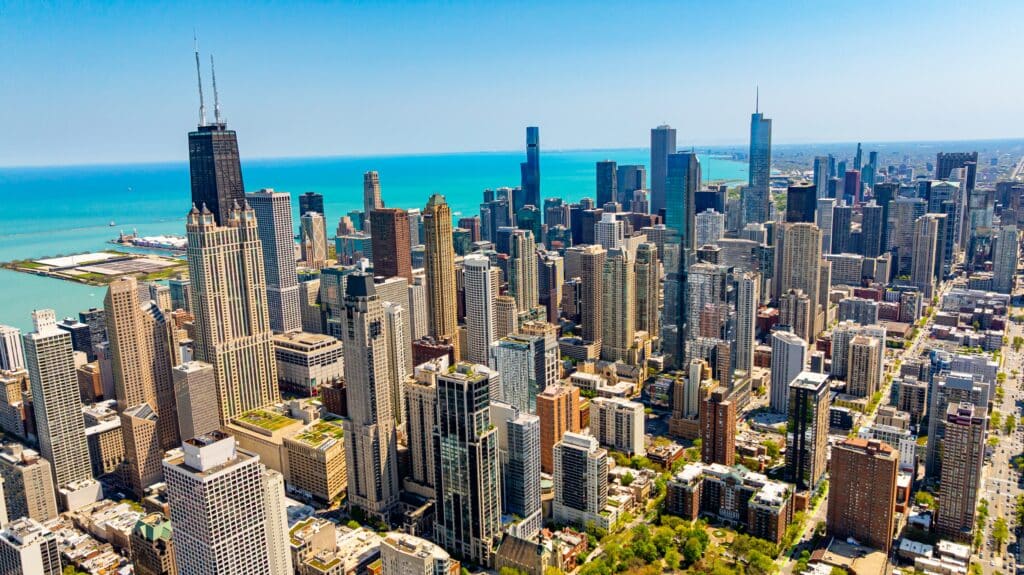
Chicago, located on the southwestern shore of Lake Michigan, is a city renowned for architectural innovation, cultural depth, and vibrant neighborhoods. Following the Great Chicago Fire of 1871, the city rebuilt itself into a hub of modern design, giving rise to the skyscrapers and city planning innovations that define its skyline today.
Architecture is central to Chicago’s identity. Landmarks such as the Willis Tower, John Hancock Center, and historic water towers coexist with modernist icons and contemporary design projects. Public spaces, including Millennium Park and Grant Park, combine natural beauty with urban functionality, creating accessible areas for recreation, art, and social gatherings.
Culturally, Chicago is equally impressive. Museums such as the Art Institute of Chicago, theaters, and music venues offer world-class opportunities, while neighborhood-based festivals and local music scenes reflect grassroots creativity. Chicago is also known for its culinary innovation, from deep-dish pizza to diverse international cuisines shaped by immigrant communities.
Neighborhoods provide the city with character and personality. Areas such as Lincoln Park, Hyde Park, Wicker Park, and Pilsen each feature unique histories, cultural identities, and social traditions. This diversity ensures that exploration goes beyond the city’s iconic skyline, revealing the everyday life that sustains its energy.
Chicago’s combination of architectural innovation, artistic vitality, and dynamic neighborhoods makes it a city that rewards curiosity and exploration. Visitors experience both grandeur and intimacy, finding that the city’s identity emerges not only from its skyline but from the vibrant communities and cultural richness woven throughout its streets.
64. Las Vegas, Nevada
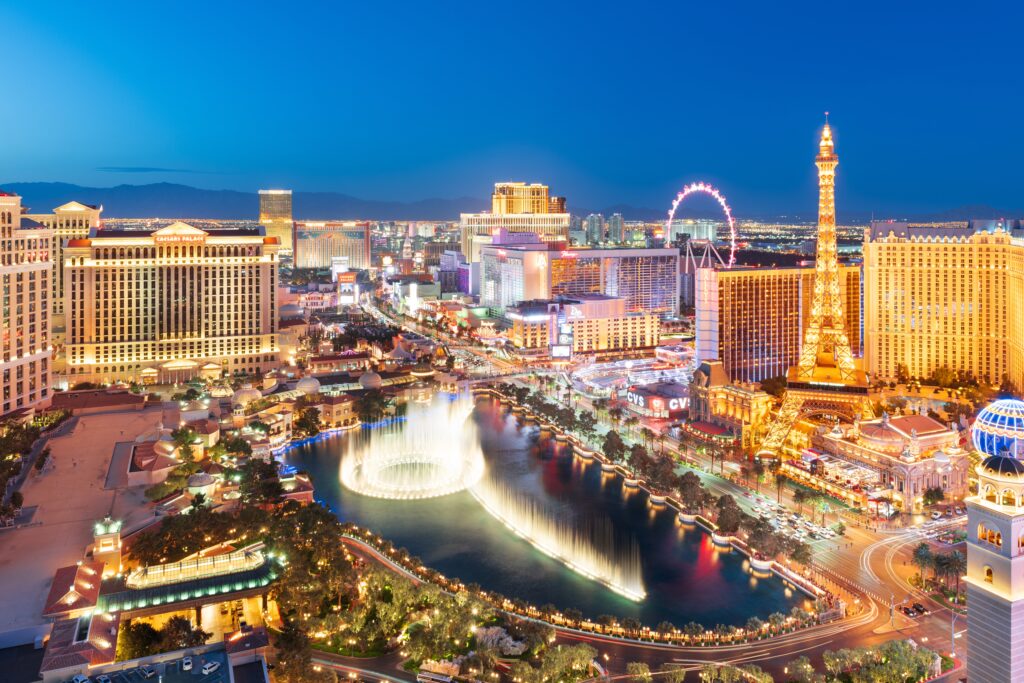
Las Vegas is a city synonymous with entertainment, spectacle, and constant reinvention. Located in the Mojave Desert, it has transformed from a modest desert town into one of the world’s most recognizable urban destinations. The city is famous for its casinos, hotels, and nightlife, yet its appeal extends beyond the bright lights and shows, blending luxury, leisure, and desert adventure into a unique experience.
The Las Vegas Strip is the heart of the city, where architecture, performance, and dining combine to create a surreal urban landscape. Each hotel and resort tells its own story, with themed attractions, theaters, and interactive experiences. Beyond the Strip, Downtown Las Vegas offers a historic perspective with its revitalized arts district, vintage casinos, and local entertainment venues that preserve the city’s heritage while embracing creativity.
Despite its reputation for extravagance, Las Vegas offers a connection to the natural world. Red Rock Canyon, located just outside the city, features desert cliffs, hiking trails, and scenic vistas that contrast sharply with the urban environment. Hoover Dam and Lake Mead provide additional opportunities for exploration and outdoor activity, emphasizing the city’s relationship to its surrounding landscape.
Las Vegas thrives on experience and spectacle, yet it also embodies innovation and adaptation. Its residents and businesses continuously reshape the urban environment, offering new forms of entertainment and hospitality. The city attracts visitors seeking excitement, creativity, and moments that feel larger than life. Las Vegas is a place of ambition and imagination, a desert metropolis that combines human ingenuity with natural beauty, leaving an unforgettable impression on all who visit.
63. Miami, Florida
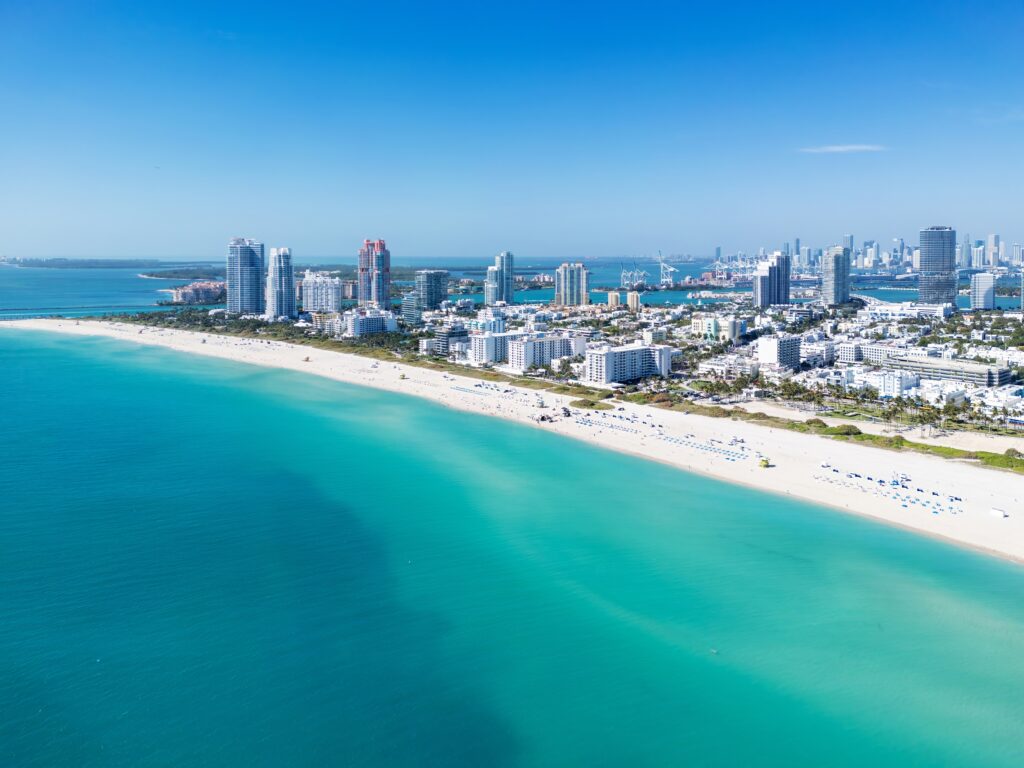
Miami is a city defined by sun, sand, and cultural fusion. Situated along the southeastern coast of Florida, it is renowned for its tropical climate, beaches, and dynamic energy. Miami’s unique character emerges from its multicultural population, blending Latin American, Caribbean, and North American influences into a vibrant and diverse urban experience.
South Beach and Miami Beach are central to the city’s identity, offering pristine sands, Art Deco architecture, and a lively social scene. The city’s neighborhoods, such as Little Havana, Wynwood, and Coral Gables, showcase different cultural dimensions through cuisine, art, music, and community traditions. These areas highlight the city’s creative vitality, with murals, galleries, and local markets reflecting a colorful and dynamic atmosphere.
Miami also functions as a hub for international trade, finance, and innovation. Its proximity to Latin America positions the city as a gateway for business, culture, and collaboration. At the same time, tourism, arts, and entertainment continue to shape its identity, ensuring that visitors experience a city that is both cosmopolitan and approachable.
Natural beauty complements Miami’s urban environment. Biscayne Bay, coastal wetlands, and nearby Everglades provide opportunities for kayaking, boating, and wildlife observation. The city’s combination of coastal landscapes, cultural vibrancy, and warm climate makes it a destination that appeals to both relaxation and exploration. Miami is more than a beach city; it is a melting pot of heritage, creativity, and urban energy, offering experiences that are lively, diverse, and uniquely Floridian.
62. Washington, D.C.
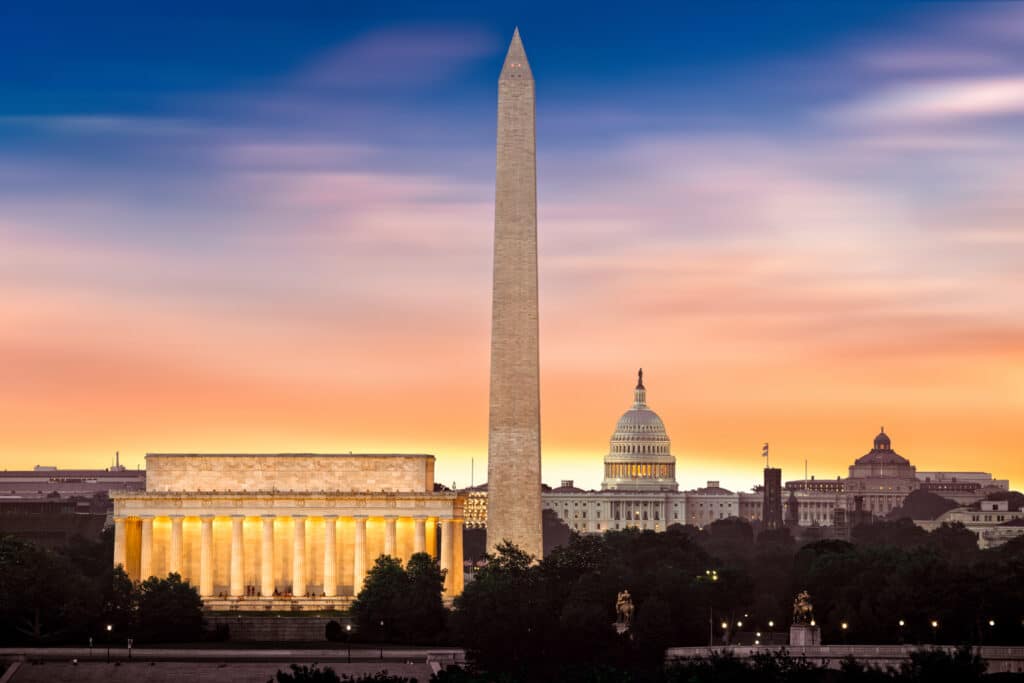
Washington, D.C., the capital of the United States, is a city defined by history, politics, and culture. Its iconic landmarks—including the White House, Capitol Building, and National Mall—establish it as a center of governance and national identity. The city’s architecture, museums, and public spaces collectively reflect the country’s past, present, and aspirations for the future.
The National Mall anchors the city’s monumental core, stretching from the Capitol to the Lincoln Memorial. Along this expanse, memorials, monuments, and open spaces provide both educational and reflective opportunities. Smithsonian museums, free and accessible to the public, house vast collections of art, science, and history, offering insight into national and global contexts.
Washington’s neighborhoods reveal a more intimate side of the city. Georgetown features cobblestone streets and historic charm, while Adams Morgan, Capitol Hill, and Shaw highlight cultural diversity and vibrant local life. Cafés, galleries, and markets create microcosms of community within the larger urban framework, balancing the grandeur of government buildings with everyday living.
The city also hosts an active cultural and civic life. Festivals, performances, and political events offer visitors the chance to engage with contemporary issues and traditions. Washington, D.C., is a city where history and modernity coexist, providing both monumental experiences and personal connections. Its combination of national significance, cultural depth, and approachable neighborhoods makes it an essential destination for anyone seeking to understand the United States in both symbolic and practical terms.
61. Boston, Massachusetts
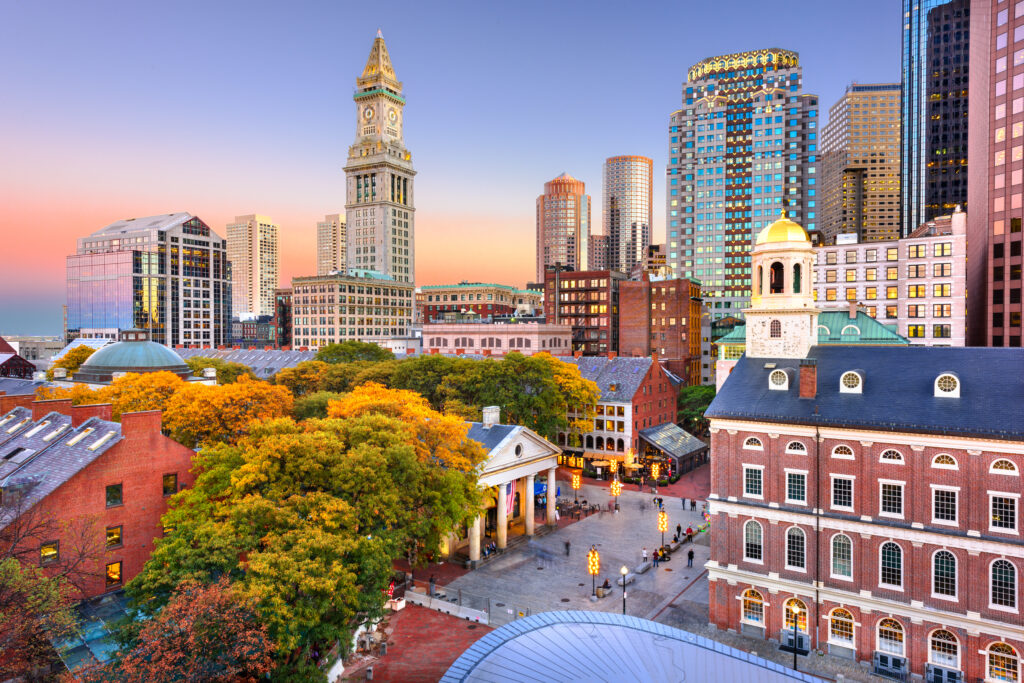
Boston is a city where history and modern innovation coexist. Founded in 1630, it played a central role in the American Revolution, with landmarks such as the Freedom Trail, Paul Revere’s House, and Boston Common offering tangible connections to the nation’s founding. These historic sites coexist with a modern city known for education, healthcare, and technology, making Boston both a historical treasure and a dynamic urban center.
The city’s neighborhoods each provide unique experiences. Beacon Hill features cobblestone streets and historic architecture, while Back Bay showcases grand Victorian homes and bustling shopping areas. North End, Boston’s Italian neighborhood, offers culinary delights and intimate streets, while South Boston balances industrial heritage with waterfront development. Each area contributes to the city’s identity, creating layers of history, culture, and contemporary life.
Boston is also a hub for higher education and intellectual life. Institutions such as Harvard, MIT, and Boston University contribute to a vibrant student population, research innovation, and cultural events. Museums, theaters, and galleries further enrich the city’s artistic and educational landscape, ensuring that residents and visitors alike encounter both historical and modern cultural experiences.
The city’s location on the Atlantic coast adds both beauty and opportunity. Harbor views, parks, and walking trails provide outdoor spaces that complement the urban environment. Seasonal events and sports traditions, including the fervor for the Red Sox, reinforce community engagement and local pride.
Boston’s appeal lies in its ability to balance past and present. Its streets tell stories of revolution and progress, while its neighborhoods, institutions, and cultural offerings provide living, evolving experiences. Visitors leave with an understanding of both America’s history and its ongoing innovation, making Boston a city that is educational, inspiring, and distinctly memorable.
60. Los Angeles, California
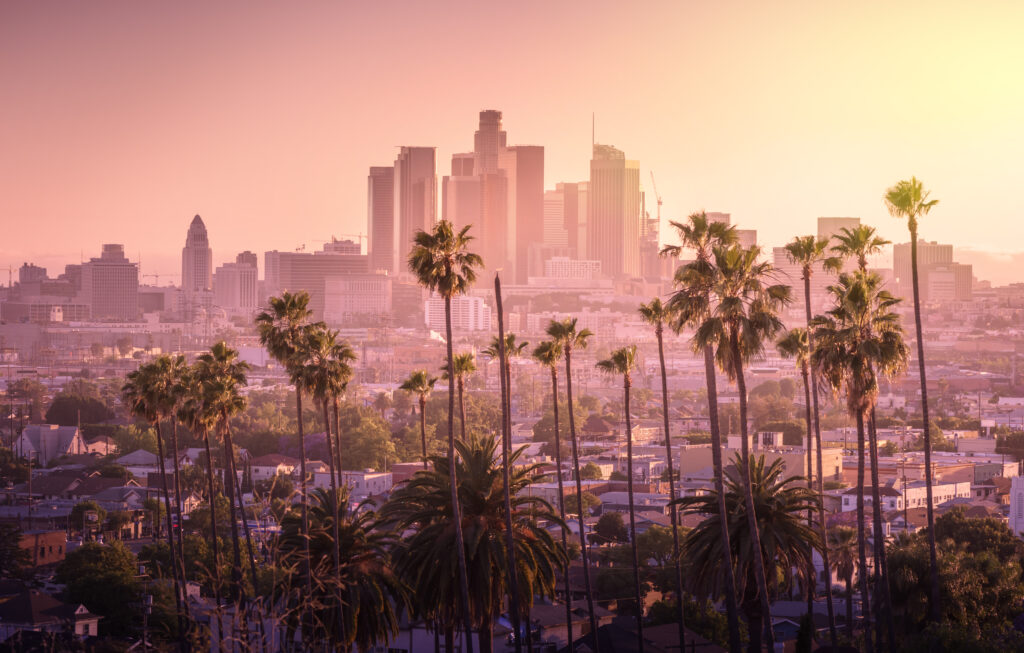
Los Angeles is a city of contrasts, combining sprawling urban landscapes, diverse neighborhoods, and world-famous cultural industries. Known as the entertainment capital of the world, it is home to Hollywood, major film studios, and countless creative enterprises, attracting artists, actors, and innovators from around the globe. Yet Los Angeles is equally defined by natural beauty, from the Pacific coastline to the Santa Monica and San Gabriel Mountains.
The city’s neighborhoods each possess distinct identities. Downtown L.A. hosts business, culture, and historic districts, while Beverly Hills, Hollywood, and West Hollywood represent glamour, shopping, and entertainment. Venice Beach and Santa Monica offer relaxed coastal lifestyles, blending recreation, art, and tourism. Ethnic enclaves such as Koreatown, Little Tokyo, and Boyle Heights highlight the city’s rich multicultural character.
Los Angeles thrives on creativity and reinvention. Music, visual arts, fashion, and culinary innovation intersect with global influence, creating a city that continuously evolves. Cultural institutions, including the Getty Center, LACMA, and the Hollywood Bowl, provide spaces for exploration and appreciation of the arts.
Nature and outdoor life are essential to L.A.’s character. Hiking trails, beaches, and scenic drives allow residents and visitors to escape the urban density, offering perspective and tranquility. The city’s combination of human creativity, architectural ambition, and geographic diversity makes Los Angeles uniquely dynamic.
Whether exploring cultural landmarks, attending live performances, or hiking a coastal trail, visitors encounter a city of opportunity, imagination, and vast scale. Los Angeles remains emblematic of aspiration and individuality, a sprawling metropolis where dreams and landscapes converge.
59. Seattle, Washington
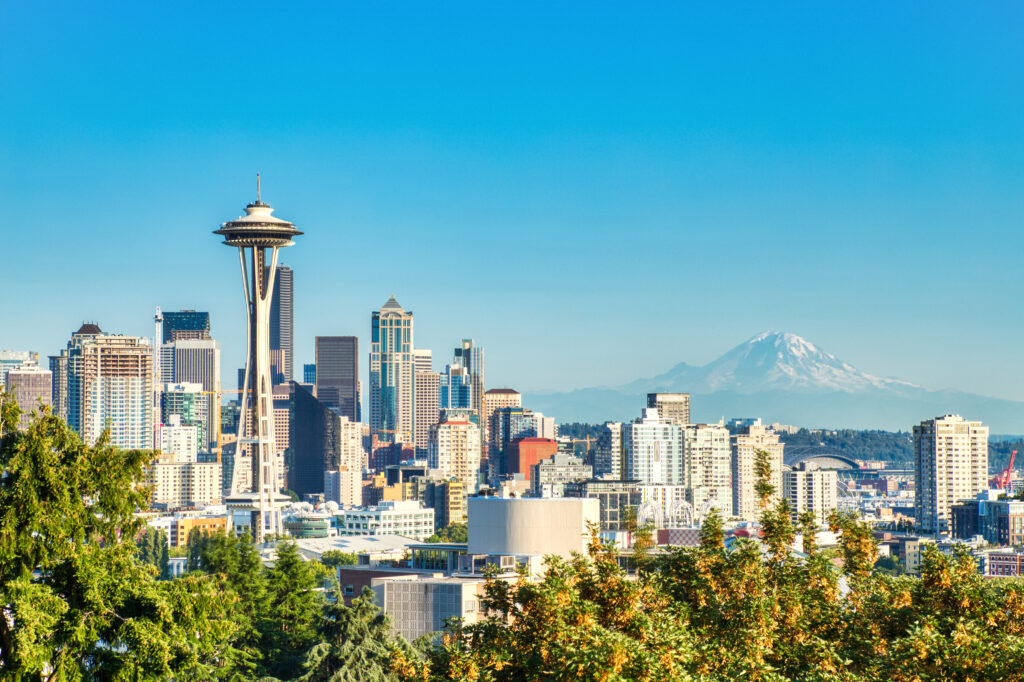
Seattle is a city defined by water, mountains, and innovation. Located between Puget Sound and Lake Washington, with the Olympic and Cascade ranges nearby, it offers a striking natural backdrop that shapes both lifestyle and culture. Known for its coffee culture, tech industry, and music history, Seattle blends natural beauty with urban sophistication.
The city’s neighborhoods are distinct and vibrant. Capitol Hill is a hub for nightlife, arts, and cultural diversity, while Ballard offers maritime heritage and Scandinavian influence. Downtown Seattle features iconic landmarks such as the Space Needle and Pike Place Market, combining historic charm with contemporary activity. Fremont and Queen Anne highlight local creativity, eclectic architecture, and community engagement.
Seattle is a global center for innovation, home to major companies like Amazon and Microsoft, and fostering a tech-driven economy. Simultaneously, it preserves cultural heritage through museums, galleries, theaters, and music venues. The city has deep roots in the grunge music scene and a thriving live performance culture, reflecting both historical and contemporary creativity.
Nature is integrated into city life. Waterfront parks, hiking trails, and nearby mountains provide opportunities for outdoor recreation, encouraging a lifestyle in harmony with the environment. Seasonal changes bring vibrant foliage in fall and lush greenery in spring, emphasizing the city’s connection to its surroundings.
Seattle’s identity emerges from this interplay of innovation, culture, and environment. Visitors encounter a city that is dynamic yet approachable, where technology meets art, and mountains meet urban streets. Its blend of natural and human-made landscapes creates a destination that is simultaneously inspiring, reflective, and distinctly Pacific Northwest.
58. Philadelphia, Pennsylvania
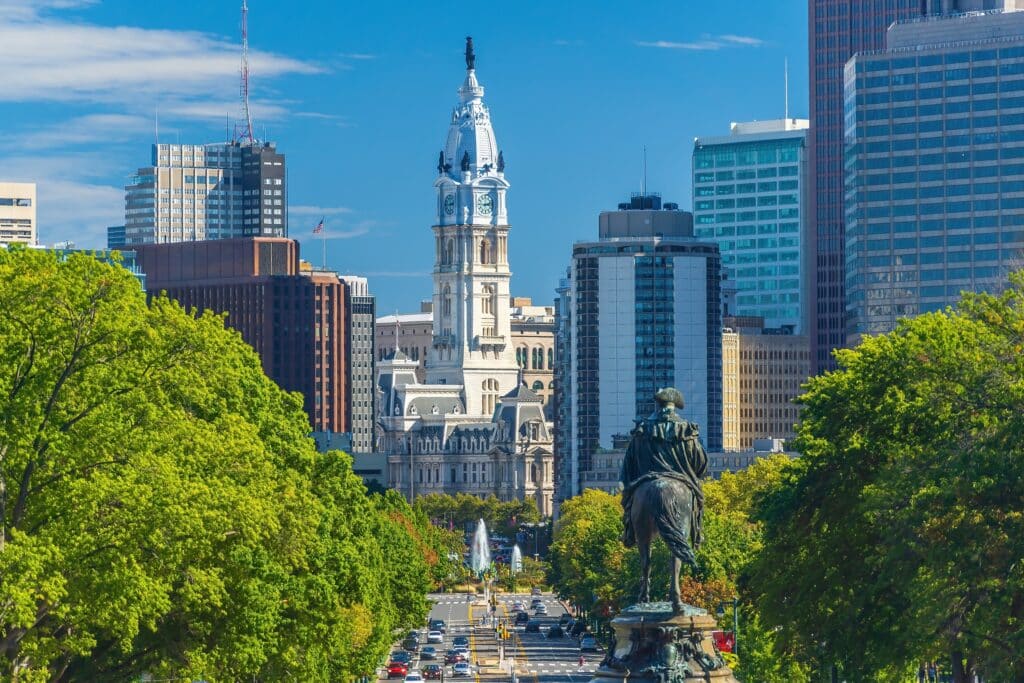
Philadelphia, known as the birthplace of American independence, is a city rich in history, culture, and civic pride. Its streets are steeped in the stories of the nation’s founding, and landmarks such as Independence Hall, the Liberty Bell, and historic Old City provide tangible connections to pivotal events in U.S. history. Yet Philadelphia is more than its past; it is a thriving urban center that blends tradition with modern life.
The city’s neighborhoods offer diverse experiences. Rittenhouse Square and Center City feature bustling commerce, cultural institutions, and elegant architecture, while Fishtown and Northern Liberties highlight creative communities and artistic energy. South Philadelphia reflects culinary diversity, from Italian markets to global cuisine, embodying the city’s multicultural roots. Each neighborhood contributes to Philadelphia’s complex identity, providing both character and accessibility.
Cultural institutions enrich the city’s appeal. The Philadelphia Museum of Art, with its iconic “Rocky Steps,” houses masterpieces from around the world, while performing arts venues, galleries, and local music scenes provide a platform for contemporary creativity. Festivals and public events foster community engagement, reflecting the city’s ongoing evolution.
Philadelphia also values green spaces and recreation. Fairmount Park, one of the largest urban park systems in the nation, offers trails, waterways, and scenic areas for relaxation and outdoor activity. These natural spaces complement the urban landscape, allowing residents and visitors to experience balance within the city.
Ultimately, Philadelphia’s charm lies in the combination of history, culture, and neighborhood authenticity. Visitors encounter both monumental symbols and local traditions, providing a multifaceted perspective on the city. The city’s resilience, creativity, and layered heritage make Philadelphia a destination that educates, inspires, and captivates, leaving a lasting impression on anyone who explores its streets.
57. San Antonio, Texas
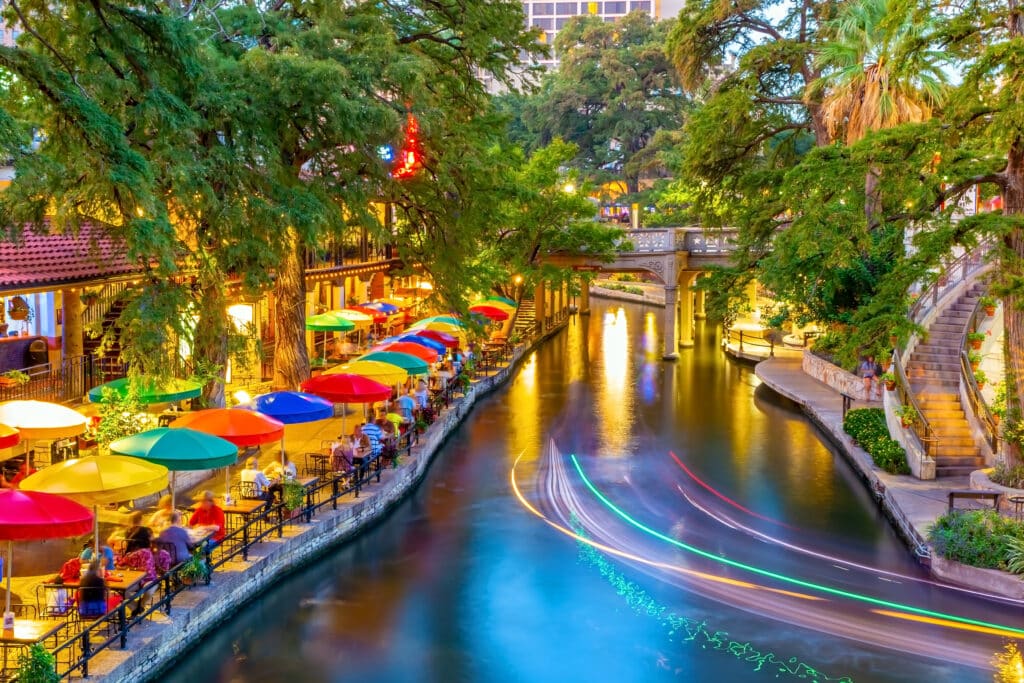
San Antonio, located in south-central Texas, is a city where history, culture, and modern urban life intersect. Its identity is shaped by Spanish, Mexican, and American influences, evident in its architecture, cuisine, and traditions. The city blends heritage and contemporary vibrancy, offering experiences that appeal to a wide variety of visitors.
The Alamo, San Antonio’s most famous landmark, stands as a symbol of courage and resilience, attracting millions of visitors annually. Beyond this historic site, the city’s River Walk offers scenic pedestrian paths lined with restaurants, shops, and entertainment venues. This urban waterway reflects a balance of leisure, culture, and community life.
Neighborhoods such as King William Historic District and Southtown showcase restored homes, art studios, and eclectic local businesses. San Antonio’s culinary scene emphasizes regional flavors, including Tex-Mex and traditional Mexican dishes, reflecting both cultural history and contemporary innovation. Festivals, music, and public events reinforce the city’s vibrant character, creating opportunities for engagement and celebration.
San Antonio also embraces outdoor life. Parks, riverfront pathways, and green spaces invite exploration, walking, and relaxation, connecting residents and visitors to the city’s natural and architectural beauty. The city’s warm climate and welcoming atmosphere enhance the appeal of these outdoor experiences.
San Antonio balances its historic legacy with modern amenities, offering a sense of continuity and evolution. Visitors encounter a city that honors its past while embracing creativity, diversity, and social interaction. The combination of culture, history, and livability ensures that San Antonio provides memorable experiences that resonate long after a visit, making it one of the most distinctive cities in Texas and the United States.
56. Nashville, Tennessee

Nashville, the capital of Tennessee, is a city defined by music, storytelling, and cultural energy. Known as the heart of country music, it has shaped American sound for decades, while embracing diverse musical genres that reflect its evolving identity. The city combines historical significance with a contemporary creative scene, offering visitors both entertainment and insight into its vibrant culture.
Music permeates Nashville’s streets. Live performances in honky-tonks along Broadway, songwriting sessions, and concert venues contribute to a rich auditory tapestry. Institutions like the Country Music Hall of Fame preserve the legacies of legendary artists, while smaller venues support emerging talent. Music is not just entertainment in Nashville—it is a defining element of local identity and daily life.
Neighborhoods provide additional layers of character. East Nashville and The Gulch showcase art, dining, and nightlife, blending historical architecture with modern urban design. Residential districts feature historic homes, local businesses, and green spaces, illustrating the city’s balance between tradition and innovation. Festivals and cultural events strengthen community engagement and highlight the city’s diverse influences.
Nashville’s culinary scene complements its musical reputation. Southern cuisine, barbecue, and international flavors reflect the city’s blend of heritage and modern trends. Parks, rivers, and trails encourage outdoor activity, connecting residents and visitors with natural surroundings.
Ultimately, Nashville’s appeal lies in its combination of history, creativity, and community spirit. Visitors experience a city that values its past while cultivating contemporary culture, offering a dynamic yet approachable atmosphere. Nashville is a destination where music, food, and cultural expression intertwine, leaving an enduring impression and a sense of belonging for all who explore its vibrant streets.
55. Grand Teton National Park, Wyoming
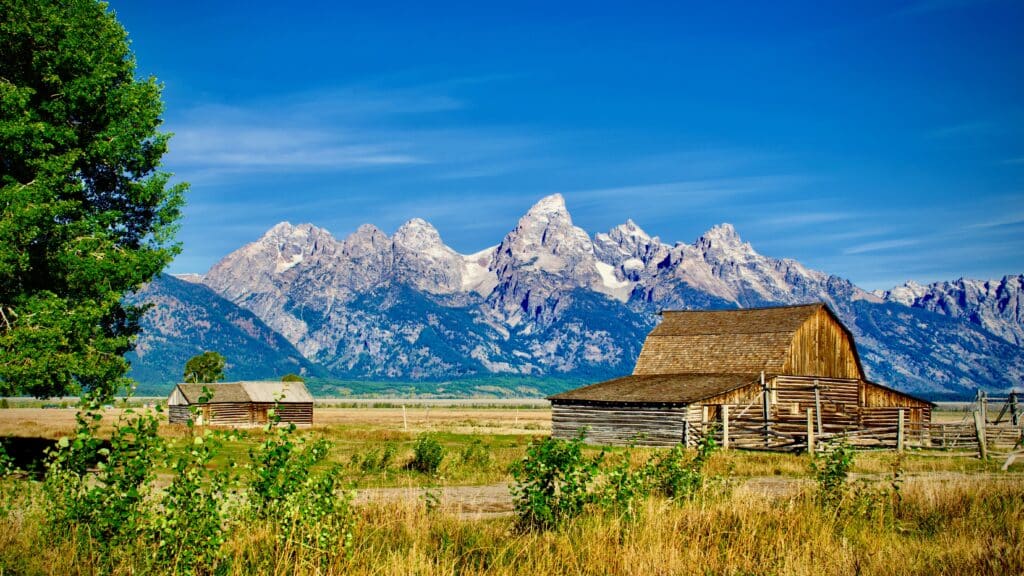
Grand Teton National Park, located in northwestern Wyoming, is a landscape of dramatic peaks, alpine valleys, and pristine waterways. Dominated by the jagged Teton Range, the park offers a striking visual contrast to the surrounding Jackson Hole valley. Its combination of mountains, lakes, and forests makes it one of the most photogenic and ecologically rich destinations in the United States.
The park is renowned for outdoor recreation. Hiking trails range from gentle lakeside paths to challenging alpine routes, providing options for all levels of experience. Climbing, kayaking, and wildlife observation are popular, allowing visitors to connect with the rugged terrain. Jackson Lake offers boating and fishing, while the Snake River provides opportunities for rafting and scenic exploration.
Wildlife thrives in the park’s diverse ecosystems. Moose, elk, bison, and bears inhabit its forests and meadows, while a variety of birds, including bald eagles and osprey, enrich the environment. The park’s careful management ensures that human activity coexists with these natural habitats, preserving ecological integrity for future generations.
Cultural history adds depth to the park’s natural appeal. Indigenous tribes, including the Shoshone, have long inhabited the region, and historical sites reflect their connection to the land. Early settlers and conservationists also left legacies that shaped the park’s protection and accessibility.
Grand Teton National Park offers a sense of scale, tranquility, and adventure. Its landscapes inspire reflection and appreciation for natural beauty, providing a memorable experience for visitors of all ages. Whether hiking rugged trails, photographing dramatic peaks, or simply observing wildlife in serene meadows, the park embodies the enduring majesty of the American West.
54. Asheville, North Carolina

Asheville, nestled in the Blue Ridge Mountains of western North Carolina, is a city celebrated for its arts, culture, and natural beauty. Surrounded by rolling peaks, lush forests, and scenic rivers, Asheville combines outdoor adventure with a vibrant urban experience. Its historic architecture, creative communities, and culinary scene contribute to its distinct regional identity.
The city’s downtown area is known for galleries, craft breweries, and live music venues. Artisans and makers thrive in local markets, studios, and cooperatives, creating a creative atmosphere that permeates daily life. Historic buildings, including those in the Grove Arcade and Biltmore Village, reflect the city’s architectural heritage while accommodating contemporary businesses.
Asheville is also a gateway to nature. The Blue Ridge Parkway provides scenic drives, hiking trails, and panoramic vistas that showcase the region’s natural splendor. River activities, such as kayaking and fishing, complement mountain exploration, offering diverse opportunities for outdoor recreation.
Culinary offerings in Asheville highlight both Southern traditions and modern innovation. Farm-to-table restaurants, specialty coffee shops, and craft breweries emphasize local ingredients and creativity, reflecting the city’s emphasis on sustainability and regional culture. Festivals celebrating music, food, and art further strengthen community identity and attract visitors throughout the year.
The city balances small-town charm with cosmopolitan energy. Its combination of nature, creativity, and historic character makes Asheville appealing for residents and travelers alike. Visitors experience a city that fosters exploration, reflection, and engagement with both cultural and natural environments, leaving a lasting impression of the Blue Ridge region’s richness and vibrancy.
53. Minneapolis, Minnesota
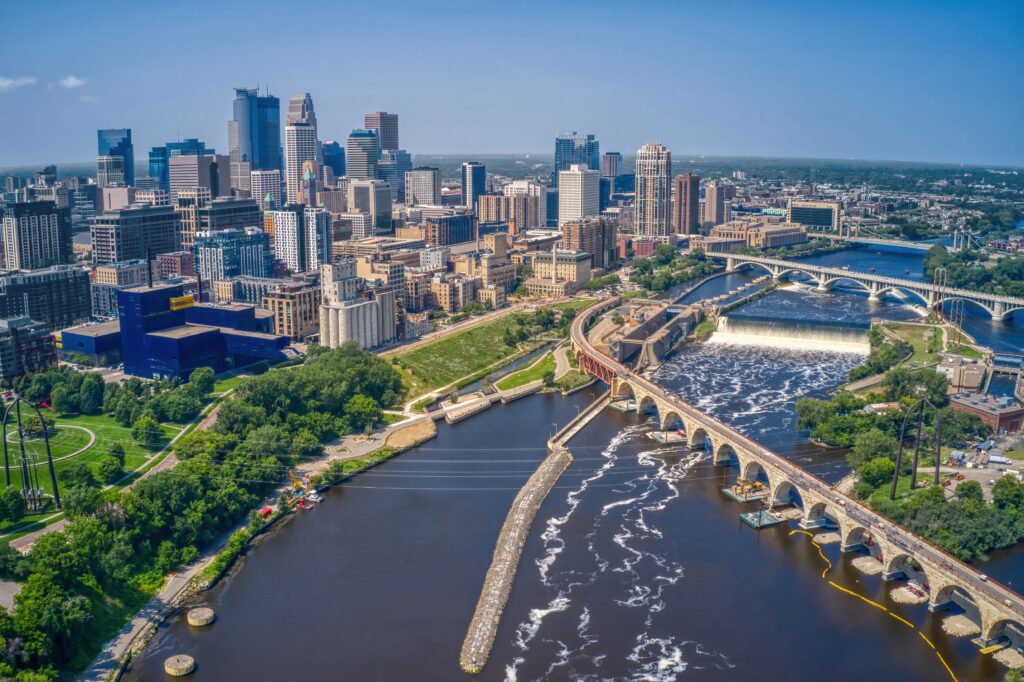
Minneapolis, part of the Twin Cities alongside St. Paul, is a city known for its lakes, parks, and cultural vitality. Situated on the banks of the Mississippi River, it combines natural beauty with urban development, creating an environment that encourages outdoor activity, artistic engagement, and community connection.
The city’s park system is extensive, encompassing lakes, trails, and green spaces that are accessible year-round. Lakes such as Lake Calhoun and Lake Harriet offer boating, biking, and walking paths, while the Mississippi Riverfront provides scenic areas for relaxation and recreation. Minneapolis consistently ranks among U.S. cities for livability and outdoor amenities due to this integration of nature within urban life.
Cultural life is equally vibrant. The city hosts renowned institutions, including the Walker Art Center, Guthrie Theater, and Minneapolis Institute of Art, which provide opportunities to explore visual and performing arts. Music, literature, and local festivals contribute to a creative energy that resonates throughout neighborhoods such as Northeast Minneapolis, Uptown, and the North Loop.
Minneapolis is also known for its commitment to innovation and sustainability. Community initiatives, public transportation, and environmentally conscious development reflect a city that values both growth and quality of life. Local cuisine, from farm-to-table restaurants to diverse international offerings, adds to the city’s character and appeal.
The combination of natural beauty, cultural depth, and civic engagement makes Minneapolis a city that is dynamic yet approachable. Visitors find opportunities for adventure, exploration, and reflection, whether paddling across a lake, attending a theater performance, or discovering unique neighborhoods. The city’s balance of outdoor lifestyle, creativity, and community spirit defines its distinctive identity within the Midwest.
52. Portland, Oregon
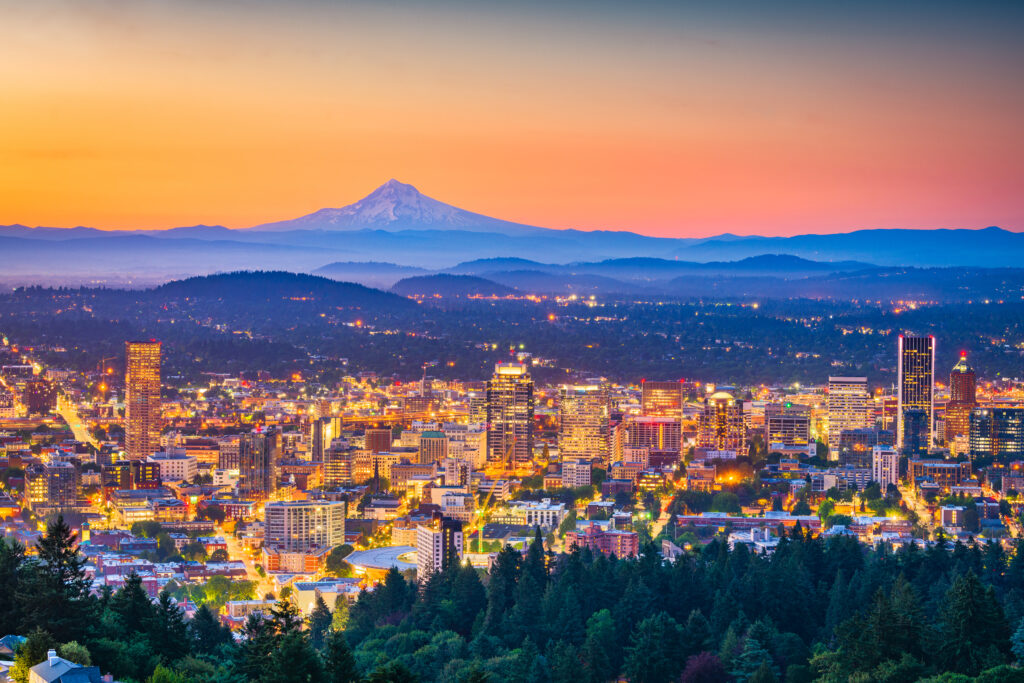
Portland, located in the Pacific Northwest along the Willamette River, is a city celebrated for creativity, sustainability, and an independent spirit. Known for its progressive values, environmentally conscious practices, and vibrant cultural scene, Portland offers a unique combination of urban innovation and natural beauty.
The city’s neighborhoods each have distinct personalities. Pearl District features modern architecture, galleries, and boutique shopping, while Alberta Arts District showcases murals, performance spaces, and community events. Hawthorne and Mississippi Avenue reflect eclectic local businesses, cafés, and craft breweries. Each area contributes to the city’s reputation for authenticity and artistic expression.
Portland is renowned for its commitment to sustainability. Bicycle-friendly streets, farmers markets, and local food initiatives emphasize eco-conscious living. The city also prioritizes green infrastructure and urban planning that integrates parks, rivers, and walkable spaces. These elements create a livable city that balances growth with environmental responsibility.
Cultural life thrives alongside Portland’s natural surroundings. Music, art, theater, and independent publishing reflect a diverse and engaged creative community. Festivals, markets, and local gatherings encourage participation and strengthen social cohesion. The city’s food and beverage scene is also notable, with a focus on locally sourced ingredients, craft brewing, and specialty coffee.
Nearby natural areas provide outdoor adventure and scenic escapes. Forest Park, the Columbia River Gorge, and Mount Hood offer hiking, biking, and skiing opportunities, enabling residents and visitors to experience the region’s rugged beauty. Portland’s combination of innovation, culture, and nature makes it a destination that is distinctive, approachable, and memorable, appealing to those seeking both urban exploration and outdoor connection.
51. Santa Fe, New Mexico
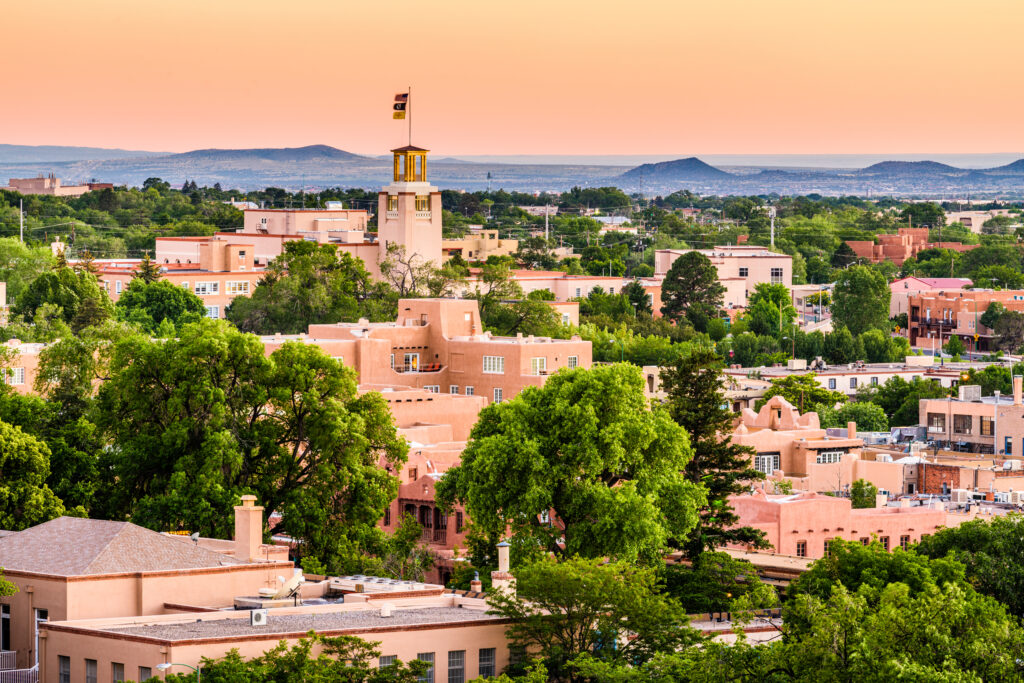
Santa Fe, one of the oldest cities in the United States, is renowned for its distinctive adobe architecture, artistic heritage, and deep cultural roots. Founded in the early 17th century, the city reflects a unique blend of Indigenous, Spanish, and Mexican influences, creating an atmosphere that feels unlike anywhere else in the country.
The city’s historic plaza serves as a cultural hub, surrounded by galleries, shops, and cafés. Adobe buildings, low-slung and earthy in tone, characterize the cityscape, blending tradition with adaptation to the high desert environment. Neighborhoods such as Canyon Road feature concentrated artistic activity, with galleries, studios, and workshops highlighting both traditional and contemporary works.
Art permeates Santa Fe’s identity. Painting, sculpture, and ceramics flourish alongside literature and performance, fostering a city that celebrates creativity and craftsmanship. Museums, cultural centers, and festivals further enrich the artistic experience, drawing visitors from around the world.
Santa Fe’s natural surroundings complement its urban character. High desert landscapes, nearby mountains, and river valleys provide outdoor opportunities for hiking, skiing, and exploration. Seasonal changes bring dramatic shifts in light, color, and atmosphere, inspiring artists and enhancing the visitor experience.
The city balances historical preservation with contemporary vitality. Indigenous communities, local artisans, and modern residents maintain traditions while contributing to innovation and cultural dialogue. Santa Fe’s appeal lies in this combination of history, creativity, and scenic beauty, offering visitors a deeply immersive and memorable experience.
50. Savannah, Georgia
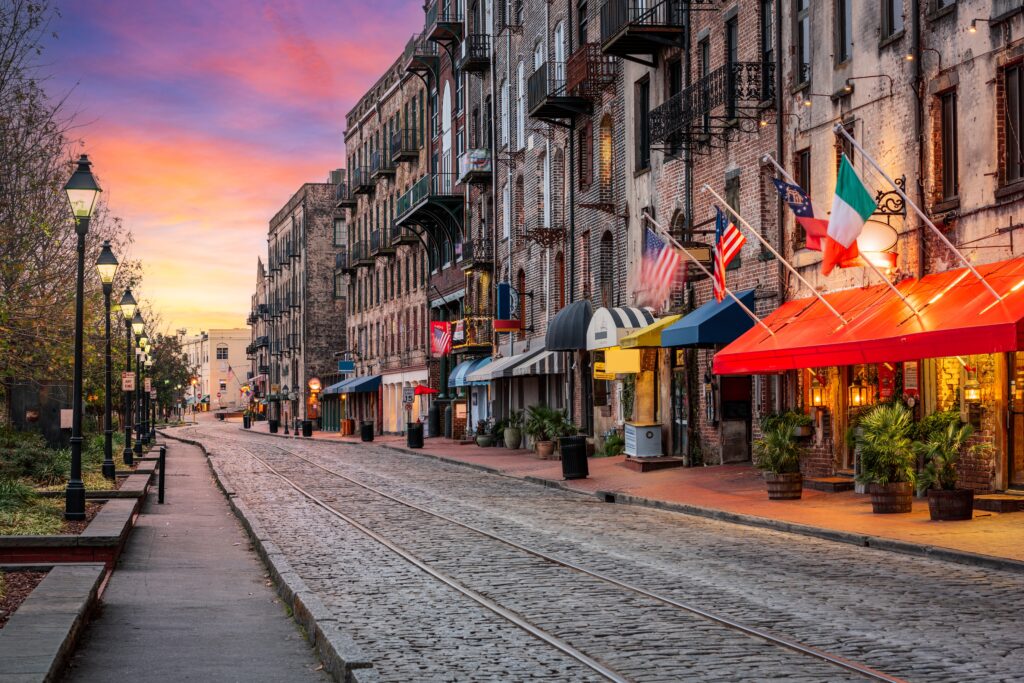
Savannah, located on Georgia’s southeastern coast, is a city renowned for its historic charm, oak-lined streets, and rich Southern culture. Founded in 1733, it preserves architectural and cultural legacies that reflect colonial, antebellum, and modern influences. Its pedestrian-friendly squares, historic homes, and waterfront views create a setting that feels both timeless and inviting.
The city’s Historic District is the heart of Savannah, featuring cobblestone streets, manicured squares, and restored buildings. Neighborhoods such as the Victorian District and South Broad Street offer elegant architecture, local businesses, and artistic spaces. Each area embodies the city’s layered history while accommodating contemporary life, blending heritage with modernity.
Savannah is celebrated for its hospitality and cultural traditions. Festivals, music events, and culinary experiences highlight the region’s creativity and Southern roots. Local cuisine, including Lowcountry dishes and seafood, complements the city’s historic character. Art galleries, boutiques, and performance venues further enrich the visitor experience, reflecting Savannah’s vibrant community life.
The natural environment enhances the city’s charm. The Savannah River waterfront, nearby beaches, and public parks provide opportunities for relaxation, recreation, and scenic observation. Live oak trees draped with Spanish moss create iconic vistas that define the city’s aesthetic and contribute to its reputation as one of the most picturesque urban landscapes in the United States.
Savannah’s appeal lies in its ability to balance history, culture, and livability. Visitors can explore centuries-old architecture, engage with vibrant arts communities, and enjoy the tranquility of public spaces. The combination of Southern charm, historic preservation, and community vitality makes Savannah an enduring destination, leaving a lasting impression on all who stroll its streets.
49. Austin, Texas

Austin, the capital of Texas, is a city defined by music, technology, and cultural vitality. Known for its slogan “Keep Austin Weird,” the city embraces creativity, individuality, and a strong sense of community. Its lively neighborhoods, thriving culinary scene, and outdoor spaces combine to create a destination that is energetic, welcoming, and distinctly Texan.
The city’s music scene is legendary. Live performances are ubiquitous, ranging from country and rock to jazz and indie. Venues such as the Continental Club and the Moody Theater host iconic acts, while local festivals like South by Southwest celebrate global creativity and innovation. Music is embedded in Austin’s identity, reflecting both tradition and modernity.
Austin’s neighborhoods offer diverse experiences. Downtown features government buildings, cultural institutions, and modern skyscrapers, while East Austin highlights arts, local businesses, and cultural fusion. South Congress Avenue combines shopping, dining, and entertainment, representing the city’s eclectic spirit. These areas create a sense of exploration and variety within an urban environment.
Outdoor life is integral to Austin’s culture. Lady Bird Lake, Barton Springs Pool, and the surrounding greenbelts provide opportunities for kayaking, swimming, running, and hiking. The city’s mild climate and commitment to public spaces foster an active lifestyle and strong connection to nature.
Culinary innovation is another hallmark. Food trucks, farm-to-table restaurants, and local barbecue establishments exemplify Austin’s dedication to quality and diversity. Visitors experience a city that balances creativity, tradition, and outdoor adventure, leaving an impression of vitality, innovation, and community spirit. Austin is more than a capital city; it is a destination that embodies energy, individuality, and cultural richness.
48. Portland, Maine
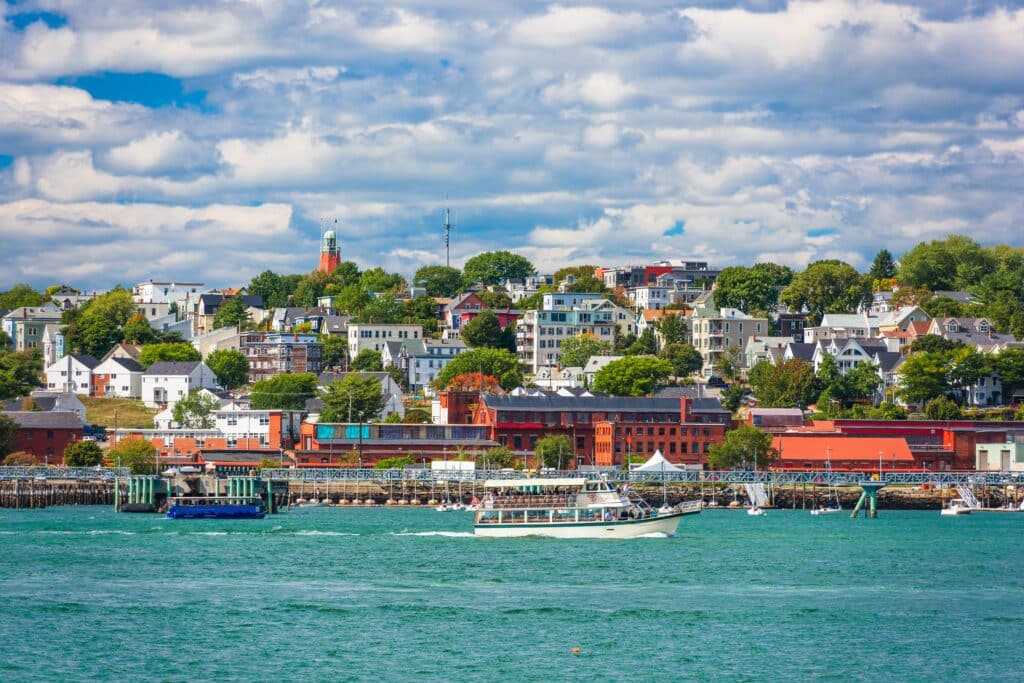
Portland, Maine, located along the rocky coastline of the northeastern United States, is a city defined by maritime heritage, culinary excellence, and vibrant local culture. Its historic waterfront, working harbor, and compact urban core offer visitors a blend of tradition, innovation, and scenic charm.
The Old Port district serves as Portland’s cultural and commercial center, with cobblestone streets, boutique shops, art galleries, and seafood restaurants lining the harbor. Historic architecture complements modern amenities, reflecting the city’s balance of preservation and contemporary life. Neighborhoods such as Munjoy Hill and West End feature historic homes, parks, and local businesses, creating a sense of community and distinctive character.
Culinary culture is central to Portland’s identity. Its seafood restaurants, farm-to-table dining, and craft breweries highlight regional ingredients and creativity. Local festivals, markets, and artisanal events celebrate food, art, and maritime heritage, inviting both residents and visitors to engage with the city’s cultural fabric.
Nature and the surrounding environment enhance Portland’s appeal. Casco Bay and nearby islands provide opportunities for boating, kayaking, and scenic exploration. Coastal trails, parks, and public spaces allow residents and visitors to experience both relaxation and recreation. Seasonal changes bring vibrant colors, weather variations, and dynamic coastal views, emphasizing the city’s connection to its environment.
Portland’s charm emerges from the integration of history, culture, and natural beauty. Visitors can explore historic streets, engage with creative communities, and enjoy maritime scenery within a walkable, approachable urban setting. The city’s combination of heritage, culinary innovation, and coastal landscapes makes Portland, Maine, a memorable and distinctive destination in New England.
47. Denver, Colorado
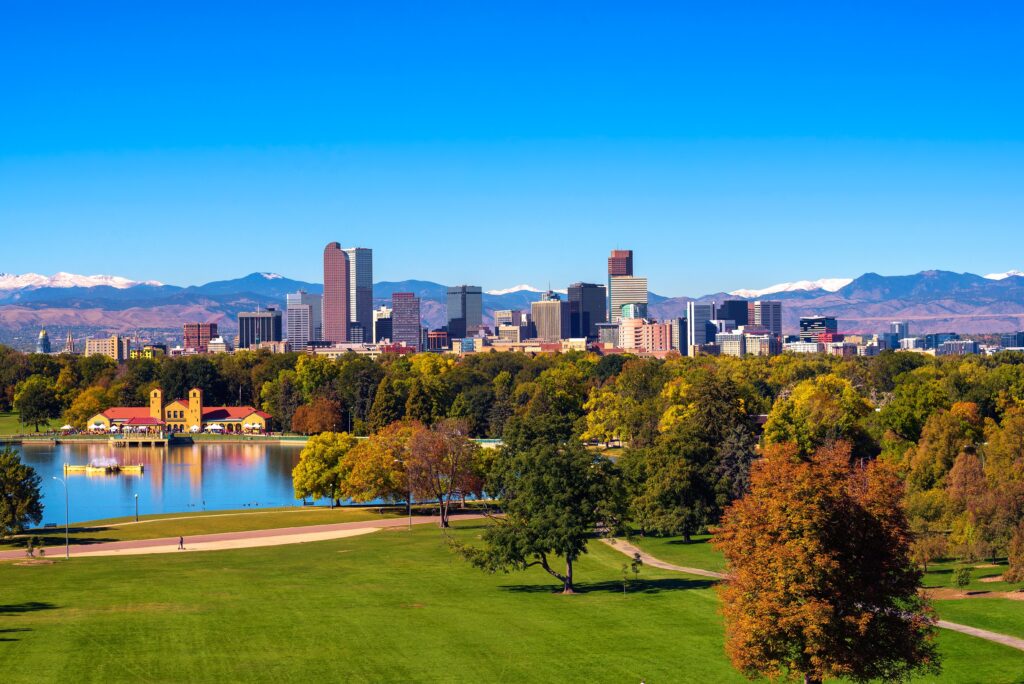
Denver, the capital of Colorado, is a city defined by its proximity to the Rocky Mountains, vibrant culture, and outdoor lifestyle. Known as the “Mile-High City” due to its elevation, Denver combines urban amenities with easy access to nature, creating a destination that appeals to adventurers, professionals, and culture seekers alike.
The city’s neighborhoods each offer a unique identity. LoDo (Lower Downtown) features historic warehouses, modern restaurants, and nightlife, while RiNo (River North) highlights art, music, and creative industries. Cherry Creek is known for shopping and upscale dining, and Capitol Hill combines historic architecture with eclectic culture. Each area reflects Denver’s dynamic character and provides opportunities for exploration.
Denver’s cultural life is rich and diverse. The Denver Art Museum, performing arts centers, and live music venues showcase both local and international talent. Festivals celebrating art, film, and music occur year-round, fostering community engagement and creative expression. Culinary culture blends traditional Colorado fare with global influences, emphasizing innovation and local sourcing.
Outdoor recreation is integral to Denver’s identity. Parks, bike trails, and nearby mountain ranges allow hiking, skiing, and rock climbing, reinforcing a strong connection to the environment. The city’s location provides a balance between urban convenience and wilderness access, making it ideal for residents and visitors who value activity and natural beauty.
Denver’s combination of cultural vibrancy, neighborhood diversity, and outdoor opportunities ensures that it offers something for everyone. Visitors can explore art and history, enjoy culinary delights, or venture into nearby mountains, making the city a dynamic and multifaceted destination. Its integration of urban life with nature exemplifies a modern American city that celebrates lifestyle, creativity, and exploration.
46. Charleston, South Carolina
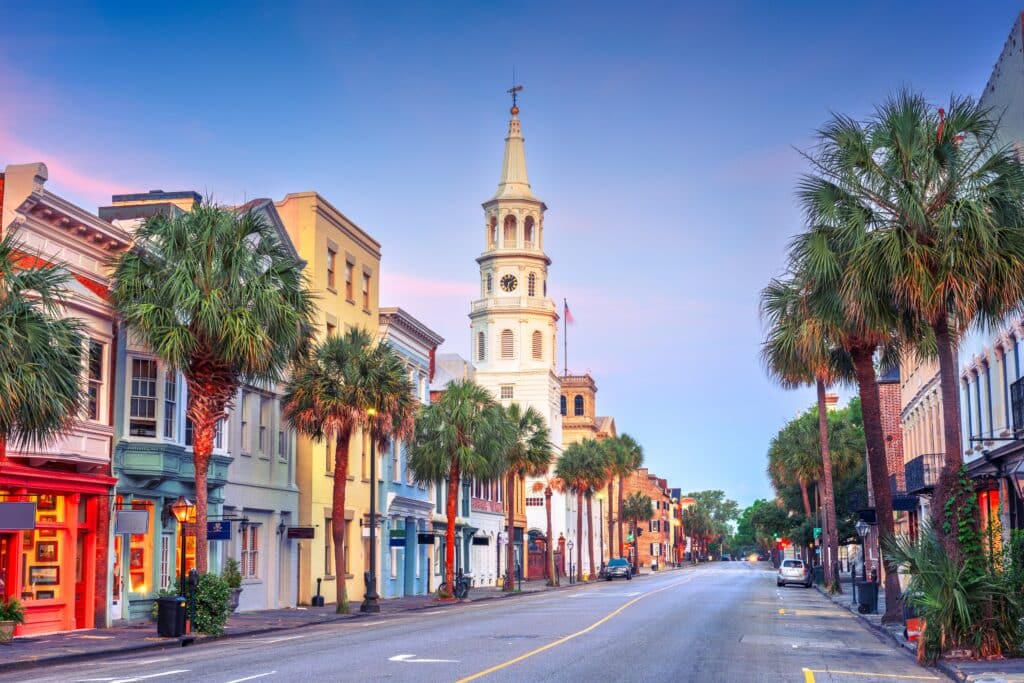
Charleston, located along the South Carolina coast, is a city defined by history, architecture, and Southern hospitality. Founded in 1670, it preserves centuries of cultural, architectural, and maritime heritage, creating a city that blends historical significance with vibrant modern life.
The Historic District serves as Charleston’s heart, featuring cobblestone streets, pastel-colored homes, and iconic carriage paths. Neighborhoods such as French Quarter and South of Broad reflect the city’s diverse history and cultural influences. Local shops, galleries, and restaurants occupy historic buildings, creating a balance between tradition and contemporary living.
Charleston is celebrated for its culinary excellence. The city’s food scene emphasizes seafood, Southern classics, and farm-to-table dining, reflecting both regional history and modern innovation. Festivals, music events, and cultural celebrations further showcase the city’s creativity and community spirit, highlighting its distinctive character.
The surrounding natural environment enhances Charleston’s charm. Waterfront parks, riverfront pathways, and nearby beaches offer opportunities for recreation and relaxation. The city’s subtropical climate encourages outdoor activity, allowing visitors to enjoy both urban exploration and scenic beauty.
Charleston’s appeal lies in its ability to balance heritage with livability. Visitors experience a city where history is tangible, culture is vibrant, and the pace of life allows appreciation of both. The combination of architectural elegance, culinary richness, and natural surroundings ensures Charleston remains one of the most memorable and distinctive destinations in the American South.
45. Salt Lake City, Utah
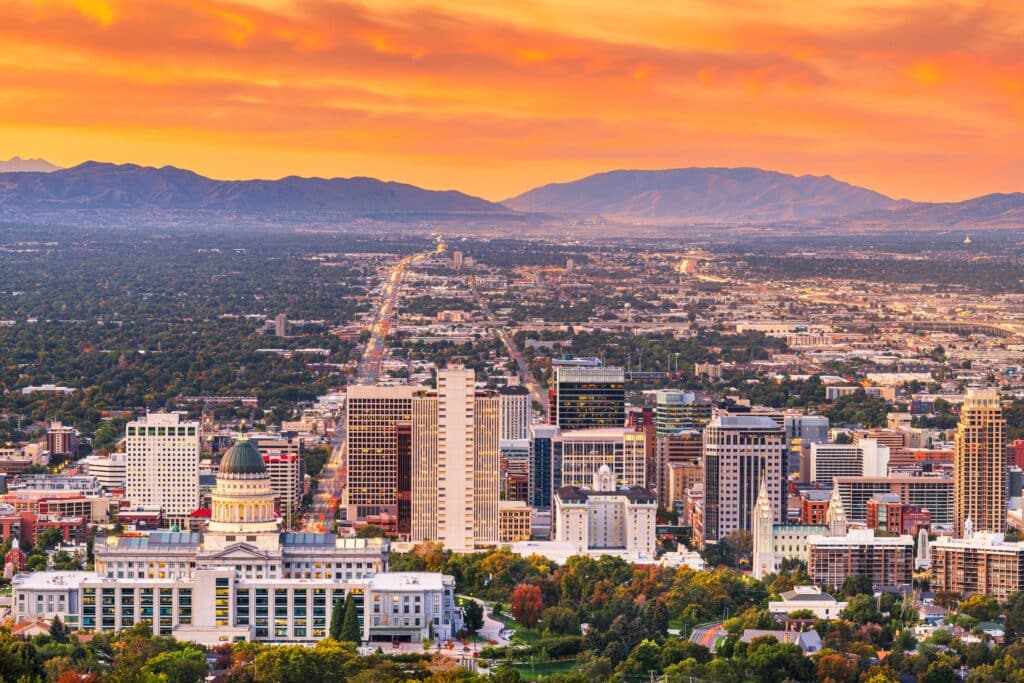
Salt Lake City, the capital of Utah, is a city defined by its stunning mountain backdrop, outdoor adventure opportunities, and vibrant cultural life. Nestled between the Wasatch Mountains and the Great Salt Lake, it offers a combination of urban amenities, natural beauty, and historic significance that makes it a compelling destination.
The city’s neighborhoods each provide distinct experiences. Downtown Salt Lake City features government buildings, theaters, and dining establishments, while Sugar House and the Avenues highlight residential charm, boutique shops, and recreational spaces. Local markets, galleries, and cultural centers enrich the city’s identity, fostering community engagement and creativity.
Salt Lake City is closely connected to the natural world. Nearby ski resorts, hiking trails, and mountain biking routes allow residents and visitors to explore the surrounding Wasatch Range. The Great Salt Lake offers unique ecological and scenic experiences, while city parks and greenways provide urban opportunities for recreation and relaxation.
Cultural life thrives alongside outdoor adventure. The city hosts symphonies, theater productions, and festivals celebrating music, arts, and local heritage. Its culinary scene blends traditional Western fare with international influences, reflecting both regional identity and innovation. Historical landmarks, including Temple Square and Pioneer Memorial, provide insight into the city’s founding and development.
Salt Lake City’s appeal lies in the integration of natural landscapes, cultural depth, and urban convenience. Visitors can explore mountains, lakes, and city streets within a single day, experiencing both adventure and city life. Its combination of outdoor recreation, creative energy, and historical significance makes Salt Lake City a memorable destination, offering a dynamic and enriching perspective on the American West.
44. Pittsburgh, Pennsylvania
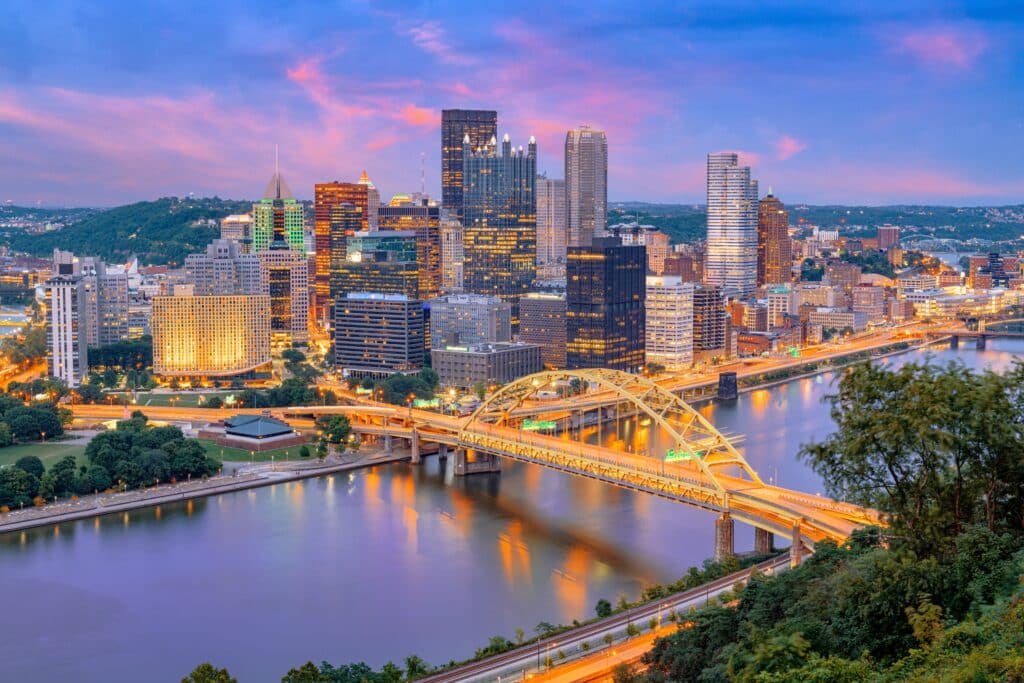
Pittsburgh, located at the confluence of the Allegheny, Monongahela, and Ohio Rivers, is a city celebrated for its industrial heritage, revitalized neighborhoods, and vibrant cultural life. Once known as the “Steel City,” Pittsburgh has transformed into a hub of technology, education, and arts, blending history with modern innovation.
The city’s neighborhoods each provide a unique character. The Strip District is known for markets, dining, and specialty shops, while Shadyside features boutiques, restaurants, and historic homes. Oakland, home to the University of Pittsburgh and Carnegie Mellon University, contributes academic energy, museums, and theaters. Each neighborhood offers distinct experiences that collectively define Pittsburgh’s dynamic identity.
Cultural life is central to Pittsburgh’s appeal. The city hosts renowned institutions such as the Andy Warhol Museum, Pittsburgh Symphony Orchestra, and multiple performing arts venues. Festivals, galleries, and public art installations further enrich the urban environment, fostering creativity and engagement across diverse communities.
Pittsburgh’s natural surroundings enhance urban life. Hills, rivers, and parks provide scenic vistas and outdoor activities, including hiking, biking, and water recreation. Iconic bridges and riverfront trails connect neighborhoods while offering picturesque views of the city’s skyline and waterways.
The city’s industrial legacy coexists with contemporary development, reflecting resilience and adaptation. Visitors experience both historical context and modern vitality, exploring architectural landmarks, cultural institutions, and lively streets. Pittsburgh’s combination of heritage, innovation, and natural beauty ensures that it remains a distinctive and memorable American city.
43. Milwaukee, Wisconsin
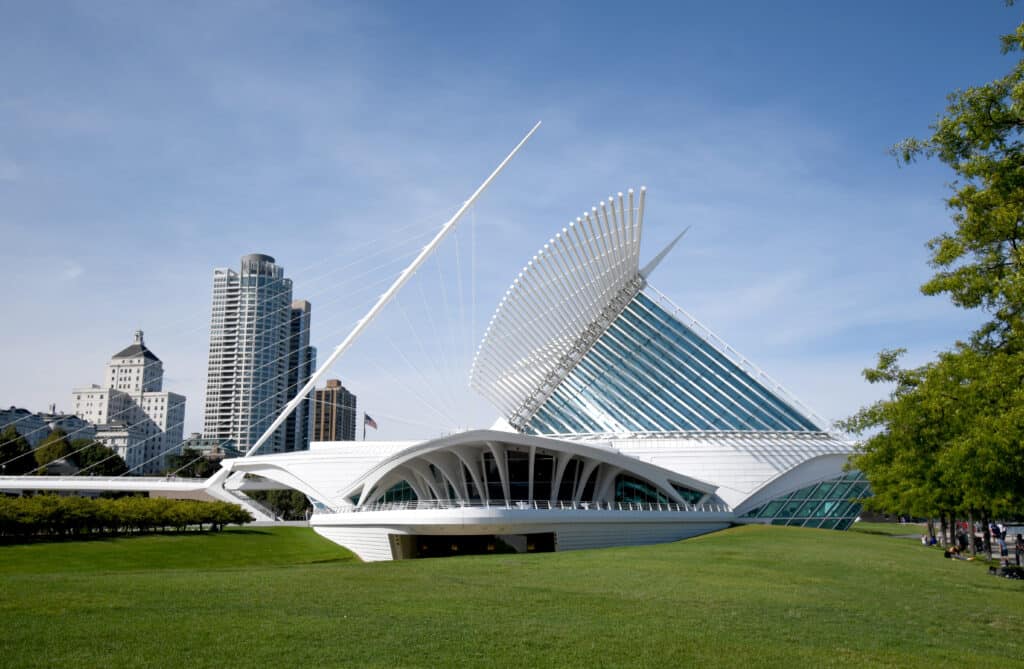
Milwaukee, situated along the western shore of Lake Michigan, is a city defined by its brewing heritage, lakefront charm, and cultural vibrancy. Known historically for its beer production, Milwaukee has evolved into a diverse urban center that celebrates both tradition and modernity.
The city’s neighborhoods each possess distinct character. Historic Third Ward is a hub for arts, dining, and shopping, while East Side and Bay View feature eclectic shops, cafes, and local creativity. Downtown Milwaukee combines business, cultural institutions, and lakefront attractions, creating a dynamic urban environment that balances activity with accessibility.
Cultural life thrives in Milwaukee. The Milwaukee Art Museum, theaters, music venues, and local festivals highlight both historical and contemporary creativity. Annual events, such as Summerfest, showcase music, food, and community engagement, attracting visitors from across the region. Culinary offerings reflect local ingredients and international influences, from German-inspired cuisine to modern farm-to-table restaurants.
The city’s connection to Lake Michigan enhances recreational opportunities. Beaches, parks, and bike trails along the shoreline provide outdoor activity and scenic views, while the Milwaukee Riverwalk offers a mix of leisure, dining, and urban exploration. Seasonal variations, from summer festivals to winter sports, ensure year-round engagement with both city and nature.
Milwaukee’s appeal lies in its blend of history, creativity, and lakeside beauty. Visitors experience a city that honors its industrial and cultural heritage while embracing innovation, outdoor life, and community vitality. Milwaukee remains a distinctive Midwestern destination, offering memorable experiences across urban and natural landscapes.
42. Albuquerque, New Mexico
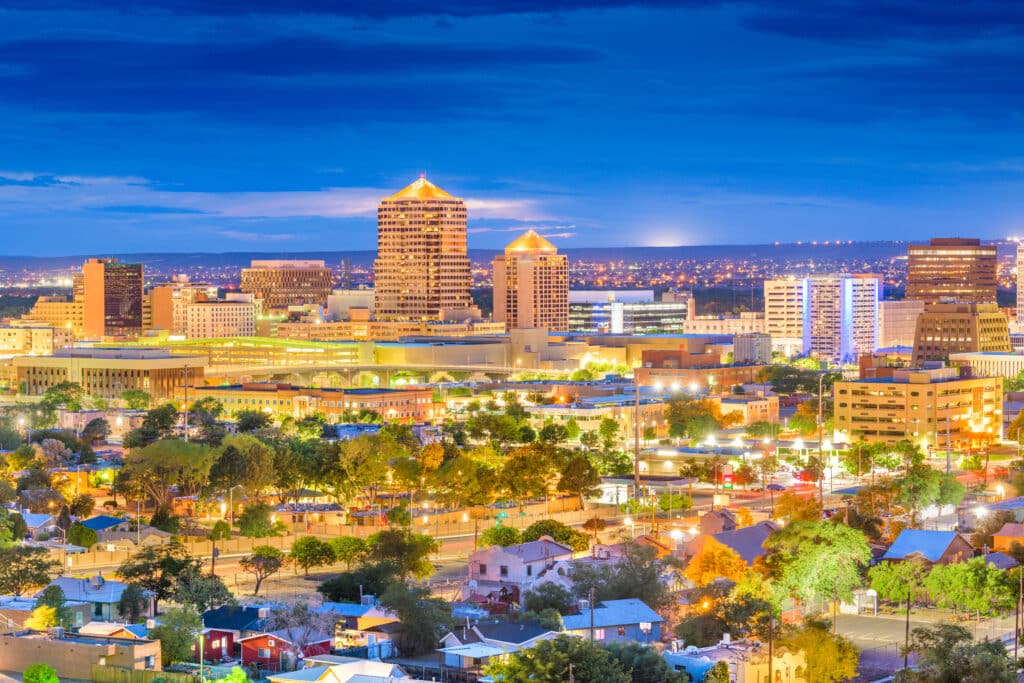
Albuquerque, located in central New Mexico along the Rio Grande, is a city celebrated for its Southwestern culture, desert landscapes, and vibrant traditions. The city blends Native American, Spanish, and Anglo influences, creating a distinctive character reflected in architecture, cuisine, and festivals.
Old Town Albuquerque serves as the city’s historic core, featuring adobe buildings, museums, shops, and cultural centers. Its plazas and streets preserve centuries of heritage while accommodating contemporary businesses and artistic activity. Neighborhoods such as Nob Hill offer modern dining, boutiques, and entertainment, showcasing the city’s evolving identity.
Cultural life is integral to Albuquerque’s appeal. The city hosts events like the International Balloon Fiesta, celebrating its iconic hot air ballooning tradition, along with art galleries, theaters, and music venues. Local cuisine highlights Southwestern flavors, including chile-infused dishes, traditional New Mexican fare, and innovative culinary interpretations.
Nature and outdoor adventure define Albuquerque’s surroundings. The Sandia Mountains offer hiking, skiing, and panoramic views, while the Rio Grande provides opportunities for kayaking, birdwatching, and scenic exploration. Desert landscapes, mesas, and canyons contribute to the city’s visual and recreational appeal, inviting visitors to connect with the environment.
Albuquerque’s combination of history, culture, and natural beauty ensures a rich visitor experience. From historic plazas to modern neighborhoods, festivals, and desert adventures, the city provides a dynamic and immersive exploration of the American Southwest. Its unique character, scenic landscapes, and cultural vibrancy make Albuquerque a memorable destination for travelers seeking authenticity and diversity.
41. Indianapolis, Indiana

Indianapolis, the capital of Indiana, is a city defined by sports, cultural attractions, and Midwestern charm. Known as the “Racing Capital of the World,” it hosts the Indianapolis 500 at the Indianapolis Motor Speedway, drawing motorsport enthusiasts from across the globe. Beyond racing, the city offers a rich combination of history, arts, and outdoor recreation.
The city’s neighborhoods each have distinct character. Broad Ripple is known for nightlife, arts, and eclectic shops, while Fountain Square features live music, creative venues, and historic architecture. Downtown Indianapolis combines business, museums, and public spaces, creating a central hub for activity. Each area provides unique experiences that contribute to the city’s dynamic identity.
Cultural life thrives in Indianapolis. The city is home to art museums, theaters, and music venues, offering residents and visitors opportunities to engage with both local and international creativity. Annual festivals, sporting events, and public gatherings foster community participation and celebrate the city’s diverse culture.
Outdoor recreation is integral to Indianapolis’ urban landscape. White River State Park, the Canal Walk, and surrounding green spaces provide trails, boating, and cycling opportunities, connecting residents with nature while remaining within city limits. Sports facilities, golf courses, and stadiums further enhance recreational options.
Indianapolis balances historical heritage with modern urban development. Visitors can explore museums, attend sporting events, and enjoy the city’s culinary offerings while engaging with local culture and community life. Its combination of sports, arts, and approachable neighborhoods ensures a memorable and multifaceted experience, highlighting the heart of the American Midwest.
40. Cleveland, Ohio

Cleveland, situated along Lake Erie in northeastern Ohio, is a city known for its industrial history, cultural institutions, and waterfront revitalization. Once recognized primarily for steel production, Cleveland has reinvented itself as a hub for arts, education, and recreation, combining heritage with contemporary urban life.
The city’s neighborhoods offer diverse experiences. Ohio City features breweries, restaurants, and historic homes, while Tremont highlights galleries, cafes, and creative enterprises. Downtown Cleveland integrates business, cultural institutions, and riverfront development, providing a central hub for urban life. Each neighborhood adds depth to the city’s identity, offering visitors varied opportunities for exploration.
Cultural attractions define Cleveland’s appeal. The Cleveland Orchestra, Rock & Roll Hall of Fame, Cleveland Museum of Art, and numerous theaters provide world-class artistic experiences. Festivals and music events celebrate local and global creativity, reinforcing the city’s reputation as a center of cultural vitality.
The waterfront and surrounding parks enhance Cleveland’s livability. Lake Erie’s beaches, trails, and marinas offer recreational options, while urban green spaces create balance within the city environment. Seasonal changes provide diverse experiences, from summer festivals to winter sports and activities.
Cleveland’s combination of history, cultural richness, and outdoor opportunities ensures a dynamic visitor experience. The city demonstrates resilience and reinvention, offering both industrial heritage and modern innovation. From arts and music to waterfront exploration, Cleveland provides memorable encounters that highlight its unique character and Midwestern identity.
39. Minneapolis–Saint Paul, Minnesota
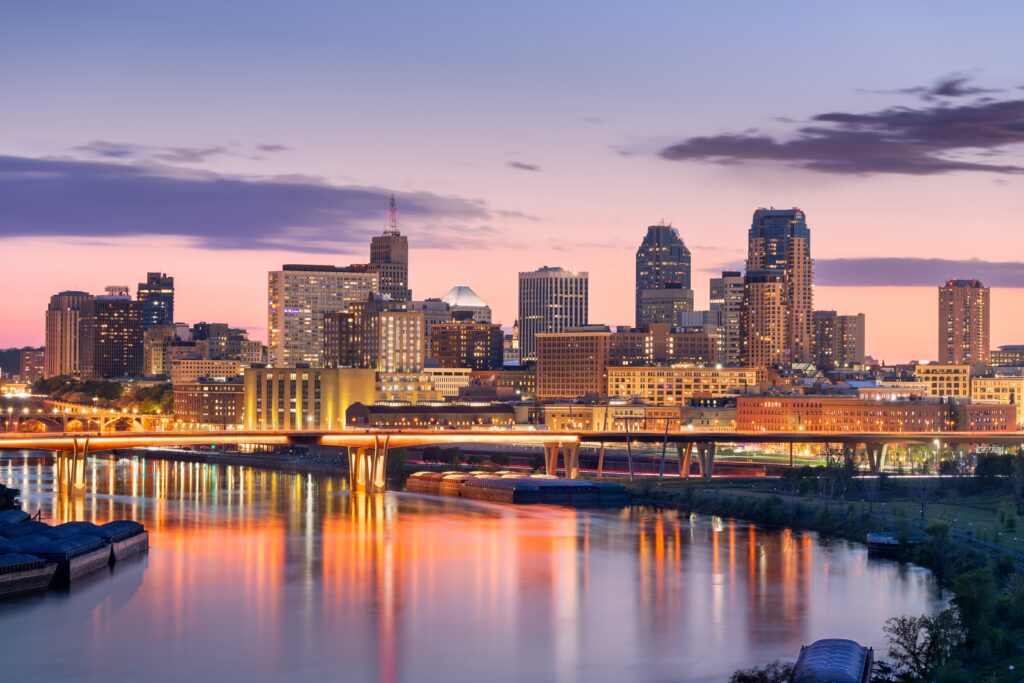
The Twin Cities of Minneapolis and Saint Paul, located along the Mississippi River in Minnesota, form a dynamic metropolitan area known for culture, parks, and civic engagement. Minneapolis emphasizes modern urban development, lakes, and arts, while Saint Paul preserves historic architecture, museums, and government institutions. Together, they offer a multifaceted urban experience that balances history and innovation.
Minneapolis is celebrated for its lakes and park system, including Lake Calhoun, Lake Harriet, and Chain of Lakes. Trails for biking, running, and walking connect neighborhoods while encouraging outdoor activity. Saint Paul’s historic districts, such as Summit Avenue, showcase architectural heritage and elegant homes, adding depth and contrast to the urban landscape.
Cultural life thrives across the Twin Cities. The Guthrie Theater, Minneapolis Institute of Art, Ordway Center for the Performing Arts, and a variety of music venues provide opportunities for world-class performances and exhibitions. Festivals celebrating music, film, and local culture occur throughout the year, highlighting the area’s creative energy.
The Twin Cities also emphasize innovation and sustainability. Public transportation, environmentally conscious development, and community engagement reflect civic priorities. Culinary diversity, from traditional Midwestern fare to international cuisine, reflects both heritage and contemporary trends.
The integration of natural landscapes, historic architecture, and modern urban amenities makes Minneapolis–Saint Paul a destination for exploration and engagement. Visitors experience a city that fosters creativity, outdoor life, and cultural richness. Its combination of lakes, parks, neighborhoods, and cultural institutions ensures a dynamic and memorable visit, capturing the essence of urban life in the Upper Midwest.
38. Kansas City, Missouri
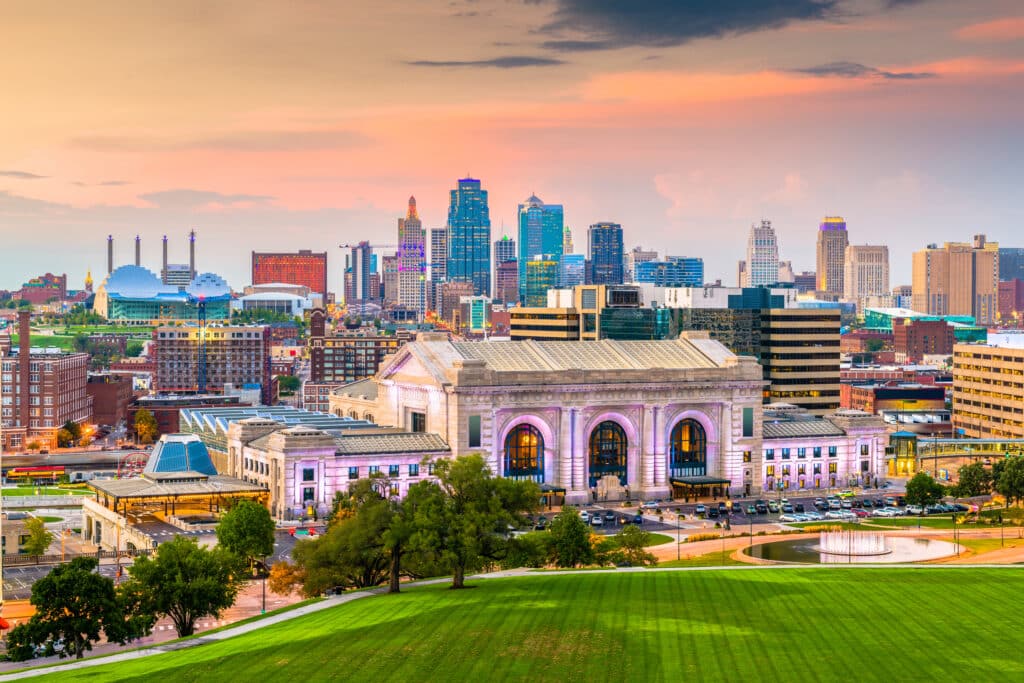
Kansas City, situated at the confluence of the Kansas and Missouri Rivers, is a city known for jazz, barbecue, and vibrant cultural energy. Its history as a transportation and industrial hub laid the foundation for a diverse and dynamic urban environment, blending tradition with contemporary development.
The city’s neighborhoods each offer unique experiences. The Country Club Plaza showcases Spanish-inspired architecture, shopping, and dining, while the Crossroads Arts District features galleries, performance spaces, and creative enterprises. Westport and the Power & Light District provide nightlife, live music, and entertainment, reflecting the city’s eclectic character and welcoming atmosphere.
Kansas City is internationally recognized for its musical heritage, particularly jazz. Historic venues, live performances, and festivals celebrate this tradition while embracing contemporary genres. The city’s culinary scene is equally renowned, especially for its distinctive barbecue, which has become a symbol of local pride and culture. Restaurants, markets, and food festivals highlight both traditional and innovative approaches to cuisine.
Parks, rivers, and trails enhance Kansas City’s livability. The city features extensive green spaces, including Loose Park and the Kauffman Memorial Garden, offering opportunities for walking, biking, and relaxation. The Missouri River provides scenic views and recreational options, connecting residents with the natural environment.
Kansas City’s appeal lies in its combination of music, food, culture, and accessible urban spaces. Visitors can explore historic districts, enjoy live performances, and experience regional culinary traditions while navigating neighborhoods that balance character, creativity, and activity. This combination ensures Kansas City remains a memorable Midwestern destination, offering vibrant experiences that highlight both heritage and modernity.
37. Tucson, Arizona
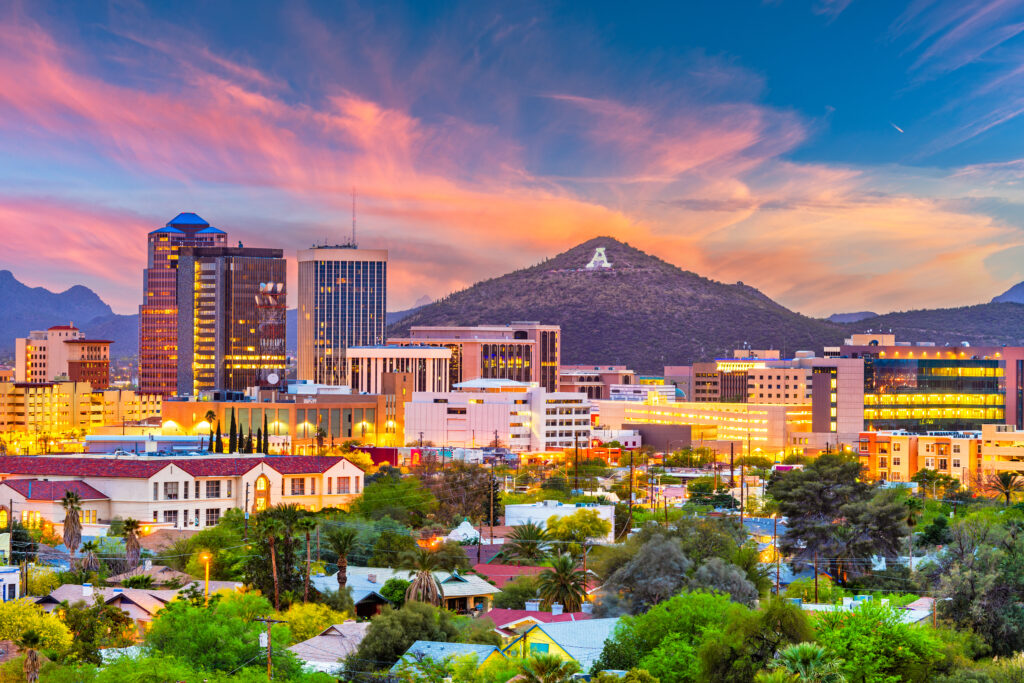
Tucson, located in southern Arizona, is a city defined by desert landscapes, cultural diversity, and outdoor adventure. Surrounded by the Sonoran Desert and nearby mountain ranges, it combines natural beauty, history, and urban vitality, creating a distinctive Southwestern destination.
The city’s neighborhoods reflect diverse histories and cultures. Downtown Tucson features historic architecture, restaurants, and galleries, while Barrio Viejo preserves Spanish and Mexican heritage through adobe homes and traditional streetscapes. Foothills neighborhoods offer scenic vistas, hiking access, and upscale living, balancing urban convenience with natural beauty.
Cultural life thrives in Tucson. The city hosts music, art, and culinary festivals that celebrate Indigenous, Spanish, and contemporary influences. Museums, theaters, and public art spaces provide opportunities for engagement, while local markets and artisan workshops highlight creativity and community. The city’s culinary scene emphasizes Southwestern flavors, including regional dishes infused with chiles, corn, and local ingredients.
Outdoor recreation is central to Tucson’s identity. Saguaro National Park, Sabino Canyon, and surrounding mountains provide hiking, biking, and wildlife viewing, while desert landscapes offer scenic beauty and tranquility. Seasonal changes emphasize the region’s unique flora and fauna, including iconic saguaro cacti and desert wildflowers.
Tucson combines history, natural beauty, and cultural vibrancy. Visitors can explore historic districts, engage with creative communities, and enjoy desert landscapes within a single urban area. Its blend of Southwestern charm, outdoor opportunity, and cultural diversity makes Tucson a memorable and enriching destination, capturing the essence of the American Southwest.
36. Oklahoma City, Oklahoma
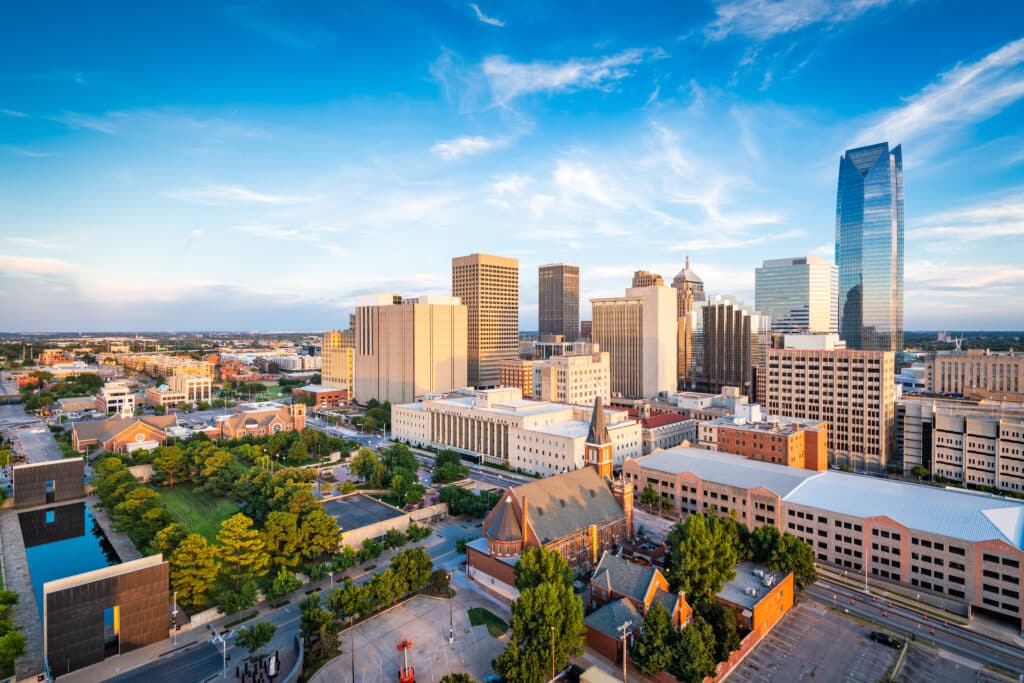
Oklahoma City, the capital of Oklahoma, is a city defined by resilience, culture, and modern urban revitalization. Once primarily an oil and agricultural hub, it has transformed into a diverse metropolis offering cultural institutions, sports, and outdoor recreation, blending heritage with contemporary development.
The city’s neighborhoods provide varied experiences. Bricktown is a historic district turned entertainment hub, featuring restaurants, theaters, and nightlife along scenic canals. Midtown and Paseo Arts District emphasize creativity, local businesses, and cultural engagement, while downtown Oklahoma City houses government, business, and civic spaces that anchor the urban environment.
Cultural life thrives through museums, performing arts venues, and music events. The Oklahoma City Museum of Art, Civic Center Music Hall, and local galleries contribute to the city’s cultural depth, while annual festivals celebrate food, music, and community traditions, fostering engagement and diversity.
Outdoor spaces are integral to Oklahoma City. The city boasts parks, riverfront trails, and the extensive Myriad Botanical Gardens, providing opportunities for walking, biking, and recreation. Nearby lakes and open landscapes offer additional outdoor activities, emphasizing the connection between urban life and nature.
Oklahoma City’s appeal lies in its combination of historical heritage, cultural vitality, and outdoor accessibility. Visitors can explore dynamic neighborhoods, enjoy local cuisine, and participate in civic and cultural events while appreciating the city’s balance of tradition and innovation. Its distinctive identity, approachability, and community focus make Oklahoma City a memorable Midwestern destination.
35. Providence, Rhode Island
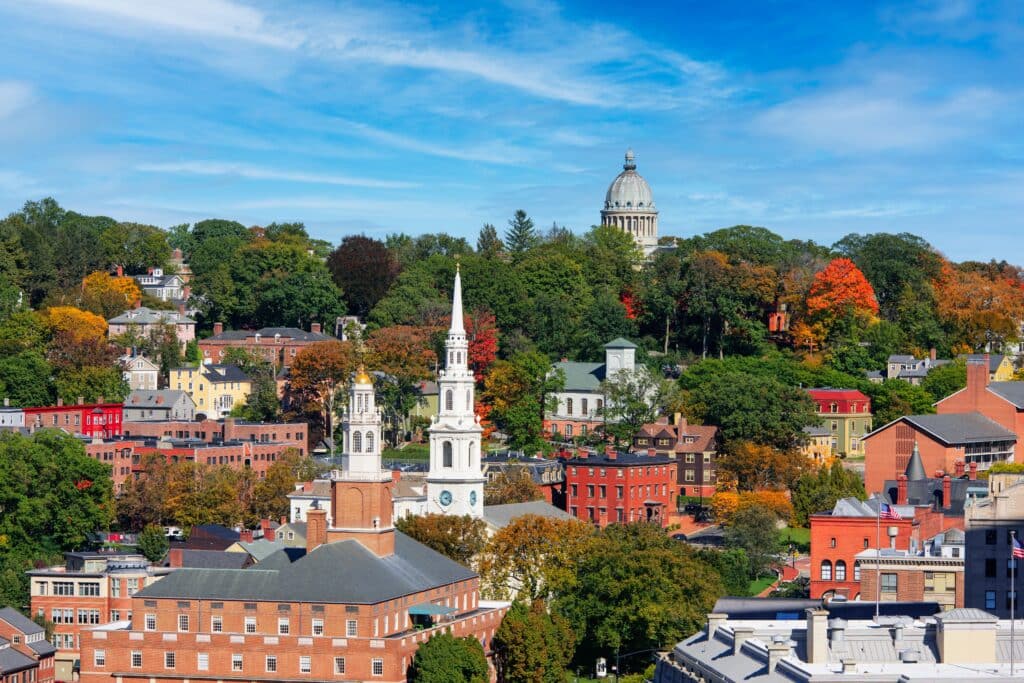
Providence, the capital of Rhode Island, is a city rich in history, arts, and academic influence. Founded in 1636, it combines colonial heritage with contemporary culture, creating a unique urban atmosphere where historic streets meet modern innovation.
The city’s neighborhoods each have distinct personalities. Federal Hill is renowned for its Italian-American heritage, featuring restaurants, cafes, and specialty markets. Downtown Providence integrates government buildings, theaters, and dining establishments, while the East Side showcases historic homes, local boutiques, and academic institutions, including Brown University and the Rhode Island School of Design. These areas provide a balance of education, creativity, and cultural engagement.
Arts and culture define Providence’s identity. Galleries, theaters, and music venues host performances and exhibitions year-round, reflecting both local talent and international influence. Festivals celebrating food, film, and community further enhance the city’s vibrancy. Culinary offerings highlight Italian, Portuguese, and contemporary New England flavors, creating a distinctive gastronomic experience.
Providence’s waterways and public spaces enhance its livability. The Woonasquatucket and Moshassuck Rivers, alongside Waterplace Park, offer scenic walking paths, recreational opportunities, and gathering spaces. Seasonal events such as the WaterFire installation transform the city’s rivers into immersive public art experiences, blending natural beauty with cultural engagement.
The city’s combination of history, education, and creativity ensures a dynamic visitor experience. From historic districts and academic campuses to riverside parks and cultural festivals, Providence offers a rich blend of exploration, inspiration, and community connection. Its charm lies in the integration of tradition and innovation, making it a memorable New England destination.
34. Richmond, Virginia
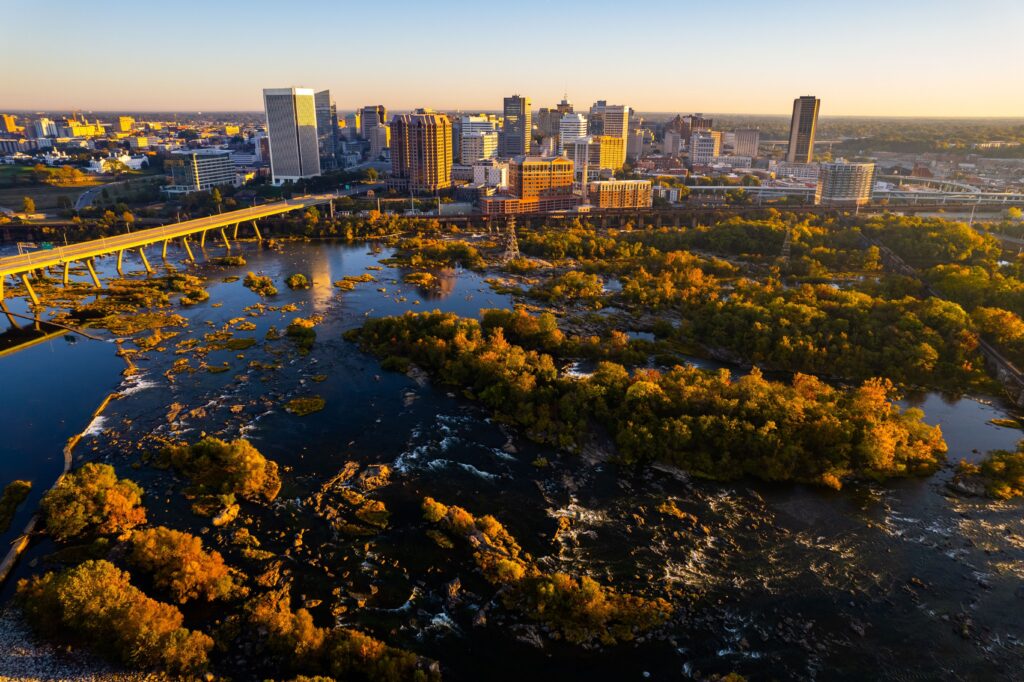
Richmond, Virginia, is a city where history, culture, and the arts intersect. As the former capital of the Confederacy and a center of colonial and Revolutionary War history, it offers a layered historical narrative complemented by modern urban vitality.
The city’s neighborhoods reflect its diverse character. Shockoe Bottom features historic architecture, restaurants, and nightlife, while Carytown is known for eclectic shops, local boutiques, and cultural venues. The Fan District showcases tree-lined streets, historic homes, and parks, offering a blend of residential charm and urban accessibility. Each area contributes to Richmond’s identity, providing a variety of experiences for visitors and residents.
Richmond embraces cultural life with museums, galleries, theaters, and live music. Local festivals celebrate history, art, and culinary traditions, enhancing community engagement and creative expression. The city’s dining scene blends Southern cuisine with contemporary innovation, offering dishes that reflect both tradition and experimentation.
Natural beauty is integrated into Richmond’s urban landscape. The James River, with its parks, trails, and recreational areas, allows kayaking, hiking, and scenic exploration. Green spaces provide areas for relaxation and community gatherings, creating a balance between city life and outdoor engagement.
Richmond’s appeal lies in the integration of history, creativity, and natural surroundings. Visitors can explore centuries-old streets, engage with arts and culture, and enjoy the scenic James River, all within a cohesive urban environment. Its combination of historical significance, contemporary culture, and approachable neighborhoods makes Richmond a memorable and distinctive destination in the American South.
33. Birmingham, Alabama
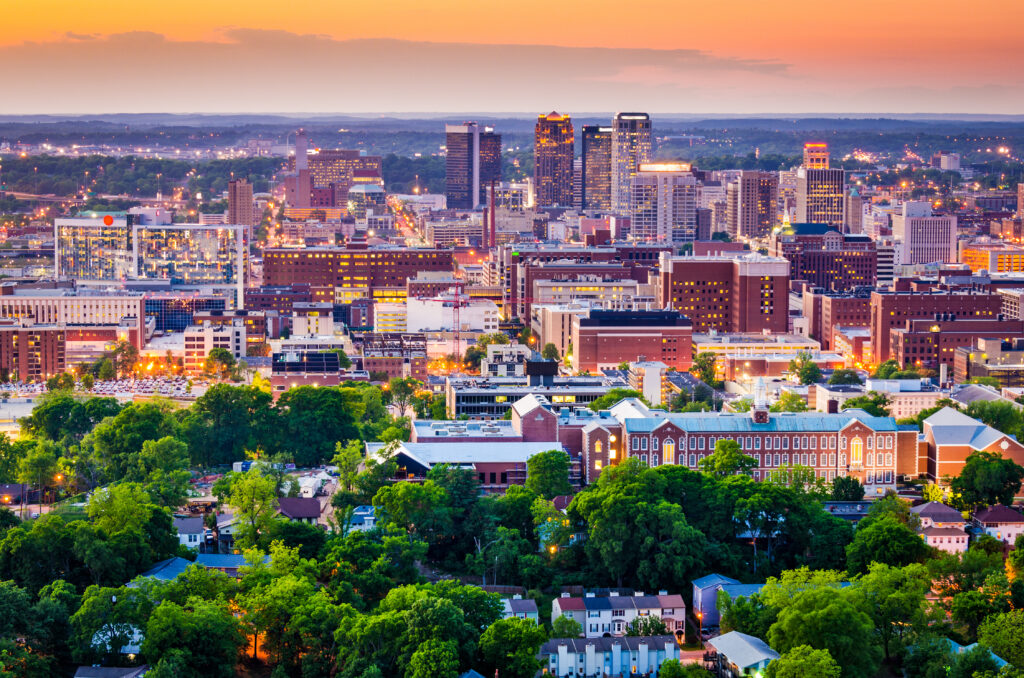
Birmingham, Alabama, is a city steeped in history, civil rights significance, and industrial heritage. Once a center for steel production, it has transformed into a modern urban hub that honors its past while embracing cultural development, education, and community revitalization.
The city’s neighborhoods each offer unique experiences. Five Points South is known for nightlife, music venues, and dining, while downtown Birmingham integrates historic architecture, civic spaces, and cultural institutions. Mountain Brook and Homewood provide residential charm with parks and boutique shopping, highlighting the city’s blend of tradition and contemporary life.
Birmingham’s cultural scene is vibrant. Museums, theaters, and music venues reflect both historical narratives and contemporary creativity. The city is deeply connected to the civil rights movement, with sites such as the Birmingham Civil Rights Institute providing educational and immersive experiences. Festivals, art exhibitions, and local performances further enrich the urban environment.
Parks and natural spaces enhance Birmingham’s livability. Ruffner Mountain, Red Mountain Park, and other green areas provide hiking, biking, and outdoor exploration, offering a balance between urban and natural environments. These spaces support recreation, community engagement, and connection to the surrounding landscape.
Birmingham’s appeal emerges from its combination of history, culture, and urban revitalization. Visitors can explore civil rights landmarks, enjoy arts and music, and engage with dynamic neighborhoods, all while experiencing a city that honors its past and embraces modernity. Its unique character and Southern hospitality make Birmingham a compelling destination in the American Southeast.
32. Rochester, New York
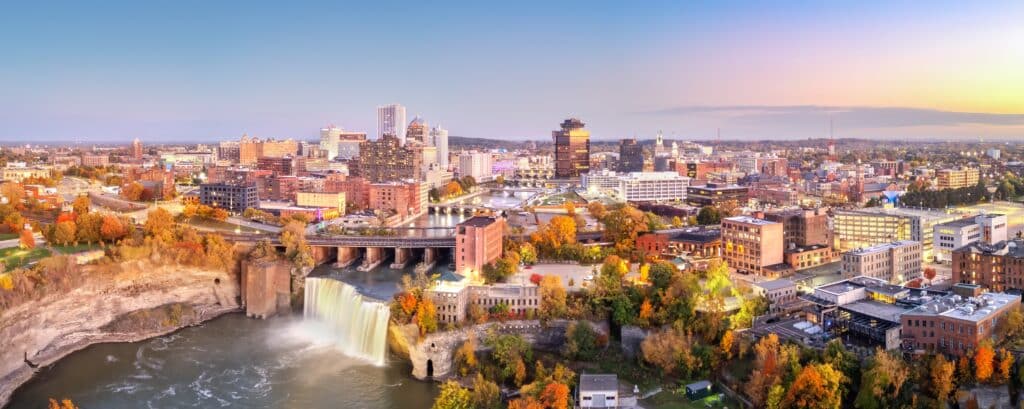
Rochester, located on the southern shore of Lake Ontario, is a city known for its innovation, educational institutions, and cultural contributions. Historically a center of industry and photography, it has evolved into a city that blends heritage with contemporary arts, education, and community engagement.
The city’s neighborhoods provide diverse experiences. East End features theaters, restaurants, and galleries, creating a vibrant arts district. Park Avenue showcases boutiques, cafes, and historic architecture, while Corn Hill preserves nineteenth-century buildings and hosts community events. Each area contributes to Rochester’s eclectic urban identity, offering opportunities for exploration and discovery.
Rochester is home to several prominent educational and cultural institutions. The University of Rochester and Rochester Institute of Technology foster research, innovation, and creative programming. Museums, theaters, and music venues, including the Eastman School of Music, enrich cultural life, providing access to world-class performances and exhibitions.
Natural beauty surrounds the city. The Genesee River flows through Rochester, offering scenic walking trails, parks, and kayaking opportunities. Lake Ontario provides recreational options, while nearby gorges and waterfalls create picturesque landscapes for hiking and photography. Seasonal festivals celebrate the city’s culture, arts, and history, enhancing community life.
Rochester’s appeal lies in its combination of innovation, education, and natural surroundings. Visitors can explore cultural landmarks, enjoy outdoor activities, and experience vibrant neighborhoods, all within a city that values creativity, heritage, and livability. Its blend of intellectual engagement, urban charm, and scenic beauty makes Rochester a distinctive and memorable destination in upstate New York.
31. Spokane, Washington

Spokane, located in eastern Washington along the Spokane River, is a city known for its natural beauty, outdoor recreation, and revitalized urban core. The city combines historic architecture, vibrant neighborhoods, and scenic landscapes, offering visitors a blend of adventure and culture.
Spokane’s downtown area has undergone revitalization, featuring restaurants, shops, and cultural venues. Historic buildings coexist with modern developments, creating a dynamic urban environment. Neighborhoods such as Browne’s Addition showcase tree-lined streets, historic homes, and artistic communities, while the South Hill area provides residential charm and panoramic views of the city and surrounding mountains.
Cultural life thrives in Spokane. The city hosts music, theater, and art events throughout the year, including annual festivals that celebrate local creativity and heritage. Museums and galleries provide opportunities to engage with both regional and international art, while community events foster social connection and cultural participation.
Natural surroundings are integral to Spokane’s identity. The Spokane River and nearby parks offer hiking, biking, and water-based recreation. Riverfront Park, featuring scenic walking paths, bridges, and public art, serves as a central gathering place for residents and visitors alike. Seasonal changes highlight the region’s natural diversity, from lush summers to snow-covered winters.
Spokane’s appeal comes from the integration of urban life, culture, and nature. Visitors can explore historic districts, participate in cultural events, and enjoy outdoor activities within close proximity. Its combination of scenic landscapes, creative energy, and approachable neighborhoods makes Spokane a memorable and distinctive destination in the Pacific Northwest.
30. Louisville, Kentucky

Louisville, situated along the Ohio River, is a city renowned for horse racing, bourbon heritage, and cultural vibrancy. The city blends historical traditions with modern urban development, creating a dynamic destination that celebrates Southern charm and contemporary innovation.
The city’s neighborhoods each provide unique experiences. NuLu (East Market District) is known for galleries, boutique shops, and culinary creativity, while Old Louisville features historic Victorian homes and tree-lined streets. Downtown Louisville integrates cultural institutions, theaters, and riverfront attractions, providing a central hub for business and leisure. Each area contributes to the city’s distinct identity.
Cultural life thrives in Louisville. The Kentucky Derby, held at Churchill Downs, is an internationally celebrated event, showcasing horseracing tradition and Southern pageantry. Music, art, and theater scenes further enhance the city’s vibrancy, while festivals and public gatherings foster community engagement and cultural expression. Louisville’s culinary offerings emphasize regional flavors, including Southern cuisine, bourbon-inspired dishes, and farm-to-table innovation.
Outdoor spaces complement urban life. Waterfront parks along the Ohio River, Cherokee Park, and the Louisville Loop provide opportunities for walking, cycling, and recreation. Seasonal changes bring festivals, outdoor concerts, and sporting events, ensuring year-round activity and engagement.
Louisville’s appeal lies in its combination of tradition, culture, and modern urban amenities. Visitors can experience historic districts, cultural events, and outdoor recreation while enjoying a city that embraces both heritage and contemporary life. Its unique character, community spirit, and scenic riverfront make Louisville a memorable and inviting destination in the American South.
29. Hartford, Connecticut
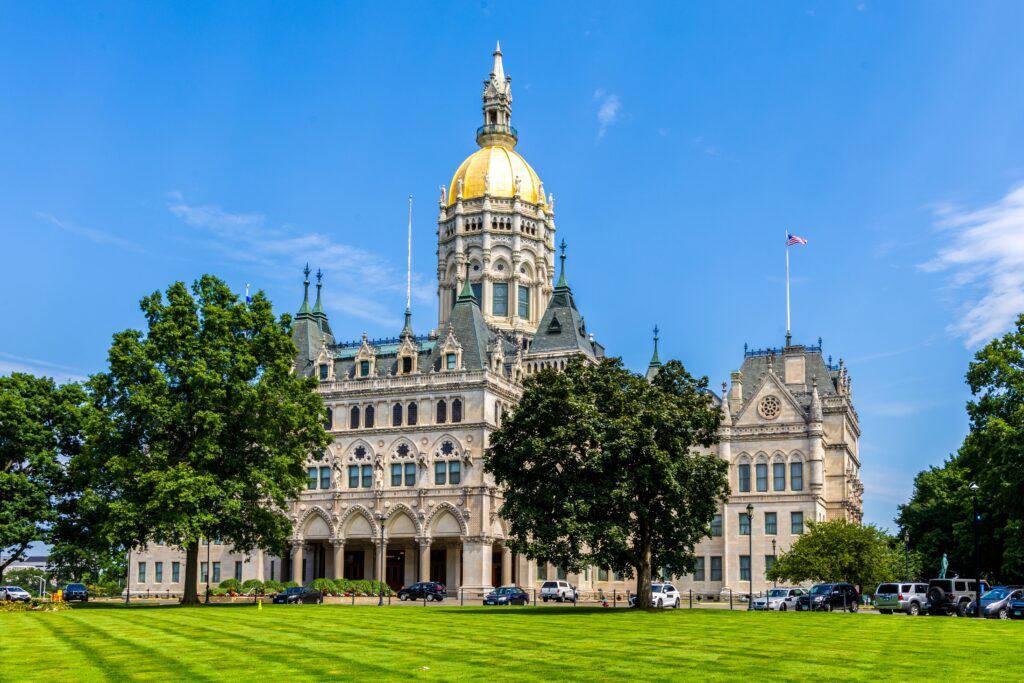
Hartford, the capital of Connecticut, is a city rich in history, literature, and culture. Known as the “Insurance Capital of the World,” it combines corporate significance with historic charm, offering visitors a unique blend of industry, arts, and heritage.
The city’s neighborhoods provide a diverse experience. Downtown Hartford houses government offices, corporate centers, and cultural venues. The historic Nook Farm district showcases 19th-century homes and literary history, while West End and Asylum Hill offer residential charm, parks, and local businesses. These areas reflect Hartford’s layered identity, balancing modernity with tradition.
Hartford’s cultural scene is vibrant. It is closely associated with literary figures such as Mark Twain and Harriet Beecher Stowe, whose homes remain open to the public. Museums, theaters, and galleries provide artistic engagement, while annual festivals celebrate music, art, and local traditions. Culinary offerings range from classic New England fare to contemporary dining, reflecting both heritage and innovation.
Natural spaces enhance Hartford’s livability. Bushnell Park, one of the nation’s oldest public parks, and the Connecticut River waterfront offer walking paths, recreation, and scenic views. Green spaces and urban planning provide balance between city life and relaxation, encouraging outdoor activity and community gatherings.
Hartford’s appeal lies in its integration of history, culture, and modern amenities. Visitors can explore literary landmarks, attend cultural events, and enjoy accessible parks, all within a city that values heritage and creativity. Its combination of civic significance, cultural richness, and approachable urban neighborhoods makes Hartford a distinctive and memorable New England destination.
28. Boise, Idaho
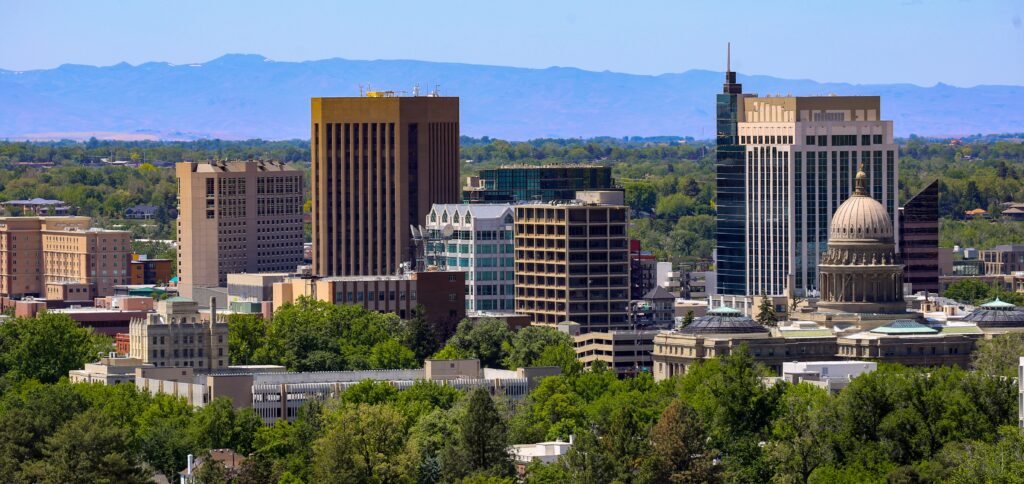
Boise, the capital of Idaho, is a city known for its outdoor adventure, cultural vibrancy, and community-oriented lifestyle. Situated along the Boise River and at the edge of the Rocky Mountains, it offers a blend of natural beauty, urban amenities, and Western charm.
Boise’s neighborhoods each provide distinct experiences. Downtown features restaurants, shops, theaters, and a vibrant arts scene, while the North End showcases historic homes, tree-lined streets, and local cafes. Southeast Boise offers a blend of residential areas, parks, and proximity to outdoor recreation, emphasizing accessibility and livability.
Cultural life thrives in Boise. Museums, performing arts venues, and galleries provide opportunities for artistic engagement. Festivals celebrating music, film, and local culture occur year-round, reflecting the city’s creative energy. Culinary offerings emphasize farm-to-table dining, local produce, and diverse international flavors, highlighting both tradition and innovation.
Outdoor recreation is central to Boise’s identity. The Boise River Greenbelt, foothills, and nearby mountains offer hiking, biking, skiing, and kayaking. Parks, trails, and urban green spaces provide opportunities for relaxation and community engagement, fostering a strong connection to nature within city limits.
Boise’s appeal comes from its integration of urban convenience, cultural depth, and outdoor lifestyle. Visitors can explore dynamic neighborhoods, enjoy artistic events, and engage in recreational adventures, all within a welcoming and approachable environment. Its combination of creativity, natural beauty, and community focus makes Boise a memorable and distinctive destination in the American West.
27. Des Moines, Iowa
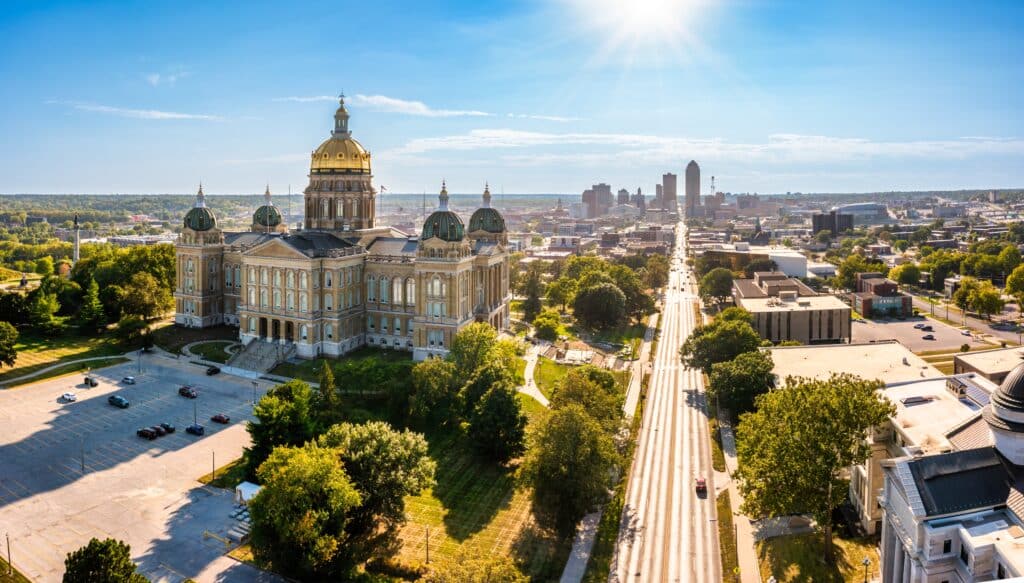
Des Moines, the capital of Iowa, is a city defined by its government institutions, cultural vitality, and Midwestern hospitality. Located at the confluence of the Des Moines and Raccoon Rivers, it offers a combination of urban amenities, parks, and approachable neighborhoods.
The city’s neighborhoods each provide unique experiences. Downtown Des Moines serves as a hub for government, business, and cultural venues, while East Village features boutique shops, cafes, and arts spaces. West Des Moines offers residential charm, shopping, and recreational amenities, creating a diverse urban environment. Each area contributes to the city’s identity and appeal.
Cultural life in Des Moines thrives through theaters, museums, music venues, and public art installations. Annual festivals celebrating food, music, and arts foster community engagement and showcase regional creativity. Culinary offerings emphasize Midwestern flavors, including locally sourced ingredients, farm-to-table cuisine, and contemporary innovations.
Natural spaces enhance livability and recreation. Rivers, parks, and greenways provide walking and biking trails, water-based activities, and scenic areas for relaxation. Seasonal events encourage outdoor engagement and foster community interaction, highlighting the city’s accessibility and family-friendly atmosphere.
Des Moines’ appeal lies in its combination of civic significance, cultural depth, and natural surroundings. Visitors can explore historic districts, attend cultural events, and enjoy outdoor recreation within approachable and vibrant neighborhoods. Its blend of Midwestern charm, urban amenities, and community focus makes Des Moines a memorable and inviting destination in the heart of the American Midwest.
26. Wichita, Kansas
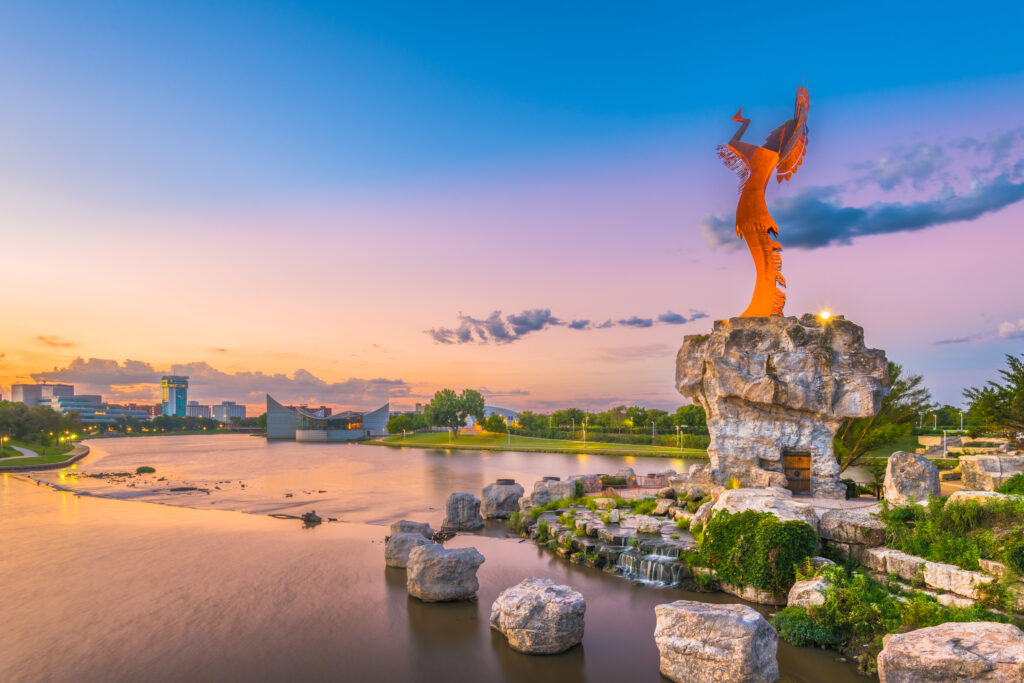
Wichita, located in south-central Kansas along the Arkansas River, is a city recognized for its aviation history, cultural institutions, and Midwestern charm. Known as the “Air Capital of the World,” Wichita combines industrial heritage with modern urban amenities, creating a destination that celebrates both innovation and tradition.
The city’s neighborhoods offer diverse experiences. Old Town is a historic district featuring restaurants, boutiques, and entertainment venues, while Delano is known for arts, music, and nightlife. Riverside and College Hill neighborhoods provide scenic green spaces, residential charm, and access to recreational trails. Each area contributes to Wichita’s multifaceted character, balancing history, culture, and community.
Cultural life thrives in Wichita. Museums, theaters, and music venues showcase regional and international creativity. The city hosts annual festivals celebrating food, music, and arts, encouraging community engagement and cultural exploration. Culinary offerings range from classic Midwestern dishes to global cuisine, highlighting local ingredients and innovative approaches.
Outdoor recreation is integral to Wichita. The Arkansas River and associated parks, along with Sedgwick County Zoo and botanical areas, provide opportunities for walking, cycling, and family-friendly activities. Green spaces and trails connect neighborhoods, encouraging active lifestyles and appreciation of the natural environment.
Wichita’s appeal comes from the integration of history, culture, and accessible urban amenities. Visitors can explore historic districts, attend cultural events, and enjoy recreational spaces, all within a welcoming Midwestern city. Its combination of innovation, creativity, and community-oriented lifestyle ensures Wichita remains a memorable and distinctive destination.
25. Little Rock, Arkansas
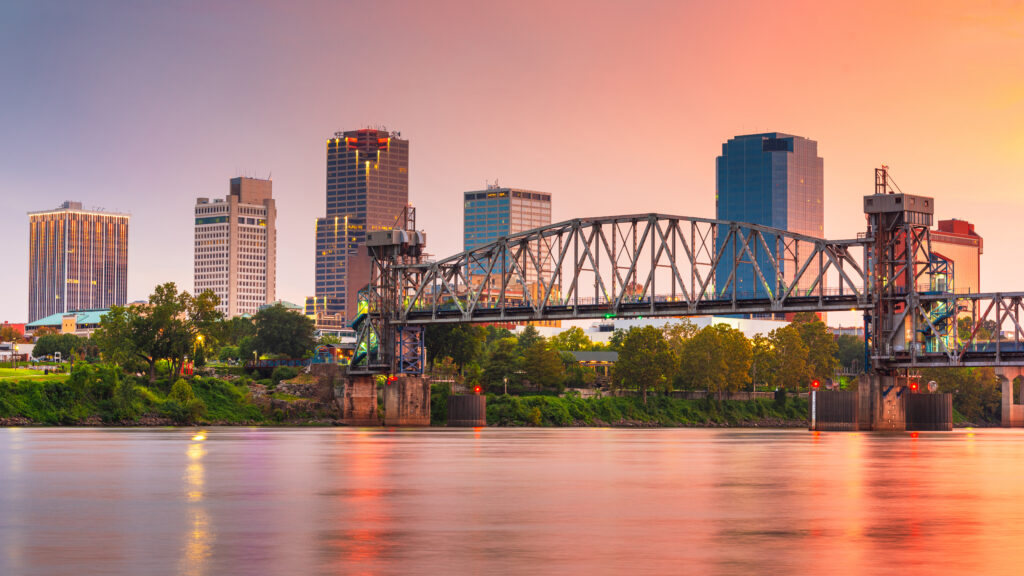
Little Rock, the capital of Arkansas, is a city defined by its political history, cultural attractions, and scenic surroundings along the Arkansas River. It blends historical significance with modern urban development, offering visitors a dynamic and approachable city environment.
Neighborhoods such as the River Market District provide restaurants, shops, and entertainment, while Hillcrest offers historic homes, local boutiques, and tree-lined streets. Downtown Little Rock combines government offices, theaters, and cultural institutions, creating a hub for activity and engagement. Each area contributes to the city’s layered character and accessibility.
Cultural life thrives in Little Rock. Museums, art galleries, music venues, and theaters provide diverse opportunities for artistic exploration. The city celebrates local traditions through festivals, culinary events, and community gatherings, highlighting regional identity and creativity. Culinary offerings reflect Southern and contemporary influences, emphasizing locally sourced ingredients and innovative preparation.
Outdoor spaces enhance Little Rock’s appeal. The Arkansas River, parks, and trails provide opportunities for walking, biking, kayaking, and relaxation. Pinnacle Mountain State Park and nearby natural areas offer scenic views, hiking, and wildlife observation, connecting residents and visitors to the region’s landscapes.
Little Rock’s appeal lies in its integration of history, culture, and natural beauty. Visitors can explore historic districts, enjoy cultural events, and engage in outdoor recreation within a city that balances heritage with modernity. Its combination of civic significance, approachable neighborhoods, and scenic surroundings makes Little Rock a memorable Southern destination.
24. Tulsa, Oklahoma
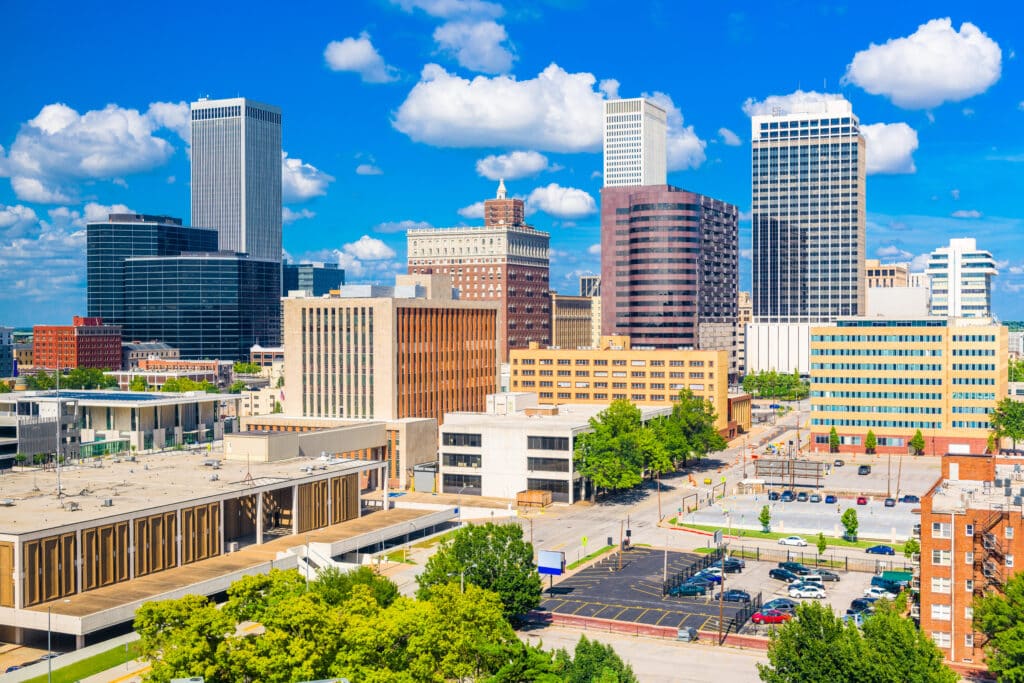
Tulsa, located in northeastern Oklahoma along the Arkansas River, is a city celebrated for its art deco architecture, cultural vitality, and connection to the oil industry. The city blends historic significance with modern urban amenities, creating a destination that balances heritage, creativity, and accessibility.
Neighborhoods such as the Tulsa Arts District feature galleries, theaters, restaurants, and music venues, emphasizing creativity and local engagement. Brookside and Cherry Street showcase boutique shops, cafes, and community events, while downtown Tulsa integrates government buildings, corporate offices, and entertainment options, providing a dynamic urban environment.
Cultural life thrives in Tulsa. The city hosts museums, performing arts centers, and music venues that celebrate both historical and contemporary creativity. Annual festivals, such as Mayfest, highlight arts, food, and community participation, reflecting the city’s commitment to cultural vibrancy. Culinary offerings emphasize regional flavors and international cuisine, blending tradition with modern innovation.
Outdoor spaces enhance Tulsa’s livability. The Arkansas River, riverside trails, and parks provide walking, cycling, and recreational opportunities, while nearby nature reserves and green spaces offer scenic landscapes for exploration and leisure. These areas promote a strong connection between urban life and the environment.
Tulsa’s appeal comes from its integration of history, culture, and natural surroundings. Visitors can explore historic architecture, participate in cultural events, and enjoy outdoor activities, all within a welcoming and dynamic urban setting. Its combination of art, heritage, and approachable neighborhoods makes Tulsa a distinctive and memorable destination in the American Midwest.
23. Anchorage, Alaska
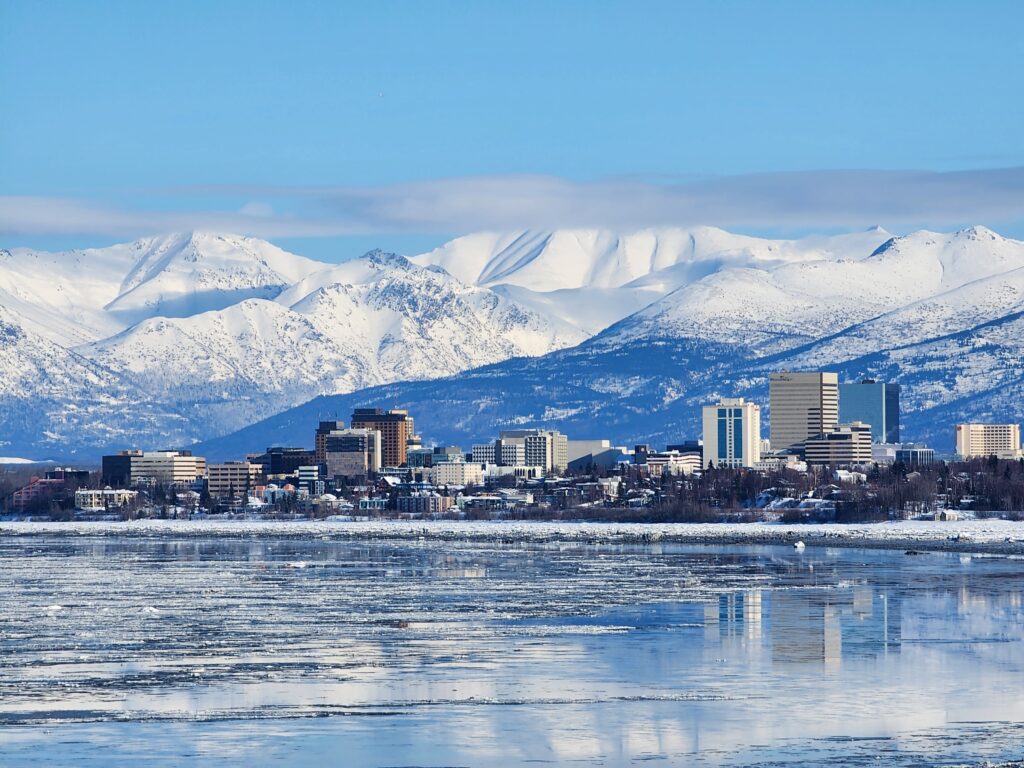
Anchorage, Alaska’s largest city, is a gateway to some of the state’s most breathtaking natural landscapes. Nestled between the Chugach Mountains and Cook Inlet, it combines urban convenience with extraordinary access to wilderness, wildlife, and outdoor adventure.
The city’s neighborhoods offer a variety of experiences. Downtown Anchorage serves as the cultural and commercial hub, with restaurants, shops, theaters, and museums. Areas such as Spenard and Turnagain feature residential charm, local businesses, and scenic trails, while midtown Anchorage provides convenient access to parks, schools, and recreational facilities. Each neighborhood blends urban living with proximity to nature, creating a distinctive sense of place.
Cultural life thrives despite the city’s remote location. Museums, art galleries, and performance venues showcase Indigenous, Russian, and Alaskan heritage alongside contemporary creativity. Annual events, including music festivals, winter celebrations, and cultural gatherings, highlight the city’s community spirit and diversity. Culinary offerings emphasize seafood, locally sourced ingredients, and fusion cuisine, reflecting Alaska’s rich culinary identity.
Anchorage is unparalleled in its access to natural surroundings. The Chugach Mountains, Tony Knowles Coastal Trail, and nearby glaciers provide hiking, skiing, wildlife viewing, and panoramic scenery. Winter sports, fishing, and kayaking offer year-round engagement with the environment, while opportunities to see moose, eagles, and marine life underscore Alaska’s unique ecosystem.
Anchorage’s appeal lies in its balance of urban amenities, cultural vibrancy, and outdoor adventure. Visitors can explore city streets, enjoy creative events, and immediately step into vast wilderness landscapes. Its combination of scenic beauty, approachable urban life, and cultural richness makes Anchorage a distinctive and unforgettable destination in the American North.
22. Honolulu, Hawaii

Honolulu, located on the island of Oahu, is Hawaii’s capital and a tropical urban paradise. Known for its stunning beaches, volcanic landscapes, and rich Polynesian culture, the city blends vibrant urban life with natural beauty, creating a globally recognized destination.
Neighborhoods such as Waikiki feature iconic beaches, hotels, shops, and entertainment venues, while downtown Honolulu integrates government offices, cultural institutions, and historic landmarks. Residential areas like Manoa and Kaimuki showcase lush landscapes, local businesses, and a slower-paced, community-oriented atmosphere. Each area contributes to Honolulu’s diverse urban character.
Cultural life thrives through museums, theaters, music, and festivals that celebrate Polynesian traditions alongside contemporary arts. Local markets, hula performances, and culinary experiences highlight Hawaii’s unique identity, emphasizing seafood, tropical fruits, and traditional Hawaiian dishes infused with modern flair. Festivals such as the Aloha Festival and Honolulu Festival provide immersive cultural experiences, attracting visitors from around the world.
Honolulu’s natural environment is a central part of its appeal. Waikiki Beach, Diamond Head, and nearby hiking trails offer opportunities for surfing, swimming, hiking, and scenic exploration. Lush tropical gardens, volcanic craters, and ocean vistas create a dramatic and memorable backdrop for urban life, blending relaxation with adventure.
Honolulu’s charm lies in its combination of city amenities, cultural richness, and natural beauty. Visitors can explore vibrant neighborhoods, engage with Polynesian traditions, and enjoy world-class beaches and landscapes, all within a single destination. Its integration of urban convenience and tropical paradise makes Honolulu a truly exceptional and unforgettable American city.
21. San Diego, California
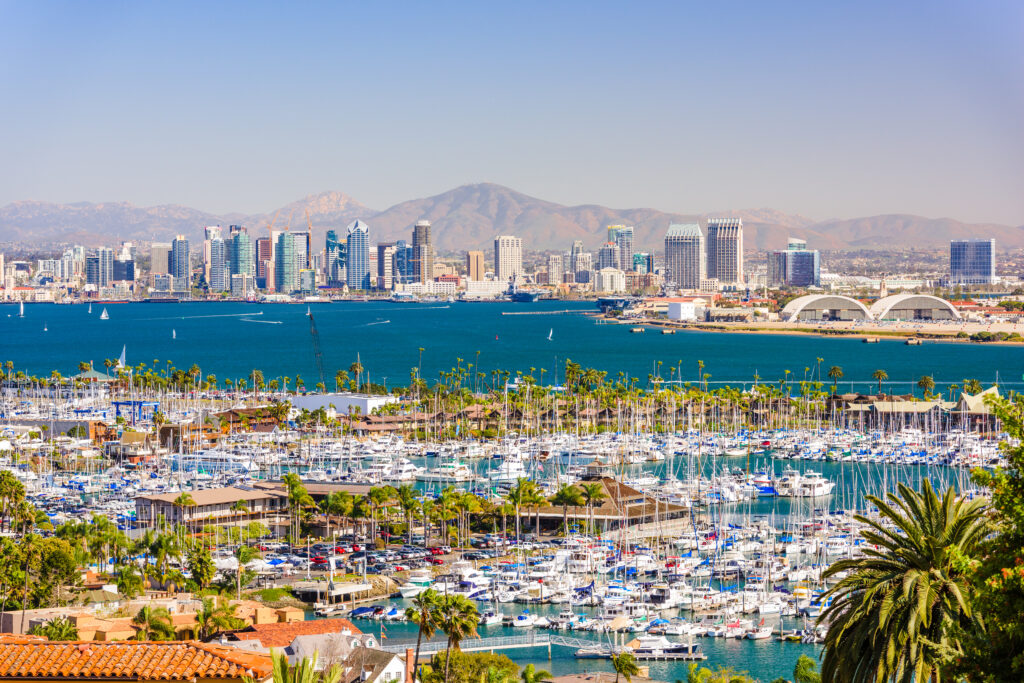
San Diego, located on the southern coast of California near the Mexican border, is a city celebrated for its idyllic climate, scenic beaches, and cultural vibrancy. Known for its relaxed lifestyle, outdoor recreation, and family-friendly attractions, San Diego embodies the classic Southern California experience.
The city’s neighborhoods each offer distinct experiences. Downtown’s Gaslamp Quarter is known for nightlife, restaurants, and historic architecture, while La Jolla features luxurious coastal homes, boutique shops, and stunning cliffs. Mission Beach and Pacific Beach are hubs for surfing, sunbathing, and beachfront activities, while Old Town preserves the city’s Spanish and Mexican heritage through historic buildings, plazas, and markets. Each area contributes to San Diego’s diverse urban and coastal character.
Cultural life thrives across the city. Balboa Park is a central destination, featuring museums, theaters, gardens, and the world-famous San Diego Zoo. Annual festivals, concerts, and cultural events highlight local arts, music, and culinary traditions. The city’s food scene blends seafood, Mexican cuisine, and modern Californian innovations, creating a distinctive culinary identity.
Outdoor recreation is central to San Diego’s lifestyle. Its beaches, bays, and coastal trails provide opportunities for surfing, kayaking, paddleboarding, and hiking. Nearby Torrey Pines State Natural Reserve and Cabrillo National Monument offer scenic views, wildlife, and walking trails, emphasizing the city’s connection to nature.
San Diego’s appeal lies in the integration of urban amenities, cultural richness, and natural beauty. Visitors can explore historic neighborhoods, enjoy vibrant arts and dining, and immerse themselves in coastal landscapes, all within a city that balances energy with relaxation. Its combination of beaches, cultural landmarks, and approachable lifestyle makes San Diego a memorable and quintessential Southern California destination.
20. Everglades National Park, Florida
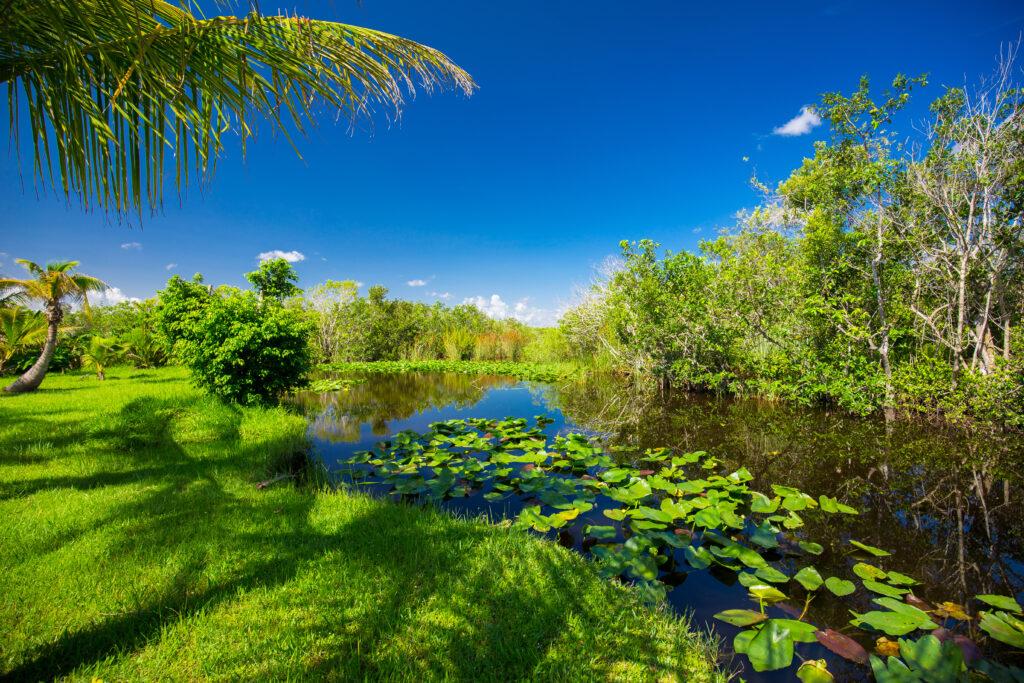
Everglades National Park, located in southern Florida, is a unique ecosystem known for its wetlands, mangroves, and abundant wildlife. Recognized as a UNESCO World Heritage Site, it is one of the most biologically diverse regions in the United States, offering visitors an unparalleled opportunity to experience subtropical landscapes and aquatic environments.
The park’s vast wetlands are home to numerous species, including alligators, manatees, crocodiles, and over 350 bird species. Visitors can explore sawgrass marshes, mangrove forests, and slow-moving rivers through guided airboat tours, kayaking, canoeing, or walking trails, experiencing firsthand the dynamic interplay of land and water that defines the Everglades.
Everglades National Park is divided into several areas, each offering unique landscapes and activities. Shark Valley provides observation towers and cycling trails, offering panoramic views of the wetlands. Flamingo, located at the southern tip, provides boating, wildlife viewing, and ranger-led programs. Big Cypress Preserve features cypress swamps, hiking trails, and opportunities to spot rare flora and fauna.
The park is also a hub for ecological education and conservation. Visitors can learn about habitat preservation, endangered species, and the importance of protecting wetlands through interpretive centers, guided programs, and informational exhibits. Seasonal variations, including wet and dry periods, dramatically alter the landscape, creating diverse experiences throughout the year.
Everglades National Park’s appeal lies in its combination of unique wildlife, immersive landscapes, and outdoor adventure. Visitors can navigate waterways, observe rare species, and explore trails that highlight the subtropical ecosystem. Its distinctive environment, ecological significance, and natural beauty make the Everglades a must-visit destination for nature enthusiasts and travelers seeking authentic American wilderness experiences.
19. Florida Keys, Florida

The Florida Keys are a chain of tropical islands stretching southwest from the southern tip of Florida, renowned for their coral reefs, turquoise waters, and relaxed island lifestyle. Connected by the scenic Overseas Highway, the Keys offer a unique blend of natural beauty, marine adventure, and cultural charm.
Each island has its own personality. Key Largo, the northernmost Key, is known for snorkeling, diving, and the John Pennekamp Coral Reef State Park. Islamorada, often called the “Sportfishing Capital of the World,” offers fishing, boating, and art galleries. Marathon provides family-friendly beaches and wildlife encounters, while Key West, the southernmost point, features historic streets, vibrant nightlife, and rich cultural heritage.
The Florida Keys are famous for their marine and outdoor recreation. Activities include snorkeling and scuba diving on coral reefs, kayaking through mangroves, boating, and paddleboarding. Wildlife enthusiasts can spot manatees, dolphins, sea turtles, and exotic birds while exploring the islands’ unique ecosystems.
Cultural and historic attractions complement the natural scenery. Museums, historic homes, and art galleries highlight the islands’ maritime history, Caribbean influences, and literary heritage. Local cuisine emphasizes seafood, tropical fruits, and Caribbean-inspired dishes, offering fresh flavors that reflect the region’s identity. Festivals and music events celebrate local traditions and foster community engagement.
The Keys’ appeal lies in their combination of relaxation, adventure, and scenic beauty. Visitors can drive across the islands, dive into coral reefs, explore historic towns, and enjoy sunsets over the Atlantic and Gulf waters. This tropical archipelago, with its unique culture and natural wonders, represents a quintessential Florida destination, offering unforgettable experiences for both relaxation and exploration.
18. Death Valley National Park, California/Nevada

Death Valley National Park, spanning eastern California and western Nevada, is one of the most extreme and visually striking landscapes in the United States. Known for its scorching temperatures, expansive deserts, and dramatic geologic formations, it offers a unique wilderness experience unlike any other.
The park’s diverse landscapes range from salt flats and sand dunes to canyons and rugged mountain ranges. Badwater Basin, the lowest point in North America, features vast salt flats and surreal panoramas, while Mesquite Flat Sand Dunes and the colorful Artist’s Palette showcase iconic desert scenery. Telescope Peak and Dante’s View provide panoramic vistas, highlighting the park’s immense scale and natural beauty.
Wildlife thrives in this harsh environment. Desert bighorn sheep, coyotes, lizards, and rare bird species navigate the arid terrain, while plant life such as creosote bushes, cacti, and wildflowers adapt to extreme conditions. Seasonal changes bring subtle shifts in color and texture, offering photographers and hikers ever-changing scenery.
Visitors can explore Death Valley via scenic drives, hiking trails, and guided tours. Activities include stargazing under some of the darkest skies in the U.S., off-road exploration, and learning about the park’s rich mining history and Native American heritage. Furnace Creek serves as a central hub, offering visitor centers, lodging, and educational exhibits.
Death Valley’s appeal lies in its dramatic landscapes, extreme climate, and unique ecosystems. Visitors experience both the harshness and beauty of the desert, encountering vast open spaces, colorful geology, and extraordinary natural phenomena. Its combination of adventure, solitude, and awe-inspiring scenery makes Death Valley National Park an unforgettable destination for explorers seeking one of America’s most extraordinary natural wonders.
17. Zion National Park, Utah
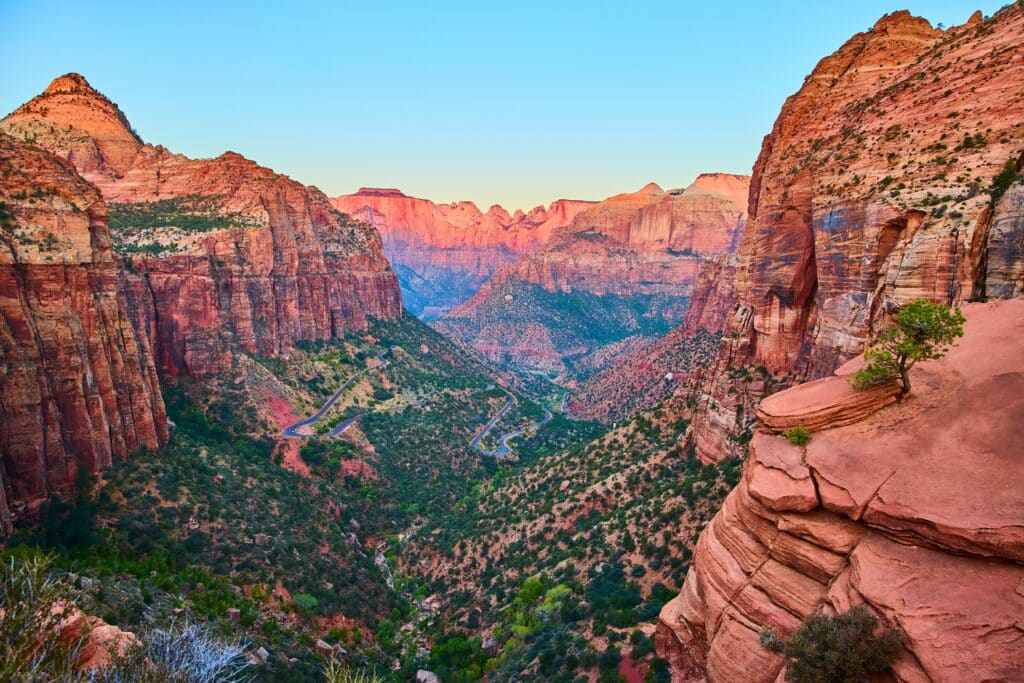
Zion National Park, located in southwestern Utah, is renowned for its towering sandstone cliffs, narrow canyons, and vibrant desert landscapes. One of America’s most popular national parks, Zion offers extraordinary hiking, climbing, and wildlife viewing experiences that immerse visitors in the natural beauty of the Colorado Plateau.
The park features dramatic geological formations, including the iconic Angels Landing, The Narrows, and Observation Point. Trails vary from easy scenic walks along the Virgin River to challenging climbs and slot canyon adventures. The park’s vibrant red, orange, and cream-colored cliffs create striking photographic opportunities and unforgettable vistas.
Wildlife thrives throughout Zion’s varied habitats. Desert bighorn sheep, mule deer, golden eagles, and numerous bird species inhabit the park’s canyons and mesas. Native plants, including cottonwoods, cacti, and desert wildflowers, contribute to the park’s diverse and resilient ecosystem.
Zion’s visitor centers provide educational exhibits, ranger-led programs, and maps to explore the park safely. Camping, guided hikes, and shuttle services enhance accessibility while encouraging responsible interaction with the natural environment. Seasonal changes, from spring wildflowers to autumn foliage, create new opportunities for exploration year-round.
The park’s appeal lies in its combination of dramatic landscapes, diverse wildlife, and immersive outdoor activities. Visitors can hike, climb, or simply marvel at the sandstone cliffs and canyons carved over millennia. Zion National Park offers a quintessential experience of the American Southwest’s natural grandeur, inspiring adventure and reverence for the wilderness.
16. Sequoia & Kings Canyon National Parks, California

Sequoia and Kings Canyon National Parks, located in the southern Sierra Nevada of California, are famous for their towering giant sequoia trees, deep canyons, and rugged mountain landscapes. Together, these adjacent parks preserve some of the largest trees on Earth and a wealth of natural wonders.
Giant sequoias, including the renowned General Sherman Tree, dominate the parks’ forests. Visitors can walk among these colossal trees, marveling at their immense height and age. Scenic drives, hiking trails, and ranger-led programs allow exploration of groves, waterfalls, and serene meadows.
The parks’ diverse terrain includes the deep canyons of Kings Canyon, alpine lakes, and rugged peaks of the Sierra Nevada. Trails range from easy walks through sequoia groves to challenging multi-day hikes, providing experiences for all levels of adventurers. Wildlife is abundant, with black bears, mule deer, bobcats, and numerous bird species inhabiting forested and alpine areas.
Cultural history enriches the parks. Evidence of Native American habitation, early settlers, and conservation efforts are visible throughout, while visitor centers provide educational exhibits, maps, and guided programs to enhance understanding of the ecosystem. Seasonal changes bring snow in winter, wildflowers in spring, and brilliant autumn colors, offering varied experiences year-round.
Sequoia and Kings Canyon National Parks’ appeal lies in the combination of ancient forests, dramatic mountain landscapes, and abundant wildlife. Visitors can explore majestic trees, hike scenic trails, and experience wilderness immersion. Together, these parks provide a quintessential encounter with America’s natural grandeur and the enduring power of nature.
15. Monument Rocks, Kansas
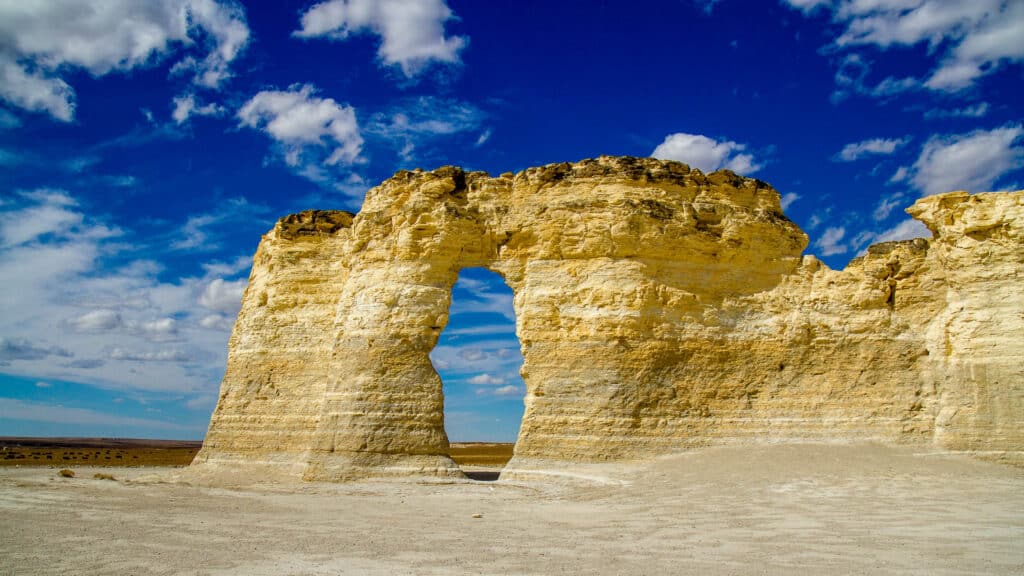
Monument Rocks, also known as the Chalk Pyramids, are striking natural formations located in western Kansas. These unique limestone buttes rise dramatically from the flat prairie, creating one of the most photogenic and iconic landscapes in the central United States.
Formed during the Cretaceous period, the formations date back roughly 80 million years and provide insight into the region’s prehistoric past. Visitors are often awed by the towering spires, arches, and pinnacles, which create dramatic silhouettes against sunrise and sunset skies. Fossils of marine creatures are occasionally found, reflecting the area’s ancient inland sea.
The site is accessible via rural roads and offers walking paths to explore the formations up close. Photographers, hikers, and nature enthusiasts often visit to capture the unusual shapes, the interplay of light and shadow, and the surrounding prairie scenery. The vast open landscapes emphasize solitude and the scale of the formations, creating a memorable experience in the heart of the Midwest.
Monument Rocks’ appeal lies in their geological significance, natural beauty, and remote charm. Unlike many national parks, the site is relatively undeveloped, allowing visitors to experience raw and untouched landscapes. The chalk formations, coupled with the expansive Kansas prairie, create a dramatic and awe-inspiring destination that highlights America’s diverse natural heritage.
14. Yosemite National Park, California
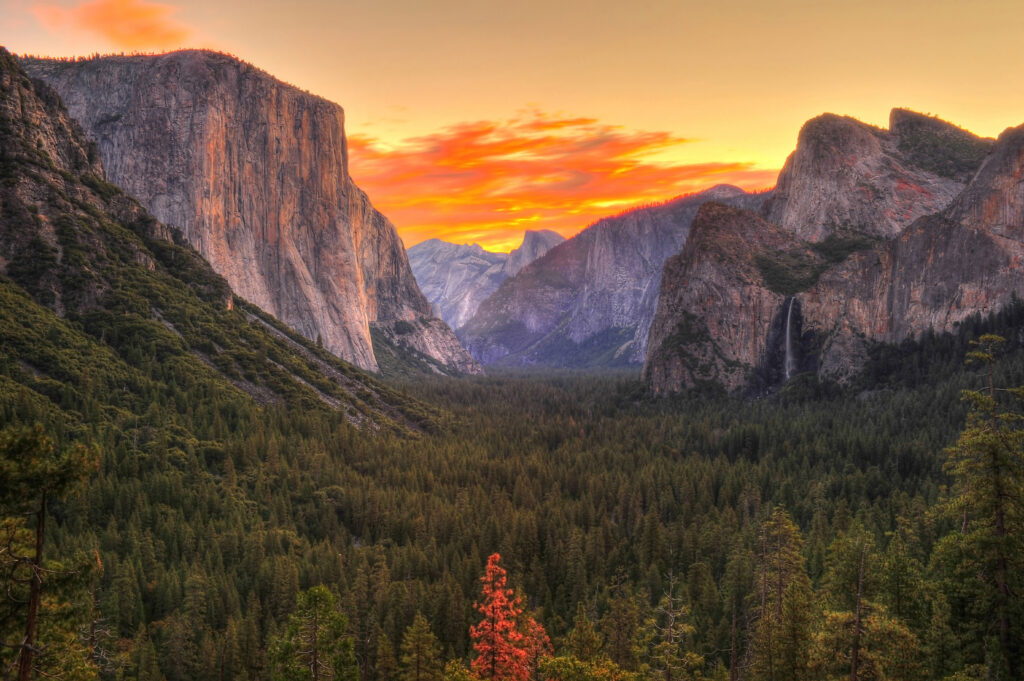
Yosemite National Park, located in California’s Sierra Nevada, is one of the most iconic national parks in the United States. Renowned for its towering granite cliffs, waterfalls, giant sequoias, and lush valleys, Yosemite offers unparalleled natural beauty and outdoor adventure.
The park’s landscape is defined by striking geological formations. El Capitan and Half Dome dominate the skyline, attracting climbers and photographers from around the world. Yosemite Valley provides scenic meadows, rivers, and waterfalls, including Yosemite Falls and Bridalveil Fall, which create breathtaking views year-round.
Hiking, rock climbing, and nature walks allow visitors to immerse themselves in Yosemite’s diverse ecosystems. Trails range from easy walks to strenuous multi-day hikes, offering access to high alpine meadows, glacially carved valleys, and ancient forests. Wildlife is abundant, with black bears, mule deer, bobcats, and numerous bird species inhabiting the park’s forests and meadows.
The park’s history is equally compelling. Native American heritage, early explorers, and conservation efforts, led by figures like John Muir, have shaped Yosemite into a protected sanctuary. Visitor centers provide educational exhibits, guided tours, and maps to enhance understanding of the park’s natural and cultural significance.
Yosemite’s appeal lies in its combination of dramatic landscapes, recreational opportunities, and ecological diversity. Visitors can explore towering cliffs, walk through giant sequoia groves, and experience the serenity of alpine lakes and rivers. Its stunning scenery, abundant wildlife, and outdoor activities make Yosemite National Park a must-visit destination for nature lovers and adventurers seeking the essence of the American wilderness.
13. Bryce Canyon National Park, Utah
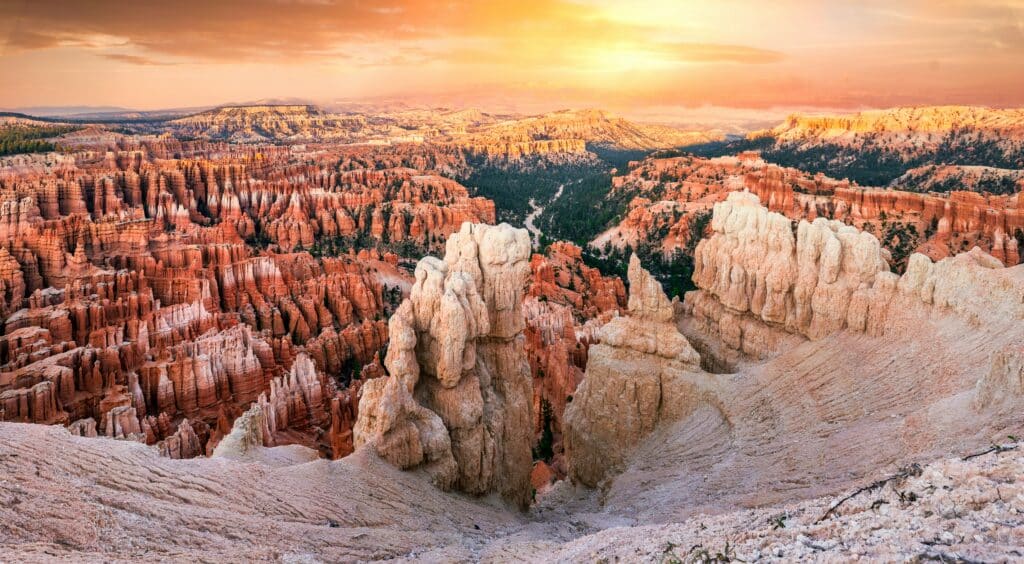
Bryce Canyon National Park, located in southern Utah, is famous for its otherworldly hoodoos—tall, thin spires of rock formed by erosion. The park’s vibrant red, orange, and cream-colored formations create a surreal and photogenic landscape unlike any other in the American Southwest.
The park’s main attractions are found along the rim and in the amphitheaters. Trails such as Navajo Loop, Queen’s Garden, and Peek-a-Boo Loop provide close-up encounters with hoodoos and slot canyons. Sunrise and Sunset Points offer panoramic views, showcasing the intricate colors and shapes that make Bryce Canyon visually stunning.
Wildlife is abundant, with mule deer, pronghorn, and various bird species inhabiting the park. Native plants, including pinyon pine, juniper, and desert wildflowers, add contrast and life to the rocky terrain. Seasonal changes bring distinct visual transformations, with winter snow enhancing the hoodoos’ dramatic silhouettes.
Bryce Canyon emphasizes both adventure and education. Visitor centers provide interpretive programs, geology exhibits, and ranger-led hikes to help visitors understand the park’s unique formation processes and natural history. Camping and backcountry exploration are available for more immersive experiences.
The park’s appeal lies in its unique geology, vibrant colors, and panoramic vistas. Visitors can hike among hoodoos, photograph dramatic landscapes, and experience the quiet beauty of high desert plateaus. Bryce Canyon National Park offers a striking and unforgettable journey into one of America’s most extraordinary natural environments.
12. Glacier National Park, Montana
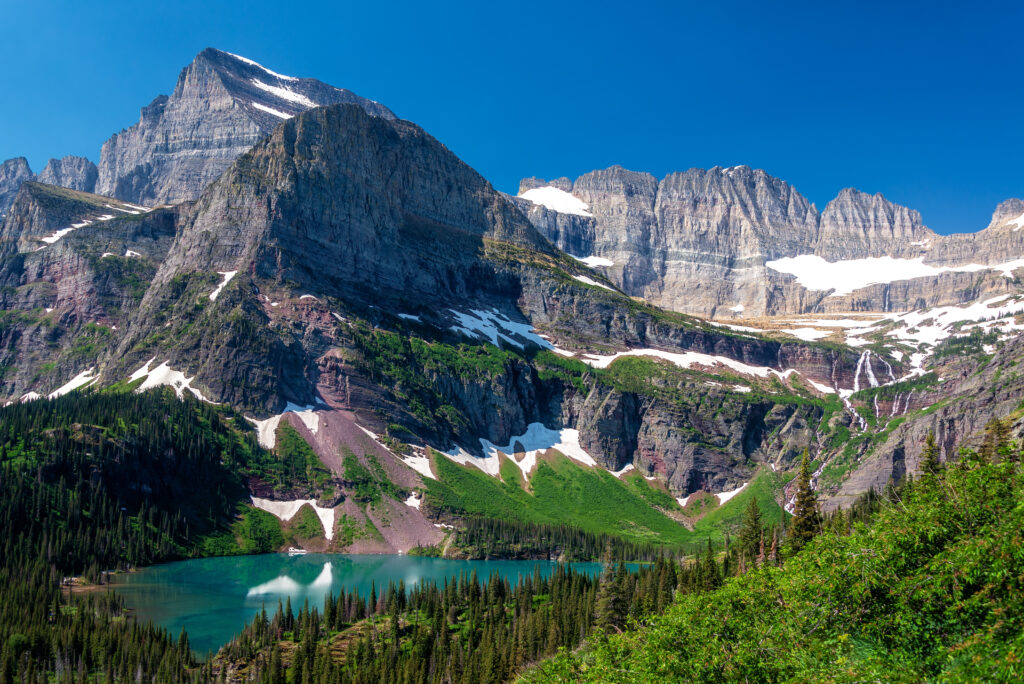
Glacier National Park, located in Montana along the U.S.-Canada border, is celebrated for its alpine landscapes, pristine lakes, and diverse wildlife. Known as the “Crown of the Continent,” the park encompasses over a million acres of mountains, valleys, and glaciers, offering some of the most dramatic scenery in the United States.
The park features over 700 miles of trails, ranging from easy walks to challenging backcountry routes. Iconic drives, such as the Going-to-the-Sun Road, provide breathtaking views of jagged peaks, glacial valleys, and turquoise lakes. Hidden Lake, St. Mary Lake, and Lake McDonald are popular destinations for scenic exploration and photography.
Wildlife thrives in Glacier National Park. Grizzly bears, mountain goats, elk, moose, and numerous bird species inhabit the park’s diverse ecosystems. Alpine meadows, forests, and tundra support a variety of plant life, including wildflowers, evergreens, and rare alpine species. Seasonal changes dramatically alter the landscape, with snow-capped peaks in winter and colorful blooms in summer.
Visitors can engage in hiking, boating, wildlife watching, and photography. Ranger-led programs and visitor centers provide information on the park’s glacial history, geology, and conservation efforts, enhancing the understanding of this unique wilderness. Camping and lodges offer immersive experiences for those seeking extended exploration.
Glacier National Park’s appeal lies in its combination of rugged mountains, serene lakes, and abundant wildlife. Visitors can hike dramatic trails, photograph alpine vistas, and connect with pristine natural landscapes. Its exceptional scenery, ecological diversity, and outdoor adventure opportunities make Glacier National Park an iconic and unforgettable American wilderness destination.
11. Mammoth Cave National Park, Kentucky
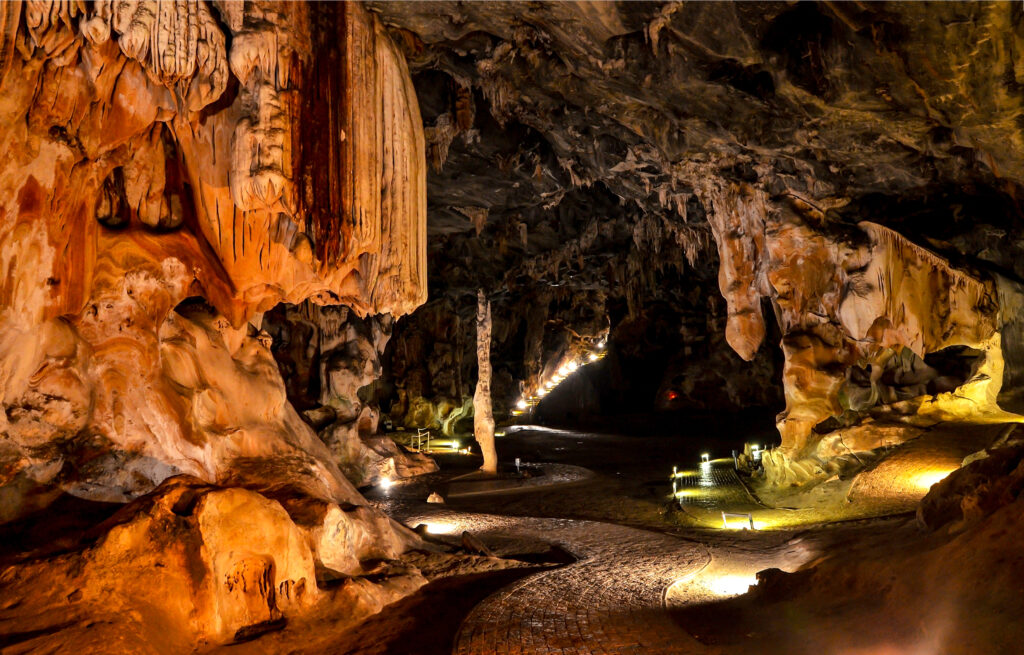
Mammoth Cave National Park, located in central Kentucky, is home to the world’s longest known cave system, with over 400 miles of explored passageways. This UNESCO World Heritage Site offers unique underground landscapes, geological wonders, and extensive opportunities for exploration.
The park features diverse cave formations, including stalactites, stalagmites, and flowstone, creating otherworldly subterranean scenery. Guided tours allow visitors to navigate passageways of varying difficulty, from easy walks to adventurous spelunking experiences, revealing the complexity and scale of the cave system.
Above ground, the park encompasses forests, rivers, and rolling hills. Hiking trails, biking paths, and picnic areas provide opportunities for recreation and nature observation. Wildlife, including white-tailed deer, wild turkey, and various bird species, inhabits the surface environments, complementing the underground adventure.
Mammoth Cave has a rich human history. Indigenous peoples explored the caves long before European settlers arrived, and later mining and exploration activities contributed to scientific and cultural understanding. Visitor centers provide interpretive exhibits, maps, and educational programs highlighting geology, history, and ecology.
The park’s appeal lies in its combination of subterranean exploration, surface recreation, and historical significance. Visitors can journey through massive underground chambers, hike forested trails, and engage with educational programs. Mammoth Cave National Park offers a truly unique American adventure, blending natural wonder, scientific discovery, and outdoor enjoyment into an unforgettable experience.
10. Acadia National Park, Maine
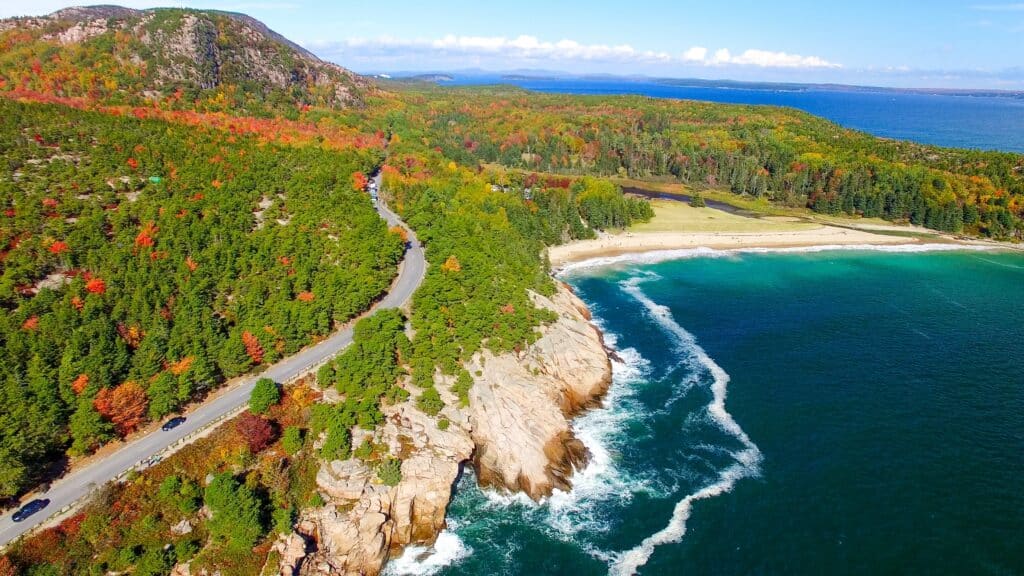
Acadia National Park, located along the rugged coast of Maine, is a spectacular blend of mountains, forests, and Atlantic shoreline. As one of the most visited parks in the northeastern United States, it offers breathtaking vistas, scenic drives, and a diverse range of outdoor activities throughout the year.
The park’s landscapes include Cadillac Mountain, the highest point on the U.S. East Coast, providing panoramic sunrise views over the Atlantic. Carriage roads, built by John D. Rockefeller Jr., weave through forests and lakes, offering walking, cycling, and horseback riding opportunities. Coastal cliffs, rocky beaches, and tide pools along the Park Loop Road showcase the region’s dramatic maritime scenery.
Wildlife is abundant in Acadia. White-tailed deer, red foxes, peregrine falcons, and various seabirds inhabit the park’s diverse ecosystems. The surrounding waters are home to seals, porpoises, and occasional whales, offering opportunities for wildlife observation and photography. Seasonal changes create striking landscapes, from vibrant fall foliage to snow-covered trails in winter.
Visitors can hike, bike, kayak, or simply relax amid the park’s natural beauty. Ranger-led programs provide insights into Acadia’s geology, ecology, and cultural history, including Native American presence and early European settlements. Sunrise and sunset are particularly popular times to experience the park’s dramatic coastal vistas.
Acadia National Park’s appeal lies in its combination of mountains, shoreline, and outdoor adventure. Visitors can explore rocky coastlines, climb peaks, cycle historic carriage paths, and enjoy the rich wildlife and seasonal changes. Its balance of natural beauty, accessibility, and recreational opportunities makes Acadia a must-visit destination for nature lovers and outdoor enthusiasts in the northeastern United States.
9. Atchafalaya Basin, Louisiana

The Atchafalaya Basin, located in south-central Louisiana, is the largest wetland and swamp in the United States. This expansive ecosystem stretches over 1.4 million acres, offering an unparalleled glimpse into southern wildlife, cypress-tupelo forests, and waterways teeming with biodiversity.
The basin is a network of rivers, bayous, and lakes, dominated by cypress trees draped with Spanish moss. Visitors can explore the area by boat, kayak, or guided swamp tours, experiencing the winding channels, floating vegetation, and reflections of towering trees in the water. Seasonal flooding transforms the landscape, creating dynamic vistas and supporting rich habitats for numerous species.
Wildlife thrives in the Atchafalaya Basin. Alligators, herons, egrets, turtles, and black bears inhabit the wetlands, while fish and crustaceans flourish in the nutrient-rich waters. Birdwatchers can spot migratory species during seasonal movements, making the basin a hotspot for nature enthusiasts and photographers.
The region also holds cultural significance. Cajun and Creole communities have lived along its waterways for centuries, maintaining traditions of fishing, boating, and cuisine. Local tours often include insights into this heritage, highlighting the interplay between people and nature in this unique ecosystem.
The Atchafalaya Basin’s appeal lies in its combination of natural beauty, biodiversity, and cultural richness. Visitors can navigate bayous, observe wildlife, and experience one of the largest and most unique wetland ecosystems in North America. Its tranquil waterways, towering cypress trees, and vibrant wildlife make the Atchafalaya Basin an unforgettable destination for adventure seekers and nature lovers alike.
8. Mount Rushmore, South Dakota
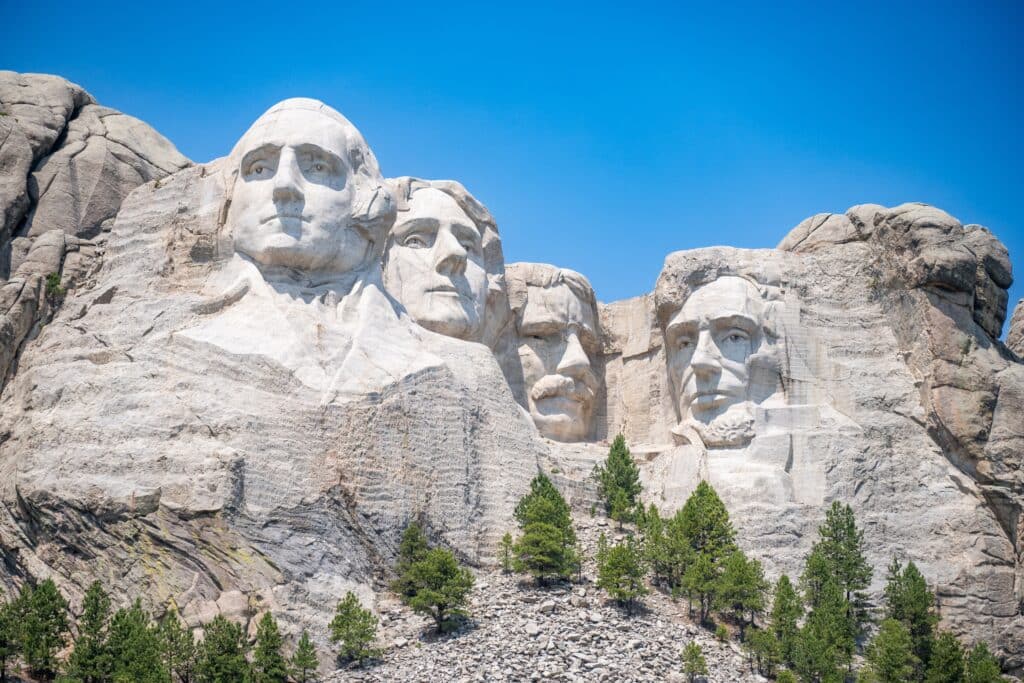
Mount Rushmore National Memorial, located in the Black Hills of South Dakota, is an iconic American landmark featuring the sculpted faces of Presidents George Washington, Thomas Jefferson, Theodore Roosevelt, and Abraham Lincoln. Carved into granite between 1927 and 1941, the monument celebrates U.S. history, leadership, and national ideals.
The memorial is set within the Black Hills’ scenic landscape, surrounded by pine forests, rocky ridges, and hiking trails. Visitors can explore the Presidential Trail for closer views of the granite sculptures, photograph the monument from viewpoints, and enjoy interpretive exhibits detailing the construction and symbolism of the carvings.
The site’s visitor center provides historical context, displays, and ranger-led programs. These programs highlight the artistic vision of sculptor Gutzon Borglum, the engineering challenges of carving granite, and the broader historical significance of the presidents chosen to represent the nation’s founding, expansion, preservation, and development.
Mount Rushmore also serves as a gateway to the Black Hills region, where outdoor recreation, hiking, and wildlife observation complement the monument. The surrounding area includes Custer State Park, the Crazy Horse Memorial, and scenic drives, offering visitors a broader exploration of South Dakota’s natural and cultural treasures.
The memorial’s appeal lies in its combination of artistry, history, and natural beauty. Visitors can marvel at the colossal sculptures, learn about U.S. history, and experience the surrounding Black Hills landscapes. Mount Rushmore stands as a symbol of American identity and achievement, making it a must-visit destination in the Midwest.
7. Lake Tahoe, California/Nevada
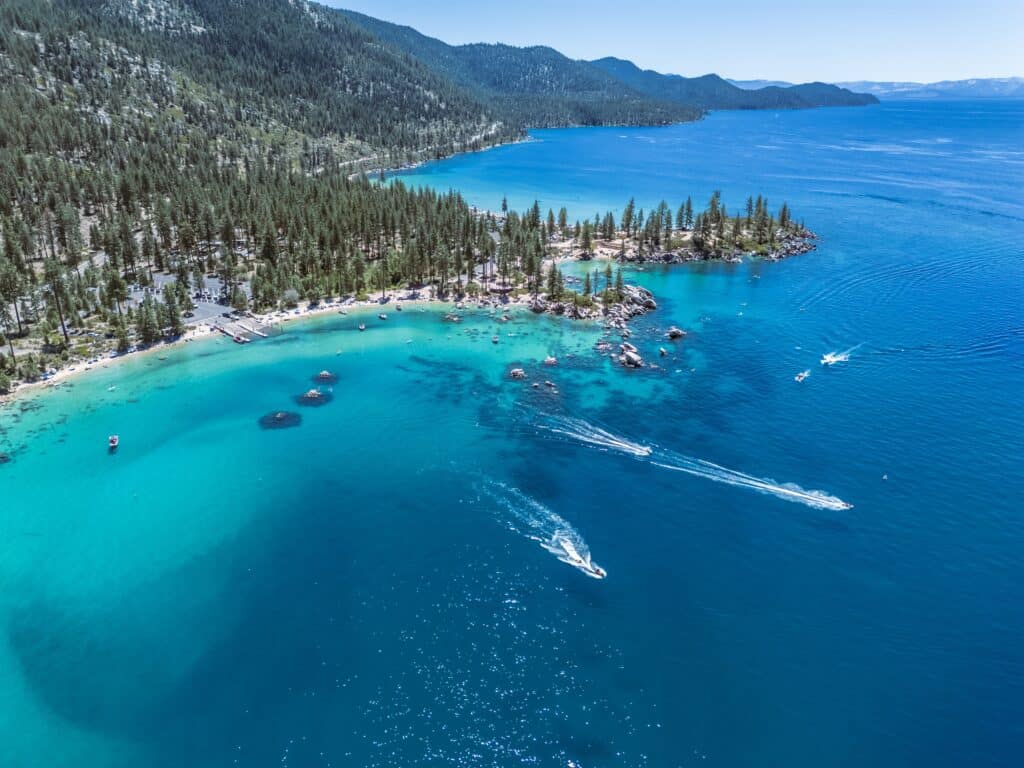
Lake Tahoe, located in the Sierra Nevada on the California-Nevada border, is a stunning alpine lake renowned for its clear blue waters, surrounding mountains, and recreational opportunities. It is one of the largest freshwater lakes in the U.S. and a year-round destination for nature enthusiasts and adventure seekers.
The lake is encircled by scenic towns such as South Lake Tahoe, Tahoe City, and Incline Village, which provide lodging, dining, and recreational services. Beaches, marinas, and lakeside parks offer swimming, boating, paddleboarding, and fishing during the summer months, while nearby mountains host skiing, snowboarding, and snowshoeing in winter.
Hiking trails, such as the Rubicon Trail and Mount Tallac, provide panoramic views of the lake and surrounding Sierra Nevada peaks. Wildlife is abundant, with black bears, eagles, deer, and coyotes inhabiting forested and alpine areas. Seasonal changes highlight the lake’s beauty, from vibrant wildflowers in spring to snow-capped peaks in winter.
Lake Tahoe also emphasizes environmental conservation. Visitor centers and programs educate the public on protecting water quality, preserving forests, and maintaining wildlife habitats. The lake’s clarity and pristine nature are a result of careful environmental stewardship, making it an exemplary natural destination.
The lake’s appeal lies in its combination of natural beauty, recreational diversity, and accessibility. Visitors can enjoy water sports, explore hiking trails, or simply relax along sandy shores with mountain vistas. Lake Tahoe’s turquoise waters, alpine landscapes, and outdoor adventure opportunities make it an unforgettable destination for all seasons.
6. Crater Lake National Park, Oregon
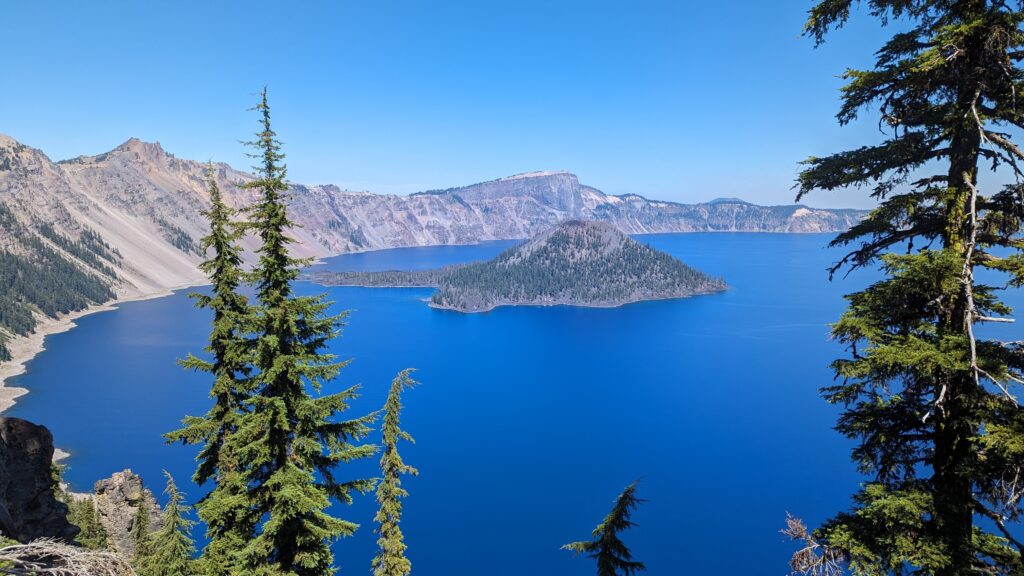
Crater Lake National Park, located in southern Oregon, is home to the deepest lake in the United States, renowned for its intense blue color and clarity. Formed over 7,700 years ago by the collapse of Mount Mazama, Crater Lake offers dramatic volcanic landscapes, serene waters, and pristine wilderness.
The lake is surrounded by steep caldera walls, with cliffs rising more than 2,000 feet above the water. Visitors can drive the Rim Drive for panoramic views, hike trails to viewpoints, or take boat tours to Wizard Island, a volcanic cinder cone within the lake. The lake’s deep waters and surrounding forests create a stunning contrast, ideal for photography and outdoor exploration.
Wildlife inhabits the surrounding forests and parklands, including black bears, deer, bald eagles, and numerous bird species. Seasonal snow transforms the park in winter, while summer brings wildflowers and open trails. Interpretive programs and visitor centers provide insights into the park’s geology, history, and ecology.
Crater Lake National Park’s appeal lies in its combination of dramatic volcanic landscapes, deep blue waters, and solitude. Visitors can hike scenic trails, photograph the lake from elevated viewpoints, or simply enjoy the tranquility of this unique environment. Its exceptional natural beauty and geological significance make Crater Lake a must-visit destination in the Pacific Northwest.
5. Great Smoky Mountains National Park, Tennessee/North Carolina

Great Smoky Mountains National Park, straddling the Tennessee-North Carolina border, is the most visited national park in the U.S., famous for its mist-covered mountains, ancient forests, and diverse wildlife. The park protects over 500,000 acres of Appalachian mountain ecosystems, offering visitors a quintessential experience of eastern wilderness.
The park features rolling ridges, scenic valleys, waterfalls, and historic structures from early European settlers. Clingmans Dome, the highest point, offers panoramic views, while hiking trails such as Alum Cave, Laurel Falls, and Chimney Tops provide experiences ranging from easy walks to challenging treks. Seasonal changes create dramatic scenery, from vibrant fall foliage to spring wildflowers.
Wildlife is abundant, with black bears, elk, deer, salamanders, and over 200 species of birds inhabiting forests and meadows. The park’s old-growth forests and diverse plant life, including rhododendrons, hemlocks, and wildflowers, provide rich habitats and stunning visual appeal.
Visitors can engage in hiking, camping, fishing, and wildlife viewing. Historic cabins, ranger programs, and interpretive centers highlight the cultural heritage and natural history of the region, including Native American and early settler influences.
The park’s appeal lies in its combination of natural beauty, recreational diversity, and accessibility. Visitors can explore misty mountains, observe wildlife, and hike scenic trails in a temperate forest environment. Its lush landscapes, biodiversity, and outdoor adventure opportunities make Great Smoky Mountains National Park a top destination in the eastern United States.
4. Houston, Texas

Houston, Texas, is a sprawling metropolis known for its energy industry, cultural diversity, and vibrant arts scene. As the largest city in Texas, Houston offers a dynamic combination of modern urban living, historic neighborhoods, and abundant recreational and cultural amenities.
The city’s neighborhoods are diverse. Downtown features skyscrapers, theaters, and dining, while the Museum District offers cultural exploration with art, science, and history institutions. Montrose and The Heights provide eclectic shops, cafes, and historic architecture, creating a unique urban character.
Cultural life thrives in Houston. The city is home to world-class theaters, symphonies, galleries, and music venues. Annual festivals celebrate food, art, and music, reflecting the city’s multicultural identity. Culinary offerings are extensive, featuring Tex-Mex, barbecue, international cuisine, and farm-to-table options.
Outdoor spaces are abundant. Buffalo Bayou Park provides trails, kayaking, and green spaces, while Hermann Park offers gardens, a zoo, and recreational areas. The city’s proximity to the Gulf Coast also allows day trips to beaches and natural reserves.
Houston’s appeal lies in its integration of culture, commerce, and recreation. Visitors can explore museums, dine on diverse cuisine, enjoy outdoor activities, and engage with a vibrant urban environment. Its combination of modern amenities, arts, and southern hospitality makes Houston a compelling and accessible destination in the American South.
3. Orlando, Florida

Orlando, Florida, is world-famous for its theme parks, family-friendly attractions, and vibrant entertainment scene. Known as the “Theme Park Capital of the World,” Orlando combines tourism, cultural experiences, and recreational opportunities within a subtropical environment.
The city’s neighborhoods and districts cater to visitors and residents alike. International Drive features hotels, shopping, and entertainment venues, while Lake Eola and Winter Park provide parks, lakes, and boutique shopping experiences. Residential areas such as Dr. Phillips and Baldwin Park offer local charm, dining, and community spaces.
Orlando is home to globally renowned theme parks, including Walt Disney World, Universal Studios, and SeaWorld. Beyond theme parks, cultural institutions, performing arts, and live entertainment offer diverse activities for visitors of all ages. Annual events and festivals celebrate music, food, and arts.
Natural attractions include nearby lakes, parks, and the Everglades ecosystem, providing kayaking, hiking, and wildlife viewing opportunities. The city’s subtropical climate allows year-round outdoor recreation and tourism.
Orlando’s appeal lies in its combination of world-class entertainment, family-friendly attractions, and accessible amenities. Visitors can explore theme parks, enjoy cultural events, and experience outdoor recreation within a dynamic urban environment. Its unique mix of adventure, leisure, and hospitality makes Orlando one of the most visited and iconic destinations in the United States.
2. Memphis, Tennessee

Memphis, Tennessee, is a city celebrated for its musical heritage, southern culture, and historical significance. Situated on the Mississippi River, Memphis is widely known as the birthplace of blues and rock ’n’ roll, and as the home of Elvis Presley’s Graceland.
Downtown Memphis features Beale Street, famous for live music, vibrant nightlife, and historic venues. Midtown neighborhoods, such as Cooper-Young, offer eclectic shops, local dining, and arts spaces, while East Memphis provides residential charm and cultural amenities. Each area contributes to the city’s rich cultural landscape.
Memphis’ musical heritage thrives through the Blues Hall of Fame, Sun Studio, and Graceland, attracting visitors worldwide. Annual festivals, concerts, and events celebrate blues, soul, and rock music, reflecting the city’s deep connection to American musical traditions. Culinary offerings emphasize Southern cuisine, including barbecue, soul food, and farm-to-table innovations.
The Mississippi River and associated parks provide recreational opportunities, including walking trails, riverboat cruises, and scenic viewpoints. Historic neighborhoods and museums offer insight into the city’s civil rights history and cultural evolution.
Memphis’ appeal lies in its combination of music, culture, and southern charm. Visitors can explore historic sites, enjoy live performances, sample iconic cuisine, and experience the city’s vibrant spirit. Its rich heritage, dynamic arts scene, and approachable urban environment make Memphis a memorable destination in the American South.
1. Monument Valley, Arizona/Utah
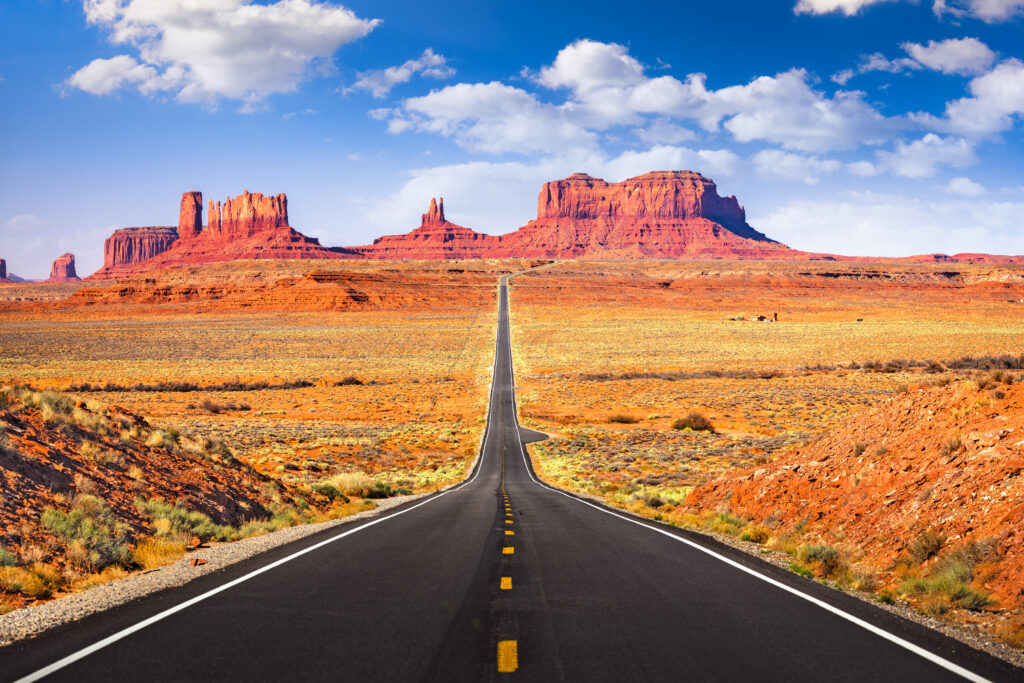
Monument Valley, straddling the Arizona-Utah border, is one of the most iconic landscapes in the American Southwest. Known for its towering sandstone buttes, vast desert plains, and cinematic vistas, it embodies the classic imagery of the Wild West and draws travelers, photographers, and filmmakers alike.
The valley is defined by its dramatic sandstone formations, including the East and West Mittens, Merrick Butte, and other striking mesas. Scenic drives and guided tours allow visitors to explore the valley floor, photograph the towering structures, and learn about the region’s geology and history. Sunrise and sunset provide especially memorable lighting, enhancing the vivid reds and oranges of the rock formations.
Monument Valley is also a cultural center for the Navajo Nation, who manage much of the land. Visitors can experience Navajo traditions, storytelling, and guided tours, gaining insight into the cultural heritage and historical significance of the region. Local crafts, foods, and artisan markets provide additional opportunities to engage with Navajo culture.
Wildlife, though sparse, includes desert-adapted species such as coyotes, jackrabbits, and various lizards. The vast open landscapes also allow for stargazing, with minimal light pollution offering clear night skies. Hiking, photography, and scenic drives are the primary ways to explore and appreciate this iconic desert environment.
Monument Valley’s appeal lies in its combination of natural grandeur, cultural richness, and cinematic landscapes. Visitors can witness dramatic sandstone formations, experience Navajo traditions, and connect with one of the most iconic desert vistas in North America. Its unique scenery and cultural significance make Monument Valley an unforgettable destination in the American Southwest.