
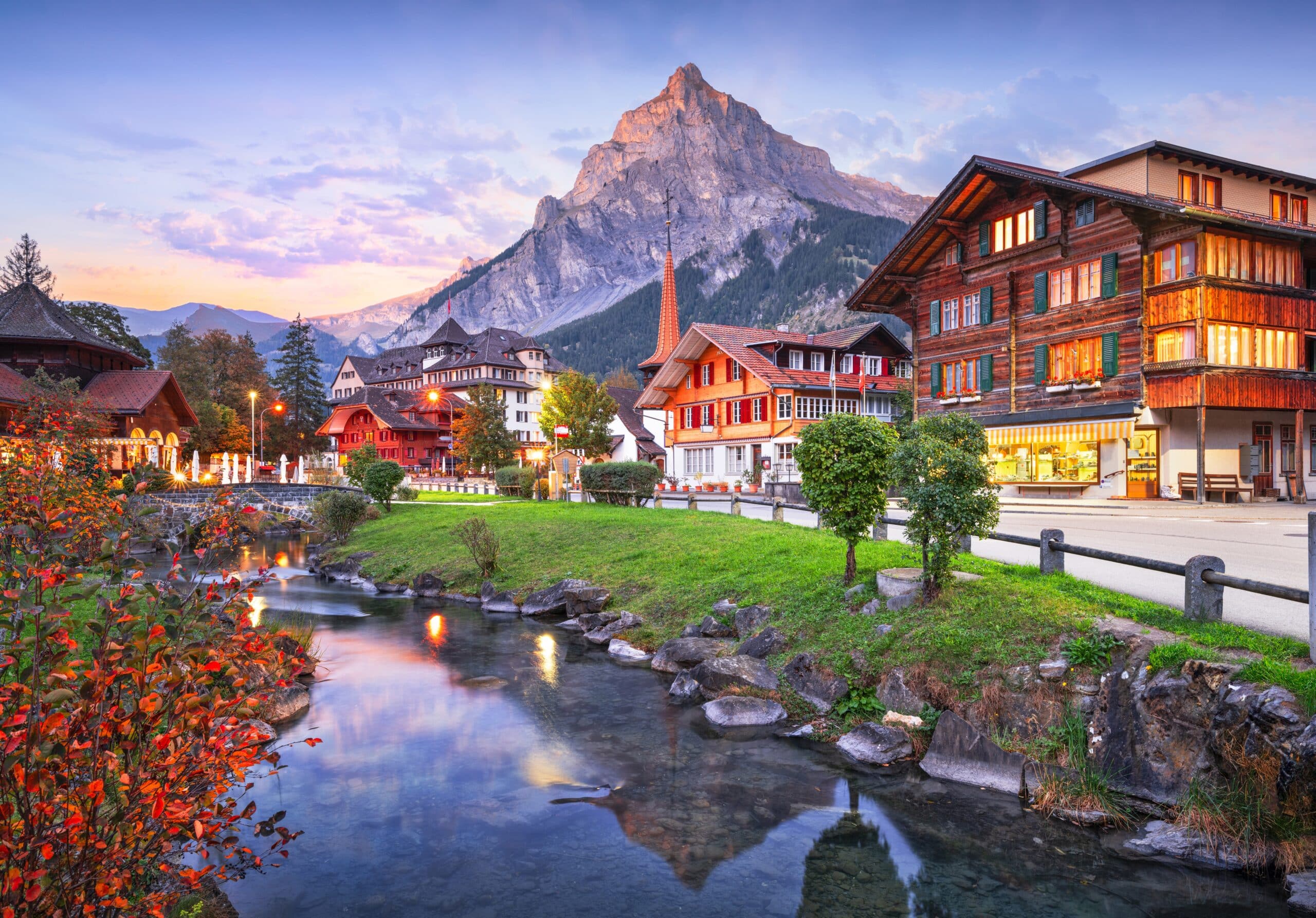
Switzerland is a country where dramatic alpine landscapes meet refined urban culture. Located in the heart of Europe, it is bordered by France, Germany, Italy, Austria, and Liechtenstein. Despite its modest size, Switzerland contains extraordinary geographic diversity, from snow-covered peaks and glacial valleys to serene lakes and cosmopolitan cities.
The Swiss Alps dominate much of the country, shaping its identity and lifestyle. These mountains are not only natural wonders but also cultural icons, influencing architecture, cuisine, and traditions. Yet Switzerland is more than alpine scenery. Its cities are global centers of finance, diplomacy, and innovation, home to international organizations and world-class universities.
Switzerland is known for political neutrality, precision engineering, and high quality of life. Its multilingual society reflects four official languages: German, French, Italian, and Romansh. This cultural blend gives each region its own character while maintaining a cohesive national identity.
Efficient transport systems make it easy to move between vibrant cities and remote mountain villages within hours. Visitors can enjoy skiing, hiking, and mountaineering alongside museum visits, culinary exploration, and lakeside relaxation.
From medieval old towns and modern art institutions to panoramic train journeys and luxury resorts, Switzerland offers a harmonious balance between tradition and progress. It is a destination defined by natural beauty, meticulous organization, and understated elegance.
31. Zurich
Zurich is Switzerland’s largest city and a global financial hub, yet it retains a distinctly relaxed atmosphere shaped by lakeside living and historic charm. Situated along the shores of Lake Zurich and framed by distant Alpine peaks, the city combines economic influence with scenic appeal.
The Old Town, or Altstadt, features narrow medieval streets, guild houses, and prominent churches such as Grossmünster and Fraumünster. Their towers define the skyline and reflect Zurich’s historical importance during the Protestant Reformation. Cobblestone lanes lead to boutique shops, cafés, and art galleries.
Zurich is also a cultural center. The Kunsthaus Zürich houses an impressive collection of European art, while contemporary galleries and design studios contribute to a thriving creative scene. The city’s universities, including ETH Zurich, reinforce its reputation for academic excellence and innovation.
Lake Zurich plays a central role in daily life. Boat cruises, swimming areas, and waterfront promenades offer leisure opportunities throughout the year. In warmer months, locals gather at lakeside parks; in winter, nearby mountains provide quick access to skiing.
Despite its financial prominence, Zurich maintains a balanced pace. Efficient public transport, clean streets, and well-preserved architecture reflect Swiss precision and civic pride. The city seamlessly merges economic strength with natural beauty, offering visitors both sophistication and serenity.
30. Geneva
Geneva stands at the western edge of Switzerland along the shores of Lake Geneva. As a center of international diplomacy, it hosts numerous global organizations, earning its reputation as a city of peace and dialogue.
The Jet d’Eau, a towering fountain rising from the lake, serves as Geneva’s most recognizable landmark. The Old Town climbs above the waterfront, crowned by St. Pierre Cathedral, where visitors can climb the tower for panoramic views.
Geneva is home to the European headquarters of the United Nations and the International Red Cross Museum, reflecting its humanitarian legacy. Diplomats and professionals from around the world contribute to the city’s cosmopolitan atmosphere.
Beyond politics, Geneva offers refined cultural experiences. Luxury watch boutiques line elegant streets, and museums showcase everything from horology to fine art. Parks and gardens surround the lake, providing tranquil green spaces.
The nearby Alps and Jura Mountains create a dramatic natural backdrop. Outdoor enthusiasts can sail, hike, or ski within short distances of the city center.
Geneva combines global influence with scenic beauty, presenting a sophisticated and internationally oriented face of Switzerland.
29. Lucerne
Lucerne is often considered Switzerland’s most picturesque city. Nestled beside Lake Lucerne and surrounded by mountains, it embodies the classic Alpine landscape that defines the country’s image.
The Chapel Bridge, a covered wooden structure adorned with historic paintings, spans the Reuss River and serves as Lucerne’s iconic symbol. Nearby, the Water Tower adds to the medieval atmosphere of the Old Town.
Lucerne’s compact center features colorful frescoed buildings and lively squares. The Lion Monument, carved into sandstone, commemorates Swiss Guards who died during the French Revolution and remains a powerful national symbol.
Lake cruises depart regularly, offering views of steep mountains rising directly from the water. Mount Pilatus and Mount Rigi are easily accessible for panoramic excursions.
Lucerne balances tourism with authenticity. Traditional music festivals, lakeside promenades, and preserved architecture create a welcoming ambiance.
With its harmonious blend of history, scenery, and cultural pride, Lucerne captures the essence of Switzerland’s alpine charm.
28. Interlaken
Interlaken sits between Lake Thun and Lake Brienz, surrounded by towering Alpine peaks, making it one of Switzerland’s premier adventure destinations. Its name, meaning “between lakes,” reflects its unique geographical setting in the Bernese Oberland region.
The town serves as a gateway to the Jungfrau region, where dramatic landscapes define the skyline. Snow-capped mountains such as the Eiger, Mönch, and Jungfrau dominate the horizon, creating an awe-inspiring backdrop visible from nearly every corner of Interlaken. Cable cars and mountain railways transport visitors to high-altitude viewpoints, offering panoramic vistas of glaciers and valleys.
Interlaken is widely known for outdoor activities. Paragliding above emerald lakes, hiking along alpine trails, and skiing during winter months attract thrill-seekers year-round. The surrounding lakes provide opportunities for kayaking, paddleboarding, and scenic boat cruises.
Despite its reputation for adventure, Interlaken maintains a peaceful charm. Tree-lined promenades and flower-filled gardens soften its energetic atmosphere. Traditional Swiss chalets and grand historic hotels reflect the town’s 19th-century tourism heritage, when European aristocrats visited for fresh mountain air.
Local cuisine emphasizes hearty Alpine dishes, including cheese specialties and regional meats. Seasonal festivals and markets celebrate Swiss traditions and craftsmanship.
Interlaken offers a dynamic balance of adrenaline and tranquility. With its exceptional natural setting and access to iconic mountain landscapes, it stands as a central hub for experiencing the dramatic beauty of the Swiss Alps.
27. Bern
Bern, the capital of Switzerland, is distinguished by its remarkably preserved medieval center and political significance. Built on a peninsula formed by the Aare River, the city’s Old Town is recognized as a UNESCO World Heritage site for its architectural cohesion and historical integrity.
Arcaded walkways stretch for kilometers, providing sheltered shopping streets beneath sandstone buildings. These covered passages give Bern a distinctive rhythm and timeless character. The Zytglogge clock tower, with its animated mechanical figures, remains one of the city’s most beloved landmarks.
The Federal Palace houses Switzerland’s parliament and symbolizes the nation’s democratic governance. Nearby squares host weekly markets that bring color and local flavor to the historic core.
Bern is also closely associated with Albert Einstein, who developed parts of his theory of relativity while living in the city. His former residence now serves as a museum, reflecting Bern’s intellectual legacy.
The Aare River curves around the Old Town, offering scenic walking paths and popular swimming spots during warmer months. Rose gardens on elevated ground provide panoramic views over red-tiled rooftops and cathedral spires.
Calm yet culturally rich, Bern balances political importance with relaxed charm. Its medieval architecture, river scenery, and understated elegance make it one of Switzerland’s most captivating capitals.
26. Zermatt
Zermatt is synonymous with the iconic Matterhorn, one of the most recognizable peaks in the world. Located in southern Switzerland near the Italian border, the village sits at the foot of this dramatic pyramid-shaped mountain.
The Matterhorn’s sharp silhouette defines Zermatt’s identity and attracts mountaineers, photographers, and skiers from around the globe. Cable cars and cogwheel trains carry visitors to high-altitude viewing platforms where glaciers stretch across the horizon.
Zermatt is a car-free village, preserving clean mountain air and a tranquil atmosphere. Electric taxis and horse-drawn carriages move quietly along streets lined with wooden chalets. Many of these structures date back centuries, reflecting traditional Valais architecture.
Winter transforms Zermatt into a premier ski resort, offering extensive slopes and cross-border skiing into Italy. In summer, hiking trails reveal alpine meadows, wildflowers, and glacial streams.
The town also embraces refined hospitality. Gourmet restaurants and luxury hotels complement rustic mountain lodges, blending elegance with Alpine authenticity.
Zermatt’s combination of natural drama, environmental consciousness, and year-round outdoor activity makes it one of Switzerland’s most iconic mountain destinations. Dominated by the Matterhorn’s presence, it represents the grandeur and precision associated with Swiss alpine culture.
25. Lausanne
Lausanne rises gracefully above the northern shores of Lake Geneva, built across steep hills that overlook vineyards and distant Alpine peaks. Located in the French-speaking region of Switzerland, the city blends youthful energy with historic depth.
The Gothic Lausanne Cathedral dominates the skyline, its tower offering sweeping views over the lake and surrounding countryside. Narrow streets cascade downhill through the Old Town, revealing boutiques, cafés, and shaded squares. The city’s terraced structure creates constantly shifting perspectives, where medieval façades contrast with modern urban design.
Lausanne is internationally recognized as the headquarters of the International Olympic Committee. The Olympic Museum, set along the lakefront, celebrates global athletic history through interactive exhibitions and sculptures displayed in landscaped gardens. This sporting heritage reinforces Lausanne’s international outlook.
Lake Geneva shapes the rhythm of daily life. Ouchy, the lakeside district, provides promenades, boat docks, and parks that invite leisurely walks. In warmer months, swimming and sailing animate the shoreline, while vineyards in the nearby Lavaux region offer scenic excursions.
Lausanne is also a university city, contributing to a vibrant cultural scene. Theatres, music festivals, and contemporary art spaces enrich its intellectual atmosphere.
With its layered topography, Olympic legacy, and lakeside charm, Lausanne balances tradition and innovation. It offers visitors a refined yet dynamic experience within Switzerland’s French-speaking heartland.
24. Basel
Basel occupies a strategic position along the Rhine River at the meeting point of Switzerland, France, and Germany. This tri-border location has shaped the city into a cultural crossroads with strong European connections.
The Old Town centers around Marktplatz and the red sandstone Town Hall, whose richly decorated façade reflects Basel’s medieval prosperity. Basel Minster, perched above the Rhine, combines Romanesque and Gothic architecture and offers expansive river views.
Basel is widely regarded as Switzerland’s cultural capital. The Kunstmuseum Basel houses one of the country’s most significant art collections, spanning from Renaissance masters to modern works. Numerous galleries and museums contribute to an atmosphere of artistic vitality.
The Rhine River defines the city’s identity. In summer, locals float downstream in waterproof bags, creating a distinctive urban tradition. Riverside promenades and bridges connect historic quarters with contemporary districts.
Basel also hosts major international events, including Art Basel, attracting collectors and artists from around the world. This global engagement complements its historic roots.
Compact yet cosmopolitan, Basel unites intellectual depth, artistic innovation, and cross-border connectivity. Its riverside setting and cultural richness make it a distinctive destination within Switzerland’s diverse landscape.
23. Lugano
Lugano lies in the Italian-speaking canton of Ticino, where Mediterranean influences shape architecture, cuisine, and lifestyle. Situated beside Lake Lugano and surrounded by forested hills, the city offers a distinctly southern character within Switzerland.
Palm trees line the lakeside promenade, and pastel-colored buildings reflect Italian aesthetics. Piazza della Riforma serves as the social heart of the city, bordered by arcaded structures and lively cafés. The Cathedral of San Lorenzo rises above the town, showcasing Renaissance details and elevated views.
Lake Lugano provides opportunities for boat excursions, swimming, and waterside relaxation. Nearby mountains such as Monte Brè and Monte San Salvatore can be reached by funicular, offering panoramic perspectives across the lake and into northern Italy.
Lugano combines Swiss efficiency with Italian warmth. Culinary traditions emphasize risotto, polenta, and regional wines, reflecting cross-border heritage. Cultural festivals and open-air concerts animate the city during summer months.
Despite its relaxed ambiance, Lugano is also an important financial center. This blend of economic vitality and scenic leisure creates a balanced urban experience.
With its Mediterranean atmosphere, lakeside elegance, and alpine backdrop, Lugano presents a unique fusion of cultures that distinguishes southern Switzerland from the rest of the country.
22. Montreux
Montreux stretches along the eastern shores of Lake Geneva, framed by vineyards and backed by the dramatic Alps. Known for its mild microclimate and scenic beauty, the town has long attracted artists, musicians, and writers seeking inspiration.
The lakeside promenade is Montreux’s defining feature. Lined with flowers, sculptures, and palm trees, it extends for several kilometers, offering uninterrupted views across shimmering water toward snow-dusted peaks. The Château de Chillon, a medieval fortress built on a rocky island near the shore, stands as one of Switzerland’s most photographed landmarks.
Montreux gained global recognition through the Montreux Jazz Festival, founded in 1967. Each summer, internationally acclaimed performers transform the town into a vibrant cultural stage. This musical legacy continues year-round in smaller venues and recording studios.
Beyond its artistic identity, Montreux lies at the gateway to the Lavaux vineyards, a UNESCO-listed wine-growing region characterized by terraced slopes descending toward the lake. Wine tastings and scenic train rides connect visitors to the agricultural heritage of the area.
Despite its international appeal, Montreux maintains a relaxed pace. Historic hotels reflect its 19th-century golden age, when European aristocrats visited for health and leisure.
Montreux offers a refined lakeside atmosphere enriched by music, history, and alpine grandeur, making it one of Switzerland’s most elegant destinations.
21. St. Moritz
St. Moritz is synonymous with alpine luxury and winter sports excellence. Located in the Engadin valley in southeastern Switzerland, it sits at high altitude, surrounded by pristine lakes and snow-covered peaks.
The town pioneered winter tourism in the 19th century and has twice hosted the Winter Olympic Games. Its reputation for sunshine, dry climate, and reliable snow conditions continues to attract skiers and international visitors. Extensive ski slopes, cross-country trails, and frozen lake events define the winter season.
Beyond sports, St. Moritz represents exclusivity and refinement. Designer boutiques, gourmet restaurants, and grand hotels overlook the lake, reinforcing its glamorous identity. Yet traditional Engadin houses with decorated façades preserve regional heritage.
In summer, the landscape transforms into a haven for hiking, sailing, and mountain biking. Clear alpine lakes reflect surrounding peaks, creating striking natural scenery. Cable cars provide access to panoramic viewpoints across the valley.
The cultural scene includes art galleries and seasonal festivals that complement its sporting focus. Despite its luxury status, St. Moritz remains deeply connected to the mountain environment that defines it.
Combining high-altitude drama with elegance and athletic tradition, St. Moritz embodies Switzerland’s global image as a destination of both natural excellence and refined living.
20. Thun
Thun sits at the northern edge of Lake Thun, where the Aare River begins its journey toward Bern. Often overshadowed by nearby Interlaken, the town offers a quieter yet equally picturesque alternative.
Thun Castle rises prominently above the Old Town, its white towers visible from across the lake. Built in the 12th century, the fortress now houses a museum that chronicles regional history and provides sweeping views of water and mountains.
The historic center is unique for its elevated wooden sidewalks, originally constructed to protect merchants from flooding. These covered walkways create a distinctive architectural feature rarely found elsewhere in Switzerland. Shops, cafés, and artisan boutiques animate the narrow streets below.
Lake Thun itself defines the town’s character. Boat cruises connect Thun with surrounding villages, while waterfront parks invite relaxation. On clear days, the peaks of the Bernese Alps form a striking southern backdrop.
Thun maintains a strong local identity through seasonal markets and cultural events. Its manageable size and scenic setting create a welcoming atmosphere.
With its medieval heritage, lakeside beauty, and proximity to alpine landscapes, Thun offers an authentic and less crowded perspective on Switzerland’s natural and architectural charm.
19. Grindelwald
Grindelwald lies in the Bernese Oberland, surrounded by some of the most dramatic mountain scenery in Switzerland. Nestled beneath towering peaks, including the formidable Eiger, the village serves as a gateway to high-alpine adventure and glacier landscapes.
Traditional wooden chalets line the valley floor, preserving a rustic character that reflects centuries of mountain life. Unlike larger resorts, Grindelwald retains a strong sense of village identity, where farming traditions coexist with tourism. The sound of cowbells and views of grazing pastures soften the imposing alpine backdrop.
Cable cars and mountain railways connect visitors to panoramic destinations such as Kleine Scheidegg and the Jungfraujoch. From these heights, glaciers and snowfields stretch across the horizon, offering some of Europe’s most spectacular views. Hiking trails range from gentle valley walks to demanding alpine routes, while winter transforms the region into a celebrated ski area.
Grindelwald is also known for its glacial attractions, including the Lower Grindelwald Glacier and dramatic cliff walks that provide elevated perspectives. Outdoor enthusiasts can enjoy mountain biking, paragliding, and climbing during warmer months.
Despite its popularity, the village maintains a peaceful rhythm outside peak seasons. Local restaurants serve hearty Swiss specialties, emphasizing cheese, potatoes, and regional meats.
Grindelwald embodies the essence of the Swiss Alps: raw natural power, traditional architecture, and year-round outdoor vitality set against a breathtaking mountain panorama.
18. Fribourg
Fribourg occupies a unique cultural position in Switzerland, situated along the linguistic border between French- and German-speaking regions. Built above a dramatic bend in the Sarine River, the city combines medieval architecture with striking natural surroundings.
The Old Town is one of the best-preserved in the country. Narrow streets descend steeply toward the river, revealing Gothic façades, stone bridges, and hidden courtyards. The Cathedral of St. Nicholas dominates the skyline, and its tower rewards visitors with panoramic views over rooftops and forested hills.
Fribourg’s bilingual identity shapes its atmosphere. Street signs, schools, and institutions reflect both linguistic traditions, creating a cultural blend that is distinctly Swiss. The city’s university brings youthful energy and intellectual vibrancy.
Historic wooden bridges span the Sarine Gorge, connecting upper and lower quarters. These structures highlight the city’s strategic medieval importance as a fortified settlement. Today, walking trails along the river provide tranquil escapes from the urban center.
Fribourg also supports a lively arts scene, with galleries, theaters, and seasonal festivals enriching its cultural life. Markets showcase regional cheeses and agricultural products from surrounding countryside.
Combining linguistic diversity, preserved medieval character, and scenic river landscapes, Fribourg offers a compelling portrait of Switzerland’s cultural intersections and historical depth.
17. Appenzell
Appenzell is a small town in northeastern Switzerland renowned for its pastoral landscapes and deeply rooted traditions. Surrounded by rolling hills and the Alpstein mountain range, it presents a distinctly rural and folkloric character.
The town center is immediately recognizable for its brightly painted wooden houses adorned with decorative frescoes. These façades depict historical scenes, religious imagery, and regional symbols, reflecting a strong communal identity. The parish church anchors the compact main square, where local shops sell handcrafted goods and regional products.
Appenzell is famous for its traditional customs, including open-air assemblies and folk music festivals. The region preserves elements of direct democracy that date back centuries, reinforcing its historical independence and civic pride.
Cheese production plays a central role in the local economy. Appenzeller cheese, known for its herbal brine and distinctive flavor, is crafted using time-honored methods. Visitors can tour dairies to learn about the production process and taste regional specialties.
Hiking trails extend into the Alpstein mountains, leading to dramatic limestone peaks and panoramic viewpoints. The Ebenalp and Säntis summits offer sweeping vistas across northeastern Switzerland.
Appenzell’s modest scale, cultural authenticity, and scenic countryside create a peaceful retreat. It stands apart from larger Swiss cities, offering an intimate experience rooted in tradition and natural beauty.
16. Bellinzona
Bellinzona, the capital of the canton of Ticino, is renowned for its trio of medieval castles that guard the entrance to the Alpine valleys. Located in southern Switzerland, the town reflects a strong Italian influence in architecture, language, and lifestyle.
The three fortresses—Castelgrande, Montebello, and Sasso Corbaro—form a UNESCO World Heritage site and dominate the skyline from rocky outcrops above the town. Built between the 13th and 15th centuries, these defensive structures once protected key trade routes through the Alps. Today, visitors can walk along their ramparts and enjoy sweeping views of vineyards and surrounding mountains.
Bellinzona’s historic center features arcaded streets, pastel façades, and lively piazzas that evoke northern Italy. Weekly markets animate the town with regional produce, cheeses, and cured meats. The Italian language is heard everywhere, reinforcing the cultural identity of Ticino.
Despite its medieval appearance, Bellinzona serves as a modern administrative center. Railway connections link it efficiently to Zurich and Milan, making it an accessible crossroads between north and south.
The surrounding countryside offers hiking trails and cycling routes that weave through valleys and chestnut forests. Warm summers and mild winters create a comfortable climate compared to higher Alpine regions.
Bellinzona combines strategic history, architectural preservation, and Mediterranean atmosphere, offering visitors a distinctive blend of Swiss precision and Italian charm.
15. Chur
Chur is considered Switzerland’s oldest city, with a history dating back more than 5,000 years. Located in the eastern canton of Graubünden, it serves as a gateway to Alpine passes and scenic railway routes.
The Old Town is a maze of narrow lanes, small squares, and historic buildings that reflect Roman and medieval origins. The Cathedral of St. Mary of the Assumption stands at the heart of the episcopal district, representing centuries of religious influence in the region.
Chur is particularly known as the starting point for the Bernina Express and Glacier Express trains. These panoramic rail journeys traverse dramatic landscapes of mountains, tunnels, and viaducts, making the city a hub for scenic travel through the Alps.
Although compact, Chur balances tradition with modern amenities. Boutiques, cafés, and cultural venues line pedestrian streets, while nearby mountains provide immediate access to hiking and skiing. The city’s proximity to resorts such as Arosa enhances its appeal to outdoor enthusiasts.
Graubünden’s multilingual culture, where German, Romansh, and Italian are spoken, adds further distinction. Regional cuisine includes hearty alpine dishes and local wines.
Chur’s combination of ancient roots, railway heritage, and alpine accessibility makes it a historically rich and strategically important destination within eastern Switzerland.
14. Sion
Sion lies in the heart of the Valais region, surrounded by vineyards and dramatic mountain peaks. As one of Switzerland’s sunniest cities, it offers a distinctive blend of alpine scenery and Mediterranean warmth.
Two fortified hills rise above the town: Valère and Tourbillon. These medieval landmarks dominate the skyline and symbolize Sion’s historical importance as a religious and defensive center. The Basilica of Valère houses one of the oldest playable organs in the world, reflecting the city’s long ecclesiastical heritage.
Sion’s old quarter features cobbled streets, shaded squares, and centuries-old houses. Wine culture defines much of the region, with terraced vineyards climbing surrounding slopes. Local varieties such as Fendant and Petite Arvine are celebrated for their crisp alpine character.
The Rhône River flows nearby, nourishing orchards and agricultural lands that contribute to Valais’s reputation for fruit and wine production. Outdoor activities range from vineyard walks to mountain excursions in nearby resorts.
Despite its modest size, Sion maintains cultural vibrancy through festivals and seasonal markets. Its sunny climate and dramatic setting create a welcoming atmosphere.
Sion combines medieval fortifications, viticultural tradition, and alpine grandeur, offering a uniquely warm and historic experience within Switzerland’s mountainous landscape.
13. Neuchatel
Neuchâtel rests along the northern shore of Lake Neuchâtel in the French-speaking region of western Switzerland. Known for its honey-colored limestone architecture and lakeside serenity, the city blends elegance with scientific and cultural significance.
The Old Town rises gently from the waterfront toward Neuchâtel Castle and the Collegiate Church, both constructed from distinctive yellow stone that glows warmly in sunlight. From the castle terrace, visitors enjoy expansive views over the lake and distant Jura Mountains. The medieval streets below are lined with arcades, fountains, and small boutiques that preserve a refined historic character.
Neuchâtel has long been associated with watchmaking, contributing to Switzerland’s global reputation for precision craftsmanship. The International Museum of Horology showcases centuries of innovation in timekeeping, reflecting the region’s technical heritage.
Lake Neuchâtel shapes daily life. Sailing boats glide across calm waters, while lakeside paths encourage cycling and leisurely walks. Nearby vineyards produce crisp white wines, particularly the local Chasselas variety, which complements regional cuisine.
Despite its modest size, Neuchâtel maintains a cosmopolitan atmosphere influenced by its university and research institutions. Cultural festivals and open-air markets animate the central squares throughout the year.
With its harmonious architecture, lakeside setting, and horological legacy, Neuchâtel offers a sophisticated yet tranquil experience within western Switzerland’s scenic landscape.
12. Gstaad
Gstaad is an alpine resort town in the Bernese Oberland known for understated luxury and pastoral beauty. Surrounded by rolling meadows and mountain peaks, it has cultivated a reputation as a refined retreat while preserving traditional chalet architecture.
The village center features wooden buildings adorned with carved balconies and flower boxes, maintaining a cohesive alpine aesthetic. Unlike more urbanized resorts, Gstaad retains a sense of rural authenticity, where dairy farms and grazing cattle remain part of the landscape.
Gstaad gained international prominence in the 20th century as a favored destination for artists, royalty, and film stars. Exclusive boutiques and fine dining establishments coexist with family-run inns, creating a balance between elegance and approachability.
Winter brings extensive ski terrain suitable for varied skill levels, while summer transforms the region into a haven for hiking, cycling, and mountain excursions. Scenic rail connections enhance accessibility without disrupting the tranquil atmosphere.
Cultural events, including music festivals and sporting competitions, contribute to the town’s vibrant calendar. Yet even during peak seasons, Gstaad emphasizes discretion and calm.
By combining natural charm, architectural consistency, and refined hospitality, Gstaad exemplifies Switzerland’s ability to merge alpine tradition with quiet sophistication.
11. Winterthur
Winterthur lies northeast of Zurich and is often recognized for its strong cultural identity and industrial heritage. Though less internationally known than larger Swiss cities, it offers a rich concentration of museums and artistic institutions.
Historically an industrial center, Winterthur transformed its manufacturing legacy into a thriving cultural landscape. The Oskar Reinhart Collection and the Kunst Museum Winterthur house significant European art, while former factory buildings have been repurposed into creative spaces and performance venues.
The Old Town features pedestrian-friendly streets, colorful façades, and lively cafés. Markets and seasonal festivals foster a welcoming community atmosphere. Unlike Switzerland’s financial hubs, Winterthur presents a more relaxed and residential character.
Green spaces surround the city, including landscaped gardens and nearby forests that provide accessible outdoor recreation. Cycling routes and walking trails connect urban neighborhoods to the countryside.
Winterthur is also home to educational institutions that contribute to innovation and research. Its proximity to Zurich allows convenient travel while maintaining a distinct identity.
Blending industrial history, artistic achievement, and suburban tranquility, Winterthur offers an alternative perspective on Swiss urban life—one rooted in creativity, community, and cultural depth.
10. Arosa
Arosa is a high-altitude resort town located in the eastern canton of Graubünden. Surrounded by forests and peaks, it sits at the end of a winding mountain railway that gradually ascends from the Rhine Valley into a serene alpine basin. This dramatic approach sets the tone for a destination defined by clean air, open landscapes, and outdoor recreation.
The town developed as a health retreat in the late 19th century, attracting visitors seeking the therapeutic benefits of mountain climate. Today, Arosa remains known for its sunny weather and peaceful atmosphere. The Obersee, a small lake at the heart of the village, reflects surrounding mountains and serves as a focal point for walking paths and seasonal events.
Winter transforms Arosa into a dynamic ski destination, linked to the larger Lenzerheide ski area. Slopes cater to a range of abilities, while cross-country trails and winter hiking routes provide quieter alternatives. In summer, alpine meadows bloom with wildflowers, and hiking trails lead to panoramic viewpoints such as Weisshorn.
Arosa also emphasizes environmental awareness, supporting wildlife conservation initiatives including a local bear sanctuary. Cultural offerings, from music festivals to sporting events, add vibrancy throughout the year.
Blending restorative tranquility with active adventure, Arosa offers a balanced alpine experience in one of Switzerland’s most scenic high valleys.
9. Schaffhausen
Schaffhausen is located in northern Switzerland near the German border, distinguished by its well-preserved medieval architecture and proximity to the Rhine Falls. The city’s historic character and strategic river setting have shaped its development for centuries.
The Old Town features elaborately painted façades and ornate bay windows that reflect Renaissance prosperity. The Munot Fortress, a circular 16th-century stronghold, rises above the city and offers sweeping views of the Rhine River and surrounding vineyards. Its thick stone walls symbolize Schaffhausen’s defensive heritage.
Just outside the city lies the Rhine Falls, Europe’s largest waterfall by volume. Visitors can observe the powerful cascade from riverside platforms or take boat excursions that approach the roaring waters. This natural landmark significantly enhances Schaffhausen’s appeal.
The city also has a longstanding watchmaking tradition, contributing to Switzerland’s reputation for precision craftsmanship. Museums and historic workshops preserve this legacy.
Despite its relatively small size, Schaffhausen maintains a lively atmosphere through markets, festivals, and riverside promenades. Vineyards along the Rhine produce regional wines that complement local cuisine.
Combining dramatic natural scenery with architectural elegance, Schaffhausen offers a distinctive northern Swiss experience marked by history, craftsmanship, and river landscapes.
8. Biel/Bienne
Biel/Bienne stands uniquely as Switzerland’s largest officially bilingual city, where German and French coexist seamlessly in daily life. Located at the foot of the Jura Mountains along Lake Biel, it blends linguistic diversity with industrial innovation.
The city is internationally recognized as a center of watchmaking. Major Swiss watch manufacturers maintain headquarters or production facilities here, reinforcing Biel/Bienne’s identity as a hub of horological precision. The Omega Museum and other exhibitions highlight the evolution of timekeeping technology.
Architecturally, Biel/Bienne features a mix of historic Old Town streets and early 20th-century modernist buildings. The lakeside promenade provides space for relaxation, boating, and outdoor recreation. Nearby vineyards on the slopes above the lake contribute to the region’s wine culture.
The bilingual character fosters cultural vibrancy, with theaters, festivals, and educational institutions reflecting both traditions. Street signs and public services appear in both languages, symbolizing Switzerland’s multicultural cohesion.
Outdoor enthusiasts benefit from easy access to hiking and cycling trails in the Jura Mountains, as well as water sports on the lake.
Biel/Bienne’s combination of linguistic harmony, technical expertise, and scenic surroundings makes it a compelling example of Switzerland’s cultural and industrial diversity.
7. Engelberg
Engelberg is a mountain village in central Switzerland best known for its Benedictine monastery and access to high-alpine terrain. Nestled in a broad valley beneath towering peaks, it combines spiritual heritage with outdoor adventure.
The Engelberg Abbey, founded in the 12th century, remains an active monastic community and a focal point of the village. Its baroque church and peaceful gardens reflect centuries of religious tradition and education.
Engelberg is particularly associated with Mount Titlis, a glacier-capped summit accessible by rotating cable car. The Titlis Cliff Walk, suspended high above icy slopes, provides dramatic views of crevasses and snowfields. Winter sports enthusiasts benefit from extensive ski terrain, while summer brings hiking trails through alpine meadows.
Unlike larger resorts, Engelberg maintains a close-knit atmosphere. Wooden chalets and small inns preserve a traditional aesthetic, and local dairies produce cheeses that highlight regional craftsmanship.
Seasonal festivals and markets reinforce community spirit, while rail connections ensure accessibility from Lucerne and Zurich.
Engelberg’s blend of monastic history, glacier landscapes, and year-round recreation creates a distinctive alpine retreat rooted in both spirituality and natural grandeur.
6. Solothurn
Solothurn is often described as Switzerland’s finest Baroque city. Situated along the Aare River at the foot of the Jura Mountains, it is renowned for architectural harmony and a curious historical devotion to the number eleven. The city once served as the residence of French ambassadors, whose influence shaped its refined urban character.
The Cathedral of St. Ursus stands as Solothurn’s architectural masterpiece. Its grand staircase, symmetrical façade, and elegant interior reflect Italian Baroque inspiration. Throughout the city, fountains, towers, and chapels echo this stylistic unity. The number eleven appears repeatedly in local traditions, from the count of historic churches to symbolic motifs found across the town.
The Old Town is compact and easily explored on foot. Arcaded streets open onto quiet squares where cafés overlook limestone façades glowing warmly in afternoon light. Weekly markets animate the center with regional produce and artisan goods.
The Aare River provides scenic walking and cycling paths, while nearby Jura hills offer accessible hiking routes with panoramic views. Solothurn Film Festival, one of Switzerland’s most important cinematic events, adds cultural vitality each winter.
Solothurn balances elegance and intimacy. Its cohesive design, riverside setting, and understated sophistication create a uniquely graceful destination within Switzerland’s diverse urban landscape.
5. Andermatt
Andermatt sits high in the Urseren Valley, surrounded by rugged Alpine passes that historically connected northern and southern Europe. Once a strategic military outpost, it has evolved into a modern mountain resort while preserving its traditional village core.
Stone houses and wooden chalets cluster around a modest church steeple, maintaining a compact and authentic atmosphere. The surrounding peaks—including the Gotthard massif—define the landscape with dramatic ridgelines and high-altitude meadows.
Andermatt is renowned for outdoor pursuits. Winter brings reliable snowfall and extensive ski terrain, while summer reveals hiking trails that traverse alpine passes and glacial valleys. The nearby Devil’s Bridge spans a deep gorge, recalling legends and historical battles linked to the Gotthard route.
Recent development introduced contemporary hotels and infrastructure, elevating Andermatt’s profile as a luxury alpine destination. Yet the village remains quieter and less commercialized than larger resorts.
Rail connections, including scenic mountain routes, enhance accessibility while preserving environmental balance. Local cuisine emphasizes hearty dishes suited to high-altitude climates.
With its blend of strategic history, natural drama, and controlled modernization, Andermatt represents a new chapter in Switzerland’s evolving alpine tourism story.
4. Rapperswil
Rapperswil, often called the “Town of Roses,” lies on the eastern shore of Lake Zurich. Its medieval castle rises above the waterfront, offering expansive views across the lake toward distant hills.
The Old Town features narrow lanes, arcades, and carefully preserved façades. During summer, rose gardens bloom throughout the city, reinforcing its floral nickname. The castle, dating back to the 13th century, houses cultural exhibitions and anchors the historic skyline.
A wooden pedestrian bridge connects Rapperswil to the opposite lakeshore, creating one of the longest timber footbridges in Switzerland. This crossing invites leisurely walks above calm waters and provides panoramic perspectives of the surrounding landscape.
Marinas, lakeside promenades, and boat excursions animate the waterfront. Despite its proximity to Zurich, Rapperswil maintains a relaxed, small-town atmosphere.
Cultural events and open-air concerts enliven public squares, while cafés line the harbor. Vineyards and rolling countryside surround the town, offering additional scenic routes.
Rapperswil blends medieval heritage, lakeside beauty, and horticultural charm, making it a graceful retreat within easy reach of urban centers.
3. Altdorf
Altdorf, capital of the canton of Uri, is closely associated with the legendary figure William Tell. Located near the southern end of Lake Lucerne, it occupies a historically significant position along early Alpine trade routes.
A statue of William Tell stands prominently in the town square, symbolizing Swiss independence and national identity. Though the tale remains partly mythical, it has shaped Altdorf’s cultural recognition both domestically and internationally.
The town itself is modest in scale, framed by steep mountains and fertile valley floors. Historic buildings reflect traditional central Swiss architecture, while nearby churches preserve regional artistic heritage.
Altdorf’s location makes it an ideal base for exploring the Gotthard region and surrounding mountain passes. Hiking trails and scenic drives reveal dramatic landscapes that once challenged merchants and armies alike.
Agriculture remains important, with local farms producing dairy products and alpine specialties. Seasonal festivals celebrate folklore and patriotic themes.
Altdorf offers insight into Switzerland’s foundational legends while providing access to powerful mountain scenery. Its symbolic significance adds depth to its quiet alpine character.
2. Locarno
Locarno enjoys one of Switzerland’s warmest climates, positioned on the northern shore of Lake Maggiore in the canton of Ticino. Palm trees and Mediterranean vegetation create a setting that feels distinctly southern.
The Piazza Grande forms the vibrant heart of the city. Surrounded by arcaded buildings and lively cafés, it hosts the Locarno Film Festival each summer, attracting international filmmakers and audiences. The lakeside promenade offers relaxed walking paths with expansive water views.
Above the town stands the Sanctuary of Madonna del Sasso, reached by funicular railway. From this elevated vantage point, visitors can admire sweeping panoramas of the lake and surrounding mountains.
Locarno’s cultural identity reflects strong Italian influence, visible in cuisine, language, and architectural style. Risotto, fresh fish, and regional wines dominate local menus.
Nearby valleys such as Verzasca and Maggia provide opportunities for hiking, swimming in clear rivers, and exploring stone villages. Mild winters and sunny summers enhance its year-round appeal.
Locarno combines Mediterranean atmosphere with Swiss organization, offering a relaxed yet culturally vibrant finale to a comprehensive exploration of Switzerland’s diverse landscapes and cities.
1. Lauterbrunnen
Lauterbrunnen is a small alpine village in the Bernese Oberland region of Switzerland, renowned for its dramatic glacial valley and numerous waterfalls. The name “Lauterbrunnen” translates roughly to “many fountains,” a reference to the 72 waterfalls that cascade from steep cliffs into the valley below.
The village lies within a U-shaped valley carved by ancient glaciers. Sheer rock faces rise hundreds of meters on either side, creating one of the most striking natural landscapes in the Swiss Alps. Among the most famous waterfalls is Staubbach Falls, which plunges nearly 300 meters from an overhanging cliff near the village center. Another notable attraction is Trümmelbach Falls, a series of powerful glacial waterfalls hidden inside a mountain and accessible by tunnel pathways.
Lauterbrunnen serves as a gateway to higher alpine destinations, including Mürren and Wengen, which are reachable by cable car and mountain railway. These car-free villages offer panoramic views of iconic peaks such as the Eiger, Mönch, and Jungfrau.
Tourism forms the backbone of the local economy. Visitors come year-round for hiking, mountaineering, skiing, and base jumping. In summer, green meadows and alpine trails attract walkers, while winter transforms the region into a snow-covered sports destination.
Despite its popularity, Lauterbrunnen retains a tranquil village character, with traditional wooden chalets and small farms dotting the valley floor. Strict environmental protections help preserve the fragile alpine ecosystem.
Lauterbrunnen exemplifies Switzerland’s alpine identity, combining dramatic geology, outdoor recreation, and preserved rural charm within one of Europe’s most spectacular mountain settings.