
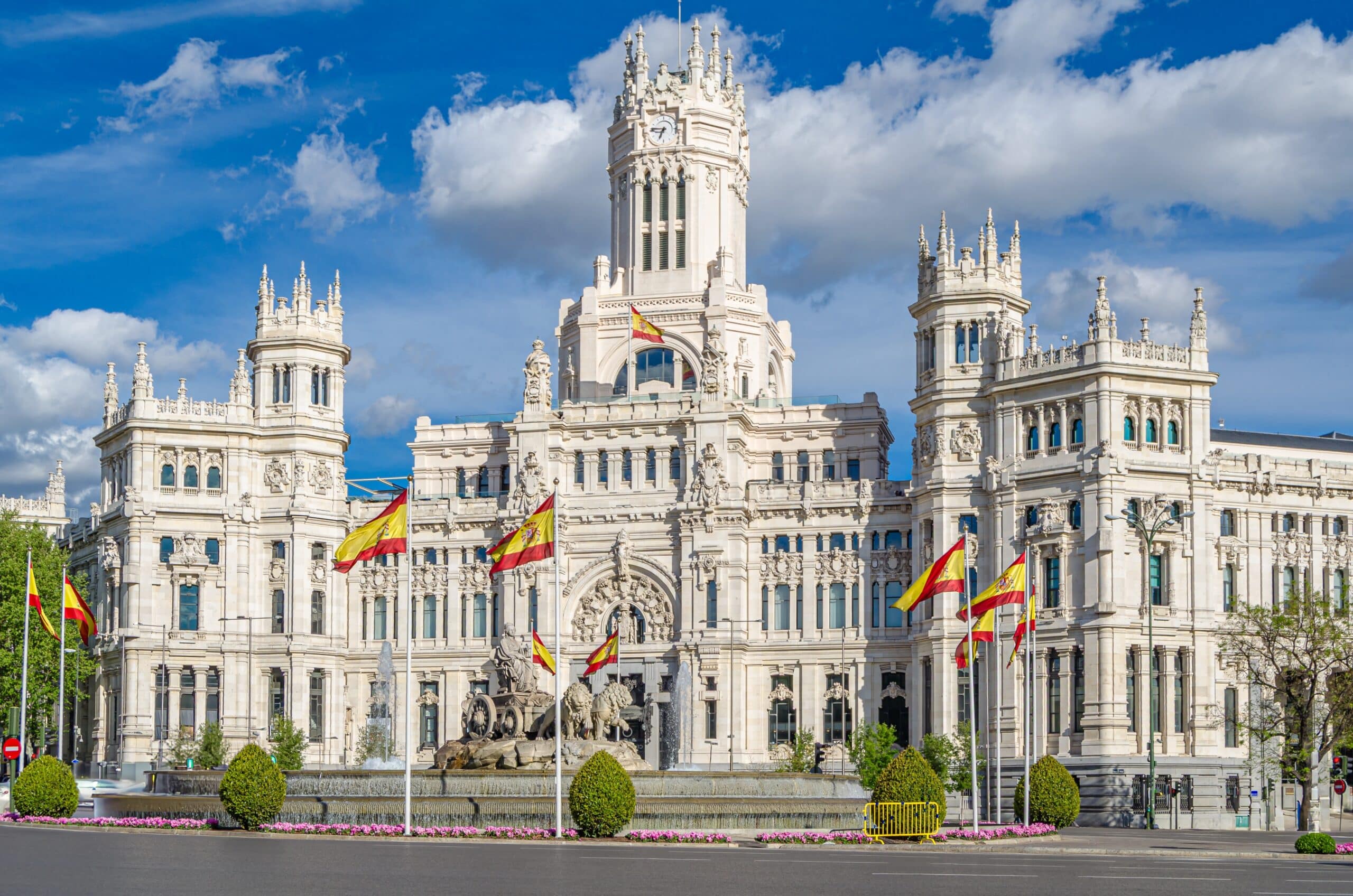
Spain is a country of powerful contrasts, where centuries of layered history meet vibrant modern life. Located on the Iberian Peninsula in southwestern Europe, Spain has been shaped by Roman emperors, Moorish rulers, Catholic monarchs, and global explorers. The result is a nation rich in architectural splendor, regional diversity, and cultural intensity unlike anywhere else in Europe.
From the sun-drenched beaches of the Mediterranean to the rugged cliffs of the Atlantic, Spain’s geography is as varied as its traditions. Bustling cosmopolitan cities coexist with whitewashed villages perched on hillsides. Gothic cathedrals rise beside avant-garde museums, while ancient fortresses overlook lively plazas filled with music and conversation.
Spanish culture is deeply rooted in passion and celebration. Flamenco rhythms echo through Andalusia, while colorful festivals such as La Tomatina and Semana Santa transform streets into dramatic displays of faith and joy. Food is central to daily life, from shared tapas plates to regional specialties like paella and jamón ibérico. Each autonomous community proudly preserves its own dialect, cuisine, and customs, reflecting Spain’s rich mosaic of identities.
Artistic genius has flourished here for centuries. Masters like Velázquez and Goya shaped classical traditions, while innovators such as Gaudí and Picasso revolutionized visual expression. Contemporary Spain continues to thrive as a center of creativity, design, and culinary excellence.
What truly defines Spain, however, is its way of life — relaxed yet intense, traditional yet progressive. Evenings stretch late into the night, plazas fill with laughter, and life is lived outdoors whenever possible. This guide explores the best places across Spain, revealing destinations that capture its spirit, energy, and unforgettable beauty.
31. Barcelona
Barcelona is a city where art, architecture, and Mediterranean vitality converge. Situated along Spain’s northeastern coast, it is the capital of Catalonia and a global icon of creativity. The city’s skyline is defined by the extraordinary works of Antoni Gaudi, whose visionary designs give Barcelona a dreamlike character.
The most famous landmark is the Sagrada Familia, a monumental basilica that has been under construction for more than a century. Its intricate façades and soaring towers reflect Gaudí’s unique blend of Gothic inspiration and natural forms. Nearby, Park Güell offers colorful mosaics and panoramic city views.
Barcelona’s appeal extends beyond architecture. The historic Gothic Quarter invites exploration through narrow medieval streets and hidden plazas. Along the waterfront, Barceloneta Beach provides a lively seaside escape just minutes from the city center. Las Ramblas pulses with performers, cafés, and markets, creating a constant sense of movement.
Cuisine in Barcelona reflects both Catalan tradition and global innovation. Tapas bars serve fresh seafood, cured meats, and local wines, while avant-garde restaurants push culinary boundaries. Cultural life thrives through music festivals, art galleries, and football passion centered around FC Barcelona.
Balancing tradition with modern energy, Barcelona offers a vibrant introduction to Spain’s creative spirit.
30. Madrid
Madrid, Spain’s capital, stands at the geographic and political heart of the country. Unlike coastal cities shaped by maritime trade, Madrid developed as a royal and administrative center, giving it an atmosphere of grandeur and elegance.
The city’s architectural focal point is the Royal Palace of Madrid, an imposing structure that reflects Bourbon opulence. Nearby, the Plaza Mayor showcases arcaded buildings surrounding a historic square once used for markets and ceremonies.
Madrid is also a global cultural powerhouse. The “Golden Triangle of Art” includes the Prado Museum, home to masterpieces by Velázquez and Goya. Tree-lined boulevards such as Paseo del Prado connect major museums and gardens, offering refined urban scenery.
Despite its regal history, Madrid thrives on everyday energy. Neighborhoods like Malasaña and La Latina buzz with tapas bars and nightlife that stretches into early morning hours. The city’s culinary scene celebrates hearty dishes such as cocido madrileño, paired with robust Spanish wines.
Green spaces, including El Retiro Park, provide tranquil escapes within the capital. Locals gather for rowing, walking, and open-air performances, reflecting Madrid’s strong sense of community.
Lively yet dignified, Madrid embodies Spain’s dynamic balance between tradition, art, and contemporary urban life.
29. Seville
Seville captures the passionate soul of Andalusia. Bathed in golden sunlight and infused with centuries of Moorish and Christian influence, it is one of Spain’s most atmospheric cities.
The city’s architectural crown jewel is the Alcazar of Seville, a stunning palace complex adorned with intricate tilework, lush gardens, and delicate arches reflecting Islamic artistry. Nearby, the Seville Cathedral — one of the largest Gothic cathedrals in the world — dominates the skyline with its iconic Giralda tower.
Seville is the birthplace of flamenco, a powerful art form combining music, dance, and emotion. Intimate tablaos host performances that convey intensity and heritage. During Semana Santa and the April Fair, the city bursts into color, processions, and celebration.
Narrow streets wind through the Santa Cruz district, where whitewashed buildings and flower-filled patios create romantic scenery. Orange trees perfume the air, especially in spring.
Cuisine centers on tapas culture, encouraging social dining and shared conversation. Dishes such as gazpacho and jamón ibérico highlight Andalusian flavors.
Seville’s atmosphere is warm, dramatic, and deeply traditional. It offers visitors a vivid immersion into Spain’s historical depth and expressive spirit.
28. Valencia
Valencia offers a compelling blend of historic charm and futuristic vision along Spain’s eastern Mediterranean coast. As the country’s third-largest city, it balances tradition with innovation, making it one of Spain’s most dynamic destinations.
The historic center reveals layers of Roman, Moorish, and Christian influence. The Valencia Cathedral, said to house the Holy Grail, rises above Plaza de la Virgen, where cafés spill into lively squares. The Silk Exchange, a UNESCO-listed Gothic masterpiece, reflects the city’s golden age of commerce during the 15th century.
In striking contrast stands the City of Arts and Sciences, a futuristic architectural complex designed by Santiago Calatrava. Its sweeping white structures house a science museum, planetarium, aquarium, and performance spaces, symbolizing Valencia’s forward-thinking spirit.
Valencia is also the birthplace of paella. Traditional recipes combine rice with saffron, rabbit, chicken, or seafood, celebrating local agricultural heritage. Nearby orchards supply sweet oranges that have become synonymous with the region.
Golden beaches such as Malvarrosa provide relaxation just minutes from the city center, while the Turia Gardens — created from a former riverbed — offer expansive green space for cycling and recreation.
With its harmonious mix of heritage, modern design, and coastal lifestyle, Valencia presents a refreshing and vibrant portrait of contemporary Spain.
27. Granada
Granada is a city where Islamic artistry and Spanish tradition merge beneath the dramatic peaks of the Sierra Nevada. Its identity is inseparable from the breathtaking Alhambra, a hilltop palace and fortress complex that stands as one of Europe’s finest examples of Moorish architecture.
The Alhambra’s intricate stucco carvings, serene courtyards, and reflective pools create an atmosphere of poetic beauty. The Generalife gardens, once a royal retreat, offer fountains and panoramic views over the city below. At sunset, the palace glows against the mountainous backdrop, creating one of Spain’s most unforgettable sights.
Granada’s historic Albaicín district preserves narrow winding streets and whitewashed houses that reflect its Moorish past. From its miradors, visitors enjoy sweeping views of the Alhambra framed by snow-capped peaks.
The city’s culture remains lively and youthful, thanks to its university population. Tapas culture thrives here; many bars serve complimentary small dishes with drinks, encouraging social evenings that stretch late into the night.
Flamenco performances in the Sacromonte caves add another layer of artistic expression, rooted in Roma heritage. Traditional Andalusian flavors blend with North African influences, enriching local cuisine.
Granada feels intimate yet monumental, offering travelers a deeply atmospheric journey into Spain’s layered history and enduring cultural richness.
26. Bilbao
Bilbao represents one of Spain’s most remarkable urban transformations. Once an industrial port city in the Basque Country, it reinvented itself as a center of contemporary art and design while preserving strong regional identity.
The catalyst for this renewal was the Guggenheim Museum Bilbao, an architectural masterpiece designed by Frank Gehry. Its titanium curves reflect light from the Nervión River, symbolizing Bilbao’s rebirth. Inside, modern and contemporary artworks attract visitors from around the world.
Beyond the museum, Bilbao’s Casco Viejo reveals medieval streets, lively markets, and traditional Basque taverns. Pintxos — small, artfully prepared snacks — are a culinary highlight, showcasing seafood, cured meats, and inventive flavor combinations.
The city’s Basque heritage distinguishes it culturally and linguistically from much of Spain. Strong traditions, festivals, and a unique language reflect regional pride and autonomy. Green hills and coastal cliffs lie within easy reach, offering hiking and seaside exploration.
Bilbao balances cutting-edge creativity with deep-rooted identity. It is both modern and traditional, industrial and artistic. For travelers seeking a different perspective on Spain, Bilbao offers a bold and inspiring experience shaped by resilience and innovation.
25. Cordoba
Córdoba is a city where civilizations once converged, leaving behind an architectural and cultural legacy of extraordinary depth. During the Middle Ages, it was one of Europe’s most advanced centers of learning, science, and philosophy. Today, its historic heart remains one of Spain’s most atmospheric destinations.
The city’s defining monument is the Mezquita-Cathedral of Cordoba, an architectural marvel that reflects centuries of religious transformation. Originally constructed as a grand mosque during Islamic rule, it was later converted into a cathedral after the Christian Reconquista. Its forest of red-and-white arches and ornate mihrab create a mesmerizing interior unlike any other in Europe.
Córdoba’s Jewish Quarter, with its narrow lanes and flower-filled patios, preserves the spirit of medieval coexistence. Whitewashed houses are adorned with colorful pots, especially during the annual Patio Festival, when private courtyards open to visitors in celebration of local tradition.
The Roman Bridge stretches gracefully across the Guadalquivir River, offering panoramic views at sunset. Nearby, the Alcázar de los Reyes Cristianos displays fortified towers and lush gardens shaped by centuries of rulers.
Cuisine in Córdoba reflects Andalusian simplicity and freshness. Salmorejo, a chilled tomato soup, is a local favorite, often accompanied by cured ham and olive oil.
Intimate, historic, and deeply evocative, Córdoba invites visitors to step into a layered past where cultures once flourished side by side.
24. Toledo
Toledo rises dramatically above the Tagus River, its medieval skyline crowned with towers, domes, and fortified walls. Known as the “City of Three Cultures,” Toledo once housed Christian, Muslim, and Jewish communities who shaped its artistic and intellectual development.
The city’s most imposing landmark is the Toledo Cathedral, a masterpiece of Spanish Gothic architecture filled with elaborate chapels and priceless artworks. Equally significant is the Alcázar of Toledo, a fortress that has witnessed battles and royal ceremonies across centuries.
Toledo’s winding streets reveal hidden synagogues, ancient mosques, and artisan workshops preserving traditional crafts such as sword-making and damascene metalwork. The city was also home to the painter El Greco, whose dramatic works remain displayed in local museums.
Panoramic viewpoints surrounding Toledo offer breathtaking vistas of its stone buildings clustered above the river gorge. At dusk, the city glows with golden light, reinforcing its timeless character.
Local cuisine reflects hearty Castilian traditions, with dishes such as roast lamb and marzipan sweets enjoyed in historic taverns. Despite its proximity to Madrid, Toledo feels removed from modern rush, preserving an atmosphere of quiet grandeur.
Compact yet rich in heritage, Toledo offers a powerful journey into Spain’s medieval and multicultural past.
23. Malaga
Málaga combines coastal relaxation with artistic heritage along Spain’s southern Mediterranean shore. Once primarily known as a beach destination on the Costa del Sol, it has evolved into a vibrant cultural city while maintaining its sunny charm.
The historic center features narrow pedestrian streets, lively plazas, and architectural remnants of Phoenician, Roman, and Moorish influence. The hilltop Alcazaba of Malaga overlooks the city with fortified walls and tranquil gardens. Nearby, the Roman Theatre reveals the city’s ancient foundations.
Málaga is also the birthplace of Pablo Picasso, and the Picasso Museum celebrates his artistic legacy. Contemporary galleries and cultural centers have helped transform Málaga into a dynamic hub for art and creativity.
Golden beaches stretch along the coastline, offering easy relaxation within walking distance of the historic quarter. The port area has been revitalized with modern promenades, shops, and restaurants.
Cuisine reflects Andalusian flavors, with fresh seafood, grilled sardines, and sweet Málaga wine enjoyed in seaside chiringuitos. The city’s climate remains warm and inviting throughout much of the year.
Málaga balances heritage, sunshine, and culture, creating a destination that feels both leisurely and cosmopolitan — a perfect blend of tradition and modern Mediterranean life.
22. San Sebastian
San Sebastián, known locally as Donostia, is one of Spain’s most refined coastal cities. Nestled along the Bay of Biscay in the Basque Country, it is celebrated for its elegant beaches, dramatic green hills, and world-renowned gastronomy.
The city’s centerpiece is La Concha Beach, a crescent-shaped stretch of golden sand framed by calm waters and a graceful promenade. From Mount Igueldo, panoramic views reveal the bay’s perfect curve and the small island of Santa Clara resting offshore. The historic Parte Vieja, or Old Town, adds vibrant energy with narrow streets and lively squares.
San Sebastián is internationally recognized as a culinary capital. Its concentration of Michelin-starred restaurants is among the highest per capita in the world. Pintxos bars line the Old Town, offering artfully crafted small bites featuring seafood, cured meats, and seasonal ingredients. Dining here is both social ritual and artistic expression.
Cultural life flourishes through film and music festivals, most notably the San Sebastián International Film Festival, which attracts global talent each year. The city’s Belle Époque architecture reflects its history as a fashionable royal summer retreat.
Despite its sophistication, San Sebastián maintains a relaxed seaside atmosphere. Locals swim, surf, and gather for evening walks along the waterfront. Combining natural beauty with culinary excellence, the city delivers an experience that is both indulgent and authentic.
21. Salamanca
Salamanca radiates intellectual prestige and architectural harmony. Located in western Spain, it is home to one of Europe’s oldest universities, founded in 1218. The city’s golden sandstone buildings glow warmly at sunset, earning it the nickname “La Dorada.”
The Plaza Mayor stands as one of Spain’s most beautiful squares, framed by elegant arcades and vibrant cafés. It serves as the city’s social and cultural heart, bustling with students and visitors throughout the day. The University of Salamanca’s historic façade, intricately carved with symbolic details, reflects centuries of scholarly tradition.
Salamanca’s skyline features two cathedrals standing side by side — the Old Cathedral and the New Cathedral — showcasing Romanesque and Gothic architectural styles. Wandering through the city reveals convents, palaces, and quiet courtyards that preserve its Renaissance grandeur.
The student population gives Salamanca youthful energy. Bookshops, tapas bars, and cultural events create a lively yet refined atmosphere. Traditional Castilian cuisine, including roasted meats and local cheeses, can be enjoyed in centuries-old taverns.
Despite its historical significance, Salamanca feels intimate and walkable. Its compact center allows visitors to immerse themselves in academic heritage while enjoying vibrant daily life.
Salamanca offers a unique blend of intellectual legacy and architectural beauty, standing as one of Spain’s most distinguished cultural treasures.
20. Ibiza
Ibiza is globally associated with nightlife and electronic music, yet the island offers far more than its party reputation suggests. Located in the Mediterranean Sea as part of the Balearic Islands, Ibiza combines turquoise waters, pine-covered hills, and centuries of layered history.
The island’s historic heart, Dalt Vila, rises above Ibiza Town within fortified Renaissance walls. Its cobbled streets lead to panoramic viewpoints overlooking the harbor and shimmering sea. This UNESCO-listed old town preserves Phoenician, Roman, and Moorish influences that shaped the island’s past.
Beyond its historic core, Ibiza is famed for its beach clubs and legendary nightlife venues that attract international DJs and visitors. Summer evenings pulse with energy, while world-class sound systems and open-air dance floors define the island’s modern identity.
Yet tranquility remains easy to find. Secluded coves with crystal-clear waters invite swimming and relaxation. Inland villages offer traditional whitewashed houses and rustic restaurants serving seafood, paella, and local wines. Yoga retreats and wellness centers provide a quieter counterbalance to the island’s high-energy scene.
Ibiza’s appeal lies in contrast — vibrant and peaceful, historic and contemporary. Whether seeking celebration or serenity, visitors discover a Mediterranean island that continually reinvents itself while preserving its natural beauty.
19. Zaragoza
Zaragoza stands proudly along the banks of the Ebro River, offering a compelling blend of Roman heritage, Islamic artistry, and Baroque grandeur. As the capital of the Aragon region, it is often overlooked by travelers, yet it holds remarkable architectural and cultural treasures.
The city’s most iconic landmark is the Basilica of Our Lady of the Pillar, a monumental Baroque church crowned with colorful tiled domes. According to tradition, it marks the site where the Virgin Mary appeared to Saint James. Its vast interior and riverfront setting create one of Spain’s most impressive urban panoramas.
Nearby, the Aljafería Palace reveals Zaragoza’s Moorish past. This fortified palace, with its intricate arches and serene courtyards, reflects the sophistication of Islamic architecture in medieval Spain. Roman ruins scattered throughout the city further highlight its ancient origins.
Zaragoza’s atmosphere feels authentic and relaxed. Tapas districts such as El Tubo invite visitors to sample regional specialties, including ternasco (roast lamb) and local wines from the surrounding countryside. Festivals, particularly the Fiestas del Pilar, fill the streets with music, parades, and devotion each October.
Modern Zaragoza balances history with contemporary development, offering spacious boulevards and cultural centers. It serves as a crossroads between Madrid, Barcelona, and Bilbao, yet maintains a strong regional identity.
With its striking monuments and welcoming spirit, Zaragoza presents a rich and lesser-known chapter of Spain’s cultural narrative.
18. Ronda
Ronda is one of Andalusia’s most dramatic towns, perched high above a deep gorge carved by the Guadalevín River. Its breathtaking setting has inspired poets, painters, and travelers for generations.
The town’s defining feature is the Puente Nuevo, an 18th-century stone bridge spanning the El Tajo gorge. Standing atop the bridge, visitors gaze down sheer cliffs that plunge dramatically toward the river below. The surrounding whitewashed buildings and terracotta roofs create a striking contrast against rugged natural scenery.
Ronda is also considered one of the birthplaces of modern bullfighting. The Plaza de Toros, one of Spain’s oldest bullrings, reflects a controversial yet historically significant tradition. Museums within the arena explore the evolution of this cultural practice.
The old Moorish quarter preserves narrow winding streets and remnants of Islamic baths, reminding visitors of the region’s layered past. Scenic viewpoints encircle the town, offering panoramic vistas across olive groves and distant mountains.
Local cuisine features hearty Andalusian flavors, with stews, cured meats, and regional wines produced in nearby vineyards. The pace of life in Ronda feels slower and contemplative, inviting visitors to absorb its beauty fully.
Combining natural drama with historic depth, Ronda delivers one of Spain’s most unforgettable landscapes.
17. Santiago de Compostela
Santiago de Compostela is the spiritual heart of Spain and the final destination of the famed Camino de Santiago pilgrimage route. Located in the lush region of Galicia in the northwest, the city exudes solemnity, tradition, and profound cultural resonance.
Pilgrims arriving after weeks of walking gather in the grand Praza do Obradoiro before the magnificent Santiago de Compostela Cathedral. This Romanesque and Baroque masterpiece is believed to house the remains of Saint James the Apostle, making it one of Christianity’s most significant pilgrimage sites.
The historic center is a UNESCO World Heritage Site, characterized by granite buildings, arcaded streets, and atmospheric squares often filled with musicians and pilgrims sharing stories. The scent of incense lingers in cathedral ceremonies, reinforcing the city’s sacred atmosphere.
Galician culture differs distinctly from much of Spain, with Celtic influences visible in music and folklore. The region’s cuisine highlights fresh seafood, octopus, and hearty stews, accompanied by crisp Albariño wine.
Frequent rainfall gives Santiago a mystical charm, with mist often drifting through its narrow lanes. Despite its spiritual gravity, the city maintains a lively student presence, adding youthful vibrancy to ancient streets.
Santiago de Compostela offers a powerful blend of faith, history, and regional identity — a destination defined by reflection and cultural depth.
16. Palma de Mallorca
Palma de Mallorca blends Mediterranean elegance with island charm. As the capital of Mallorca in the Balearic Islands, Palma combines Gothic grandeur, seaside relaxation, and a cosmopolitan lifestyle shaped by centuries of maritime trade.
The city’s most commanding landmark is the Cathedral of Santa Maria of Palma, commonly known as La Seu. Rising dramatically above the waterfront, this Gothic masterpiece features soaring columns and a vast rose window that floods the interior with colored light. Its position overlooking the Bay of Palma creates one of Spain’s most striking coastal skylines.
Behind the cathedral, the old town unfolds in a maze of narrow lanes, shaded courtyards, and historic mansions built by noble families. Arab baths recall Mallorca’s Moorish past, while lively squares host cafés and boutiques that reflect modern island sophistication.
Palma’s marina is filled with sailboats and luxury yachts, reinforcing its reputation as a stylish Mediterranean retreat. Beyond the city, turquoise coves and rugged mountain scenery offer countless opportunities for exploration. The nearby Serra de Tramuntana provides hiking trails and panoramic views across the island.
Cuisine highlights seafood, olive oil, and local pastries such as ensaimadas. Evening strolls along the waterfront capture the relaxed rhythm of island life.
Palma de Mallorca successfully balances heritage, leisure, and understated glamour, making it a refined gateway to Spain’s Balearic beauty.
15. Segovia
Segovia is a city of striking silhouettes and enduring history, located northwest of Madrid in the Castile and León region. Its skyline is defined by one of Spain’s most remarkable Roman monuments: the Aqueduct of Segovia. Built in the first century, the aqueduct’s towering arches remain astonishingly intact, stretching across the city without the use of mortar.
The medieval Alcázar of Segovia rises dramatically on a rocky hilltop, resembling a fairy-tale castle with its pointed turrets and commanding views. This fortress-palace once served as a royal residence and later inspired depictions of storybook castles worldwide.
Segovia’s cathedral, known as the “Lady of Cathedrals,” stands as one of the last great Gothic cathedrals built in Spain. Its elegant spire completes the city’s majestic profile.
Wandering through Segovia’s old town reveals cobbled streets, charming plazas, and centuries-old houses. The city’s compact size makes it easily walkable, allowing visitors to absorb its historical atmosphere at a relaxed pace.
Segovia is also famous for its cuisine, particularly cochinillo asado — roasted suckling pig prepared with crisp skin and tender meat. Traditional restaurants continue this culinary heritage with pride.
Rich in architectural marvels and Castilian tradition, Segovia offers a powerful journey through Spain’s ancient and medieval past.
14. La Coruna
La Coruña, perched on Spain’s rugged northwestern Atlantic coast, presents a striking contrast to the sun-soaked Mediterranean image of the country. Known in Galician as A Coruña, the city combines maritime heritage with windswept natural beauty.
Its most iconic landmark is the Tower of Hercules, the world’s oldest functioning Roman lighthouse. Standing proudly on a rocky peninsula, it has guided sailors for nearly two thousand years and remains a symbol of resilience and navigation.
The city’s seafront promenade stretches for miles, offering panoramic views of crashing waves and dramatic sunsets. Glass-fronted buildings known as galerías line parts of the waterfront, reflecting light and creating a distinctive architectural identity.
La Coruña’s old town reveals narrow streets, lively squares, and historic churches. The Plaza de María Pita honors a local heroine who defended the city against invasion. Maritime museums and coastal fortifications highlight the region’s seafaring legacy.
Galician cuisine is especially celebrated for its seafood. Fresh octopus, shellfish, and fish are prepared simply to emphasize natural flavors, often accompanied by Albariño wine.
With its strong Atlantic character, La Coruña offers a refreshing perspective on Spain — bold, coastal, and deeply connected to the sea.
13. Cuenca
Cuenca is a city defined by gravity-defying architecture and dramatic natural surroundings. Perched high above the gorges of the Júcar and Huécar rivers, this medieval town appears to cling to the cliffs on which it was built.
Its most famous landmarks are the Hanging Houses of Cuenca, wooden balconies projecting over sheer rock faces. These remarkable structures date back centuries and symbolize Cuenca’s unique relationship with its rugged landscape. Today, some house museums and cultural spaces that celebrate Spanish abstract art.
The Gothic Cathedral of Cuenca stands prominently in the historic center, reflecting early French influence in its design. Narrow cobbled streets wind upward through fortified gates and quiet plazas, preserving the town’s medieval atmosphere. From scenic viewpoints along the cliffs, visitors can admire sweeping panoramas of forested valleys below.
Cuenca’s natural setting enhances its appeal. The surrounding Serranía de Cuenca offers hiking trails, limestone formations, and tranquil countryside. The Ciudad Encantada, or “Enchanted City,” features surreal rock formations shaped by centuries of erosion.
Local cuisine highlights hearty Castilian dishes, including game meats and regional cheeses. Traditional taverns provide warm hospitality within centuries-old walls.
Compact yet visually striking, Cuenca offers a blend of artistic creativity, historic depth, and breathtaking scenery, making it one of Spain’s most distinctive inland destinations.
12. Cadiz
Cádiz, one of Europe’s oldest continuously inhabited cities, rises from a narrow peninsula surrounded almost entirely by the Atlantic Ocean. Its maritime legacy, sunlit plazas, and whitewashed buildings give it a distinctive coastal character.
The city’s historic center is a labyrinth of narrow streets opening onto bright squares shaded by palm trees. The Cádiz Cathedral, with its golden dome, overlooks the sea and reflects a blend of Baroque and Neoclassical styles. Nearby watchtowers, such as the Torre Tavira, once allowed merchants to observe ships arriving from the Americas.
Cádiz played a pivotal role in Spain’s Age of Exploration and later in the drafting of the Spanish Constitution of 1812. Its port connected Europe with the New World, enriching the city culturally and economically.
Beaches such as La Caleta lie within walking distance of the old town, offering scenic views framed by historic fortresses. The sound of waves accompanies daily life, reinforcing Cádiz’s deep connection to the sea.
The city is especially lively during Carnival, when music, satire, and elaborate costumes fill the streets in one of Spain’s most colorful festivals. Local cuisine features fried fish, seafood stews, and crisp Andalusian wines.
Cádiz combines history, humor, and ocean beauty, offering visitors an authentic and spirited Andalusian experience.
11. Leon
León stands as a monumental testament to Spain’s medieval power and artistic achievement. Located in northwestern Spain, it was once the capital of a powerful kingdom and remains rich in Romanesque and Gothic heritage.
The city’s crowning jewel is the Leon Cathedral, often called the “House of Light” for its extraordinary stained-glass windows. These luminous panels, dating from the 13th century, bathe the interior in vibrant colors, creating an atmosphere of spiritual radiance.
Equally significant is the Basilica of San Isidoro, a Romanesque masterpiece housing royal tombs and remarkable frescoes. The Casa Botines, designed by Antoni Gaudi, adds a touch of modernist creativity to the historic cityscape.
León is also an important stop along the Camino de Santiago pilgrimage route. Pilgrims mingle with locals in lively plazas and tapas districts, where traditional cured meats and regional wines are shared generously.
Despite its grand monuments, León maintains a welcoming and intimate atmosphere. Its compact historic center allows visitors to explore centuries of architecture within a short walk.
León offers a powerful blend of medieval splendor, artistic brilliance, and regional pride — a fitting conclusion to a journey through Spain’s most remarkable destinations.
10. Girona
Girona is a captivating Catalan city that blends medieval grandeur with quiet sophistication. Located northeast of Barcelona, it rises along the Onyar River, where rows of colorful houses reflect beautifully in the water.
The historic center, known as Barri Vell, is one of Spain’s best-preserved medieval quarters. Its narrow stone streets climb toward the imposing Girona Cathedral, which boasts the widest Gothic nave in the world. The cathedral’s grand staircase and panoramic city views create a dramatic focal point.
Girona’s Jewish Quarter, El Call, is among the most significant in Europe. Labyrinthine alleys and ancient buildings recall a once-thriving medieval community. The city walls, accessible to visitors, offer scenic walks with sweeping views over rooftops and surrounding countryside.
Despite its deep history, Girona feels lively and contemporary. Boutique shops, art galleries, and refined restaurants give it a modern cultural presence. Catalan cuisine features seasonal produce, cured meats, and regional wines, reflecting strong local identity.
Girona’s manageable size allows for relaxed exploration, while its architectural richness rewards every turn. It offers an intimate yet impressive glimpse into Catalonia’s layered past and vibrant present.
9. Oviedo
Oviedo, the capital of Asturias, presents a refined and elegant face of northern Spain. Surrounded by green mountains and close to the Cantabrian coast, the city blends medieval heritage with dignified urban charm.
The old town is centered around the impressive Oviedo Cathedral, whose Gothic tower dominates the skyline. Nearby churches such as Santa María del Naranco, perched on a hillside overlooking the city, represent early medieval Asturian architecture and are recognized as UNESCO treasures.
Oviedo’s streets are clean, orderly, and lined with statues honoring literary figures and cultural icons. The city is closely associated with writer Leopoldo Alas, whose novel “La Regenta” immortalized its 19th-century society.
Asturian cuisine distinguishes Oviedo from much of Spain. Fabada asturiana, a hearty bean stew, reflects the region’s rustic traditions. Cider is poured theatrically from above the glass, symbolizing local pride and conviviality.
The surrounding landscapes offer hiking trails, coastal cliffs, and lush valleys, making Oviedo an ideal gateway to Asturias’ natural beauty. Yet within the city, a calm and cultured atmosphere prevails.
Oviedo combines architectural grace, intellectual heritage, and strong regional identity, offering visitors a serene and authentic northern Spanish experience.
8. Caceres
Cáceres transports visitors into a remarkably preserved medieval world. Located in the Extremadura region, its old town is a UNESCO World Heritage Site known for stone palaces, fortified towers, and narrow cobbled lanes.
The Plaza Mayor serves as the entrance to the historic quarter, leading into a labyrinth of noble residences built between the 15th and 17th centuries. The Concatedral de Santa María stands prominently among these structures, reflecting Gothic and Renaissance styles.
Cáceres flourished during Spain’s Age of Exploration, when returning conquistadors invested wealth into grand mansions. As a result, the city displays a blend of Christian, Islamic, Jewish, and Renaissance influences.
The atmosphere is strikingly tranquil. With limited modern signage and minimal traffic inside the old town, walking through Cáceres feels like stepping back in time. Stone walls glow warmly at sunset, enhancing the city’s timeless character.
Extremaduran cuisine features robust flavors, including Iberian ham and regional cheeses. Traditional taverns offer rustic dishes prepared with simple ingredients and strong culinary heritage.
Cáceres stands apart for its authenticity and preservation, providing one of Spain’s most immersive historical experiences.
7. Burgos
Burgos is a city deeply rooted in Spain’s medieval history and religious heritage. Located along the Camino de Santiago route, it has long welcomed pilgrims and travelers.
Its most magnificent landmark is the Burgos Cathedral, a UNESCO-listed masterpiece of Gothic architecture. Its ornate spires and sculpted façades dominate the skyline, while the interior houses elaborate chapels and royal tombs, including that of El Cid.
The historic center features arcaded plazas, monasteries, and ancient bridges crossing the Arlanzón River. The city played a crucial role during the Reconquista and later served as a cultural stronghold of Castile.
Burgos’ culinary traditions reflect hearty northern flavors. Morcilla de Burgos, a distinctive blood sausage made with rice and spices, remains a local specialty. Traditional inns serve roast lamb and regional wines in rustic settings.
Green riverbanks and parks add a peaceful dimension to the urban landscape. Despite its monumental architecture, Burgos maintains a welcoming and unpretentious atmosphere.
With its grand cathedral and strong Castilian identity, Burgos offers a powerful insight into Spain’s medieval and religious foundations.
6. Almeria
Almería reveals a sun-drenched and less-traveled side of Andalusia. Located in southeastern Spain along the Mediterranean, it is known for dramatic desert landscapes and Moorish fortifications.
The imposing Alcazaba of Almeria towers above the city, forming one of the largest Islamic fortresses in Spain. Its massive walls, towers, and gardens reflect centuries of strategic importance during Muslim rule.
Beyond its historic center, Almería is surrounded by arid landscapes that resemble cinematic backdrops. Nearby desert areas have served as filming locations for numerous international movies. The Cabo de Gata-Níjar Natural Park offers pristine beaches, volcanic cliffs, and crystal-clear waters far from mass tourism.
The city’s port and fishing heritage shape its cuisine, with fresh seafood and tapas central to local dining. Sunlight dominates much of the year, creating a warm and relaxed environment.
Almería’s blend of fortress history, desert scenery, and coastal beauty makes it uniquely compelling. It stands as one of Spain’s most distinctive and visually dramatic destinations.
5. Valladolid
Valladolid stands at the heart of Castile and León, a city closely tied to Spain’s royal and literary history. Once the capital of Spain in the 17th century, it preserves an atmosphere of stately elegance and intellectual tradition.
The Plaza Mayor, one of the earliest examples of a grand arcaded square in Spain, serves as the city’s social center. Its symmetrical design later influenced the layout of Madrid’s main square. Nearby, the Cathedral of Valladolid reflects Renaissance architectural ambition, though it was never fully completed.
Valladolid is strongly associated with literature. The house of Miguel de Cervantes, author of Don Quixote, can be visited as a museum, honoring Spain’s Golden Age of letters. The National Sculpture Museum further enriches the cultural landscape with remarkable religious artworks.
The surrounding Ribera del Duero wine region enhances Valladolid’s culinary appeal. Robust red wines accompany regional dishes such as roast lamb and hearty stews. Tapas culture thrives in lively districts where locals gather late into the evening.
Despite its historical prominence, Valladolid remains understated and authentic. Wide avenues, green parks, and dignified architecture create a calm yet cultured environment.
Valladolid offers visitors a refined encounter with Castilian heritage, intellectual legacy, and gastronomic excellence.
4. Pamplona
Pamplona is internationally famous for the Running of the Bulls during the San Fermín festival, yet the city offers far more than its exhilarating annual spectacle. Located in northern Spain, Pamplona blends medieval fortifications with green landscapes and Basque-influenced culture.
The Plaza del Ayuntamiento becomes the epicenter of celebration each July, when thousands gather for the traditional bull runs through the narrow streets of the old town. Outside festival season, the city feels relaxed and welcoming, inviting visitors to explore its historic character.
Pamplona’s cathedral and ancient city walls reflect centuries of strategic importance along the Camino de Santiago pilgrimage route. Scenic parklands, such as the Citadel and Taconera Gardens, provide peaceful escapes within the urban setting.
Cuisine highlights Navarra’s fertile agricultural region. Fresh vegetables, lamb dishes, and regional wines feature prominently in local menus. Pintxos bars serve creative small plates that reflect northern Spain’s culinary innovation.
Green hills surround Pamplona, offering hiking opportunities and panoramic viewpoints. The city maintains a strong regional identity rooted in tradition and community.
Pamplona balances spirited celebration with historical depth, providing a destination that is both culturally rich and uniquely energetic.
3. Tarragona
Tarragona reveals Spain’s Roman legacy along the Mediterranean coast. Once known as Tarraco, it served as a major Roman provincial capital, and its ancient ruins remain remarkably preserved.
The city’s Roman amphitheater overlooks the sea, creating a dramatic setting where gladiatorial contests once unfolded. Sections of Roman walls and a grand aqueduct further highlight Tarragona’s imperial significance. These monuments have earned the city UNESCO recognition.
Beyond its Roman heritage, Tarragona offers a charming medieval quarter filled with narrow streets and lively plazas. The cathedral rises above the old town, blending Romanesque and Gothic elements.
Golden beaches stretch along the Costa Dorada, inviting relaxation after exploring archaeological treasures. The Mediterranean climate enhances Tarragona’s appeal year-round.
Local cuisine reflects Catalan flavors, with seafood, rice dishes, and fresh produce central to traditional recipes. Festivals such as the human tower-building competition showcase distinctive regional customs.
Tarragona combines ancient grandeur with seaside leisure, offering visitors a fascinating journey through history alongside Mediterranean beauty.
2. Logrono
Logroño, the capital of La Rioja, is a compact yet vibrant city celebrated for its wine culture and welcoming spirit. Situated along the Ebro River, it plays a central role in Spain’s most renowned wine-producing region.
The city’s old quarter centers around Calle Laurel, famous for its concentration of tapas bars. Visitors move from one establishment to another, sampling small plates paired with local Rioja wines. This social dining ritual defines Logroño’s atmosphere.
The Cathedral of Santa María de la Redonda anchors the historic center, while nearby churches and plazas preserve the city’s medieval heritage. Logroño also serves as a key stop on the Camino de Santiago, attracting pilgrims who mingle with wine enthusiasts.
Vineyards surround the city in rolling green landscapes. Numerous wineries welcome guests for tastings and tours, explaining the aging processes that give Rioja wines their depth and character.
Despite its global wine reputation, Logroño remains intimate and unpretentious. Its manageable size encourages leisurely exploration and authentic local interaction.
Logroño offers a harmonious blend of pilgrimage tradition, viticultural excellence, and relaxed northern Spanish charm.
1. Huesca
Huesca lies at the foothills of the Pyrenees, serving as a gateway to dramatic mountain landscapes. Though smaller and quieter than many Spanish cities, it offers deep historical roots and access to some of the country’s most breathtaking natural scenery.
The Cathedral of Huesca dominates the city center with its Gothic façade and elegant cloister. Medieval streets radiate outward, revealing small squares and traditional cafés. The region’s Roman and Moorish influences remain visible in architectural details.
Huesca’s greatest appeal lies in its proximity to the Pyrenees. National parks and high-altitude valleys attract hikers, climbers, and nature enthusiasts. In winter, nearby ski resorts draw visitors seeking alpine adventure.
Local cuisine reflects mountain traditions, featuring hearty stews, cured meats, and regional cheeses. Seasonal festivals celebrate folklore, music, and agricultural heritage.
Uncrowded and authentic, Huesca provides a refreshing contrast to Spain’s larger urban centers. It invites travelers to explore both cultural heritage and natural splendor at a relaxed pace.
Huesca completes this expanded journey through Spain, highlighting the diversity and richness that define the nation’s landscapes and traditions.