
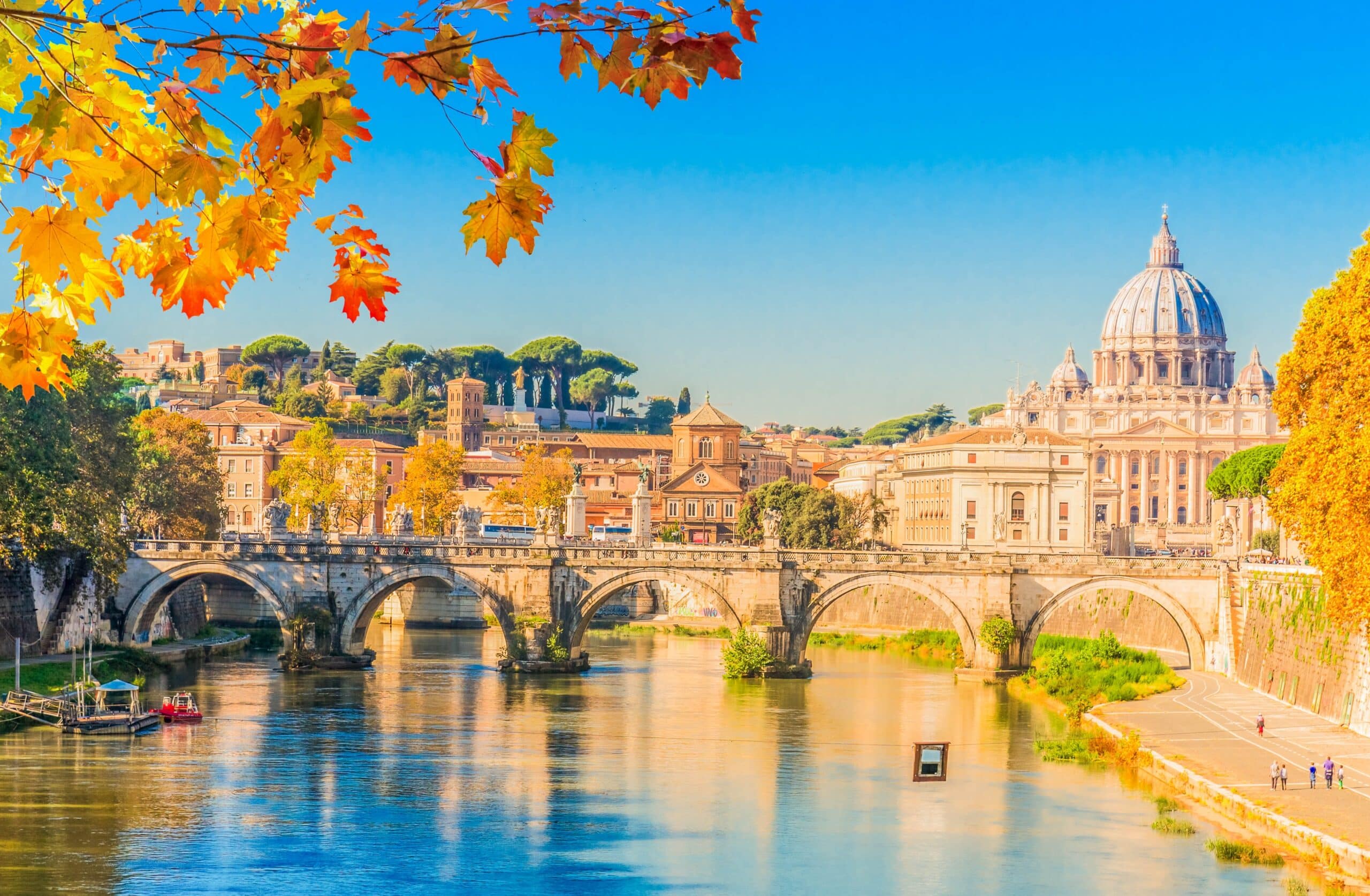
Few countries stir the imagination quite like Italy. It is a land where art spills from church ceilings, where ancient stones glow honey-gold at sunset, and where every meal feels like a celebration of life itself. From Alpine peaks to sun-drenched islands, Italy is not simply visited — it is felt.
This is the birthplace of the Roman Empire and the Renaissance. It is where Michelangelo carved marble into poetry and where generations of nonnas perfected pasta by hand. Italy invites you to slow down: to linger over espresso in a quiet piazza, to wander narrow cobbled streets without a plan, to watch the light change on terracotta rooftops.
Every region carries its own dialect, cuisine, and rhythm. The north offers elegance and alpine freshness; the center is a living museum of art and faith; the south pulses with volcanic landscapes and deep Mediterranean blues. Throughout it all runs a devotion to beauty — in architecture, in food, in fashion, in everyday life.
Italy rewards curiosity. Step inside a modest church and discover a masterpiece. Follow a side street and find the best gelato of your life. Sit by a fountain at dusk and feel centuries breathing around you.
This journey begins in three cities that define the soul of Italy: Rome, Florence, and Venice.
30. Rome — The Eternal City
Rome does not whisper history — it declares it. Around nearly every corner stands a reminder that this city once ruled much of the known world. The first glimpse of the Colosseum at golden hour is unforgettable: its arches glowing softly as if still echoing with ancient applause.
Yet Rome is far more than ruins. It is morning cappuccino at a marble counter, the clatter of espresso cups, and the hum of Vespas weaving through lively streets. It is tossing a coin into the Trevi Fountain and wandering toward the Pantheon, where sunlight pours through the oculus like a divine spotlight.
In Vatican City, masterpieces await — Michelangelo’s Sistine Chapel ceiling overwhelms even the most seasoned traveler. Step into St. Peter’s Basilica and feel dwarfed by its grandeur.
But Rome’s magic often lies in quieter moments: a shaded bench in Villa Borghese gardens, ivy climbing pastel buildings in Trastevere, plates of cacio e pepe shared over local wine. As night falls, the city softens. Fountains shimmer. Conversations stretch late into the evening.
Rome is layered, chaotic, majestic, and deeply human. It teaches you that eternity can live comfortably alongside everyday life.
29. Florence — Cradle of the Renaissance
Florence feels like stepping inside a painting. Compact yet immeasurably rich, it is the city where the Renaissance ignited — a place where genius once walked its narrow streets.
The Cathedral of Santa Maria del Fiore dominates the skyline, its terracotta dome rising boldly above the city. Climb to the top for a sweeping view of red rooftops framed by Tuscan hills. Nearby, the Baptistery doors shimmer in gold, and Giotto’s bell tower stands elegant against the sky.
Inside the Uffizi Gallery, Botticelli’s “Birth of Venus” glows softly under museum lights. Across town, Michelangelo’s David stands in silent perfection, drawing hushed admiration from every visitor.
Yet Florence is not only art — it is craftsmanship. Leather workshops scent the air, goldsmiths shape delicate jewelry along the Ponte Vecchio, and markets overflow with pecorino, olives, and fresh bread. Evenings invite long dinners of ribollita soup or bistecca alla fiorentina paired with deep Chianti wine.
As the sun sets, walk along the Arno River and watch the bridges reflect in still water. Church bells ring softly in the distance.
Florence is intimate and luminous — a place that reminds you how powerful beauty can be when it is woven into daily life.
28. Venice — The Floating Dream
Venice feels unreal at first glance — a city rising from water, where streets are canals and silence replaces traffic noise. Arriving by boat heightens the magic: palaces seem to drift, their facades mirrored in gentle ripples.
St. Mark’s Square opens dramatically, framed by Byzantine domes and elegant arcades. Inside St. Mark’s Basilica, mosaics glitter like constellations. The Doge’s Palace reveals the grandeur of a once-mighty maritime republic.
Yet Venice is best discovered by wandering. Lose yourself in labyrinthine alleys, cross quiet stone bridges, and find hidden courtyards where laundry sways above narrow canals. A gondola gliding beneath the Rialto Bridge feels timeless, especially as twilight paints the sky in soft pastels.
Venetian cuisine reflects its lagoon setting: fresh seafood risotto, delicate cicchetti served in tiny wine bars, and spritz cocktails enjoyed beside the water. As evening deepens, lanterns flicker and the city grows hushed, almost secretive.
Venice is fragile yet resilient, ornate yet intimate. It is a place for slow discovery — for listening to lapping water, for watching reflections shimmer, for embracing the poetry of impermanence.
27. Milan — Style and Substance
Milan surprises those expecting only fashion and finance. Yes, it is Italy’s style capital, where sharp tailoring and confident design set the tone. But beneath the polished exterior lies a city rich in history, creativity, and quiet elegance.
The first sight of the Duomo stops you in your tracks. Its marble façade bristles with spires and statues, delicate as lace against the sky. Climb to the rooftop terraces and walk among its pinnacles — a rare chance to stand eye-level with saints while gazing across the city to the distant Alps.
Just a short walk away, Leonardo da Vinci’s The Last Supper waits in hushed reverence inside Santa Maria delle Grazie. Seeing it in person feels intimate and powerful, a moment suspended in time.
Milan’s rhythm is confident and contemporary. Spend the afternoon browsing the glass-vaulted Galleria Vittorio Emanuele II, where historic cafés serve impeccable espresso. Explore the artistic canals of the Navigli district at sunset, when aperitivo hour begins and locals gather for spritz and small bites.
Dinner might mean saffron-rich risotto alla milanese or tender ossobuco paired with Lombard wine. Evenings stretch stylishly late, whether at an opera performance at La Scala or in a minimalist cocktail bar.
Milan is refined but never cold — a city where innovation meets artistry, and where beauty is worn effortlessly.
26. Naples — Fire and Soul
Naples is not polished. It is alive.
Set beneath the brooding presence of Mount Vesuvius, this southern city pulses with energy, noise, color, and fierce pride. Laundry flutters between balconies. Scooters zip through narrow streets. Church bells compete with animated conversation.
And then there is the pizza — born here, perfected here. A simple margherita, blistered from a wood-fired oven, tastes transcendent against the backdrop of the Bay of Naples.
History lies everywhere. Underground tunnels reveal ancient Greek foundations. The National Archaeological Museum houses treasures from Pompeii and Herculaneum, cities forever frozen in volcanic ash. Along the waterfront, Castel dell’Ovo watches over the sea as it has for centuries.
Naples demands engagement. Wander Spaccanapoli, the narrow artery slicing through the historic center, and step into dimly lit chapels heavy with baroque detail. Pause for sfogliatella pastries dusted in sugar or strong espresso served without ceremony.
As evening falls, the sky turns violet over the bay. Locals gather along the promenade, the scent of salt and frying seafood drifting through warm air.
Naples is chaotic, heartfelt, and unforgettable. It teaches you that beauty does not need perfection — it needs passion.
25. Bologna — The Learned and the Delicious
Bologna welcomes you with warm terracotta tones and endless porticoes. These covered walkways stretch for miles, offering shade in summer and shelter in rain, and giving the city a rhythm all its own.
Home to the oldest university in the Western world, Bologna hums with youthful energy. Students fill lively piazzas, debate philosophy over coffee, and cycle past medieval towers that still lean slightly after centuries of watchful standing.
Climb the Asinelli Tower for sweeping views of red rooftops and rolling Emilia-Romagna countryside. At the heart of the city, Piazza Maggiore opens wide and inviting, anchored by the grand Basilica of San Petronio.
But Bologna’s truest fame lies on the plate. This is the birthplace of tagliatelle al ragù — never call it “spaghetti bolognese” here. Tortellini swim in delicate broth. Mortadella is sliced silky thin. Markets overflow with Parmigiano Reggiano and balsamic vinegar aged to near syrup.
Meals are not rushed. They unfold slowly, course after course, accompanied by local Lambrusco wine and animated conversation.
Bologna feels authentic and deeply rooted. It does not perform for visitors; it simply lives well — generously, intelligently, and deliciously.
24. Turin — Elegant and Undiscovered
Turin sits gracefully at the foot of the Alps, a city of wide boulevards, grand arcades, and quiet sophistication. Often overlooked by first-time visitors to Italy, it rewards travelers with a refined atmosphere and a slower rhythm.
Walking through Turin feels almost regal. The Savoy royal family once ruled from here, leaving behind stately palaces and perfectly planned piazzas. Piazza Castello forms the heart of the city, surrounded by elegant architecture and museums filled with centuries of history.
One of Turin’s greatest pleasures is its café culture. Historic coffeehouses such as Caffè Al Bicerin have welcomed writers, artists, and thinkers for generations. Order the local specialty, bicerin, a layered drink of espresso, chocolate, and cream served in a small glass.
Art lovers will find extraordinary treasures here. The Egyptian Museum holds one of the world’s most important collections of ancient Egyptian artifacts outside Cairo, while contemporary galleries add a modern creative pulse.
Food in Turin reflects the richness of the Piedmont region. Truffles shave delicately over pasta in autumn, while creamy risottos and fine Barolo wines accompany leisurely dinners. Chocolate also plays a starring role — Turin is famous for gianduja, the smooth blend of chocolate and hazelnut.
With the Alps rising nearby and graceful streets unfolding around every corner, Turin feels quietly majestic — a city that reveals its beauty gradually to those willing to linger.
23. Verona — Romance in Stone
Verona is a city where romance and history intertwine effortlessly. Its streets, bridges, and piazzas seem made for slow wandering, especially as the golden light of evening touches the ancient buildings.
Many visitors arrive seeking the setting of Shakespeare’s Romeo and Juliet. Juliet’s House, with its famous balcony, draws crowds hoping to glimpse the spirit of the tragic love story. Yet Verona’s charm goes far beyond literature.
At the center of the city stands the magnificent Roman Arena, one of the best-preserved amphitheaters in the world. During summer evenings it becomes an unforgettable opera venue, where powerful voices rise into the warm Italian night.
Piazza delle Erbe bustles with colorful market stalls and lively cafés. Nearby, the quiet elegance of Piazza dei Signori offers a moment of calm beneath statues of historical figures.
Verona is also a city of bridges and riverside walks. The Adige River curves gracefully around the old town, reflecting terracotta rooftops and medieval towers. Crossing the stone Ponte Pietra at sunset feels like stepping through centuries.
Local cuisine is hearty and comforting. Expect dishes like risotto all’Amarone, slow-cooked meats, and wines from the nearby Valpolicella region.
Verona feels intimate and timeless. It invites you to stroll without hurry, to share a glass of wine in a quiet square, and to let romance linger in the air.
22. Genoa — The Hidden Maritime Jewel
Genoa reveals itself slowly. From the sea, its pastel buildings climb steep hillsides like a colorful amphitheater. From within, the city unfolds through a maze of narrow alleys known as caruggi, where everyday life continues much as it has for centuries.
Once a powerful maritime republic, Genoa built its wealth on trade and seafaring. The legacy of that golden era survives in the grand palaces of Via Garibaldi, where elaborate frescoes and marble staircases whisper stories of merchant princes and explorers.
The old harbor has been transformed into a lively waterfront, where visitors stroll beside the sea, watch sailboats drift by, or visit the city’s renowned aquarium. The scent of salt and fresh focaccia drifts through the air.
Food is central to Genoese life. This is the birthplace of pesto — bright green, fragrant with basil and pine nuts, and perfect with fresh pasta. Focaccia bread, crisp on the outside and soft within, appears in bakeries on nearly every street.
Climb toward the city’s hilltop viewpoints and Genoa spreads out beneath you: church domes, red roofs, and the endless blue of the Ligurian Sea.
Genoa is authentic and atmospheric — a city where maritime history, bold flavors, and labyrinthine streets create an experience both mysterious and unforgettable.
21. Palermo — Sicily’s Vibrant Heart
Palermo greets visitors with color, noise, and a heady blend of cultures layered over thousands of years. Set between mountains and the sparkling Tyrrhenian Sea, Sicily’s capital is a city where Arab domes, Norman cathedrals, and baroque palaces share the same skyline.
The historic center is a sensory adventure. Markets such as Ballarò and Vucciria overflow with shouting vendors, sizzling street food, and the scent of citrus and spices. Try arancini — golden fried rice balls — or a warm panelle sandwich made from chickpea fritters.
Palermo’s architecture tells a complex story. The Palermo Cathedral blends Norman, Moorish, Gothic, and baroque influences into one extraordinary structure. Nearby, the Palatine Chapel dazzles visitors with shimmering Byzantine mosaics that seem to glow under soft light.
Wander through sunlit piazzas where fountains splash and locals linger over espresso. Ornate balconies hang above narrow streets, and laundry sways gently between buildings in the warm Mediterranean air.
Food in Palermo is bold and unforgettable. Street vendors serve crispy sfincione pizza, while bakeries tempt visitors with cannoli filled with sweet ricotta cream.
Evenings invite a stroll along the waterfront promenade or through lively squares where music and conversation spill from cafés.
Palermo is vibrant and unapologetically alive — a city where centuries of history and cultures merge into one unforgettable Mediterranean experience.
20. Pisa — Beyond the Leaning Tower
Most travelers arrive in Pisa eager to see the famous Leaning Tower. And yes, standing before it is surprisingly thrilling — the elegant white marble structure tilting gracefully as if frozen mid-fall.
The tower stands within the Piazza dei Miracoli, one of Italy’s most beautiful architectural ensembles. Here, the cathedral, baptistery, and monumental cemetery form a harmonious complex of Romanesque design glowing softly in pale stone.
Climb the tower’s spiral staircase and the view from the top reveals red rooftops stretching toward the Tuscan countryside.
Yet Pisa offers more than its iconic landmark. Cross the Arno River and the city quickly becomes calmer and more local. Students from the historic university cycle through quiet streets lined with cafés and bookshops.
Along the riverbanks, pastel buildings reflect in the water while small trattorias serve Tuscan favorites. Order fresh pasta, grilled seafood, or a simple plate of pecorino cheese with honey.
At sunset, the golden light softens the marble monuments and church bells echo gently across the square.
Pisa feels youthful, relaxed, and full of charm — a destination that rewards travelers who linger beyond the famous tower.
19. Siena — Medieval Magic in Tuscany
Siena feels like stepping directly into the Middle Ages. Perched among the rolling hills of Tuscany, the city has preserved its medieval character so completely that walking its narrow streets feels like traveling through time.
At the heart of Siena lies the remarkable Piazza del Campo, a shell-shaped square that slopes gently toward the elegant Palazzo Pubblico. Cafés line the edges, making it the perfect place to sit with a glass of wine and watch the world drift by.
Twice each summer, the piazza transforms into the stage for the Palio — Siena’s famous horse race. Crowds pack the square while riders representing historic neighborhoods compete in a thrilling burst of speed and tradition.
Siena’s cathedral is equally unforgettable. The black-and-white marble stripes of its façade give way to an interior filled with intricate mosaics, sculpted figures, and magnificent artworks.
Wander through quiet alleys where flags of the city’s districts hang proudly from ancient walls. Small bakeries sell ricciarelli almond cookies and panforte, a dense fruit-and-spice cake that has been enjoyed here for centuries.
Evenings in Siena arrive gently. The Tuscan hills glow with warm sunset colors, and the city grows peaceful as lanterns illuminate stone streets.
Siena is intimate, historic, and beautifully preserved — a place where tradition, architecture, and Tuscan landscapes come together in perfect harmony.
18. Trieste — Where Italy Meets Central Europe
Trieste feels different from any other Italian city. Sitting near the border with Slovenia and facing the Adriatic Sea, it blends Italian charm with a noticeable Central European elegance. The result is a place where cultures, languages, and traditions have intertwined for centuries.
The city opens dramatically onto the sea at Piazza Unità d’Italia, one of the largest waterfront squares in Europe. Standing here at sunset, with the Adriatic stretching endlessly ahead and grand neoclassical buildings glowing behind you, the atmosphere feels almost theatrical.
Trieste has long been famous for its literary cafés. Writers such as James Joyce once spent hours here, and today visitors can still sit beneath high ceilings with polished wooden tables, sipping strong espresso and watching the world pass by.
A short walk uphill leads through narrow streets toward viewpoints overlooking the harbor. Just outside the city, the elegant white Miramare Castle sits on a rocky promontory surrounded by gardens and the endless blue sea.
Trieste’s cuisine reflects its multicultural roots. Alongside Italian pasta and seafood, you might find Austrian pastries, hearty soups, or rich strudels served in cozy restaurants.
With its sea breezes, historic cafés, and relaxed atmosphere, Trieste invites travelers to slow down and appreciate a city that sits gracefully between cultures.
17. Perugia — Umbria’s Hilltop Jewel
Perugia rises proudly above the green hills of Umbria, its stone walls and towers visible from miles away. Arriving here feels like stepping into a medieval painting, where winding streets climb toward sunlit piazzas and centuries-old churches.
The historic center is a maze of stairways, arches, and hidden courtyards. At its heart lies Piazza IV Novembre, where locals gather beside the beautiful Fontana Maggiore fountain. The nearby cathedral and the Palazzo dei Priori add a sense of grandeur to the lively square.
Perugia is also known for its artistic heritage. The National Gallery of Umbria houses remarkable works from the Renaissance, offering visitors a quiet chance to admire paintings that once decorated churches across the region.
One of the city’s sweetest traditions is chocolate. Perugia hosts the famous Eurochocolate festival each autumn, and shops throughout the city tempt visitors with pralines, truffles, and rich cocoa creations.
The surrounding Umbrian countryside adds to the magic. Rolling vineyards and olive groves stretch toward distant hills, providing perfect settings for leisurely meals and scenic drives.
In the evening, warm lights glow against ancient stone walls and the atmosphere becomes calm and intimate. Perugia feels authentic and welcoming — a city that invites travelers to experience the quieter, deeply rooted side of Italy.
16. Cagliari — Sardinia’s Sunlit Capital
Cagliari rises from the southern coast of Sardinia in layers of pastel buildings, ancient walls, and golden limestone towers. Overlooking the Mediterranean, the city combines seaside beauty with a rich and complex history.
The historic Castello district crowns the city from its hilltop position. Walking through its narrow streets reveals grand gateways, quiet terraces, and panoramic views across the harbor and sparkling sea. The cathedral stands at the center, its elegant interior filled with centuries of art and devotion.
Below the old city, lively streets lead toward the waterfront where cafés and restaurants spill onto sunny plazas. Here the pace of life slows, inviting long lunches of fresh seafood, Sardinian pasta, and local wines.
Nature lies surprisingly close to the city. The Poetto beach stretches for miles with soft sand and clear water, while nearby lagoons host elegant pink flamingos that gather in shallow waters.
Cagliari’s character reflects the island itself — proud, welcoming, and deeply connected to the sea. The warm climate, brilliant light, and relaxed Mediterranean rhythm make every stroll feel unhurried.
As evening arrives, the sunset washes the limestone buildings in shades of gold and amber. From the terraces of Castello, the view of the harbor fading into twilight is unforgettable.
Cagliari captures the spirit of Sardinia: wild landscapes, ancient traditions, and the endless horizon of the Mediterranean.
15. Lecce — The Baroque Beauty of the South
Often called the “Florence of the South,” Lecce dazzles visitors with its extraordinary baroque architecture carved from warm, honey-colored limestone. Located in the sun-soaked region of Puglia, the city glows beautifully in the Mediterranean light, especially in the early morning and late afternoon.
Walking through Lecce feels like wandering through an open-air museum. Ornate church façades bloom with carved angels, flowers, and mythical creatures, each detail lovingly sculpted by artisans centuries ago. The Basilica di Santa Croce is the masterpiece of Lecce’s baroque style, its façade so richly decorated that it seems almost alive.
The city’s Roman heritage also appears unexpectedly. A remarkably preserved Roman amphitheater sits in the center of Piazza Sant’Oronzo, a reminder that Lecce has welcomed travelers since ancient times.
Beyond its architecture, Lecce invites leisurely exploration. Small streets reveal artisan workshops producing traditional papier-mâché sculptures, a craft that has been practiced here for generations. Cafés spill into sunny squares where locals gather for espresso or a refreshing caffè leccese — iced coffee sweetened with almond syrup.
Food in Lecce reflects the flavors of southern Italy: rustic breads, fresh vegetables, olive oil, and seafood from nearby coastal towns. One local favorite is pasticciotto, a warm pastry filled with sweet custard.
As evening arrives, golden light washes over the limestone buildings, giving the city an almost magical glow. Lecce feels warm, welcoming, and beautifully artistic — a destination where southern Italian culture shines in every corner.
14. Modena — A Taste of Authentic Emilia
Modena offers travelers a perfect introduction to the rich culture of Italy’s Emilia-Romagna region. Elegant yet relaxed, the city blends historic beauty with a deep love for food, craftsmanship, and music.
At the center of Modena stands the magnificent Cathedral of Modena, a Romanesque masterpiece whose pale stone façade shines in the open space of Piazza Grande. The nearby Ghirlandina Tower rises gracefully above the rooftops, offering sweeping views across the city.
The streets surrounding the square invite slow wandering. Arcaded walkways shelter small cafés and traditional shops where visitors can sample regional specialties. Modena is famous for its balsamic vinegar — aged slowly in wooden barrels until it becomes dark, rich, and intensely aromatic.
Food lovers quickly discover that Modena’s cuisine is unforgettable. Plates of handmade tortellini, delicate cured meats, and creamy cheeses appear on tables alongside glasses of sparkling Lambrusco wine.
Music also plays an important role in the city’s identity. Modena is the birthplace of Luciano Pavarotti, and opera lovers often feel his legacy in the cultural life of the city.
Despite its culinary fame, Modena remains refreshingly authentic. Locals gather in quiet piazzas, cyclists glide through narrow streets, and life moves at a relaxed pace.
Modena is not flashy or crowded. Instead, it offers something deeper — a chance to experience Italian traditions exactly where they have flourished for generations.
13. Parma — Grace, Art, and Legendary Flavors
Parma embodies a refined elegance that quietly charms visitors. Nestled in the fertile plains of northern Italy, the city balances artistic heritage with a deep passion for food and music.
The historic center unfolds around graceful streets and inviting squares. Parma Cathedral welcomes visitors with its stunning frescoed dome painted by Renaissance master Correggio, while the nearby Baptistery glows with pink Verona marble, its octagonal shape both simple and striking.
Parma’s cultural life has long been enriched by music. The Teatro Regio opera house stands as one of Italy’s most respected stages, where audiences gather to celebrate the works of Giuseppe Verdi, the region’s beloved composer.
But Parma’s fame travels far beyond its beautiful architecture. This is the home of Parmigiano Reggiano cheese and Prosciutto di Parma, two of Italy’s most treasured culinary creations. Restaurants proudly serve these specialties in simple yet unforgettable dishes.
A stroll through Parma often leads to quiet parks, charming bridges crossing the Parma River, and lively markets filled with local products.
What makes Parma so appealing is its balance. It feels cultured without being pretentious, historic yet lively, elegant but welcoming.
As evening settles over the city, the soft glow of streetlights reflects on cobbled streets while diners gather for long meals and conversation.
Parma captures the essence of northern Italian sophistication — graceful, flavorful, and wonderfully authentic.
12. Padua — Art, Faith, and Quiet Charm
Padua is one of northern Italy’s most quietly fascinating cities. Just a short distance from Venice, it offers a rich blend of artistic masterpieces, historic streets, and a lively university atmosphere that keeps the city youthful and vibrant.
The highlight for many visitors is the extraordinary Scrovegni Chapel. Inside, the walls are covered with breathtaking frescoes painted by Giotto in the early 14th century. The deep blues, vivid figures, and emotional storytelling make this one of the most important artistic treasures in Europe.
Beyond the chapel, Padua invites slow exploration. Its streets are lined with elegant arcades that shelter shops, bakeries, and cafés. The city’s great square, Prato della Valle, is one of the largest in Italy. Surrounded by statues and a ring of water, it becomes a lively gathering place where locals stroll, cycle, and relax on sunny afternoons.
Another beloved landmark is the Basilica of Saint Anthony, a grand pilgrimage church that attracts visitors from around the world. The building’s domes and towers create an unusual silhouette that reflects centuries of architectural influence.
Padua’s long university tradition also gives the city a vibrant cultural life. Students fill bookshops and cafés, and evening conversations spill into lively piazzas.
Food here reflects the flavors of the Veneto region: creamy risotto, fresh pasta, and local wines enjoyed slowly at neighborhood trattorias.
Padua rewards travelers who take the time to wander. Beneath its calm surface lies a city full of art, spirituality, and warm Italian everyday life.
11. Ravenna — A City of Golden Mosaics
Ravenna holds one of the most extraordinary artistic treasures in Europe: mosaics that shimmer with gold and color, telling stories that have survived for more than a thousand years.
Walking through Ravenna feels almost like entering a gallery of early Christian art. Several churches and monuments preserve mosaics from the Byzantine era, when the city served as a vital cultural bridge between East and West.
The Basilica of San Vitale is perhaps the most breathtaking. Inside, golden mosaics cover the walls and ceilings, depicting emperors, saints, and intricate patterns that sparkle under soft light. Nearby, the Mausoleum of Galla Placidia glows with deep blue ceilings scattered with golden stars — a space that feels intimate and almost mystical.
Yet Ravenna is not only about history. The city itself feels relaxed and welcoming, with tree-lined streets and quiet squares where cafés invite visitors to linger.
Cycling through Ravenna is especially pleasant, as the compact historic center is easy to explore at a gentle pace. Small restaurants serve regional dishes from the Emilia-Romagna region, including handmade pasta and fresh seafood from the nearby Adriatic coast.
Just outside the city, sandy beaches stretch along the coastline, offering a refreshing contrast to Ravenna’s artistic treasures.
Ravenna is serene and inspiring — a destination where art, history, and quiet beauty come together in a uniquely memorable way.
10. Bergamo — The City of Two Worlds
Bergamo is a city divided beautifully into two parts. Below lies the modern town, lively and energetic. Above it rises the historic Città Alta, a perfectly preserved medieval hilltop city surrounded by Venetian stone walls.
Most visitors begin their journey by riding the charming funicular up to the old town. As the car climbs the hillside, rooftops and church towers gradually appear, hinting at the beauty waiting above.
Inside the walls, Bergamo feels wonderfully timeless. Narrow cobbled streets wind past elegant buildings, quiet courtyards, and small artisan shops. The heart of the old town is Piazza Vecchia, a harmonious square surrounded by historic palaces and a graceful fountain.
Nearby stands the magnificent Basilica of Santa Maria Maggiore, whose richly decorated interior surprises visitors with elaborate tapestries, carvings, and golden details.
Bergamo’s hilltop viewpoints reveal sweeping views across Lombardy’s plains and, on clear days, the distant Alps. The atmosphere here is calm and romantic, especially in the early evening when soft light warms the stone walls.
The city also has a proud culinary tradition. Restaurants serve hearty northern Italian dishes such as polenta, local cheeses, and handmade pasta.
Bergamo offers a perfect balance of history, scenery, and authentic Italian life. It feels intimate and welcoming — a place where travelers can step into the past while enjoying the comforts of the present.
9. Ferrara — Renaissance Beauty Behind Ancient Walls
Ferrara is one of Italy’s most elegant Renaissance cities, a place where wide streets, red-brick palaces, and peaceful squares create an atmosphere of quiet sophistication. Surrounded by impressive medieval walls, the city feels both historic and remarkably calm.
At the center of Ferrara stands the striking Castello Estense, a moated fortress with four powerful towers rising above the town. Reflections ripple across the surrounding water as visitors cross the drawbridge and step into a world once ruled by the powerful Este family.
Ferrara’s historic center reveals an unusual harmony of Renaissance planning. Long, straight avenues lead past graceful palaces and shaded arcades, creating a sense of openness rare in many medieval cities.
Cycling is one of the best ways to experience Ferrara. Bicycles glide easily along the cobbled streets and tree-lined paths that follow the ancient defensive walls, offering scenic views of gardens and quiet neighborhoods.
The city’s culinary traditions are deeply rooted in the Emilia-Romagna region. Restaurants serve handmade pasta such as cappellacci filled with pumpkin, often accompanied by local wines.
Ferrara also celebrates culture through literature and music festivals that bring energy to its historic squares.
With its refined architecture and relaxed rhythm, Ferrara offers travelers a chance to experience Renaissance Italy in a setting that feels beautifully preserved and pleasantly uncrowded.
8. Taranto — Between Two Seas
Taranto sits dramatically between two bodies of water in southern Italy’s Puglia region. Known as the “City of Two Seas,” it stretches across a narrow peninsula where the deep blue waters of the Ionian Sea meet a calmer inner harbor.
The historic old town occupies a small island connected by bridges to the modern city. Here, narrow lanes weave between weathered stone buildings, baroque churches, and small balconies overlooking the sea.
Taranto’s long history reaches back to ancient Greece, when it was one of the most powerful cities in Magna Graecia. Today, archaeological treasures displayed in the National Archaeological Museum reveal delicate gold jewelry, sculptures, and artifacts from this remarkable past.
Along the waterfront, fishing boats drift gently in the harbor while seagulls circle overhead. The scent of the sea mixes with the aroma of freshly grilled seafood from nearby restaurants.
Taranto’s coastline offers inviting beaches where soft sand and warm waters create perfect spots for relaxation. Sunset here can be spectacular, painting the sky with shades of orange and crimson over the horizon.
Despite its ancient origins, Taranto remains deeply connected to everyday Mediterranean life. Locals gather in small cafés, fishermen mend their nets, and evening strolls along the harbor bring the city quietly to life.
Taranto is atmospheric and authentic — a place where sea, history, and southern Italian spirit meet.
7. Ancona — A Port with Ancient Roots
Ancona rises from the Adriatic coastline in a graceful curve of hills overlooking the sea. As an important historic port city, it has long served as a gateway between Italy and the eastern Mediterranean.
The city’s most recognizable landmark stands proudly above the harbor: the Arch of Trajan. Built during the Roman Empire, this elegant marble monument once welcomed sailors returning from distant journeys.
Climbing through Ancona’s streets reveals layers of history. Roman ruins, medieval churches, and quiet piazzas appear unexpectedly along the hillside paths.
The Cathedral of San Ciriaco crowns the highest hill, offering sweeping views across the harbor and the Adriatic Sea. The church itself blends Romanesque and Byzantine influences, reflecting the city’s long maritime connections.
Ancona’s waterfront invites relaxed exploration. Cafés and seafood restaurants line the harbor, where fishermen unload their daily catch and sailboats drift gently in the breeze.
Nearby beaches and rocky coves provide refreshing escapes during warm summer days, while coastal paths lead to dramatic viewpoints overlooking the sea.
Ancona feels authentic and welcoming — a working port city that still holds centuries of maritime history within its sunlit streets.
6. Salerno — Gateway to the Amalfi Coast
Salerno sits along the shimmering waters of southern Italy’s Tyrrhenian coast, just at the beginning of the famous Amalfi Coast. Yet while many travelers hurry past on their way to more famous destinations, Salerno itself offers a delightful mix of seaside beauty and historic charm.
The city’s old town unfolds in a network of narrow medieval streets where colorful buildings rise above small shops and lively cafés. Hidden among these lanes stands Salerno Cathedral, whose peaceful cloister and elegant bell tower reflect centuries of artistic tradition.
Along the waterfront, a long promenade lined with palm trees invites leisurely strolls. The sea glitters under the Mediterranean sun, and fishing boats sway gently in the harbor.
Salerno’s atmosphere feels relaxed and welcoming. Markets overflow with fresh produce, fragrant lemons, and local cheeses, while restaurants specialize in seafood dishes caught just offshore.
One of the city’s most charming experiences is the evening passeggiata — the Italian tradition of strolling through town before dinner. Families, couples, and friends gather in the streets, creating a lively yet relaxed atmosphere.
Salerno also serves as a perfect base for exploring the dramatic cliffs and picturesque villages of the Amalfi Coast nearby.
With its sunny harbor, historic streets, and warm southern character, Salerno offers travelers an authentic and enjoyable Mediterranean experience.
5. Vicenza — Palladio’s Architectural Masterpiece
Vicenza is a city of quiet elegance, celebrated for its harmonious architecture and refined atmosphere. Located in the Veneto region, it is most famous as the home of the Renaissance architect Andrea Palladio, whose designs shaped not only Italy but also architecture across Europe and North America.
Walking through Vicenza’s historic center reveals Palladio’s influence everywhere. Graceful palaces line the streets, their classical columns and balanced proportions creating a sense of calm beauty.
The city’s most iconic landmark is the Basilica Palladiana, standing proudly in Piazza dei Signori. Its elegant white marble loggias frame the square, where cafés invite visitors to sit and admire the architectural symmetry around them.
A short walk outside the center leads to the celebrated Villa La Rotonda, one of Palladio’s most famous works. Surrounded by green hills and vineyards, the villa’s perfectly balanced design feels both majestic and serene.
Vicenza’s streets also offer small boutiques, artisan shops, and welcoming trattorias serving dishes from the Veneto region. Evenings bring a relaxed rhythm as locals gather in piazzas for conversation and wine.
Vicenza may not be as famous as some Italian destinations, but its refined beauty makes it a rewarding stop for travelers who appreciate art, history, and architectural harmony.
4. Bari — The Spirit of Southern Italy
Bari stands proudly on the Adriatic coast as the vibrant capital of Puglia. With its bustling harbor, lively old town, and strong traditions, the city offers visitors a vivid glimpse of southern Italian life.
The historic quarter, known as Bari Vecchia, is a maze of narrow alleys where daily life unfolds in the open air. Elderly residents sit on doorsteps chatting with neighbors, while women shape fresh pasta by hand on wooden tables outside their homes.
At the heart of the old town rises the Basilica of Saint Nicholas, an important pilgrimage site that attracts visitors from across the world. Its Romanesque architecture gives the city a sense of deep historical continuity.
The nearby seafront promenade is one of Bari’s most beautiful features. Stretching along the Adriatic coast, it offers wide views of the sea and refreshing breezes that soften the warm southern sun.
Food is central to Bari’s identity. Local restaurants serve dishes such as orecchiette pasta with tomato and broccoli rabe, fresh seafood, and crisp focaccia baked with olive oil.
Energetic, welcoming, and full of character, Bari captures the authentic spirit of Italy’s southern coast.
3. Messina — Sicily’s Northern Gateway
Messina greets travelers arriving in Sicily with sweeping views of the narrow strait that separates the island from mainland Italy. With mountains rising behind the city and the sea glittering in front, the setting is both dramatic and beautiful.
Much of Messina has been rebuilt after earthquakes and wars, yet the city still carries strong traditions and a proud maritime identity.
The cathedral dominates the central square, and its remarkable astronomical clock tower draws visitors each day when animated figures begin their mechanical performance. Bells ring and statues move in a carefully choreographed display that has fascinated audiences for generations.
The harbor remains a lively part of city life. Ships glide through the Strait of Messina while fishing boats and ferries move constantly between Sicily and the mainland.
Messina’s waterfront promenade offers sweeping sea views, especially at sunset when the light turns the water golden.
Nearby hills reveal panoramic viewpoints where the entire strait can be seen stretching between Calabria and Sicily.
Messina feels energetic and resilient — a city shaped by the sea and by the enduring spirit of its people.
2. Reggio Calabria — The Beautiful Strait
Across the strait from Sicily lies Reggio Calabria, a city known for one of Italy’s most scenic waterfront promenades. The Lungomare Falcomatà stretches along the coast with palm trees, gardens, and sweeping views of Mount Etna rising across the water.
Often described as “the most beautiful kilometer in Italy,” this seaside walkway invites visitors to stroll slowly while watching the changing colors of the sea.
Reggio Calabria is also home to one of Italy’s most extraordinary archaeological treasures: the famous Riace Bronzes. These ancient Greek statues, displayed in the National Archaeological Museum, reveal the artistic brilliance of classical sculpture.
The city’s relaxed pace reflects its Mediterranean setting. Cafés serve gelato and espresso beneath shady trees while the warm breeze carries the scent of citrus from nearby groves.
Beyond the city, the rugged landscapes of Calabria offer mountains, forests, and dramatic coastlines waiting to be explored.
Reggio Calabria may be less known than many Italian destinations, but its beautiful scenery and welcoming atmosphere make it a memorable stop in southern Italy.
1. Lucca — Tuscany’s Enchanted Walled City
Lucca feels like a hidden gem of Tuscany. Entirely encircled by perfectly preserved Renaissance walls, the city has a magical atmosphere that immediately captures the imagination.
Visitors often begin by walking or cycling along the broad tree-lined walls. From this elevated path, rooftops, church towers, and quiet gardens spread out below.
Inside the walls, Lucca’s streets are peaceful and inviting. Small piazzas appear unexpectedly, surrounded by cafés and historic buildings. One of the most unusual squares is Piazza dell’Anfiteatro, built within the oval shape of an ancient Roman amphitheater.
The city’s many churches reflect centuries of artistic devotion, while elegant towers rise above the skyline. Climbing the Guinigi Tower reveals one of Lucca’s most charming surprises — a small garden of trees growing from the tower’s rooftop.
Lucca also has a rich musical heritage. It is the birthplace of composer Giacomo Puccini, and concerts throughout the year celebrate the city’s cultural traditions.
Evenings in Lucca feel especially magical. Lanterns glow along quiet streets, and restaurants serve Tuscan specialties accompanied by regional wines.
Intimate, historic, and wonderfully atmospheric, Lucca offers a perfect farewell to a journey through Italy.