
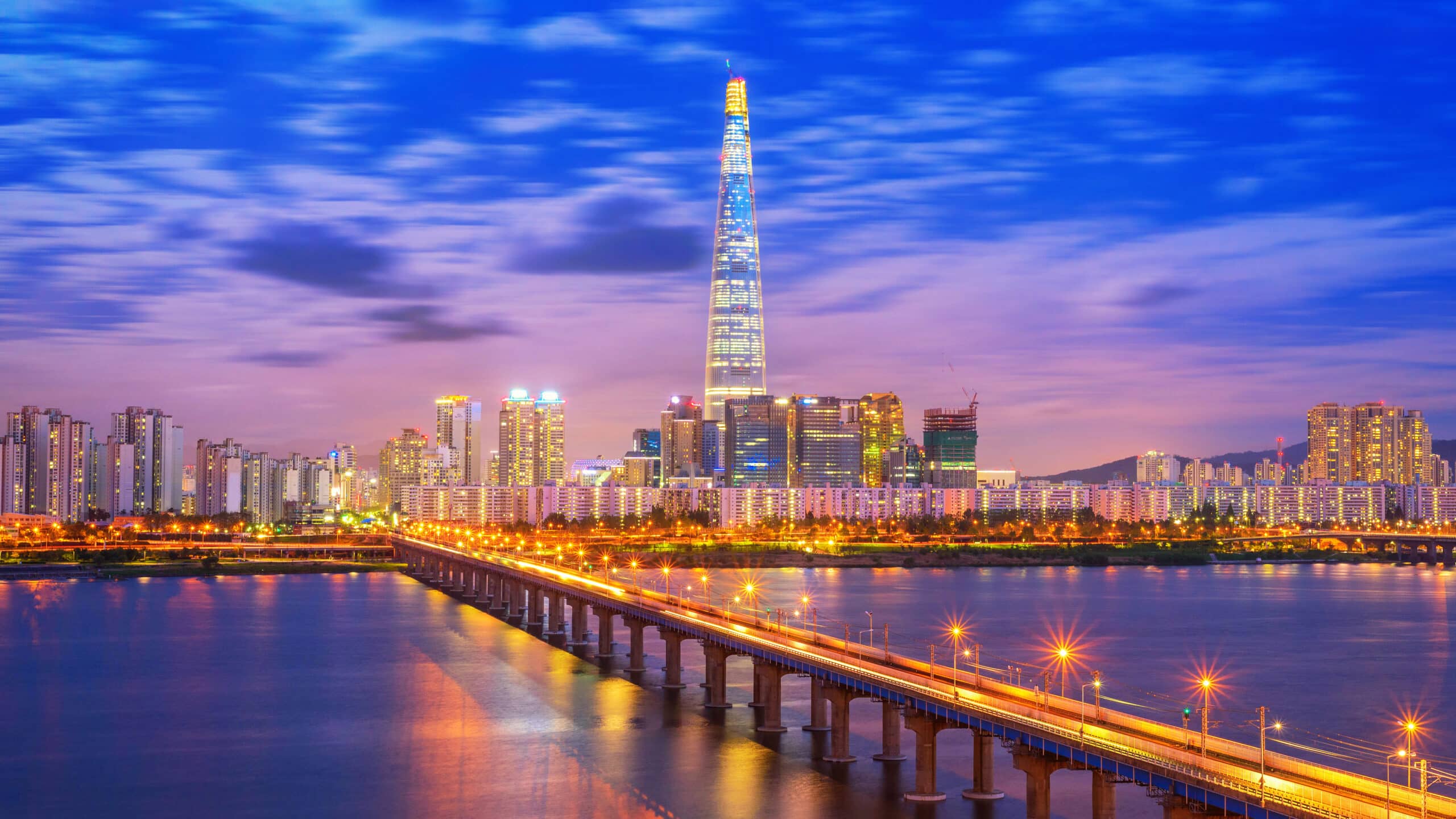
If you’re visiting Seoul for the first time, three days is enough to get a surprisingly good feel for the city.
You won’t see everything — Seoul is far too big, layered, and fast-moving for that — but you will have enough time to experience the version of the city most travelers fall for. Think royal palaces and hanok neighborhoods in the morning, smoky Korean BBQ and neon-lit streets at night, with stylish cafés, skyline views, and street food somewhere in between.
That’s what makes Seoul so addictive. It’s not just that there’s a lot to do. It’s the contrast. One moment, you’re walking through quiet palace courtyards framed by mountains. The next, you’re standing in the middle of a buzzing shopping district with skincare stores, food stalls, and K-pop pouring out onto the street.
This 3 days in Seoul itinerary is designed for first-time visitors who want to see the city properly without trying to cram in too much. It covers the essential sights, but also leaves room for the kind of places and moments that make a trip feel personal — a café you didn’t plan on, a side street you wandered into, or a market meal that ends up being your favorite part of the day.
If you want a short trip that still feels full, this is a very good place to start.
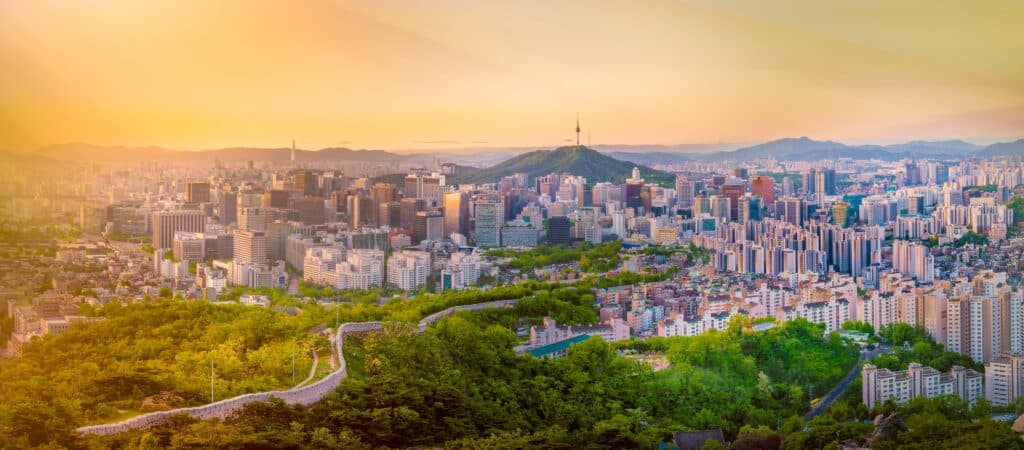
Quick Summary: 3 Days in Seoul
Short on time? Here’s how to spend 3 perfect days in Seoul:
- Day 1 – Traditional Seoul
Explore Gyeongbokgung Palace, walk through Bukchon Hanok Village, and wander Insadong. - Day 2 – Modern Seoul
Shop in Myeongdong, visit N Seoul Tower, explore Dongdaemun Design Plaza, and eat at a night market. - Day 3 – Local & Trendy Seoul
Enjoy cafés in Hongdae, stroll Yeonnam-dong, and visit COEX Mall + Starfield Library.
Best for: First-time visitors, city breaks, food lovers
Getting around: Seoul Metropolitan Subway
Recommended stay: Myeongdong or Hongdae
Table of Contents
Is 3 Days in Seoul Enough?
Yes — 3 days in Seoul is enough for a first trip, and in many ways, it’s the ideal amount of time to get introduced to the city without feeling completely overwhelmed.
Seoul is huge, but it’s also surprisingly manageable once you understand how to group your days. A lot of the city’s best experiences naturally fit together: palaces and traditional neighborhoods in one area, shopping and viewpoints in another, cafés and creative districts somewhere else. That means even a short itinerary can feel varied and satisfying rather than rushed and chaotic.
In three days, you’ll have enough time to explore some of Seoul’s biggest highlights, eat very well, and get a sense of the city’s rhythm. You’ll see the more historical side of the capital through places like Gyeongbokgung Palace, but you’ll also experience the modern, trend-driven Seoul that makes the city feel so current and exciting.
Would a fourth or fifth day be better? Of course. But if this is your first time and you only have a long weekend or short city break, three days is absolutely enough to make the trip worth it.
Before You Go: Essential Tips for Visiting Seoul
Seoul is one of those cities that feels easy once you arrive, but a little preparation before your trip will make everything smoother — especially if you’re only there for three days and want to use your time well.
Best Time to Visit Seoul
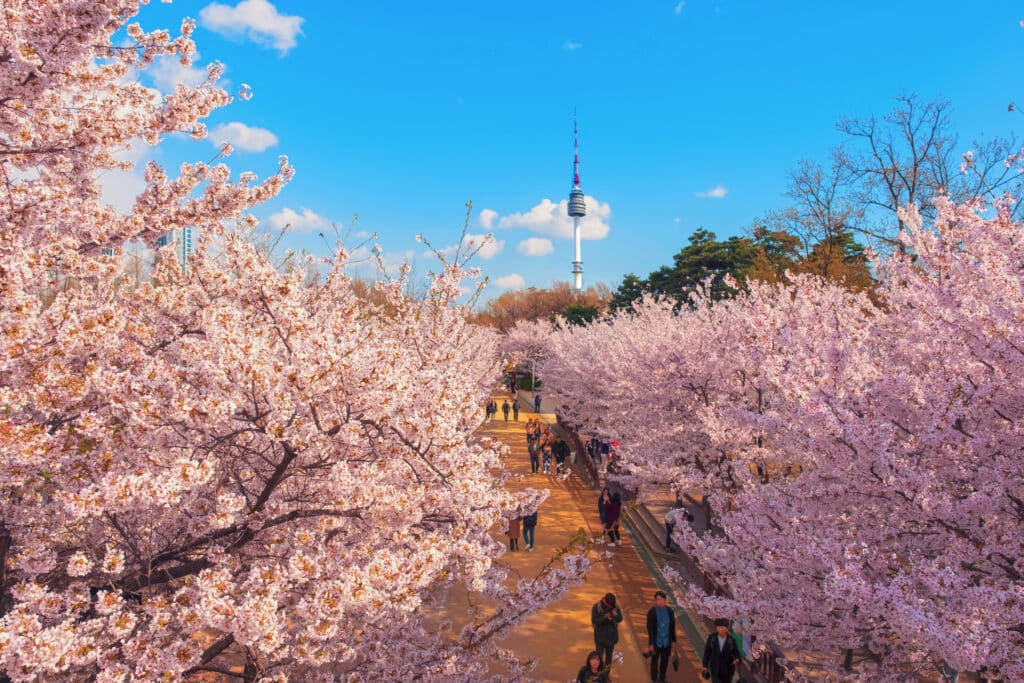
If you have flexibility, spring and autumn are the best times to visit Seoul.
Spring is especially popular for cherry blossom season, when the city feels soft, bright, and full of people spending time outdoors. Autumn is arguably even better for sightseeing, with crisp air, blue skies, and beautiful foliage that makes palace grounds and parks look even more photogenic.
Summer can be hot, sticky, and rainy, while winter can be very cold — but neither season is a bad time to visit. Seoul still has a lot of atmosphere in both. Summer feels energetic and busy, and winter has its own charm, especially if you like cozy cafés, steamy food markets, and a more dramatic city mood.
How to Get Around Seoul
One of the best things about Seoul is that it’s incredibly easy to navigate once you get used to it. The Seoul Metropolitan Subway is clean, efficient, affordable, and connects nearly every major part of the city you’re likely to visit.
If you’re staying for a few days, it’s worth picking up a T-money card, which you can use for subway rides, buses, and even some convenience store purchases. It’s simple, practical, and saves you the hassle of buying tickets each time.
Taxis are also very manageable by big-city standards, especially for shorter rides or when you’re tired at the end of the day. If you’ve spent all afternoon walking through Seoul, you’ll probably end up appreciating them more than you expected.
Where to Stay in Seoul
Where you stay in Seoul really does affect the feel of your trip, especially when your time is limited.
- Myeongdong is one of the easiest and most convenient areas for first-time visitors. It’s central, lively, and well connected.
- Hongdae is ideal if you prefer a younger, more creative, café-and-nightlife kind of atmosphere.
- Gangnam suits travelers who want a more polished, modern, and slightly more upscale base.
- Insadong is a good fit if you’d rather stay somewhere with a more traditional feel.
For a first trip, central usually wins. The less time you spend commuting, the more enjoyable your 3-day itinerary will feel.
3 Days in Seoul Itinerary Overview
This itinerary is designed to show you three different sides of Seoul, rather than trying to cram every famous attraction into one whirlwind trip.
- Day 1: Seoul’s historic heart — palaces, hanok villages, and old streets
- Day 2: Modern Seoul — shopping, skyline views, and street food
- Day 3: Local Seoul — trendy neighborhoods, cafés, and city lifestyle
That mix is what makes this itinerary work so well. Seoul is at its best when you experience both its tradition and its edge — and over three days, that balance is exactly what you want.
View all locations from this 3 days in Seoul itinerary on the map below
Day 1 in Seoul: Palaces, Hanok Villages, and Traditional Culture
Your first day in Seoul should be all about the city’s historic side.
Not because you have to start with the “cultural” part, but because it gives everything else context. Once you’ve seen the royal palaces, old neighborhoods, and traditional architecture, modern Seoul feels even more striking by comparison. And few cities do that contrast better.
This is one of the most beautiful days of the itinerary — slower, more atmospheric, and full of places that feel distinctly Korean in a way that’s hard to replicate anywhere else.
Start at Gyeongbokgung Palace
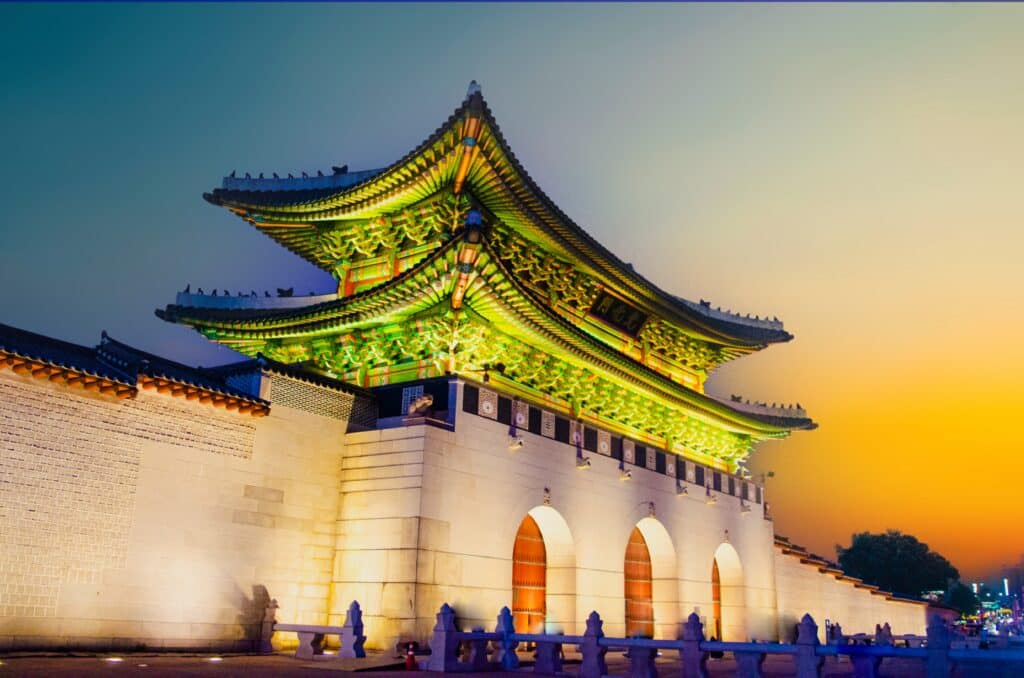
Begin your morning at Gyeongbokgung Palace, the grandest and most iconic of Seoul’s royal palaces.
Even if you’ve seen photos of it before, it’s the kind of place that still feels impressive in person. The scale, the symmetry, the mountain backdrop, the open courtyards — it all makes for a pretty unforgettable first stop in the city.
Try to get there earlier in the morning if you can. The light is better, the atmosphere is calmer, and it’s easier to appreciate the palace without the busiest part of the crowd. If you’re interested in photos or want the full experience, this is also where a lot of visitors choose to rent a hanbok, the traditional Korean dress.
Walk Through Bukchon Hanok Village
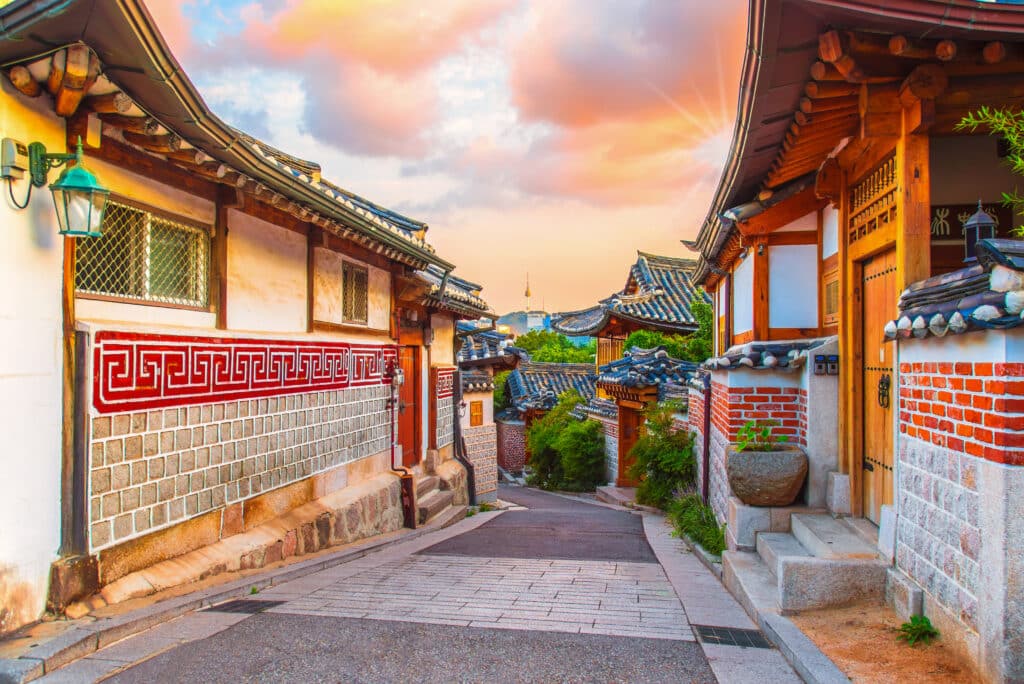
From the palace, continue to Bukchon Hanok Village, one of the most atmospheric neighborhoods in the city.
Bukchon is known for its narrow alleys, sloped streets, and beautifully preserved hanok houses, and it’s one of those places that really does feel like stepping into another era. The rooftops, the wooden details, the quiet corners — it all feels worlds away from the faster, shinier version of Seoul you’ll see later in the trip.
Because it’s still a residential area, it’s worth being respectful while you’re there. Keep your voice down, move slowly, and treat it more like a neighborhood than an attraction.
Explore Insadong for Tea, Crafts, and Souvenirs
Once you’re ready for lunch or a more relaxed pace, head to Insadong.
This is one of the easiest neighborhoods in Seoul to love. It’s lined with tea houses, art shops, ceramics stores, stationery, Korean craft items, and all kinds of small details that make it fun to wander through.
It’s a very good place to stop for a slower lunch or an afternoon tea break, especially if you want a pause in the middle of the day. It’s also one of the best areas in Seoul to browse for souvenirs that feel thoughtful rather than generic.
Optional Stop: Changdeokgung Palace or Ikseon-dong
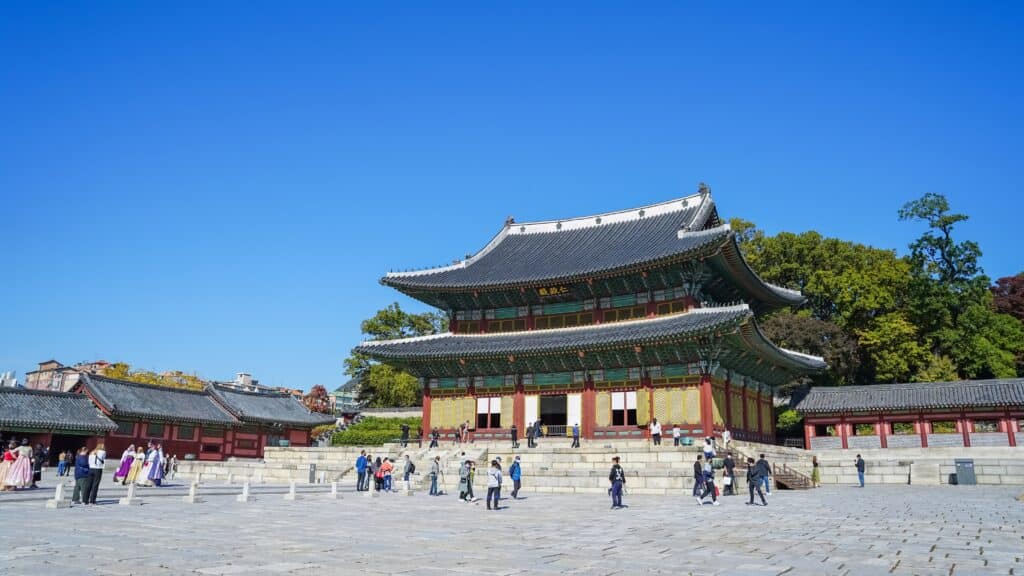
If you still have energy in the afternoon, you’ve got two very good options.
If you’re still in the mood for history and architecture, visit Changdeokgung Palace, which has a quieter and more elegant atmosphere than Gyeongbokgung.
If you’d rather shift into something trendier, head to Ikseon-dong instead. It’s one of Seoul’s prettiest neighborhoods, where traditional hanok buildings have been turned into stylish cafés, dessert spots, small restaurants, and boutiques.
Dinner Recommendation for Day 1
For your first dinner in Seoul, keep things classic.
This is a good night to try a proper traditional Korean meal or settle into your first Korean BBQ dinner of the trip. Bibimbap, grilled meat, soups, and stews all work beautifully after a full day of walking.
If you still have a little energy left afterward, a relaxed evening stroll is a lovely way to end your first day.
Day 2 in Seoul: Shopping, Street Food, and City Views
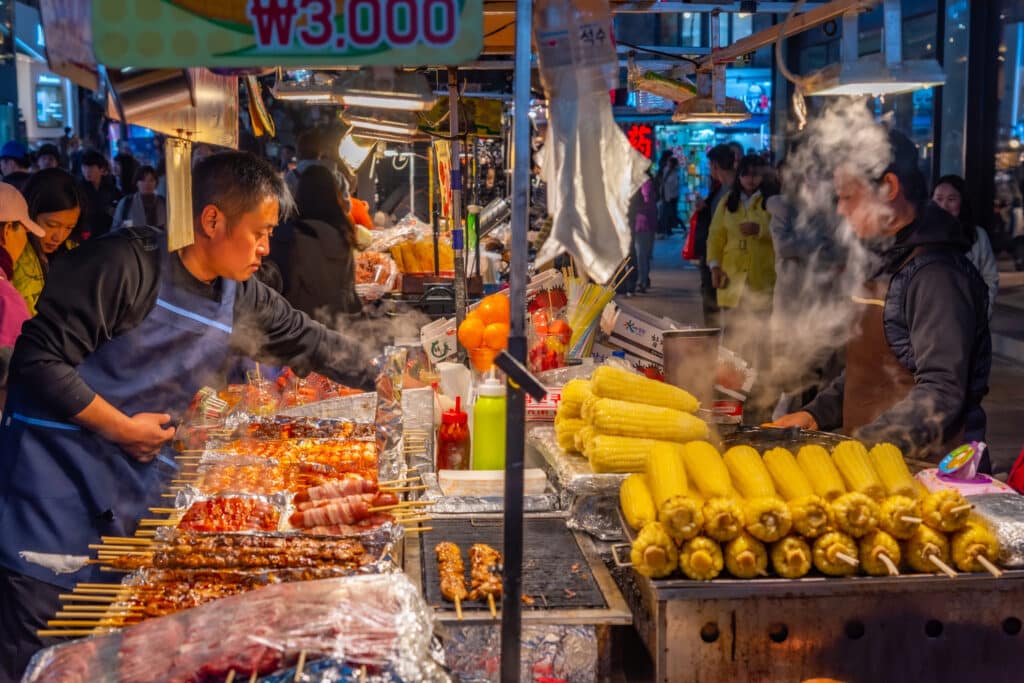
If Day 1 showed you Seoul’s quieter, more historic side, Day 2 is where the city starts to feel bigger, louder, brighter, and much more fast-paced.
This is the Seoul many people picture first: shopping streets, skyline views, modern architecture, busy sidewalks, food stalls, and that constant sense that the city is always moving.
Morning in Myeongdong
Start your day in Myeongdong, one of the most famous neighborhoods in Seoul for visitors.
It’s busy, bright, convenient, and full of energy. You’ll find fashion stores, beauty brands, cafés, snack stalls, and enough skincare shops to make even the least beauty-interested traveler at least a little curious.
Myeongdong is often treated like a shopping stop, but it’s more enjoyable if you let yourself wander without trying to buy too much. It’s a good place to people-watch, grab coffee, and soak up the atmosphere of central Seoul.
Visit N Seoul Tower
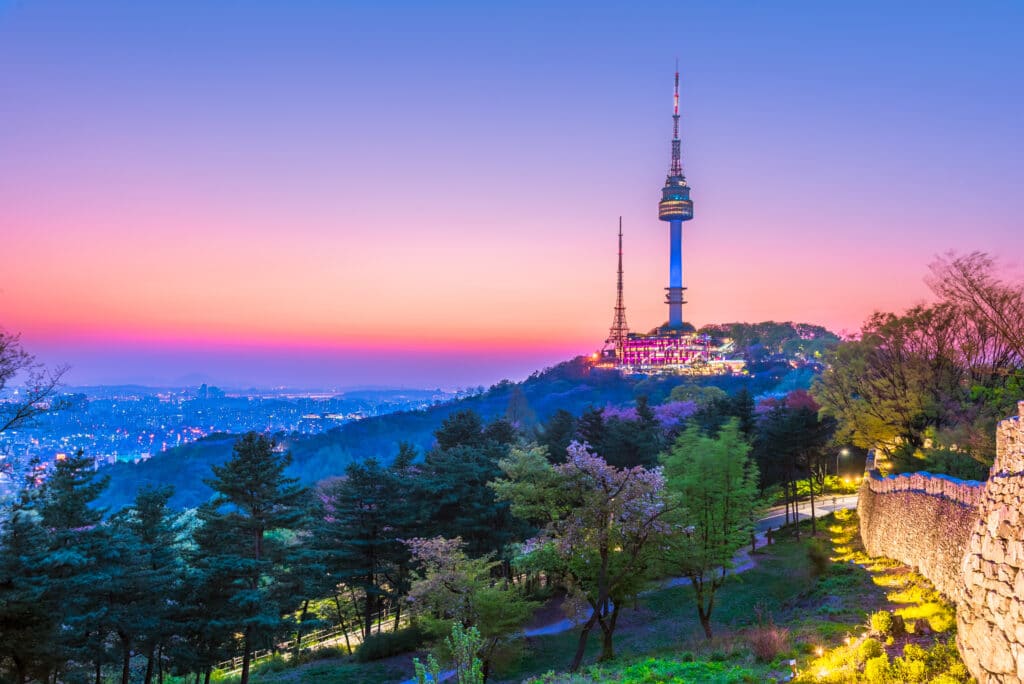
From Myeongdong, make your way toward N Seoul Tower, one of the city’s most iconic landmarks.
Perched above the city on Namsan, it gives you one of the best panoramic views in Seoul — and a real sense of the city’s scale. Seoul stretches out in every direction, dense and layered and endlessly urban, and this is one of the best places to appreciate that.
You can walk, take a bus, or use the cable car depending on how much effort you’re in the mood for.
Explore Dongdaemun Design Plaza
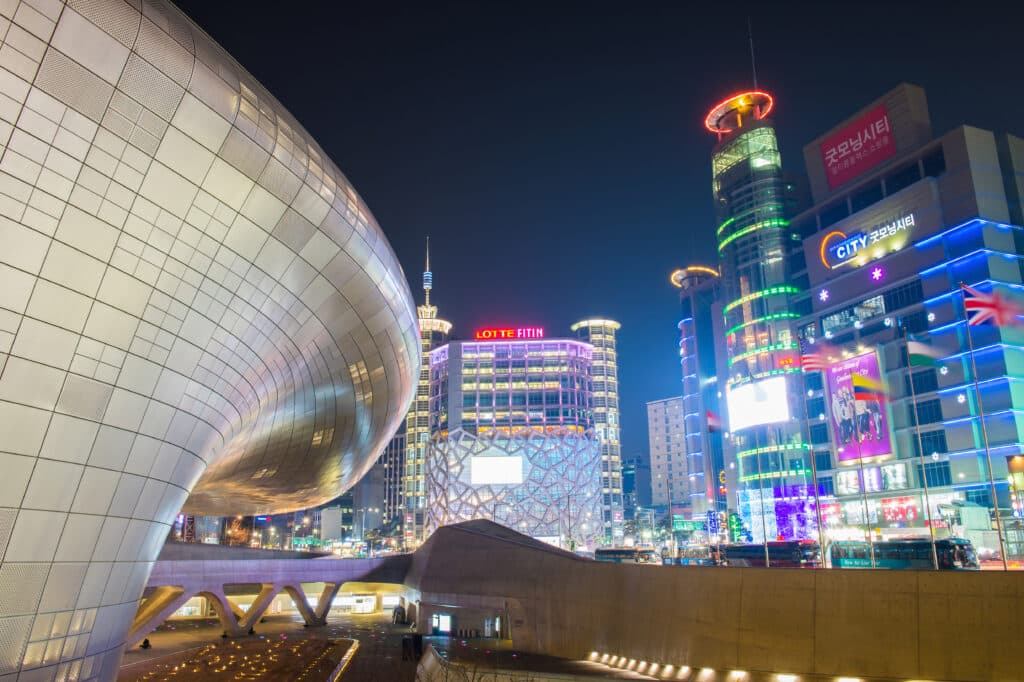
In the afternoon, head to Dongdaemun Design Plaza, usually just called DDP.
This is one of the clearest examples of Seoul’s modern personality. The architecture is futuristic and fluid, almost spaceship-like, and the whole place feels designed to remind you that Seoul is not just historical or traditional — it’s also contemporary and design-forward.
Depending on when you visit, there may be exhibitions, pop-up events, or seasonal installations around the space.
End the Day at a Night Market
This is the kind of day that deserves a strong food ending, and in Seoul, that usually means a market.
A night market or food market is one of the best places to finish Day 2, partly because the food is excellent and partly because it captures the city’s energy so well. It’s noisy, casual, crowded in the best way, and full of things you’ll want to try even if you’re already full.
Namdaemun Market and Gwangjang Market are both great options depending on where you are and what kind of atmosphere you want.
Day 3 in Seoul: Trendy Neighborhoods, Cafés, and Local Life
By your third day in Seoul, you’ve already seen a lot. So Day 3 is where the trip starts to breathe a little.
This is the day for wandering, for neighborhoods that don’t revolve around one major attraction, and for seeing a version of Seoul that feels more local, more current, and more lived in.
Brunch and Cafés in Hongdae
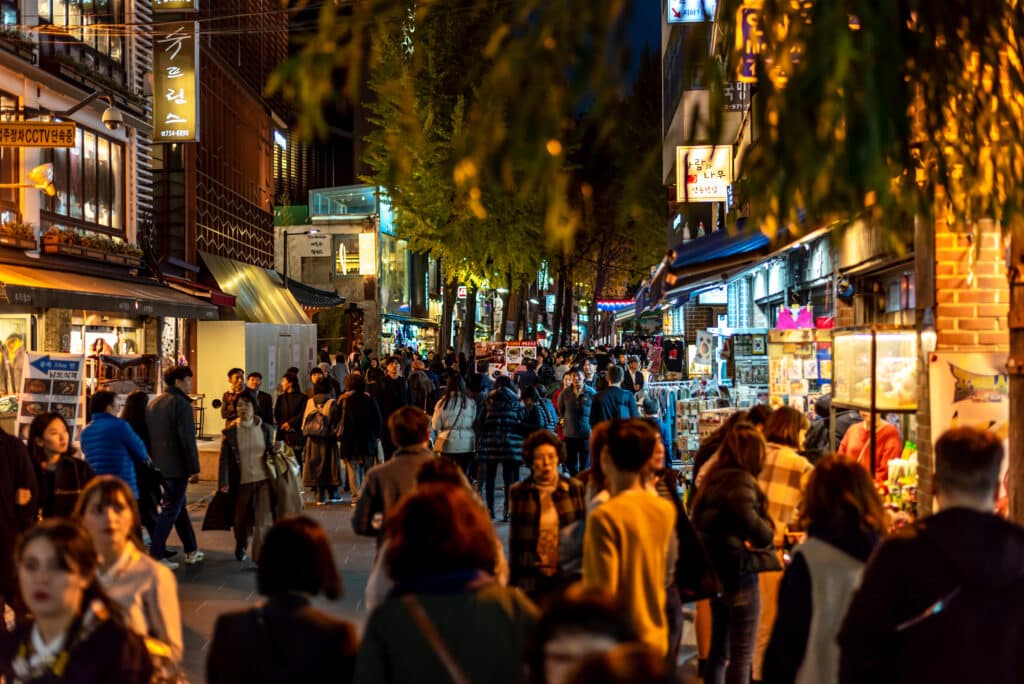
Start your final day in Hongdae, one of the most energetic and personality-filled parts of the city.
Hongdae is known for its youthful vibe, street performances, indie feel, and café culture — and it’s a very good place to have a slower morning after two fuller sightseeing days.
It’s also one of those neighborhoods that rewards aimless walking. The side streets are full of small shops, creative spaces, fashion boutiques, dessert cafés, and places that feel much more fun to discover naturally than to over-plan.
Stroll Around Yeonnam-dong
From Hongdae, continue into Yeonnam-dong, which feels like a calmer extension of the same energy.
Yeonnam-dong is the kind of neighborhood people end up liking more than they expected. It doesn’t have a giant landmark or major must-see attraction, but it has atmosphere — and sometimes that matters more.
This is where you’ll find stylish little cafés, independent shops, side streets worth lingering in, and a more local rhythm that feels very different from central Seoul’s busiest areas.
Visit COEX Mall and Starfield Library
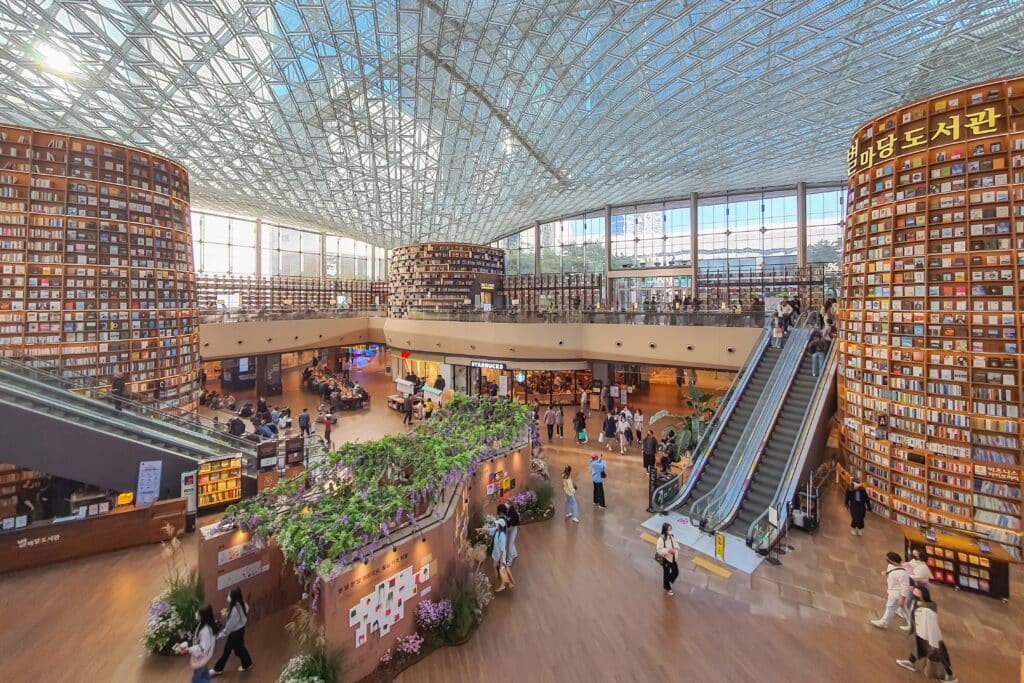
In the afternoon, switch gears again and head toward COEX Mall.
COEX is huge, polished, and home to one of the city’s most photographed interiors: Starfield Library.
If you’ve seen photos of soaring bookshelves and dramatic open space, it’s probably this. It’s one of those places that manages to feel both impressive and oddly calming at the same time.
Optional Sunset or Final Viewpoint
If you want to end your trip with one last skyline moment, this is the time to do it.
Lotte World Tower is the obvious dramatic option if you want a proper final city view. But honestly, a walk by the Han River can be just as memorable — and often more relaxing.
Final Dinner in Seoul
For your last night, go somewhere you’ll actually remember.
That could mean a lively Korean BBQ restaurant, a tiny local spot that looked too good to ignore, or a neighborhood restaurant you stumbled across while wandering.
Day 3 is often the day people end up loving most — not because it has the biggest sights, but because it feels the most like settling into the city rather than just passing through it.
Best Foods to Try During 3 Days in Seoul
A short trip to Seoul is still long enough to eat extremely well.
In fact, one of the easiest mistakes to make here is treating food like a side activity rather than a central part of the trip. In Seoul, meals are not just practical. They’re part of the atmosphere, part of the fun, and often part of what you remember most.
Must-Try Korean Dishes
A few dishes are especially worth prioritizing.
Bibimbap is one of the easiest and most reliable meals for first-time visitors.
A proper Korean BBQ meal is also non-negotiable if you can fit it in.
For street food, Tteokbokki is one of the city’s most iconic snacks. And of course, you’ll eat Kimchi constantly — often without even trying to.
Other easy favorites include Korean fried chicken, dumplings, hotteok, kimbap, savory pancakes, and market noodles.
Best Places to Eat in Seoul
The good news is that Seoul is not a city where you need every meal planned in advance.
Some of the best meals happen because you got hungry in the right neighborhood at the right time. A market stall, a tiny restaurant with a queue, a café you wandered into because it looked nice — that’s very much how Seoul works.
Myeongdong is good for snacks and fast food stops, Hongdae is great for casual dining and café culture, and food markets are ideal when you want to try several things in one sitting.
How Much Does 3 Days in Seoul Cost?
Seoul is one of those cities that can feel surprisingly affordable or unexpectedly expensive depending on how you travel.
A budget trip can cost around €180–€300 per person for 3 days, excluding flights.
A mid-range trip will usually sit somewhere around €350–€650 per person for three days.
If you prefer a more polished or upscale city break, it’s easy to spend €700+ over 3 days, especially if you’re staying in higher-end hotels, shopping often, or leaning into more premium dining.
Typical Seoul Travel Costs
Your main costs will usually be:
- Accommodation
- Food
- Shopping
- Transport
- Attractions
The nice part is that transportation stays relatively low thanks to the subway, and food can be excellent without needing to be expensive.
Tips for Your 3-Day Seoul Itinerary
Three days in Seoul goes quickly, so a few small choices can make the trip feel much smoother.
- Start early for major attractions and popular neighborhoods
- Wear comfortable shoes because you’ll walk more than you expect
- Keep a little cash for markets and smaller local spots
- Download maps and translation apps
- Leave room for spontaneous stops and meals
The biggest tip? Don’t over-schedule Seoul.
Some of the best parts of your trip will probably be the things you didn’t plan precisely — the side street you wandered down, the café you stopped at because you were tired, the food stall you only tried because it smelled too good to ignore.
FAQs About Spending 3 Days in Seoul
Is 3 days enough in Seoul?
Yes, 3 days in Seoul is enough for a first visit, especially if you focus on the city’s major highlights.
What should I do in Seoul for 3 days?
A good 3 day Seoul itinerary should include a mix of culture, food, and modern city life.
Where should I stay for 3 days in Seoul?
For first-time visitors, the best areas to stay in Seoul are usually Myeongdong, Hongdae, Insadong, or Gangnam.
Is Seoul expensive for tourists?
Seoul can suit a wide range of budgets, from affordable city breaks to more upscale trips.
What is the best time to visit Seoul?
The best time to visit Seoul is usually spring or autumn.
What should I not miss in Seoul?
If it’s your first trip, don’t miss Gyeongbokgung Palace, Bukchon Hanok Village, N Seoul Tower, Myeongdong, and at least one market food experience.
Final Thoughts on Spending 3 Days in Seoul
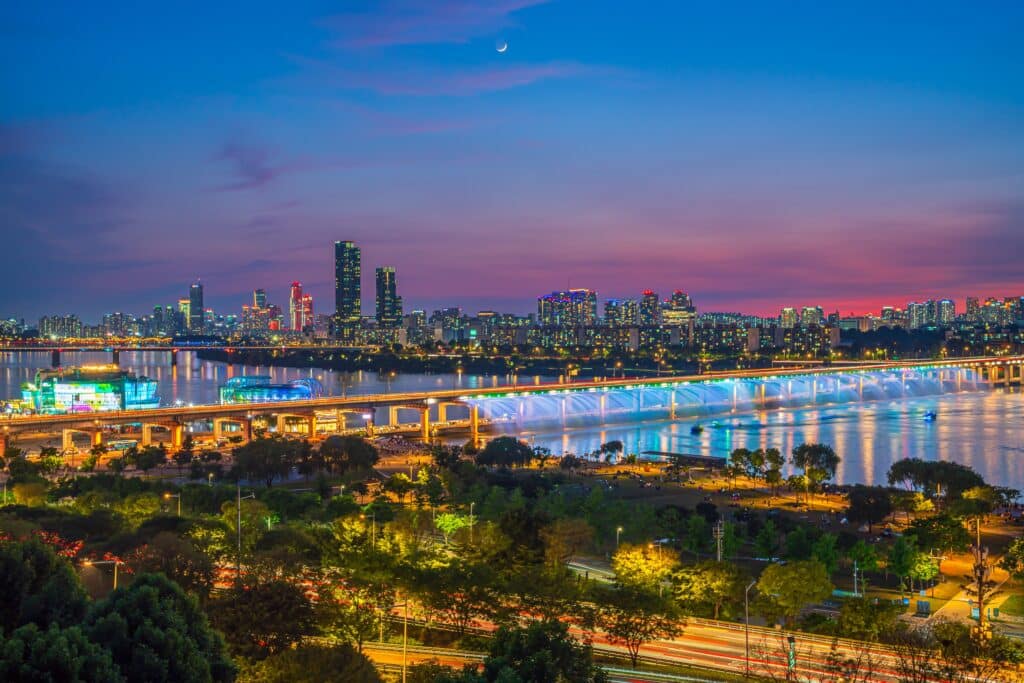
Three days in Seoul won’t show you everything, but it will absolutely show you enough to understand why people keep coming back.
In a very short amount of time, you can move between royal palaces, old neighborhoods, design landmarks, shopping streets, café culture, skyline views, and some genuinely excellent food — all without ever feeling like the city loses its identity.
That’s really what makes Seoul memorable. It’s not just modern, and it’s not just traditional. It’s both at once, constantly.
If this is your first trip, this itinerary gives you a strong, balanced, and very enjoyable introduction to the city. And if you leave already thinking about what you’d do with five days instead of three, that’s probably the best outcome you could hope for.