
France stands as one of the world’s most celebrated destinations, a country where history, art, cuisine, and landscape blend seamlessly into an unforgettable cultural experience. From medieval villages to glamorous coastal resorts, from Alpine peaks to vineyard-covered valleys, France offers a remarkable diversity that few nations can rival. For centuries, it has shaped global culture through philosophy, fashion, literature, architecture, and gastronomy, earning its reputation as a center of refinement and inspiration.
The country’s capital, Paris, often called the City of Light, symbolizes romance and artistic brilliance, yet France extends far beyond its iconic skyline. Each region possesses a distinct identity, dialect, cuisine, and architectural style. In Provence, lavender fields stretch under golden sunlight. Along the French Riviera, turquoise waters meet elegant promenades. In the Loire Valley, fairy-tale châteaux rise from lush countryside, while Normandy’s cliffs and beaches echo with powerful historical memory.
France’s cultural heritage spans ancient Roman ruins, Gothic cathedrals, Renaissance palaces, and modern architectural marvels. Its culinary traditions are equally influential, from rustic countryside dishes to refined Michelin-starred cuisine. Wine regions such as Bordeaux and Burgundy are globally renowned, producing vintages that define excellence.
Beyond landmarks and landscapes, what truly distinguishes France is its art of living — the café conversations, bustling markets, leisurely meals, and deep appreciation for beauty in everyday life. Whether exploring cosmopolitan cities or quiet rural villages, visitors encounter a nation proud of its heritage yet vibrantly contemporary.
Our guide explores the very best places across France, revealing destinations that capture its spirit, elegance, and extraordinary diversity.
29. Paris
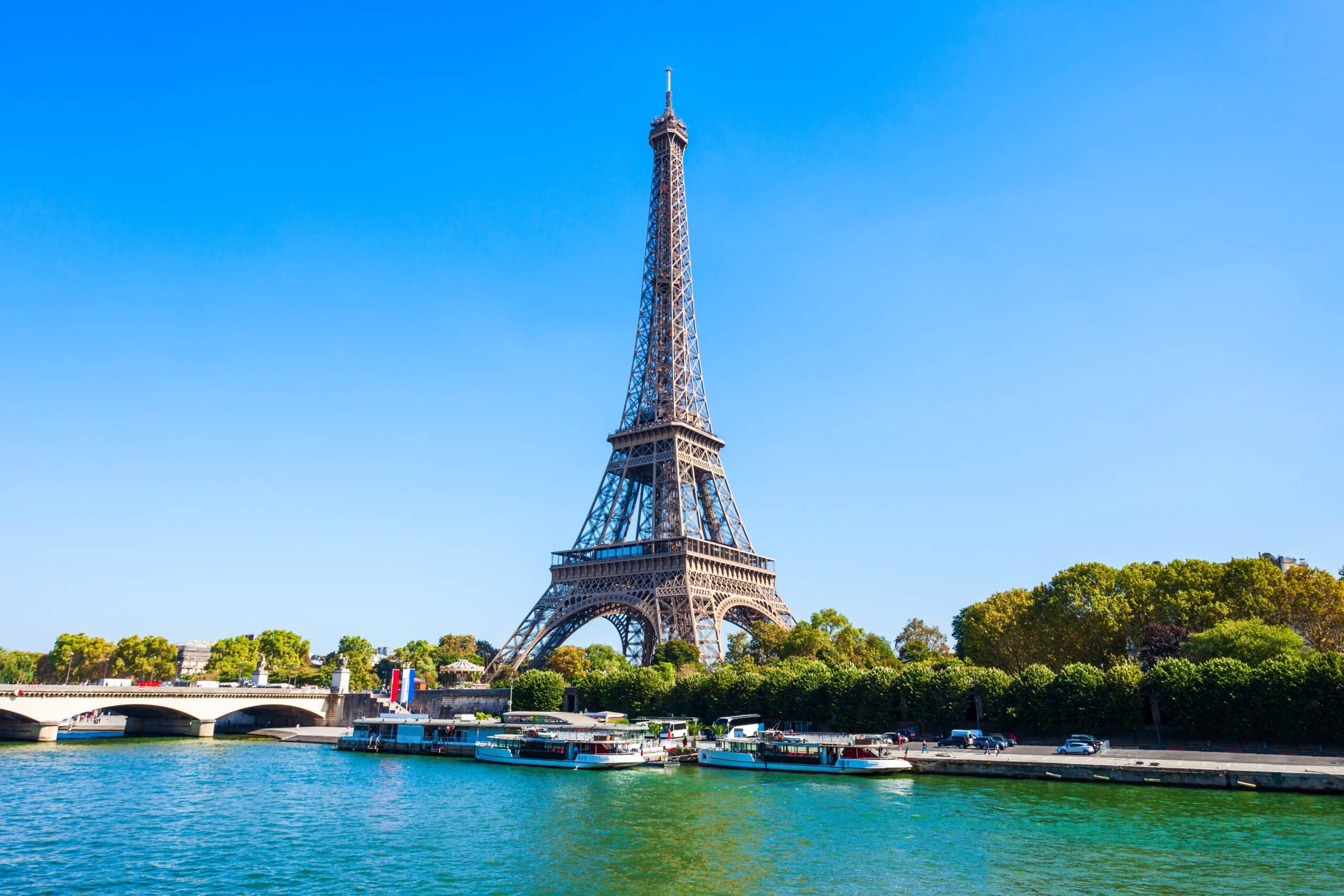
Paris is the heart of France — politically, culturally, and artistically. Often regarded as one of the world’s most beautiful cities, it seamlessly blends historic grandeur with modern sophistication. The skyline is instantly recognizable, crowned by the iconic Eiffel Tower, which has symbolized French elegance since 1889.
The city’s architectural treasures span centuries. The Gothic masterpiece Notre-Dame Cathedral stands proudly along the Seine, while the vast Louvre Museum houses thousands of works, including the Mona Lisa. Strolling along the Champs-Élysées toward the Arc de Triomphe offers a glimpse into imperial history and grand urban design.
Yet Paris is not only about monuments. Its neighborhoods define its character. Montmartre charms with bohemian streets and artists’ studios, while Le Marais blends medieval lanes with contemporary boutiques. Sidewalk cafés invite visitors to pause and absorb the city’s rhythm, where conversation, art, and cuisine merge effortlessly.
Paris is also a global capital of gastronomy and fashion. From buttery croissants to haute cuisine, culinary excellence thrives in both humble bistros and Michelin-starred restaurants. Fashion houses and luxury boutiques reinforce its reputation as a trendsetting metropolis.
Whether wandering along the Seine at sunset or discovering hidden courtyards, Paris offers a timeless atmosphere that continues to enchant travelers from around the world.
28. Nice
Nice is the radiant jewel of the French Riviera, where Mediterranean light paints the city in hues of gold and azure. Nestled between the Alps and the sea, Nice combines natural beauty, Italian influence, and relaxed coastal elegance. Its famed Promenade des Anglais stretches along the Baie des Anges, offering sweeping views of turquoise waters and palm-lined shores.
The city’s Old Town, Vieux Nice, reveals a different charm. Narrow alleyways wind between pastel-colored buildings, lively markets, and baroque churches. The scent of fresh socca and seafood drifts from open-air cafés, reflecting the region’s distinctive cuisine shaped by both French and Italian traditions.
Art lovers find inspiration here as well. Nice has long attracted painters drawn by its luminous skies. Museums dedicated to artists such as Marc Chagall highlight the city’s creative heritage. Above the Old Town, Castle Hill provides panoramic views of rooftops and coastline, particularly breathtaking at sunset.
Beyond its beauty, Nice offers a relaxed pace of life. Locals gather in shaded squares, and beaches — both public and private — invite visitors to unwind by the sea. The climate remains mild most of the year, making it an ideal destination in every season.
Nice perfectly balances glamour and authenticity, embodying the Riviera’s refined yet welcoming spirit.
27. Lyon
Lyon is widely regarded as the gastronomic capital of France, yet its appeal extends far beyond cuisine. Situated at the confluence of the Rhône and Saône rivers, the city boasts over two thousand years of history, from Roman foundations to Renaissance splendor.
The district of Vieux Lyon enchants visitors with cobbled streets, hidden passageways known as traboules, and beautifully preserved Renaissance architecture. Across the river, the Presqu’île forms the vibrant heart of the city, lined with elegant squares and lively shopping streets. Rising above it all, the Basilica of Notre-Dame de Fourvière crowns the hilltop, offering sweeping views of the urban landscape.
Lyon’s culinary reputation is legendary. Traditional bouchons serve hearty regional dishes in warm, intimate settings, celebrating flavors rooted in local produce. Markets overflow with cheeses, charcuterie, and fresh ingredients that reflect the richness of the surrounding countryside.
Culturally, Lyon thrives with museums, theaters, and festivals. The annual Festival of Lights transforms the city into a glowing spectacle, illuminating façades and riverbanks with artistic projections.
Blending heritage, innovation, and culinary excellence, Lyon captures the essence of French tradition while embracing modern creativity.
26. Bordeaux
Bordeaux is synonymous with world-class wine, yet the city itself is equally refined and captivating. Located along the Garonne River in southwestern France, Bordeaux has transformed over recent decades into one of the country’s most elegant urban destinations. Its harmonious 18th-century architecture has earned it recognition as a UNESCO World Heritage Site, reflecting a golden era of trade and prosperity.
The Place de la Bourse stands as the city’s architectural crown jewel. Facing the river, its classical façade is mirrored by the Miroir d’Eau, the world’s largest reflecting pool, creating a mesmerizing visual effect. Nearby, the historic center unfolds in graceful squares, grand avenues, and lively cafés where locals savor espresso and pastries beneath limestone façades.
Wine remains central to Bordeaux’s identity. The surrounding region produces some of the most prestigious vintages on earth, from Médoc to Saint-Émilion. Visitors can explore vineyards, tour cellars, and learn about centuries-old winemaking traditions. The immersive Cité du Vin museum further celebrates the global culture of wine through interactive exhibits and tastings.
Beyond gastronomy and architecture, Bordeaux offers a relaxed lifestyle. Riverside promenades invite cycling and evening strolls, while vibrant markets showcase regional delicacies such as oysters and canelés. The Atlantic coast lies only a short journey away, adding beaches and fresh sea air to the experience.
Bordeaux perfectly balances sophistication with warmth, offering a refined yet approachable introduction to southwestern France.
25. Loire Valley
The Loire Valley is often described as the “Garden of France,” a region of rolling countryside, vineyards, and storybook castles. Stretching along the Loire River, this fertile landscape flourished during the Renaissance, when French royalty and nobility constructed magnificent châteaux as symbols of prestige and artistic vision.
Among the most remarkable is the Château de Chambord, renowned for its distinctive French Renaissance architecture and grand double-helix staircase. Equally enchanting is Château de Chenonceau, gracefully spanning the River Cher and often called the “Ladies’ Castle” due to the influential women who shaped its history.
The valley’s appeal extends beyond its castles. Sunlit vineyards produce crisp white wines such as Sancerre and Vouvray, celebrated for their freshness and elegance. Quaint villages with stone cottages and flower-lined streets add to the region’s charm, while cycling paths along the river allow visitors to explore at a leisurely pace.
Gardens play an important role in the Loire’s identity. Formal Renaissance designs blend with wild riverbanks and orchards, creating a harmonious relationship between architecture and nature. Seasonal festivals celebrate horticulture, music, and local cuisine, reinforcing the region’s artistic spirit.
The Loire Valley offers tranquility and refinement in equal measure — a destination where history, landscape, and culture intertwine in timeless harmony.
24. Normandy
Normandy is a land of dramatic coastlines, pastoral countryside, and profound historical significance. Located in northern France along the English Channel, the region presents a landscape shaped by wind, sea, and centuries of human endeavor.
The white cliffs of Étretat rise dramatically above turquoise waters, inspiring artists and writers for generations. Inland, half-timbered houses and apple orchards define the rural scenery, where traditional cider and Camembert cheese reflect deep agricultural roots.
Normandy holds a central place in modern history. The D-Day landing beaches — including Omaha and Utah — stand as solemn reminders of the Allied invasion during World War II. Memorials and museums throughout the region honor the courage and sacrifice that shaped Europe’s future.
Equally iconic is Mont-Saint-Michel, a medieval abbey rising from tidal sands like a vision from legend. At high tide, the island appears to float above the sea; at low tide, vast sands stretch toward the horizon. Its narrow streets and Gothic spires transport visitors to another era.
Normandy’s cuisine emphasizes fresh seafood, cream-based sauces, and orchard fruits. Coastal towns offer bustling fish markets, while inland villages preserve centuries-old traditions.
Balancing natural beauty with historical depth, Normandy is a region that invites reflection, exploration, and appreciation of France’s enduring resilience.
23. Provence
Provence embodies the sun-drenched soul of southern France, where lavender fields, olive groves, and vineyards flourish beneath clear blue skies. This region has long inspired artists, writers, and travelers drawn to its radiant light and relaxed rhythm of life.
The countryside is painted in vivid colors — purple lavender in summer, golden sunflowers, and silvery olive trees swaying in warm breezes. Hilltop villages such as Gordes and Roussillon rise above the landscape, their stone houses glowing in shades of honey and ochre. Weekly markets fill village squares with fresh produce, fragrant herbs, and handcrafted goods.
Historically, Provence carries traces of Roman influence. Amphitheaters, aqueducts, and ancient ruins reflect its importance during antiquity. The region’s cultural identity is equally rich, shaped by centuries of trade and Mediterranean exchange. Festivals celebrating music, art, and local traditions animate towns throughout the year.
Cuisine in Provence is vibrant and aromatic. Dishes feature tomatoes, garlic, basil, and olive oil, capturing the essence of Mediterranean flavors. Seafood along the coast pairs beautifully with local rosé wines, enjoyed slowly beneath shaded terraces.
Whether exploring rural vineyards, strolling through bustling Aix-en-Provence, or simply watching the sunset over rolling hills, Provence offers a sensory experience rooted in simplicity and beauty. It represents a way of life that values nature, flavor, and leisurely appreciation of each passing moment.
22. Strasbourg
Strasbourg stands at the crossroads of French and German cultures, creating a unique identity shaped by centuries of shared history. Located near the Rhine River in eastern France, the city blends medieval charm with European political importance.
The historic center, known as La Petite France, enchants visitors with half-timbered houses, flower-lined canals, and cobblestone streets. Towering above it all is the magnificent Strasbourg Cathedral, a masterpiece of Gothic architecture famed for its intricate façade and astronomical clock.
Strasbourg’s dual heritage is reflected in its cuisine and traditions. Hearty dishes such as choucroute and tarte flambée reveal Germanic influence, while French refinement shapes presentation and culinary technique. The city is especially magical during its Christmas market season, one of the oldest and most celebrated in Europe.
Beyond its historic beauty, Strasbourg plays a modern role as the seat of several European institutions, symbolizing unity and cooperation. Contemporary architecture and international diplomacy coexist alongside medieval streets and ancient bridges.
With its storybook scenery and cultural depth, Strasbourg offers a fascinating glimpse into the layers of European history while remaining distinctly French in spirit and elegance.
21. Marseille
Marseille, France’s oldest city, pulses with Mediterranean energy and maritime heritage. Founded by Greek sailors over 2,600 years ago, it has long served as a gateway between Europe, Africa, and the Middle East. This diversity shapes its vibrant culture, cuisine, and atmosphere.
The Vieux-Port remains the city’s beating heart, where fishing boats and yachts share the harbor beneath bright southern skies. Waterfront cafés serve bouillabaisse, the city’s famous seafood stew, rich with saffron and freshly caught fish. The scent of salt air and spices reflects Marseille’s cosmopolitan spirit.
Overlooking the city, the basilica of Notre-Dame de la Garde offers sweeping views of sea and skyline. Its hilltop position has long protected sailors and symbolizes local pride. Nearby, the modern MuCEM museum highlights Mediterranean civilizations through innovative design and exhibitions.
Marseille’s coastline is equally compelling. The Calanques National Park features dramatic limestone cliffs plunging into turquoise coves, ideal for hiking and swimming. Urban neighborhoods showcase street art, bustling markets, and a lively cultural scene.
Authentic and dynamic, Marseille embraces its imperfections and celebrates its diversity. It stands apart from more polished destinations, offering visitors a raw, colorful, and unforgettable Mediterranean experience.
20. Toulouse
Toulouse, often called “La Ville Rose” (The Pink City), owes its nickname to the warm terracotta bricks that define its architecture. Located in southwestern France along the Garonne River, Toulouse blends historic charm with modern innovation, particularly in aerospace and technology.
The city’s heart is the Place du Capitole, an expansive square framed by the grand Capitole building, which houses the town hall and a theater. Cafés spill onto the plaza, creating a lively atmosphere where locals gather from morning until late evening. Nearby, the Basilica of Saint-Sernin stands as one of Europe’s finest Romanesque churches and a key stop along the Camino de Santiago pilgrimage route.
Toulouse is also known as Europe’s aerospace capital. It is home to major aviation industries and the Cité de l’Espace museum, where visitors can explore interactive exhibits on space exploration and admire full-scale spacecraft models. This innovative spirit contrasts beautifully with the city’s medieval streets and riverside promenades.
Cuisine in Toulouse reflects the hearty flavors of the southwest. Cassoulet, a slow-cooked dish of beans, sausage, and duck, represents the region’s culinary identity. Local markets overflow with foie gras, cheeses, and fresh produce from the surrounding countryside.
With its youthful energy, thanks to a large student population, and its harmonious mix of tradition and progress, Toulouse offers a warm and dynamic experience that captures the character of southern France.
19. Montpellier
Montpellier is a vibrant Mediterranean city known for its youthful spirit, elegant architecture, and sunny climate. Situated near the southern coast of France, it has grown from a medieval trading hub into a dynamic cultural center while preserving its historic soul.
The Place de la Comédie forms the city’s lively focal point, where street performers, cafés, and elegant façades create an inviting ambiance. Just beyond lies the historic Écusson district, a maze of narrow streets, shaded squares, and centuries-old mansions. The Promenade du Peyrou offers panoramic views and leads to an impressive aqueduct reminiscent of Roman engineering.
Montpellier is one of France’s major university cities, giving it a youthful and energetic atmosphere. Students fill terraces and cultural venues, contributing to a thriving arts and music scene. Contemporary architecture, such as the striking Antigone district, adds modern flair to the cityscape.
The Mediterranean influence shapes local cuisine, emphasizing seafood, olives, and fresh vegetables. Nearby beaches provide easy escapes for sun and relaxation, while vineyards in the Languedoc region produce bold and affordable wines.
Balancing historic elegance with modern creativity, Montpellier offers a relaxed yet lively experience. It is a city that feels both intellectual and coastal, where tradition meets innovation under nearly constant sunshine.
18. Dijon
Dijon, the historic capital of Burgundy, is a city of refined tastes and architectural splendor. Known worldwide for its mustard and exceptional wines, Dijon offers visitors a rich blend of gastronomy and medieval heritage.
The city center is remarkably well preserved, featuring half-timbered houses, grand townhouses, and elegant public buildings. The Palace of the Dukes of Burgundy stands as a powerful reminder of the region’s once-formidable influence during the Middle Ages. Today, it houses the Musée des Beaux-Arts, showcasing centuries of artistic achievement.
Dijon’s connection to wine is inseparable from its identity. The surrounding Burgundy vineyards produce some of the world’s most prestigious Pinot Noir and Chardonnay wines. The Route des Grands Crus attracts enthusiasts eager to explore cellars, estates, and rolling vineyard landscapes.
Culinary excellence defines daily life here. Traditional dishes feature rich sauces, local cheeses, and, of course, the famous Dijon mustard, crafted with centuries-old techniques. Covered markets brim with fresh ingredients that reflect the agricultural wealth of the region.
Charming, sophisticated, and deeply rooted in tradition, Dijon represents the essence of Burgundy. It is a destination where history and gastronomy intertwine, offering a flavorful journey through one of France’s most celebrated regions.
17. Annecy
Annecy is often described as the “Venice of the Alps,” a town where crystal-clear canals wind through pastel-colored houses beneath dramatic mountain peaks. Located in southeastern France near the Swiss border, Annecy combines alpine grandeur with romantic charm.
At the heart of the town lies Lake Annecy, one of Europe’s cleanest lakes. Its turquoise waters reflect surrounding mountains, creating breathtaking scenery in every season. Visitors stroll or cycle along the lakeside promenade, while boats glide gently across the water. In summer, swimming and sailing are popular, while winter transforms the region into a gateway for nearby ski resorts.
The Old Town enchants with cobbled streets, arcaded walkways, and flower-decked bridges crossing quiet canals. The Palais de l’Isle, a small medieval building set dramatically in the Thiou River, serves as one of the town’s most photographed landmarks. Overlooking it all, the Château d’Annecy offers panoramic views and insights into regional history.
Annecy’s atmosphere is peaceful yet lively, with markets showcasing Savoyard cheeses, fresh bread, and local wines. Traditional alpine cuisine, including fondue and raclette, reflects the town’s mountain heritage.
With its combination of pristine nature, medieval beauty, and relaxed elegance, Annecy feels like a storybook setting brought to life — a perfect balance between alpine adventure and romantic tranquility.
16. Cannes
Cannes represents glamour and Mediterranean luxury along the French Riviera. Once a quiet fishing village, it rose to international prominence through the world-famous Cannes Film Festival, which attracts filmmakers and celebrities from across the globe each year.
The city’s iconic Boulevard de la Croisette curves gracefully along the coastline, lined with palm trees, designer boutiques, and grand hotels. Sandy beaches stretch beside sparkling blue waters, offering both private beach clubs and public areas for relaxation. Luxury yachts often anchor in the harbor, enhancing the city’s reputation for elegance and exclusivity.
Beyond its glamorous image, Cannes offers cultural and historic depth. The old quarter of Le Suquet rises above the port, featuring narrow lanes, traditional restaurants, and sweeping views from its hilltop church. Local markets provide fresh seafood, produce, and Provençal specialties that contrast beautifully with high-end dining establishments.
The nearby Lérins Islands offer tranquil escapes just minutes away by boat. Pine forests, quiet coves, and historic monasteries provide a peaceful counterpoint to the lively city center.
Cannes blends sophistication with coastal charm. Whether attending a film premiere, enjoying seaside dining, or exploring historic streets, visitors experience a refined yet sun-soaked destination that captures the Riviera’s dazzling spirit.
15. Avignon
Avignon is a city where medieval grandeur meets Provençal warmth. Located along the Rhône River, it is best known for its remarkable architectural legacy as the seat of the Catholic papacy during the 14th century.
Dominating the skyline is the Palais des Papes, one of the largest Gothic palaces in Europe. Its imposing stone walls and grand halls reflect a time when Avignon served as the center of Western Christianity. Nearby stands the famous Pont Saint-Bénézet, the partially preserved bridge celebrated in French song.
Within the city’s well-preserved ramparts, narrow streets lead to shaded squares filled with cafés and boutiques. The Place de l’Horloge buzzes with life, particularly during the renowned Avignon Theatre Festival, when performers and artists transform the city into a vibrant stage.
Avignon’s location makes it an ideal gateway to Provence. Vineyards, lavender fields, and charming villages surround the city, offering scenic day trips into the countryside. Local cuisine features olive oil, herbs, and regional wines, reflecting the flavors of southern France.
Rich in history yet lively and welcoming, Avignon invites visitors to step into the Middle Ages while enjoying the relaxed pleasures of modern Provençal life.
14. Biarritz
Biarritz is an elegant seaside resort on France’s Atlantic coast, known for its dramatic cliffs, powerful waves, and refined atmosphere. Once a modest fishing village, it rose to prominence in the 19th century when European royalty, including Empress Eugénie, transformed it into a fashionable retreat.
The city overlooks the Bay of Biscay, where sweeping beaches attract surfers from around the world. Grande Plage, the central beach, curves gracefully along the shoreline, framed by grand hotels and seaside promenades. The Rocher de la Vierge, a rocky outcrop topped with a statue of the Virgin Mary, offers panoramic ocean views and remains one of Biarritz’s most iconic landmarks.
Biarritz blends French elegance with strong Basque cultural influences. This heritage is reflected in local architecture, traditional festivals, and distinctive cuisine. Restaurants serve fresh seafood, Basque-style tapas, and regional specialties flavored with Espelette pepper.
Beyond the beaches, visitors can explore historic villas, marine museums, and scenic coastal walking paths. The surrounding countryside features rolling green hills and charming Basque villages painted in white and red.
Biarritz’s atmosphere is both sophisticated and relaxed. It attracts surfers, families, and travelers seeking Atlantic beauty without sacrificing cultural depth. The combination of ocean energy and aristocratic history gives Biarritz a distinctive character unlike anywhere else in France.
13. Colmar
Colmar feels like a fairy tale brought to life. Located in the Alsace region near the German border, this picturesque town is renowned for its remarkably preserved medieval and Renaissance architecture. Colorful half-timbered houses line narrow canals, creating scenes that appear almost unreal in their perfection.
The district known as Little Venice is particularly enchanting. Boats glide gently along quiet waterways, while flower boxes cascade from wooden balconies. The town’s cobblestone streets lead to hidden courtyards, artisan shops, and traditional winstubs serving hearty Alsatian dishes.
Colmar’s history reflects both French and German influences, visible in its architecture, language traditions, and cuisine. Sauerkraut, tarte flambée, and aromatic white wines such as Riesling highlight the region’s unique culinary identity. The surrounding vineyards of the Alsace Wine Route provide opportunities for scenic tastings and countryside exploration.
Cultural life thrives in Colmar as well. Museums dedicated to local artists and historical heritage offer deeper insight into the town’s past. Seasonal events, especially the Christmas markets, transform the streets into glowing wonderlands filled with festive decorations and regional crafts.
Small yet richly atmospheric, Colmar invites visitors to slow down and savor its charm. It is a destination defined by beauty, tradition, and a harmonious blend of cultures.
12. Carcassonne
Carcassonne is one of Europe’s most impressive fortified cities, a medieval masterpiece rising dramatically above the Aude River. Its double walls, watchtowers, and stone ramparts create a silhouette that seems drawn from legend.
The Cité de Carcassonne, the fortified upper town, dates back to Roman times and was extensively restored in the 19th century. Visitors entering through its massive gates step into a world of cobbled streets, ancient houses, and castle courtyards. The Château Comtal, located within the walls, offers sweeping views of the surrounding countryside.
While the fortress dominates attention, the lower town, known as Bastide Saint-Louis, presents a lively contrast. Here, open squares, markets, and cafés provide a more contemporary atmosphere while preserving historic character.
Carcassonne’s location in the Languedoc region places it among vineyards and sunflower fields. Local wines pair beautifully with hearty regional dishes such as cassoulet, reinforcing the area’s rustic culinary traditions.
At sunset, when the fortress walls glow in golden light, Carcassonne becomes truly magical. It offers visitors a rare opportunity to immerse themselves in medieval grandeur while enjoying the comforts of modern hospitality.
11. Reims
Reims stands at the heart of France’s Champagne region, a city where royal history and sparkling wine intertwine. For centuries, French kings were crowned in the magnificent Notre-Dame de Reims, a Gothic masterpiece adorned with intricate sculptures and soaring stained glass. This cathedral symbolizes both national identity and architectural brilliance.
Beyond its royal legacy, Reims is globally synonymous with champagne production. Prestigious houses such as Veuve Clicquot and Taittinger welcome visitors into vast chalk cellars carved deep beneath the city. Guided tours reveal centuries-old methods of fermentation and aging, culminating in refined tastings that celebrate craftsmanship and terroir.
The city itself blends classical elegance with lively charm. Wide boulevards, welcoming cafés, and vibrant markets create a relaxed yet sophisticated atmosphere. The Palace of Tau and several museums provide insight into Reims’ medieval and modern heritage.
Reims also bears the marks of resilience. Severely damaged during World War I, it was painstakingly restored, preserving its historic identity while embracing renewal. Today, the city balances tradition with contemporary culture, hosting festivals and culinary events throughout the year.
With its regal cathedral, world-famous champagne, and graceful urban setting, Reims offers visitors a refined journey into one of France’s most celebrated regions.
10. Saint-Malo
Saint-Malo rises proudly along the rugged coast of Brittany, surrounded by formidable granite walls that once defended the city from invaders and pirates. Its dramatic location along the English Channel gives it a wild, windswept beauty unlike the sun-drenched south.
The historic walled city, known as Intra-Muros, invites exploration along its ramparts. From these elevated paths, visitors can watch tides surge dramatically in and out, revealing vast stretches of sand. At low tide, it is possible to walk out to nearby islands and historic forts scattered across the bay.
Saint-Malo’s maritime heritage is central to its identity. Once home to daring privateers, the city prospered through seafaring trade and exploration. Museums and restored mansions tell stories of adventure and resilience. Though heavily damaged during World War II, Saint-Malo was faithfully rebuilt, preserving its historic character.
Seafood defines the local cuisine. Oysters, mussels, and fresh fish appear prominently on menus, often accompanied by Breton cider or buckwheat crêpes. The salty ocean air enhances every culinary experience.
With its powerful tides, fortified walls, and proud seafaring spirit, Saint-Malo offers a striking blend of history and natural drama. It stands as one of France’s most distinctive coastal destinations.
9. Grenoble
Grenoble lies at the crossroads of three Alpine mountain ranges, earning its reputation as the “Capital of the Alps.” Surrounded by dramatic peaks, it offers a dynamic blend of outdoor adventure, scientific innovation, and cultural vitality.
The city’s setting is its greatest asset. Cable cars, known locally as “Les Bulles,” ascend to the Bastille fortress overlooking Grenoble. From this vantage point, sweeping views reveal rivers winding through the valley and mountains rising in every direction. In winter, nearby ski resorts attract enthusiasts from across Europe, while summer invites hiking, cycling, and climbing.
Grenoble is also a center of research and technology, home to major universities and scientific institutions. This intellectual energy fosters a youthful, progressive atmosphere, reflected in its contemporary art galleries and lively festivals.
The historic center features charming squares, pedestrian streets, and traditional markets offering regional cheeses, walnuts, and alpine specialties. Museums dedicated to art and history highlight the city’s cultural depth.
Despite its modern industries, Grenoble maintains a close connection to nature. Parks and green spaces weave through the urban landscape, reinforcing harmony between city life and mountain surroundings.
For travelers seeking both adventure and innovation, Grenoble presents a compelling destination where alpine grandeur meets forward-thinking spirit.
8. La Rochelle
La Rochelle is a historic Atlantic port city known for its maritime heritage and distinctive harbor towers. Facing the Bay of Biscay, it has long served as a gateway for trade and exploration.
Three medieval towers guard the entrance to the Old Port, remnants of the city’s defensive past. The Tour Saint-Nicolas and Tour de la Chaîne once controlled harbor access, symbolizing La Rochelle’s strategic importance.
The city’s arcaded streets provide shelter from ocean winds and lead to lively markets and cafés. White limestone buildings reflect sunlight, giving La Rochelle its nickname, “The White City.”
La Rochelle played a central role during the Protestant Reformation and endured sieges in the 17th century. Its history is preserved in museums and restored fortifications.
Today, the harbor is filled with sailing boats, and waterfront promenades encourage leisurely strolls. The nearby Île de Ré offers sandy beaches and cycling paths.
Seafood dominates local cuisine, including oysters harvested from surrounding waters. The city’s maritime identity remains strong, blending historical depth with coastal relaxation.
La Rochelle offers a balanced combination of seafaring tradition, architectural elegance, and Atlantic charm.
7. Clermont-Ferrand
Clermont-Ferrand stands in the heart of France’s volcanic Auvergne region. Surrounded by dormant volcanoes known as the Chaîne des Puys, it offers dramatic natural landscapes alongside urban vitality.
The city’s cathedral, constructed from dark volcanic stone, rises prominently against the skyline. Its Gothic spires contrast with surrounding green hills. From the nearby Puy de Dôme summit, visitors enjoy sweeping views of cratered peaks and rolling countryside.
Clermont-Ferrand is historically linked to the First Crusade, which was proclaimed here in 1095. It also serves as the birthplace of the Michelin tire company, reflecting industrial innovation.
The old quarter features narrow streets and lively squares filled with restaurants serving regional dishes such as truffade, a potato and cheese specialty. Local cheeses, including Saint-Nectaire, highlight Auvergne’s dairy tradition.
Outdoor activities define the region’s appeal. Hiking, cycling, and paragliding attract visitors year-round.
Clermont-Ferrand combines geological wonder, medieval heritage, and modern industry. It provides an authentic experience of central France’s rugged beauty and cultural depth.
6. Perpignan
Perpignan lies near the Spanish border, where French and Catalan cultures intertwine. The city’s architecture, language, and cuisine reflect this distinctive cross-border identity.
The Palace of the Kings of Majorca dominates the historic center, recalling Perpignan’s role as a medieval Mediterranean capital. Its fortified walls and courtyards provide panoramic views of the surrounding plains and distant Pyrenees.
Colorful streets and shaded squares create a relaxed southern atmosphere. Markets feature olives, seafood, and Catalan specialties flavored with garlic and herbs.
Perpignan enjoys abundant sunshine, and nearby Mediterranean beaches offer easy escapes. Vineyards stretch across the countryside, producing robust regional wines.
Cultural festivals celebrate both French and Catalan traditions, reinforcing the city’s dual heritage. Music, dance, and cuisine all reflect this blend.
Perpignan offers a vibrant southern character distinct from northern France. Its cultural fusion and warm climate make it a unique and compelling destination.
5. Metz
Metz is a historic city in northeastern France known for its blend of French and German influences. Situated along the Moselle River, it has changed hands multiple times throughout history.
The Cathedral of Saint-Étienne de Metz is renowned for its vast stained-glass windows, some designed by modern artist Marc Chagall. The cathedral’s luminous interior has earned it the nickname “Lantern of God.”
Metz’s old town features elegant squares, classical architecture, and riverside promenades. The Centre Pompidou-Metz, a contemporary art museum, introduces modern creativity into the historic setting.
The city’s strategic location made it a military stronghold for centuries. Fortifications and imperial-era buildings reflect periods of German annexation.
Local cuisine incorporates both French and German flavors, with hearty dishes and regional wines.
Metz balances historic resilience with artistic innovation. Its riverfront beauty and architectural diversity offer a distinctive experience in northeastern France.
4. Nimes
Nîmes is often referred to as the “French Rome” because of its extraordinary collection of Roman monuments. Located in southern France between Provence and Languedoc, the city flourished during the height of the Roman Empire, and its architectural legacy remains remarkably intact.
The Arena of Nîmes, built in the first century AD, is one of the best-preserved amphitheaters in the world. Once the site of gladiatorial contests and public spectacles, it now hosts concerts and cultural events, linking ancient tradition with modern life. Nearby stands the Maison Carrée, an exceptionally preserved Roman temple whose balanced proportions inspired neoclassical architecture across Europe.
The Jardins de la Fontaine, created in the 18th century around Roman ruins, provide shaded promenades, fountains, and panoramic viewpoints. From the Tour Magne, visitors can admire sweeping views over tiled rooftops and surrounding countryside.
Nîmes later became known for its textile production, particularly the sturdy fabric “serge de Nîmes,” which eventually gave rise to denim. This industrial heritage complements its classical foundations.
Southern influences shape local cuisine, featuring olive oil, herbs, seafood, and regional wines. Weekly markets fill squares with fresh produce and Provençal flavors.
Combining Roman grandeur, landscaped elegance, and Mediterranean warmth, Nîmes offers a vivid encounter with antiquity seamlessly woven into contemporary French life.
3. Amiens
Amiens is defined by its soaring Gothic cathedral and tranquil canal networks. Located in northern France along the Somme River, the city combines medieval ambition with peaceful natural landscapes.
The Cathedral of Notre-Dame d’Amiens is the largest Gothic cathedral in France by volume. Its immense façade features hundreds of sculpted figures, while the interior’s verticality creates a profound sense of light and height. Medieval craftsmen achieved remarkable engineering feats, and modern light shows recreate original painted colors on its façade.
Beyond the cathedral, the hortillonnages form a network of floating gardens cultivated since medieval times. Accessible by small boats, these islands are divided by narrow canals and used for vegetable farming and flower cultivation. The setting offers a quiet contrast to the monumentality of the cathedral.
Amiens is also closely associated with writer Jules Verne, who spent much of his life here. His former residence now serves as a museum dedicated to his literary imagination and scientific curiosity.
Despite heavy destruction during twentieth-century conflicts, Amiens carefully restored its historic quarters. Today, lively cafés and riverside paths animate the city center.
Amiens presents a harmonious blend of architectural magnificence, literary heritage, and serene waterways, making it one of northern France’s most rewarding cultural destinations.
2. Bayonne
Bayonne occupies a distinctive position at the meeting point of the Nive and Adour rivers in the French Basque Country. Its identity reflects centuries of cultural exchange between French and Basque traditions, visible in architecture, cuisine, and language.
The Gothic Cathedral of Sainte-Marie rises above the old town, its twin towers visible across red-and-white half-timbered houses lining narrow streets. Defensive walls designed by Vauban reveal Bayonne’s historical military importance near the Spanish frontier.
Basque culture shapes daily life. Festivals feature traditional music, dancing, and athletic competitions that reinforce regional pride. The city’s annual summer celebrations attract thousands dressed in white and red.
Bayonne is also renowned for gastronomy. Bayonne ham, cured using time-honored methods, remains a regional specialty. Chocolate-making traditions introduced centuries ago continue in artisanal shops throughout the center.
Riverfront promenades provide scenic walking routes, while nearby Atlantic beaches offer surfing opportunities. The Pyrenees foothills rise inland, adding natural diversity to the coastal setting.
Bayonne’s fusion of fortified history, Basque heritage, and culinary distinction creates a vibrant and culturally layered destination in southwestern France.
1. Troyes
Troyes is one of France’s most beautifully preserved medieval cities. Located in the Champagne region, its old town is famously shaped like a champagne cork, reflecting both geography and viticultural heritage.
Colorful half-timbered houses lean gently over cobbled streets, many dating from the 16th century after a devastating fire reshaped the city’s architecture. The Cathedral of Saint-Pierre-et-Saint-Paul features intricate stained glass windows that chronicle religious and artistic evolution across centuries.
During the Middle Ages, Troyes hosted influential trade fairs that connected merchants from across Europe. These gatherings contributed significantly to the city’s prosperity and architectural refinement.
Today, Troyes maintains strong ties to textile production and is known for factory outlets that attract shoppers from across France. Surrounding vineyards produce celebrated Champagne wines, and tastings introduce visitors to regional craftsmanship.
Churches, museums, and quiet courtyards preserve an atmosphere of historical continuity. Evening light enhances pastel façades, reinforcing the city’s intimate charm.
Troyes offers a compelling blend of medieval preservation, commercial legacy, and Champagne tradition, providing a fitting conclusion to a comprehensive exploration of France’s regional diversity.