
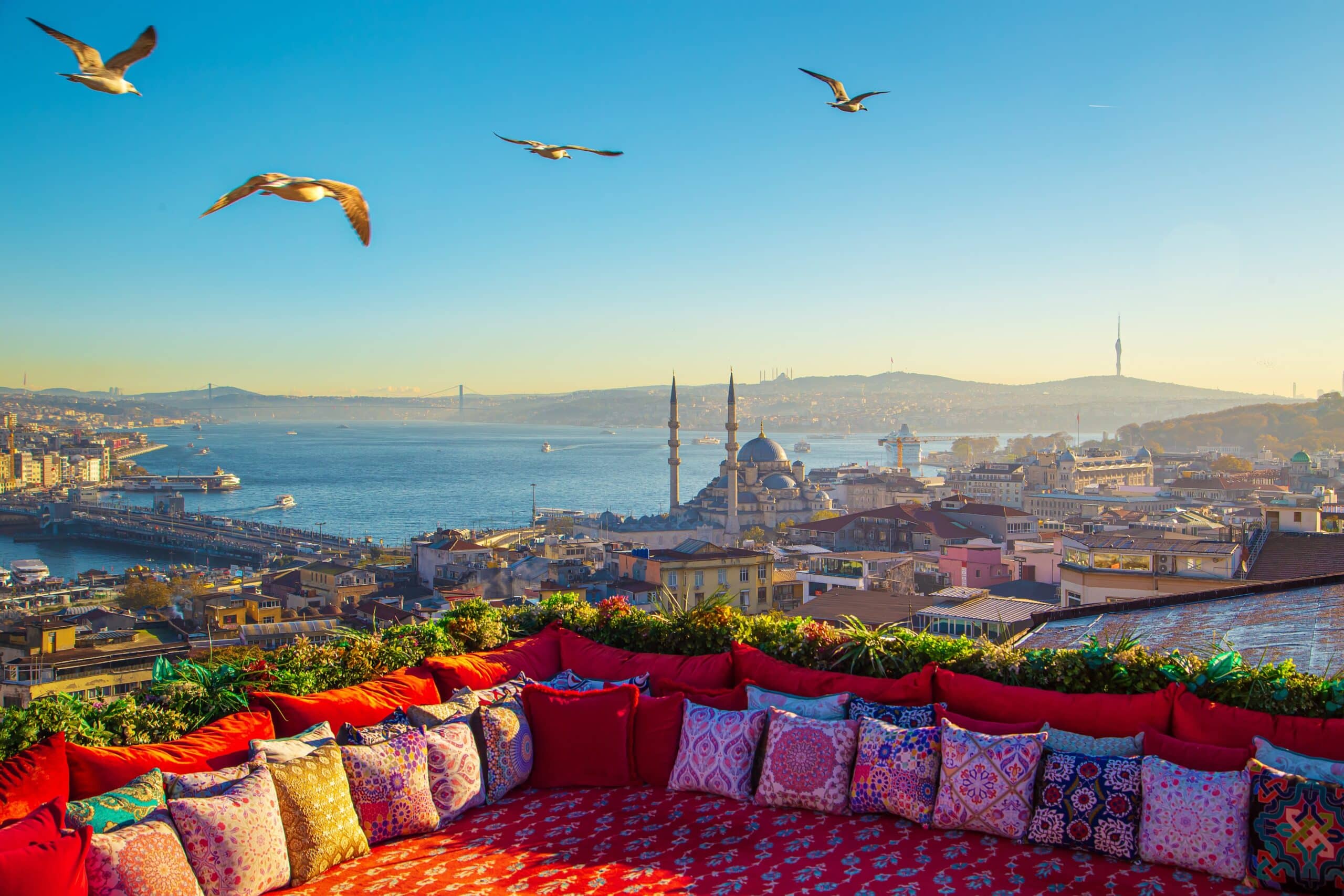
Turkey occupies a geographic threshold where continents, climates, and histories converge. Straddling Europe and Asia, the country is defined less by borders than by transition. Land here shifts constantly—between plateau and coast, mountain and plain, sea and interior—shaping a national identity rooted in movement, exchange, and adaptation.
At its core lies the Anatolian Plateau, elevated and expansive, where distance replaces density and climate sharpens with altitude. This interior shapes endurance through exposure. Winters are cold, summers dry, and settlement depends on careful use of water and land. Geography here favors resilience over ease, encouraging continuity through adaptation rather than abundance.
Surrounding the plateau, mountain ranges rise abruptly. The Taurus and Pontic Mountains form barriers that channel movement and isolate regions, producing sharp cultural and climatic contrasts over short distances. These elevations trap moisture along the coasts while shielding the interior, reinforcing Turkey’s geographic duality.
Water defines Turkey’s edges. The Aegean, Mediterranean, Black Sea, and Marmara coastlines introduce openness, trade, and maritime rhythm. Cities cluster where land meets sea, shaped by access rather than isolation. Rivers cut through terrain, linking highlands to lowlands and sustaining agriculture across valleys.
Turkey’s geography is never singular. It compresses extremes into proximity. One moves quickly from humid coast to arid steppe, from dense urban centers to sparsely populated highlands. This constant shift demands awareness. Settlement, architecture, and livelihood all respond directly to terrain and climate.
To travel through Turkey is to experience geography as dialogue rather than backdrop. Each destination reflects a negotiation between land and life, revealing how endurance, culture, and continuity emerge from a landscape that insists on adaptability. This section approaches Turkey through places where geography speaks clearly, shaping experience through contrast, scale, and transition.
26. Istanbul
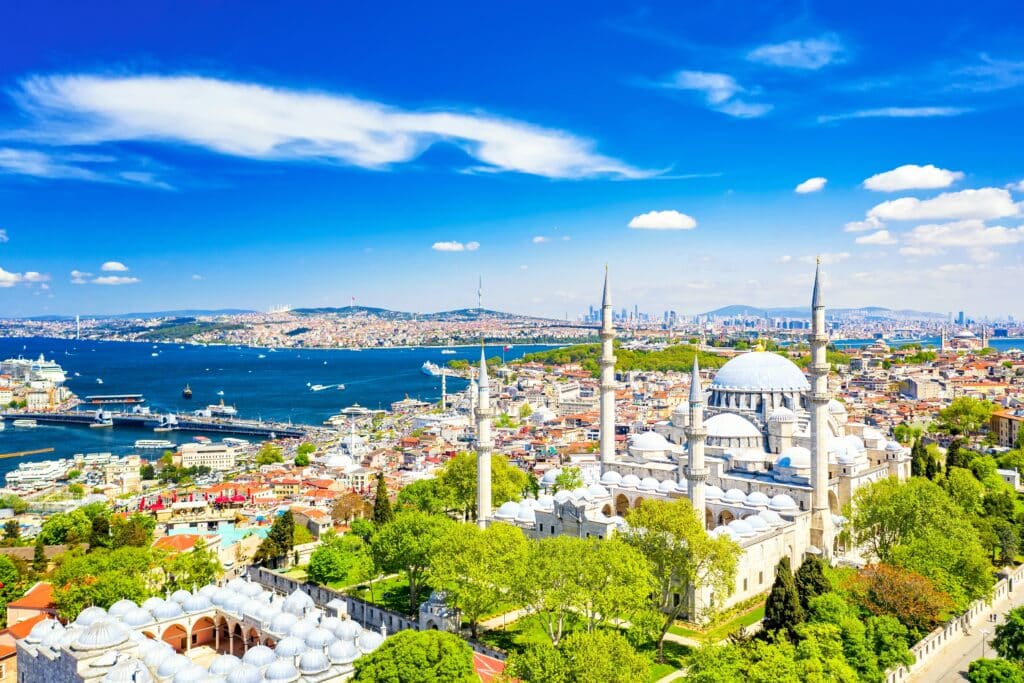
Istanbul occupies one of the world’s most geographically decisive positions, straddling the Bosphorus Strait where Europe and Asia meet. Geography here is not symbolic; it is structural. Water divides and connects simultaneously, shaping movement, trade, and identity through constant passage.

The city unfolds across hills rising from the strait, with neighborhoods oriented toward views of water rather than inward toward land. Elevation shapes visibility, while narrow waterways control flow. Geography compresses global movement into a confined corridor, giving the city enduring relevance.
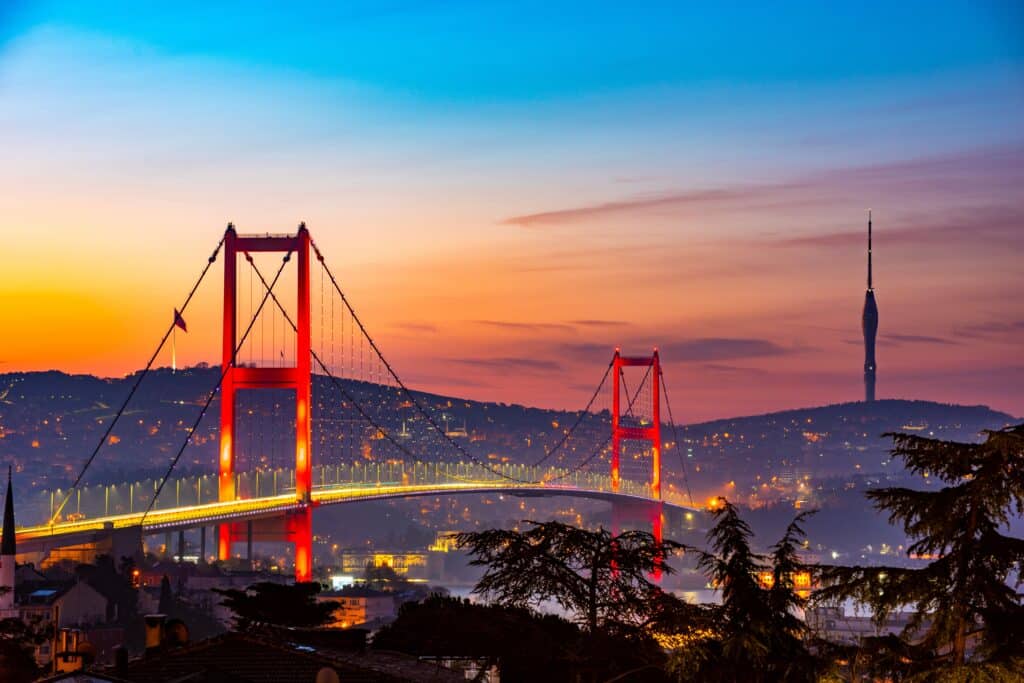
The Bosphorus moderates climate, softening extremes and sustaining maritime rhythms. Ferries, bridges, and ports define daily movement, reinforcing awareness of current, tide, and crossing. Geography makes transit unavoidable; one is always moving between sides.
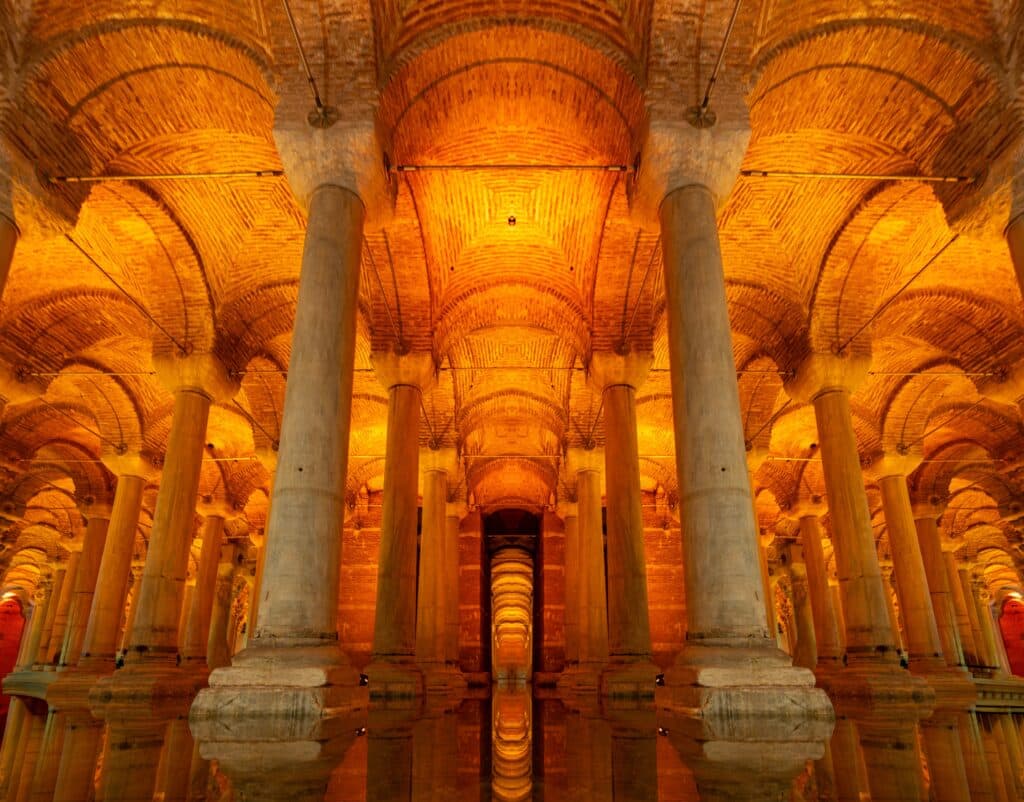
Istanbul inspires through convergence. The land does not allow separation to become isolation. Instead, it insists on interaction, layering cultures, histories, and routes within a narrow space.

The city teaches that geography can sustain centrality across centuries. Istanbul endures not by expanding outward, but by holding position at a point where land and water demand attention. It stands as Turkey’s clearest example of how geography can anchor continuity through passage rather than permanence.
25. Cappadocia

Cappadocia lies within central Anatolia, where volcanic forces shaped a landscape of cones, valleys, and soft stone. Geography here is sculptural and fragile. Wind and water carved terrain into forms that blur the boundary between natural and built space.
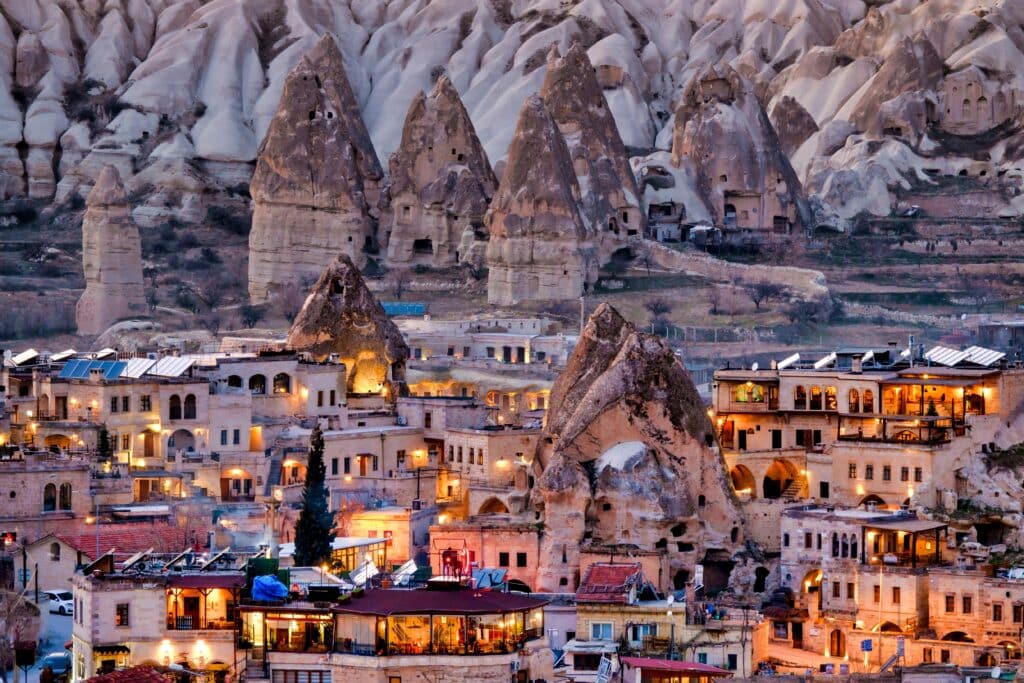
The region’s soft rock allowed dwellings, churches, and storage spaces to be carved directly into land. Geography offered shelter not by elevation or defense, but by concealment. Life moved inward, protected by earth itself.

Movement through Cappadocia follows valleys rather than roads. Paths curve around formations, reinforcing slow exploration. Geography resists speed, rewarding attentiveness.
Cappadocia inspires through adaptation. The land offered possibility only to those willing to work within its limits. Architecture here did not conquer terrain; it merged with it.
The region teaches that geography can invite intimacy rather than dominance. Cappadocia reflects a Turkey shaped by ingenuity, where endurance emerged from learning how to live inside land rather than upon it.
24. Ankara
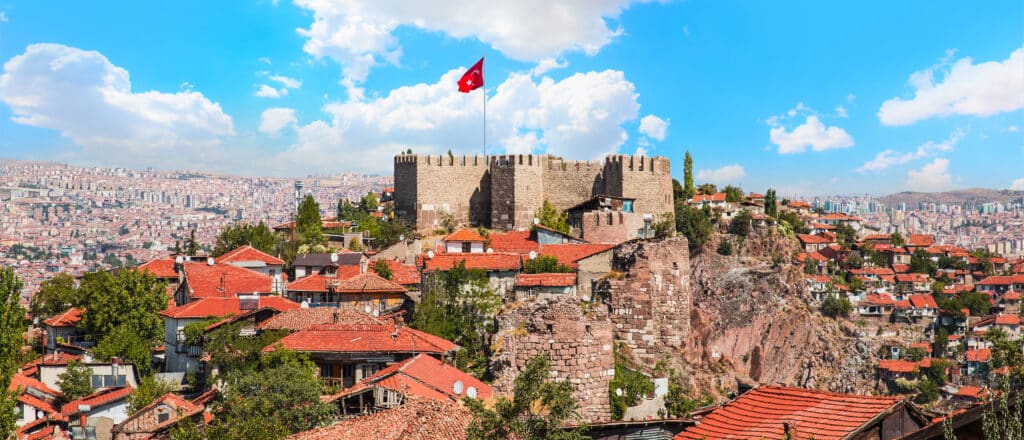
Ankara rises from the Anatolian Plateau, where elevation and distance define experience. Geography here is restrained and expansive. The land offers little shelter from climate, demanding endurance through exposure.
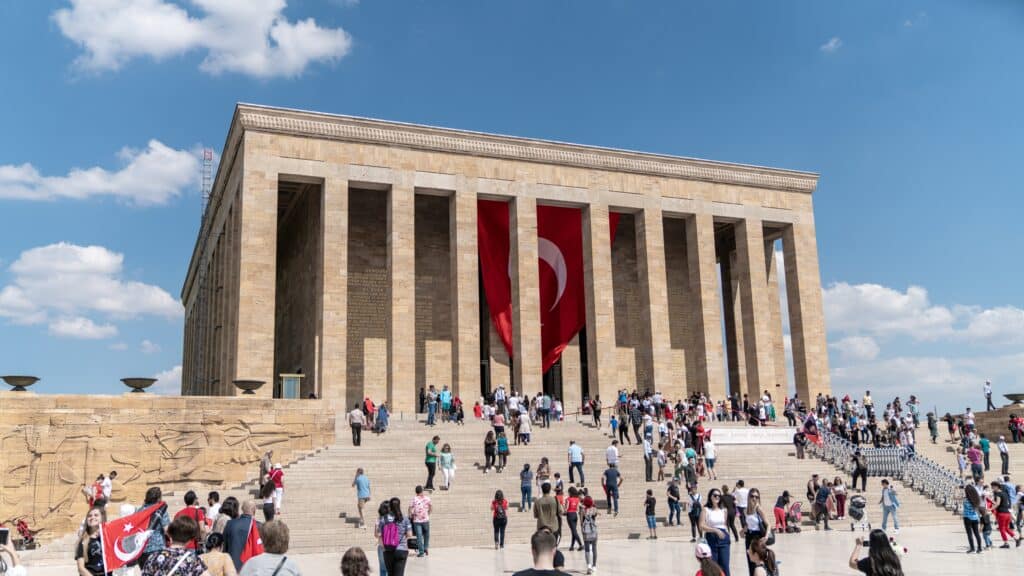
The plateau shapes settlement through practicality. Water access, defensible hills, and transport routes determine growth. Geography discourages excess, reinforcing efficiency and order.
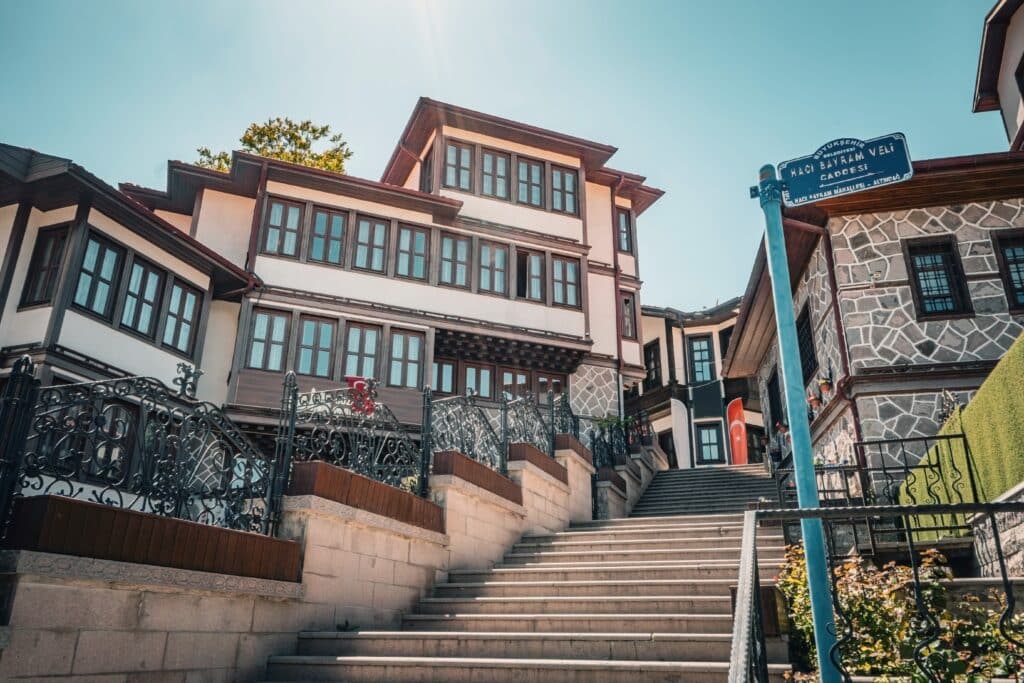
Movement across Ankara is linear and deliberate. Roads stretch outward across open land, emphasizing scale rather than density. Geography reinforces awareness of distance.
Ankara inspires through resolve. The land does not dramatize itself, yet it shapes persistence through limitation. Life here proceeds through structure rather than ease.
The city teaches that interior geographies cultivate discipline. Ankara reflects a Turkey anchored in its plateau heart, reminding visitors that endurance often forms where land offers clarity rather than comfort.
23. Antalya

Antalya lies along the Mediterranean coast beneath the Taurus Mountains, where steep slopes meet warm sea. Geography here is compressed and dramatic. Mountains restrict inland movement while water opens outward.
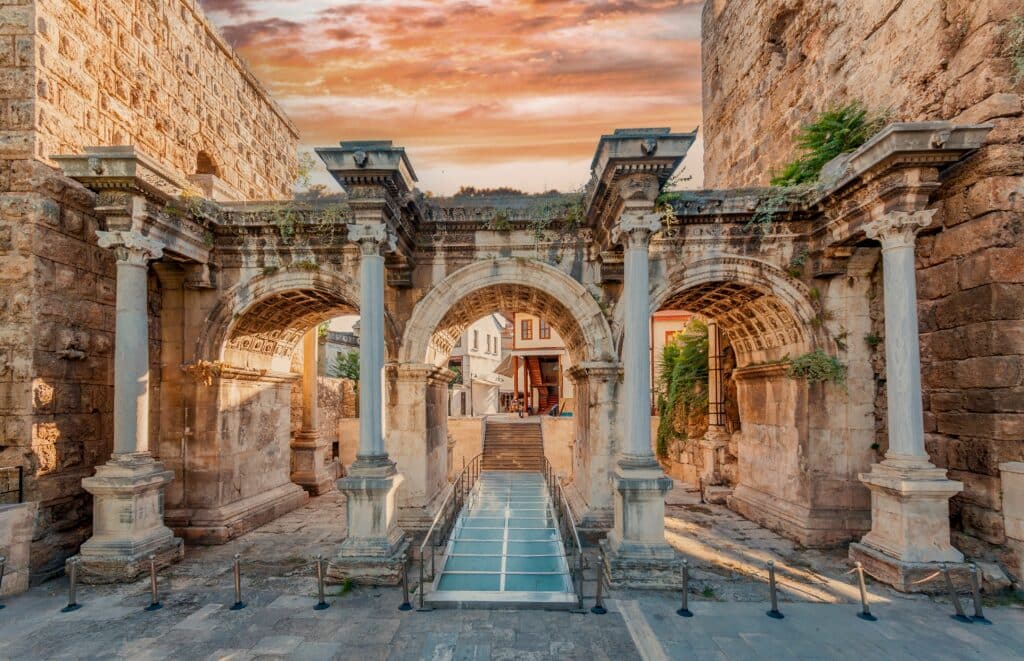
The Mediterranean moderates climate, supporting agriculture and settlement along a narrow coastal strip. Geography concentrates life between elevation and sea, reinforcing density.
Movement follows the coast. Roads curve with shoreline contours, while mountains form a firm boundary behind. Geography channels growth deliberately.

Antalya inspires through contrast. The warmth of water meets the restraint of stone, shaping a landscape of balance.

The city teaches that geography can support abundance without sprawl. Antalya reflects a Turkey where coast and mountain negotiate space, reminding visitors that harmony often emerges where land imposes clear limits.
22. Ephesus
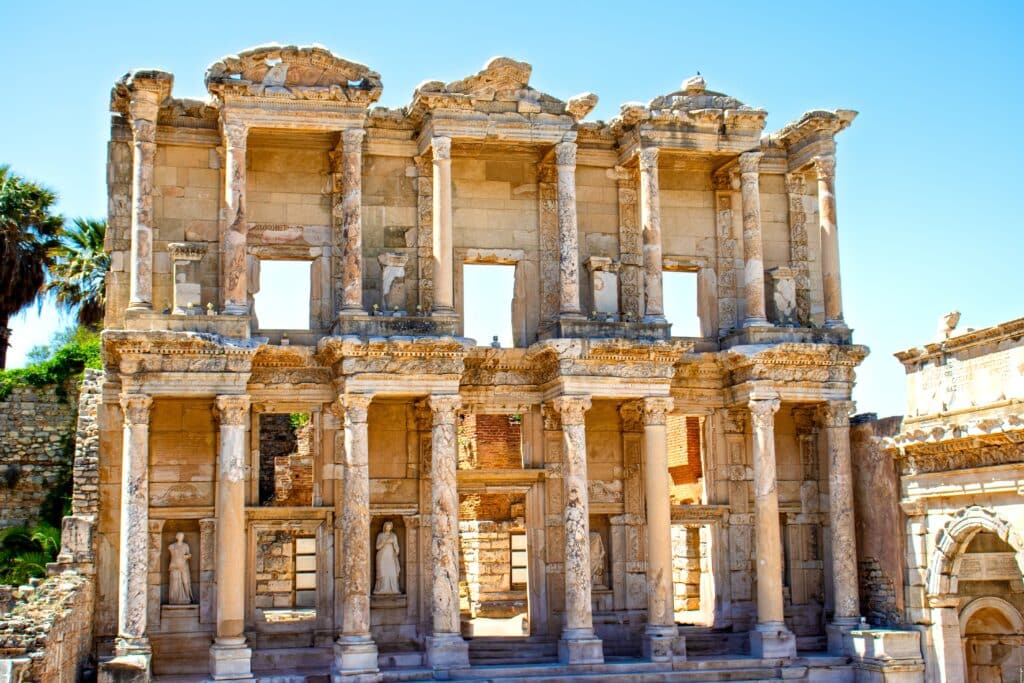
Ephesus lies on Turkey’s western lowlands, where fertile plains once opened directly to the Aegean Sea. Geography shaped the city through access. Rivers connected inland Anatolia to maritime trade, allowing movement, exchange, and settlement to converge naturally.
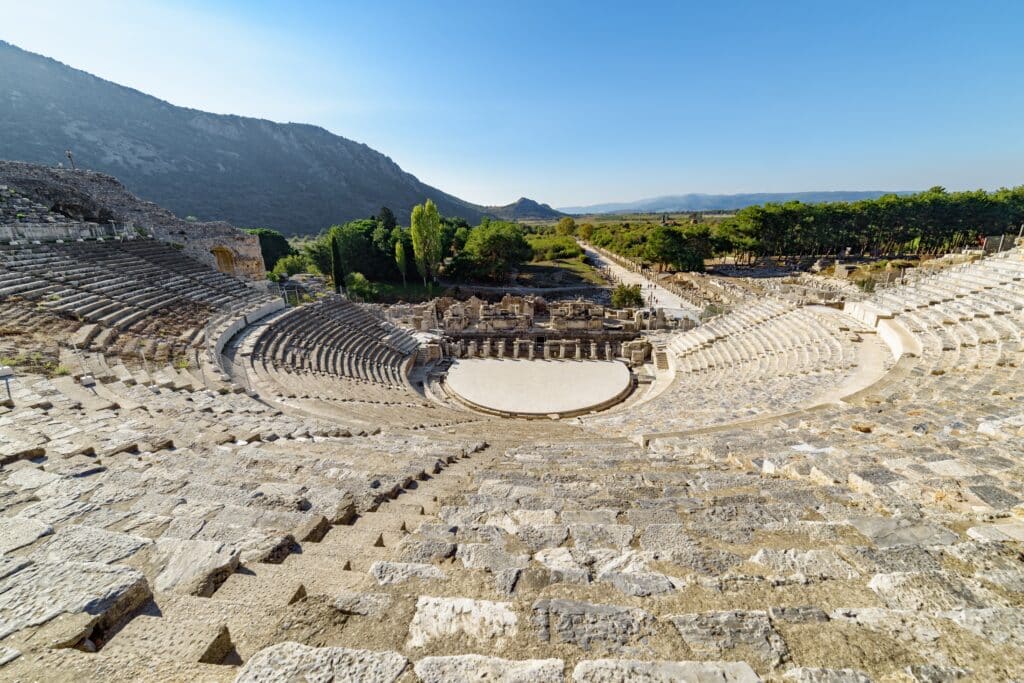
Over centuries, sediment gradually altered this relationship. The sea retreated, the harbor silted, and Ephesus shifted inland. Geography did not collapse suddenly; it redirected slowly. Prosperity faded not through conquest, but through subtle environmental change.
The surrounding land remains generous. Flat terrain and reliable soil supported agriculture long after trade declined. Hills frame the site gently, offering openness rather than defense. Geography favored continuity, even as relevance shifted.
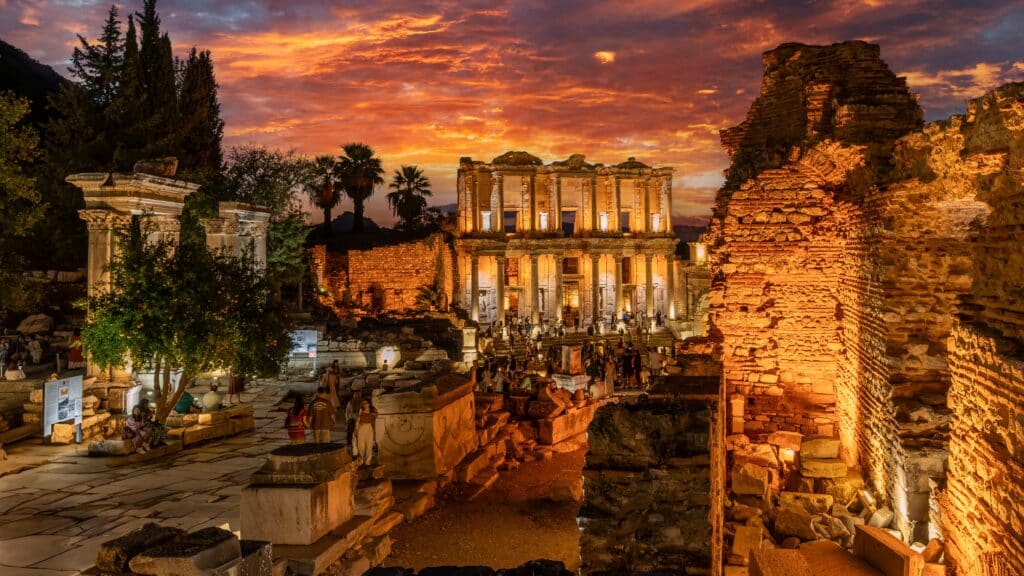
Movement through Ephesus reflects this balance. Streets follow orderly alignments, shaped by terrain that permitted planning. Geography allowed clarity rather than improvisation.
Ephesus inspires through impermanence. The land that once elevated it eventually constrained it, demonstrating how geography grants opportunity without guarantee.
The site teaches that endurance depends on alignment with land over time. Ephesus reflects a Turkey where geography quietly reshaped destiny, reminding visitors that access, once lost, is rarely restored, and that land changes even when cities do not move.
21. Pamukkale
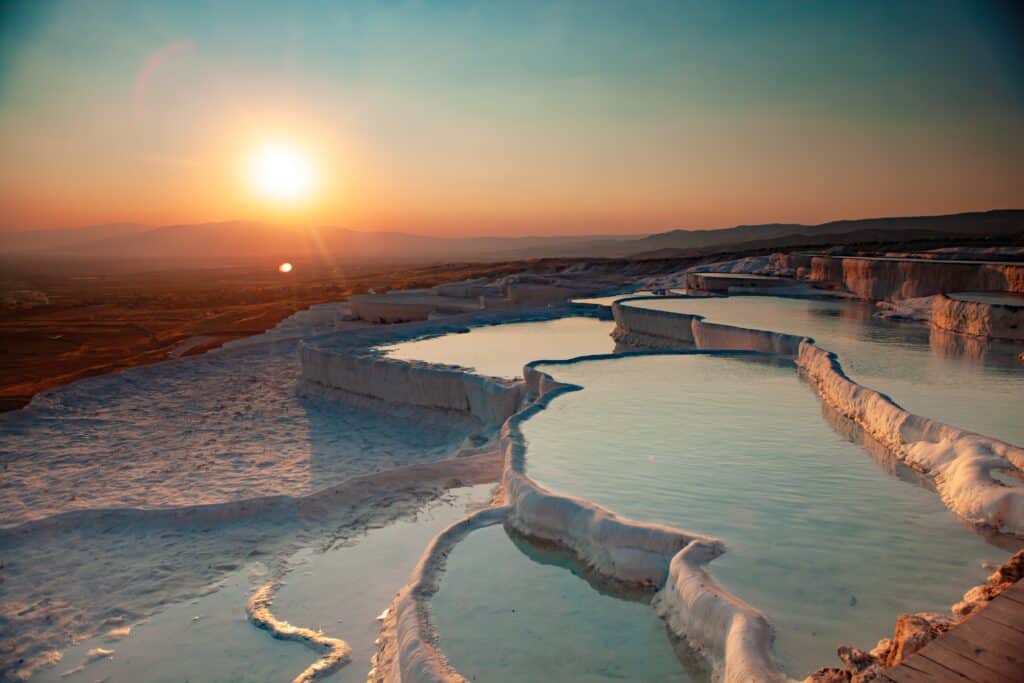
Pamukkale rises from southwestern Anatolia as terraces of white travertine formed by mineral-rich thermal waters. Geography here is chemical and continuous. Water builds rather than erodes, shaping land through repetition.

Hot springs emerge from underground faults, flowing downward and depositing calcium over centuries. Geography records time visibly, layer by layer. The land exists because process never stopped.
Movement across Pamukkale is restricted by fragility. Paths are controlled, and contact limited. Geography demands restraint, teaching preservation through distance.
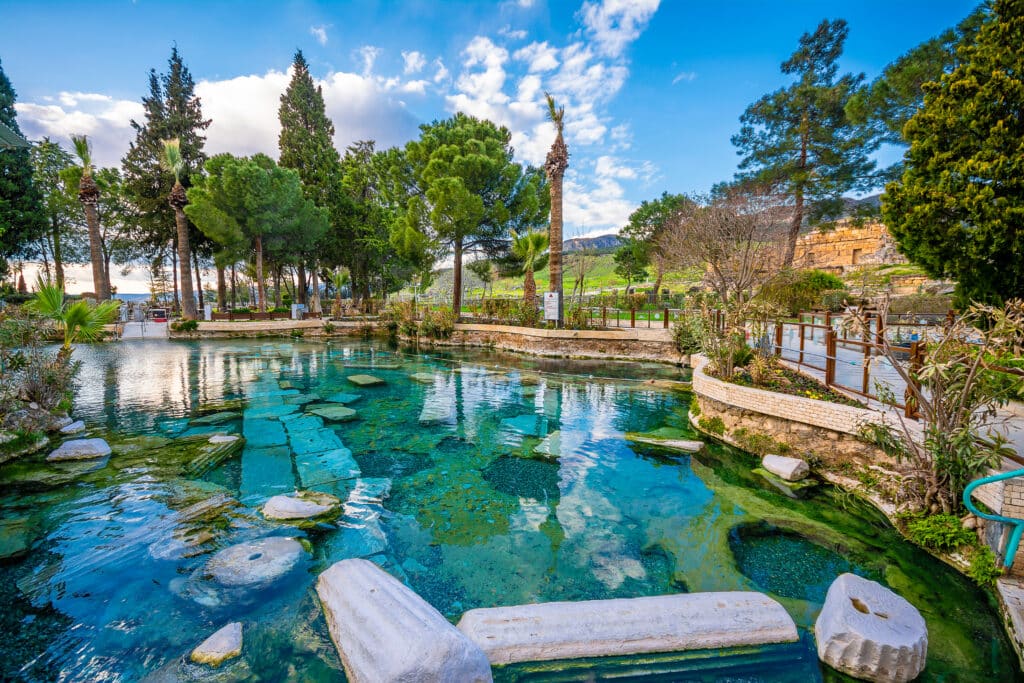
Pamukkale inspires through patience. Beauty here is not sudden or forceful. It accumulates through consistency and gravity.
The site teaches that geography can express endurance through accumulation rather than resistance. Pamukkale reflects a Turkey where land documents its own making, reminding visitors that time is among the strongest geographic forces.
20. Trabzon
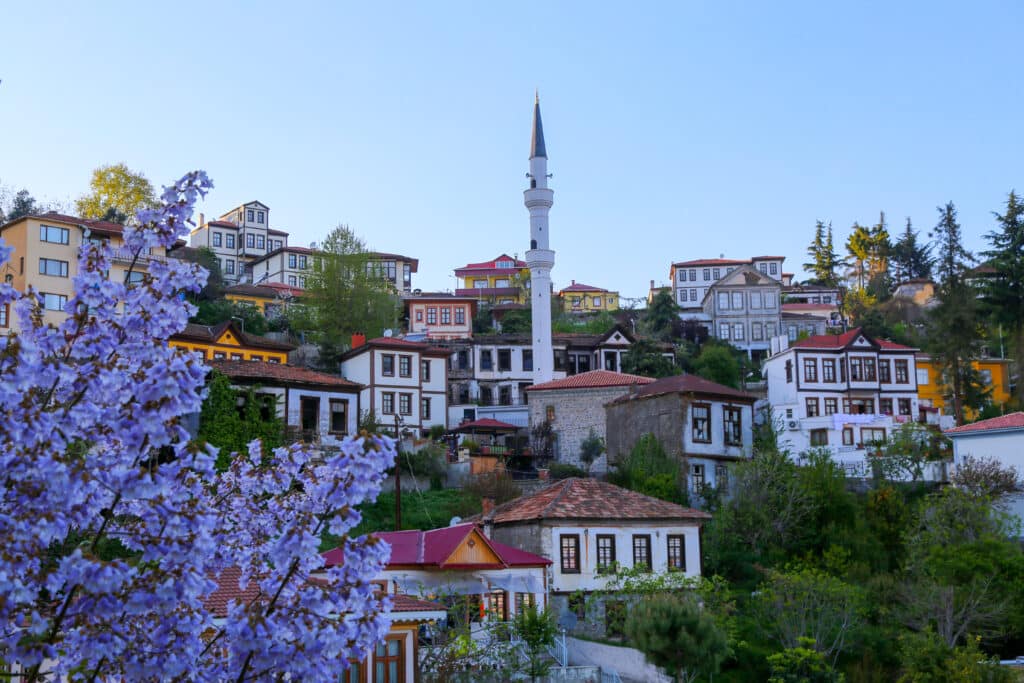
Trabzon sits on Turkey’s northeastern Black Sea coast, compressed between steep mountains and narrow shoreline. Geography here is humid, enclosed, and insistent. Rainfall is constant, vegetation dense, and space limited.
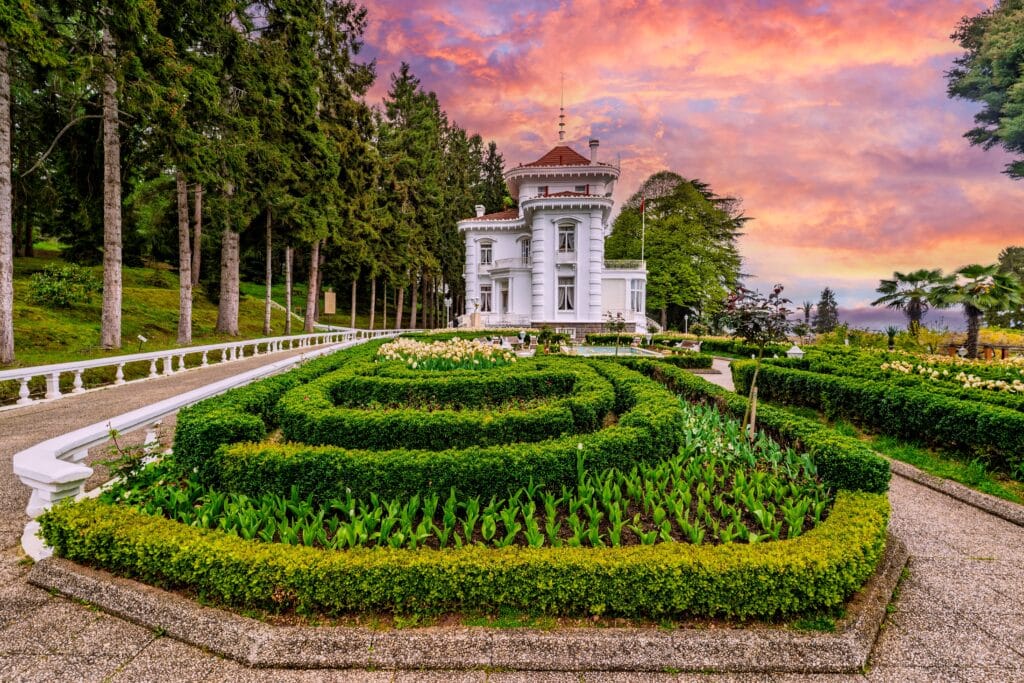
The sea defines orientation. Trade and travel follow the coast, while mountains restrict inland movement. Geography channels settlement into elongated form, reinforcing maritime dependence.

Movement through Trabzon is shaped by slope and moisture. Roads cling to hillsides, valleys descend sharply, and visibility shifts quickly. Geography requires adaptation rather than efficiency.

Trabzon inspires through enclosure. The land holds settlement tightly, fostering continuity through proximity.
The city teaches that constrained geography can strengthen identity. Trabzon reflects a Turkey where endurance forms between sea and slope, reminding visitors that limitation can cultivate resilience as effectively as abundance.
19. Mount Nemrut
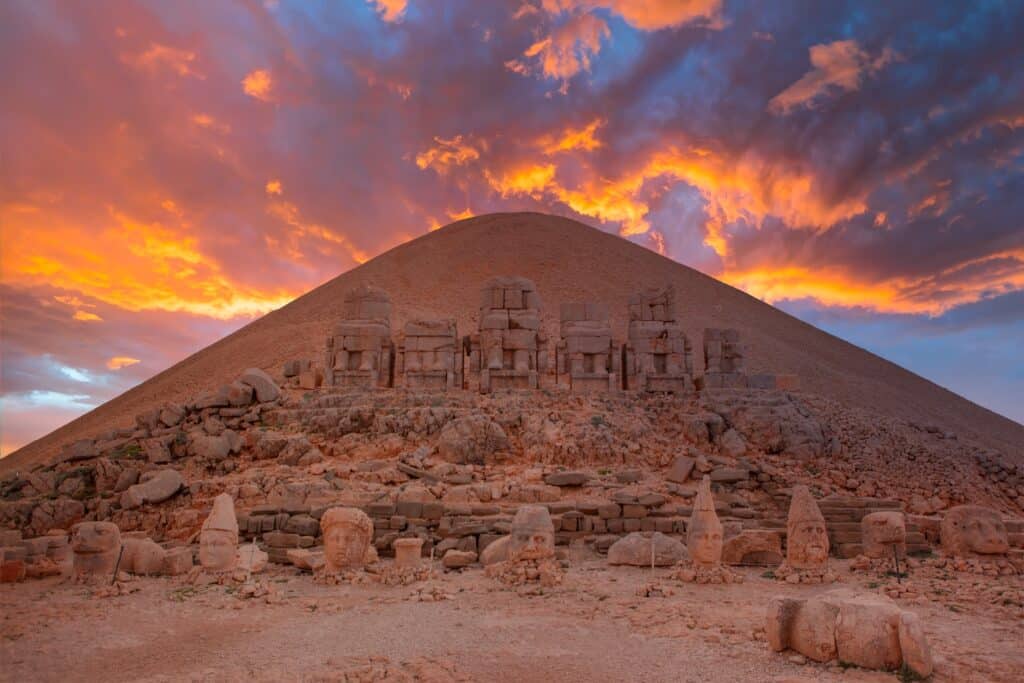
Mount Nemrut rises isolated in southeastern Anatolia, elevated above surrounding terrain. Geography here is singular and commanding. The mountain stands apart, shaping experience through exposure and height.

Elevation defines climate and access. Winters are harsh, summers dry, and movement demands effort. Geography enforces separation, preserving isolation through difficulty.

Visibility defines meaning. From the summit, horizon expands outward in all directions. Geography amplifies presence through position rather than size.
Mount Nemrut inspires through austerity. The land offers no comfort, only perspective. Geography teaches reverence through effort.
The site demonstrates how elevation preserves significance. Nemrut reflects a Turkey where geography protects memory by limiting access, reminding visitors that endurance can depend on being difficult to reach.
18. Konya

Konya lies on the central Anatolian plain, where openness replaces enclosure and distance defines experience. Geography here is expansive and restrained. The land stretches outward with minimal interruption.
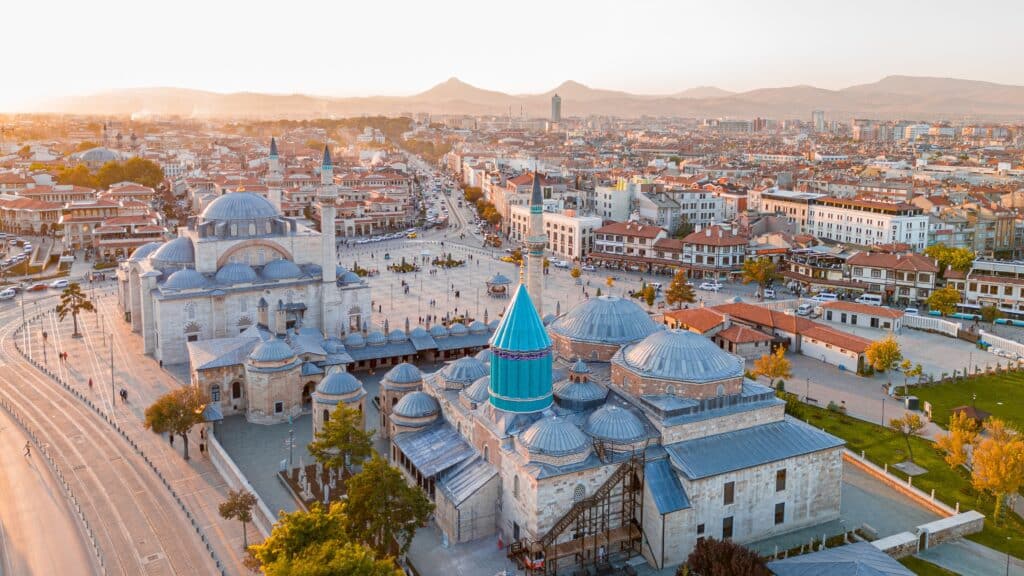
Rainfall is limited, shaping agriculture and settlement through caution. Geography encourages foresight, rewarding planning over excess.
Movement across Konya is linear and horizontal. Roads extend long and straight, reinforcing scale and exposure. Geography emphasizes distance rather than complexity.

Konya inspires through clarity. The land offers few distractions, shaping focus through openness.
The city teaches that plain geographies cultivate introspection. Konya reflects a Turkey where endurance forms through restraint and repetition, reminding visitors that vastness can shape identity as powerfully as confinement.
17. Bursa

Bursa lies at the northern edge of Anatolia, pressed between the slopes of Mount Uludağ and fertile lowlands that descend toward the Sea of Marmara. Geography here balances elevation and productivity. Mountains provide water and timber, while plains support agriculture and settlement.

Uludağ shapes climate and rhythm. Snowmelt feeds rivers and irrigation, sustaining orchards and fields below. Geography links height to fertility, binding mountain and city into a single system.

Movement through Bursa reflects this connection. Roads descend gradually from forested slopes into dense urban space, reinforcing awareness of transition. Geography softens entry rather than dramatizing it.
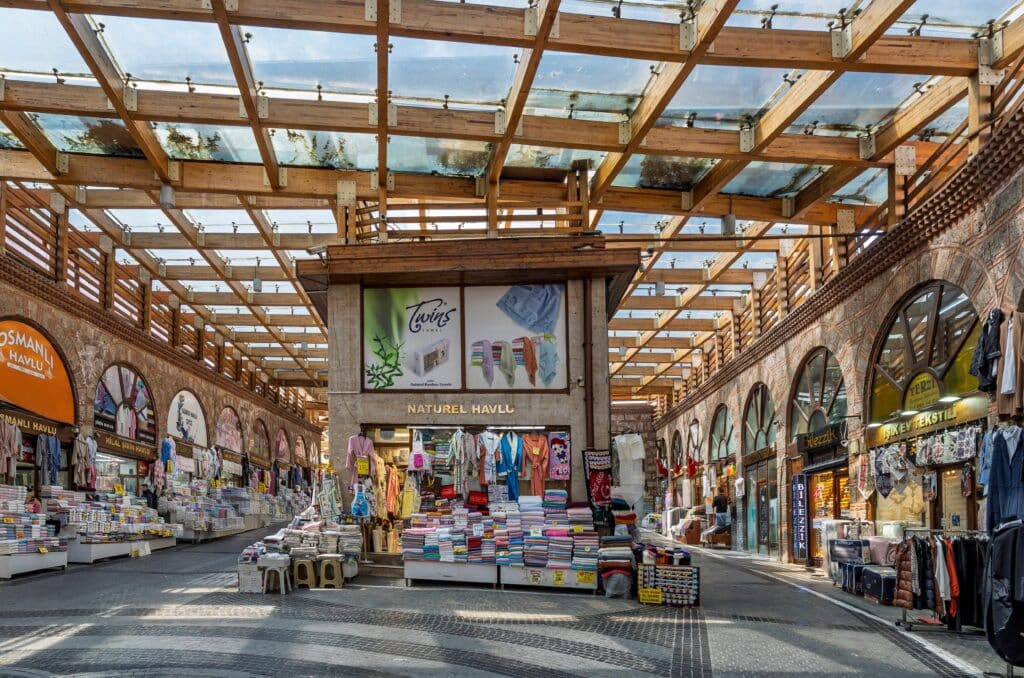
Bursa inspires through continuity. The land offers reliability rather than spectacle. Geography supports life through steady provision, encouraging long-term settlement.
The city teaches that enduring landscapes often combine protection with productivity. Bursa reflects a Turkey where geography sustains identity by balancing elevation and abundance, reminding visitors that harmony between mountain and plain can anchor continuity across generations.
16. Bodrum
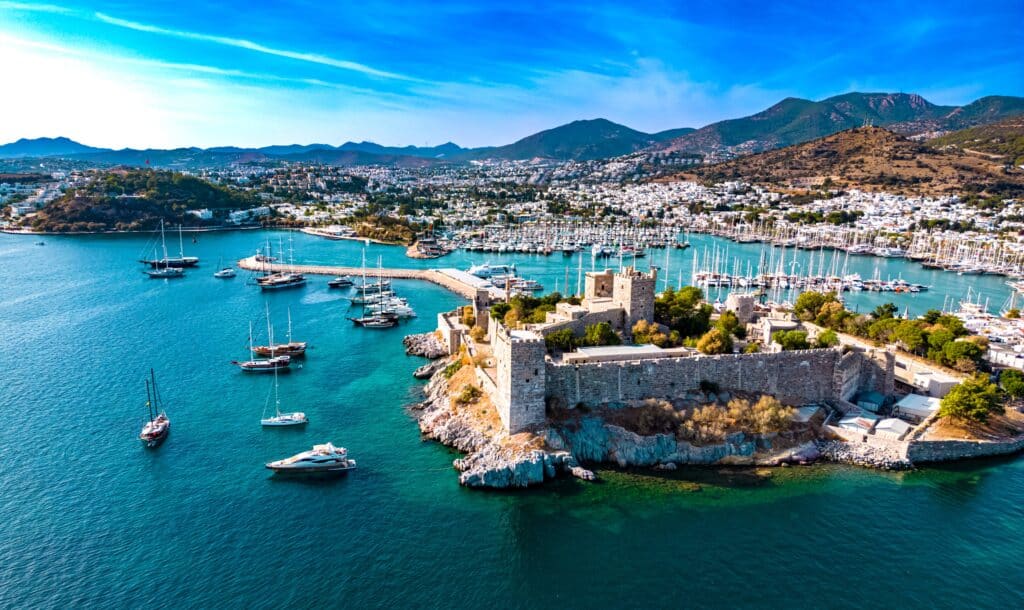
Bodrum sits on a rocky peninsula along the Aegean coast, where hills descend sharply into sheltered bays. Geography here is maritime and fragmented. The land breaks into coves and headlands, shaping movement by water as much as by road.
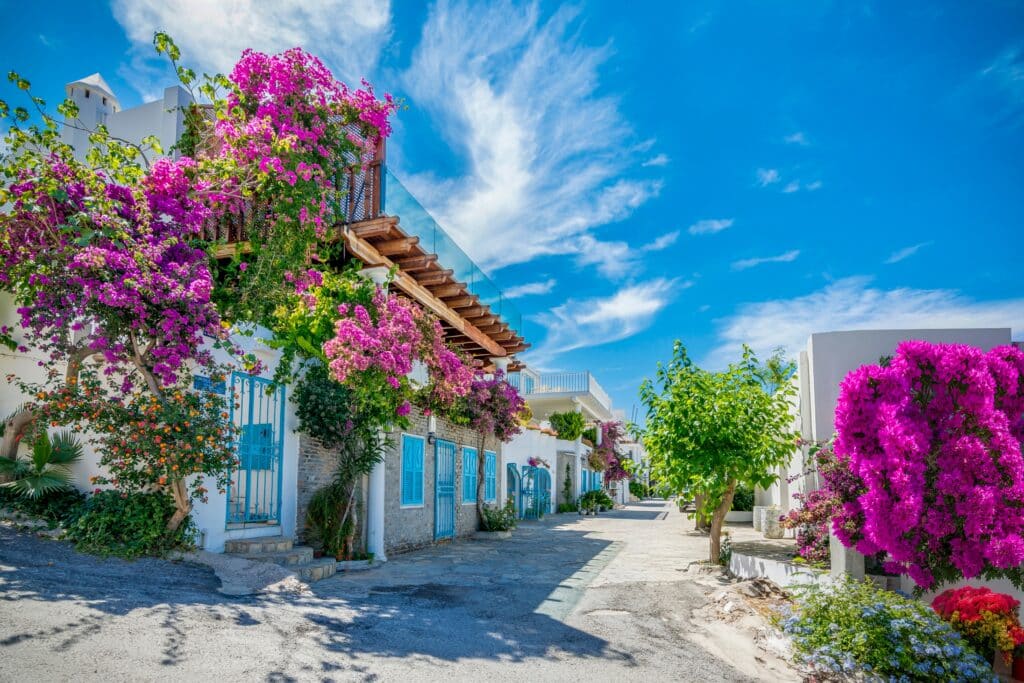
The sea moderates climate and defines orientation. Harbors anchor settlement, while inland hills restrict expansion. Geography favors compact development shaped by shoreline rather than sprawl.
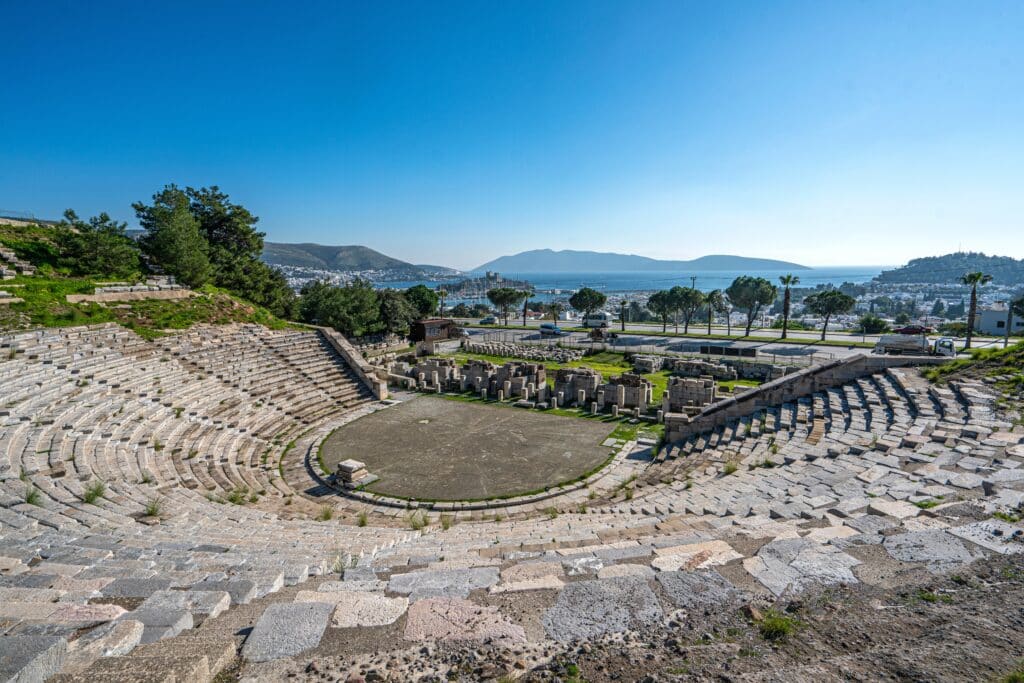
Movement follows the coast. Boats and roads curve with terrain, reinforcing awareness of distance through water. Geography encourages circulation rather than enclosure.

Bodrum inspires through lightness. The landscape invites openness without abandoning structure. The sea broadens perspective, while land maintains restraint.
The town teaches that coastal geography fosters adaptability. Bodrum reflects a Turkey shaped by the Aegean’s rhythms, reminding visitors that identity can emerge from repeated interaction with water and land in close balance.
15. Mardin
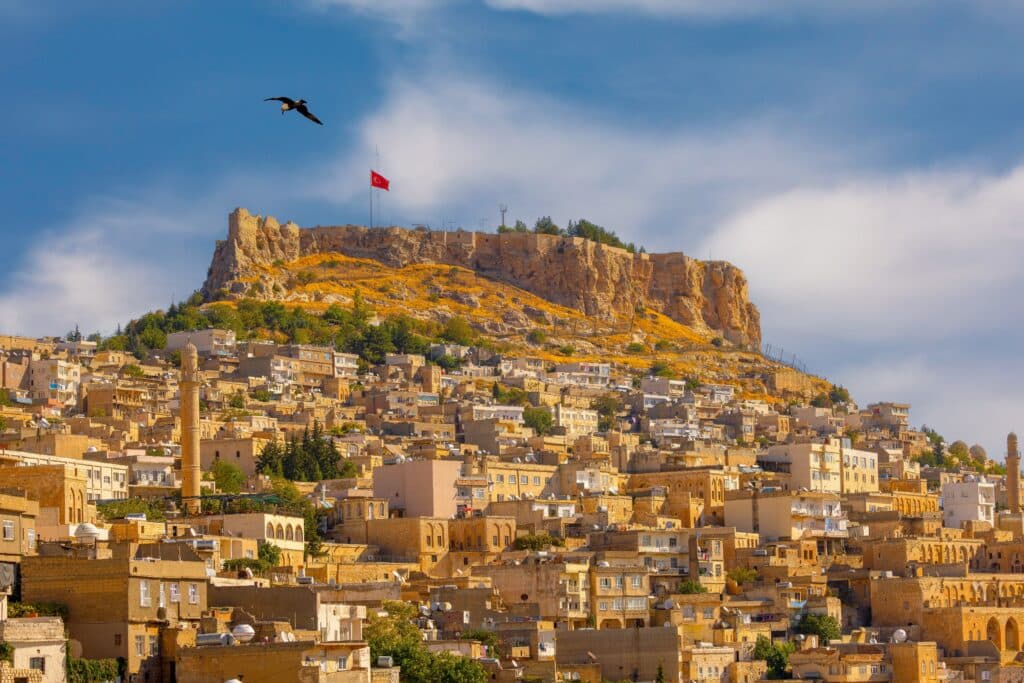
Mardin clings to a limestone ridge in southeastern Anatolia, overlooking the Mesopotamian plain. Geography here is elevated and exposed. The land drops away suddenly, opening vast horizontal space beyond the city’s edge.

Elevation shapes climate and defense. The ridge provided security and visibility, while the plain below supported trade and agriculture. Geography linked height to oversight.
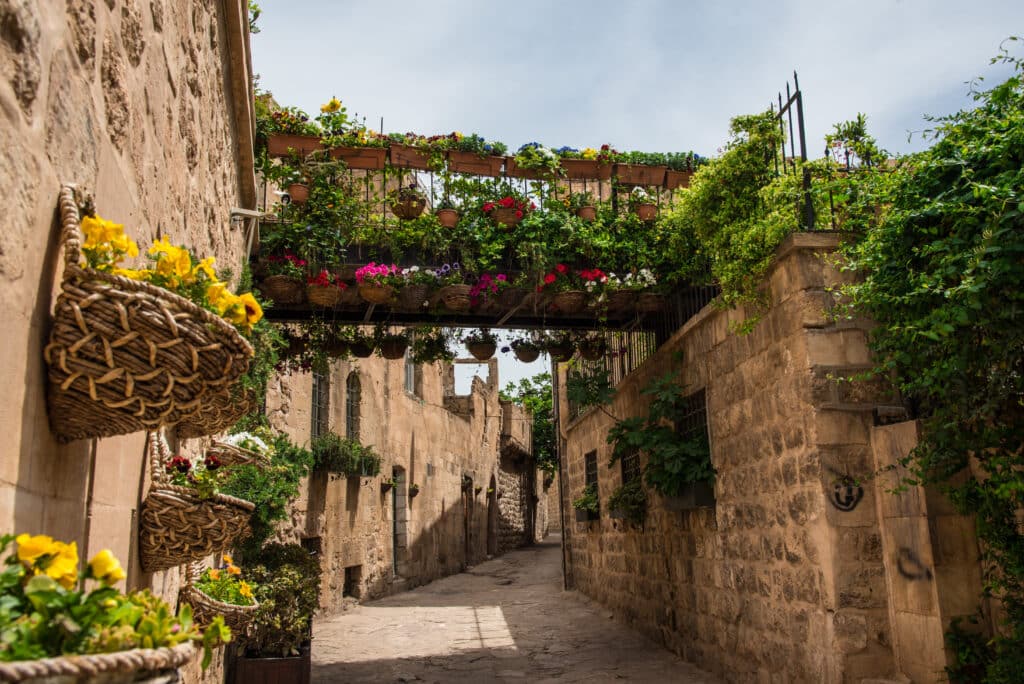
Movement through Mardin is vertical and narrow. Streets climb steeply, reinforcing awareness of slope and gravity. Geography demands effort, shaping daily rhythm.
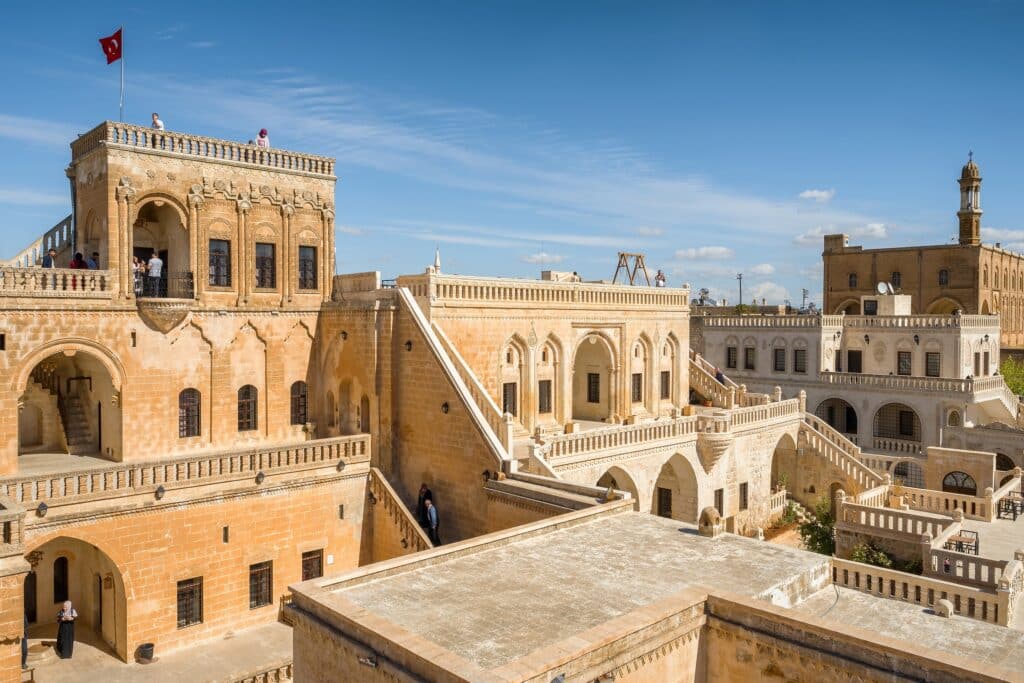
Mardin inspires through contrast. The compressed city meets expansive plain, teaching how geography can hold opposites in proximity.
The city demonstrates how elevation shapes perspective. Mardin reflects a Turkey where geography grants identity through outlook, reminding visitors that endurance can emerge where land allows one to see far while standing firmly in place.
14. Lake Van
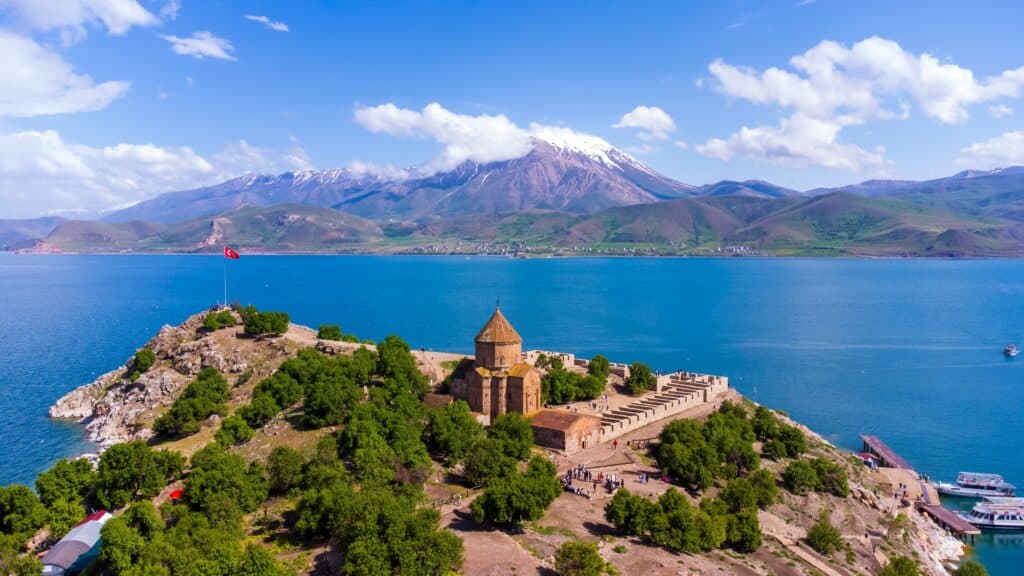
Lake Van dominates eastern Anatolia, surrounded by mountains and volcanic terrain. Geography here is enclosed yet expansive. The lake holds water within high elevation, shaping climate and settlement.
Saline and vast, the lake moderates temperature and supports limited agriculture along its shores. Geography concentrates life around water in an otherwise harsh environment.

Movement follows the lake’s perimeter. Roads trace shoreline contours, reinforcing orientation toward water. Geography channels settlement into a ring rather than dispersal.
Lake Van inspires through containment. The land gathers life inward, shaping resilience through focus rather than spread.
The region teaches that enclosed geographies cultivate continuity. Lake Van reflects a Turkey where water anchors survival within elevation, reminding visitors that endurance often depends on holding resources close.
13. Safranbolu

Safranbolu lies in northern Anatolia where forested hills surround a protected valley. Geography here is enclosed and temperate. The land shelters settlement from harsh climate while providing timber and water.

The valley encouraged compact growth. Roads descend into a basin rather than stretching outward. Geography favors preservation over expansion.
Movement through Safranbolu is intimate. Streets follow slope and contour, reinforcing closeness. Geography limits speed, shaping deliberate pace.
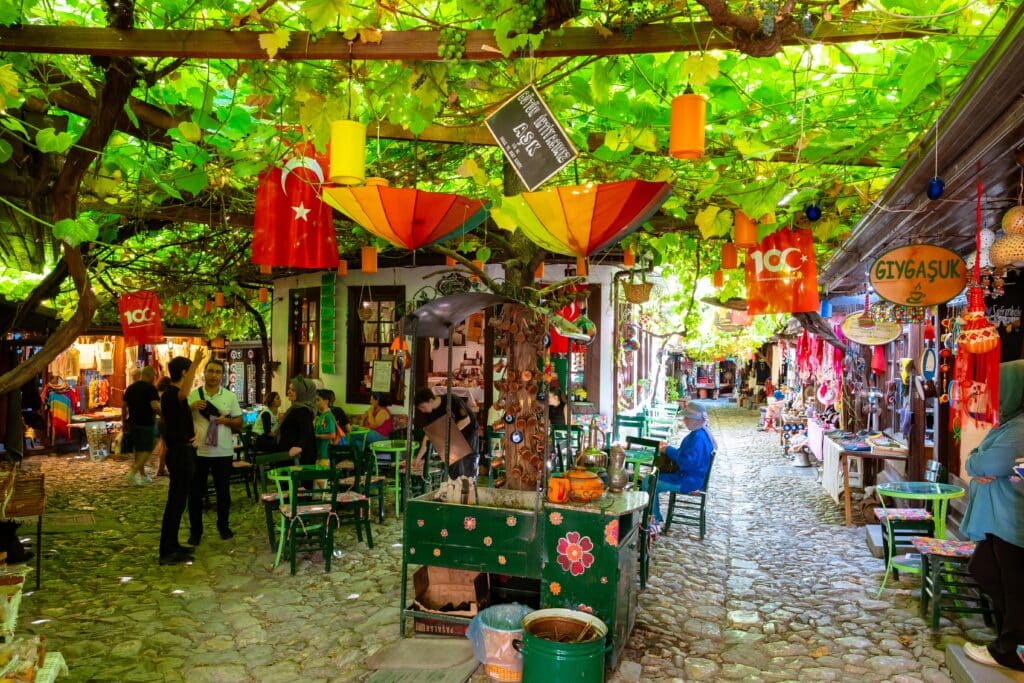
Safranbolu inspires through containment. The land holds history gently, allowing continuity through protection rather than isolation.
The town teaches that sheltered geographies preserve identity. Safranbolu reflects a Turkey where landscape safeguards continuity by limiting exposure, reminding visitors that endurance often grows where land quietly protects what it holds.
12. Antalya’s Düden Waterfalls
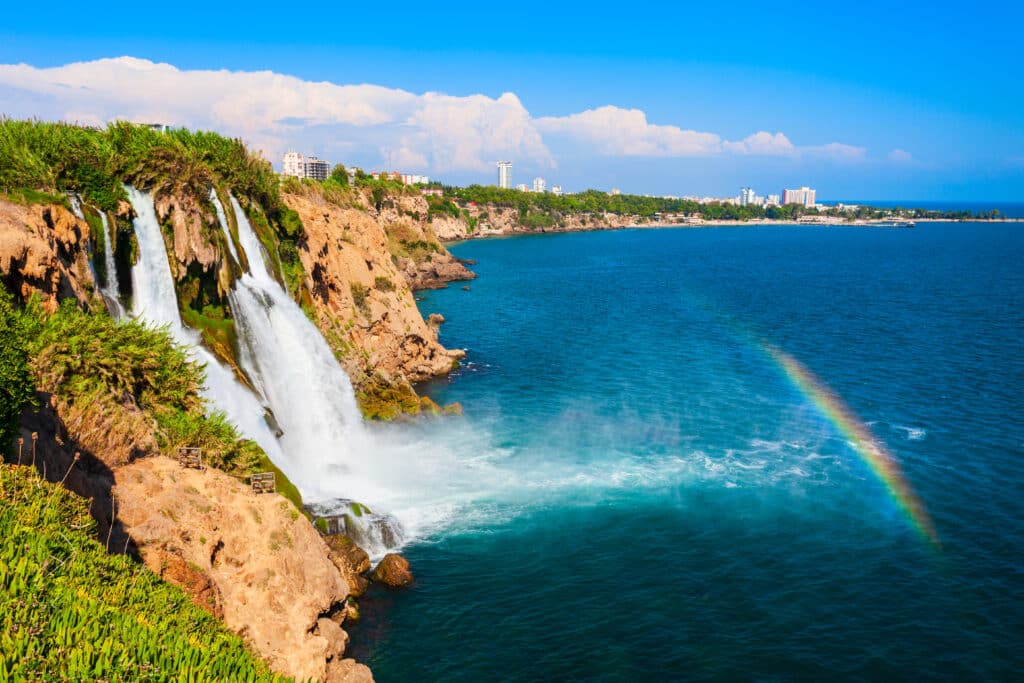
The Düden Waterfalls lie just outside Antalya, where mountains descend sharply to the Mediterranean plain. Geography here combines vertical relief with abundant water, creating a rare concentration of movement and stillness within a single landscape.
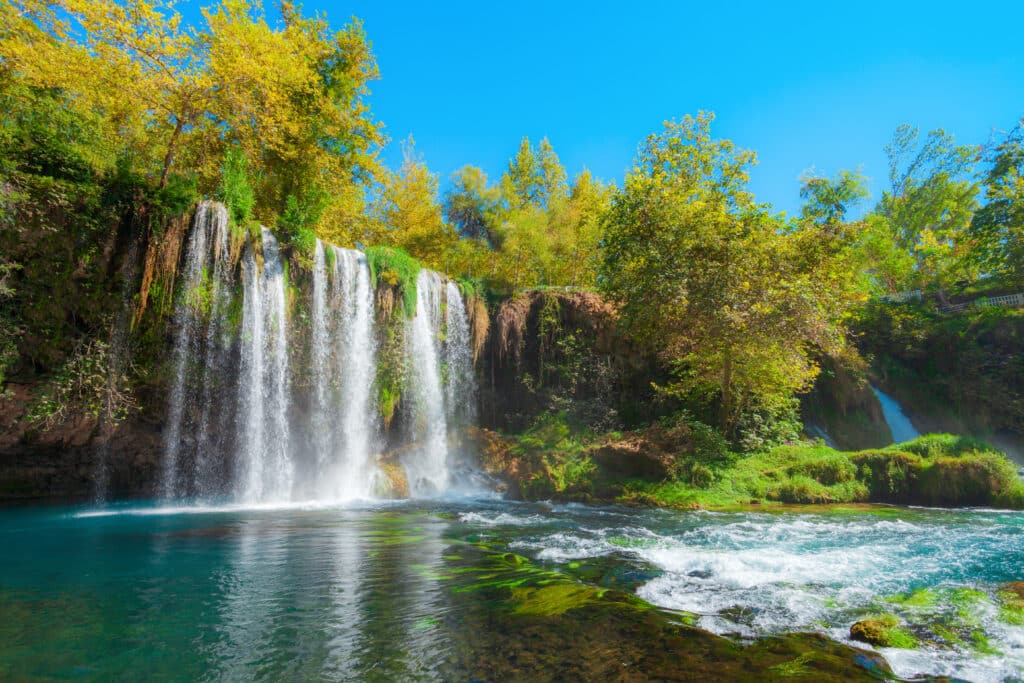
Water tumbles over limestone cliffs, tracing gravity’s path from elevated ridges to coastal plains. The flow shapes terrain gradually, carving pools and channels that guide both life and perception. Geography dictates rhythm: travel must respect the slope, and settlement follows water.
Movement here is both linear and contemplative. Trails wind toward cascades, encouraging attention to slope, sound, and reflection. Geography slows pace, forcing visitors to engage with terrain rather than bypass it.
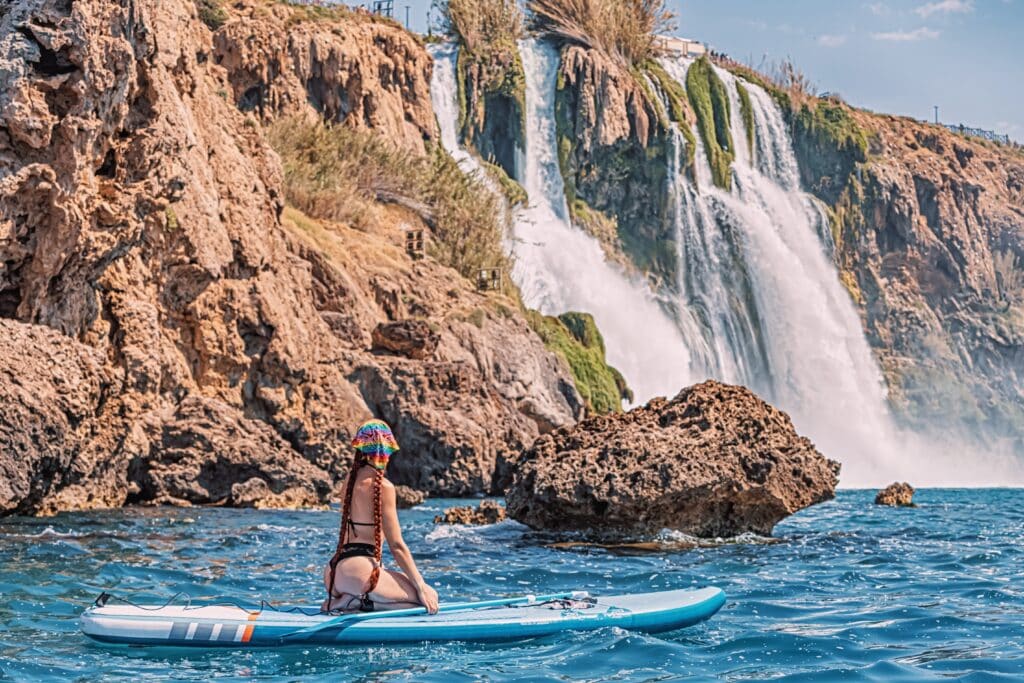
The waterfalls inspire through contrast. Mountain austerity meets flowing abundance, demonstrating how geography can combine restriction with generosity. Land that limits movement also sustains life, reminding visitors of the balance between restraint and reward.
Düden teaches that geography can structure experience beyond settlement alone. The waterfalls reflect a Turkey where terrain shapes perception, emphasizing the deliberate interaction between water, slope, and human attention.
11. Göreme Open-Air Museum
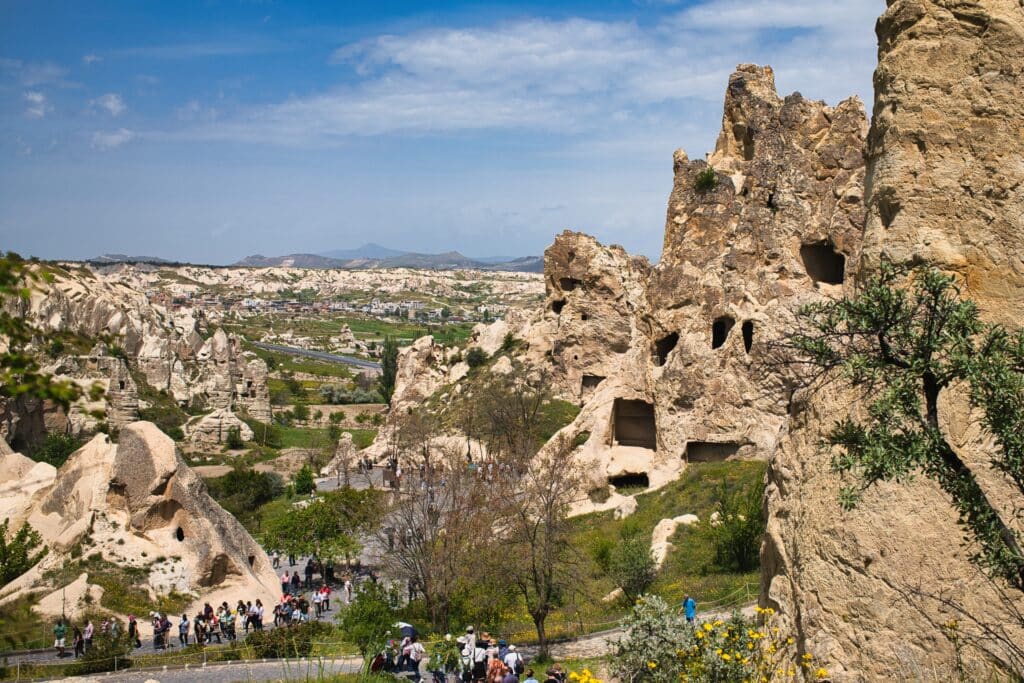
The Göreme Open-Air Museum sits in central Cappadocia, where volcanic tuff has been sculpted by wind, water, and human hands. Geography here is soft and malleable, yet persistent. Valleys and cones create corridors, channels, and sheltered spaces, forming a landscape both natural and inhabited.
Soft rock allowed carved churches, chapels, and dwellings, integrating culture into the land. Geography offered protection through concealment, guiding settlement vertically rather than horizontally.

Movement through the museum is deliberate. Paths curve along valleys, exposing formations gradually. Geography dictates engagement, slowing the eye and foot to absorb detail and scale.
Göreme inspires through integration. The landscape does not dominate or yield entirely; it negotiates with human presence. Geography rewards attentiveness, showing how adaptation can transform survival into beauty.
The site teaches that land can preserve history as effectively as stone walls. Göreme reflects a Turkey where geography and culture merge, reminding visitors that endurance often comes from working with terrain rather than against it.
10. Mount Ararat
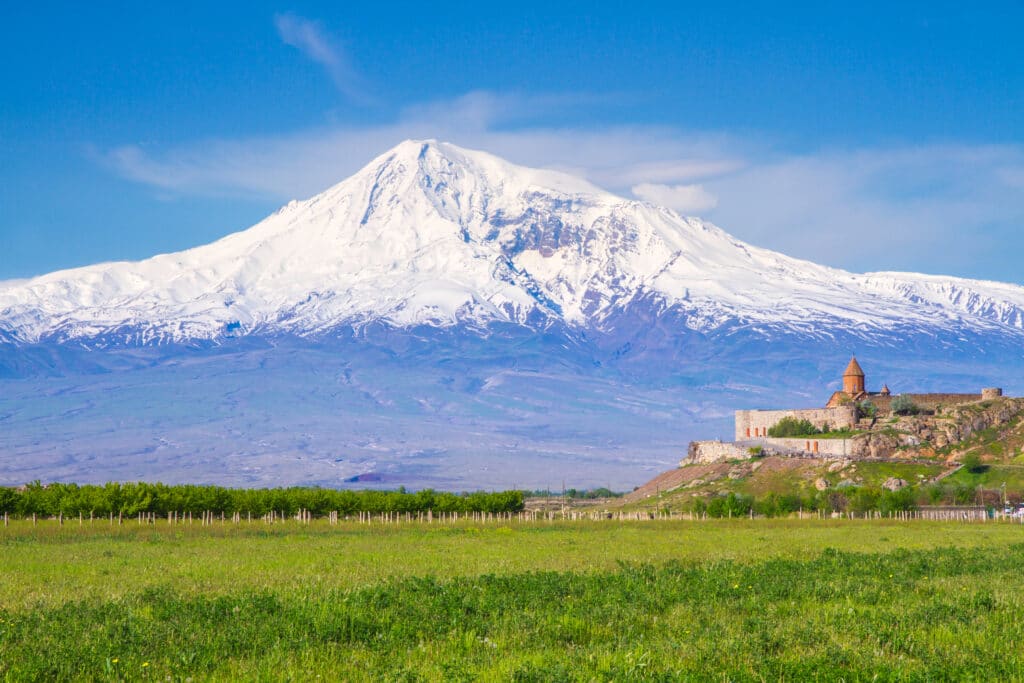
Mount Ararat rises in eastern Turkey as a solitary volcanic peak above the Armenian Highlands. Geography here is monumental, commanding attention from miles away. Its slopes shift climate abruptly, creating zones of snow, rock, and steppe in short vertical succession.
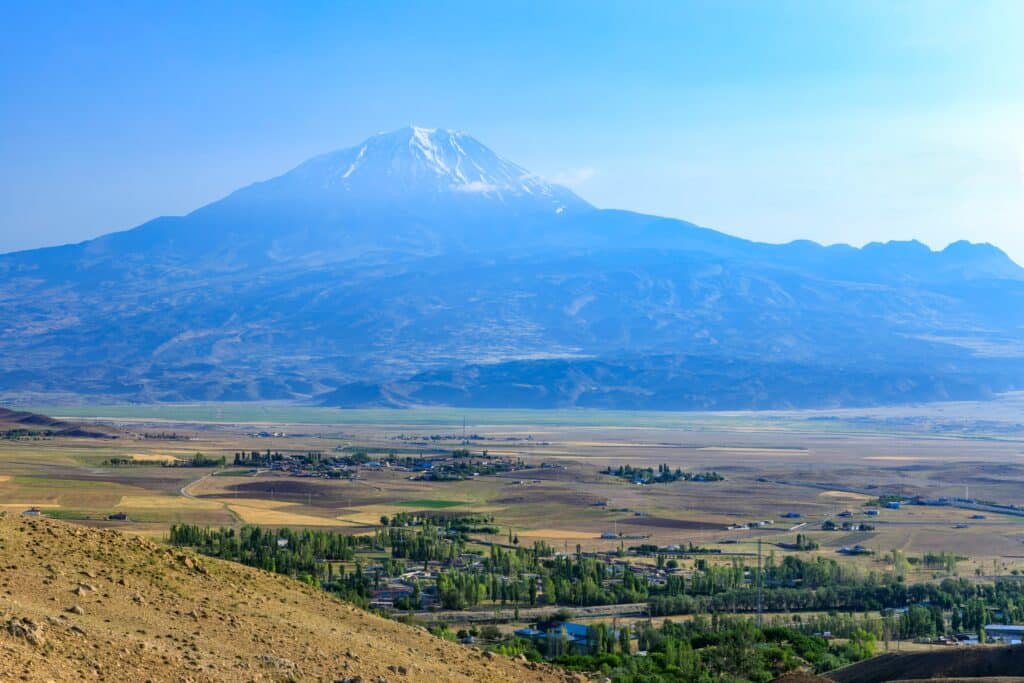
The mountain dominates both perception and orientation. Elevation separates settlement from summit, making human presence modest relative to scale. Geography emphasizes patience and respect, rewarding those who approach deliberately.
Movement across Ararat is challenging. Trails follow glacial paths and scree slopes, enforcing awareness of incline and exposure. Geography slows pace and reinforces endurance, teaching that verticality shapes human action.
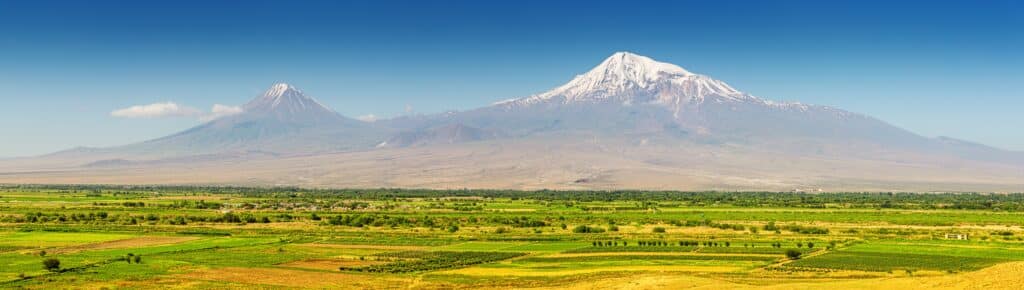
Ararat inspires through awe. The land offers magnitude and isolation, showing how prominence can define identity and perception simultaneously. Geography dictates limits while providing perspective, reminding visitors that scale is a force in itself.
The mountain teaches that isolation can preserve significance. Mount Ararat reflects a Turkey where enduring landscapes shape both cultural myth and practical engagement, demonstrating that geography can hold meaning far beyond the immediate foothills.
9. Troy
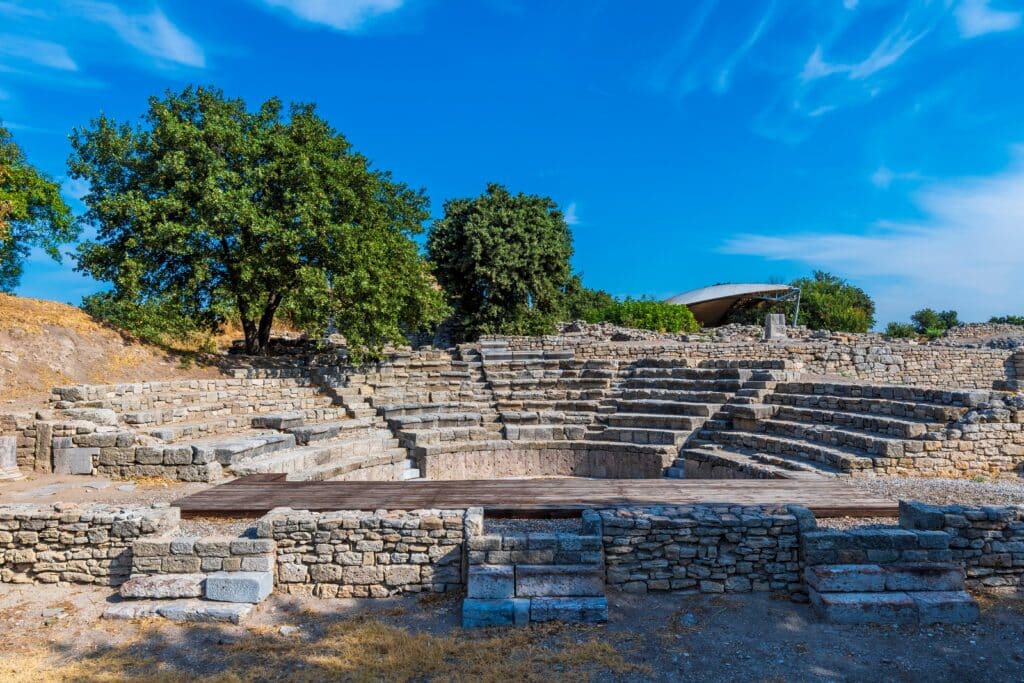
Troy lies in northwestern Turkey near the Dardanelles, where hills descend into plains that reach the sea. Geography here is strategic, framing settlement at the junction of land and water. Access to trade routes and defensible elevation shaped its endurance over millennia.

The surrounding plain supports agriculture, while gentle hills provide observation without excessive isolation. Geography offers balance: land sustains life while controlling approach.
Movement across Troy is measured. Roads climb hills incrementally, guiding perception before arrival. Geography slows passage, embedding awareness of approach in experience.
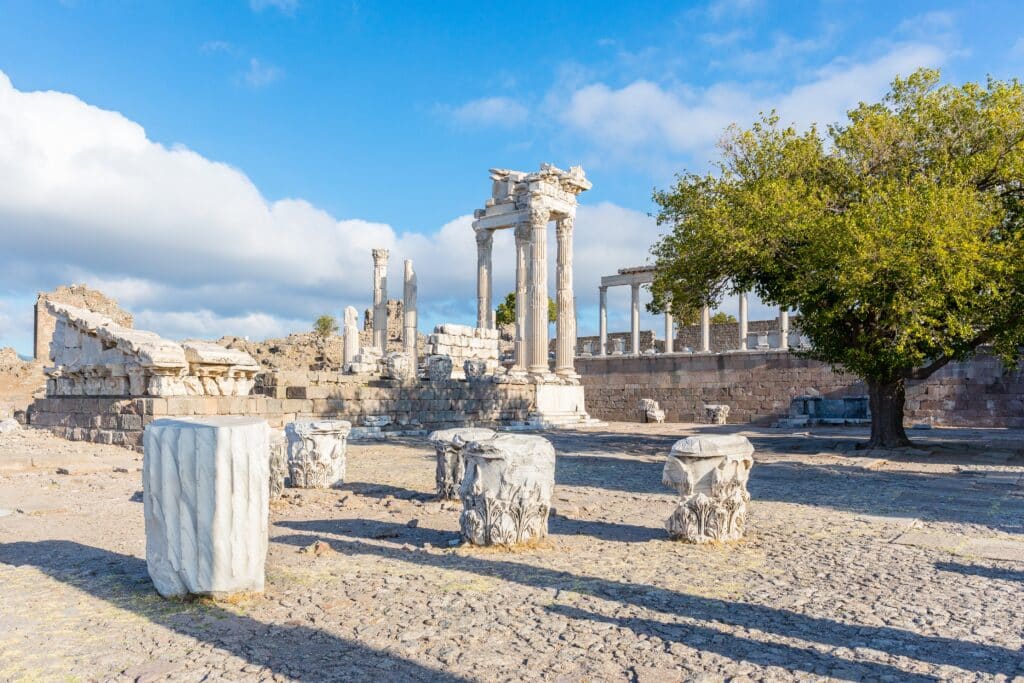
Troy inspires through positioning. The land shapes both defense and visibility, demonstrating how geography can enhance persistence without grandeur.
The site teaches that strategic geography cultivates longevity. Troy reflects a Turkey where location defines history, reminding visitors that endurance often begins where land enables both sustenance and oversight.
8. Kaş
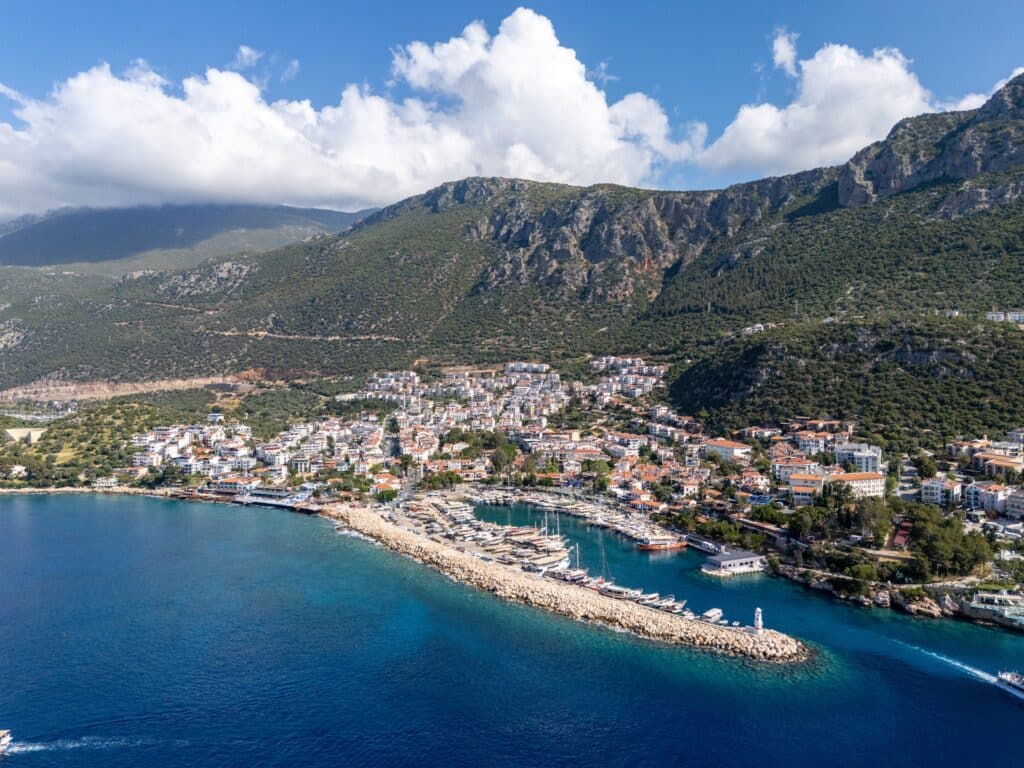
Kaş sits on Turkey’s southwestern Mediterranean coast, where cliffs drop to the sea and bays provide natural harbor. Geography is compressed and linear, guiding settlement along the narrow interface of land and water.
The mountains behind restrict expansion, while the sea opens outward. Geography channels movement into coastal corridors, forcing settlement to align with contours rather than spread freely.
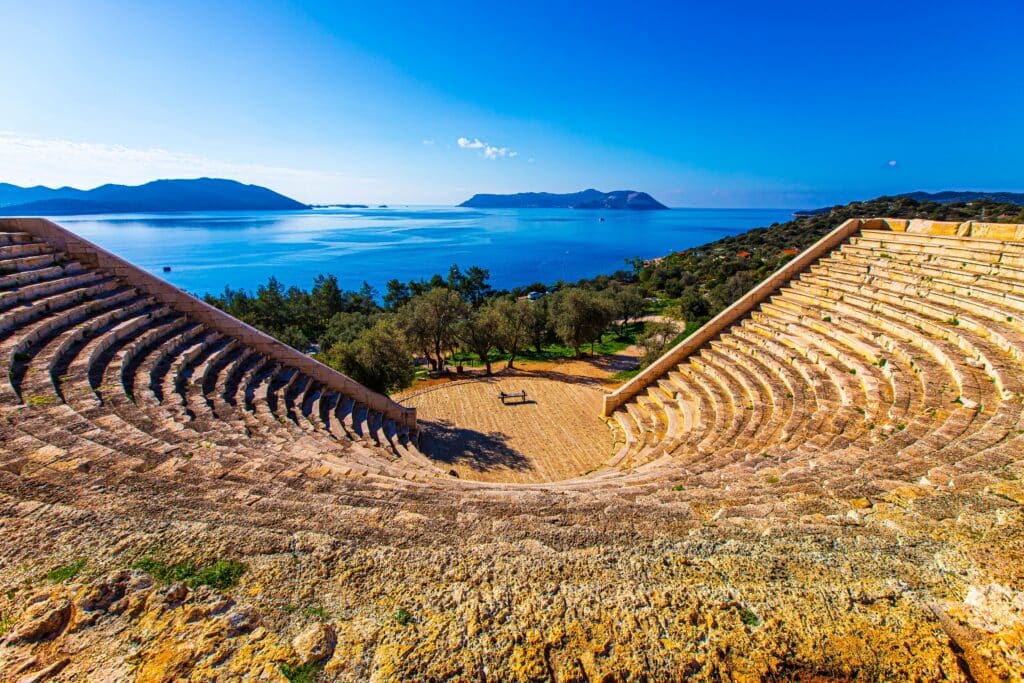
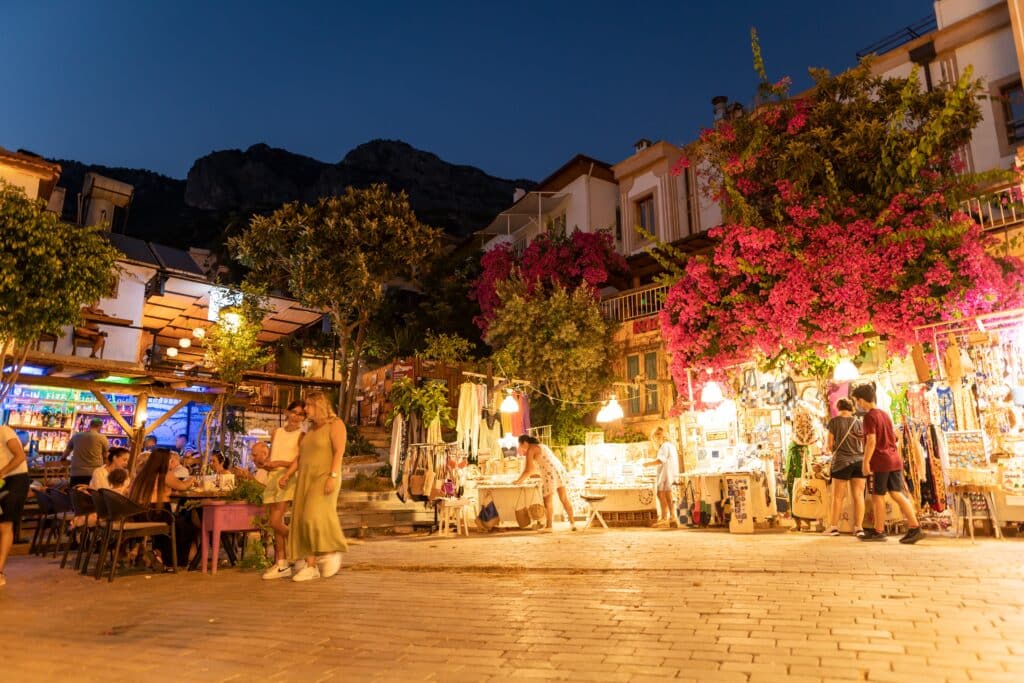
Daily life follows topography. Streets wind along cliffs, boats traverse bays, and each step acknowledges gradient and horizon. Geography enforces awareness of both slope and water.
Kaş inspires through intimacy. Land and sea combine to structure existence in compact form, showing how constraint can enhance attention to environment.
The town teaches that geography can concentrate rather than disperse. Kaş reflects a Turkey where resilience emerges from alignment with terrain, reminding visitors that harmony between cliff, road, and sea forms identity as effectively as scale or abundance.
7. Mount Uludağ
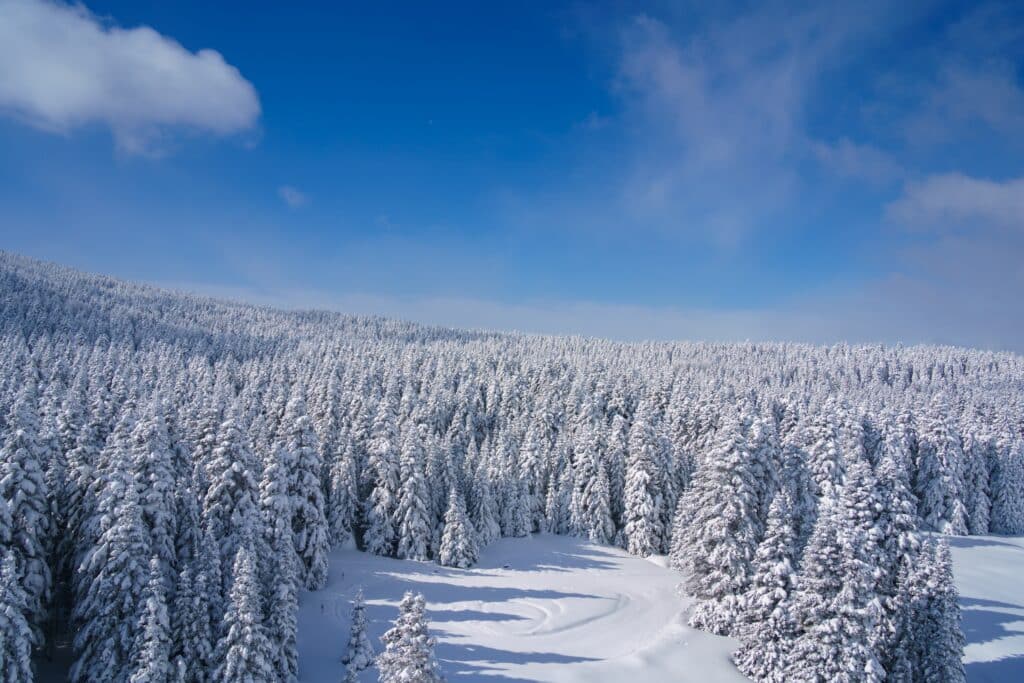
Mount Uludağ rises above Bursa as a dominant feature of western Anatolia, shaping climate, water flow, and human settlement. Geography here is vertical and commanding. Slopes descend sharply to plains below, offering contrast between elevation and habitation.
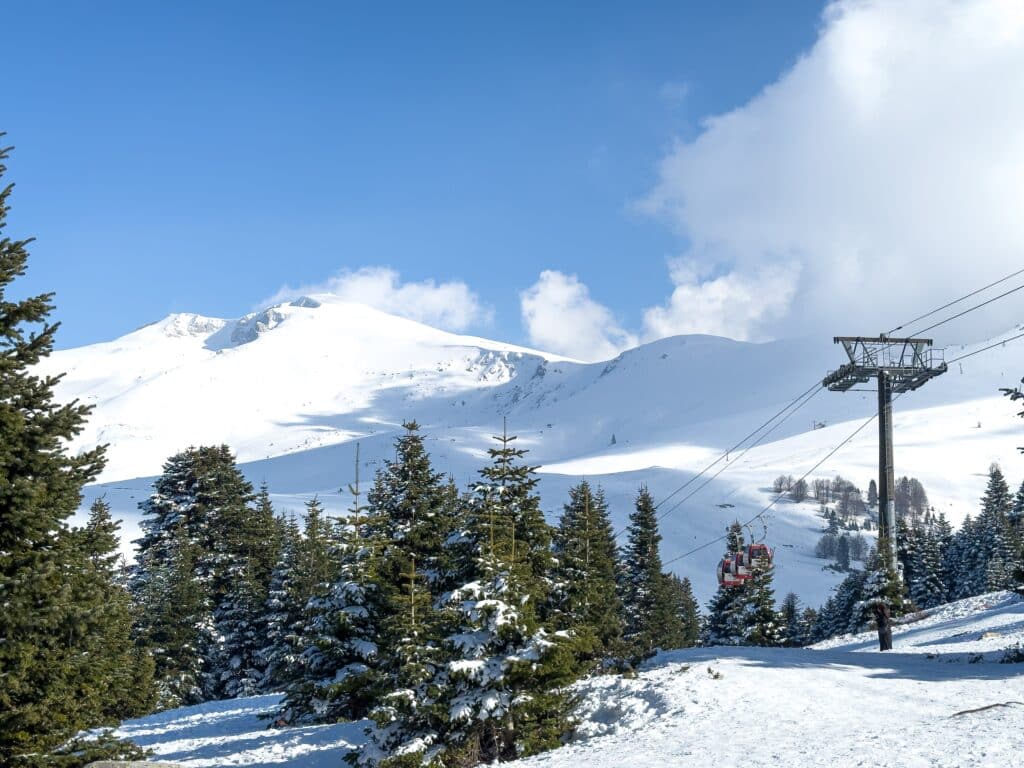
The mountain captures rainfall and snow, feeding rivers that irrigate fertile lands at its base. Geography links height to productivity, binding human settlement to the patterns of water and slope.
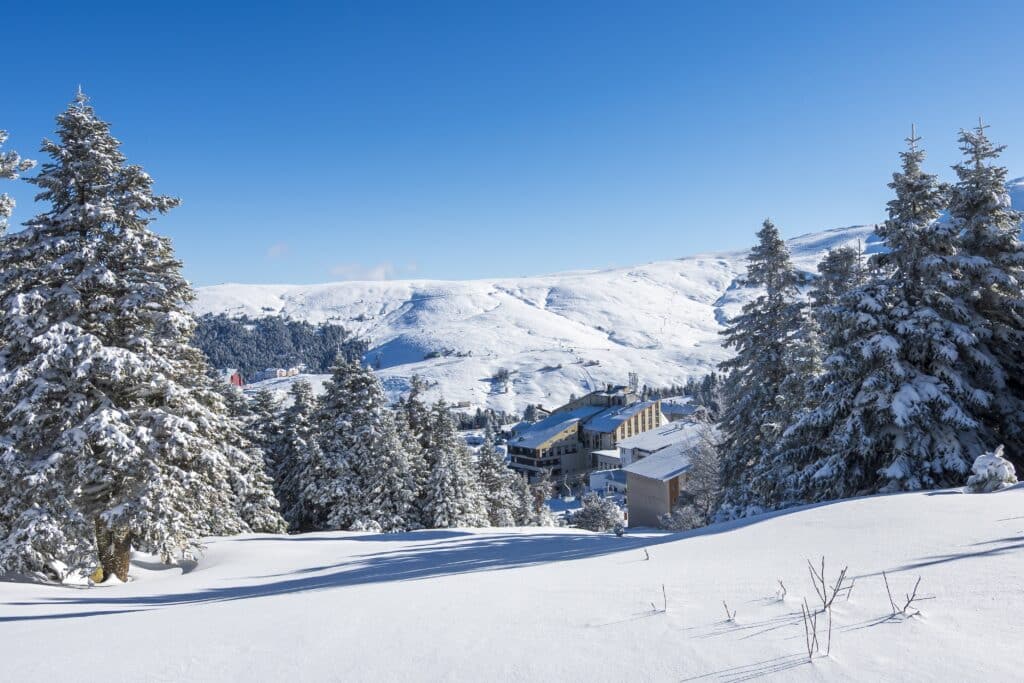
Movement across Uludağ is deliberate. Hiking trails and ski paths follow natural contours, requiring attention to incline and terrain. Geography slows transit, emphasizing respect for the mountain rather than domination over it.
Uludağ inspires through elevation. The land teaches persistence and patience, showing that endurance arises from understanding terrain and aligning activity with its demands.
The mountain demonstrates that geography shapes both opportunity and limitation. Mount Uludağ reflects a Turkey where height anchors culture, recreation, and agriculture, reminding visitors that vertical landscapes dictate the rhythm of life below as much as above.
6. Göksu Valley
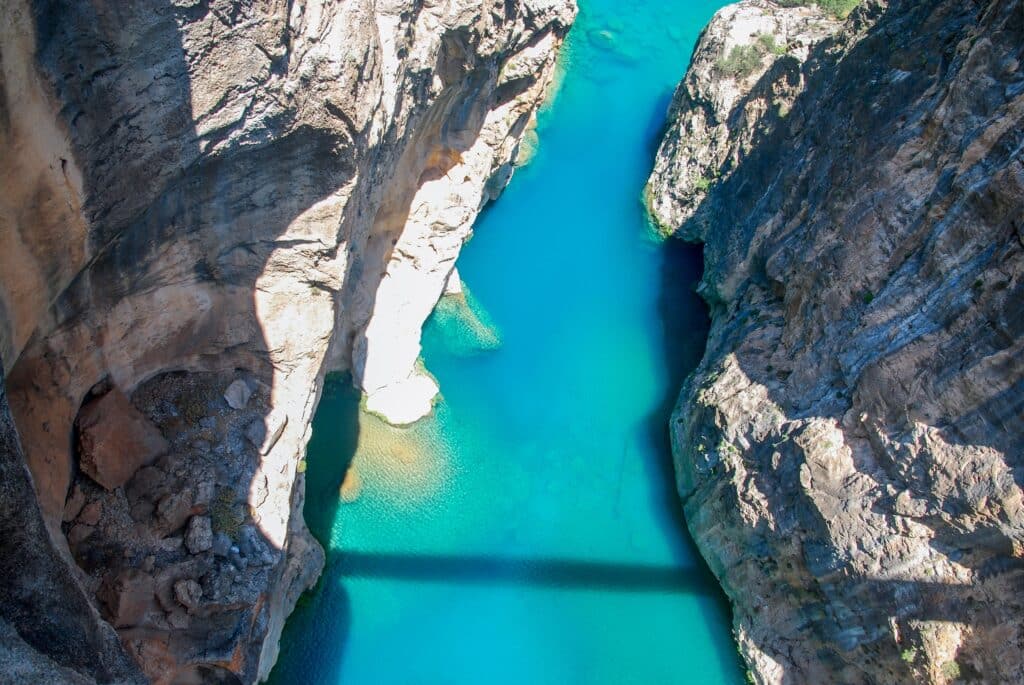
The Göksu Valley runs in southern Turkey, carved by the Göksu River through Mediterranean foothills. Geography here is linear and fertile. The river defines settlement, agriculture, and travel corridors, concentrating life along its banks.
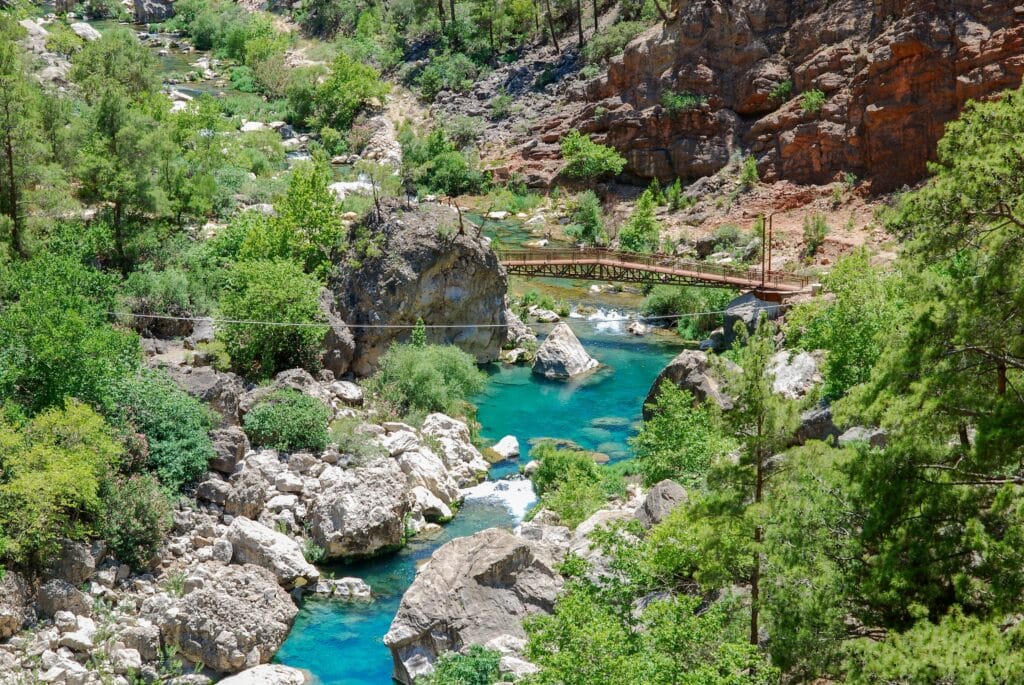
Hills rise steeply on either side, shaping microclimates and providing natural protection. Geography channels activity, directing movement while offering resources for cultivation.
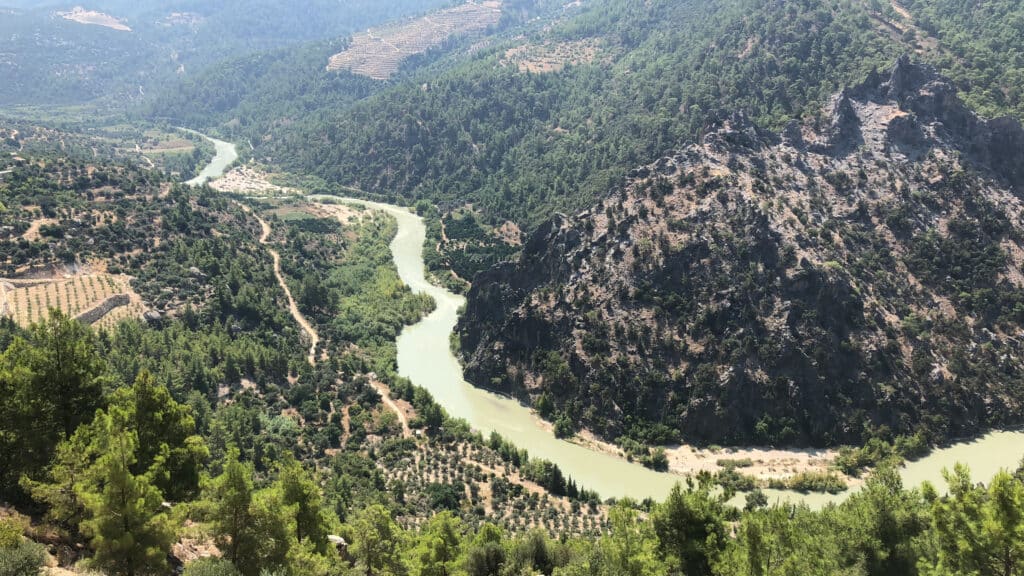
Movement follows the valley floor. Roads and paths parallel the river, emphasizing longitudinal travel rather than lateral expansion. Geography structures rhythm and pace, forcing attention to water and slope.
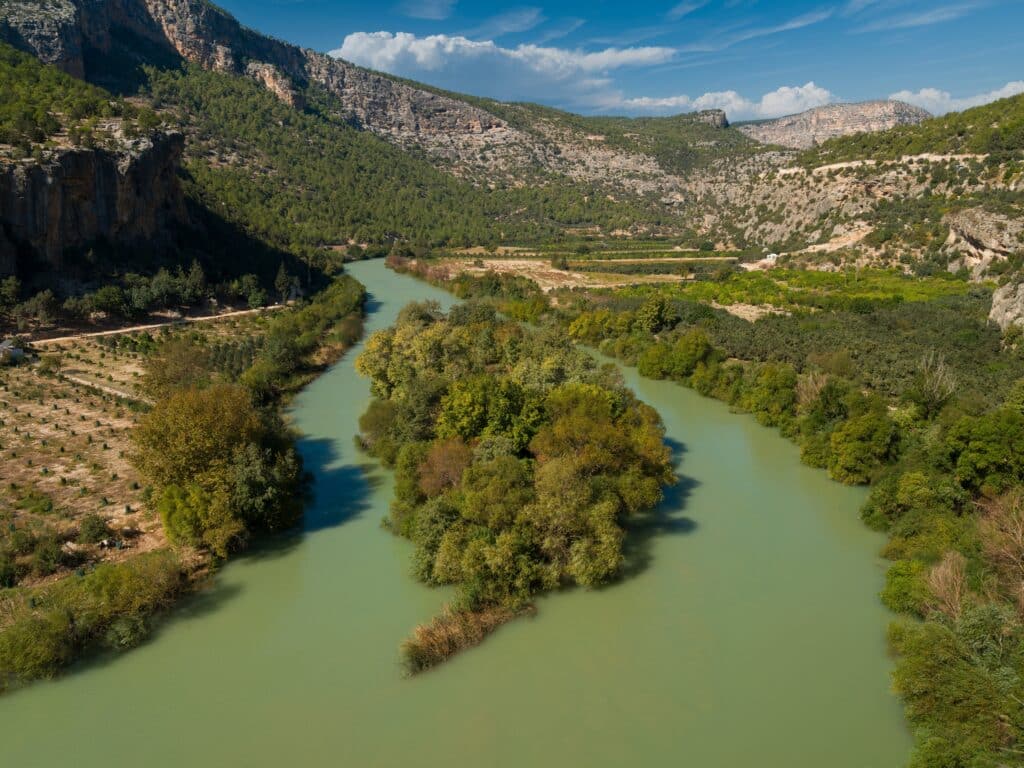
Göksu Valley inspires through productivity. Land that guides settlement also sustains it, reminding visitors that opportunity often lies in corridors shaped by natural forces.
The valley teaches that linear geographies can concentrate endurance. Göksu reflects a Turkey where rivers carve both livelihoods and identity, demonstrating how land and water together preserve continuity over time.
5. Hattusa
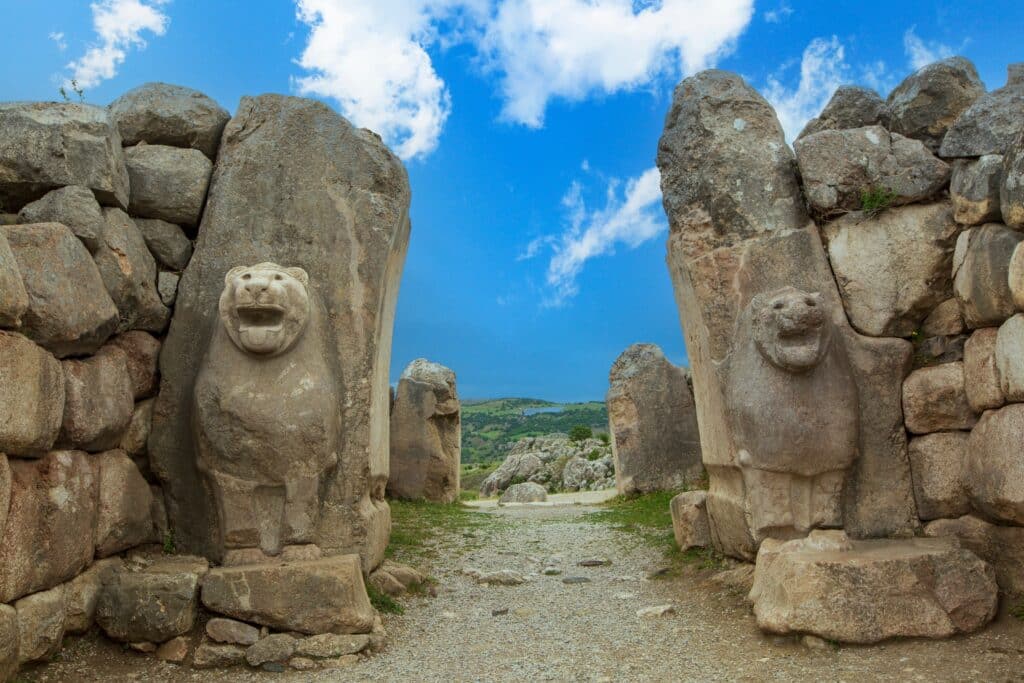
Hattusa sits in central Anatolia atop rocky hills, overlooking plains and river valleys. Geography here is defensive and commanding. Hills shape visibility, while surrounding terrain defines approach, making the city a naturally fortified site.
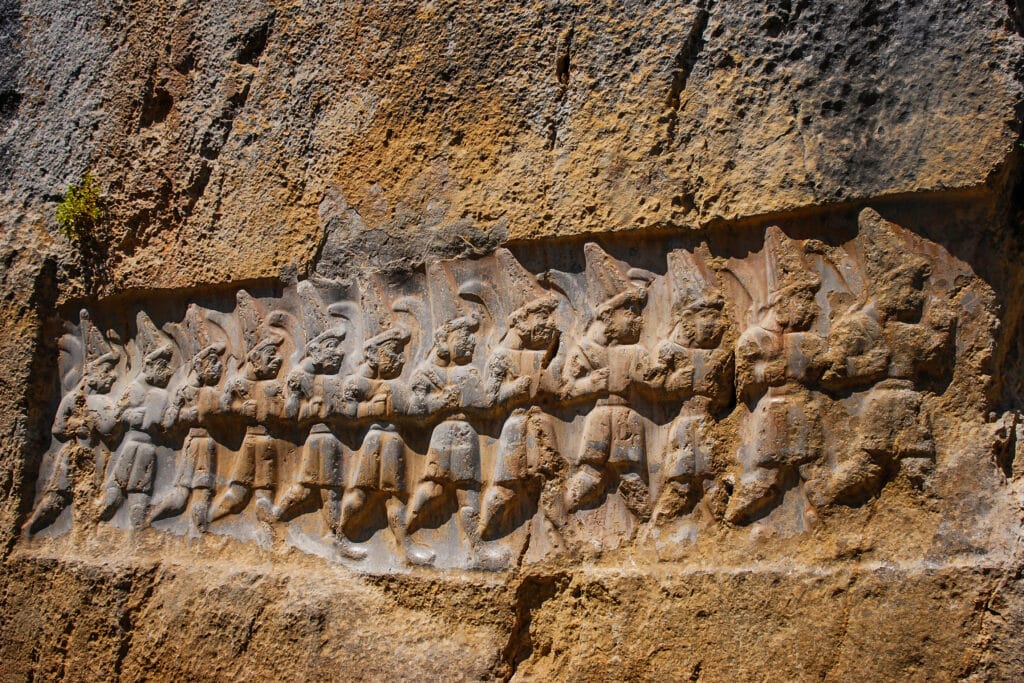
Soil and climate support agriculture nearby, but settlement remains compact. Geography forces efficiency and cohesion, encouraging occupation that respects slope and exposure.
Movement through Hattusa is cautious. Roads curve along ridges, emphasizing awareness of terrain. Geography slows pace, making arrival deliberate and perceptive.
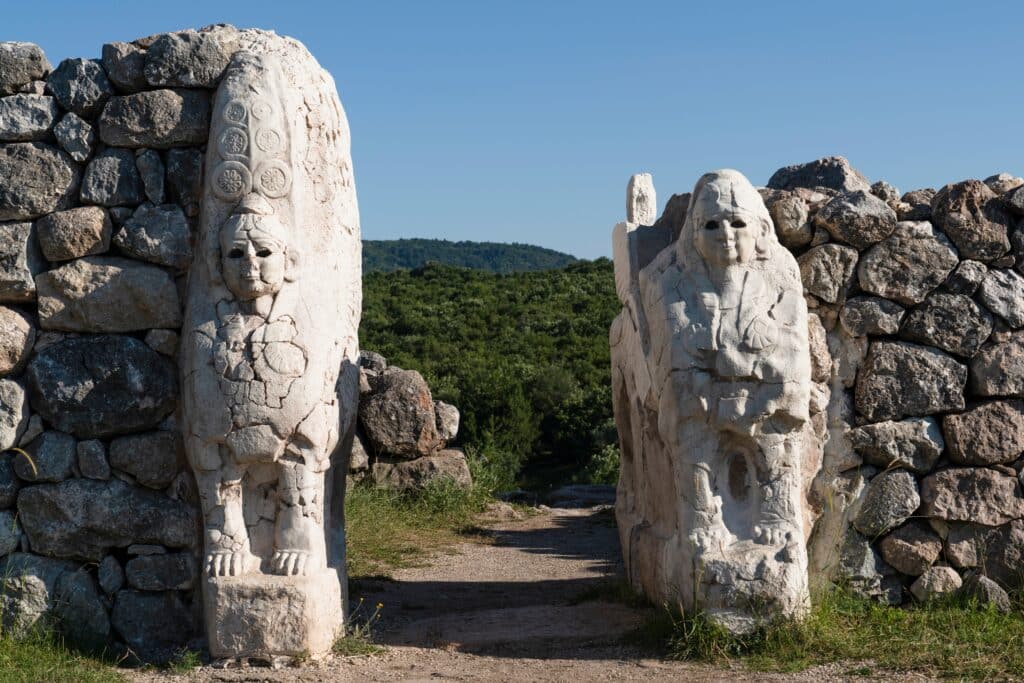
Hattusa inspires through foresight. The land teaches that endurance depends on aligning human activity with geographic constraints. Defense, visibility, and sustenance are inseparable here.
The city demonstrates that elevation can preserve identity and culture. Hattusa reflects a Turkey where terrain shapes settlement, reminding visitors that geography often dictates strategy, rhythm, and survival.
4. Izmir

Izmir sits along the Aegean coast, where sea breezes soften climate and hills curve gently toward water. Geography here is open and outward-facing. The land slopes gradually, encouraging expansion rather than compression.
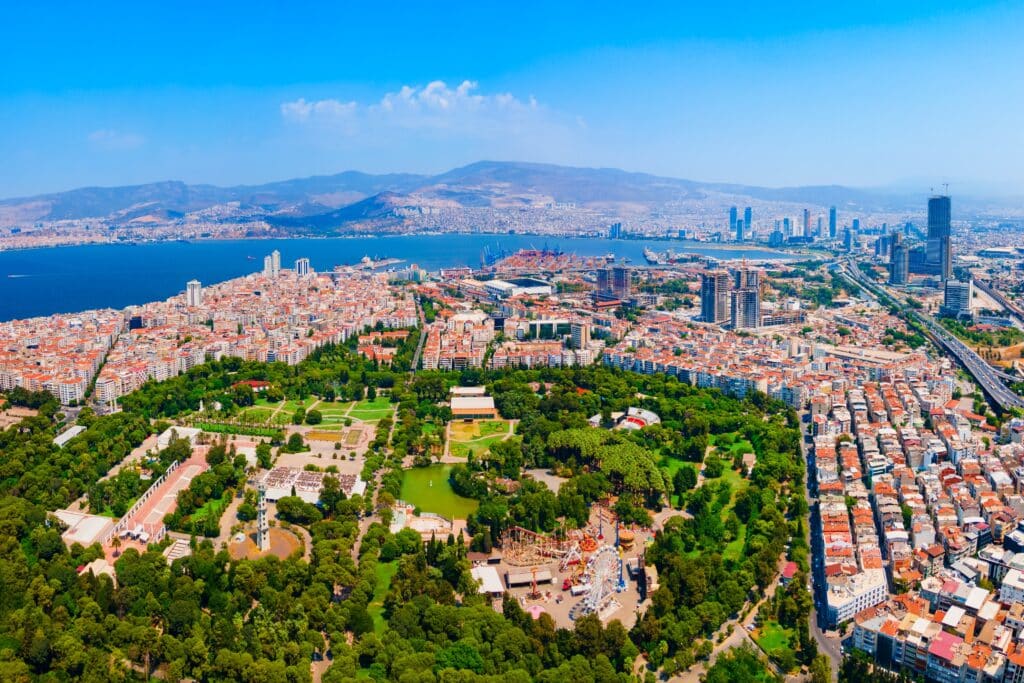
The harbor defines orientation. Trade, movement, and settlement align toward the sea, reinforcing connection over enclosure. Geography supports exchange, shaping a city comfortable with flow and change.
Movement through Izmir is horizontal and fluid. Roads and promenades parallel the shoreline, reflecting terrain that permits ease. Geography encourages continuity rather than resistance.

Izmir inspires through openness. The sea broadens perspective, introducing light, wind, and horizon into daily life.
The city teaches that coastal geography fosters adaptability. Izmir reflects a Turkey shaped by maritime access, reminding visitors that openness to water often translates into openness of identity.
3. Nemrut Crater Lake
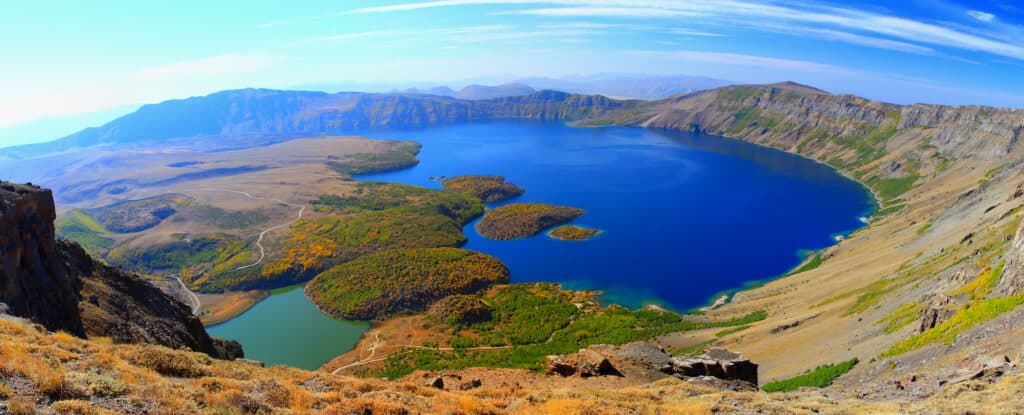
Nemrut Crater Lake sits atop a dormant volcanic cone in eastern Anatolia. Geography here is enclosed and elevated, forming a natural basin that collects water while isolating settlement.
The lake’s rim rises sharply, concentrating wind and rainfall within its walls. Geography dictates climate and access, forcing visitors to approach carefully.
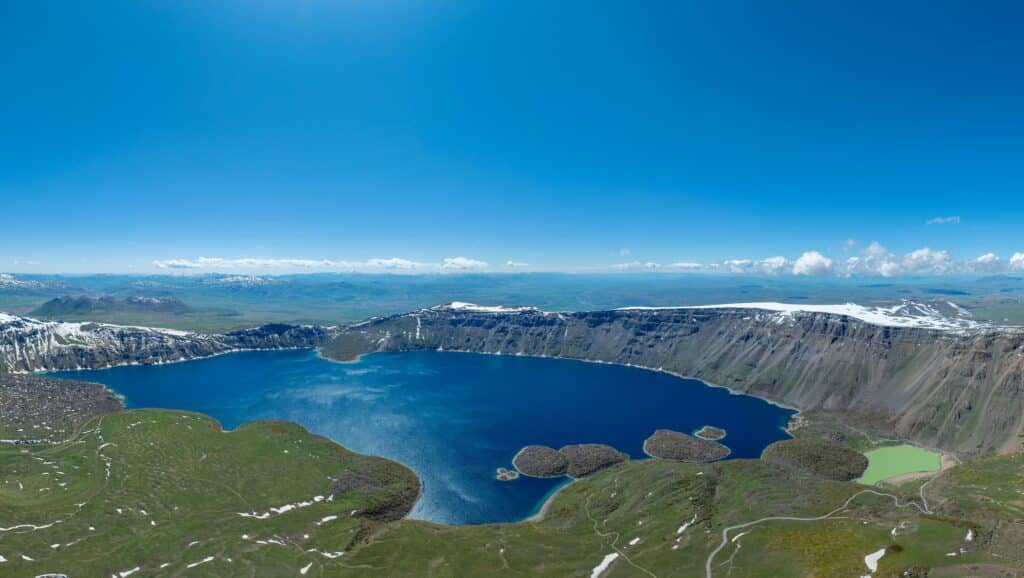
Movement around the lake is deliberate. Trails follow rim contours, emphasizing observation and awareness of slope. Geography controls engagement, slowing pace and deepening perception.
Nemrut Crater Lake inspires through enclosure. The land creates a microcosm, compressing experience and heightening focus. Geography teaches that isolation can amplify endurance and reflection.
The site demonstrates how volcanic landscapes shape settlement and memory. Nemrut Lake reflects a Turkey where elevation and enclosure define interaction with land, reminding visitors that geography can concentrate attention as effectively as scale or distance.
2. Mount Ida (Biga)
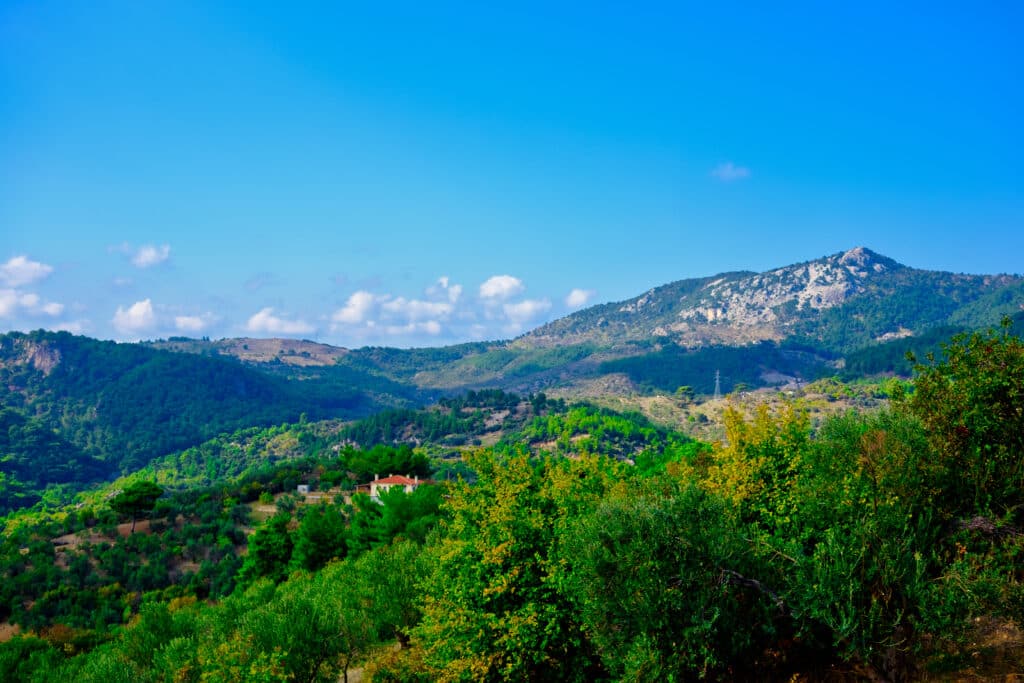
Mount Ida rises in northwestern Anatolia, where forested ridges descend toward plains and coastal lowlands. Geography here is layered: elevation provides resources, vantage, and protection, while slopes channel water into fertile valleys.
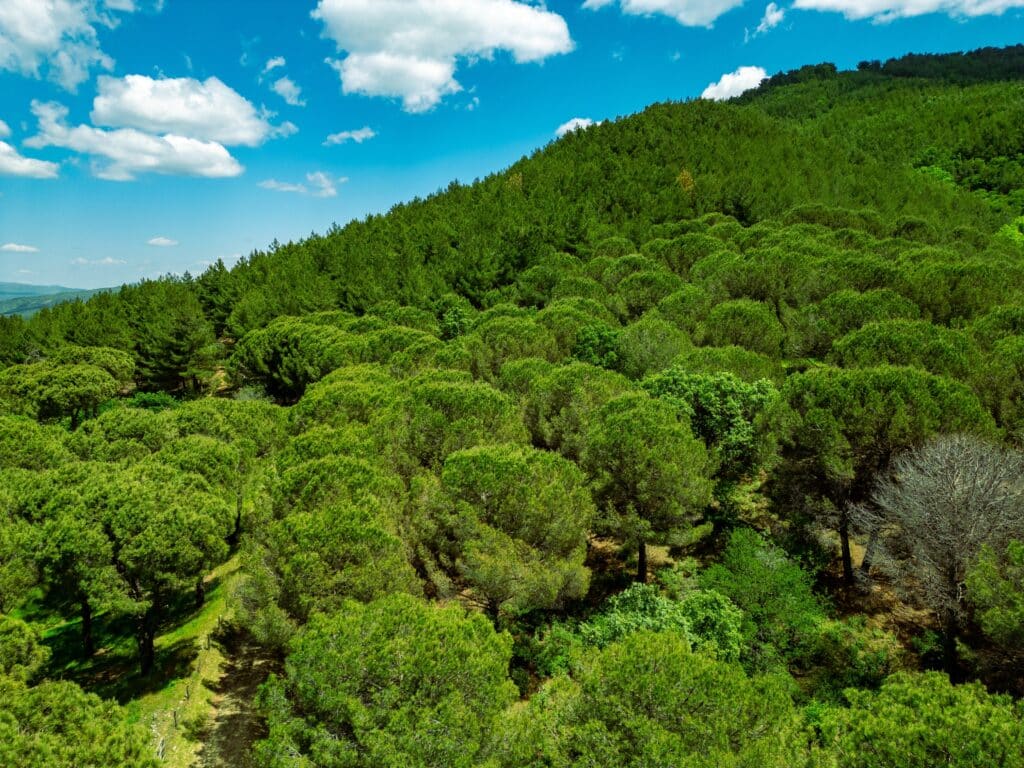
Settlement follows terrain. Villages cluster on gentler inclines, avoiding steeper slopes. Roads climb gradually, linking heights and plains. Geography guides life rather than being overridden.
Movement along Mount Ida emphasizes attention to slope and vegetation. Trails wind through forests, revealing how relief shapes rhythm and pace.
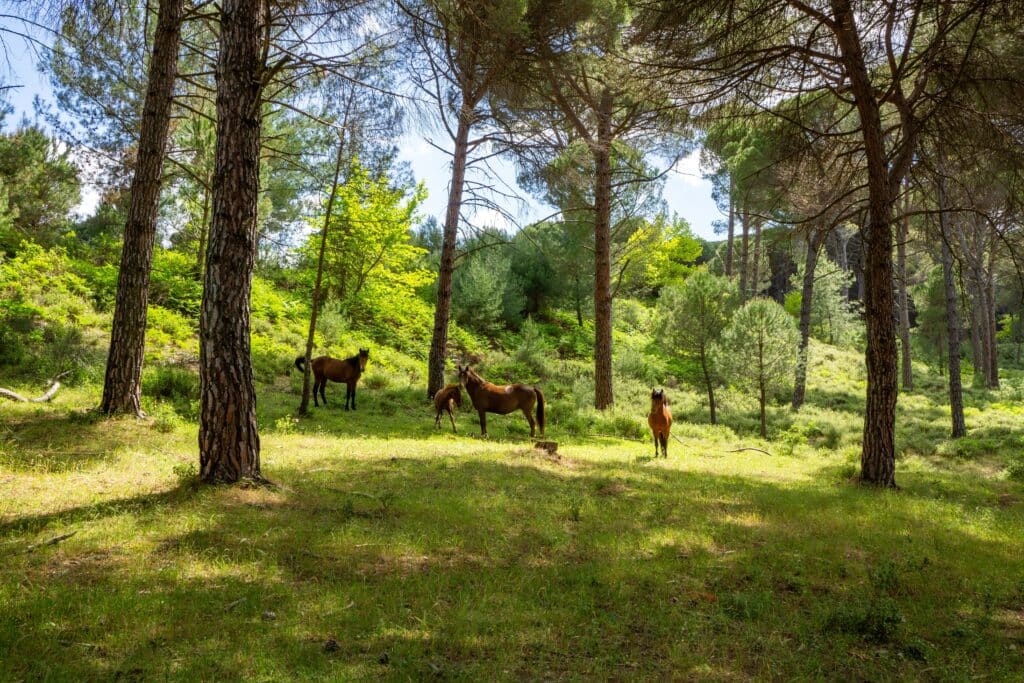
Mount Ida inspires through presence. Forested slopes and cascading valleys remind visitors that geography can sustain life by balancing challenge with opportunity.
The mountain teaches that layered terrain preserves culture and continuity. Mount Ida reflects a Turkey where elevation, slope, and forest create an enduring landscape, reminding travelers that geography is both resource and guide.
1. Fethiye

Fethiye sits along Turkey’s southwestern coast, where mountains drop abruptly to sheltered bays of the Mediterranean. Geography is compressed, forcing settlement along narrow strips of coast between cliffs and sea.
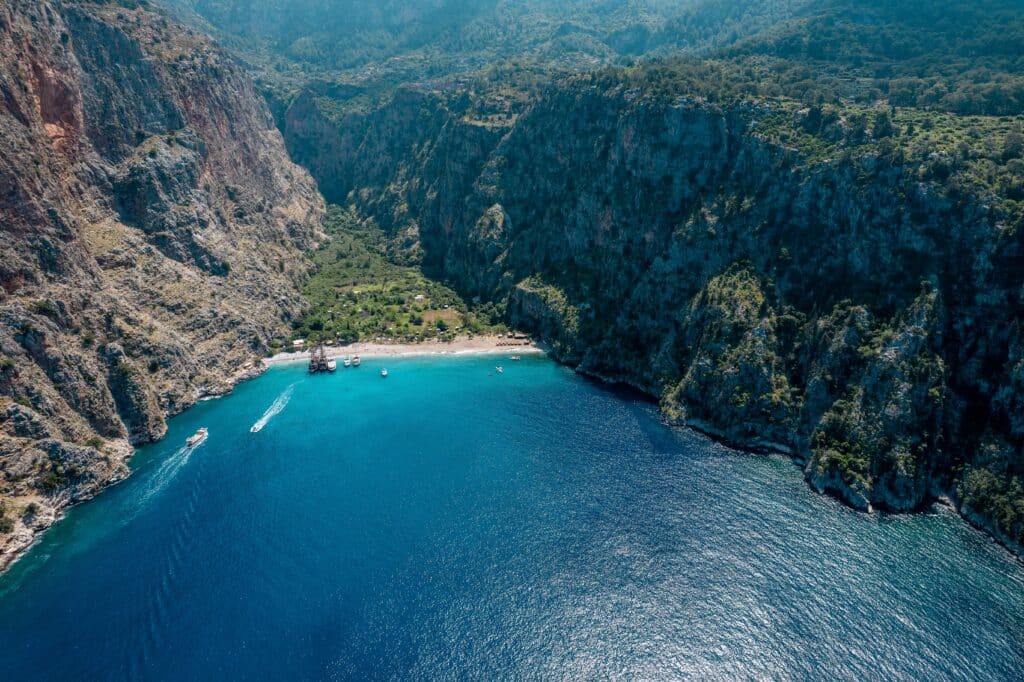
Mountains restrict inland expansion, while coves provide harbors and fertile terraces. Geography concentrates life into linear form, demanding adaptation rather than sprawl.
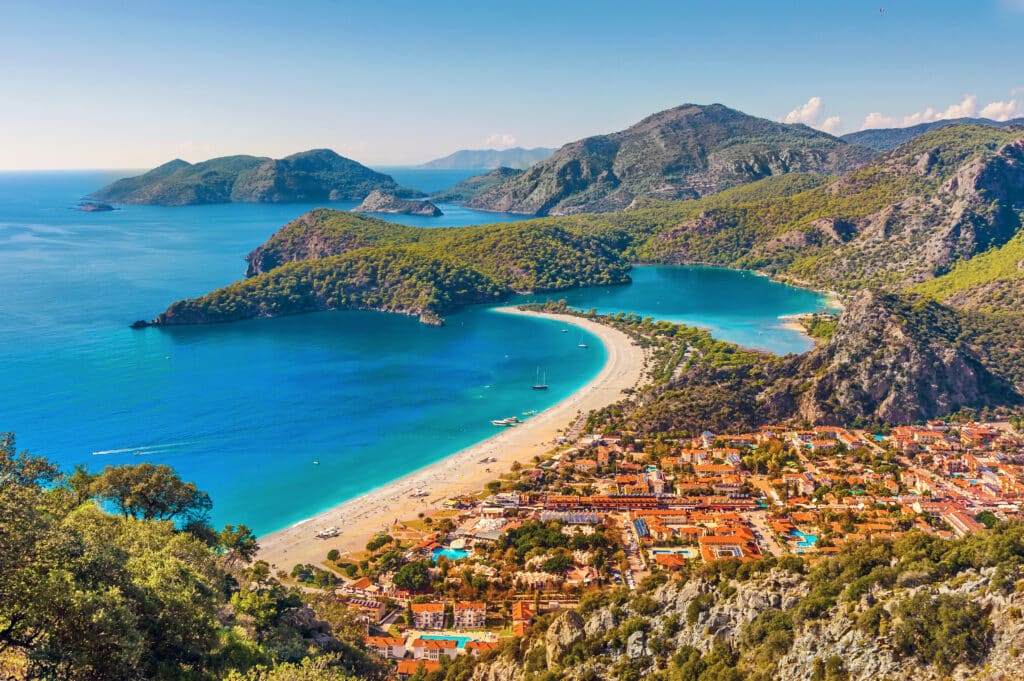
Movement follows coastline contours. Roads and footpaths trace cliffs and beaches, reinforcing awareness of slope and water. Geography structures rhythm and pace, shaping human activity.
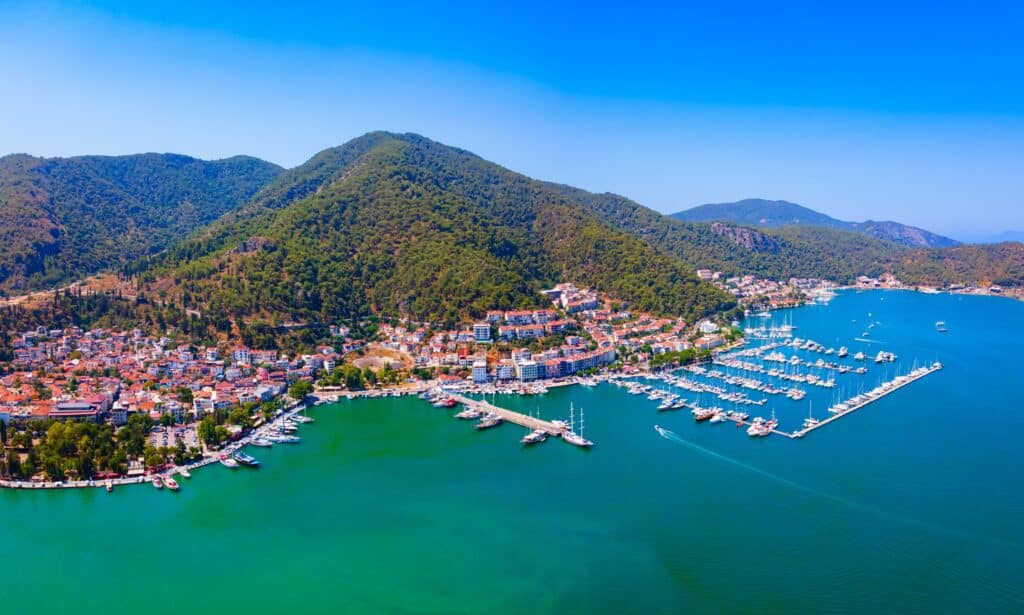
Fethiye inspires through integration. Land and sea combine to frame life within natural constraints, showing how settlement can flourish where geography concentrates rather than disperses space.
The town teaches that constrained landscapes cultivate attention and resilience. Fethiye reflects a Turkey where cliffs, bays, and water work together to shape identity, reminding visitors that geography often defines culture as much as climate or history.