
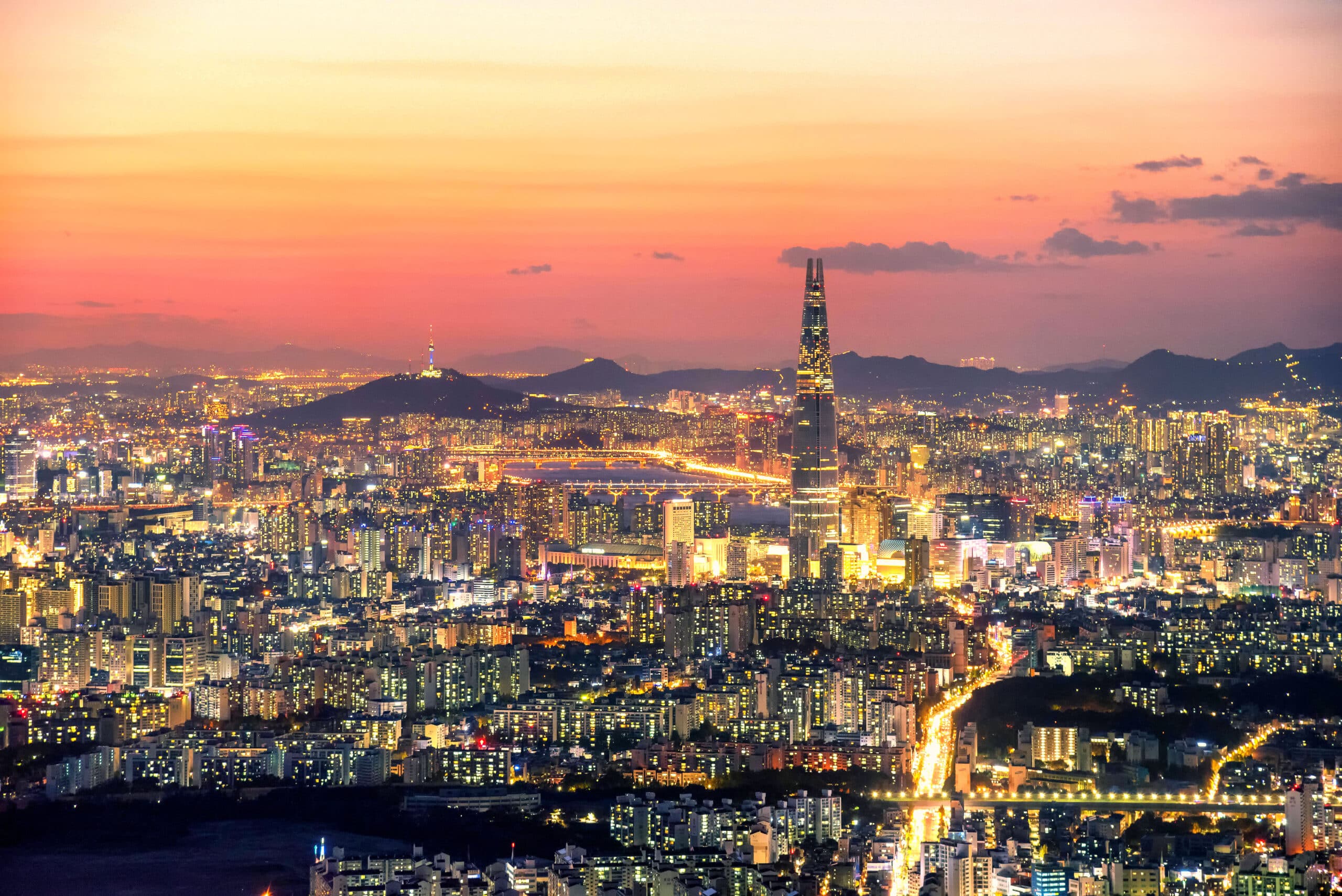
The vibrant capital of South Korea, Seoul is a city where ancient traditions blend seamlessly with cutting-edge modern life. Towering skyscrapers rise beside centuries-old palaces, while lively markets and quiet temples reveal the many layers of Korean culture. For travelers exploring South Korea, Seoul is usually the first stop—and often the highlight of the journey.
Founded more than 600 years ago during the Joseon Dynasty, Seoul has long served as the political, cultural, and economic center of the country. Today it is one of the most dynamic cities in Asia, offering visitors an incredible variety of attractions. You can wander through royal palace courtyards in the morning, taste sizzling Korean street food in a bustling market by afternoon, and enjoy panoramic skyline views from a mountaintop tower by evening.
History lovers will discover magnificent landmarks such as Gyeongbokgung Palace, the largest and most impressive royal palace in Korea. Traditional neighborhoods like Bukchon Hanok Village reveal what Seoul looked like centuries ago, with elegant wooden houses lining narrow streets. Meanwhile, modern districts such as Myeongdong showcase the city’s vibrant shopping culture and famous street food.
Seoul also offers beautiful urban nature spaces. Visitors can walk along the peaceful Cheonggyecheon Stream, relax in riverside parks along the Han River, or hike to scenic viewpoints on Namsan Mountain.
Whether you are interested in historic palaces, cultural experiences, delicious cuisine, or stunning city views, Seoul offers countless activities for every traveler. The following guide highlights some of the best things to see and do in this fascinating city.
For more destinations across the country, see our guide to the best places to visit in South Korea.

Table of Contents
Quick Travel Guide to Seoul
Country: South Korea
Best Time to Visit: Spring (cherry blossoms) and autumn (fall foliage)
Recommended Stay: 3–4 days
Main Airport: Incheon International Airport
Famous For: Royal palaces, street food markets, shopping districts and vibrant nightlife.
How to Get Around Seoul
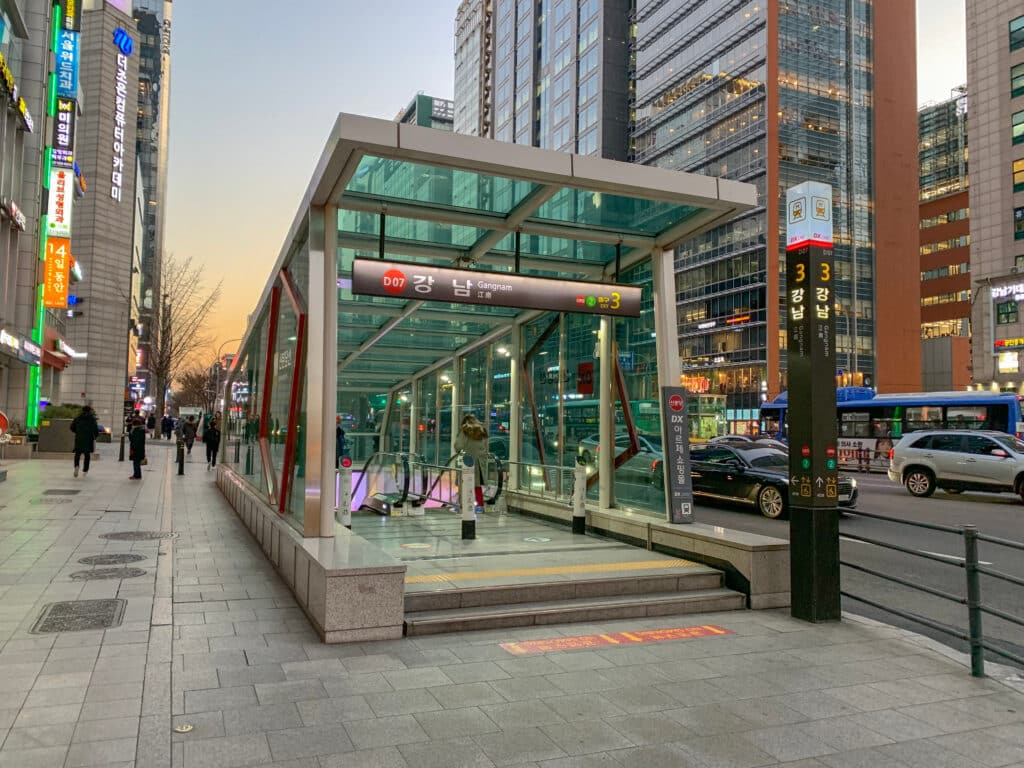
Getting around Seoul is remarkably easy thanks to one of the most efficient public transportation systems in the world. Visitors rarely need a car, as the city’s subway network, buses, and taxis make traveling between attractions simple and affordable.
The Seoul subway system is the most convenient way to move around the city. With more than twenty interconnected lines, it reaches nearly every major neighborhood and tourist attraction. Stations and trains are clearly marked in English, and announcements are typically made in multiple languages. Many travelers purchase a rechargeable T-money card, which can be used for both subway and bus fares throughout the city.
Public buses also provide extensive coverage across Seoul. While they can appear complicated at first, they are a useful option for reaching areas not directly served by the subway system.
For airport transfers, the Airport Railroad Express (AREX) connects Incheon International Airport with central Seoul in about 45 minutes. Airport limousine buses are another convenient option, especially for travelers staying in major hotel districts.
Taxis are widely available and relatively affordable compared with many other global cities. Most drivers accept credit cards, and navigation apps can help overcome any language barriers.
Because of its excellent transportation network, visitors can easily explore Seoul’s major attractions—from historic sites like Gyeongbokgung Palace to scenic viewpoints at N Seoul Tower—without difficulty.
Map of the Best Things to Do in Seoul
Map of the best things to do in Seoul, showing the location of major attractions including royal palaces, traditional neighborhoods, markets, and scenic viewpoints across the city.
Best Things to Do in Seoul
Historic Center of Seoul
Explore Gyeongbokgung Palace
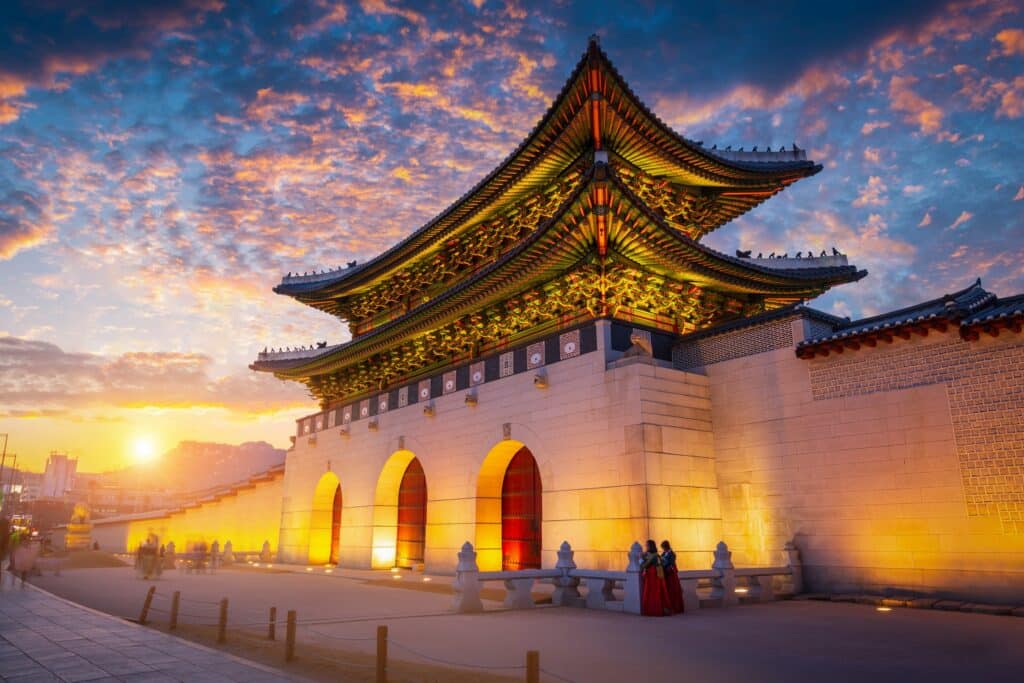
One of the most iconic landmarks in Seoul, Gyeongbokgung Palace stands as a magnificent reminder of Korea’s royal past. Built in 1395 during the early years of the Joseon Dynasty, the palace once served as the main residence of Korean kings and the heart of the kingdom’s political power.
The palace complex is enormous, covering more than 40 hectares and featuring elegant courtyards, grand gates, and beautifully decorated wooden halls. Visitors entering through the impressive Gwanghwamun Gate immediately sense the historical importance of the site.
One of the highlights of visiting Gyeongbokgung is watching the Royal Guard Changing Ceremony, a colorful reenactment of traditional palace rituals. Guards dressed in bright historical uniforms perform the ceremony several times a day, offering visitors a glimpse into Korea’s royal traditions.
Inside the palace grounds, several notable buildings deserve special attention. The graceful Geunjeongjeon Hall served as the throne hall where kings held official ceremonies. Nearby stands Gyeonghoeru Pavilion, a stunning structure built on stone pillars in the middle of a reflecting pond.
Many visitors also explore the National Folk Museum of Korea, located within the palace complex, which displays fascinating exhibits about Korean daily life throughout history.
Because of its impressive architecture and cultural significance, Gyeongbokgung Palace is often considered the most important historical attraction in Seoul.
Wander Through Bukchon Hanok Village
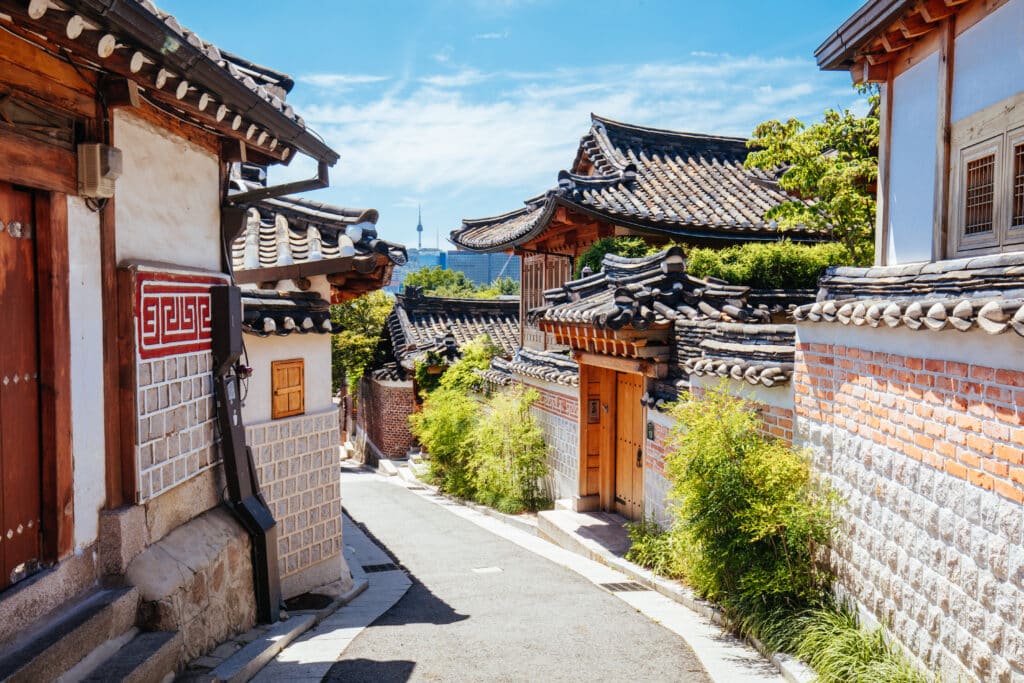
Nestled between royal palaces in central Seoul, Bukchon Hanok Village offers a beautiful glimpse into traditional Korean life. The village is famous for its well-preserved hanok, traditional Korean houses with curved tile roofs and wooden structures that date back hundreds of years.
Walking through Bukchon feels like stepping into another era. Narrow stone alleys wind between elegant homes, many of which were originally built for noble families during the Joseon Dynasty. Today these houses have been carefully restored and often function as cultural centers, guesthouses, tea houses, or small museums.
One of the most enjoyable activities in Bukchon is simply wandering through the quiet streets while admiring the architecture. From several viewpoints, visitors can enjoy stunning views where rows of traditional houses appear against the backdrop of modern skyscrapers in downtown Seoul.
Many travelers also choose to rent a hanbok, Korea’s traditional clothing, and stroll through the village dressed in historical garments. This creates a unique experience and provides excellent opportunities for photography.
Because Bukchon remains a residential neighborhood, visitors are encouraged to explore respectfully and keep noise levels low. Early mornings or weekdays are often the best times to experience the village’s peaceful atmosphere.
With its elegant architecture and historic charm, Bukchon Hanok Village remains one of the most memorable cultural experiences in Seoul.
Visit Changdeokgung Palace
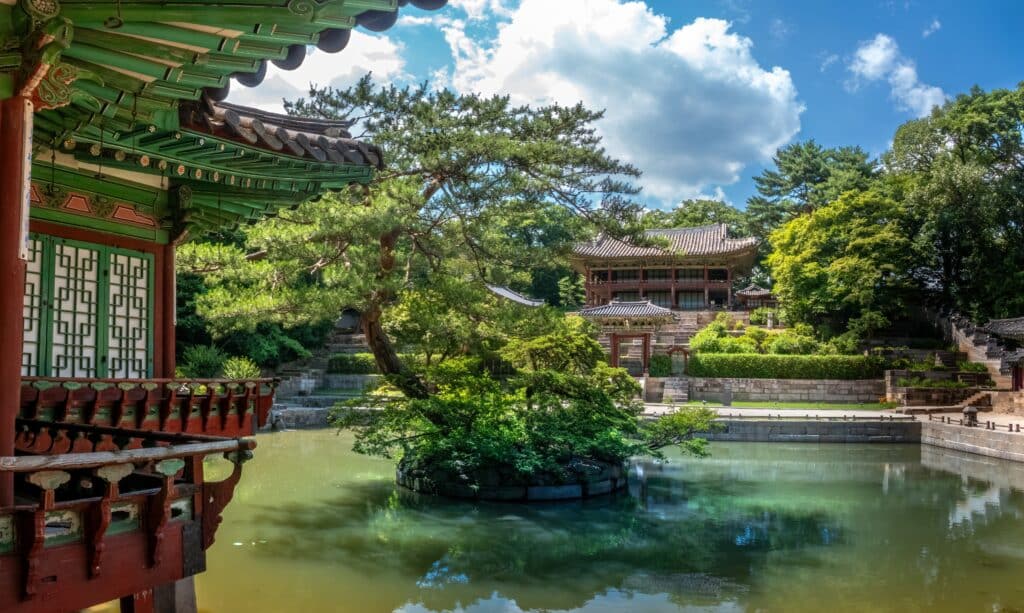
Among Seoul’s five grand royal palaces, Changdeokgung Palace is widely considered the most beautiful. Built in the early 15th century, the palace served as a royal residence for many kings during the Joseon Dynasty.
Unlike other palaces constructed on symmetrical plans, Changdeokgung was carefully designed to blend harmoniously with the surrounding natural landscape. The buildings follow the curves of the hills and forests, creating an elegant balance between architecture and nature.
The palace is especially famous for its Huwon Secret Garden, a large landscaped garden once reserved exclusively for the royal family. This peaceful area contains lotus ponds, pavilions, and ancient trees that have stood for centuries.
Visitors can explore the palace’s courtyards and halls before joining a guided tour of the Secret Garden, which is required to preserve the historic environment.
Because of its outstanding historical value, Changdeokgung Palace has been recognized as a **UNESCO World Heritage Site.
Explore Traditional Culture in Insadong
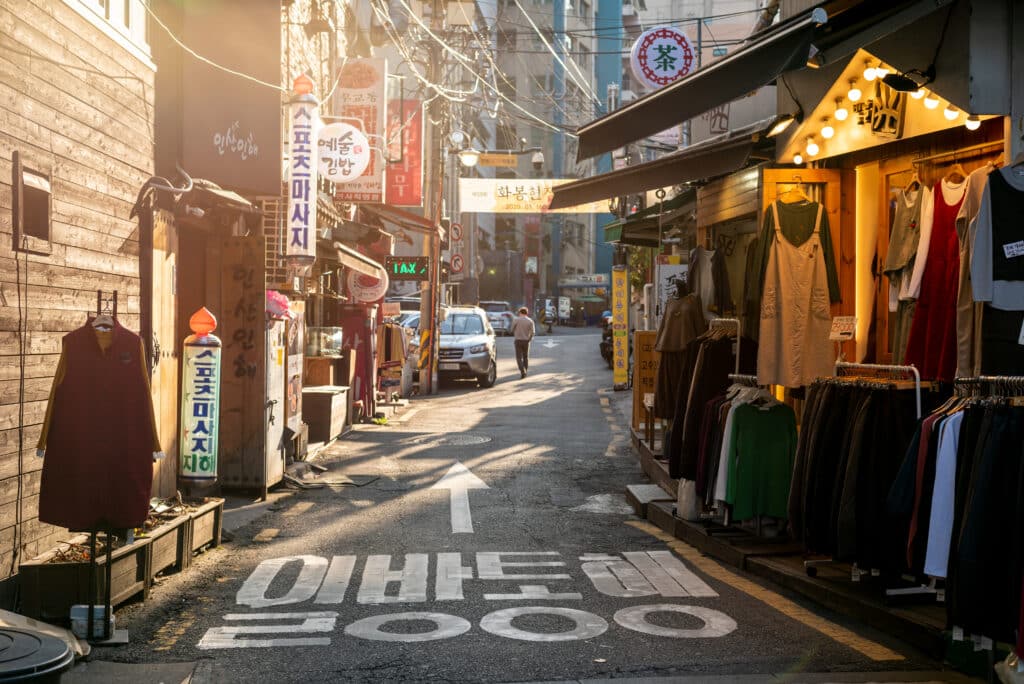
One of the most culturally rich neighborhoods in Seoul, Insadong is the perfect place to experience traditional Korean art, crafts, and cuisine. Located near several historic palaces, the district has long served as a center for artists, scholars, and collectors.
The main street of Insadong is lined with galleries, antique shops, and craft stores selling everything from ceramics and calligraphy brushes to handmade paper and traditional paintings. Visitors looking for authentic Korean souvenirs often find the best selection here.
Hidden alleyways branching from the main road lead to charming tea houses and small restaurants. These quiet spots allow travelers to sample traditional drinks such as green tea or sikhye, a sweet rice beverage served cold.
Insadong also hosts several cultural festivals throughout the year. Street performances, art exhibitions, and traditional music events create a lively atmosphere that celebrates Korean heritage.
Because of its artistic character and historic setting, Insadong offers a fascinating contrast to the modern shopping districts of Seoul.
Visit the Peaceful Jogyesa Temple
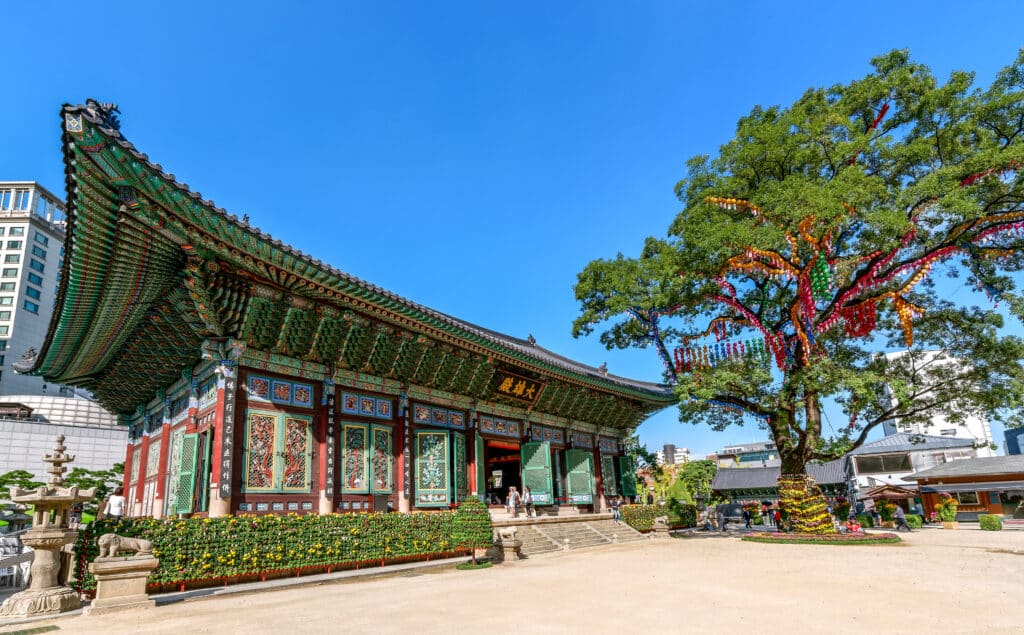
In the middle of busy downtown Seoul, the serene Jogyesa Temple provides a quiet refuge from the city’s energy. This temple serves as the headquarters of Korean Zen Buddhism and plays an important role in the country’s spiritual life.
Colorful lanterns often decorate the temple grounds, especially during the Buddha’s Birthday celebrations when thousands of lanterns illuminate the streets around the temple.
The main prayer hall houses a large golden Buddha statue surrounded by intricate carvings and traditional paintings. Visitors can quietly observe worshippers offering prayers or explore the peaceful courtyard shaded by ancient trees.
One of the most impressive features of Jogyesa is its enormous sacred trees, some of which are more than 500 years old. These towering trees create a tranquil atmosphere that contrasts with the surrounding skyscrapers.
Many travelers also participate in temple stay programs, where visitors can experience Buddhist traditions such as meditation, chanting, and tea ceremonies.
Jogyesa Temple offers a rare opportunity to experience Korean spirituality while remaining in the heart of the modern city.
Stroll Through Gwanghwamun Square
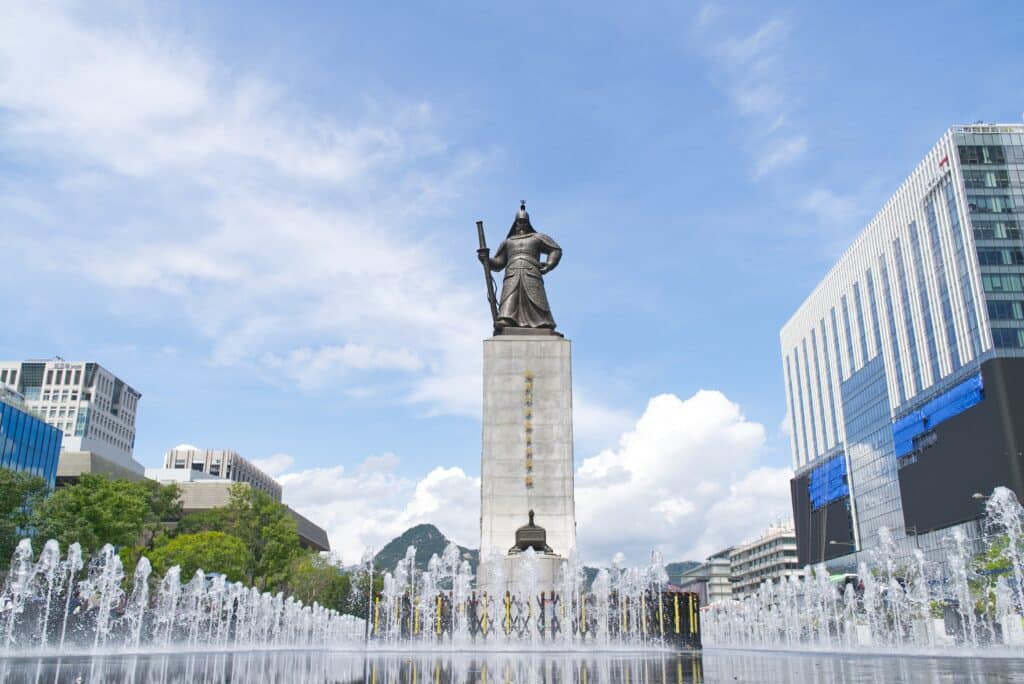
Located in the heart of Seoul, Gwanghwamun Square is one of the most important public spaces in South Korea. The large open plaza stretches along the main boulevard leading to Gyeongbokgung Palace, offering a dramatic view framed by mountains in the background.
The square is famous for its statues honoring two of Korea’s most respected historical figures. One monument celebrates King Sejong the Great, the ruler who created the Korean alphabet, Hangul. Nearby stands a statue of Admiral Yi Sun-sin, a legendary naval commander known for defending Korea during the 16th century.
Visitors often explore the underground exhibition spaces beneath the square, where interactive displays explain Korean history and culture. During the evening, the plaza becomes especially lively as fountains and illuminated installations light up the area.
Because of its central location near several major landmarks, Gwanghwamun Square is often the starting point for exploring Seoul’s historic center.
Traditional Markets & Food Districts
Taste Korean Street Food at Gwangjang Market
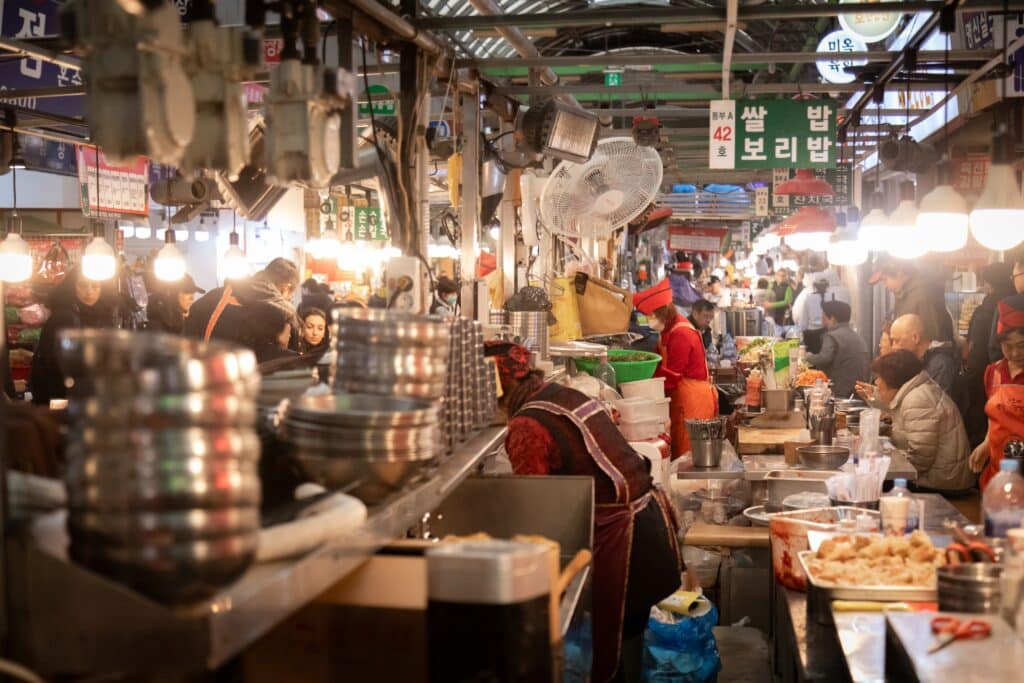
One of the oldest traditional markets in Seoul, Gwangjang Market is a paradise for food lovers. Established in 1905, the market has grown into one of the most famous culinary destinations in South Korea, attracting both locals and international travelers.
Walking through the market’s busy alleys, visitors encounter rows of food stalls where vendors prepare classic Korean dishes right in front of customers. The atmosphere is lively, with sizzling pans, the aroma of spices, and friendly vendors inviting guests to try their specialties.
Some of the most popular foods here include bindaetteok, crispy mung bean pancakes served with dipping sauce, and mayak gimbap, small rice rolls filled with vegetables and seasoned with sesame oil. Another favorite is tteokbokki, spicy rice cakes simmered in a flavorful chili sauce.
Beyond food, Gwangjang Market also sells textiles, traditional clothing, and handmade goods. However, most visitors come for the unforgettable street food experience. Sitting at a small stall, sharing dishes with locals, and tasting authentic Korean flavors makes this market one of the most memorable stops in Seoul.
Shop at Namdaemun Market
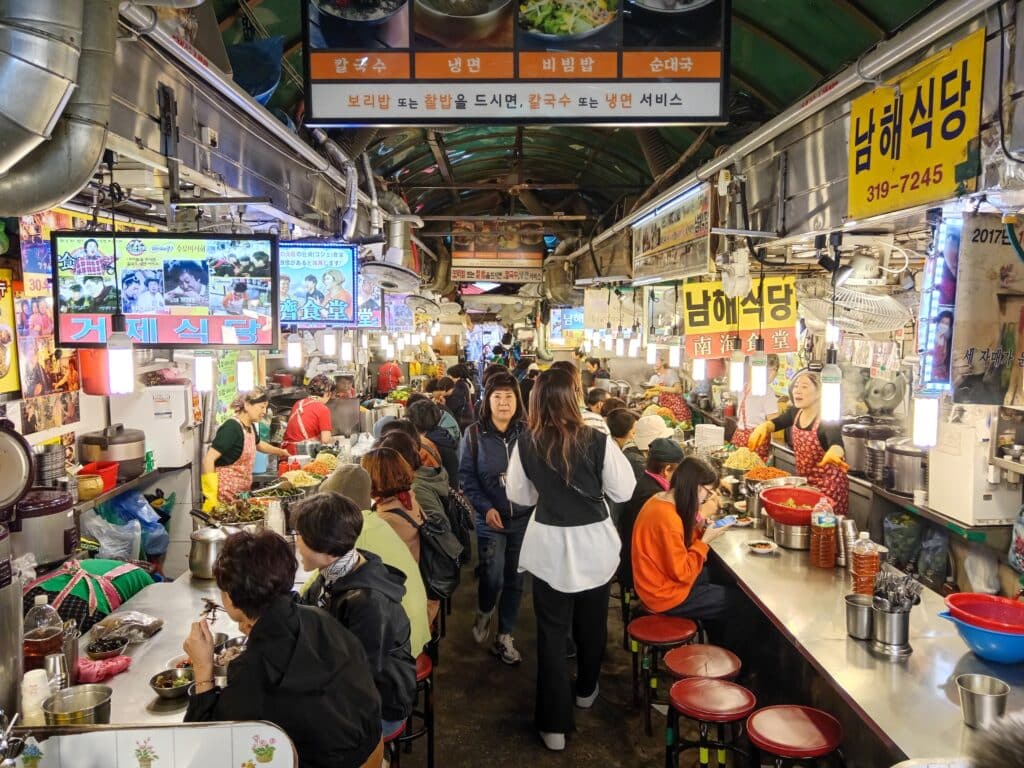
One of the oldest and largest markets in Seoul, Namdaemun Market has been a bustling trading center since the 15th century. Located near Namdaemun Gate, the historic market contains hundreds of shops and stalls selling a wide variety of goods.
Visitors can find clothing, kitchenware, souvenirs, handmade crafts, and traditional Korean snacks throughout the maze of narrow streets. The market is also famous for its affordable street food.
Popular dishes include hot dumplings, grilled seafood, and noodle soups served at small food stalls. Many locals visit Namdaemun Market for breakfast or late-night meals.
Because of its lively atmosphere and long history, the market remains one of the best places in Seoul to experience everyday Korean life.
Experience Street Food in Myeongdong
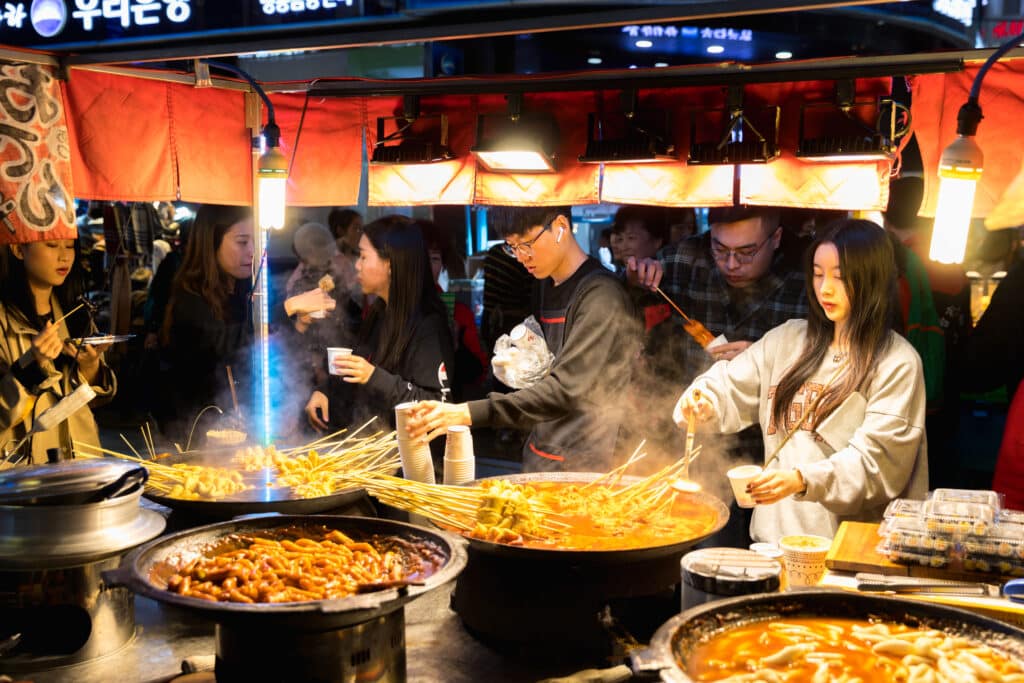
Few places capture the lively energy of Seoul like Myeongdong, one of the city’s most famous shopping and street food districts. By day the area is filled with fashion boutiques and cosmetic stores, while in the evening the streets transform into a vibrant night market.
Dozens of food stalls line the streets offering delicious Korean snacks. Popular dishes include spicy tteokbokki, grilled skewers, sweet pancakes, and other local specialties.
For travelers looking to experience Seoul’s food culture, Myeongdong is an unforgettable stop.
Scenic Walks and Urban Nature
Walk Along Cheonggyecheon Stream
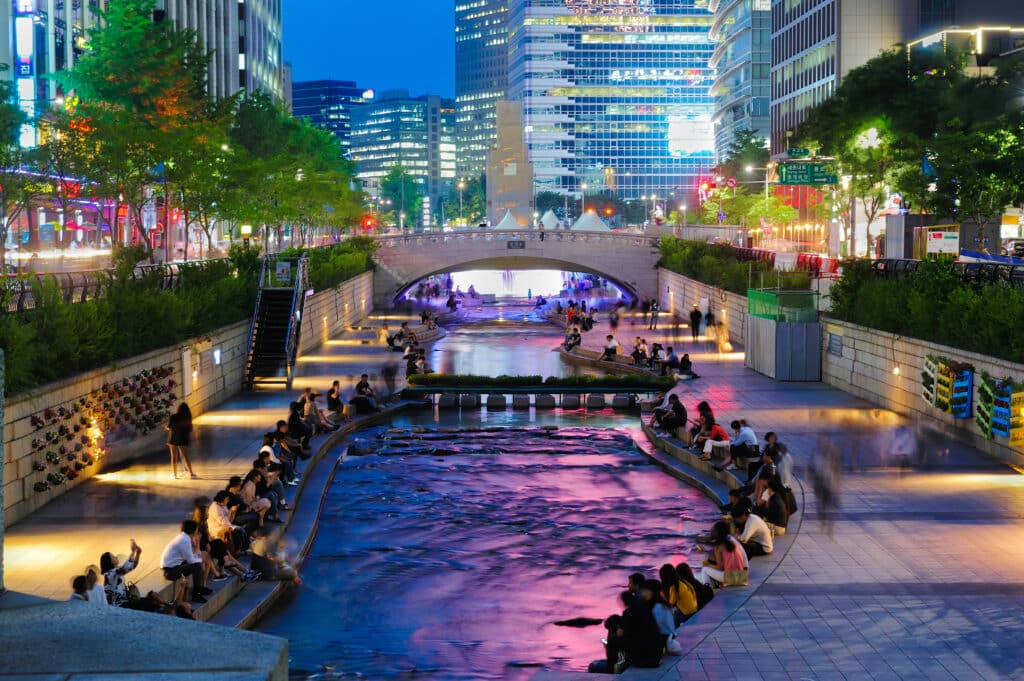
Flowing gently through the heart of downtown Seoul, Cheonggyecheon Stream is a peaceful urban oasis surrounded by towering buildings. The restored waterway stretches nearly 11 kilometers through the city center and has become one of Seoul’s most beloved public spaces.
Originally buried beneath roads and concrete during the twentieth century, the stream was rediscovered and restored in the early 2000s as part of a major urban renewal project. Today it offers a refreshing contrast to the busy streets above.
Stone walkways run alongside the water, allowing visitors to stroll along the banks while enjoying fountains, small waterfalls, and artistic bridges. In the evening, colorful lights illuminate the stream, creating a relaxing atmosphere that attracts couples, families, and travelers.
Throughout the year, Cheonggyecheon also hosts seasonal festivals and cultural events. During the Seoul Lantern Festival, the stream becomes especially magical as hundreds of illuminated lanterns float along the water.
For travelers exploring central Seoul, a walk along Cheonggyecheon provides a peaceful break from the city’s energetic pace.
Walk Along the Seoul City Wall
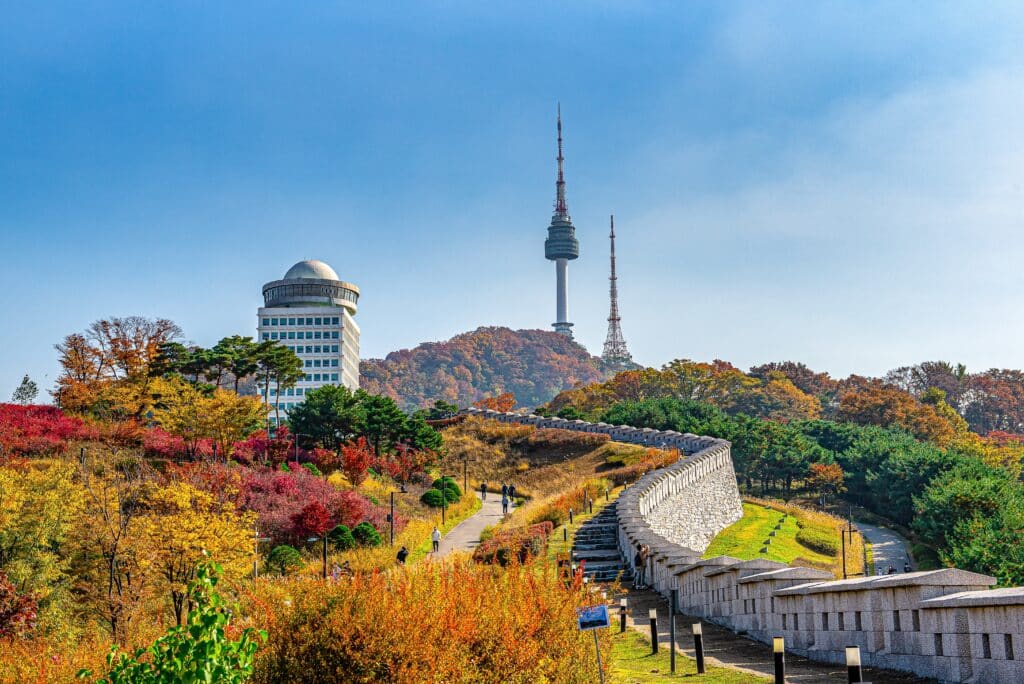
For travelers interested in history and scenic walks, the Seoul City Wall offers one of the most unique experiences in the city. Also known as Hanyangdoseong, the fortress wall was originally built during the Joseon Dynasty to protect the capital.
The wall once stretched nearly 18 kilometers around the city, connecting the four main gates and surrounding mountains. Although some sections disappeared over time, large portions have been restored and transformed into beautiful walking trails.
Several routes allow visitors to follow the wall across the hills that surround Seoul. One of the most popular sections begins near Naksan Park, where the wall curves along a ridge overlooking the city skyline.
Walking along the historic stones provides not only a glimpse into Seoul’s defensive past but also spectacular panoramic views of the modern metropolis below. Sunset is an especially memorable time to visit, as the city lights gradually begin to glow beneath the ancient walls.
Relax Along the Han River
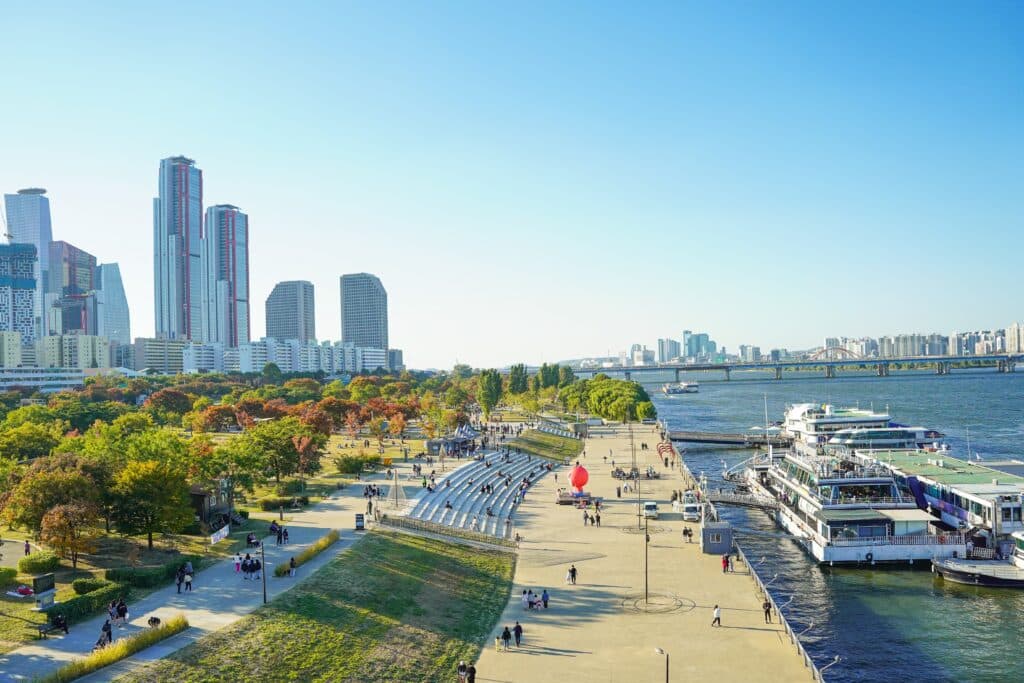
Running through the center of Seoul, the Han River plays an important role in the daily life of the city. Numerous parks line the riverbanks, providing green spaces where locals relax, exercise, and enjoy the outdoors.
Visitors can rent bicycles to ride along the scenic riverside paths or simply enjoy a picnic while watching boats glide across the water. Popular parks such as Yeouido Hangang Park are especially lively on warm evenings.
During summer, outdoor concerts, festivals, and fireworks displays often take place along the river, creating a festive atmosphere.
Whether enjoying a quiet sunset walk or joining locals for a riverside picnic, the Han River offers a refreshing escape from the busy streets of Seoul.
Watch the Banpo Bridge Rainbow Fountain
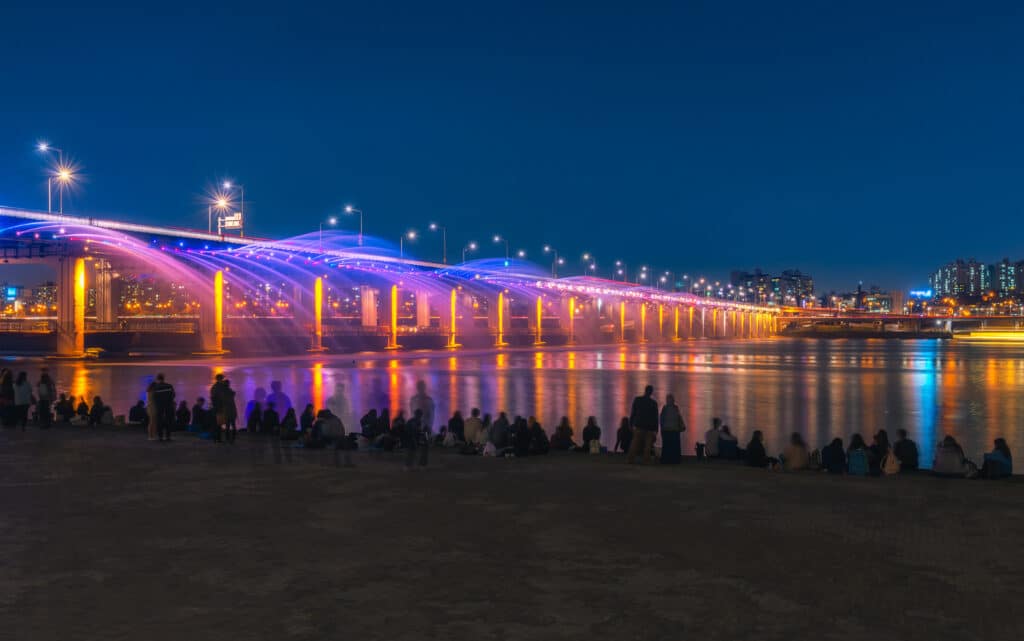
Spanning the Han River, Banpo Bridge hosts one of the most spectacular night attractions in Seoul. The bridge features the Rainbow Fountain, a massive water display that shoots streams of water from both sides of the bridge while colorful lights illuminate the spray.
During the evening shows, music accompanies the synchronized fountains, creating a beautiful spectacle that attracts crowds of locals and tourists alike. The illuminated water arcs appear to dance above the river, forming one of the most memorable night scenes in Seoul.
Visitors usually watch the show from Banpo Hangang Park, a riverside park that provides excellent views of the bridge. Many people bring picnic blankets and snacks to enjoy the evening atmosphere by the water.
Because the fountain shows only operate during warmer months, checking the schedule in advance is recommended.
Watching the Rainbow Fountain is a wonderful way to end a day of sightseeing and experience Seoul’s lively nighttime charm.
Modern Seoul and Architecture
Enjoy the View from N Seoul Tower
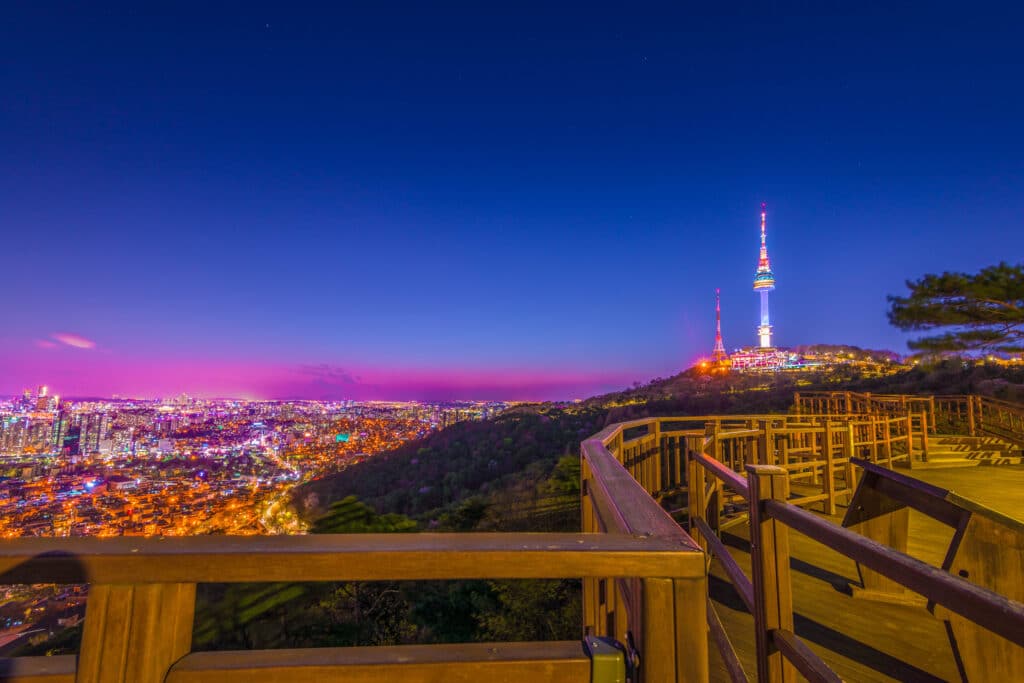
Perched high above the city on Namsan Mountain, N Seoul Tower offers some of the most spectacular views in Seoul. The tower has become one of the city’s most recognizable landmarks and a favorite destination for both locals and travelers.
Visitors reach the tower by cable car, bus, or a scenic hiking path through Namsan Park. Once at the top, observation decks provide panoramic views across the sprawling metropolis.
At sunset and after dark, the city skyline becomes particularly impressive as thousands of lights illuminate the urban landscape.
Discover Futuristic Architecture at Dongdaemun Design Plaza
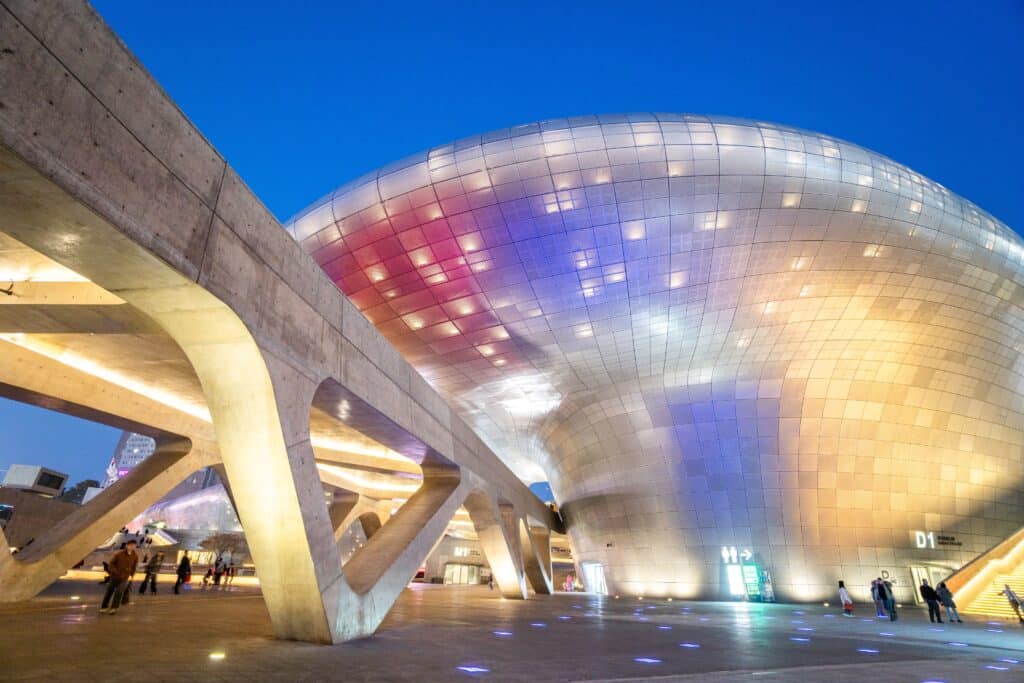
Among the most striking modern landmarks in Seoul is the futuristic Dongdaemun Design Plaza, often called simply DDP. Designed by world-renowned architect Zaha Hadid, this enormous cultural complex features flowing metallic curves and an otherworldly design that makes it look almost like a spaceship.
Since opening in 2014, the plaza has become a hub for art, fashion, and innovation in Seoul. Inside the complex, visitors can explore exhibition halls, design museums, conference spaces, and creative studios showcasing contemporary Korean design.
The surrounding Dongdaemun district is also famous for its night markets and fashion malls, making it one of the best places in Seoul for late-night shopping. After sunset, the plaza itself becomes even more impressive as thousands of LED lights illuminate the structure.
Nearby lies the Dongdaemun History & Culture Park, where historic fortress walls and archaeological remains reveal the long history of the area.
Whether visiting exhibitions or simply admiring the architecture, Dongdaemun Design Plaza represents the modern and creative spirit of Seoul.
Admire the Starfield Library
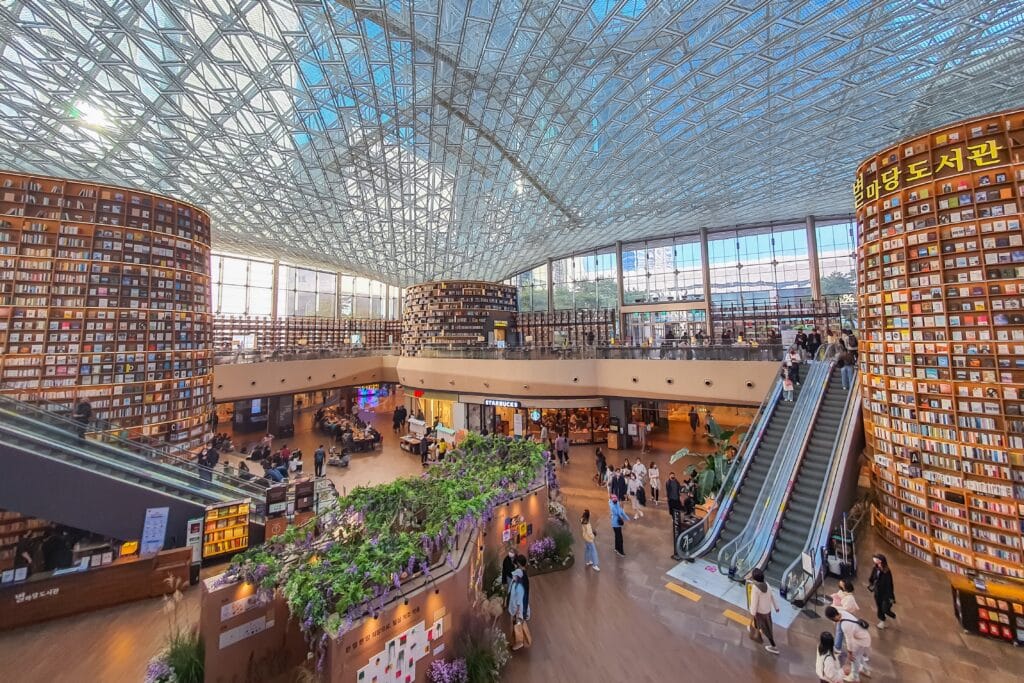
Located inside the enormous COEX Mall in the Gangnam district, Starfield Library is one of Seoul’s most visually stunning attractions. The library features towering bookshelves that rise nearly 13 meters high, filled with thousands of books and magazines.
Visitors entering the space are immediately struck by the impressive architecture. The towering shelves and open design create a dramatic atmosphere that has made the library one of the most photographed spots in Seoul.
Although it functions as a public reading area, many travelers visit simply to admire the design, relax with a book, or enjoy the peaceful ambiance inside the busy shopping complex.
The surrounding COEX Mall also offers a wide variety of restaurants, stores, and entertainment options. Nearby attractions include the Bongeunsa Temple, which sits just across the street.
With its impressive interior and relaxing atmosphere, Starfield Library has become a favorite stop for visitors exploring modern Seoul.
Enjoy the View from Lotte World Tower
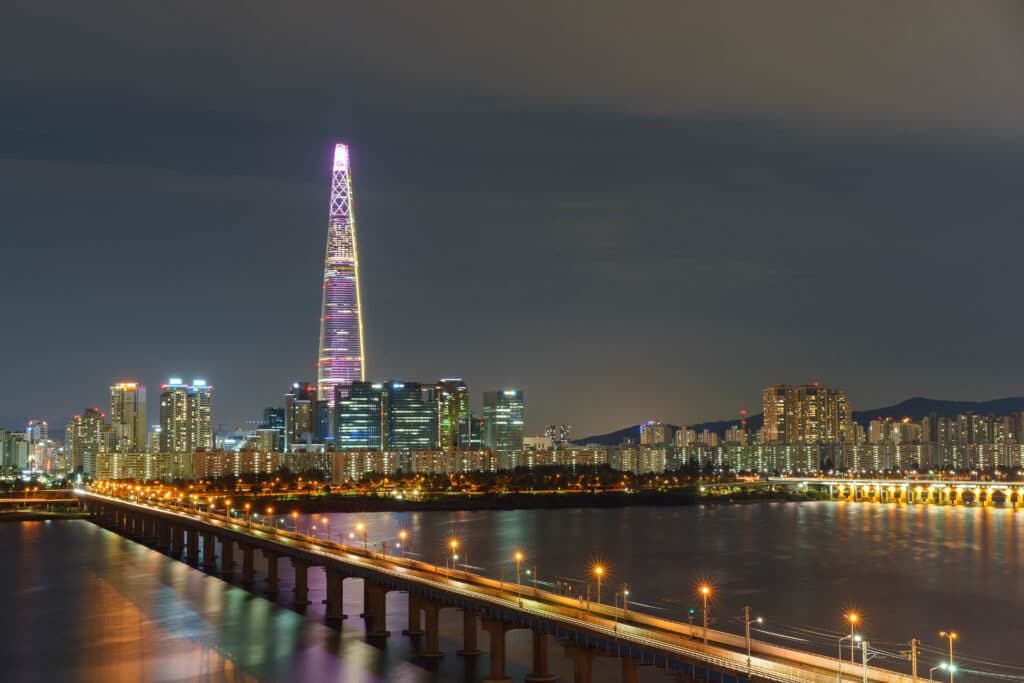
Standing at 555 meters, Lotte World Tower is the tallest building in South Korea and one of the tallest skyscrapers in the world. The tower dominates the skyline of Seoul and offers spectacular panoramic views from its observation deck.
Visitors can take high-speed elevators to Seoul Sky, the tower’s observation area located near the top floors. From here, the entire city spreads out below, revealing the vast urban landscape of Seoul and the winding Han River.
The tower also contains a luxury hotel, shopping mall, aquarium, and concert hall. At night the skyscraper becomes even more impressive as colorful lights illuminate its glass facade.
For travelers wanting to experience the modern side of Seoul, visiting Lotte World Tower offers one of the best viewpoints in the city.
Enjoy Entertainment at Lotte World
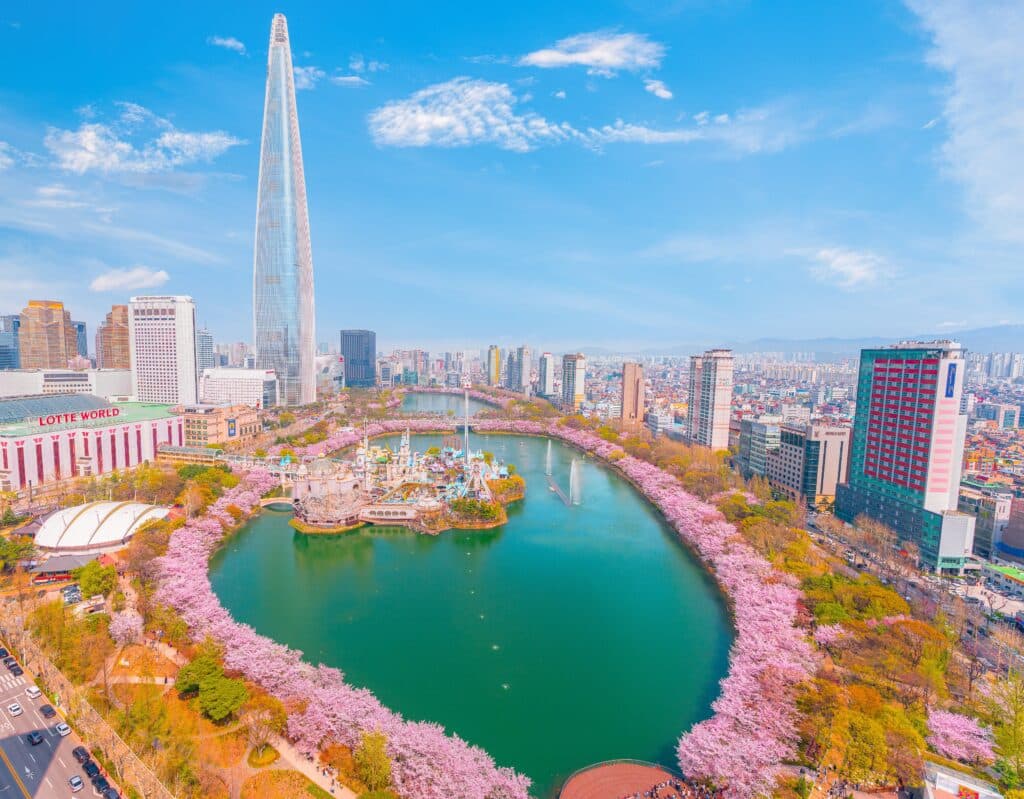
One of the most popular attractions in Seoul for families and thrill-seekers is Lotte World, a massive entertainment complex that combines a theme park, shopping center, and cultural attractions.
The complex is famous for hosting one of the largest indoor theme parks in the world. Inside the enormous glass-covered structure, visitors can ride roller coasters, explore fantasy-themed attractions, and watch colorful parades throughout the day.
Just outside lies Magic Island, an outdoor section of the park built on an island in the middle of a lake. At night the illuminated castle and rides create a magical atmosphere that resembles a fairytale setting.
Beyond the theme park, the Lotte complex also includes shopping malls, restaurants, and entertainment facilities. Nearby stands Lotte World Tower, the tallest building in South Korea.
For travelers looking for fun and excitement, Lotte World offers one of the most entertaining experiences in Seoul.
Culture and Museums
Visit the National Museum of Korea
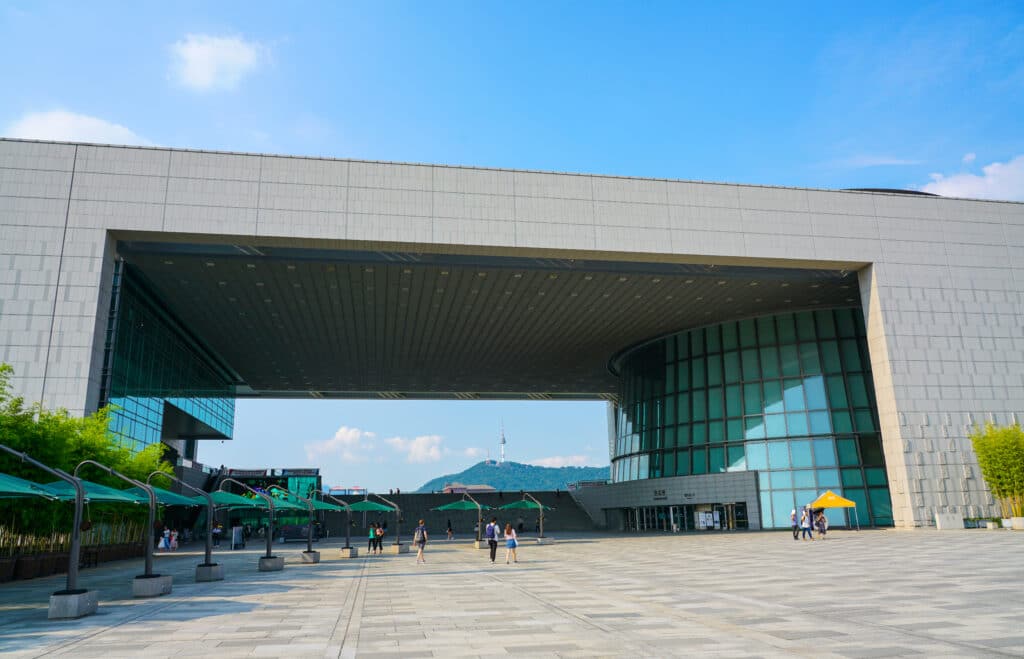
The National Museum of Korea is the largest museum in the country and one of the most impressive cultural institutions in Asia. Located in Yongsan Park, the museum presents an extraordinary collection of artifacts covering thousands of years of Korean history.
Inside the vast exhibition halls, visitors can explore displays of ancient pottery, Buddhist sculptures, royal treasures, and traditional paintings. One of the most famous artifacts is the elegant Gilt-bronze Maitreya Bodhisattva, considered a masterpiece of Korean Buddhist art.
The museum’s layout allows visitors to follow Korea’s historical development from prehistoric times through the Joseon Dynasty and into modern history.
Outside the museum, peaceful gardens and reflective ponds create a relaxing environment where visitors can take a break after exploring the exhibits.
Because of its vast collection and engaging displays, the National Museum of Korea offers one of the best introductions to Korean culture and history.
Learn History at the War Memorial of Korea
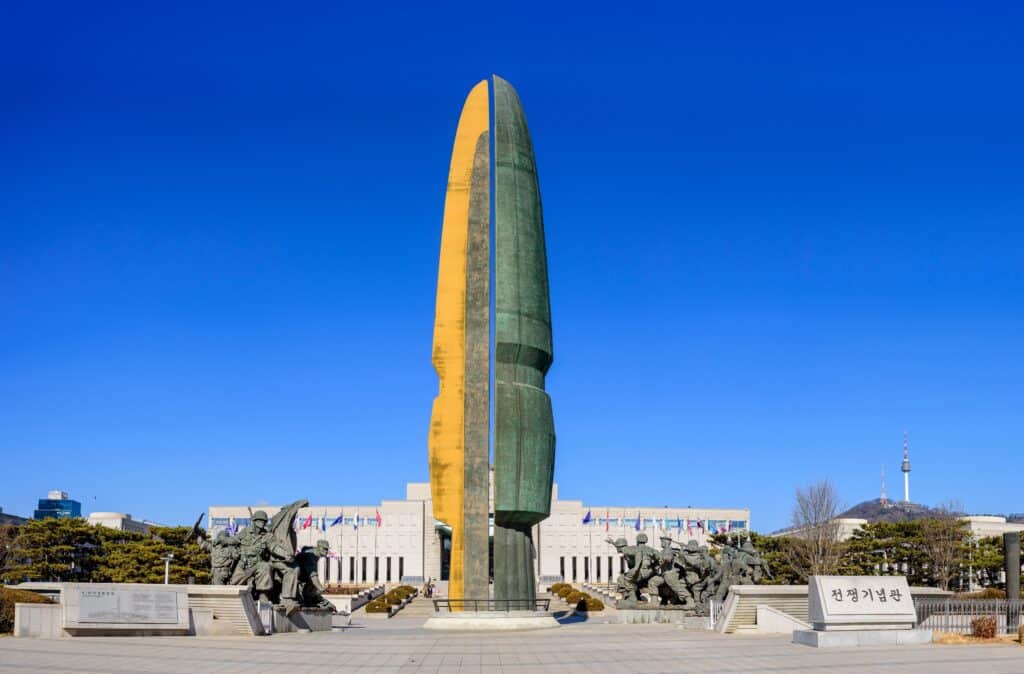
For those interested in Korean history, the War Memorial of Korea is one of the most fascinating museums in Seoul. Located near the former headquarters of the Korean army, the museum offers extensive exhibits covering centuries of military history.
Inside the museum, visitors can explore detailed displays about major historical events including the Korean War. Exhibits include photographs, artifacts, and multimedia presentations that help explain the complex history of the Korean Peninsula.
Outside the museum, a large memorial plaza displays military vehicles, aircraft, and tanks used throughout different conflicts. The outdoor exhibits allow visitors to see historical equipment up close.
The museum also serves as a memorial honoring soldiers who lost their lives during the Korean War and other conflicts.
For travelers seeking a deeper understanding of modern Korean history, the War Memorial of Korea provides an educational and moving experience.
Temples and Spiritual Sites
Experience Serenity at Bongeunsa Temple
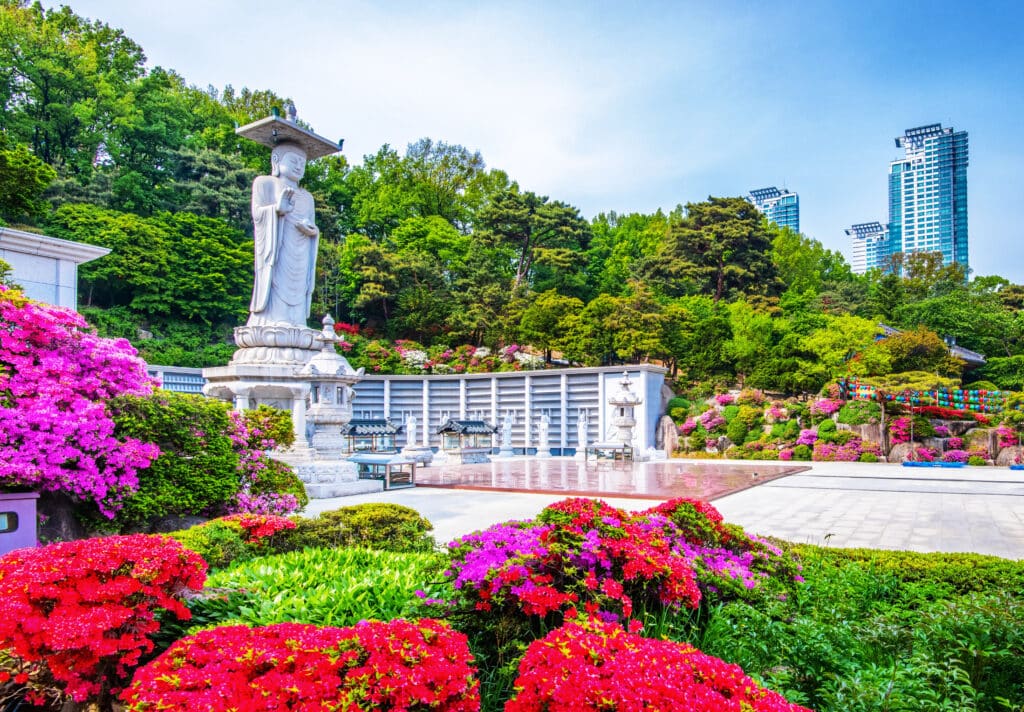
Surrounded by modern skyscrapers in the Gangnam district, Bongeunsa Temple provides a peaceful escape from the busy city streets. Founded in 794 during the Silla Dynasty, the temple remains an important center for Korean Buddhism.
Visitors entering the temple grounds are welcomed by a towering statue of Buddha overlooking the courtyard. Behind the statue stand colorful temple buildings decorated with traditional patterns and paintings.
The quiet atmosphere encourages reflection and relaxation. Travelers can walk through the peaceful gardens, listen to the soft sound of temple bells, and observe monks performing daily rituals.
Bongeunsa also hosts temple stay programs, where visitors can participate in meditation sessions, tea ceremonies, and other aspects of Buddhist life.
The contrast between ancient temple buildings and the surrounding skyscrapers makes Bongeunsa one of the most unique spiritual sites in Seoul.
Walk Along the Stone Wall of Deoksugung Palace
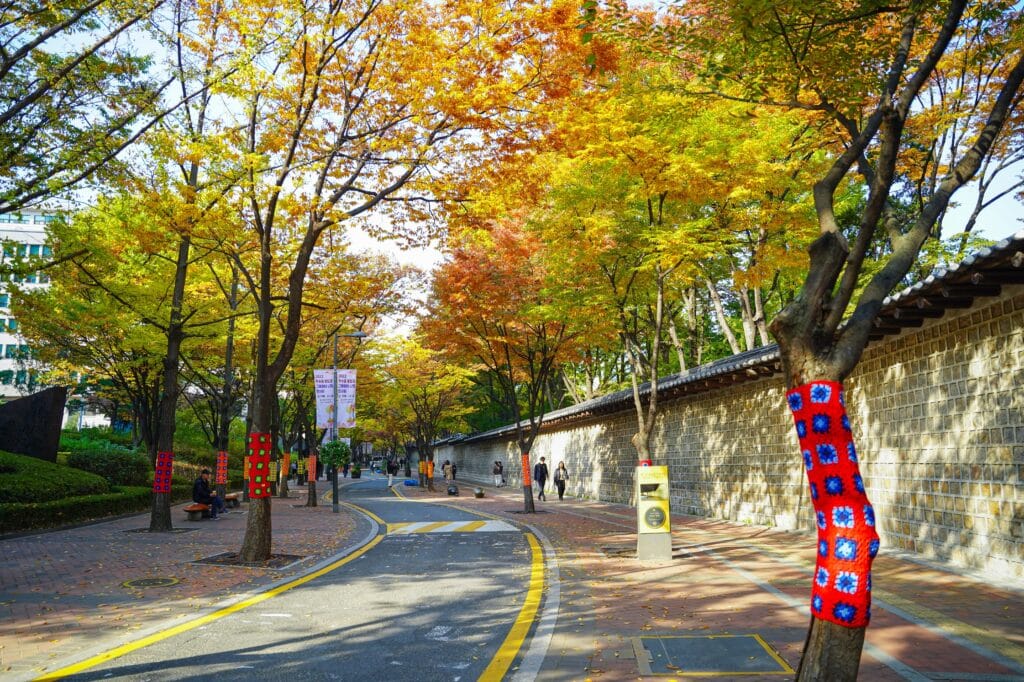
Among Seoul’s royal residences, Deoksugung Palace is unique because of its blend of traditional Korean and Western-style architecture. Located near the modern business district, the palace reflects an important period of transition in Korea’s history.
The palace grounds contain elegant wooden halls alongside buildings constructed in European style during the late nineteenth century. One of the most notable structures is Seokjojeon Hall, a neoclassical building that once served as a royal residence.
Outside the palace walls lies one of Seoul’s most famous walking paths: the Deoksugung Stone Wall Road. This scenic street lined with trees creates a peaceful atmosphere in the middle of the city. During autumn, the leaves turn brilliant shades of red and gold, making it a favorite location for photographers.
Visitors can also watch the ceremonial changing of the royal guard at the palace gate, a tradition that reflects Korea’s historical royal rituals.
Because of its unique architecture and beautiful surroundings, Deoksugung Palace offers a different perspective on Seoul’s royal heritage.
Trendy Neighborhoods and Nightlife
Experience Youth Culture in Hongdae
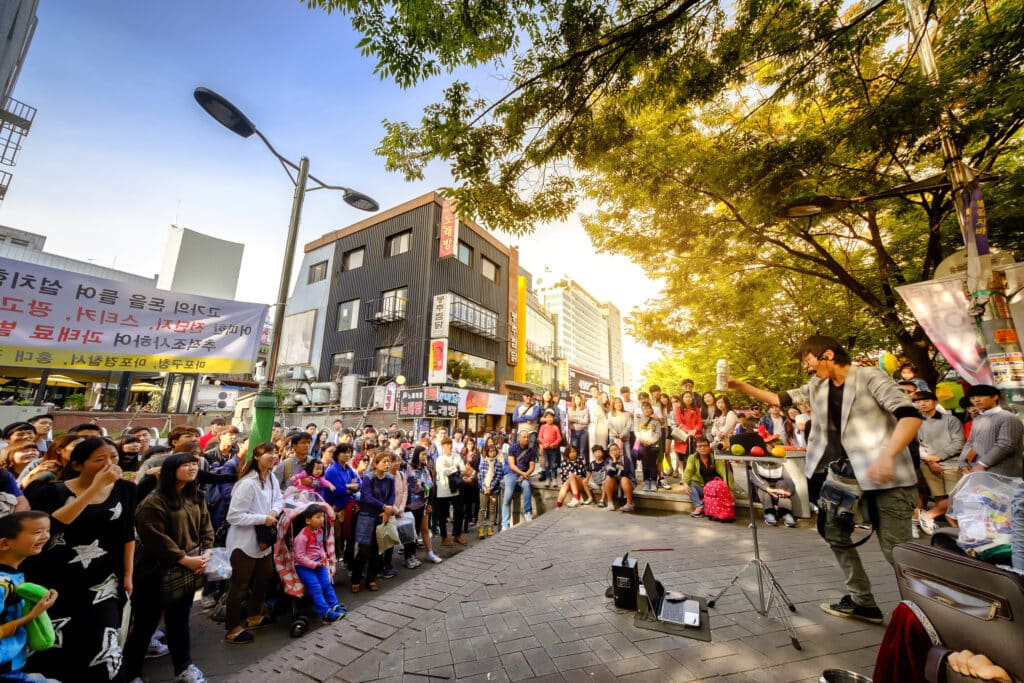
Located near Hongik University, the neighborhood known as Hongdae is one of the most energetic and creative districts in Seoul. The area is famous for its youthful atmosphere, street art, live music performances, and vibrant nightlife.
During the day, visitors can explore quirky boutiques, art galleries, and themed cafés that line the streets. Many cafés feature unusual concepts such as animal cafés, gaming lounges, or creative dessert shops.
In the evening, Hongdae becomes even more lively. Street performers entertain crowds with dance routines, music, and theatrical acts. The district is also a center of Korea’s indie music scene, with many small clubs hosting live concerts.
Because of its youthful energy and artistic spirit, Hongdae offers a completely different side of Seoul compared with the historic palace districts.
Discover International Culture in Itaewon
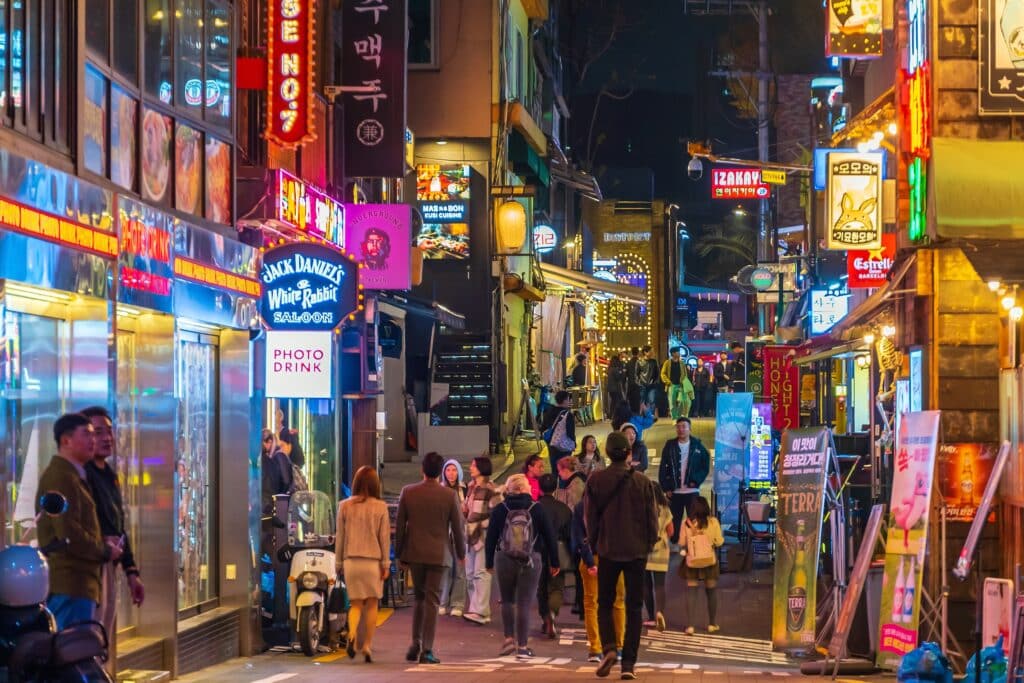
Among the many districts of Seoul, Itaewon stands out as the city’s most international neighborhood. Located near a former U.S. military base, the district has long attracted visitors, expatriates, and travelers from around the world. As a result, Itaewon offers one of the most diverse cultural atmospheres in South Korea.
Walking through the streets of Itaewon reveals a mix of global restaurants, international boutiques, and lively nightlife venues. Travelers can sample cuisine from dozens of countries, ranging from Middle Eastern dishes to American barbecue and European cafés. For visitors craving a break from traditional Korean food, Itaewon provides countless options.
The neighborhood is also famous for its nightlife scene. Many of Seoul’s most popular bars and clubs are located here, making it a favorite destination for evening entertainment.
Nearby attractions include the Leeum Samsung Museum of Art, a fascinating museum that combines traditional Korean art with modern and contemporary exhibitions.
Because of its unique global character, Itaewon offers a different perspective on Seoul’s cultural diversity.
Discover Cafés in Ikseon-dong Hanok Village
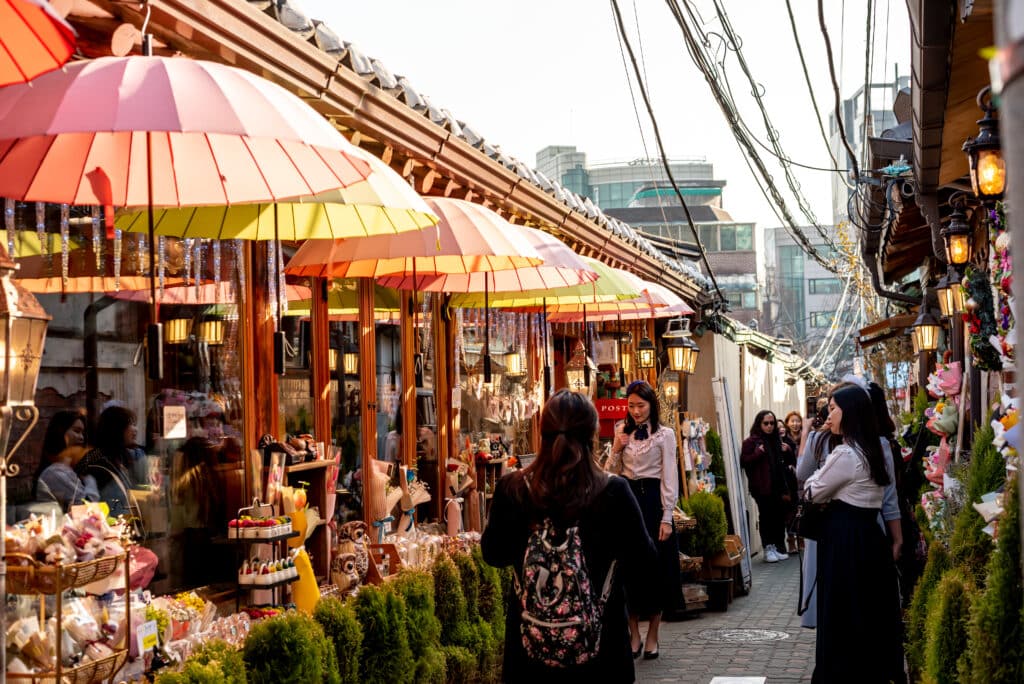
Hidden behind the busy streets of central Seoul, Ikseon-dong Hanok Village has become one of the city’s trendiest neighborhoods. Unlike larger historic districts, Ikseon-dong remained relatively unknown until recent years, when artists and entrepreneurs began restoring its traditional houses.
Today the narrow alleyways are filled with beautifully renovated hanok buildings that host stylish cafés, boutique restaurants, and creative shops. Visitors wandering through the neighborhood will discover cozy courtyards, lantern-lit alleys, and small galleries tucked into historic homes.
Many cafés combine modern interior design with traditional architecture, creating unique spaces where visitors can enjoy coffee or desserts while surrounded by wooden beams and tiled roofs.
Because the streets are compact and pedestrian-friendly, Ikseon-dong is ideal for leisurely exploration. In the evening the neighborhood becomes particularly atmospheric as lights illuminate the small alleyways.
For travelers seeking a quieter yet trendy district, Ikseon-dong offers a perfect blend of Seoul’s traditional charm and modern creativity.
Best Day Trips from Seoul
Because of its central location, Seoul serves as an excellent base for exploring nearby destinations. Several fascinating places can be reached within a few hours, making them ideal day trips.
One of the most unique excursions is visiting the Korean Demilitarized Zone, the heavily guarded border separating South Korea from North Korea. Guided tours allow visitors to learn about the history of the Korean War and view the border from observation points.
Another popular destination is Suwon, home to the impressive Hwaseong Fortress, a UNESCO World Heritage site surrounded by massive defensive walls.
Nature lovers may also enjoy visiting Nami Island, a scenic riverside destination famous for tree-lined walking paths and beautiful seasonal landscapes.
These excursions provide a broader perspective on South Korea’s history and natural beauty beyond the capital.
Where to Stay in Seoul
Choosing where to stay in Seoul can shape your entire travel experience. The city is enormous, but thanks to its efficient subway system, many neighborhoods provide convenient access to major attractions. Each district offers a different atmosphere—from historic areas near royal palaces to modern neighborhoods filled with nightlife, shopping, and trendy cafés.
One of the most popular areas for first-time visitors is Myeongdong. Located in central Seoul, this lively district is famous for shopping streets, street food stalls, and easy access to public transportation. Many major attractions, including Gyeongbokgung Palace and Namdaemun Market, are only a short subway ride away. Because of its central location and large selection of hotels, Myeongdong is often considered one of the most convenient places to stay in Seoul.
Travelers looking for a youthful and energetic atmosphere may prefer Hongdae, a vibrant neighborhood near several universities. Known for its street performances, live music venues, and creative cafés, Hongdae is especially popular with younger visitors and nightlife lovers. The district also has many affordable guesthouses and boutique hotels.
For a more modern and upscale environment, Gangnam offers luxury hotels, designer shopping centers, and stylish restaurants. This district became globally famous through the song “Gangnam Style,” and today it represents the sleek, modern side of Seoul. Nearby attractions include the impressive Lotte World Tower and the peaceful Bongeunsa Temple.
Another interesting option is Insadong, which offers a quieter atmosphere surrounded by traditional tea houses, art galleries, and cultural shops. Staying here allows visitors to easily explore historic landmarks and traditional markets.
No matter which neighborhood you choose, Seoul’s excellent transportation system makes it easy to explore the city’s many attractions.
FAQ: Visiting Seoul
How many days should you spend in Seoul?
Most travelers spend 3–4 days exploring Seoul. This allows time to visit major palaces, markets, and cultural districts while also enjoying the city’s food and nightlife.
Is Seoul expensive for travelers?
Seoul can be moderately priced compared with other global cities. Street food markets and public transportation are affordable, while luxury hotels and fine dining can increase travel costs.
What is the best time to visit Seoul?
Spring and autumn are considered the best seasons to visit Seoul. Spring brings cherry blossoms, while autumn offers colorful foliage in parks and mountains.
Final Thoughts on Visiting Seoul
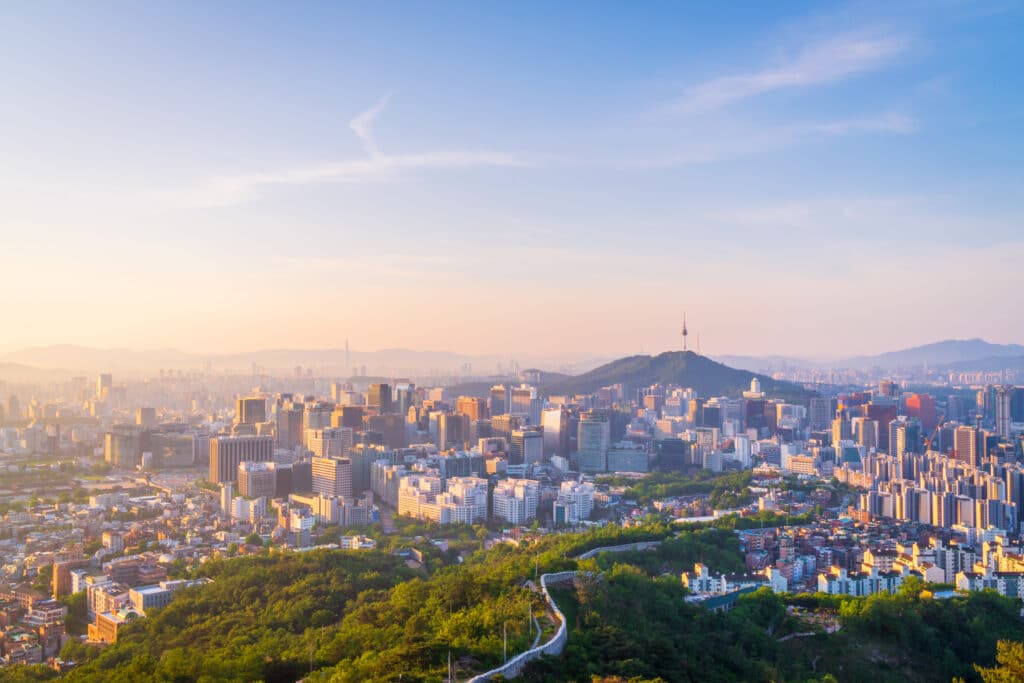
From historic palaces and traditional villages to futuristic skyscrapers and lively markets, Seoul offers an extraordinary variety of experiences for travelers. The city’s ability to blend ancient culture with modern innovation makes it one of the most fascinating destinations in Asia.
Visitors can begin their day exploring royal landmarks like Gyeongbokgung Palace, enjoy authentic street food at bustling markets, and end the evening watching the city lights from N Seoul Tower.
Whether you are interested in history, culture, food, shopping, or nightlife, Seoul provides countless opportunities for discovery. As the dynamic capital of South Korea, it serves as the perfect starting point for exploring the rest of the country.