

Kentucky sits at the threshold of the American South — a land neither wholly Appalachian nor entirely Midwestern, where every hill, every river, every old porch carries the hum of memory. It’s a state built not on speed but rhythm — the slow roll of thunder over the Cumberland Plateau, the soft creak of saddles at dawn, the low murmur of bourbon aging in oak.
To the west, the Mississippi and Ohio Rivers curve through country broad and fertile, mirroring the generosity of its people. To the east rise the Appalachian Mountains, rugged and eternal, sheltering stories older than statehood itself. Between them lies a tapestry of horse farms, limestone ridges, bourbon distilleries, and small towns where time meanders as gently as the rivers that gave Kentucky its shape.
This is a place of contrasts — of wealth and want, of hard labor and high art, of gospel and bluegrass. It’s where Daniel Boone carved his way through the wilderness, where the first thoroughbred galloped toward immortality, and where Abraham Lincoln was born in a one-room cabin that became a monument to perseverance.
Kentucky’s essence lives in its senses: the scent of honeysuckle and hickory smoke, the taste of corn and copper from a sip of whiskey, the sound of banjos rising from a porch somewhere between dusk and dark. Its cities — Louisville, Lexington, Bowling Green, Paducah — pulse with invention, yet never forget the fields and forests that cradle them.
To travel through Kentucky is to experience America in its most lyrical form — a place where land and legend intertwine. It is not a state to rush through; it’s one to linger in, to sip slowly, like the bourbon it gave to the world.
22. Louisville: Bourbon, Bridges, and the Bold Heart of the River

Straddling the Ohio River, Louisville is Kentucky’s gateway — a city of contrasts and conviction, where Southern charm meets Northern ambition. Founded in 1778 and named for France’s King Louis XVI, it still carries the air of a frontier port, tempered now by innovation and art.

The city’s pulse beats loudest each spring at Churchill Downs, when the Kentucky Derby turns horse racing into pageantry. Beneath its twin spires, silk-clad jockeys and thunderous hooves write a story as old as the state itself. But beyond the track, Louisville has reinvented itself as a hub of culture and cuisine. The Urban Bourbon Trail winds through historic bars and gleaming distilleries, each glass a tribute to craftsmanship.
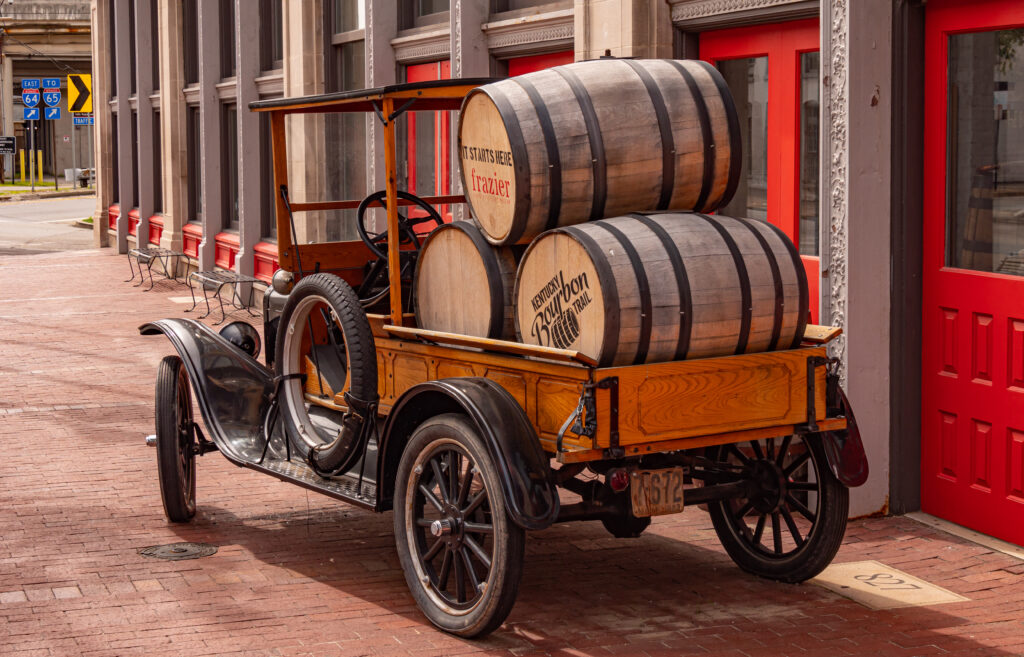
On Whiskey Row, 19th-century warehouses have become elegant restaurants and lofts, their brick walls echoing with jazz and conversation. The Muhammad Ali Center, perched on the riverfront, honors Louisville’s most famous son — a fighter not only in the ring but for dignity and truth. And as the evening light falls on the Big Four Bridge, now a pedestrian path glowing in shifting colors, the whole city seems to shimmer with a quiet pride.

Louisville embodies Kentucky’s dual spirit: bold and graceful, rooted and restless. It’s a place that looks outward while holding fiercely to its past — a bridge, in every sense, between what was and what’s yet to come.
21. Lexington: Horses, History, and the Heart of the Bluegrass

In Lexington, the world slows to the rhythm of hoofbeats. Fenced pastures roll like green waves beneath an endless sky, and the air smells faintly of grass, rain, and hay. This is the Horse Capital of the World, where elegance and endurance intertwine.
Thoroughbred culture here is both livelihood and art form. The Kentucky Horse Park offers a living museum of the bond between horse and human, while nearby Keeneland Racecourse provides racing as it was meant to be — graceful, intimate, timeless. Beyond the paddocks, distilleries like Woodford Reserve and Buffalo Trace age their spirits in oak-scented silence, carrying on a tradition as patient as the land itself.
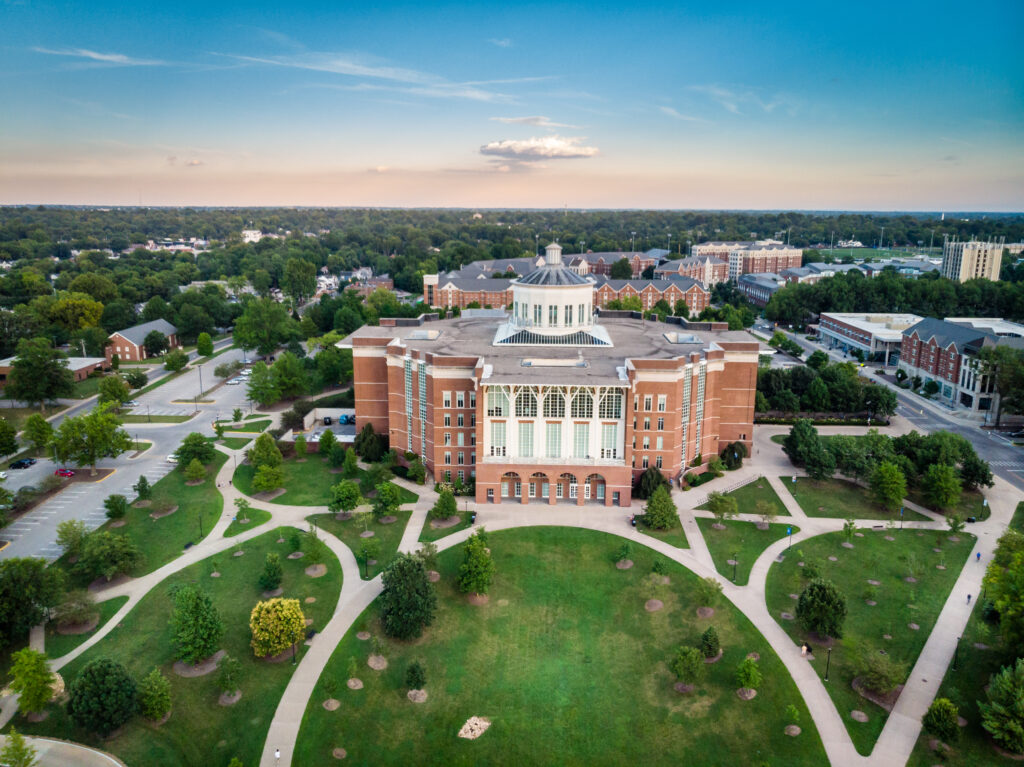
Lexington also nurtures a lively intellect. Home to the University of Kentucky, it thrives on ideas, conversation, and a growing arts scene. Downtown, restored brick facades shelter cafés, bookshops, and music bars where fiddles and pianos share the night.
But its essence lies in its landscape — the rolling bluegrass, the limestone fences, the golden light that seems to hover in late afternoon. To walk through Lexington is to step into a pastoral painting, alive with motion yet forever calm.
This city, gentle and strong, represents Kentucky’s grace — a harmony of nature, tradition, and quiet pride.
20. Bardstown: The Spirit of Bourbon Country
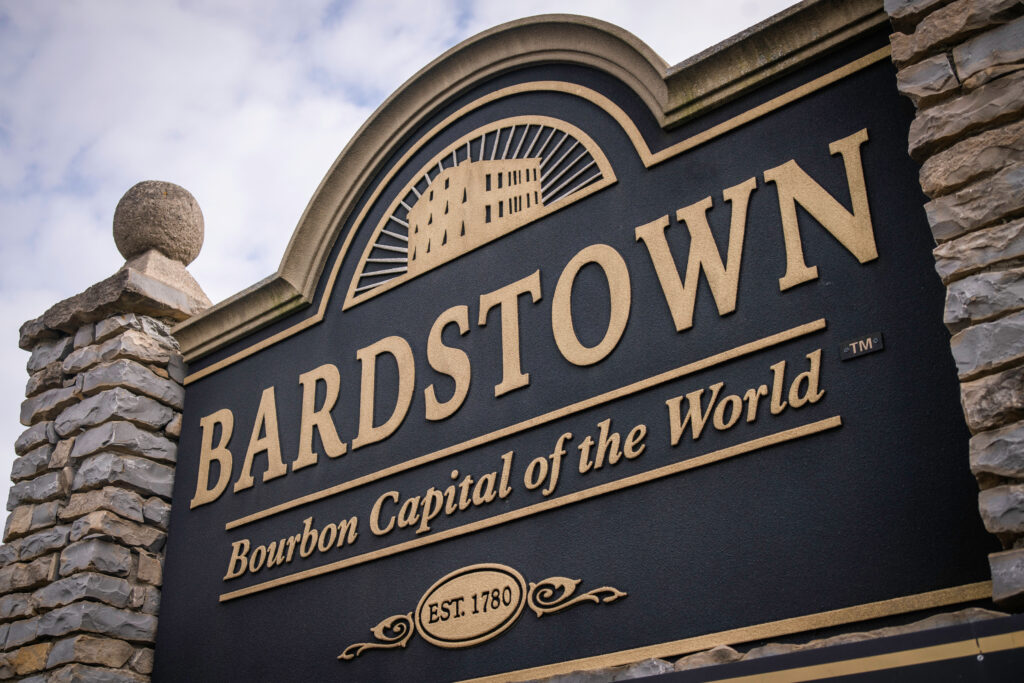
Nestled amid the rolling hills of central Kentucky, Bardstown feels like a town distilled from oak and time. Cobblestone streets, church steeples, and tobacco barns form its frame, but bourbon runs through its veins. This is the Bourbon Capital of the World — not by proclamation, but by soul.
Founded in 1780, Bardstown grew alongside the early distillers who turned corn, limestone water, and frontier patience into liquid gold. Today, those names — Heaven Hill, Maker’s Mark, Willett, Barton 1792 — still perfume the air with sweet mash and charred oak. The Kentucky Bourbon Festival, held each September, transforms the town into a celebration of craftsmanship, conversation, and community.
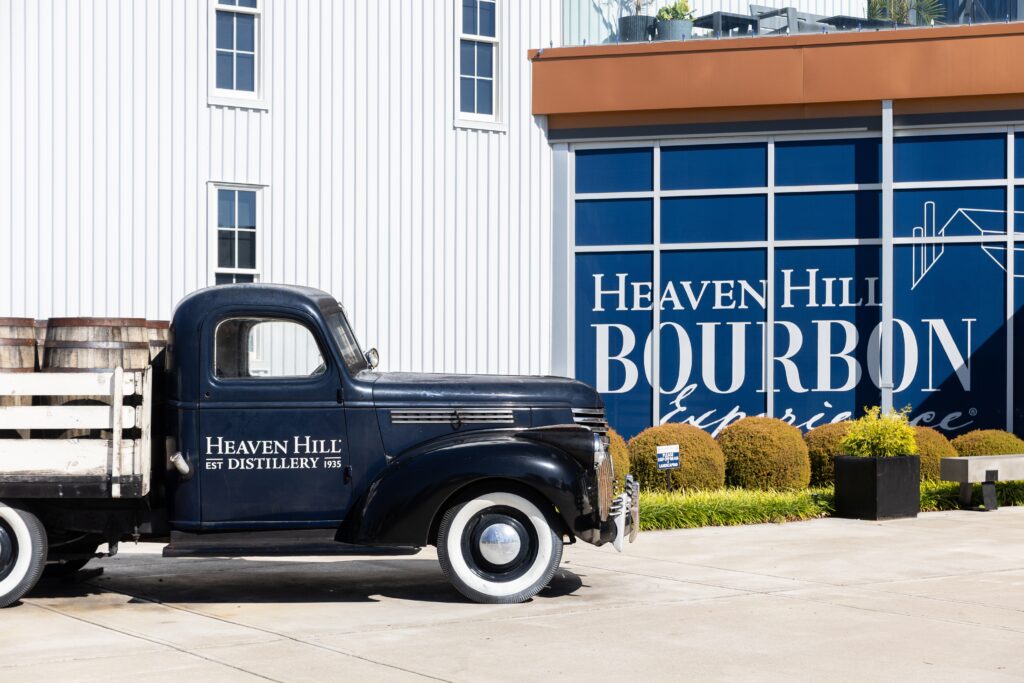
Beyond its barrels, Bardstown is a portrait of small-town grace. The Old Talbott Tavern, in continuous operation since the 1700s, has hosted pioneers, presidents, and perhaps a few ghosts. The My Old Kentucky Home State Park, immortalized in Stephen Foster’s haunting song, preserves a mansion and melody that together shaped the state’s identity.
Bardstown’s magic lies in its warmth — a place where strangers share stories over whiskey and the scent of aging barrels fills the air like incense. It’s not simply the home of bourbon; it’s the heart of Kentucky’s hospitality.
19. Bowling Green: Engines, Caves, and Energy
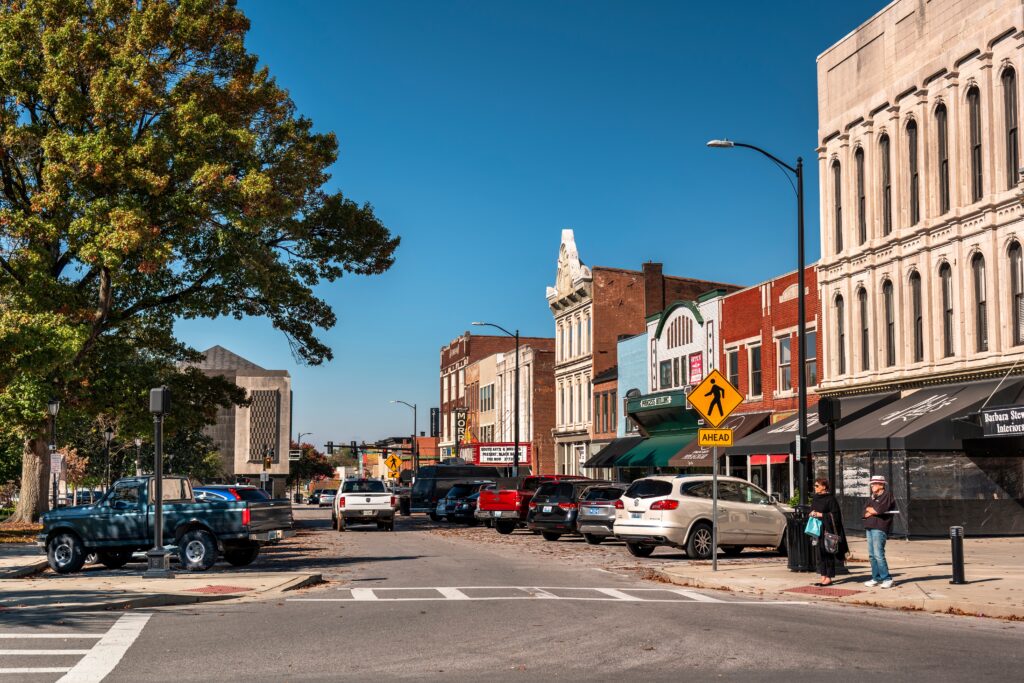
If Lexington speaks in whispers and Bardstown hums in song, Bowling Green roars — the low, thrilling growl of engines and underground echoes. Here, the mechanical and the natural fuse into something uniquely Kentucky.
This is the proud home of the Corvette, America’s iconic sports car. At the National Corvette Museum, gleaming chrome and streamlined curves reflect the spirit of innovation that drives this town. Visitors can even tour the nearby General Motors Assembly Plant, where every Corvette in the world is still born — each one a promise of motion.

But Bowling Green’s beauty also runs deep — literally. Beneath the city lies Lost River Cave, a subterranean river once used by Native peoples, outlaws, and moonshiners. Today, flat-bottom boats glide through its cool darkness, emerging into a valley blooming with wildflowers and limestone cliffs.
Above ground, Western Kentucky University crowns a hill with brick towers and sweeping views, giving the city its youthful pulse. And just beyond the edge of town, the Mammoth Cave National Park — the world’s longest cave system — stretches into infinite mystery.
Bowling Green is a study in contrasts: sleek machines and ancient stone, ambition and earth. It reminds you that Kentucky’s strength isn’t just in tradition — it’s in the endless urge to move forward.
18. Paducah: The Art of the River
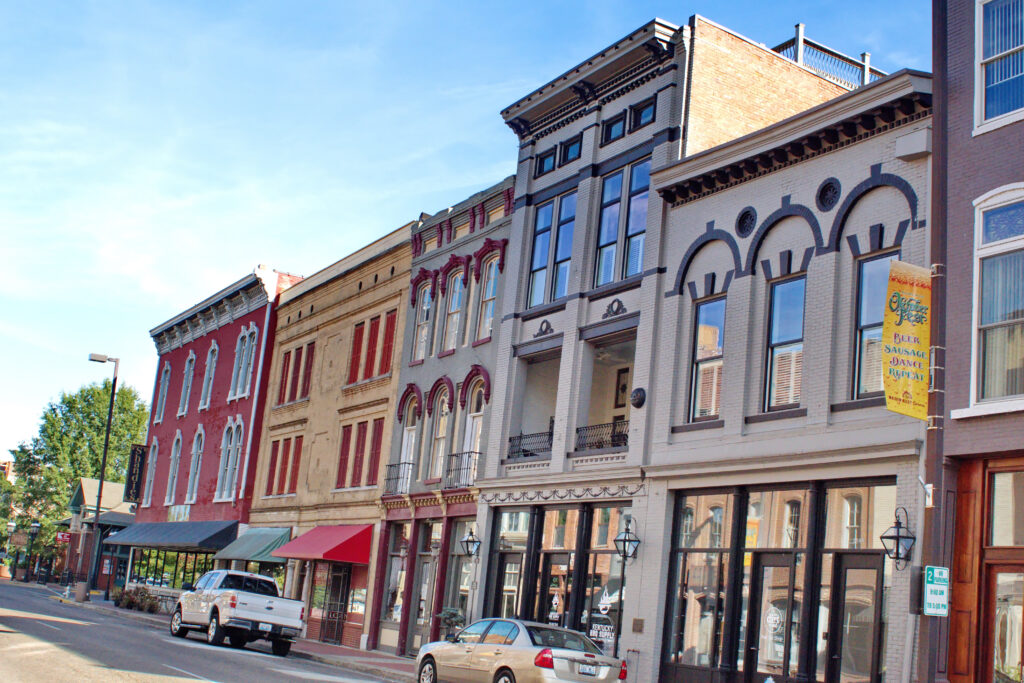
At the confluence of the Ohio and Tennessee Rivers, where currents meet and stories merge, sits Paducah — a city shaped by water and creativity. Founded as a river port, it has reinvented itself as one of the most distinctive artistic hubs in America.
Paducah’s downtown hums with the slow rhythm of the river and the bright spirit of its artists. Once-forgotten warehouses now bloom with studios, cafés, and galleries, thanks to the UNESCO Creative City of Crafts & Folk Art designation that honors its quilting heritage. The National Quilt Museum is its crown jewel — not a quaint curiosity, but a world-class institution where fabric becomes fine art, each stitch a story of patience and imagination.

Strolling along Water Street, visitors encounter murals that transform floodwalls into vast canvases depicting Paducah’s history — steamboats, floods, jazzmen, and farmers, all brought to life in color and motion. The scent of river air mingles with roasted coffee and faint fiddle music from a nearby bar.
Paducah is proof that small towns can hold big dreams. Its creativity flows as surely as the rivers beside it — a quiet, persistent current that keeps carrying Kentucky toward the future.
17. Frankfort: The Smallest Capital with the Largest Heart

Tucked along the sinuous bends of the Kentucky River, Frankfort is a capital in miniature — more village than metropolis, yet deeply emblematic of the state it governs. It’s a city built not on size, but on significance; every brick, dome, and garden seems infused with quiet purpose.
The Kentucky State Capitol, crowned by its green dome, rises elegantly above formal lawns and the scent of magnolia. Inside, marble corridors echo with the voices of history — of governors, legislators, and reformers who helped shape Kentucky’s story. Nearby, the Old State Capitol, a Greek Revival gem designed in the 1830s, still watches over the cobbled streets and antique shops of downtown.

But Frankfort’s charm lies as much outdoors as in. The Kentucky River curls lazily through wooded bluffs, reflecting autumn’s fire or spring’s green. Trails wind through the Capital View Park, and distilleries like Buffalo Trace, the nation’s oldest continually operating, fill the air with that unmistakable mix of oak, spice, and tradition.
Frankfort feels like a pause — a place to breathe, reflect, and remember that governance, at its best, grows from community. Small, graceful, and utterly Kentucky.
16. Owensboro: Barbecue, Bluegrass, and the Banks of the Ohio
Along the wide, brown sweep of the Ohio River, Owensboro thrives on two great Kentucky passions — music and flavor. The air here smells of hickory smoke and sweet bourbon, and somewhere, a banjo is always being tuned.
This is the Barbecue Capital of Kentucky, where mutton reigns supreme and slow-cooked traditions are treated with reverence. Each May, the International Bar-B-Q Festival fills downtown with the sizzle of pits and the laughter of families. The flavors are deep, smoky, and soulful — the edible equivalent of bluegrass.
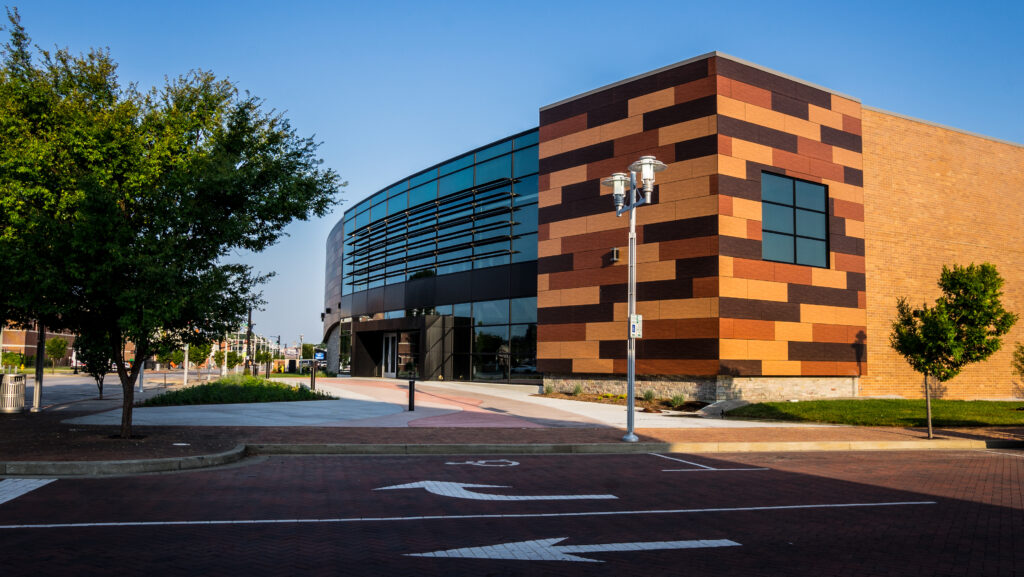
Speaking of which, Owensboro is also the home of the Bluegrass Music Hall of Fame & Museum, a sleek, glass-fronted temple to the genre that grew from these hills. Inside, the voices of Bill Monroe and Alison Krauss mingle with banjos, mandolins, and fiddles that once changed the sound of America.
Down by the riverfront, Smothers Park is a revelation — fountains, playgrounds, and walkways that gleam beneath sunset. There’s a calm joy in Owensboro, a sense that the best things in life still happen around the table or the stage.
Here, Kentucky’s music and its meals come from the same place: the heart.
15. Pikeville: The Mountains Remember
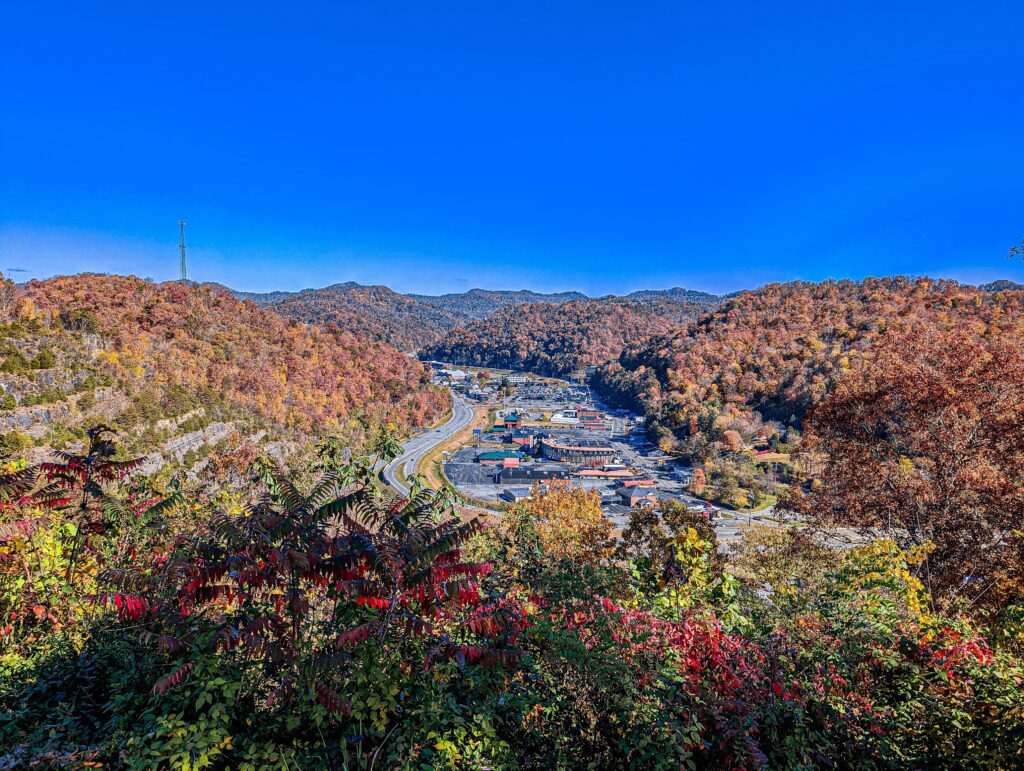
Tucked deep in Eastern Kentucky’s Appalachians, Pikeville feels like a city carved from stone and story. Surrounded by steep ridges and the whisper of the Levisa Fork River, it carries the echo of coal, conflict, and endurance.
This is Hatfield–McCoy country, where one of America’s most famous feuds unfolded along the Tug Fork Valley. Today, history has softened into heritage — trails, reenactments, and small museums that honor not violence, but resilience. The people here are mountain folk, proud and lyrical, their lives shaped by hard work and hard beauty.
Modern Pikeville hums with revival. The University of Pikeville brings fresh energy, while the Appalachian Wireless Arena hosts concerts that light up the hollers with sound. Drive the Breaks Interstate Park, often called the “Grand Canyon of the South,” and you’ll find yourself staring into an abyss of green and gold, carved by rivers and time.
Pikeville is Kentucky at its rawest and most poetic — a testament to the strength it takes to live in the shadow of mountains and still sing.
14. Cumberland Gap National Historical Park: The Gateway to the Frontier

At Kentucky’s far southeastern tip lies a place where geography becomes destiny — the Cumberland Gap, the natural pass through the Appalachian Mountains that opened the American frontier.
Here, Daniel Boone and countless pioneers crossed from the East into the wilderness beyond, carrying dreams that would become a nation. Today, Cumberland Gap National Historical Park preserves that mythic threshold, its trails weaving through misty ridges and echoing forests. From Pinnacle Overlook, you can stand where three states meet — Kentucky, Tennessee, and Virginia — and feel history breathe through the wind.

The park’s quiet is profound. Ferns grow where footsteps once fell, and the sound of wind through pine feels older than speech. The visitor center tells the human story, but the land itself is the true archive — every ridge and hollow still whispering of courage and uncertainty.
Cumberland Gap is more than a place; it’s an idea — the eternal yearning to move forward, to find something better just beyond the next hill. It remains, as ever, the doorway to possibility.
13. Danville: The Birthplace of Kentucky

In the quiet streets of Danville, where church bells echo off red-brick buildings and maples shade the courthouse square, Kentucky itself was born. It was here, in 1792, that delegates gathered to draft the state’s first constitution — an act of independence that gave the frontier a voice of its own.
At the Constitution Square Historic Site, the small log cabins and meetinghouses stand preserved, simple yet powerful reminders of self-determination. Around them, Danville has evolved into one of the most cultured towns in the state — home to Centre College, whose elegant campus and white columns lend the town an air of thoughtful grace.
Strolling downtown, visitors find bookstores, art galleries, and cafés spilling onto brick sidewalks. The rhythm of life is easy, unhurried. Beyond the city’s edge, horse farms and stone fences stretch to the horizon, a pastoral rhythm that has never changed.
Danville’s charm lies in its balance — a town where history and intellect coexist, where the past is not forgotten but woven gently into every day. This is where Kentucky began, and in many ways, it still feels like its heart.
12. Hodgenville: The Humble Birthplace of a Giant

Few places in America feel as sacred, as quietly monumental, as Hodgenville — the birthplace of Abraham Lincoln. Set among rolling fields and soft hills, it’s a place of humility and reverence, where greatness began not in grandeur, but in simplicity.
At the Abraham Lincoln Birthplace National Historical Park, a marble memorial shelters a tiny log cabin — a symbolic reconstruction of the home where Lincoln was born in 1809. The structure is unremarkable, yet profoundly moving: a reminder that even the tallest figures rise from the humblest roots.

Nearby, the Lincoln Boyhood Home at Knob Creek evokes the family’s later years, with split-rail fences and green fields much as they were in the early 19th century. The wind carries the scent of earth and cedar; it’s easy to imagine a barefoot boy walking these trails, dreaming of something larger.
Hodgenville is not just a monument to Lincoln — it’s a testament to Kentucky’s moral landscape: its belief in perseverance, honesty, and the enduring dignity of ordinary beginnings.
11. Shaker Village of Pleasant Hill: Harmony in Simplicity
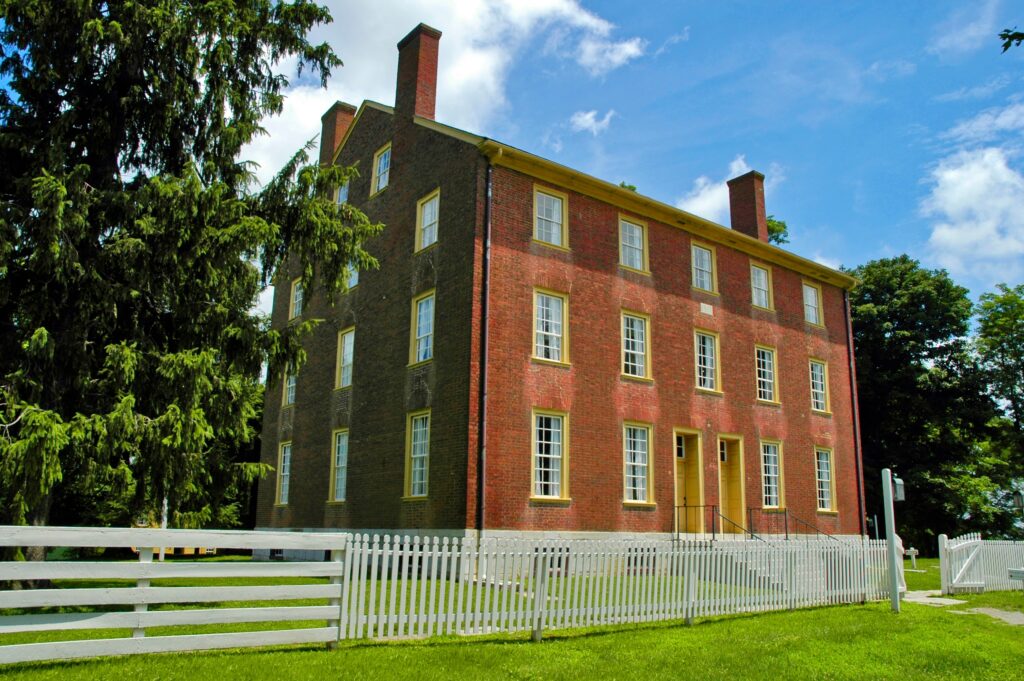
There is a stillness to Pleasant Hill, one that seeps into the soul like the hush after a hymn. Nestled near Harrodsburg, the Shaker Village of Pleasant Hill is one of America’s most beautifully preserved utopian communities — a living museum of faith, craftsmanship, and tranquility.

The Shakers, who arrived here in the early 1800s, sought a life of equality, celibacy, and communal devotion. What remains today are their perfect creations: symmetrical limestone buildings, wide lawns, and hand-hewn furniture so spare it becomes art. Visitors can walk through dormitories and workshops, dine on farm-grown food, or join lantern-lit walks beneath the stars.
Yet Pleasant Hill is more than a historic site — it’s a spiritual experience. The rhythms of life here seem tuned to nature: horses grazing in the fields, quilts drying in sunlight, the distant murmur of the Kentucky River.
In its quiet precision, the village offers something rare in the modern world — proof that beauty and peace are born not from excess, but from grace and purpose.
10. Pine Mountain State Resort Park: The Wilderness Within
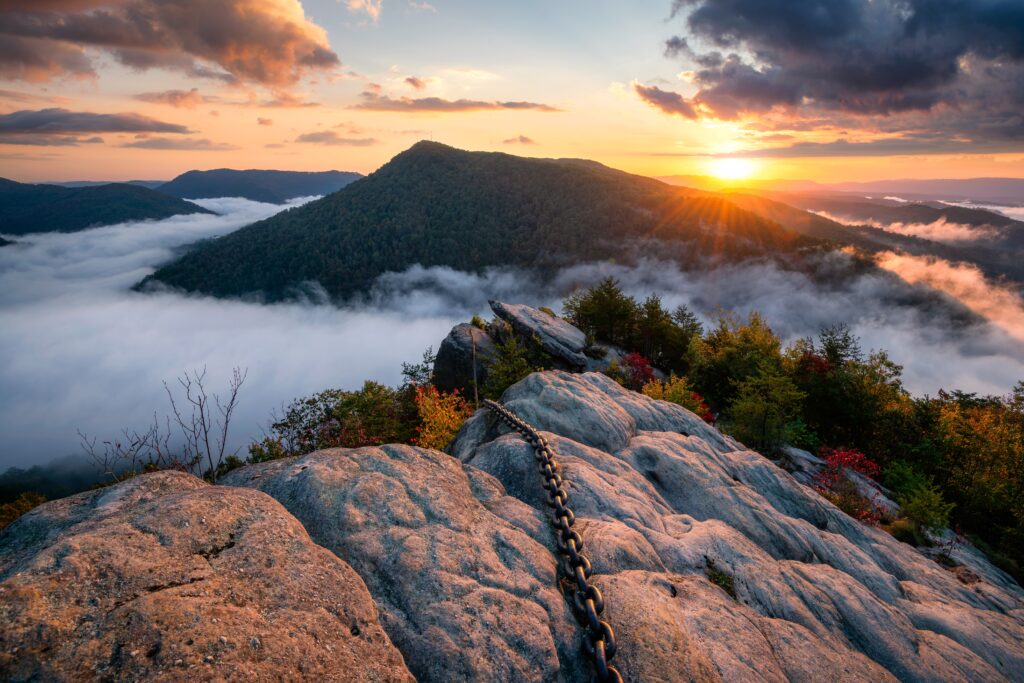
In southeastern Kentucky, where the land folds into deep hollows and misty ridges, lies Pine Mountain State Resort Park, the oldest of Kentucky’s parks — and perhaps its most mystical.
Here, the Cumberland Plateau rises in great green waves, the forest thick with oak, maple, and rhododendron. Trails wind upward through boulders and ferns to the Chained Rock Overlook, where legend meets geology — a giant boulder once chained by townsfolk, fearful it might roll onto Pineville below.
From the summit, the world seems to dissolve into layers of blue and silver haze, the Appalachians stretching toward eternity. In spring, wildflowers burst through mossy soil; in autumn, the forest burns with color. The park’s historic stone lodge, built by the Civilian Conservation Corps in the 1930s, glows at dusk like a beacon of timeless hospitality.
Pine Mountain is Kentucky’s heart in raw form — rugged, beautiful, enduring. It reminds every visitor that beneath the bourbon and the ballads, this is still a state of deep wilderness, where silence speaks louder than words.
9. Mammoth Cave National Park: The Infinite Beneath
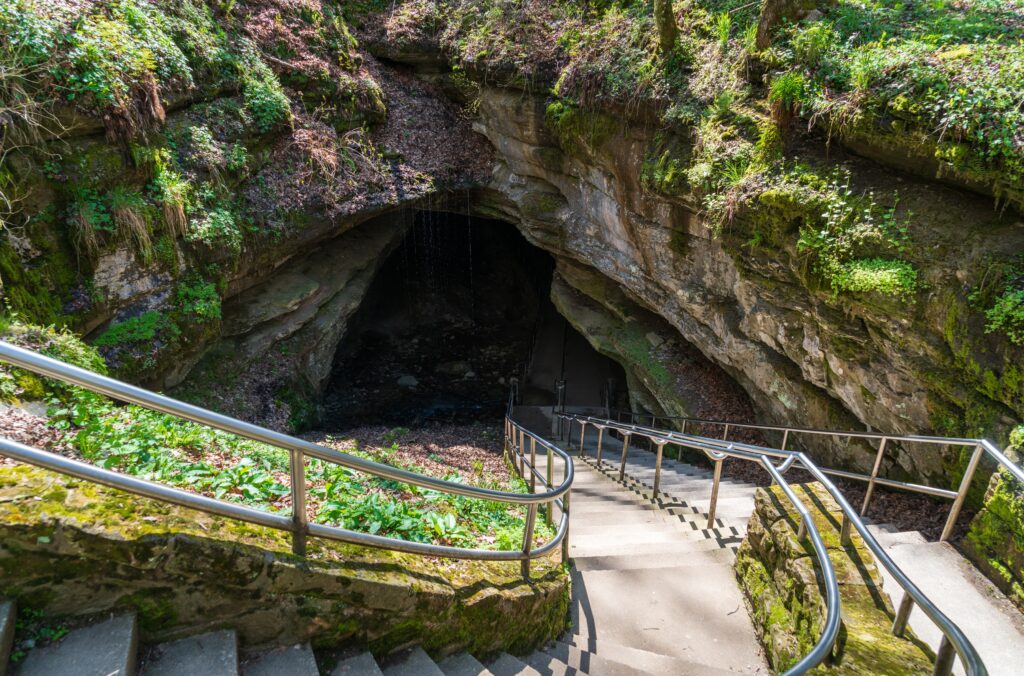
There are places in Kentucky that dazzle the eyes — but Mammoth Cave touches something far deeper. Beneath the rolling green hills of south-central Kentucky lies the world’s longest known cave system: a labyrinth stretching for more than 400 miles, and still expanding with each discovery.
Descending into Mammoth Cave is like entering another world — one formed not by men or centuries, but by the slow persistence of water and time. The corridors twist through darkness into chambers vast as cathedrals. Echoes of dripping limestone become a kind of music, a hymn to patience.
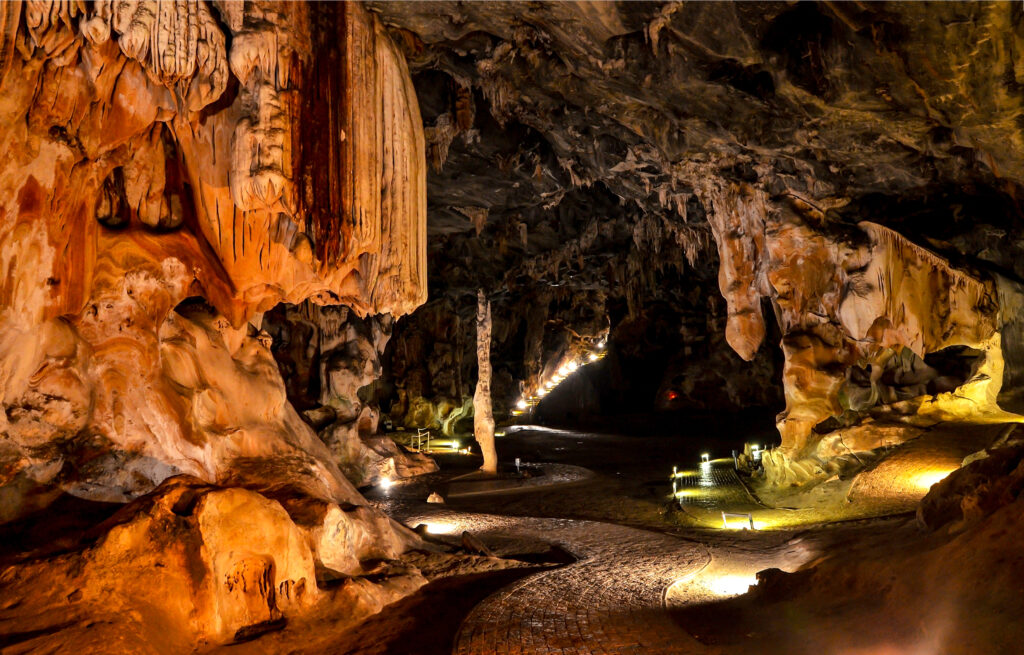
The Frozen Niagara, the Grand Avenue, and the Gothic Avenue tours lead explorers through vaulted ceilings and delicate formations, while wild tours plunge into narrow, untouched passages. Above ground, the Green River winds through forests where deer move in silence and sunlight dapples through sycamores.
Standing in that subterranean hush, one feels the immensity of nature’s artistry — and the humbling smallness of human time. Mammoth Cave is not just a wonder of geology; it is a cathedral of the earth itself.
8. Red River Gorge: The Cathedral of Stone and Sky

In eastern Kentucky, the Red River Gorge feels like a land sculpted by myth. Here, the sandstone cliffs of the Daniel Boone National Forest rise in golden arcs, pierced by natural bridges and carved by millennia of wind and water.
The Natural Bridge, Kentucky’s most famous arch, stretches gracefully over forest canopy — a ribbon of stone suspended above the world. Around it, more than a hundred natural arches lace the landscape, each a testament to time’s slow chiseling.
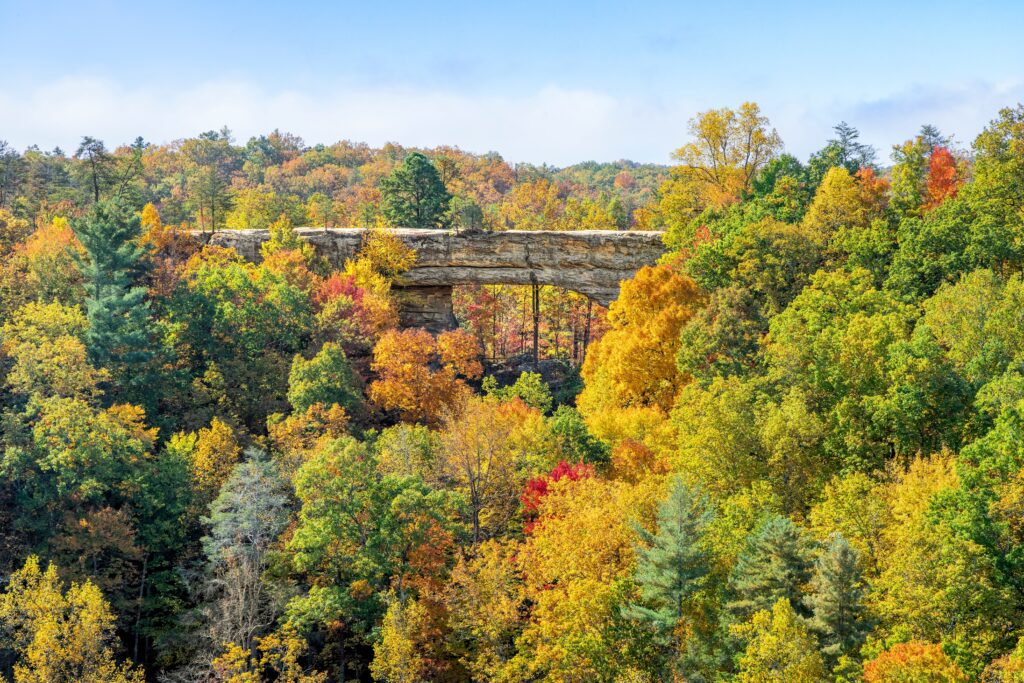
Hikers climb to overlooks where the gorge spreads out in endless green layers, and climbers come from around the globe to scale its sheer walls — the Gorge being one of North America’s premier climbing destinations. Yet even in its grandeur, there is intimacy: waterfalls trickling through fern-hung hollows, fireflies flickering in the twilight, the scent of pine and rain in the air.
At dawn, mist gathers over the valleys, and for a moment, the world feels newly made. Red River Gorge is Kentucky’s wild cathedral — where stone, sky, and silence unite in reverence.
7. Land Between the Lakes: Where Water Holds the Horizon

Between Kentucky Lake and Lake Barkley, two great reservoirs formed by the Tennessee and Cumberland Rivers, stretches a wilderness peninsula known simply as Land Between the Lakes — a realm of forests, wetlands, and quiet roads that feel miles removed from the modern world.

Once farmland, the land was reclaimed by nature when the lakes were created, transforming into one of the Southeast’s most striking landscapes. Bison and elk roam in open preserves; bald eagles circle above still waters. The Woodlands Nature Station offers gentle trails where wildflowers bloom and dragonflies skim the air.
Campers find solace beneath the stars, and paddlers trace the mirrored surface of the lakes, their canoes slicing through reflections of forest and sky. In autumn, the trees ignite in color — a palette of flame mirrored in endless blue.
Land Between the Lakes is less a destination than a feeling — a return to stillness, to the elemental rhythm of water and wood. Here, Kentucky breathes slowly, endlessly, between the twin hearts of its lakes.
6. Hopkinsville: The Gateway to the Stars
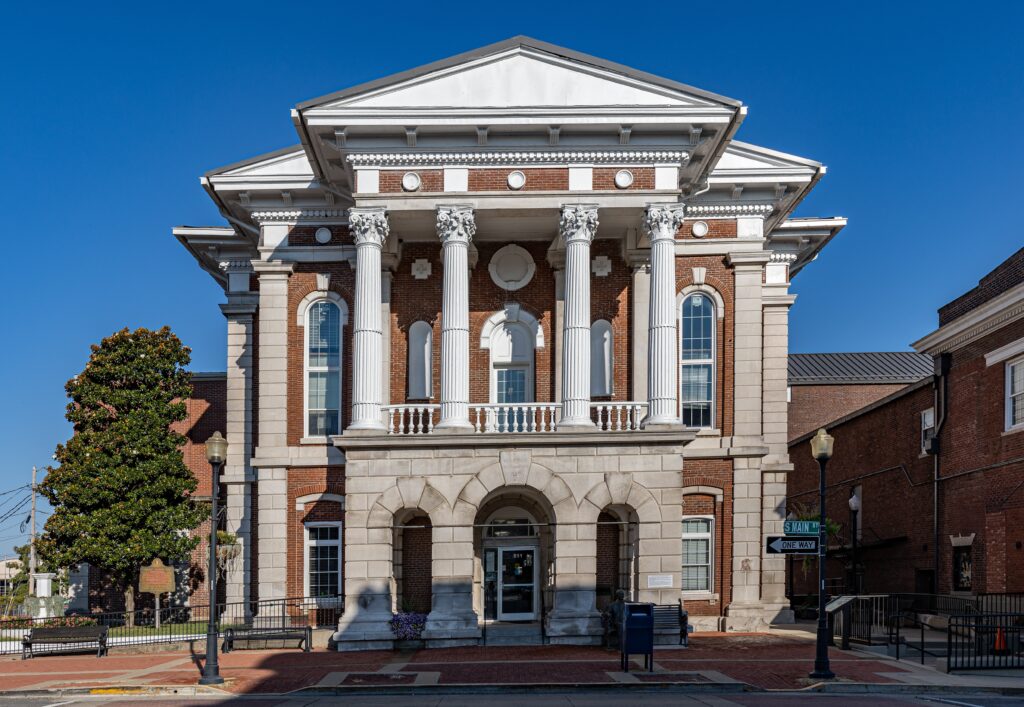
In western Kentucky, Hopkinsville holds a curious distinction — both a center of agricultural bounty and the site of cosmic wonder. It was here, in 2017, that the path of totality for the Great American Eclipse reached its greatest duration, and for a few moments, day turned to night as the world paused in awe.
But Hopkinsville’s story runs far deeper than that moment of darkness. The town thrives amid rich farmland and distilleries, including Casey Jones Distillery, which continues the region’s legacy of moonshining and craftsmanship. Nearby, Jeffers Bend Environmental Center offers trails through wetlands and butterfly gardens, while Trail of Tears Commemorative Park honors the Native American heritage and sorrow woven into Kentucky’s land.
There’s something celestial about Hopkinsville — a place rooted in the soil yet open to the stars. Whether you come for bourbon, heritage, or skywatching, you’ll leave with a sense that the universe feels just a little closer here.
5. Fort Knox: Strength and Secrecy
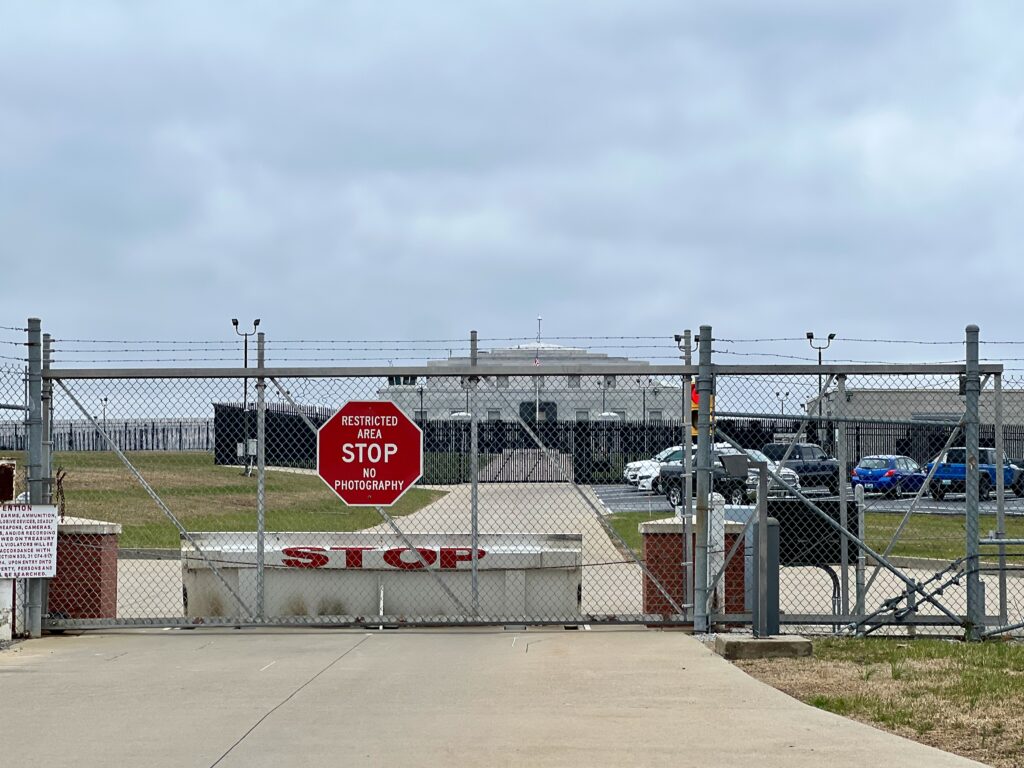
Few names evoke mystery quite like Fort Knox. Nestled between Louisville and Elizabethtown, this legendary U.S. Army post symbolizes both the might and secrecy of the nation — home to the United States Bullion Depository, where much of America’s gold is said to rest behind its granite and steel walls.
Though the vault itself remains strictly off-limits, the fort’s story is rich with human history. Established in 1918, Fort Knox became a cornerstone of American armor training and military development. Today, the General George Patton Museum of Leadership brings that history to life through immersive exhibits that honor courage, strategy, and sacrifice.
Beyond the fences and legends, the surrounding countryside is beautiful — rolling farmland and oak forests where the strength of Kentucky’s character shines as clearly as any treasure. Fort Knox stands as a monument to resilience, both human and national — a fortress of history as much as of gold.
4. Corbin: Where Fried Chicken Took Flight
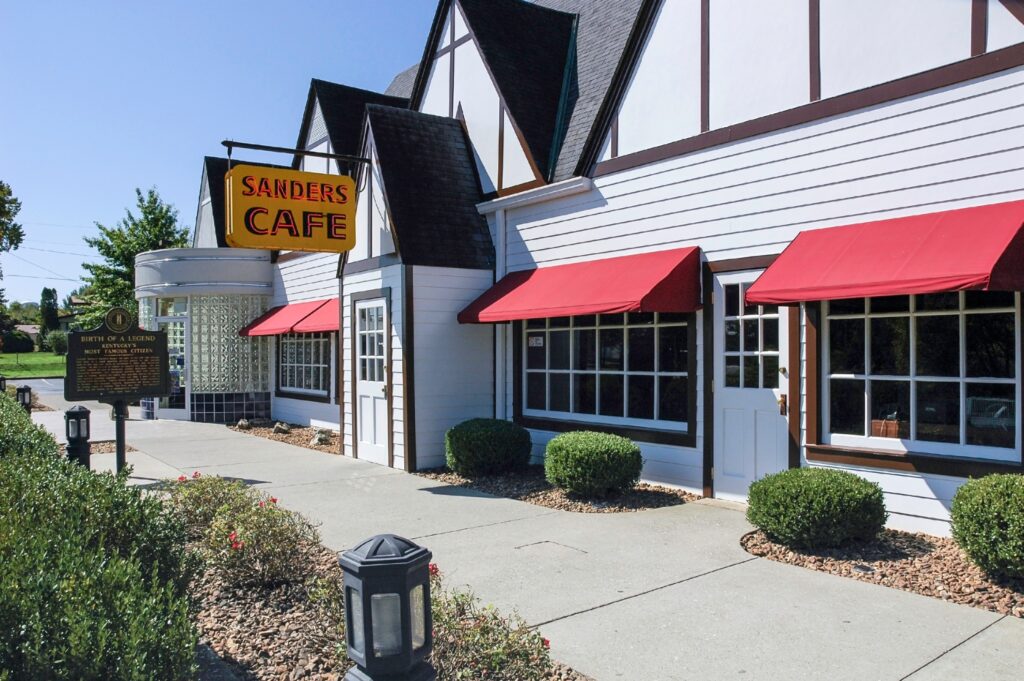
Few places blend legend and hospitality quite like Corbin, a small town that changed the world’s taste forever. Here, in a humble roadside café in the 1930s, Colonel Harland Sanders perfected his secret blend of herbs and spices — giving birth to Kentucky Fried Chicken and a culinary empire rooted in southern tradition.

Today, the Harland Sanders Café and Museum still stands, a pilgrimage site for those who love a good story as much as a good meal. But Corbin’s appeal stretches beyond fried chicken. It’s the gateway to Laurel River Lake and the wild beauty of Cumberland Falls, where the water plunges 68 feet into a mist that sometimes forms a rare moonbow — a rainbow seen only by moonlight.
Corbin is a testament to the inventive spirit — that combination of curiosity, grit, and a dash of spice that defines Kentucky at its best.
3. London: The Heart of the Wilderness Trail
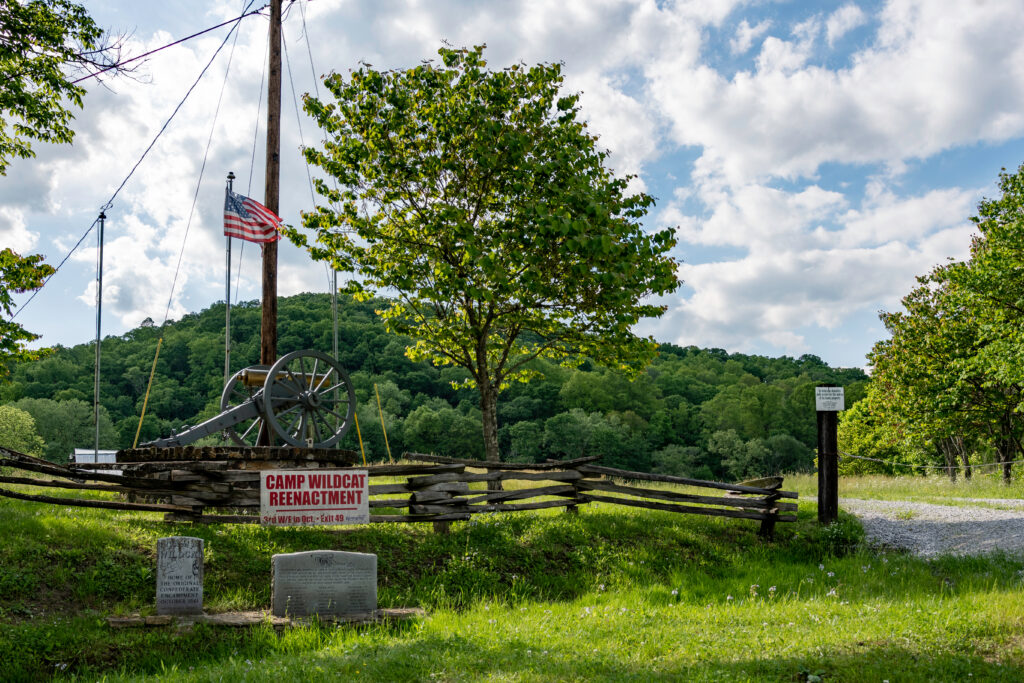
Not far from Corbin lies London, a city that celebrates both history and adventure. Once a vital stop along Daniel Boone’s Wilderness Trail, London sits at the crossroads of heritage and outdoor recreation — surrounded by forests, lakes, and legends.
Each autumn, the town bursts to life with the World Chicken Festival, a jubilant tribute to Sanders’ culinary legacy and Kentucky’s knack for celebration. But throughout the year, London remains a haven for hikers, bikers, and paddlers. The Levi Jackson Wilderness Road Park preserves the paths early settlers once braved, while Laurel River Lake offers clear waters framed by hardwood ridges.
London captures the essence of eastern Kentucky — unpretentious, scenic, and strong-willed. It’s a place where every trail tells a story, and every story begins with a journey into the hills.
2. Elizabethtown: A Tapestry of History and Heart
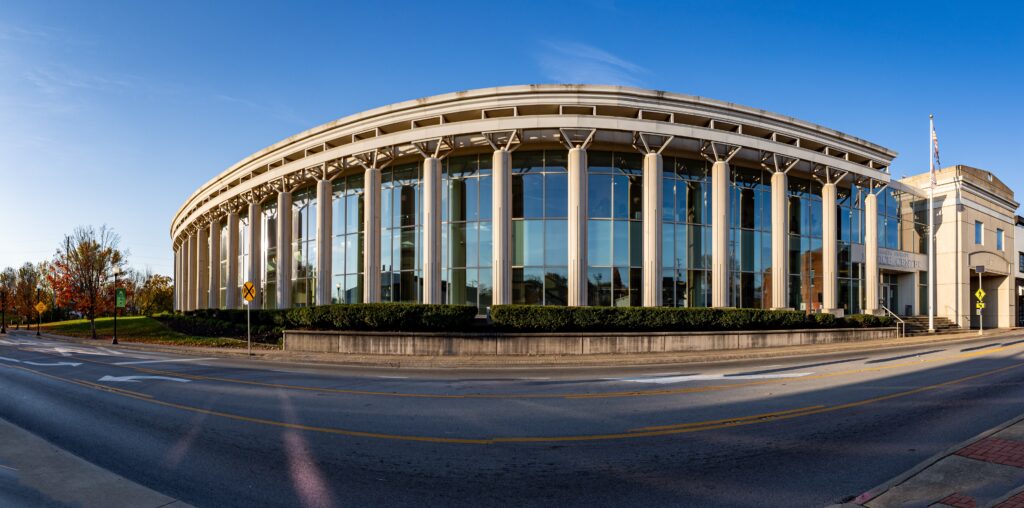
Situated along the Dixie Highway, Elizabethtown — or “E-town” to locals — is a place of surprising depth. Its downtown, revitalized with care, blends antique storefronts, friendly cafés, and the gentle rhythm of small-town life.
History runs deep here. The Hardin County History Museum chronicles frontier life and Civil War struggles, while nearby Abraham Lincoln Birthplace National Historical Park in Hodgenville connects visitors to America’s humble roots. Freeman Lake Park offers quiet reflection with its walking trails, fountains, and wildlife.
Elizabethtown is also a place of filmic fame — immortalized in the 2005 movie that bears its name, which captured both the beauty and melancholy of returning home. For many travelers, that’s precisely what “E-town” feels like: a place that welcomes you back, even if you’ve never been there before.
1. Somerset: Where Lakes and Legends Meet
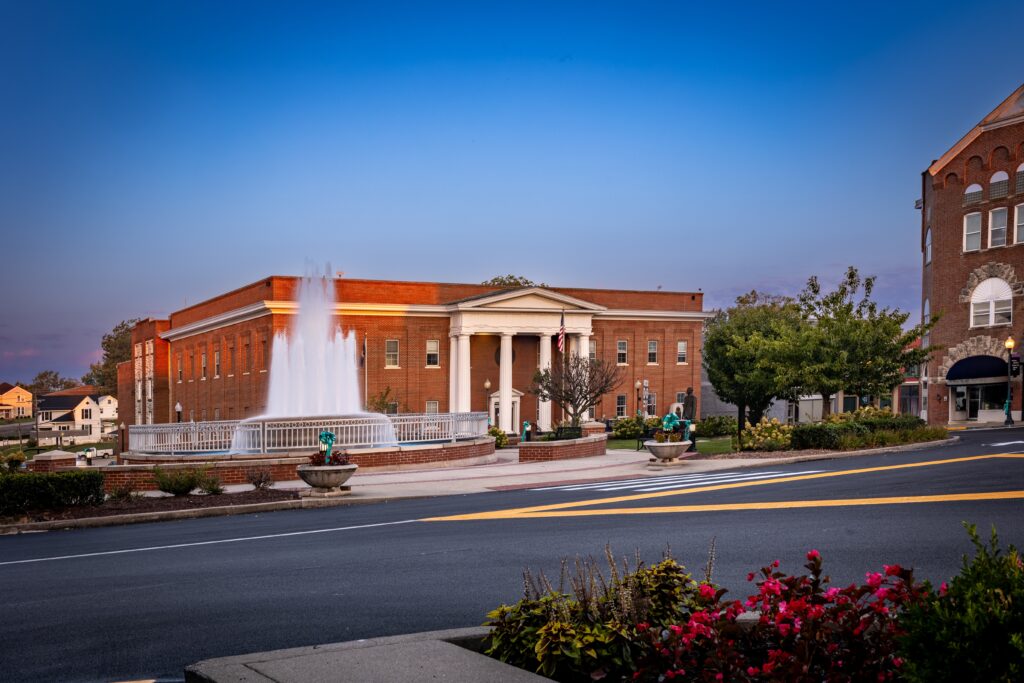
Perched near the shores of Lake Cumberland, Somerset is a playground for sun, speed, and Southern charm. Houseboats drift across 1,200 miles of shoreline, fishermen cast lines into glassy coves, and festivals fill the summer nights with live music and laughter.
Yet beyond its watersports and marina life, Somerset carries an artistic pulse. The downtown square hosts galleries, theater performances, and Kentucky’s beloved Somernites Cruise, where vintage cars gleam under streetlights. Nearby, the Mill Springs Battlefield National Monument preserves one of Kentucky’s pivotal Civil War sites, surrounded by rolling hills that seem unchanged since that winter of 1862.
In Somerset, Kentucky’s natural grandeur and cultural warmth converge — a place where every sunset over the lake feels like the closing scene of a story you’ll want to live again.