
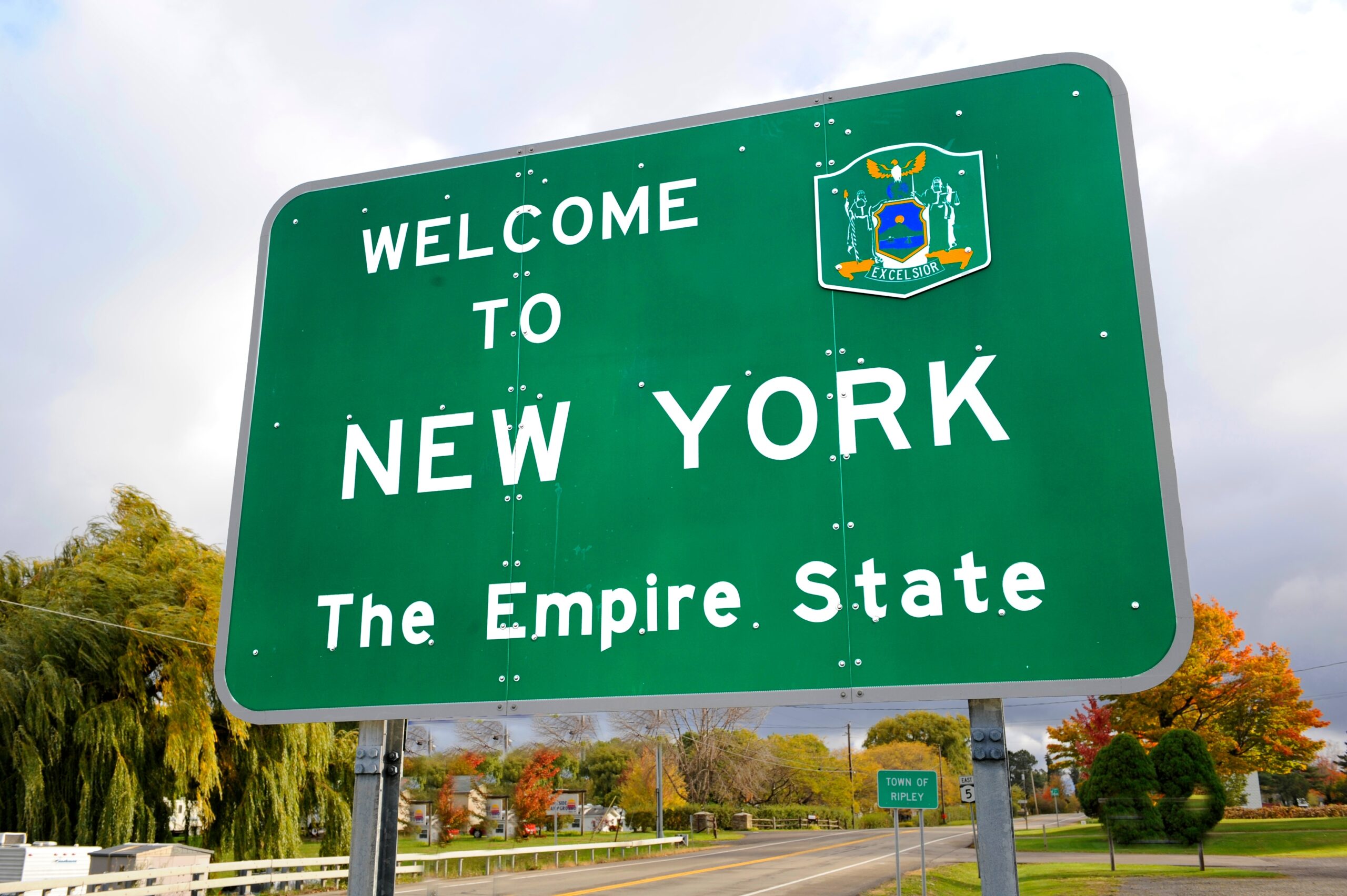
New York is not a single place but a convergence of worlds. It is a state of vast contrasts, where global cities rise beside quiet dairy farms, where ancient mountains weather slowly above forested lakes, and where the Atlantic presses against beaches shaped by wind and tide. To speak of New York is to speak of movement, ambition, refuge, and reinvention.
At its heart lies an enduring tension between scale and intimacy. New York City commands the imagination with its density and velocity, yet beyond its skyline stretches a landscape of remarkable calm: vineyards along glacial lakes, small towns anchored by church steeples and courthouses, wilderness preserved with near-religious devotion. The state’s geography unfolds from ocean to mountains, from river valleys to high plateaus, each region carrying its own rhythms and histories.
New York has always been a threshold. Indigenous nations shaped these lands long before European arrival, and waves of immigrants later arrived through its harbors, reshaping culture, language, and identity. Commerce and creativity have long traveled together here, producing institutions of global influence alongside deeply local traditions.
What defines New York most enduringly is its capacity for reinvention. Old industrial cities find new purpose, rural communities preserve heritage while adapting to change, and landscapes once exploited are reclaimed and protected. The state does not erase its past—it layers it.
To travel through New York is to move through stories stacked upon one another: ambition rising beside reflection, wilderness existing alongside invention. It is a place where the world feels both impossibly large and unexpectedly close.
21. New York City — The Relentless Heart
New York City is not merely a city; it is a force. It absorbs, amplifies, and reflects the aspirations of millions, compressing the world into a dense mosaic of neighborhoods, languages, and lives.
From the vertical drama of Manhattan to the residential rhythms of Brooklyn and Queens, the city is defined by motion. Streets pulse with urgency, yet within them exist pockets of stillness: a quiet bookstore, a shaded park bench, a late-night diner glowing against the dark. Central Park forms a green heart amid stone and steel, offering breath and balance.
The city’s power lies in its contradictions. It is both overwhelming and deeply personal, ruthless and generous, anonymous and intimate. Architecture becomes narrative—Art Deco towers, brownstone rows, glass skyscrapers—all telling stories of ambition and endurance.
Cultural life here is inexhaustible. Museums, theaters, galleries, and music venues coexist with everyday creativity: sidewalk performances, street murals, conversations overheard on subways. The city renews itself daily through its people.
New York City does not promise ease. It promises possibility. Those who accept its demands are rewarded with a sense of belonging forged through persistence and participation in something larger than themselves.
20. The Hudson Valley — River, Light, and Legacy
North of the city, the Hudson River carves a corridor of remarkable beauty and historical depth. The Hudson Valley unfolds gently, shaped by water, hills, and centuries of settlement.
Small towns and estates line the riverbanks—Cold Spring, Rhinebeck, Hudson—each carrying a blend of refinement and rural calm. The valley has long drawn artists, writers, and thinkers, captivated by the way light moves across the river and the Catskill foothills beyond.
Historic mansions and farms speak of wealth and labor intertwined, while modern vineyards and farm-to-table culture reflect a renewed relationship with the land. The river remains the valley’s anchor, wide and reflective, a presence that slows time.
Autumn transforms the region into a study in color, while winter sharpens its contours into quiet elegance. The Hudson Valley offers escape without disconnection, proximity to the city without surrendering to its pace.
It is a landscape that rewards attentiveness—best experienced slowly, with eyes open to detail and history.
19. The Adirondack Mountains — Wilderness Preserved
The Adirondacks rise in the northern reaches of the state as one of the largest protected wilderness areas in the eastern United States. This is New York at its most elemental.
Dense forests stretch across mountains, lakes, and wetlands, governed by a constitutional promise to remain “forever wild.” Villages like Lake Placid and Saranac Lake serve as gateways to a region defined by restraint rather than spectacle.
Here, nature sets the pace. Canoes glide across mirror-like lakes, trails wind through spruce and pine, and winter brings a deep, luminous silence broken only by wind or falling snow. The scale is humbling, the solitude restorative.
The Adirondacks represent a rare achievement: preservation on a grand scale within reach of millions. They remind visitors that New York’s identity is inseparable from its wild places.
18. The Catskill Mountains — Retreat, Renewal, and Reflection
The Catskill Mountains rise gently but deliberately, offering not drama through height, but depth through atmosphere. Long regarded as a retreat from the intensity of New York City, the Catskills have served generations as a place of renewal.
Forested ridges roll outward, broken by waterfalls, quiet creeks, and open meadows where time feels softened. Artists of the Hudson River School once sought inspiration here, capturing light and mist that still shape the region’s identity.
Small towns—Woodstock, Phoenicia, Margaretville—anchor the mountains with creativity and calm. Music, literature, and craftsmanship remain woven into everyday life, giving the Catskills a sense of cultivated solitude rather than isolation.
In every season, the mountains invite reflection. Autumn brings saturated color; winter offers stark beauty and silence; summer reveals cool streams and shaded trails. The Catskills are not about escape, but about return—to rhythm, to attention, to balance.
17. Niagara Falls & Western New York — Power and Reinvention
Niagara Falls commands attention through raw force. Millions of gallons of water thunder over cliffs, creating mist, vibration, and an elemental sense of awe. The falls are not subtle—they are a reminder of nature’s uncontainable energy.
Yet Western New York is more than its most famous landmark. Cities like Buffalo and Rochester tell stories of industrial rise, decline, and renewal. Once shaped by shipping and manufacturing, they now foster architecture, innovation, and cultural revival.
The region’s identity is deeply tied to water. Lake Erie, Lake Ontario, and the Niagara River shape climate, economy, and daily life. Winter snowstorms contrast with vibrant summers filled with festivals and lakeside gatherings.
Western New York embodies endurance. It confronts change directly, reshaping itself without abandoning its roots. The result is a region defined not by nostalgia, but by adaptation and pride.
16. The Finger Lakes — Wine, Water, and Measured Time
Carved by glaciers, the Finger Lakes stretch long and narrow across central New York, their deep waters reflecting sky and vineyard-covered hillsides. The region’s beauty lies in its balance—cultivated yet natural, refined yet grounded.
Towns like Ithaca, Geneva, and Skaneateles combine academic life, small-town warmth, and a deep respect for the landscape. Waterfalls tumble through gorges, while wineries line the slopes, producing wines shaped by cool climate and patient care.
Life here moves deliberately. Seasons dictate rhythm, and agriculture remains central to identity. Farmers’ markets, quiet roads, and lakefront sunsets create a sense of continuity rarely disrupted.
The Finger Lakes reward stillness. They invite long meals, slow walks, and unhurried conversation—a landscape that teaches the value of attention.
15. Long Island & the Hamptons — Shorelines of Contrast
Long Island stretches eastward from the city like an extended breath, gradually loosening New York’s intensity into sand, wind, and water. Its western reaches pulse with suburban density, while its eastern end dissolves into dunes, marshes, and open sky.
The Hamptons occupy a singular place in the cultural imagination—synonymous with summer, light, and leisure. Yet beyond their reputation lies a quieter truth: fishing villages, historic windmills, and protected beaches shaped more by tide and weather than by wealth. The Atlantic defines life here, its presence felt in the salt air, shifting light, and ever-changing shoreline.
North of the island, the calmer waters of Long Island Sound foster harbors and villages with a distinctly New England sensibility. Vineyards and farms thrive in the island’s eastern soils, reflecting a slower, agricultural rhythm beneath seasonal glamour.
Long Island’s identity is layered. It is both retreat and residence, spectacle and solitude. Its power lies in proximity—close to the city, yet fundamentally shaped by the sea.
14. The Capital Region — Albany, Troy, and the Architecture of History
The Capital Region rests where the Hudson River broadens and bends, carrying with it centuries of political, industrial, and architectural legacy. Albany, New York’s capital, stands as a city shaped by governance and endurance rather than spectacle.
The skyline is defined by bold government structures and historic neighborhoods, while the river below reminds visitors of the trade routes that once powered the region’s growth. Nearby Troy and Schenectady echo this legacy, former industrial centers now experiencing cultural revival.
Troy’s streets showcase extraordinary 19th-century architecture, while its arts scene and markets signal renewal rooted in preservation. Schenectady balances innovation and history, tied closely to scientific progress and education.
The Capital Region offers continuity. It is New York at work—governing, rebuilding, and remembering—quietly influential and deeply grounded.
13. Thousand Islands & the St. Lawrence River — Water, Stone, and Stillness
Along New York’s northern edge, the St. Lawrence River widens into a labyrinth of islands, channels, and quiet coves. The Thousand Islands region feels suspended between land and water, shaped by glacial forces and patient erosion.
Stone castles rise unexpectedly from forested islands, remnants of an era when the river served as both boundary and gateway. Today, the pace is gentler. Boaters navigate narrow passages, fishermen move with the currents, and villages along the shore embrace simplicity.
The river itself dominates the experience—wide, powerful, and constant. Sunlight glints off moving water, while evenings bring profound quiet broken only by lapping waves and distant calls of birds.
This is a landscape that resists urgency. It encourages lingering, observation, and a deep appreciation for water as both connector and boundary.
12. Saratoga Springs & the Upper Hudson — Elegance and Endurance
Saratoga Springs carries a refined confidence shaped by water, wealth, and tradition. Long celebrated for its mineral springs, the town developed as a 19th-century resort where health, leisure, and society converged.
Grand hotels and wide streets hint at this era, while the famed Saratoga Race Course continues to draw visitors each summer, maintaining rituals of sport and social gathering. Yet Saratoga is more than its pageantry. Parks, performance halls, and tree-lined neighborhoods create a sense of balance between elegance and everyday life.
Beyond the town, the Upper Hudson River winds northward through quieter terrain, connecting Saratoga to forested valleys and historic villages. The river’s steady presence reinforces the region’s continuity, grounding its refinement in natural rhythm.
Saratoga Springs embodies a New York that values tradition without stagnation—a place where history is lived rather than preserved behind glass.
11. The Southern Tier — Valleys of Industry and Renewal
Stretching along New York’s southern border, the Southern Tier is defined by rolling hills, river valleys, and towns shaped by industry and resilience. Cities like Binghamton, Elmira, and Corning rose with manufacturing and innovation, then adapted to economic change with quiet determination.
The landscape itself softens here. Forested ridges give way to farmland, while rivers carve gentle paths through the valleys. The pace of life slows, allowing room for reflection and community.
Corning stands as a cultural anchor, its museum celebrating craftsmanship and scientific achievement, while small towns preserve local identity through festivals, markets, and shared memory.
The Southern Tier tells a story of endurance. It is not defined by grandeur, but by continuity—a place where effort and adaptation are woven into the land.
10. Lake Champlain & the Northeast Borderlands — Open Water, Open Horizons
In New York’s far northeast, Lake Champlain stretches between the Adirondacks and the Green Mountains, forming a landscape of remarkable openness. The lake’s broad surface reflects sky and mountain, blurring boundaries between states and seasons.
Small towns along the shore maintain a maritime sensibility, shaped by wind, water, and trade. Ferries cross the lake with unhurried regularity, linking communities that feel both remote and interconnected.
The region carries echoes of military history and exploration, yet today its appeal lies in quiet expansiveness. Sailing, cycling, and lakeside walks define daily life, while sunsets stretch long across the water.
Lake Champlain offers perspective. It invites visitors to look outward, to consider distance and connection, and to experience New York at its most contemplative.
9. The Mohawk Valley — Corridor of Movement and Memory
The Mohawk Valley stretches east–west across central New York, a natural passageway that has long shaped the state’s destiny. Rivers, railroads, and canals followed this corridor, carrying people, goods, and ideas between the Atlantic coast and the interior of the continent.
Long before European settlement, the valley was home to the Mohawk Nation, whose presence endures in place names and cultural memory. Later, the Erie Canal transformed the region into a powerhouse of commerce, linking New York City to the Great Lakes and accelerating westward expansion.
Towns such as Schenectady, Amsterdam, and Little Falls retain the marks of this layered history. Brick factories and canal locks stand beside modern neighborhoods and riverfront parks, evidence of reinvention rather than erasure.
The landscape is gentle yet purposeful—rolling hills, fertile farmland, and the steady flow of the Mohawk River. Life here feels anchored by continuity, shaped by the understanding that movement and change have always been part of the valley’s character.
8. Rochester & the Genesee River — Innovation on the Water’s Edge
Rochester rises where the Genesee River plunges toward Lake Ontario, its waterfalls powering a city built on invention and industry. Once a center of flour milling, photography, and manufacturing, Rochester’s identity has always been tied to innovation.
The river cuts dramatically through the city, creating unexpected gorges and green spaces that soften the urban landscape. Along its banks, museums, parks, and revitalized neighborhoods reflect a city redefining itself while honoring its legacy.
Rochester’s cultural life runs deep. Music festivals, universities, and a strong tradition of social reform give the city a thoughtful, engaged character. The nearby lake shapes climate and culture alike, bringing both winter intensity and luminous summer evenings.
This is a city that values progress without spectacle. Rochester’s strength lies in steady creativity and a commitment to community—a place where water, work, and ideas continue to flow together.
7. Coney Island & the Brooklyn Shore — Myth, Memory, and the Sea
Coney Island exists at the intersection of fantasy and familiarity. Its boardwalk stretches along the Atlantic, carrying echoes of laughter, music, and generations of summer rituals.
Once the world’s most famous playground, Coney Island retains its spirit through iconic rides, open beaches, and a defiantly democratic atmosphere. The sea is ever-present, grounding spectacle in nature’s rhythm.
Beyond the amusement parks, the Brooklyn shore unfolds into neighborhoods shaped by immigration, resilience, and reinvention. Fishing piers, residential streets, and community beaches reveal a more intimate relationship with the water.
Coney Island endures because it refuses to become static. It evolves while preserving memory, offering a place where nostalgia and vitality coexist.
6. The North Country & Tug Hill Plateau — Snow, Silence, and Strength
The North Country lies beyond easy definition. Stretching across New York’s far northern interior, it is shaped by distance, weather, and endurance. This is a region where winters are long and decisive, and where communities learn resilience not as a philosophy, but as a necessity.
The Tug Hill Plateau rises subtly yet powerfully, receiving some of the heaviest snowfall east of the Rockies. Forests dominate the landscape, broken by rivers, small farms, and towns that exist in close relationship with the land. Life here follows seasonal logic—wood cut and stacked, roads cleared, rhythms slowed.
Villages such as Lowville and Watertown anchor the region with practicality and pride. The nearby presence of Fort Drum reinforces a strong sense of service and community cohesion. Yet despite its toughness, the North Country is deeply contemplative. Silence is abundant, stars feel closer, and the land invites humility.
This is New York stripped of spectacle. Its beauty lies in persistence, in landscapes that do not seek admiration but earn respect.
5. Utica & Central New York Towns — Renewal and Belonging
Utica stands at the heart of Central New York, a city defined by migration, industry, and reinvention. Once powered by manufacturing and the Erie Canal, it now reflects a different strength—cultural resilience.
Few cities in the state are as globally rooted. Refugee and immigrant communities have reshaped Utica’s identity, filling neighborhoods with languages, cuisines, and traditions from across the world. This diversity has infused new energy into old streets, turning decline into revival.
Beyond Utica, towns like Rome, Oneida, and Herkimer trace a quieter arc of history. Their courthouses, canals, and town greens reflect a deeply American civic landscape. Life here is deliberate, anchored by local institutions and shared memory.
Central New York tells a story of continuity through change. It is not a place of dramatic reinvention, but of steady rebuilding—where belonging is forged through participation and patience.
4. Fire Island & the South Shore — Wind, Light, and Ephemeral Beauty
Fire Island stretches like a thin ribbon between the Atlantic Ocean and the Great South Bay, defined by wind, water, and transience. Its beaches shift constantly, reshaped by storms and tides, reminding visitors that permanence here is an illusion.
Communities along the island remain car-free, fostering an intimacy rare in modern life. Boardwalks replace streets, bicycles replace engines, and daily life unfolds to the rhythm of the sea. The island has long served as a sanctuary—for artists, for the LGBTQ+ community, for anyone seeking freedom at the edge of land.
Dunes rise and fall, grasses bend, and sunsets dissolve into water and sky. Fire Island National Seashore preserves this fragile environment, emphasizing restraint over development.
Fire Island is New York at its most fleeting. It exists in moments—salt air, shifting light, quiet mornings—and leaves a lasting impression precisely because it cannot be held.
3. The Bronx — Urban Wilderness and Cultural Bedrock
The Bronx stands as New York City’s most underestimated borough, a place where resilience and reinvention unfold alongside surprising expanses of green. Often reduced to stereotype, it is in truth one of the city’s richest landscapes—culturally, historically, and ecologically.
Here lies the Bronx River, New York City’s only freshwater river, restored through decades of community effort. Along its banks, parks and trails reveal a quieter rhythm beneath the elevated tracks and traffic. Pelham Bay Park, the city’s largest, opens onto salt marshes, forests, and Long Island Sound, offering space and horizon rare within urban boundaries.
The borough is also a cradle of influence. Jazz, hip-hop, and literary movements emerged from its neighborhoods, shaped by migration, struggle, and creative defiance. The Grand Concourse still carries echoes of ambition, while cultural institutions like the Bronx Museum and Bronx Zoo anchor legacy and learning.
The Bronx does not ask for admiration—it earns understanding. It reveals New York’s essential truth: that vitality often grows strongest where conditions are hardest, and beauty thrives where effort sustains it.
2. Westchester County — Order, Affluence, and the Suburban Ideal
Just north of the city, Westchester County unfolds as a study in balance. Tree-lined streets, historic villages, and commuter rail lines define a region shaped by proximity—close enough to Manhattan for daily travel, distant enough to cultivate calm.
Towns such as Tarrytown, Sleepy Hollow, and Bronxville blend layered history with suburban refinement. Stone churches, riverfront paths, and carefully preserved estates reflect a landscape shaped by continuity and care.
The Hudson River defines Westchester’s western edge, providing both beauty and orientation. Trails trace its banks, while quiet harbors and parks invite reflection. Inland, rolling hills and reservoirs sustain the region’s sense of order and environmental stewardship.
Westchester’s identity is not dramatic, but deliberate. It offers stability, tradition, and measured pace—a vision of suburban life grounded in access, beauty, and restraint.
1. Staten Island — Isolation, Memory, and Open Space
Staten Island exists apart from New York City’s dominant narrative. Physically separated by water and psychologically distant from the city’s constant motion, it retains a sense of independence that defines its character.
The ferry ride itself marks a transition. Manhattan’s skyline recedes as Staten Island’s shoreline approaches—quieter, greener, and less compressed. Neighborhoods spread outward rather than upward, shaped by yards, parks, and waterfront views.
Historic towns like Richmond and Tottenville preserve colonial roots, while Staten Island Museum and preserved wetlands offer insight into both cultural and natural history. The island holds one of the city’s largest concentrations of protected green space, including forests, marshes, and coastal preserves.
Staten Island reminds visitors that New York is not singular. It contains margins and pauses, places where identity unfolds slowly. In doing so, it completes the state’s story—not with spectacle, but with space.