
Malaysia lies in Southeast Asia, divided geographically between Peninsular Malaysia and East Malaysia on the island of Borneo. Geography defines the nation through tropical rainforest, long coastlines, mountain ranges, and extensive river systems.
The South China Sea separates its two main regions. Geography reinforces maritime connectivity and ecological diversity across both landmasses.
Peninsular Malaysia contains mountain backbones running north to south. Geography binds settlement patterns to coastal plains and river valleys.
East Malaysia is dominated by dense rainforest and highland interiors. Geography requires adaptation to equatorial rainfall, biodiversity conservation, and river-based transport networks.
Monsoon systems alternate between northeast and southwest seasonal patterns. Geography shapes agricultural cycles, coastal conditions, and inland water management.
Malaysia inspires through its balance between tropical lowlands and highland elevations. The land teaches endurance through adaptation to humidity, rainfall intensity, and ecological richness, showing how resilience develops where rainforest, river, and sea intersect.
Endurance here is ecological and maritime. Geography requires watershed protection, coastal management, and forest preservation. Stability depends on maintaining biodiversity while supporting coastal and urban development.
Malaysia reflects a Southeast Asian nation shaped by equatorial climate systems and maritime geography. Visitors encounter a landscape where resilience emerges from coexistence between rainforest interiors and expansive shorelines.
21. Kuala Lumpur
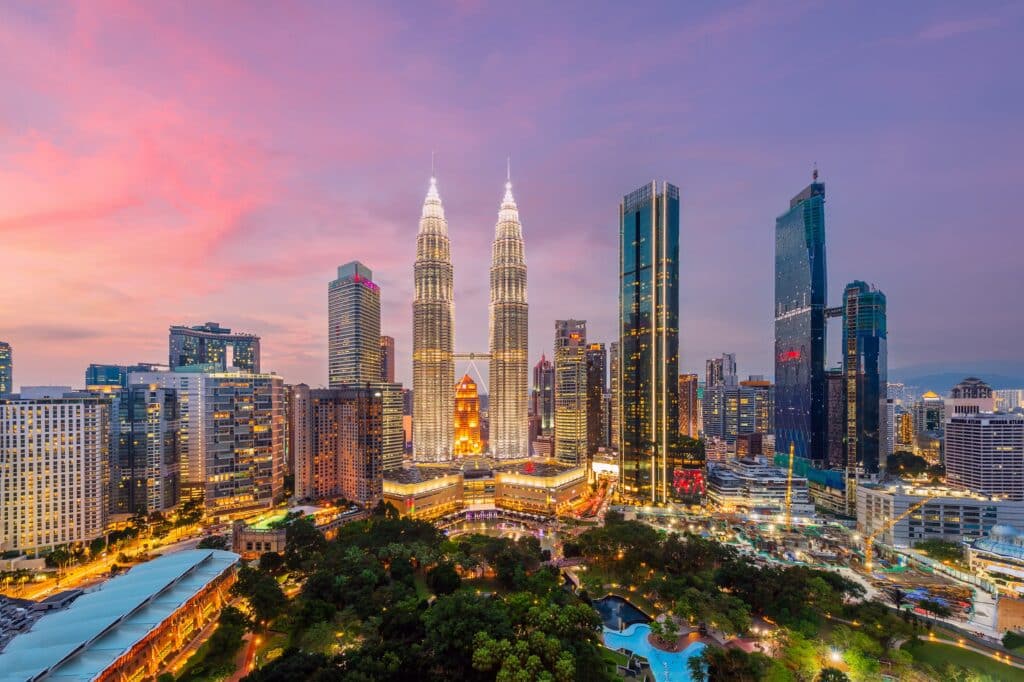
Kuala Lumpur lies in the Klang Valley of Peninsular Malaysia. Geography here is lowland basin terrain surrounded by limestone hills and forested ridges.
The Klang and Gombak rivers converge at the city’s origin point. Geography reinforces settlement at river junctions and fertile floodplain ground.
Limestone formations frame the surrounding landscape. Geography binds urban expansion to basin topography and drainage patterns.
The equatorial climate produces consistent rainfall and humidity year-round. Geography requires adaptation to tropical downpours and flash-flood mitigation.
Transport corridors radiate outward through valley openings. Geography emphasizes basin connectivity within a broader mountainous context.
Kuala Lumpur inspires through vertical skyline contrast against tropical hills. The land teaches endurance through adaptation to river confluence and equatorial climate, showing how resilience develops where urban growth meets natural basin limits.
Endurance here is hydrological and environmental. Geography requires drainage management and green space integration. Stability depends on balancing dense urban infrastructure with watershed protection.
Kuala Lumpur reflects Malaysia’s identity shaped by river basins and tropical climate. Visitors encounter a landscape where resilience emerges from coexistence between metropolitan development and surrounding limestone terrain.
20. George Town
George Town stands on Penang Island along the northwest coast of Peninsular Malaysia. Geography here is insular and coastal, shaped by straits-facing shorelines and interior hills.
The Strait of Malacca borders the island’s northern edge. Geography reinforces maritime positioning along historic sea routes.
Penang Hill rises inland behind the city. Geography binds coastal settlement to narrow flatlands between sea and elevation.
Monsoon winds influence coastal waters and rainfall distribution. Geography requires adaptation to sea exposure and seasonal precipitation.
Bridges connect the island to the mainland. Geography emphasizes marine corridors rather than inland pathways.
George Town inspires through proximity between shoreline and hillside. The land teaches endurance through adaptation to limited insular space and maritime climate, showing how resilience develops where sea and elevation compress settlement patterns.
Endurance here is coastal and infrastructural. Geography requires shoreline stabilization and hillside management. Stability depends on maintaining balance between marine conditions and urban density.
George Town reflects Malaysia’s maritime orientation along strategic straits. Visitors encounter a landscape where resilience emerges from coexistence between island topography and surrounding waters.
19. Mount Kinabalu
Mount Kinabalu rises in Sabah on the island of Borneo. Geography here is mountainous and ecological, dominated by granite peaks reaching 4,095 meters above sea level.
The mountain stands within Kinabalu Park. Geography reinforces biodiversity concentration across altitude zones.
Steep slopes descend into tropical forest. Geography binds climate variation to elevation gradients, creating distinct ecological layers.
Frequent rainfall and cloud cover influence summit conditions. Geography requires adaptation to rapid weather shifts and altitude exposure.
Access routes follow controlled climbing paths. Geography emphasizes vertical ascent through defined environmental zones.
Mount Kinabalu inspires through dramatic elevation and ecological stratification. The land teaches endurance through adaptation to altitude and shifting climate conditions, showing how resilience develops where tropical forest transitions into alpine terrain.
Endurance here is climatic and ecological. Geography requires conservation of fragile highland ecosystems and watershed protection. Stability depends on safeguarding biodiversity across altitude ranges.
Mount Kinabalu reflects Malaysia’s East Malaysian highland geography shaped by tectonic uplift and equatorial climate. Visitors encounter a landscape where resilience emerges from coexistence between granite peaks and rainforest foothills.
18. Langkawi
Langkawi lies in the Andaman Sea off the northwest coast of Peninsular Malaysia near the Thai border. Geography here is archipelagic and tropical, composed of 99 islands characterized by limestone formations and forested hills.
The main island features coastal plains bordered by rising interior elevations. Geography reinforces settlement along accessible shorelines while upland areas remain largely forested.
Karst landscapes define parts of the coastline. Geography binds marine ecosystems to mangroves, coral reefs, and sheltered bays shaped by erosion.
Seasonal monsoon systems influence wave patterns and rainfall distribution. Geography requires adaptation to alternating wet and dry cycles.
Ferry and air connections link Langkawi to mainland Malaysia. Geography emphasizes maritime and aerial connectivity rather than overland routes.
Langkawi inspires through layered horizons of sea, limestone cliffs, and jungle-covered hills. The land teaches endurance through adaptation to insular conditions and tropical climate rhythms, showing how resilience develops where island ecosystems interact with open waters.
Endurance here is coastal and ecological. Geography requires mangrove preservation, reef protection, and slope stabilization. Stability depends on maintaining fragile marine and forest systems.
Langkawi reflects Malaysia’s Andaman-facing geography shaped by tropical seas and karst geology. Visitors encounter a landscape where resilience emerges from coexistence between limestone ridges and surrounding waters.
17. Malacca (Melaka)
Malacca stands along the Strait of Malacca on the southwest coast of Peninsular Malaysia. Geography here is coastal lowland, defined by river mouth settlement and maritime positioning.
The Malacca River flows through the city into the strait. Geography reinforces early development at navigable estuary points.
Flat coastal terrain extends inland. Geography binds agriculture and trade to accessible shoreline corridors.
Tidal influence shapes river flow near the coast. Geography requires adaptation to estuarine conditions and periodic flooding.
Road networks follow the coastal plain linking Malacca to neighboring regions. Geography emphasizes maritime orientation over mountainous isolation.
Malacca inspires through alignment between river and sea. The land teaches endurance through adaptation to coastal climate and estuary dynamics, showing how resilience develops where inland waterways meet major sea lanes.
Endurance here is hydrological and coastal. Geography requires riverbank stabilization and shoreline management. Stability depends on maintaining balance between estuarine ecosystems and urban settlement.
Malacca reflects Malaysia’s historical reliance on strait geography and coastal trade corridors. Visitors encounter a landscape where resilience emerges from coexistence between river systems and maritime horizons.
16. Cameron Highlands
Cameron Highlands lies within the central mountain spine of Peninsular Malaysia. Geography here is highland and temperate relative to surrounding lowlands, defined by elevations exceeding 1,000 meters.
Rolling hills dominate the terrain. Geography reinforces cooler temperatures compared to coastal regions.
Dense forest originally covered much of the uplands. Geography binds watershed systems to mountain slopes and rainfall capture.
Frequent mist and steady precipitation influence vegetation patterns. Geography requires adaptation to soil conservation and slope stability.
Mountain roads connect the highlands to lowland towns. Geography emphasizes ascent through winding corridors rather than straight routes.
Cameron Highlands inspires through layered green hills and cloud-shrouded ridges. The land teaches endurance through adaptation to elevation and consistent rainfall, showing how resilience develops where tropical mountains moderate equatorial heat.
Endurance here is environmental and hydrological. Geography requires erosion control and forest preservation. Stability depends on protecting upland water sources feeding lowland rivers.
Cameron Highlands reflect Malaysia’s mountainous interior shaped by tectonic uplift and equatorial climate interaction. Visitors encounter a landscape where resilience emerges from coexistence between cool highlands and surrounding tropical plains.
15. Taman Negara
Taman Negara stretches across the central spine of Peninsular Malaysia. Geography here is ancient tropical rainforest, estimated to be over 130 million years old, shaped by river systems and forested mountain terrain.
Dense jungle covers much of the park’s surface. Geography reinforces biodiversity through layered canopy structures and continuous vegetation cover.
The Tembeling River flows through the reserve. Geography binds access routes to river transport rather than extensive road infrastructure.
Low mountain ridges rise throughout the interior. Geography requires adaptation to steep slopes, high humidity, and consistent rainfall.
Equatorial climate patterns sustain year-round precipitation. Geography shapes river levels and forest growth cycles.
Taman Negara inspires through uninterrupted rainforest depth and river-carved valleys. The land teaches endurance through adaptation to heat, humidity, and terrain complexity, showing how resilience develops where ancient ecosystems remain intact.
Endurance here is ecological and hydrological. Geography requires strict forest preservation and watershed protection. Stability depends on maintaining canopy continuity and river health.
Taman Negara reflects Malaysia’s rainforest heritage shaped by equatorial climate and geological stability. Visitors encounter a landscape where resilience emerges from coexistence between tropical rivers and primeval forest.
14. Kuching
Kuching lies along the Sarawak River in East Malaysia on the island of Borneo. Geography here is riverine lowland bordered by rolling hills and coastal proximity.
The Sarawak River defines the city’s layout. Geography reinforces settlement along navigable waterways and fertile banks.
Beyond the urban core, forested hills rise gradually. Geography binds development to relatively flat floodplain terrain.
High humidity and consistent rainfall shape vegetation. Geography requires adaptation to tropical downpours and river level management.
Road links extend toward interior Sarawak, though dense rainforest limits overland expansion. Geography emphasizes river-based orientation and coastal access.
Kuching inspires through calm river frontage and surrounding greenery. The land teaches endurance through adaptation to equatorial rainfall and river proximity, showing how resilience develops where inland forest and coastal plain intersect.
Endurance here is hydrological and environmental. Geography requires flood control and preservation of river ecosystems. Stability depends on managing lowland drainage and protecting surrounding forested hills.
Kuching reflects Malaysia’s East Malaysian river geography shaped by rainforest ecosystems and maritime influence. Visitors encounter a landscape where resilience emerges from coexistence between tropical rivers and equatorial lowlands.
13. Perhentian Islands
Perhentian Islands lie off the northeast coast of Peninsular Malaysia in the South China Sea. Geography here is insular and marine, composed of small forested islands surrounded by coral reefs.
White sandy beaches border clear coastal waters. Geography reinforces marine biodiversity and sheltered bays.
Interior terrain rises into jungle-covered hills. Geography binds limited settlement to narrow shoreline strips.
Monsoon seasons strongly influence accessibility. Geography requires adaptation to rough seas during the northeast monsoon period.
Boat transport connects the islands to mainland ports. Geography emphasizes maritime dependence over terrestrial infrastructure.
The Perhentian Islands inspire through clarity of water and dense tropical vegetation. The land teaches endurance through adaptation to isolation and seasonal sea conditions, showing how resilience develops where reef ecosystems support island life.
Endurance here is marine and ecological. Geography requires coral reef protection and coastal conservation. Stability depends on preserving underwater ecosystems and managing freshwater resources on small landmasses.
The Perhentian Islands reflect Malaysia’s South China Sea geography shaped by monsoon patterns and coral formation. Visitors encounter a landscape where resilience emerges from coexistence between tropical forest and surrounding ocean.
12. Mount Kinabalu
Mount Kinabalu rises in Sabah on the island of Borneo and is the highest peak in Malaysia at 4,095 meters. Geography here is mountainous and tectonic, formed through uplift and granite intrusion.
The mountain dominates the surrounding landscape. Geography reinforces steep elevation gradients and ecological zoning from lowland rainforest to alpine vegetation.
Cloud cover frequently envelops the summit. Geography binds weather patterns to rapid altitude changes and moisture-laden air from the South China Sea.
River systems originate from its slopes. Geography requires watershed preservation for downstream communities.
Access routes ascend gradually through forest belts. Geography emphasizes vertical transition rather than horizontal expansion.
Mount Kinabalu inspires through its sheer height and layered ecological diversity. The land teaches endurance through adaptation to altitude and temperature variation, showing how resilience develops where tropical climate meets alpine terrain.
Endurance here is environmental and hydrological. Geography requires slope stabilization and biodiversity conservation. Stability depends on protecting fragile high-altitude ecosystems and river headwaters.
Mount Kinabalu reflects Malaysia’s mountainous East Malaysian geography shaped by tectonic uplift and equatorial climate interaction. Visitors encounter a landscape where resilience emerges from coexistence between rainforest foothills and granite summit.
11. Tioman Island
Tioman Island lies in the South China Sea off the east coast of Peninsular Malaysia. Geography here is volcanic and insular, characterized by steep interior hills and coral-fringed coastlines.
Rocky peaks rise sharply from narrow beaches. Geography reinforces concentrated settlement along sheltered coves.
Coral reefs surround much of the island. Geography binds marine life to clear tropical waters and shallow coastal shelves.
Seasonal monsoons affect sea conditions. Geography requires adaptation to wind direction and rainfall variability.
Transport connections depend on ferry and air access. Geography emphasizes maritime linkage rather than road infrastructure.
Tioman Island inspires through dramatic cliffs and vibrant marine ecosystems. The land teaches endurance through adaptation to isolation and tropical sea conditions, showing how resilience develops where volcanic terrain meets coral environments.
Endurance here is coastal and ecological. Geography requires reef protection and forest conservation. Stability depends on safeguarding freshwater sources and minimizing shoreline erosion.
Tioman Island reflects Malaysia’s maritime geography shaped by tropical seas and volcanic origin. Visitors encounter a landscape where resilience emerges from coexistence between steep jungle slopes and surrounding ocean.
10. Ipoh
Ipoh lies in the Kinta Valley of Perak in western Peninsular Malaysia. Geography here is valley lowland framed by limestone karst hills.
The Kinta River flows through the region. Geography reinforces settlement along fertile valley floors.
Limestone outcrops rise abruptly from flat terrain. Geography binds geological contrast between steep karst formations and agricultural plains.
Tropical rainfall influences river levels and vegetation growth. Geography requires adaptation to humid conditions and drainage management.
Road and rail routes connect Ipoh to coastal and inland regions. Geography emphasizes valley corridors as transport pathways.
Ipoh inspires through its dramatic limestone backdrop and fertile basin setting. The land teaches endurance through adaptation to valley hydrology and karst geology, showing how resilience develops where river plains meet ancient limestone formations.
Endurance here is geological and agricultural. Geography requires careful management of water systems and preservation of karst landscapes. Stability depends on maintaining watershed balance and soil health in the valley floor.
Ipoh reflects Malaysia’s western lowland geography shaped by river valleys and limestone hills. Visitors encounter a landscape where resilience emerges from coexistence between fertile plains and towering karst ridges.
9. Redang Island
Redang Island lies off the northeast coast of Peninsular Malaysia in the South China Sea. Geography here is insular and marine, defined by forested hills and surrounding coral reefs.
The island’s terrain rises from sandy beaches into jungle-covered slopes. Geography reinforces concentrated coastal settlement while preserving interior forest cover.
Coral reefs encircle much of the shoreline. Geography binds marine biodiversity to shallow, clear tropical waters.
Seasonal monsoon winds affect accessibility. Geography requires adaptation to rough sea conditions during the northeast monsoon period.
Boat transport links Redang to mainland ports. Geography emphasizes maritime dependence rather than permanent overland infrastructure.
Redang Island inspires through bright waters and layered green hills. The land teaches endurance through adaptation to isolation and seasonal sea rhythms, showing how resilience develops where reef systems sustain island ecosystems.
Endurance here is ecological and coastal. Geography requires coral preservation and careful shoreline management. Stability depends on maintaining freshwater sources and protecting marine habitats.
Redang Island reflects Malaysia’s northeastern maritime geography shaped by monsoon systems and coral formation. Visitors encounter a landscape where resilience emerges from coexistence between tropical forest and open sea.
8. Kota Kinabalu
Kota Kinabalu lies along the northwest coast of Borneo facing the South China Sea. Geography here is coastal plain bordered by mountain ranges inland.
The Crocker Range rises behind the city. Geography reinforces dramatic contrast between shoreline and highland terrain.
Tidal influence shapes coastal ecosystems. Geography binds fisheries and maritime routes to sheltered waters.
Frequent tropical rainfall supports surrounding vegetation. Geography requires adaptation to monsoon patterns and coastal weather shifts.
Road networks extend inland toward mountainous districts. Geography emphasizes transition from coastal flatlands to upland zones.
Kota Kinabalu inspires through its alignment between sea horizon and mountain silhouette. The land teaches endurance through adaptation to both maritime exposure and proximity to highland ecosystems, showing how resilience develops where coast and mountain converge.
Endurance here is hydrological and coastal. Geography requires shoreline stabilization and watershed protection from upland sources. Stability depends on balancing urban growth with marine and mountain ecosystems.
Kota Kinabalu reflects Malaysia’s East Malaysian geography shaped by tectonic uplift and tropical maritime climate. Visitors encounter a landscape where resilience emerges from coexistence between ocean frontage and rising mountain backdrops.
7. Taiping
Taiping sits at the foot of the Bintang Range in Perak, western Peninsular Malaysia. Geography here is lowland plain bordered by forested hills.
The Larut Hills rise immediately to the east. Geography reinforces high rainfall patterns caused by orographic uplift.
Flat terrain extends westward toward the coast. Geography binds settlement to fertile plains and drainage networks.
Frequent precipitation shapes lush vegetation. Geography requires adaptation to consistent rainfall and river flow management.
Road and rail connections follow the flat corridor. Geography emphasizes valley transport routes between hills and coastline.
Taiping inspires through mist-covered hills and green parkland. The land teaches endurance through adaptation to abundant rainfall and mountain proximity, showing how resilience develops where upland forests influence lowland plains.
Endurance here is climatic and hydrological. Geography requires careful flood control and slope conservation. Stability depends on protecting hill forests that regulate downstream water systems.
Taiping reflects Malaysia’s western geography shaped by mountain rainfall and coastal plains. Visitors encounter a landscape where resilience emerges from coexistence between forested highlands and fertile lowland basins.
6. Langkawi
Langkawi lies in the Andaman Sea off the northwest coast of Peninsular Malaysia. Geography here is archipelagic, consisting of limestone islands, mangrove forests, and coastal plains.
The main island features rolling hills rising from sandy shorelines. Geography reinforces contrast between interior forest and coastal settlement zones.
Limestone karst formations shape parts of the landscape. Geography binds geological diversity to ancient sedimentary processes.
Mangrove ecosystems line sheltered inlets. Geography requires protection of tidal wetlands and coastal biodiversity.
Monsoon patterns influence sea conditions seasonally. Geography emphasizes maritime rhythms and navigational adaptation.
Langkawi inspires through its combination of karst cliffs, quiet bays, and tropical vegetation. The land teaches endurance through adaptation to island isolation and shifting monsoon currents, showing how resilience develops where forest, limestone, and sea intersect.
Endurance here is coastal and ecological. Geography requires coral and mangrove preservation alongside erosion control. Stability depends on safeguarding marine habitats and maintaining freshwater resources on the island.
Langkawi reflects Malaysia’s northwestern maritime geography shaped by limestone geology and Andaman Sea exposure. Visitors encounter a landscape where resilience emerges from coexistence between tropical forest, karst terrain, and open ocean.
5. Miri
Miri lies on the northern coast of Sarawak on the island of Borneo. Geography here is coastal plain bordered by rainforest and offshore waters of the South China Sea.
Flat terrain dominates the immediate coastline. Geography reinforces ease of settlement along lowland corridors.
Inland areas transition into forested highlands. Geography binds coastal and interior ecosystems within short distances.
River systems drain toward the sea. Geography requires management of watershed health and coastal erosion.
Monsoon rainfall shapes vegetation and hydrology. Geography emphasizes adaptation to seasonal precipitation and humid climate.
Miri inspires through its openness between forested interior and expansive coastline. The land teaches endurance through adaptation to tropical coastal conditions, showing how resilience develops where rainforest and maritime systems meet.
Endurance here is environmental and hydrological. Geography requires shoreline protection and forest conservation inland. Stability depends on balancing coastal development with preservation of surrounding ecosystems.
Miri reflects Malaysia’s northern Bornean geography shaped by rainforest cover and maritime exposure. Visitors encounter a landscape where resilience emerges from coexistence between lowland coast and dense tropical interior.
4. Fraser’s Hill
Fraser’s Hill sits within the Titiwangsa Range of central Peninsular Malaysia. Geography here is upland and montane, characterized by cooler temperatures and forested slopes.
The hill station occupies a plateau-like ridge. Geography reinforces steep access roads and limited expansion space.
Dense montane forest surrounds the settlement. Geography binds biodiversity to higher elevation ecosystems.
Frequent mist and rainfall shape vegetation patterns. Geography requires adaptation to mountain weather variability.
Road access winds upward through forest terrain. Geography emphasizes elevation change and terrain sensitivity.
Fraser’s Hill inspires through its cooler air and forested ridgelines. The land teaches endurance through adaptation to altitude and moisture, showing how resilience develops where mountain ecosystems contrast with surrounding tropical lowlands.
Endurance here is ecological and climatic. Geography requires slope protection and forest conservation. Stability depends on preventing erosion and preserving upland biodiversity.
Fraser’s Hill reflects Malaysia’s central highland geography shaped by mountain uplift and equatorial rainfall. Visitors encounter a landscape where resilience emerges from coexistence between montane forest and tropical climate below.
3. Kuala Terengganu
Kuala Terengganu lies on the east coast of Peninsular Malaysia where the Terengganu River meets the South China Sea. Geography here is coastal delta and estuarine lowland shaped by river discharge and marine influence.
The river widens before entering the sea. Geography reinforces settlement along stable banks above tidal reach.
Flat sandy terrain extends along the shoreline. Geography binds coastal development to erosion patterns and monsoon exposure.
Seasonal northeast monsoon winds bring heavy rainfall. Geography requires adaptation to flooding risks and shifting sea conditions.
Bridges and roads follow river corridors inland. Geography emphasizes the estuary as both transport route and ecological zone.
Kuala Terengganu inspires through its alignment between river mouth and open sea horizon. The land teaches endurance through adaptation to monsoon cycles and tidal dynamics, showing how resilience develops where freshwater systems meet maritime forces.
Endurance here is hydrological and coastal. Geography requires shoreline stabilization and careful delta management. Stability depends on maintaining river health while protecting against storm-driven erosion.
Kuala Terengganu reflects Malaysia’s eastern coastal geography shaped by monsoon climate and river systems. Visitors encounter a landscape where resilience emerges from coexistence between estuary wetlands and the South China Sea.
2. Semporna
Semporna lies on the southeast coast of Sabah facing the Celebes Sea. Geography here is maritime and archipelagic, connected to offshore islands and coral reef systems.
The coastal plain is low and narrow. Geography reinforces marine orientation rather than inland expansion.
Offshore waters are dotted with small islands. Geography binds settlement to fishing routes and reef ecosystems.
Clear tropical seas support rich marine biodiversity. Geography requires preservation of coral habitats and coastal mangroves.
Sea transport connects surrounding islands. Geography emphasizes maritime networks as primary movement corridors.
Semporna inspires through its proximity to vibrant marine landscapes. The land teaches endurance through adaptation to tidal rhythms and ocean currents, showing how resilience develops where coastal communities depend on reef ecosystems.
Endurance here is ecological and maritime. Geography requires protection of coral reefs and sustainable management of marine resources. Stability depends on balancing coastal settlement with preservation of surrounding waters.
Semporna reflects Malaysia’s southeastern maritime geography shaped by tropical seas and island clusters. Visitors encounter a landscape where resilience emerges from coexistence between coastal settlement and expansive coral ecosystems.
1. Batu Caves
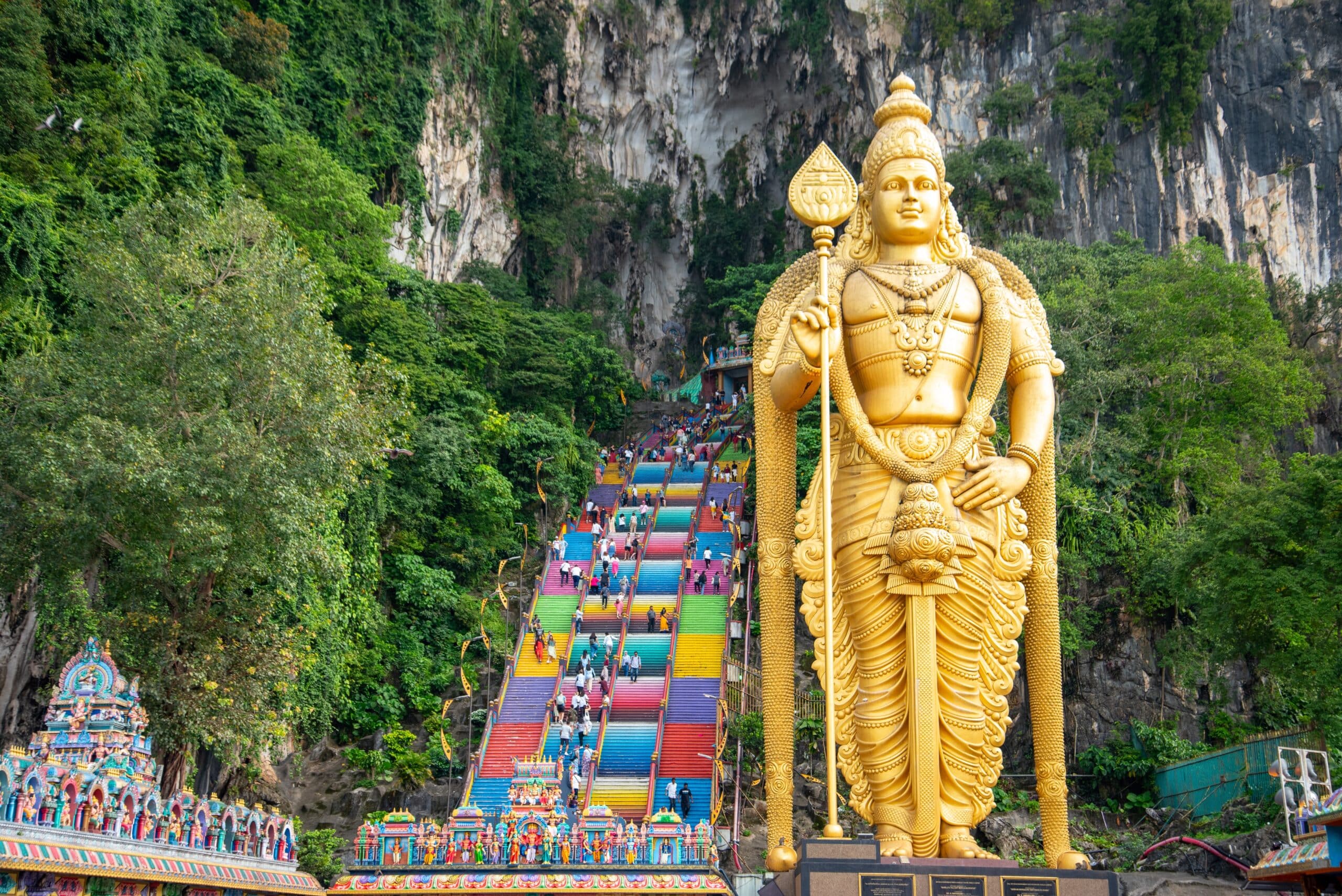
Batu Caves rise from a limestone hill north of Kuala Lumpur in Selangor, Malaysia. Geography here is karstic, shaped by millions of years of tropical weathering that dissolved ancient marine limestone into towering cliffs and cavernous chambers.
The limestone massif stands abruptly above the surrounding plain. Geography reinforces vertical relief uncommon in otherwise lowland terrain.
Steep rock faces shelter a series of caves formed through chemical erosion. Geography binds subterranean spaces to slow dissolution processes driven by rainfall and groundwater.
The largest cavern, known as Temple Cave, opens high above ground level. Geography requires ascent along a long staircase carved into the hillside.
Vegetation clings to cracks and ledges in the rock. Geography emphasizes biodiversity adapted to limestone microhabitats.
Batu Caves inspire through dramatic contrast between vertical stone walls and open sky. The land teaches endurance through adaptation to tropical rainfall and erosion, showing how resilience develops where soft sedimentary rock withstands centuries of climatic exposure.
Endurance here is geological and ecological. Geography requires protection of fragile karst systems and careful management of water infiltration that continues shaping the caves. Stability depends on conserving surrounding forest cover that regulates runoff and prevents excessive erosion.
Batu Caves reflect Malaysia’s tropical karst geography shaped by marine sediment deposition and long-term chemical weathering. Visitors encounter a landscape where resilience emerges from coexistence between ancient limestone formations and humid equatorial climate.