
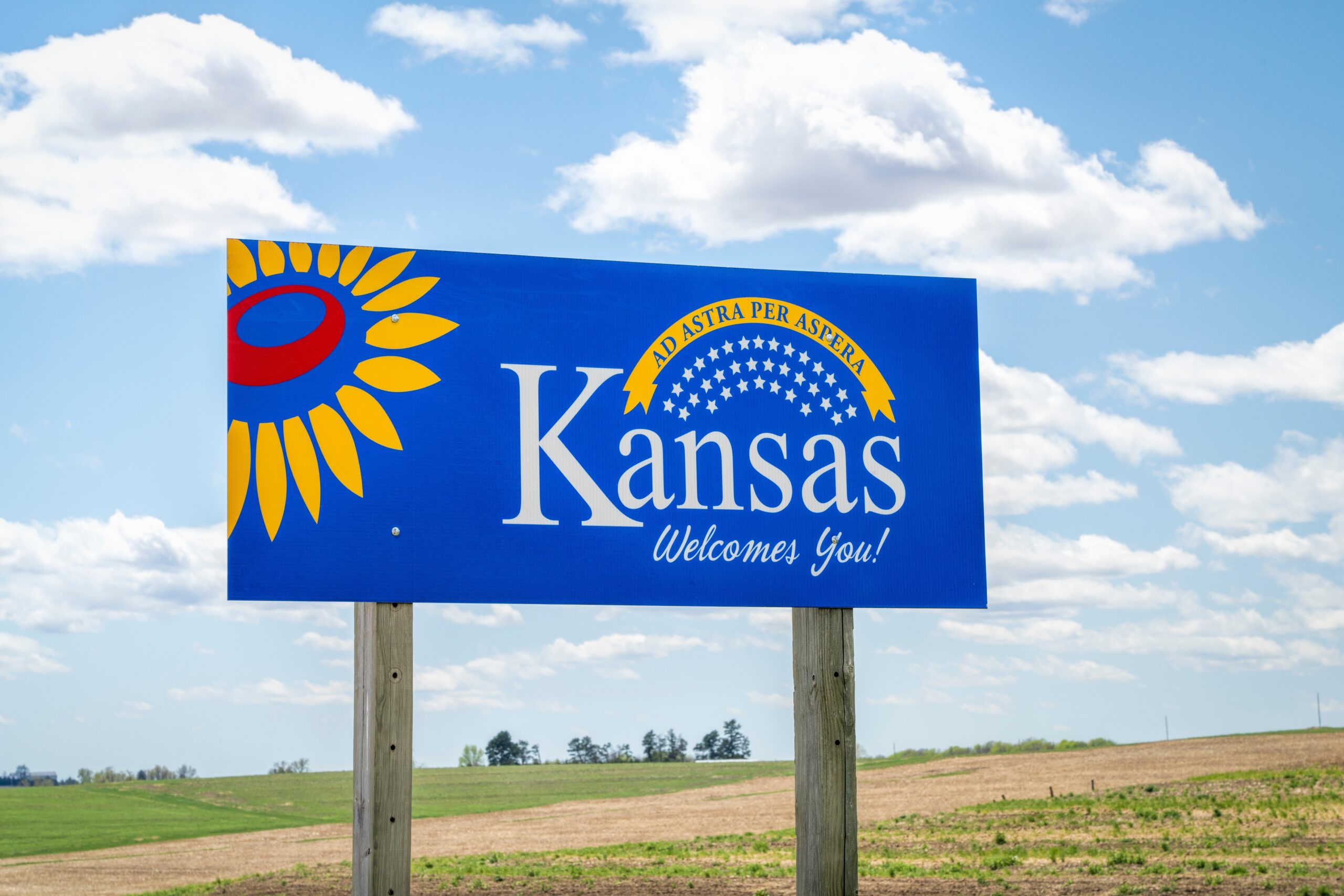
Kansas reveals itself slowly. At first glance, it is a state defined by horizontality—by sky stretched wide over fields of wheat and grass, by roads that run straight toward distant horizons. Yet this apparent simplicity conceals a landscape of remarkable depth, shaped by geology, migration, conflict, and endurance.
Kansas occupies the symbolic and geographic heart of America. It is where eastern woodlands give way to western plains, where rivers once guided Indigenous nations and later wagon trains, railroads, and settlers. The land remembers all of them. Prairie grasses bend as they always have, responding to wind rather than command, while small towns rise like islands of human intention within vast space.
History in Kansas is not ornamental; it is elemental. The state was forged in ideological struggle—most famously during the violent prelude to the Civil War—yet it also became a laboratory of democratic ideals, agricultural innovation, and community resilience. Farming here is not merely economic but cultural, binding families to seasons, weather, and soil.
Kansas is also a place of unexpected beauty. Flint Hills tallgrass prairies ripple like oceans, chalk formations emerge pale and surreal from the plains, and rivers carve green corridors through otherwise open land. Sunsets are expansive and unapologetic, storms theatrical and humbling.
To understand Kansas is to recalibrate expectations. It rewards attentiveness rather than spectacle, patience rather than speed. This is a state that teaches scale—of time, of effort, of silence. Kansas does not ask to be admired; it asks to be understood. Those who accept the invitation discover a landscape that feels both ancient and deeply human.
20. Wichita: Industry, Air, and Reinvention
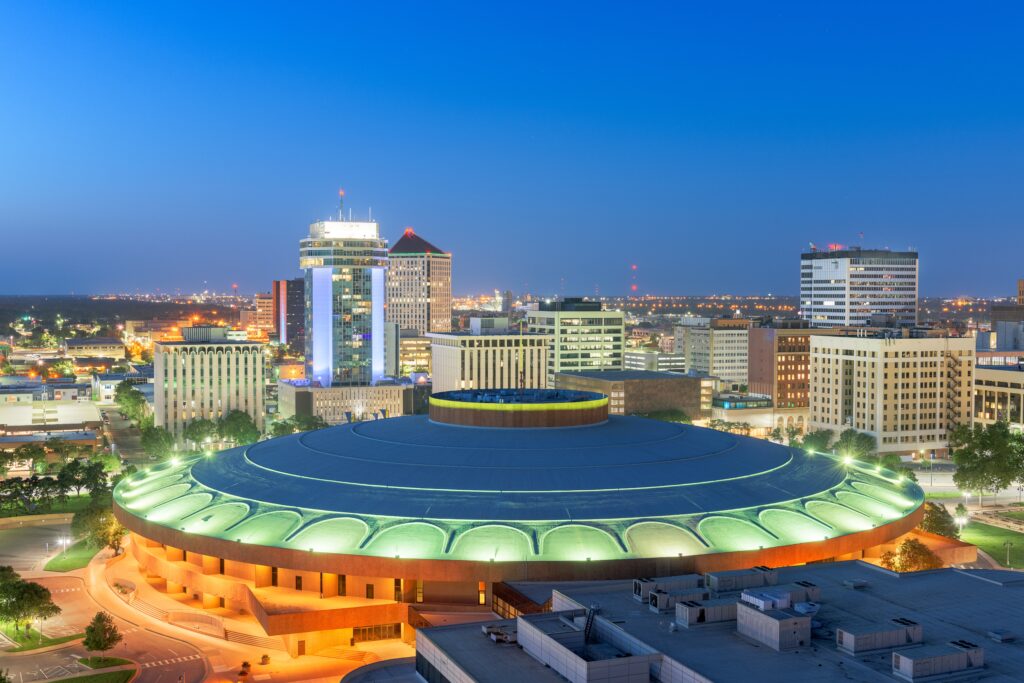
Wichita, Kansas’s largest city, rises from the plains with a spirit shaped by invention and resilience. Known as the “Air Capital of the World,” Wichita became a hub of aviation manufacturing in the 20th century, producing aircraft that carried Kansas ingenuity across the globe.
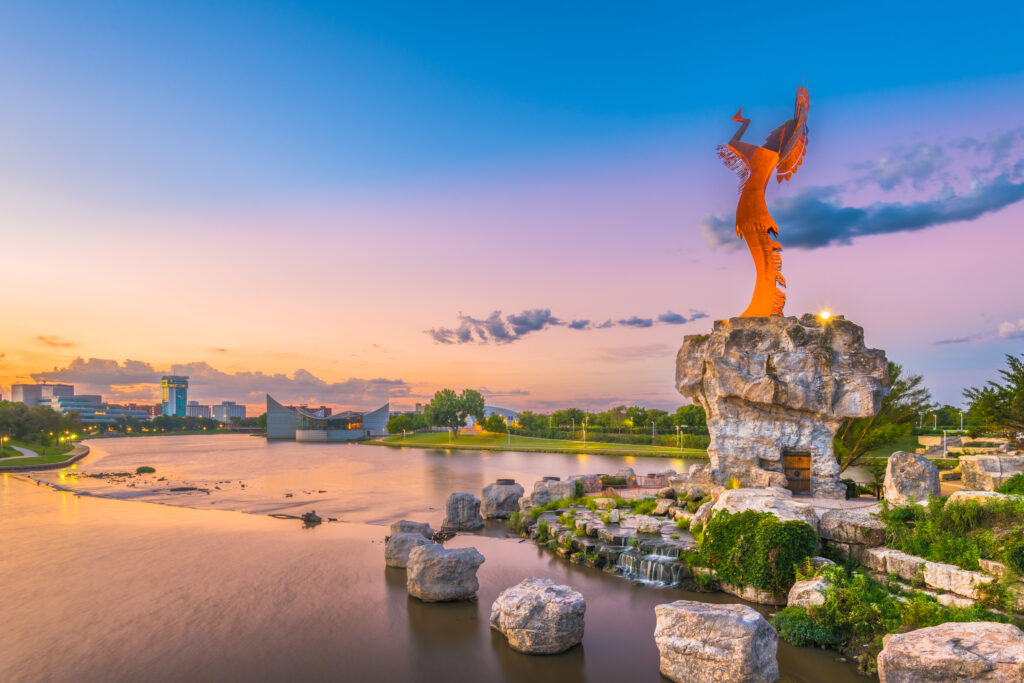
The city’s industrial heritage remains visible, yet Wichita has continually reinvented itself. Revitalized riverfronts, cultural districts, and public art spaces reflect a city learning to balance its working roots with creative ambition. The Arkansas River runs quietly through the city, grounding it in geography even as it looks forward.
Museums, music venues, and a growing culinary scene reveal a cultural confidence often overlooked by outsiders. Wichita feels practical rather than performative—a city that values substance over spectacle.
Wichita embodies modern Kansas: adaptive, industrious, and quietly expressive.
19. Lawrence: Ideas on the Prairie
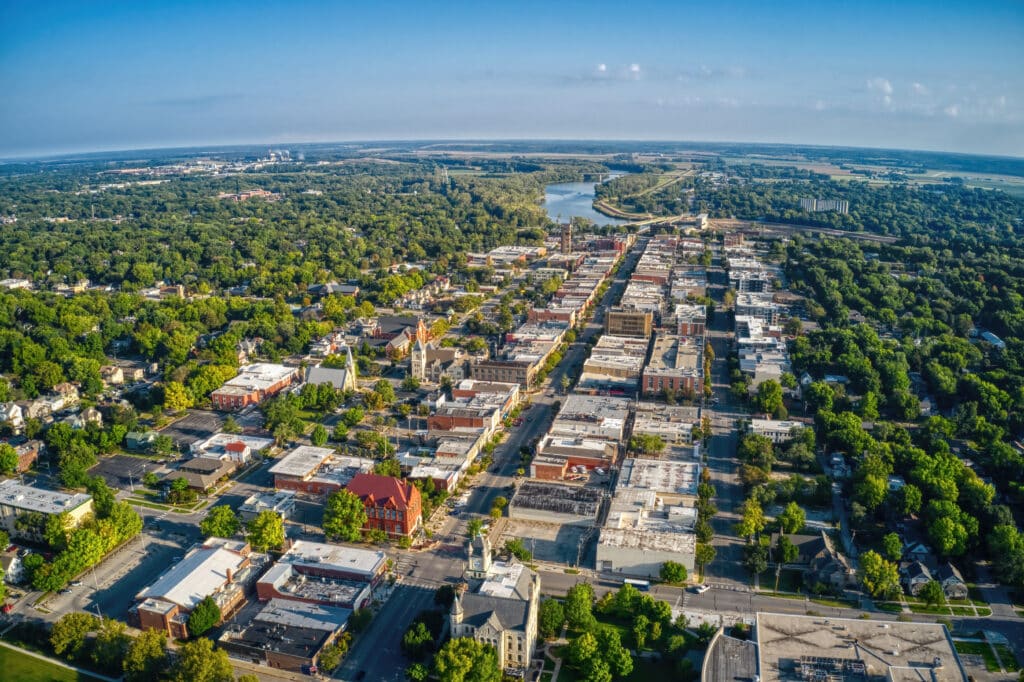
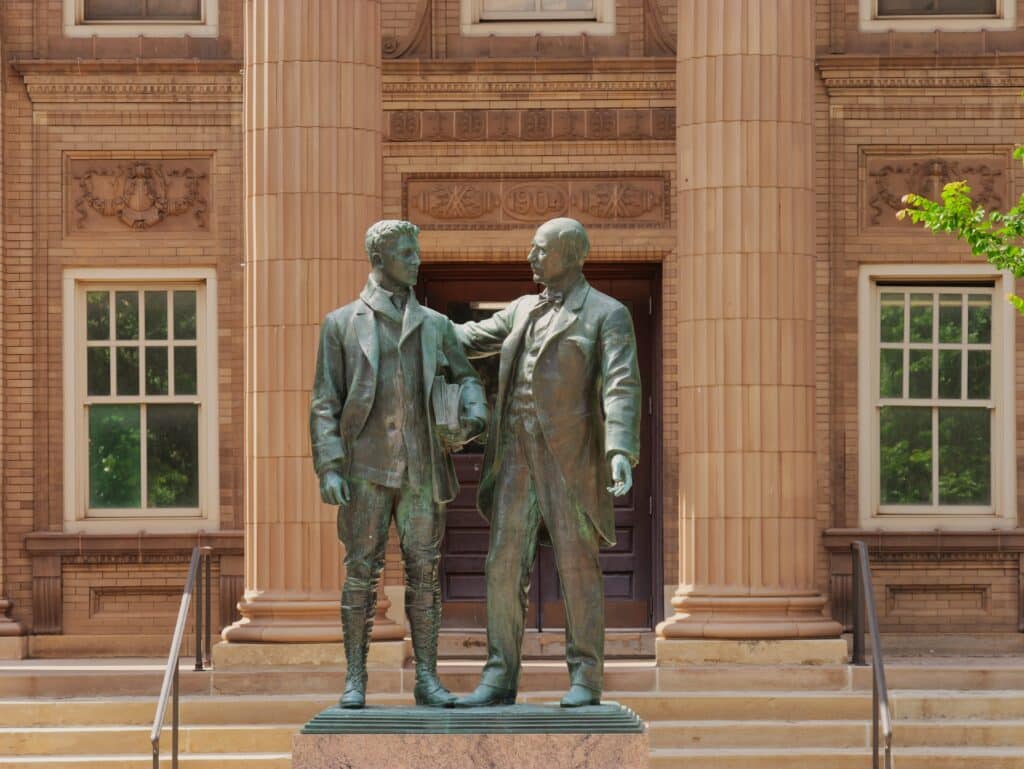
Set along the Kansas River, Lawrence feels intellectually alive in a way that contrasts gently with the surrounding plains. Home to the University of Kansas, the town has long been a center of progressive thought, activism, and artistic expression.

Historic downtown streets blend bookstores, cafés, and music venues, fostering a sense of openness and curiosity. Lawrence played a significant role in Kansas’s abolitionist history, and that legacy of moral engagement still shapes the town’s identity.
Natural spaces frame the community. Nearby hills, trails, and river corridors offer refuge and perspective, reminding residents that ideas grow best when rooted in place.
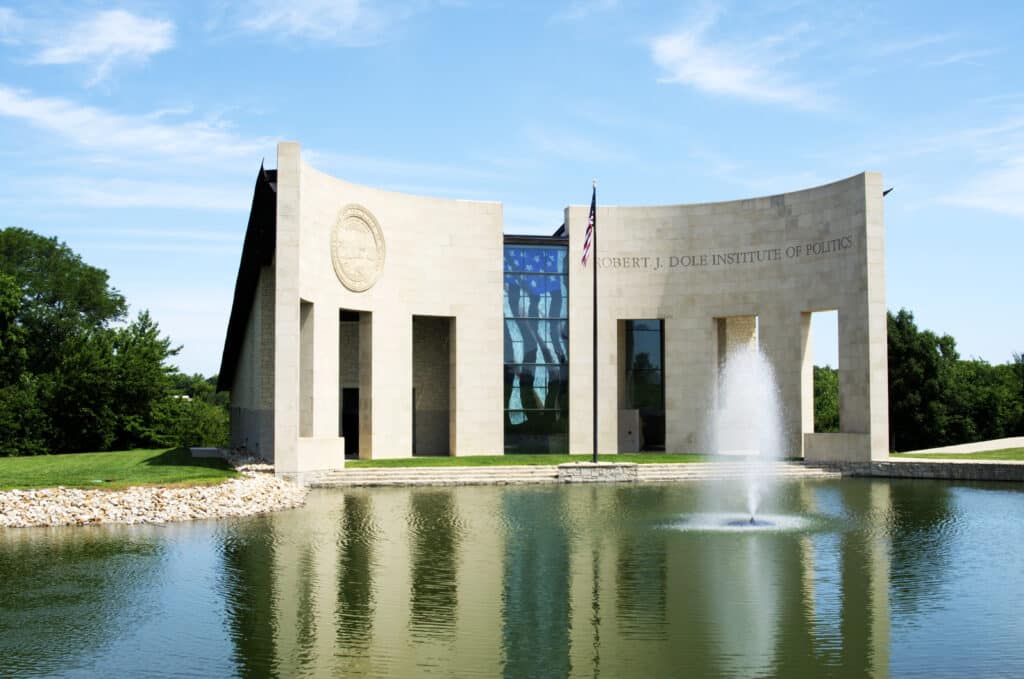
Lawrence represents Kansas’s reflective side—a reminder that the prairie has always been fertile ground for thought as well as grain.
18. Dodge City: Myth, Memory, and the Western Imagination
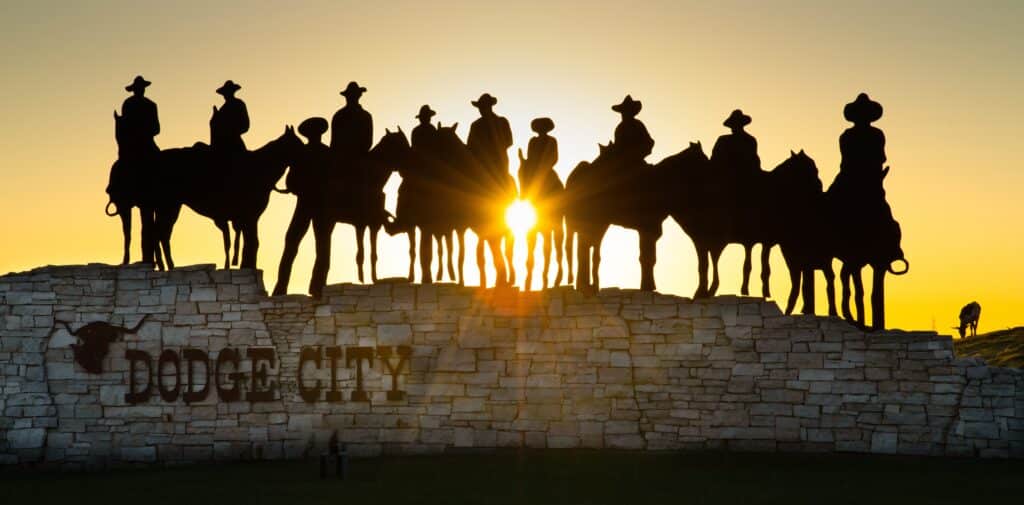
Few towns in America are as tightly bound to myth as Dodge City. Once a frontier outpost at the edge of settlement, it became synonymous with cattle drives, lawlessness, and the construction of the American West’s most enduring legends.
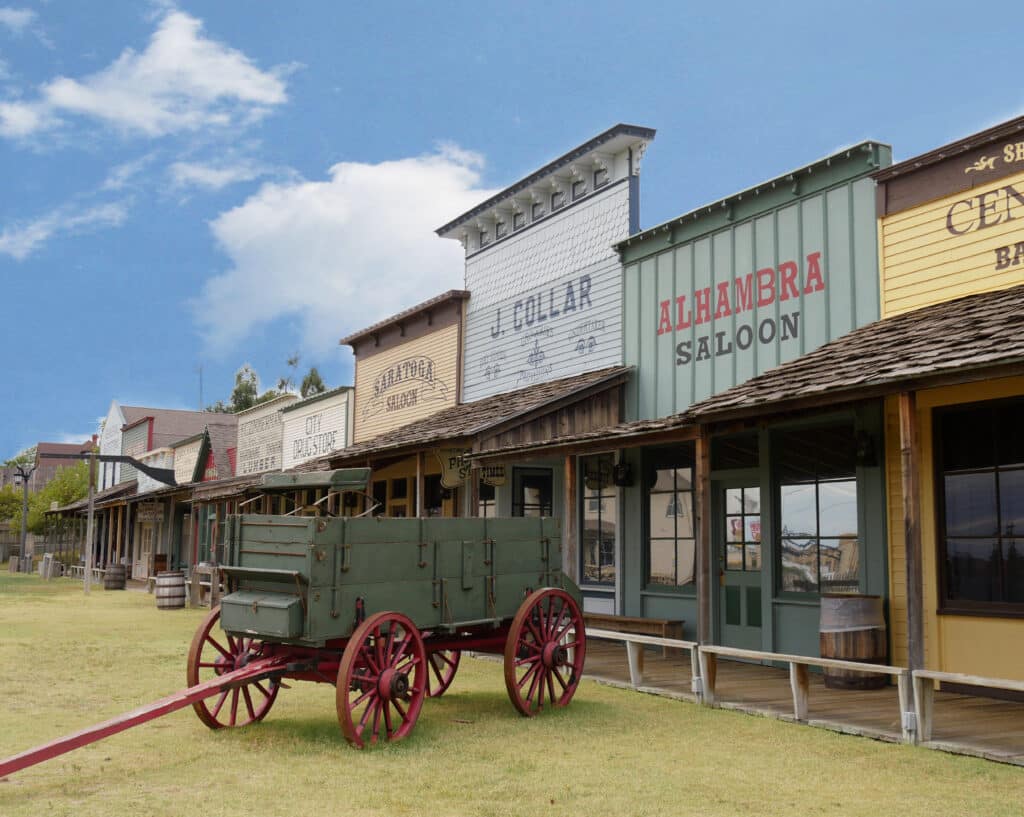
Yet beyond its cinematic reputation, Dodge City tells a more nuanced story. The city grew as a vital railroad hub and cattle market, connecting Texas herds to eastern markets. This convergence of industry and geography shaped not only the town but the economic development of the plains.
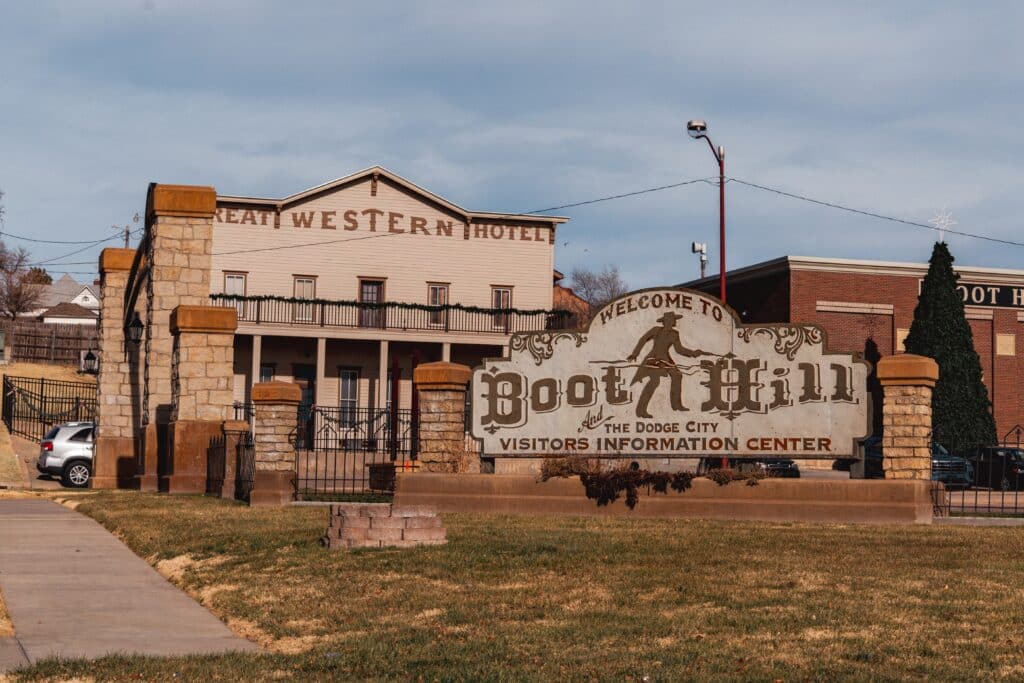
Today, preserved historic districts and museums engage openly with both the romance and reality of frontier life. Dodge City acknowledges its past without being trapped by it. Surrounding plains stretch outward, reminding visitors that the true drama of the West was less about gunfights and more about endurance, logistics, and adaptation.
Dodge City embodies Kansas’s ability to carry myth with humility—aware of the stories told, yet grounded in lived history.
17. Monument Rocks: The Chalk Pyramids of the High Plains
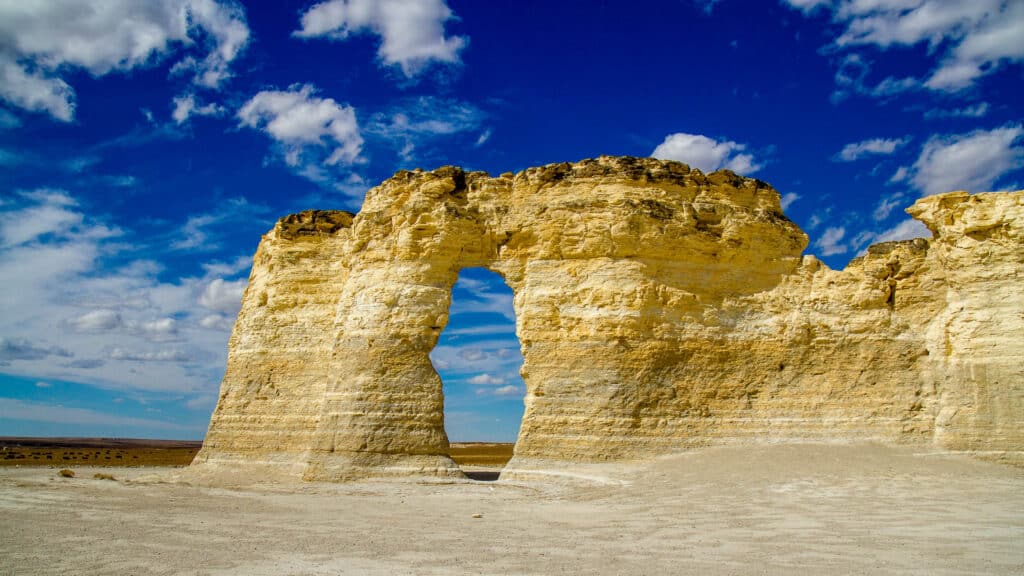
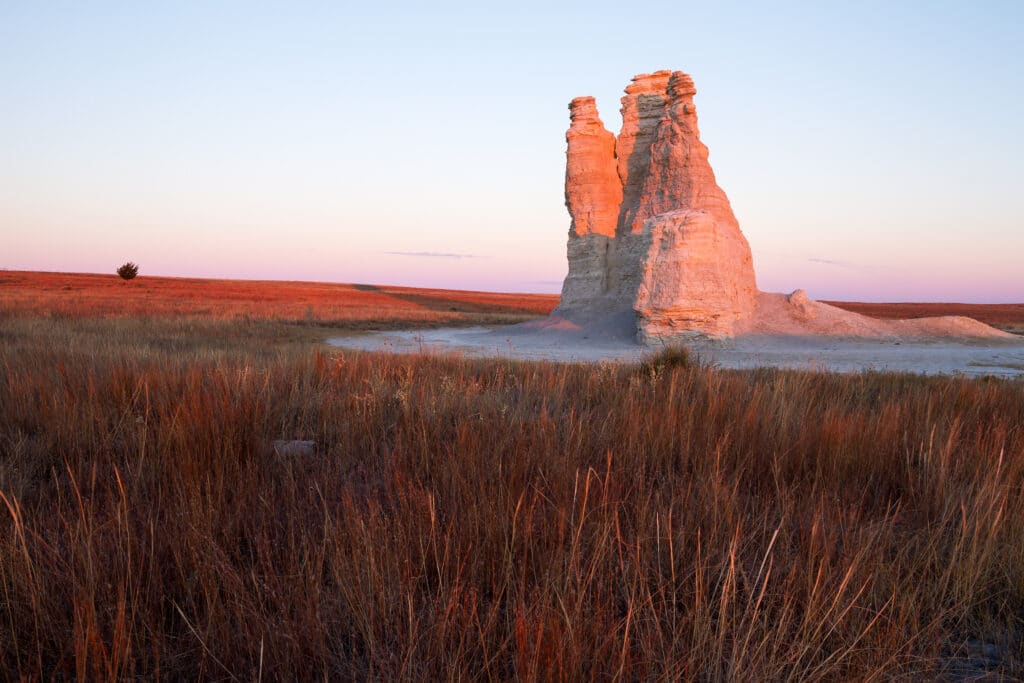
Rising unexpectedly from the flatlands of western Kansas, Monument Rocks—also known as the Chalk Pyramids—feel almost surreal. These towering limestone formations stand as remnants of an ancient inland sea that once covered the region, their pale surfaces shaped by erosion over millions of years.
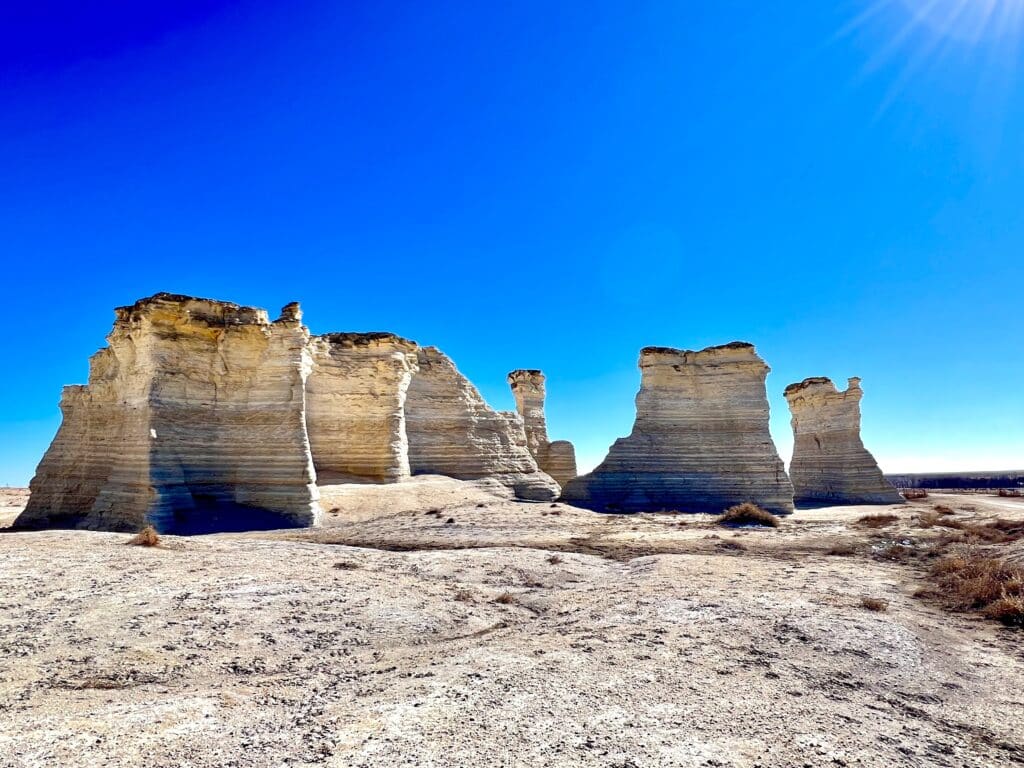
In a state defined by horizontality, Monument Rocks introduce verticality and mystery. Their forms resemble castles or spires, offering a stark contrast to the surrounding prairie. The silence here is profound, broken only by wind and distant birds.
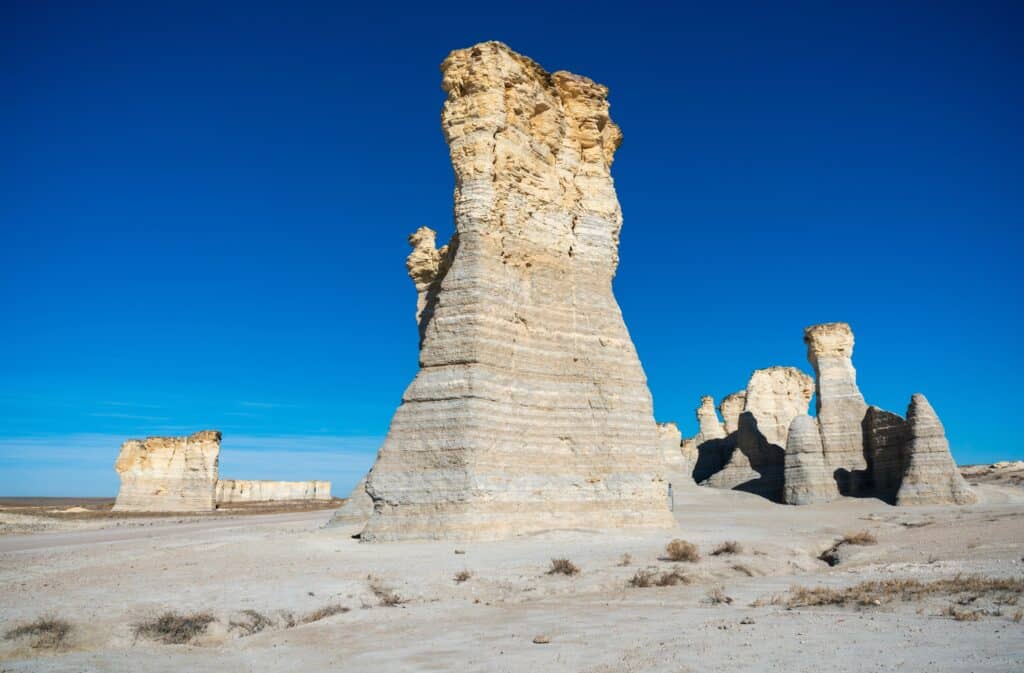
Designated a National Natural Landmark, Monument Rocks remind visitors that Kansas’s story extends far beyond human history. Fossils embedded in the chalk reveal marine life from a distant era, underscoring the land’s deep time.
This is Kansas at its most unexpected—geologically dramatic, visually arresting, and humbling in scale.
16. Manhattan: Gateway to the Flint Hills
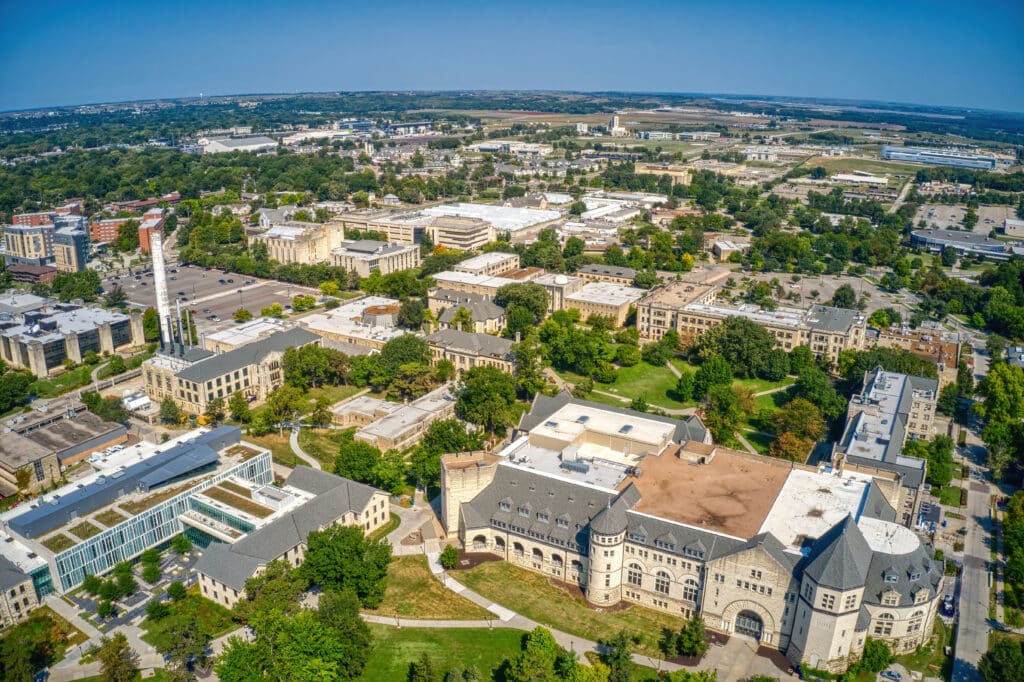
Known affectionately as “The Little Apple,” Manhattan, Kansas, occupies a strategic and symbolic position at the edge of the Flint Hills. Anchored by Kansas State University, the city blends academic energy with deep agricultural roots.
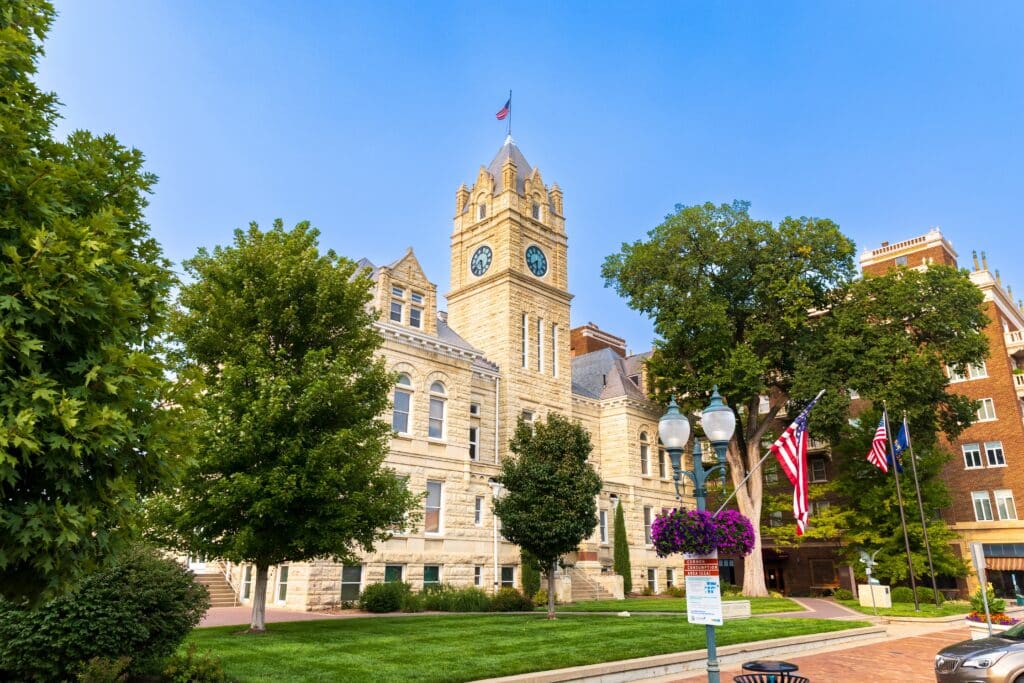
Manhattan feels outward-looking and engaged. Students, researchers, and residents contribute to a civic culture that values innovation while remaining grounded in tradition. The university’s focus on agricultural science reinforces the city’s connection to the land, linking global food systems to local practice.
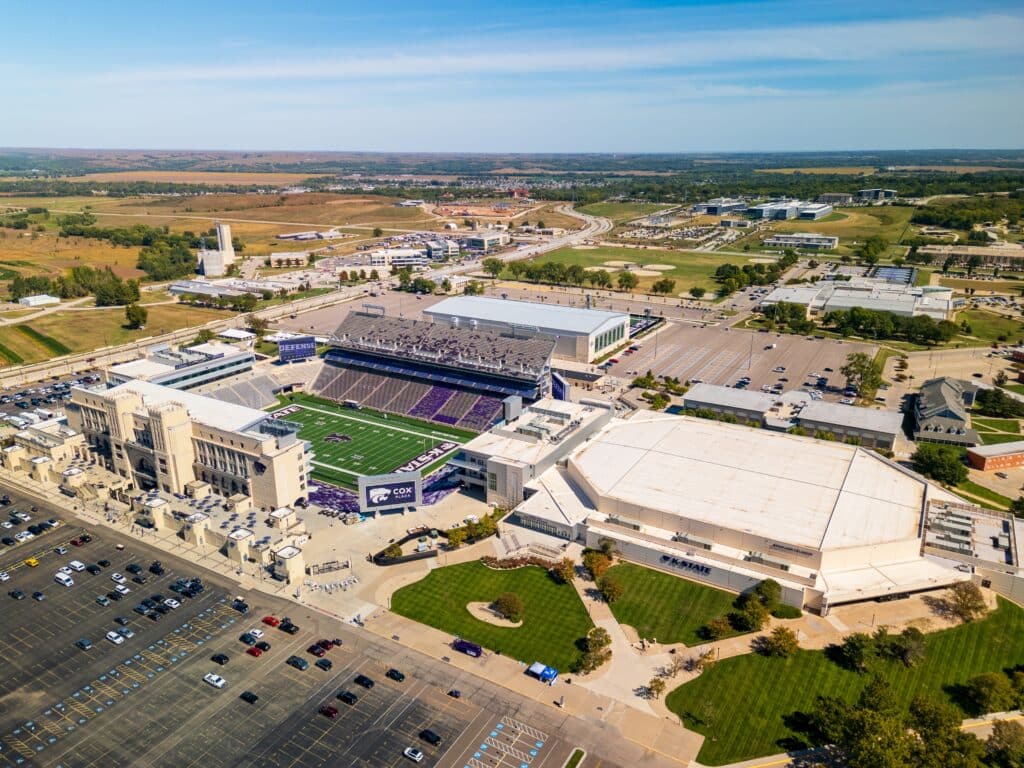
Nearby tallgrass prairie and scenic byways invite exploration, offering immediate access to some of the state’s most beautiful landscapes. Manhattan functions as both threshold and crossroads—a place where knowledge meets land, and future meets continuity.
The city reflects Kansas’s evolving identity: thoughtful, collaborative, and rooted in place.
15. The Santa Fe Trail: A Corridor of Movement

Long before highways stitched the plains together, the Santa Fe Trail carved a path across Kansas, shaping the state as a place of passage and exchange. This historic route connected Missouri to the Southwest, carrying traders, settlers, soldiers, and ideas across vast distances.
Remnants of the trail remain visible in ruts etched into the land, especially where prairie grasses have preserved their contours. These marks are subtle but powerful, evidence of repeated movement across an unforgiving landscape. Along the route, river crossings and trading posts gave rise to towns that still trace their origins to this era of mobility.
The Santa Fe Trail reveals Kansas not as a destination but as a connective tissue—a place defined by flow, negotiation, and encounter. Its legacy is embedded in the state’s roads, communities, and sense of openness.
14. Abilene: Eisenhower and the Quiet Center of Power
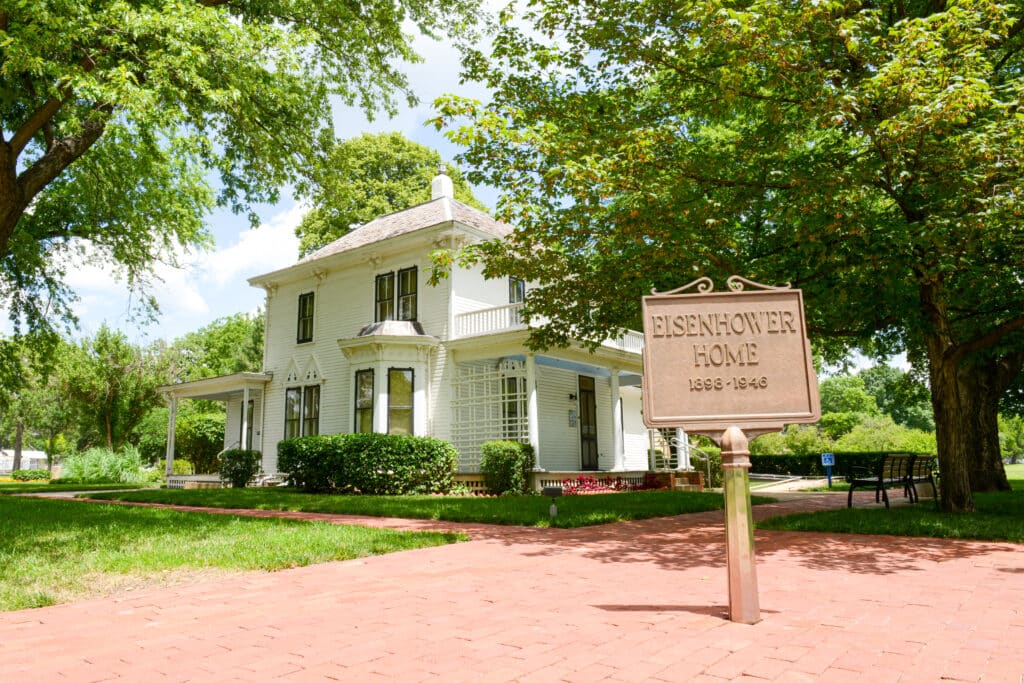
Abilene occupies a modest place on the Kansas plains, yet its influence extends far beyond its size. Once a booming cattle town, Abilene later became the boyhood home of Dwight D. Eisenhower, whose presidency shaped mid-20th-century America.
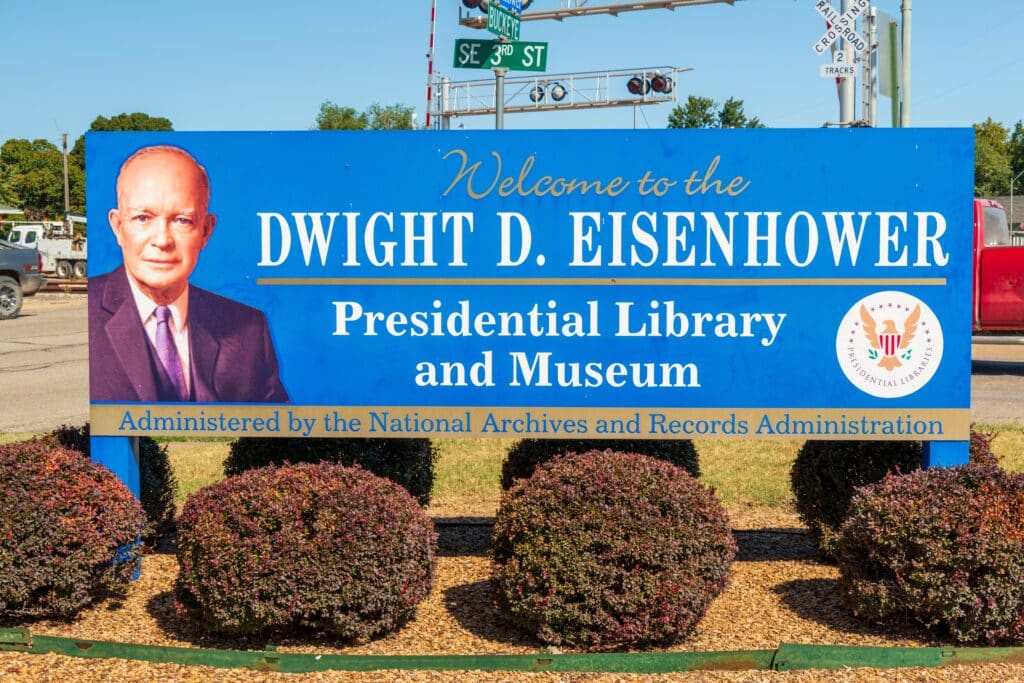
The Eisenhower Presidential Library and Museum anchors the town, reflecting values of restraint, service, and global responsibility. Abilene’s calm, orderly streets seem to echo Eisenhower’s own temperament—measured, deliberate, and grounded.
Surrounding farmland reinforces the town’s agricultural roots, while preserved historic sites recall its earlier frontier role. Abilene stands as a reminder that leadership often emerges from quiet places.
13. The Smoky Hills & Mushroom Rock State Park
The Smoky Hills region introduces texture and complexity to central Kansas. Rolling hills, sandstone outcrops, and winding creeks break the prairie’s flatness, creating a landscape shaped by erosion and time.
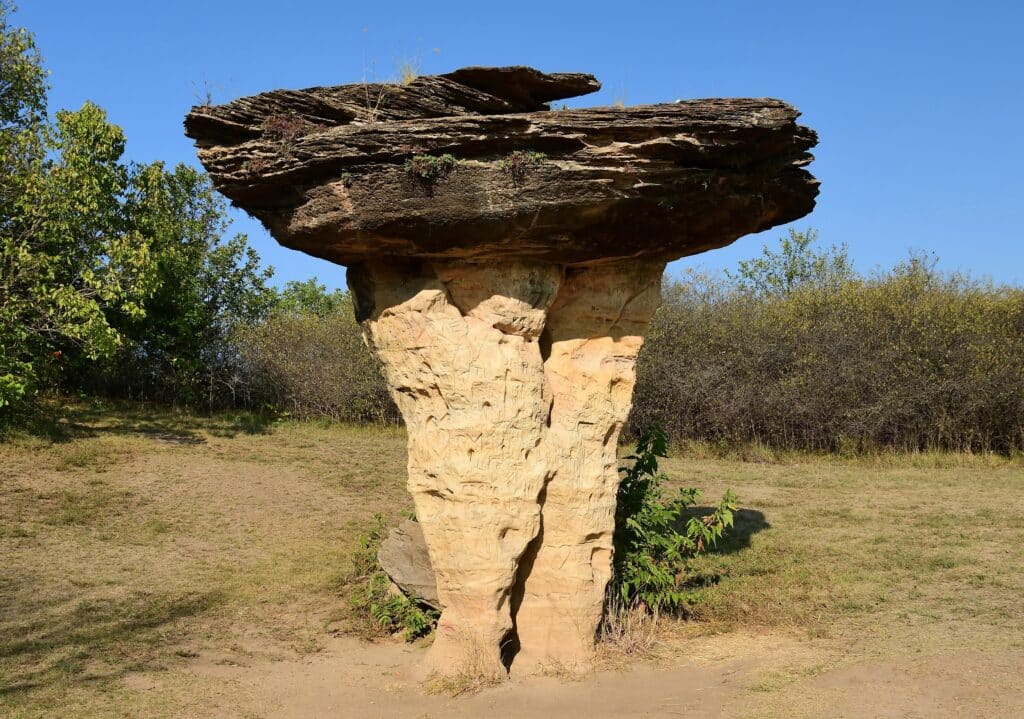
Within this region, Mushroom Rock State Park showcases some of Kansas’s most unusual formations. Balancing atop narrow pedestals, the rocks resemble natural sculptures, their forms both whimsical and ancient.
The Smoky Hills offer a more intimate Kansas—less expansive than the plains, more intricate in detail. This is a place for quiet exploration, where geological stories unfold at human scale.
12. Topeka: Power, Justice, and Civic Memory
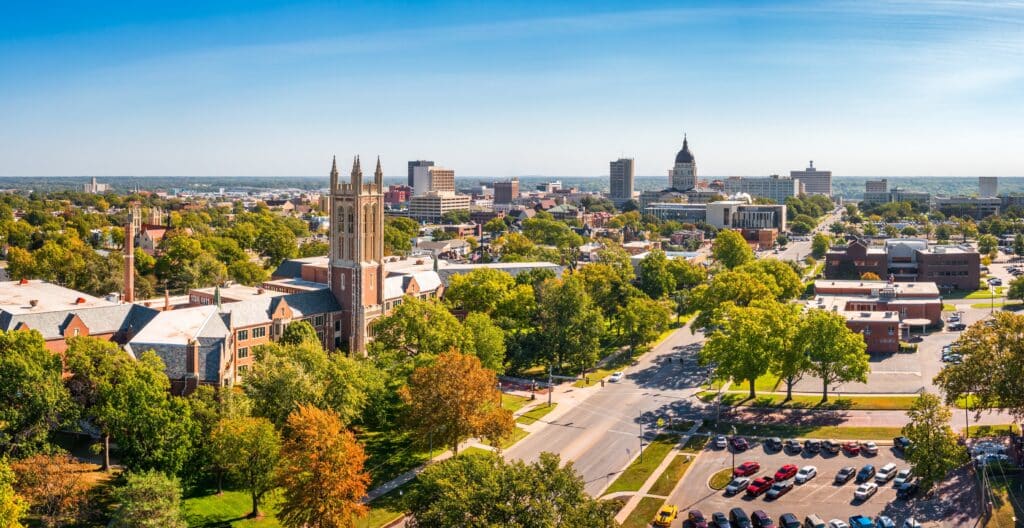
As the capital of Kansas, Topeka embodies the state’s civic conscience. More than an administrative center, it is a place where national history unfolded in ways that reshaped American society. The landmark Brown v. Board of Education Supreme Court case originated here, marking a decisive moment in the struggle for civil rights.
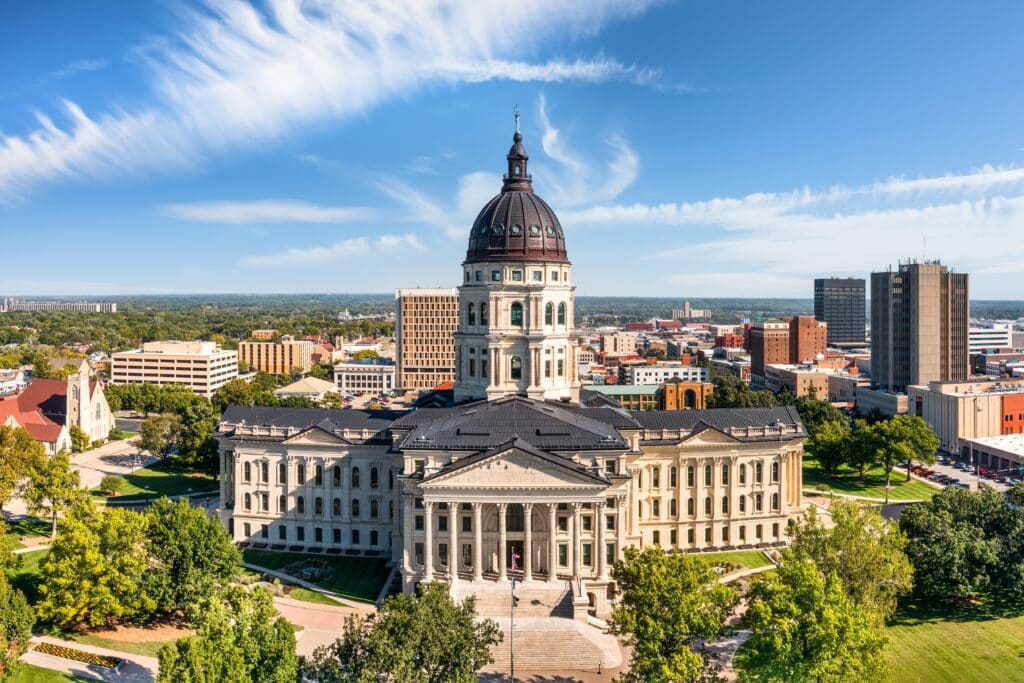
The Brown v. Board National Historic Site preserves this legacy, offering reflection on justice, equality, and the responsibilities of democracy. Topeka’s governmental institutions coexist with residential neighborhoods and riverfront spaces, grounding policy in daily life.

The city’s relationship with the Kansas River reinforces a sense of continuity, reminding visitors that governance, like the river, flows through time shaped by collective effort.
10. Greensburg: Renewal After the Storm
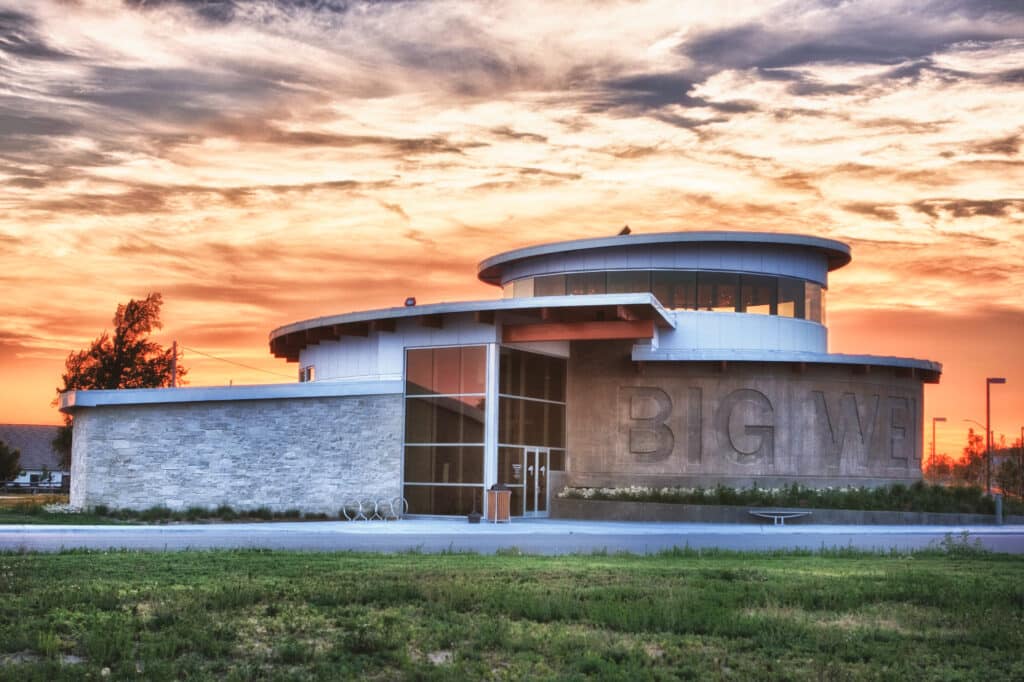
In 2007, a catastrophic tornado nearly erased Greensburg from the map. What followed became one of Kansas’s most compelling stories of resilience. Rather than simply rebuilding, the community committed to sustainability, transforming Greensburg into a model of green design.
Today, energy-efficient buildings, renewable power systems, and innovative architecture define the town. The devastation became an opportunity for reinvention grounded in foresight and cooperation.
Greensburg stands as a modern chapter in Kansas history—a testament to adaptability, courage, and collective will in the face of nature’s extremes.
9. The Gypsum Hills: Red Earth and Open Range
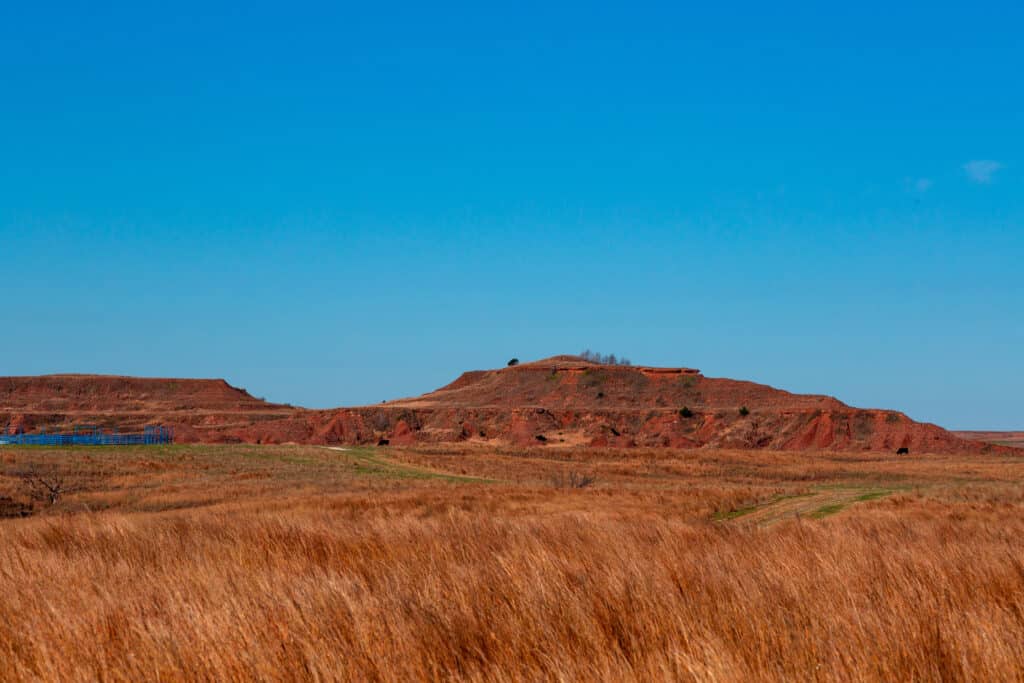
In south-central Kansas, near the Oklahoma border, the Gypsum Hills—also called the Red Hills—transform the state’s landscape into something elemental and unexpected. Here, the prairie folds into deep canyons and buttes of crimson rock, streaked with white gypsum and dotted with juniper.
The color alone astonishes: red clay glowing at sunrise, fading to rust under midday sun, then burning again at dusk. Wind carries the scent of sage and the low rattle of grasshoppers. Herds of cattle graze along the ridges, their silhouettes small against the sweep of land.
This is ranch country, but also geologic country. Streams cut through selenite beds and reveal layers older than memory. Few roads intrude, and the sense of isolation feels less empty than sacred—a reminder that quiet can be its own form of abundance.
The Gypsum Hills distill Kansas to its essence: vast, resilient, luminous under an enormous sky.
8. Pittsburg: Industry and Immigration in the Southeast
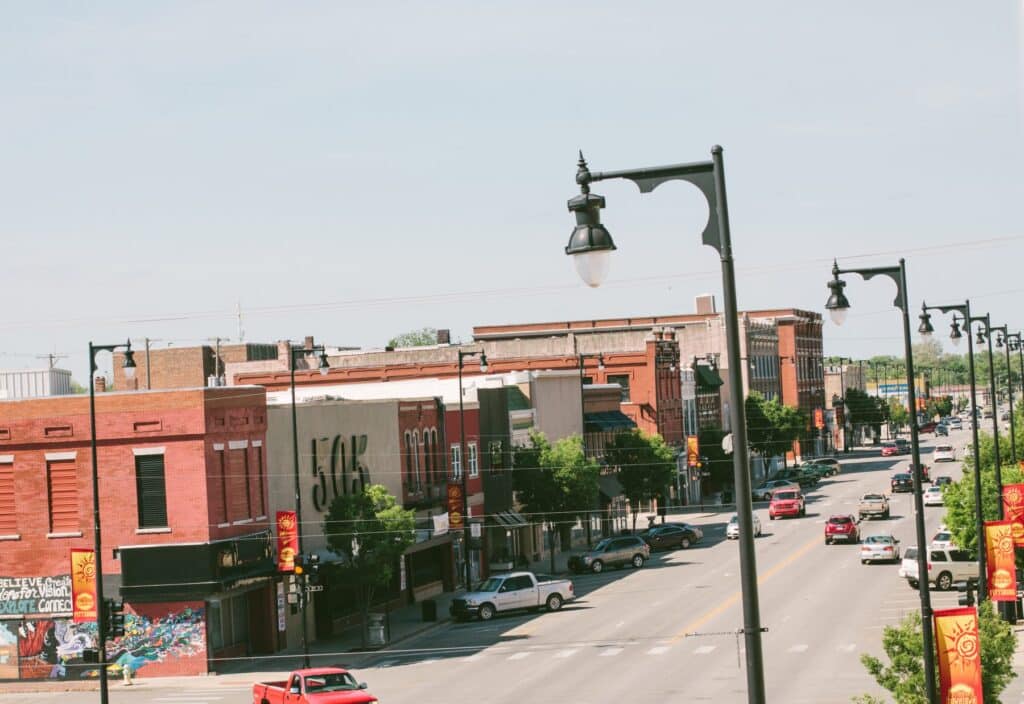
Pittsburg, in the far southeast corner of Kansas, was born of coal and forged by labor. In the late nineteenth century, mines drew immigrants from across Europe—Italians, Slovenians, Croatians, and others—whose traditions still shape the town’s cultural rhythm.
The legacy of those workers endures in food, faith, and community institutions. Churches with tall steeples punctuate the skyline; cafés and social halls preserve recipes and dialects that link Kansas to distant continents. Pittsburg State University adds academic vitality, grounding the town in both history and progress.
Though mining has faded, the ethic of endurance remains. Festivals celebrate heritage not as nostalgia but as continuity. The surrounding Cherokee County countryside, with its patchwork of reclaimed land and prairie, reminds visitors that regeneration follows even the deepest extraction.
Pittsburg embodies the industrious heart of Kansas—where identity was not inherited but built, one generation at a time.
7. Atchison: Amelia Earhart and the River Town Past
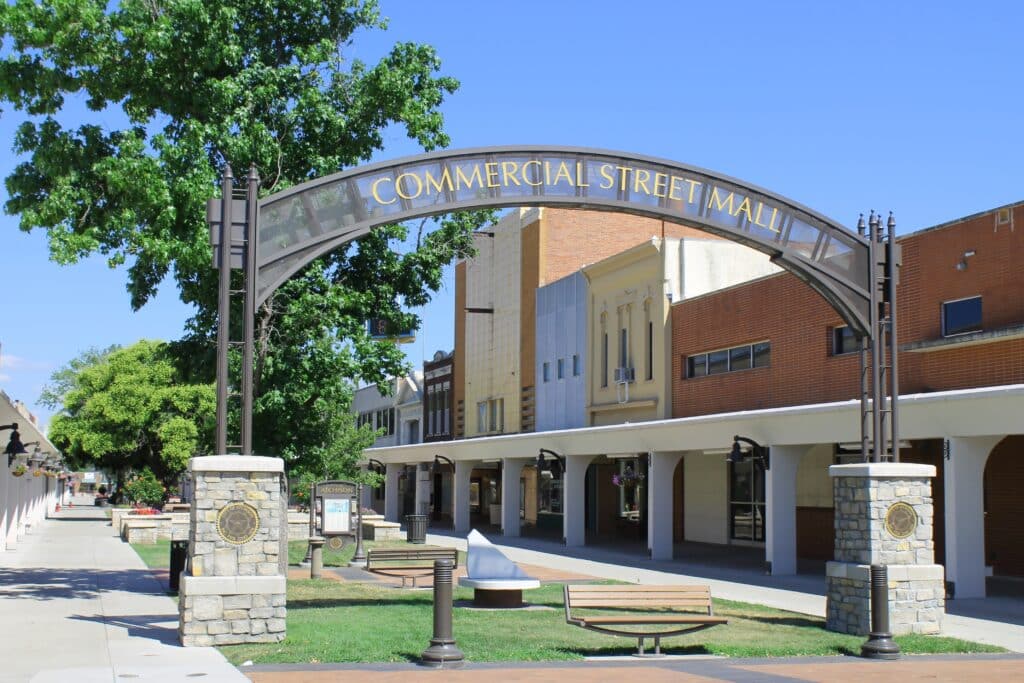
Perched high above the Missouri River, Atchison combines riverine grace with frontier history. Its broad streets and Victorian homes recall an era when steamboats docked below the bluffs and commerce flowed with the current.
Atchison’s most famous daughter, Amelia Earhart, lends the town an aura of daring and imagination. Her childhood home, now a museum, overlooks the same waters that must have stirred her early sense of adventure. Each July, festivals honor her spirit—not through spectacle, but through community pride in curiosity and courage.
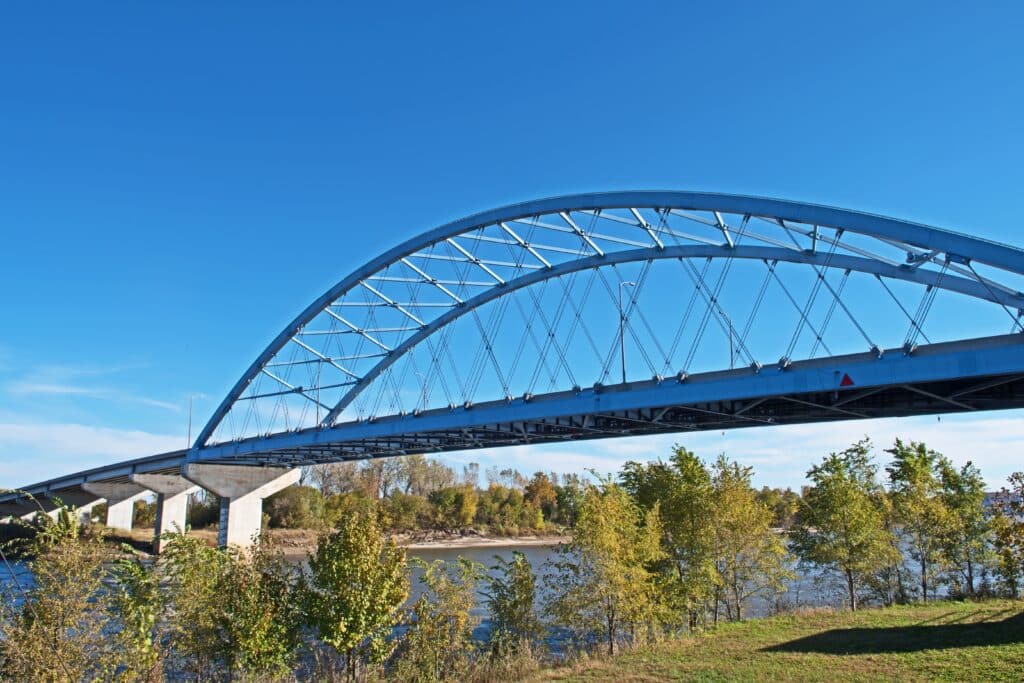
The town’s brick architecture, leafy neighborhoods, and riverside parks invite slow exploration. Standing at the overlook as barges move downstream, one senses continuity rather than nostalgia. The Missouri remains the same restless force that shaped the town’s destiny.
Atchison speaks to Kansas’s layered identity—rooted in stability, yet always glancing toward the open sky.
6. Hays: Fort, Frontier, and the Shaping of the Plains
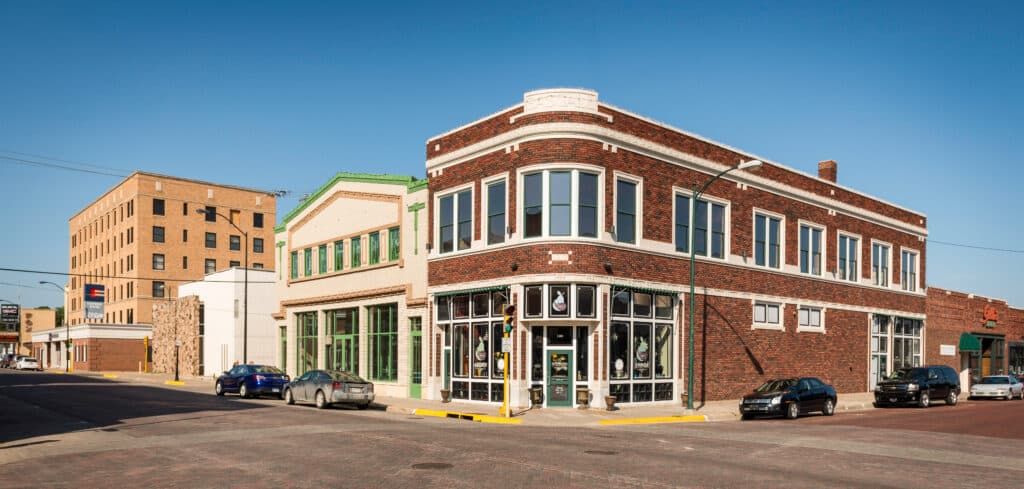
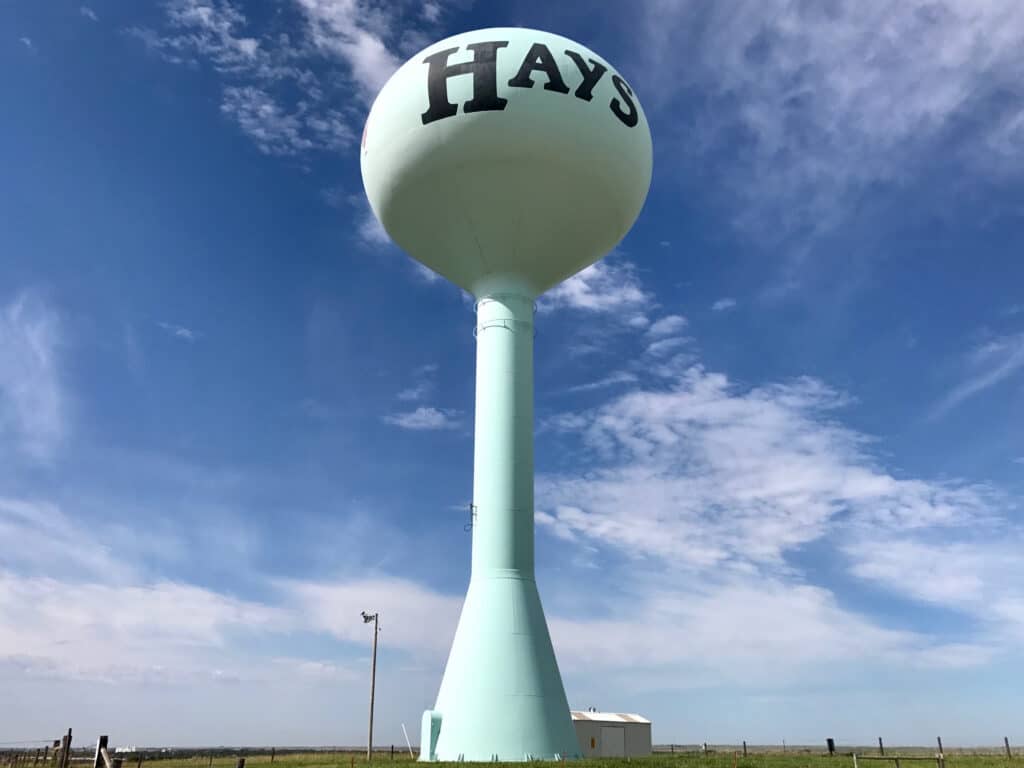
Hays stands at a historical hinge point in western Kansas, where military presence, settlement, and survival converged. Founded near Fort Hays, the town emerged as a safeguard along rail lines and migration routes during a period of tension and transformation on the High Plains.
The restored fort preserves more than buildings; it preserves atmosphere. One senses the uncertainty of a landscape not yet fully known to its settlers, where endurance mattered as much as ambition. The fort’s limestone structures, grounded and pragmatic, reflect a frontier shaped by necessity rather than romance.
Modern Hays has grown into a regional center anchored by Fort Hays State University, which brings energy and cultural life to the plains. The town balances academic inquiry with agricultural continuity, offering a bridge between past and present.
Surrounding wheat fields stretch toward the horizon, reinforcing the scale that defines western Kansas. Hays does not dramatize its history—it integrates it, allowing frontier memory to coexist with contemporary life.
5. Emporia: Letters, Learning, and the Interior Life
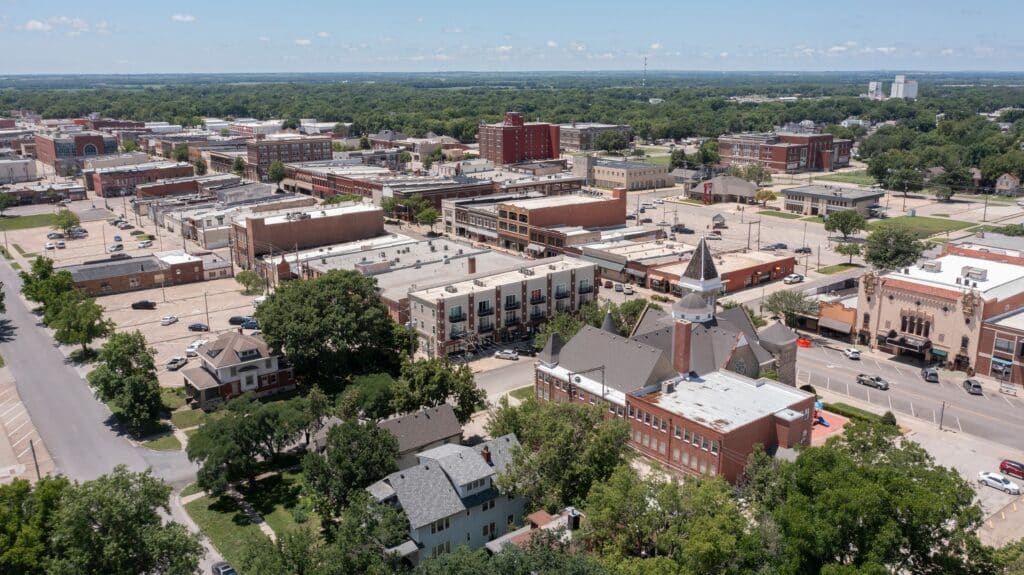
At the crossroads of rail lines and rivers, Emporia has long been a town shaped by words. As the home of Emporia State University and a historic center of newspaper publishing, the town developed an unusual intellectual gravity for its size.
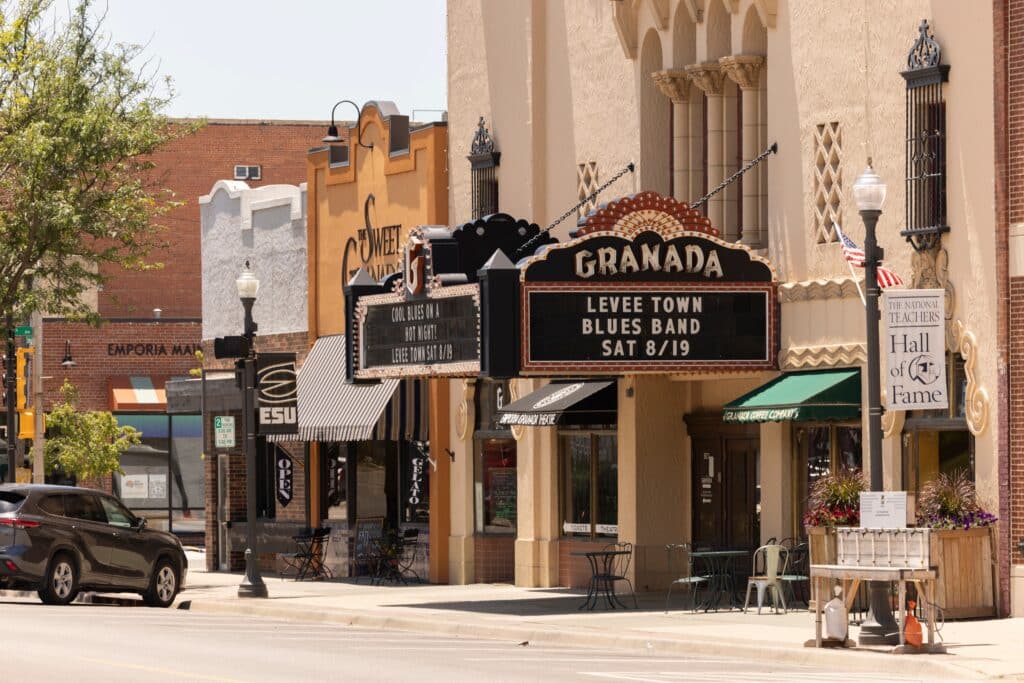
The Emporia Gazette, once edited by William Allen White, helped shape national discourse from a decidedly Midwestern vantage point. That legacy endures in a town that values conversation, education, and civic engagement.
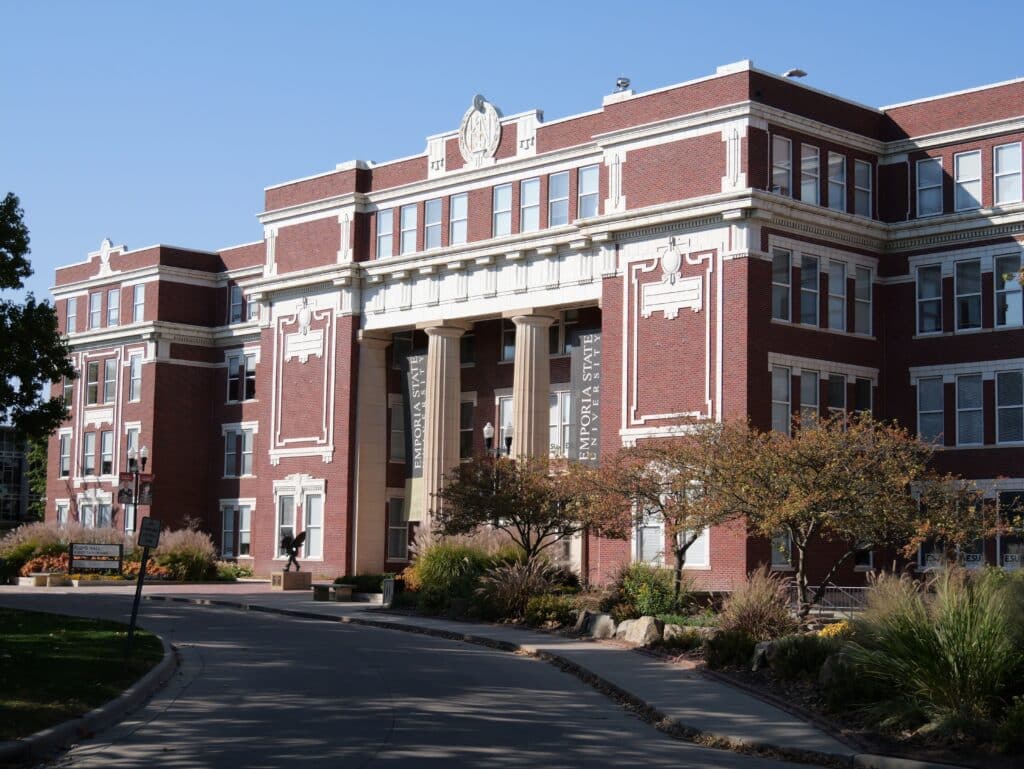
Emporia’s physical landscape mirrors its interior one. Tree-lined neighborhoods, brick campuses, and nearby tallgrass prairie create a setting conducive to reflection. The surrounding Flint Hills lend openness, reinforcing the idea that thought flourishes in space.
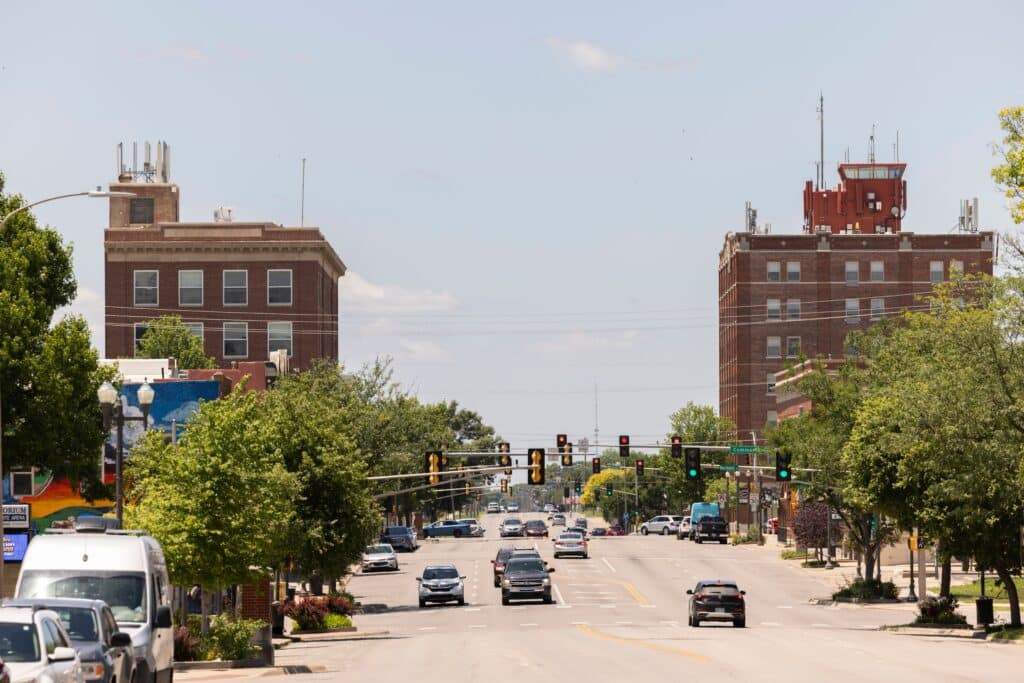
Emporia represents a Kansas that listens carefully—to language, to ideas, to community. It is proof that cultural influence does not require proximity to coasts, only commitment to clarity and purpose.
4. Garden City: The Western Reach
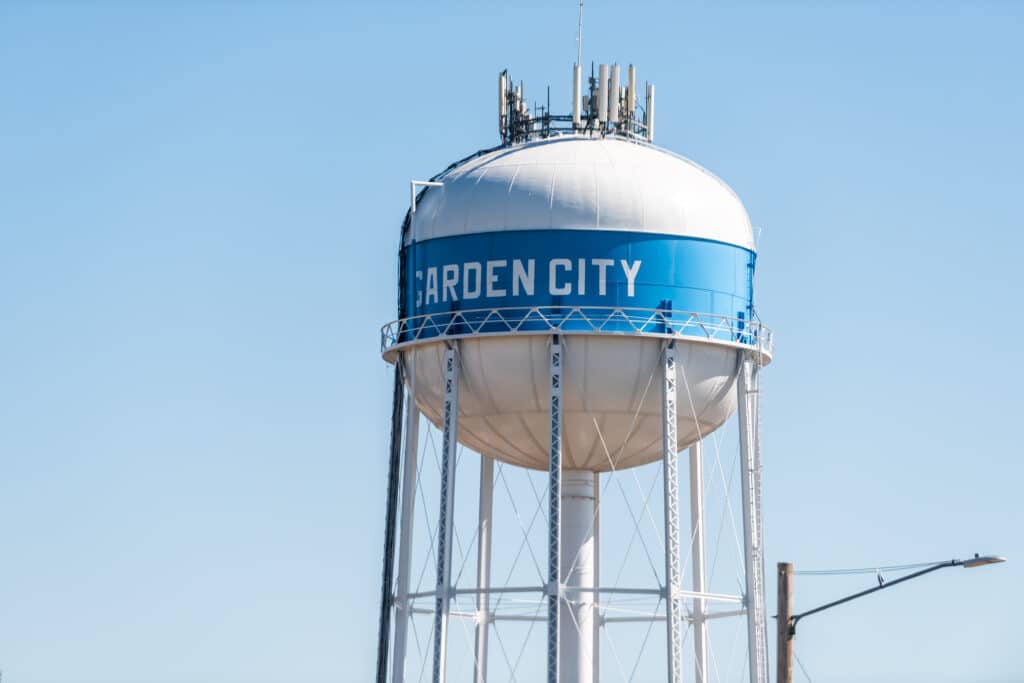
In far southwestern Kansas, Garden City rises from the plains with surprising vitality. Its name hints at aspiration, and indeed the city represents the human effort to cultivate abundance in a demanding environment.
Irrigation transformed this region, allowing agriculture to flourish where rainfall alone would not suffice. Today, Garden City anchors a vast agricultural network, connecting Kansas’s wheat, corn, and beef industries to global markets.
The city’s population reflects this global reach. Immigrant communities from Latin America, Asia, and Africa have reshaped Garden City’s cultural landscape, creating a place where languages and traditions intersect against the backdrop of open plains.
Despite its industrial scale, the city maintains a sense of groundedness. Parks, schools, and neighborhoods form a resilient social fabric. Garden City embodies Kansas’s western edge—not empty or isolated, but industrious, adaptive, and outward-looking.
3. Cimarron National Grassland: The Southern High Plains
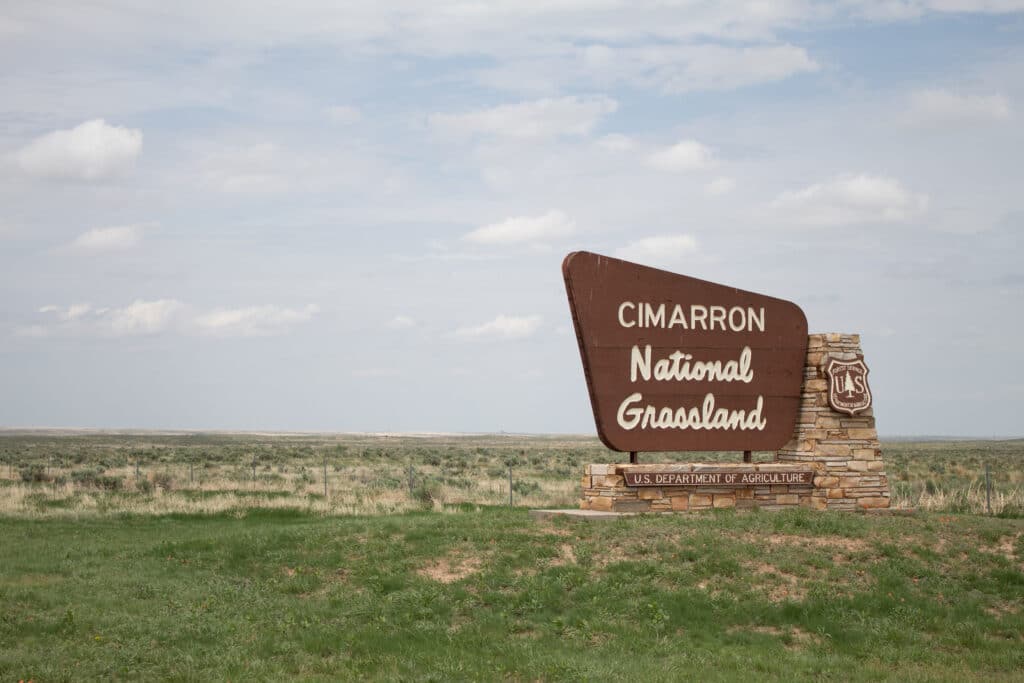
At the far southwestern corner of Kansas lies the Cimarron National Grassland, a landscape shaped by extremes. Wind moves freely across shortgrass prairie, carrying the scent of dust and sage, while distant horizons seem almost infinite. This is Kansas reduced to elemental form.
The grassland sits along the historic Santa Fe Trail, and traces of wagon ruts still mark the earth. Here, history feels immediate and fragile, etched lightly into land that has endured far longer than human passage.
Wildlife thrives in this open space—prairie chickens, pronghorn, and migratory birds navigate the plains with instinctive precision. The absence of visual clutter allows sky and land to dominate perception, reinforcing humility and perspective.
Cimarron is not a place of spectacle but of scale. It teaches patience, attentiveness, and respect for forces larger than oneself. In this vast quiet, Kansas speaks most clearly.
2. Lindsborg: A Little Sweden on the Prairie
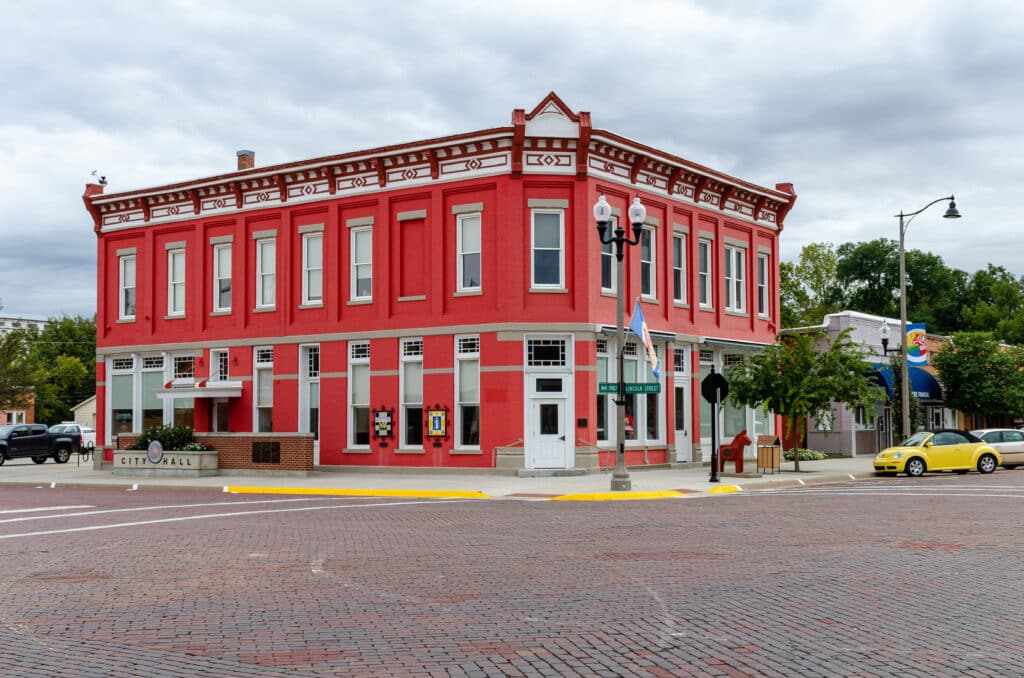
Nestled near the Smoky Hills, Lindsborg offers a cultural counterpoint to the surrounding plains. Founded by Swedish immigrants, the town preserves its heritage with sincerity rather than performance.
Colorful Dala horses, folk festivals, and traditional architecture create a sense of continuity across generations. Bethany College anchors the town intellectually, while arts and music flourish in spaces both formal and informal.
Lindsborg’s setting enhances its charm. Prairie and hills frame the town gently, reinforcing the idea that cultural memory can take root even in wide-open land. Seasonal change is marked not only by weather, but by ritual and celebration.
Lindsborg demonstrates Kansas’s capacity for plural identity—a reminder that the prairie has always welcomed new traditions.
1. The Flint Hills: Last Sea of Tallgrass
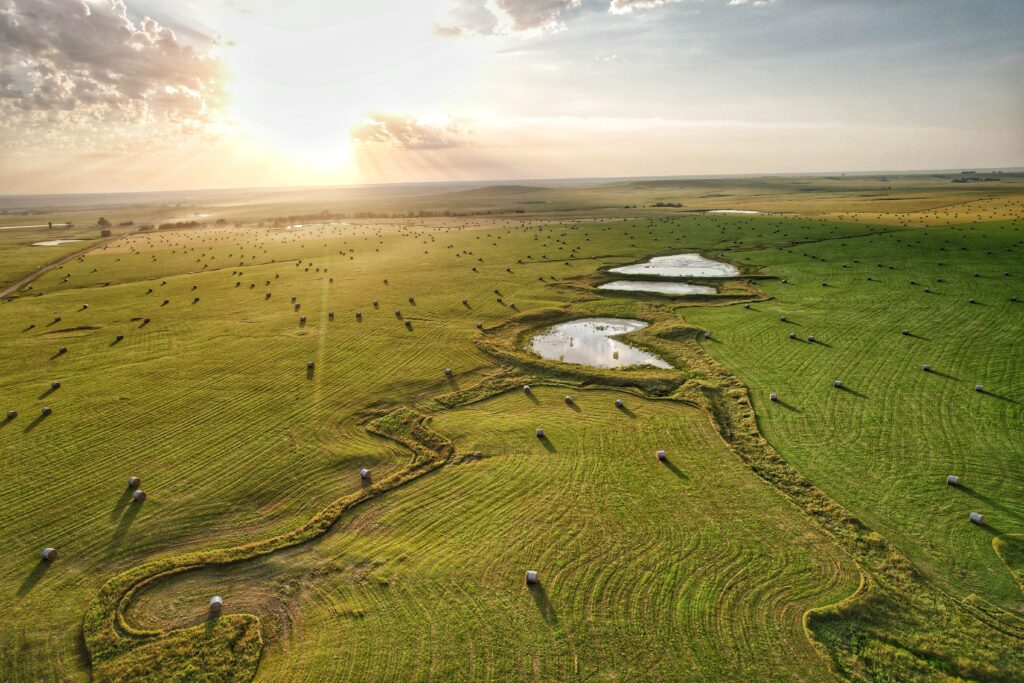
The Flint Hills stretch across eastern Kansas like a living memory of North America’s original prairie. This is one of the last remaining expanses of tallgrass prairie on the continent, preserved not by design but by geology: shallow limestone soils made plowing impractical, allowing native grasses to endure.
Here, big bluestem and switchgrass grow taller than a person, moving in waves beneath an enormous sky. The landscape feels alive, responsive to wind, light, and weather. Bison once shaped this ecosystem, and today controlled burns continue that ancient rhythm, renewing the grass and maintaining ecological balance.
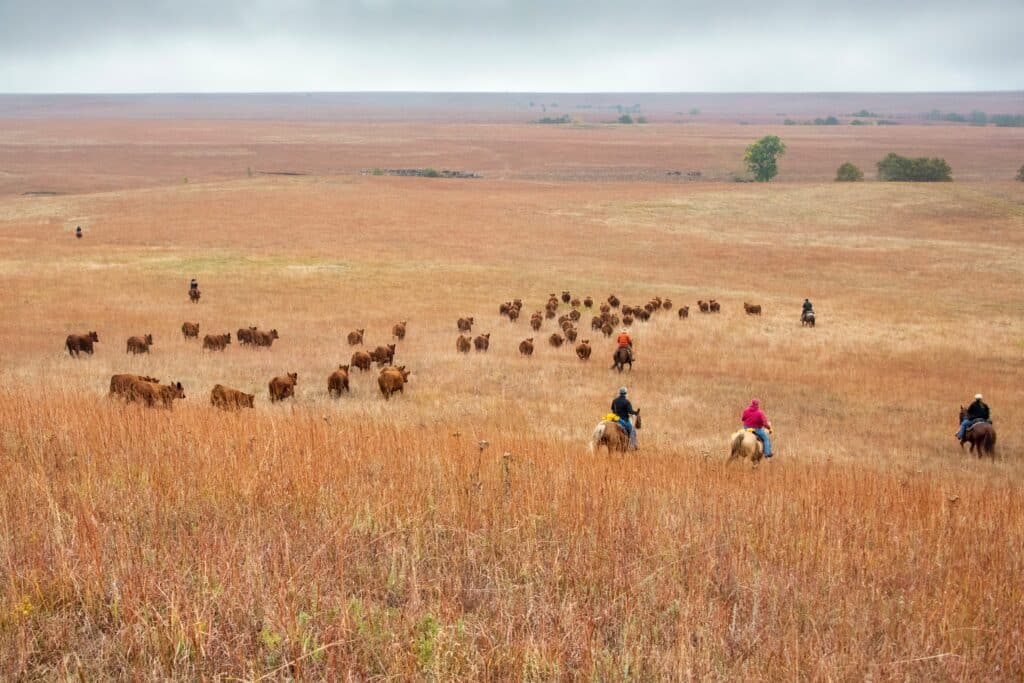
The Flint Hills are not dramatic in the conventional sense, yet their power lies in continuity. Ranches operate much as they have for generations, blending human activity with natural systems rather than overwhelming them. Roads curve gently through rolling hills, offering long views and sudden moments of intimacy.
This region represents Kansas at its most elemental—a reminder that vastness can be intimate, and that endurance can be beautiful.