
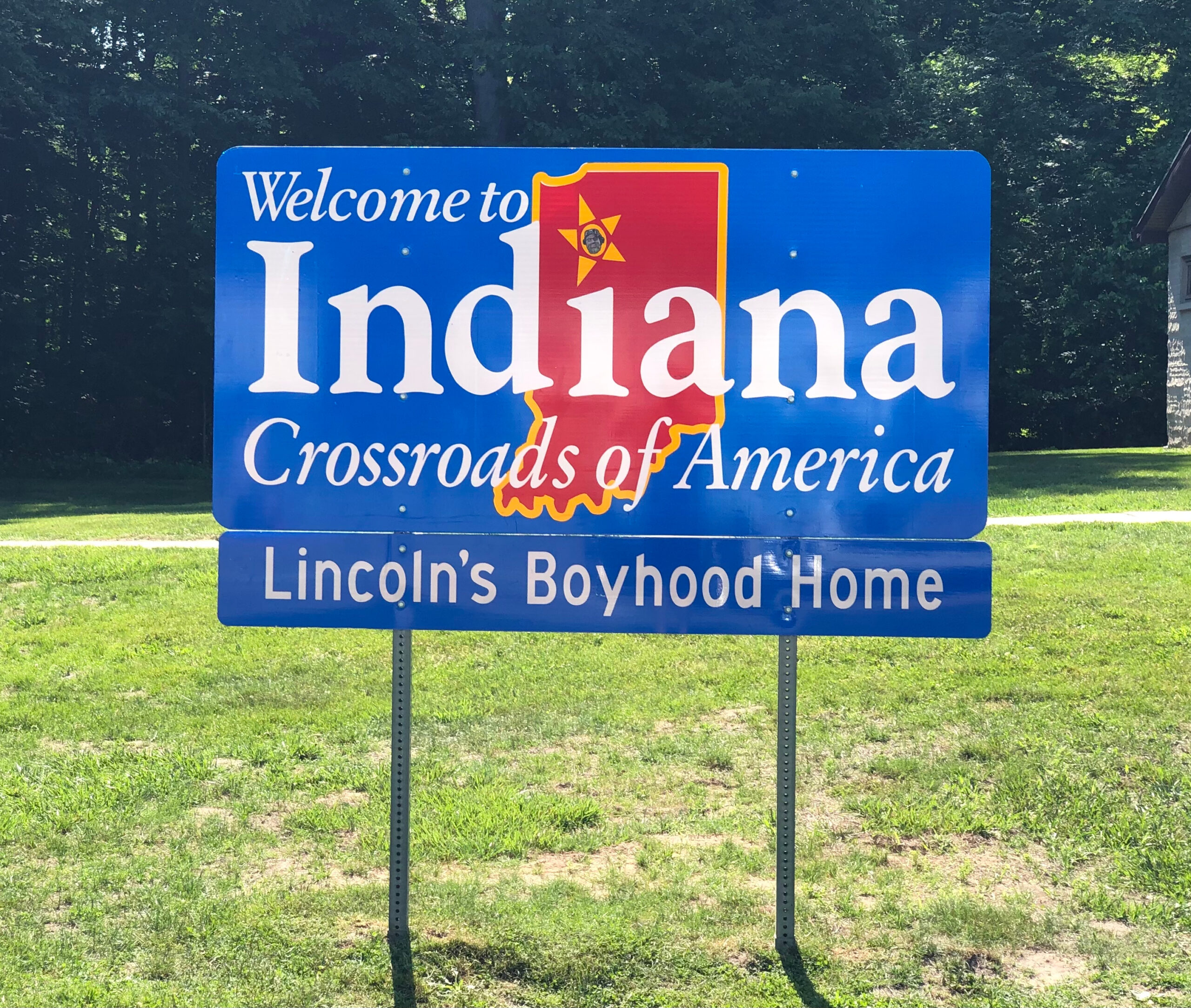
Few states embody the idea of “middle America” as completely as Indiana — yet to describe it that way risks missing its complexity and quiet splendor. Known as “The Crossroads of America”, Indiana’s charm lies not in grand spectacle but in the balance it strikes between landscape and life. Here, gentle hills, vast farmlands, and shining lakes flow together into a portrait of the American Midwest at its most authentic.
Indiana is a place of contrasts. The industrial might of Indianapolis, with its sleek skyline and racetrack legacy, meets the pastoral calm of Brown County, where autumn forests glow like stained glass. The dunes and beaches along Lake Michigan shimmer against a backdrop of steel mills and shifting sand — a testament to nature’s endurance beside human ambition.
Its history is rich and layered: shaped by Native American nations, early pioneers, the Underground Railroad, and the rise of manufacturing. Yet through all these changes, Indiana has preserved a deep connection to its land and people. Towns like Madison and New Harmony echo with 19th-century utopian dreams, while university cities like Bloomington and West Lafayette hum with learning and progress.
Indiana’s spirit is practical but poetic. Its people tend to measure greatness not by wealth or fame, but by integrity, community, and craftsmanship. Whether it’s a quilt sewn by hand, a car built in an Anderson factory, or a song drifting through a summer fairground, everything here bears the mark of care.
To travel through Indiana is to encounter an America that still moves at a human pace — resilient, generous, and grounded in quiet beauty.
It is a state of balance: between city and soil, tradition and invention, the rooted and the restless.
It is, in every sense, the heartland made visible.
21. Bloomington — A Symphony of Learning and Landscape

Tucked amid the forested hills of southern Indiana lies Bloomington, a town that feels like an intersection of intellect, art, and natural beauty. Home to Indiana University, one of the Midwest’s most prestigious institutions, Bloomington exudes youthful energy and creativity — but it also carries a reflective calm born from its surroundings.
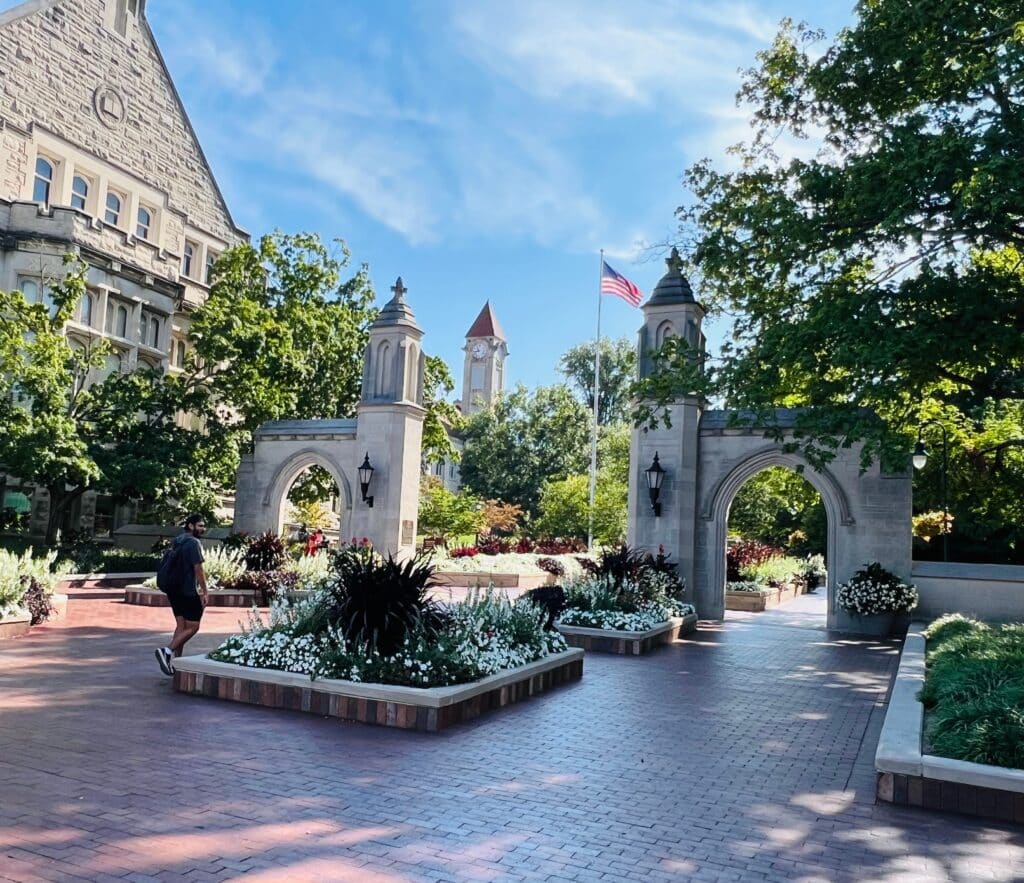
The university’s campus is a masterpiece in stone — limestone buildings, leafy quads, and the melodic sound of carillons drifting from clock towers. Its Jacobs School of Music is world-renowned, filling the air with classical grace and experimental sounds alike. Around campus, downtown Bloomington hums with cafés, bookstores, and galleries, many of them tucked into restored 19th-century buildings.

Beyond academia, nature reigns supreme. The Hoosier National Forest and Lake Monroe lie just beyond town, offering trails, kayaking, and autumn vistas that glow in shades of amber and scarlet. Farmers’ markets, local wineries, and craft festivals complete a rhythm of life that feels both cultured and earthy.
Bloomington’s magic lies in balance — between intellect and intimacy, between nature’s calm and artistic fire. It’s a place where thought and feeling coexist, and where every stone building and tree-lined street seems to whisper a quiet invitation: to think, to create, to belong.
20. South Bend — Innovation on the River
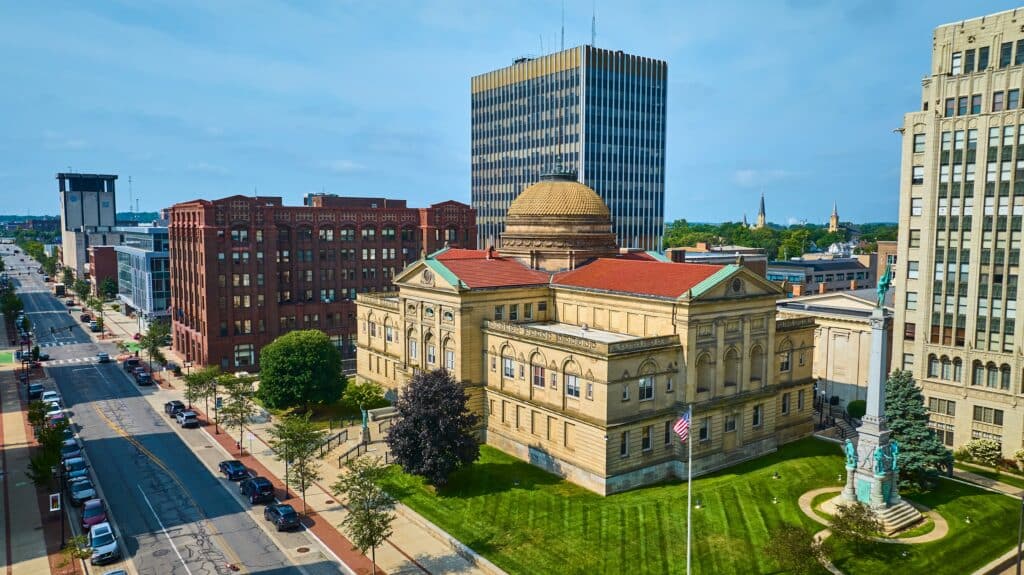
Once a hub of industry, South Bend has evolved into one of Indiana’s most dynamic cities — a place where innovation, education, and faith intersect. Nestled on the St. Joseph River, the city’s name reflects its geography: a bend in the water that shaped its destiny.
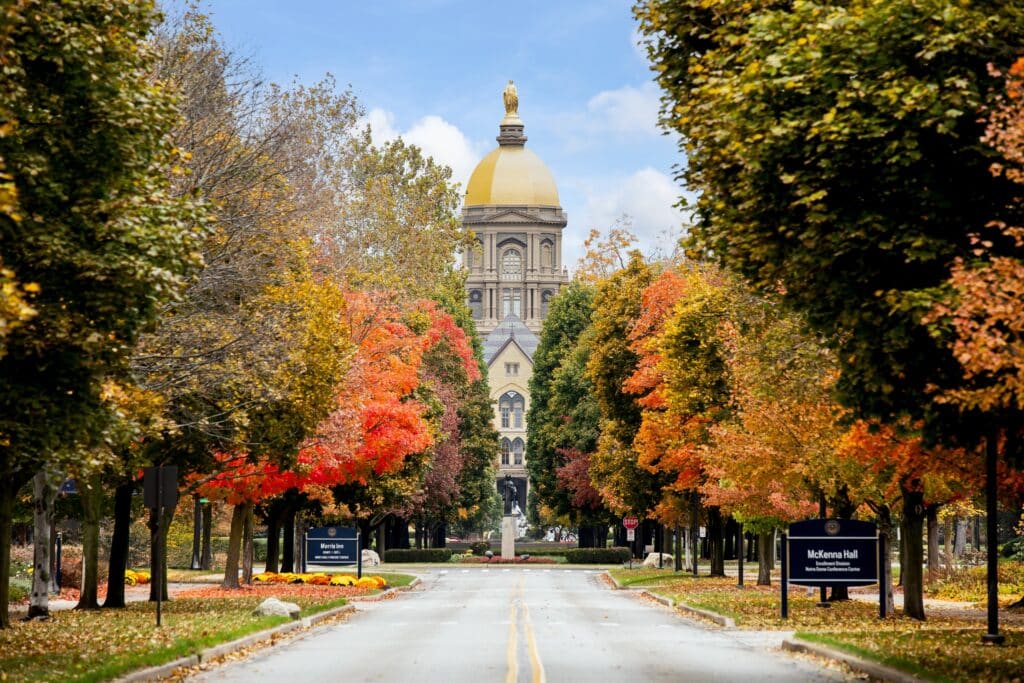
At its heart stands the University of Notre Dame, a campus of soaring Gothic architecture and golden domes that gleam against the northern sky. It is both an academic powerhouse and a spiritual landmark, where the Basilica of the Sacred Heart and the Grotto of Our Lady of Lourdes draw pilgrims and visitors alike. On football Saturdays, the roar of fans at Notre Dame Stadium becomes part of South Bend’s identity — a ritual of pride and unity.
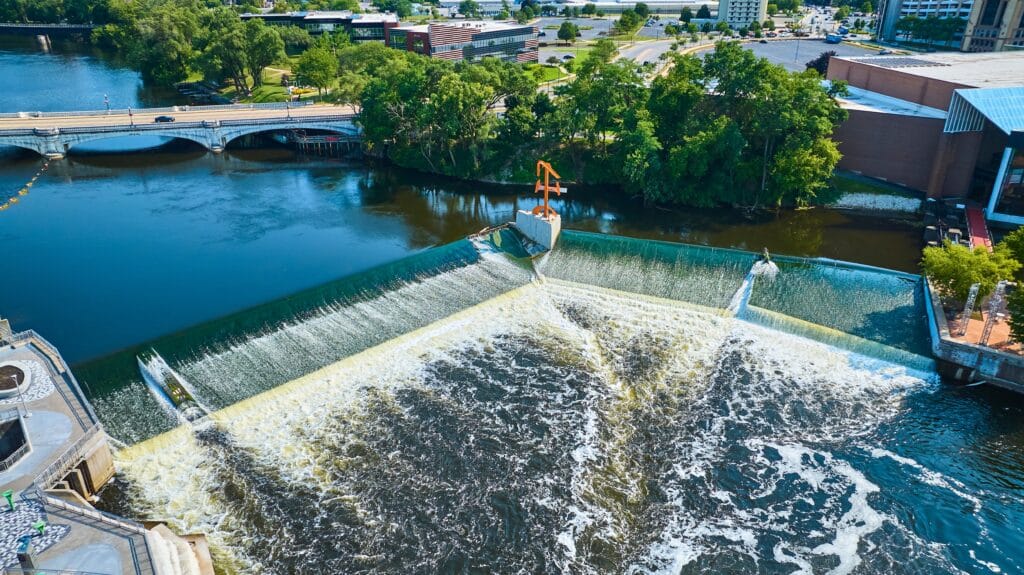
But the city extends far beyond the university. Once known for Studebaker automobiles, South Bend has transformed its industrial legacy into creative innovation through the Ignition Park technology district and a thriving downtown revitalization. The South Bend River Lights, a nighttime art installation along the St. Joseph River, illuminate the city’s new spirit — colorful, adaptive, and alive.
South Bend embodies rebirth. It honors its working-class roots while looking confidently toward the future, proving that the strength of a city lies not just in what it builds, but in how it reinvents itself.
19. Fort Wayne — The City of Three Rivers
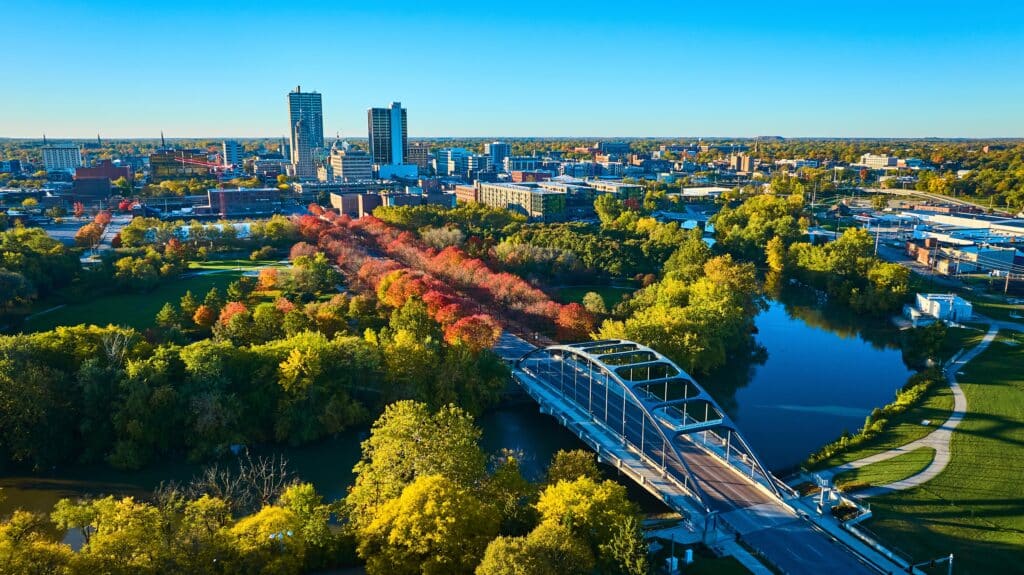
Rising where the St. Joseph, St. Marys, and Maumee Rivers converge, Fort Wayne is a city defined by water, resilience, and renewal. Once a frontier fort built by General Anthony Wayne, it evolved into a major industrial center — producing everything from television sets to musical instruments. Yet today, it stands transformed once again, not as a relic of the past but as a model for 21st-century Midwestern revitalization.
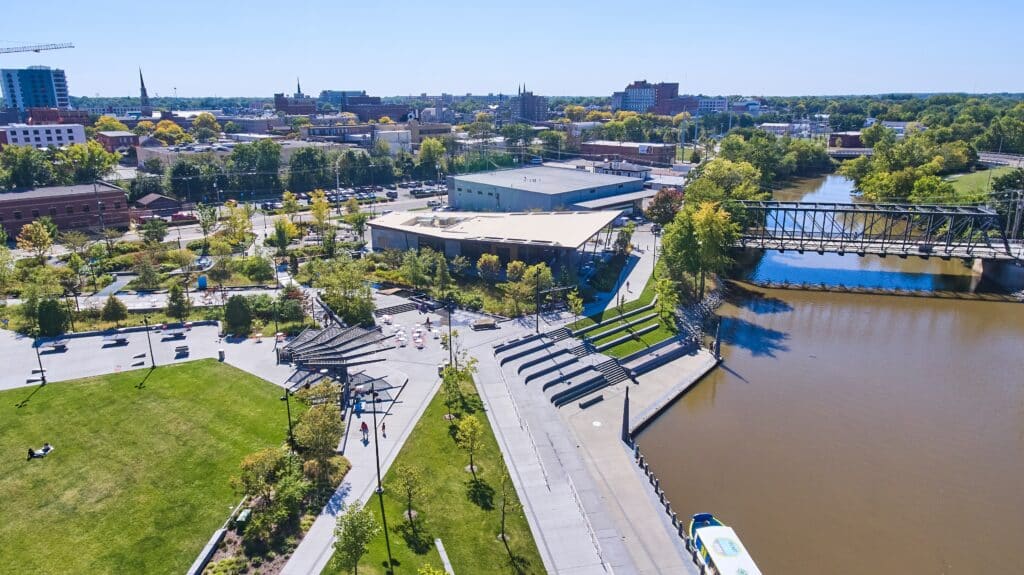
Downtown Fort Wayne hums with creative energy. The Riverfront Development Project has turned old industrial corridors into green parks, bike trails, and waterfront cafés. Promenade Park, with its canopy walks and outdoor concerts, has reconnected the city to the rivers that first gave it life. The Fort Wayne Museum of Art and the Foellinger-Freimann Botanical Conservatory add cultural color, while the historic Embassy Theatre hosts Broadway tours and symphonies in golden, Art Deco splendor.
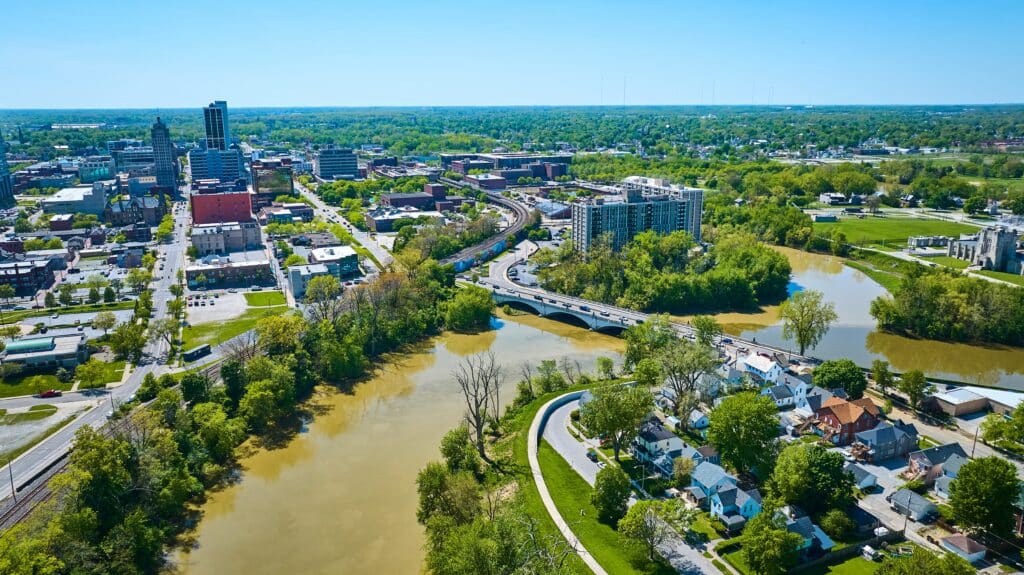
Fort Wayne’s neighborhoods — from the leafy West Central to the buzzing Electric Works innovation district — reveal a city comfortable in its blend of tradition and progress. Families thrive here, drawn by its affordable living and civic pride, while tech start-ups and artists find a community eager to support bold ideas.
Through every season, from ice skating on Headwaters Park to summer festivals under fireworks, Fort Wayne radiates a quiet confidence — the kind that comes from knowing who you are, and where you’re going.
18. Lafayette and West Lafayette — Twin Cities of Learning and Innovation
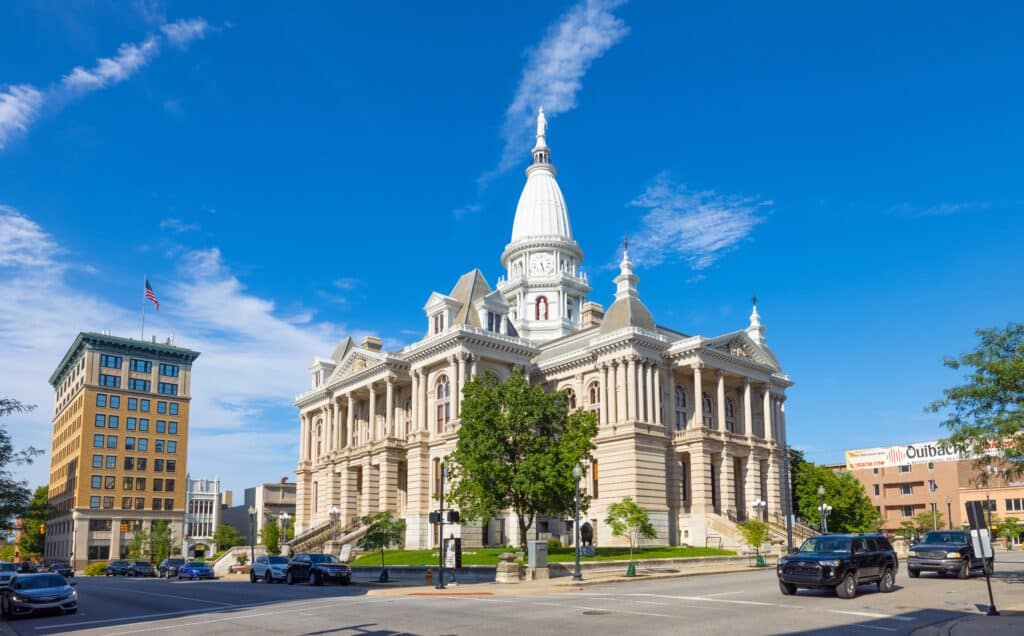
Straddling the Wabash River, Lafayette and West Lafayette are like two halves of the same melody — one grounded in history, the other soaring toward the future. Together, they form one of Indiana’s most intellectually vibrant regions, thanks largely to Purdue University, a world leader in science, engineering, and space research.
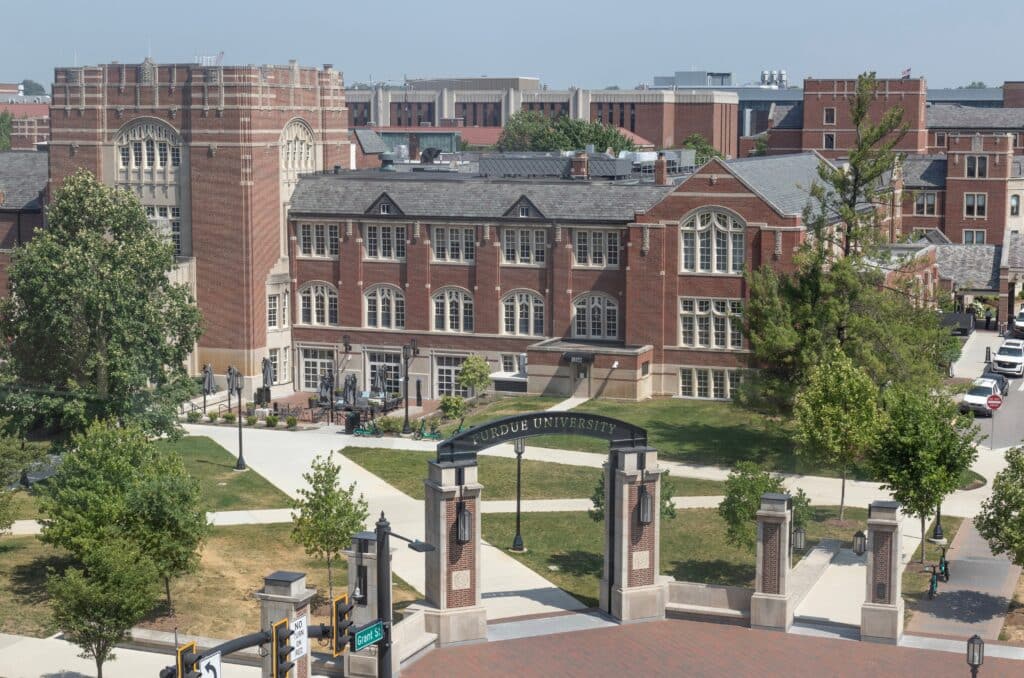
Purdue’s presence infuses the twin cities with an electric curiosity. Laboratories hum, student cafés overflow with conversation, and the campus skyline bristles with modern architecture. This is where Neil Armstrong once studied — and the spirit of exploration remains alive in every corner.
Across the river, downtown Lafayette tells a more historic story, lined with 19th-century brick buildings, antique shops, and intimate restaurants. The Haan Museum of Indiana Art celebrates local creativity, while the Tippecanoe Battlefield recalls the area’s frontier roots and its role in early American history.
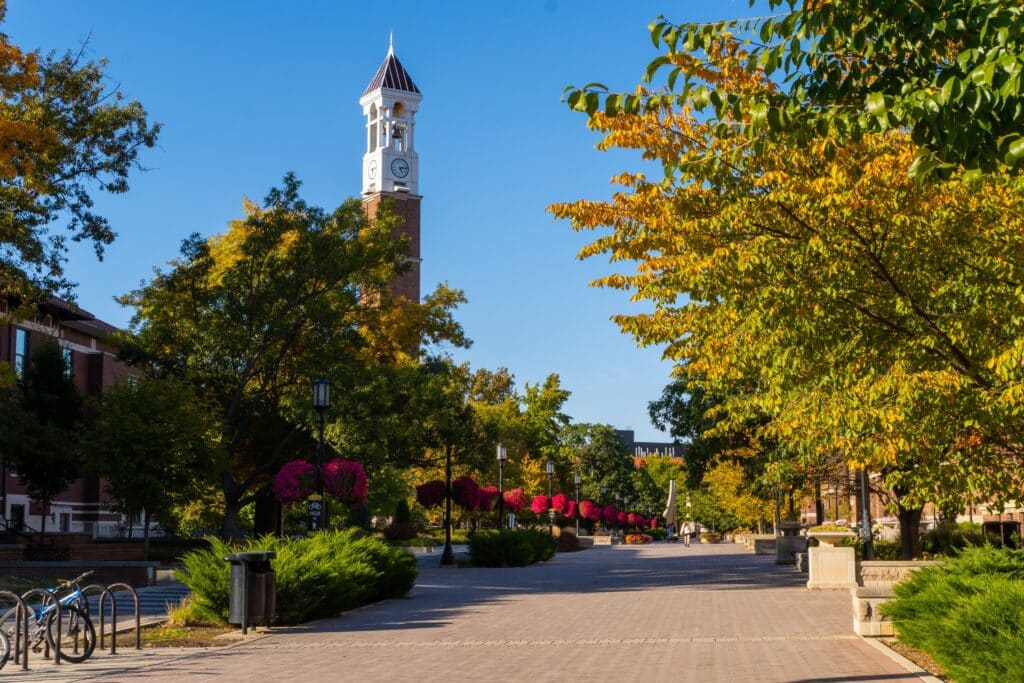
Yet what makes Lafayette and West Lafayette special is their warmth. Despite their global reach, they remain welcoming communities, where professors, farmers, and entrepreneurs meet over coffee and conversation. Festivals like Mosey Down Main Street and the Taste of Tippecanoe fill the air with music, laughter, and the aroma of local flavors.
These twin cities prove that innovation and heart can coexist beautifully — a place where discovery doesn’t just happen in labs, but in friendships and shared dreams.
17. Carmel — The Art of Suburban Perfection

Just north of Indianapolis lies Carmel, a city often cited among the most livable in America — and with good reason. It’s not just a suburb; it’s a vision of how urban design, art, and community can intertwine. Known for its roundabouts, manicured parks, and commitment to beauty, Carmel has redefined what modern suburban life can look like.
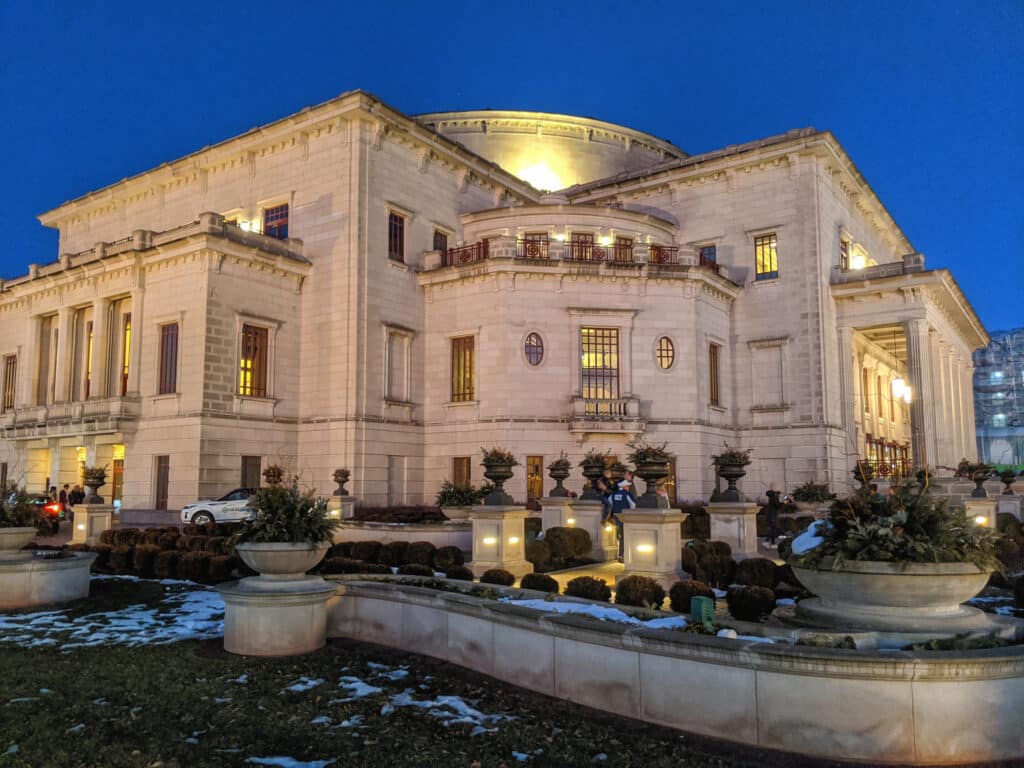
At its center, the Carmel Arts & Design District bursts with galleries, boutiques, and cafés set within a walkable grid of charming streets. Public sculptures and murals add vibrancy at every turn, while the Center for the Performing Arts, with its elegant Palladium Concert Hall, hosts everything from symphonies to world-famous performers.
Beyond the arts, Carmel is a model of thoughtful planning. The Monon Trail, a repurposed rail line turned scenic bike and walking path, threads through the heart of the city, connecting neighborhoods with greenways and outdoor spaces. Residents take pride in their city’s cleanliness, safety, and innovative architecture — blending Midwestern friendliness with cosmopolitan flair.
What sets Carmel apart is intention. It’s a city designed not merely to exist, but to inspire. From its flower-lined boulevards to its vibrant community festivals, Carmel reflects a belief that beauty and functionality belong together — that a city, when cared for deeply, can itself become a work of art.
16. Evansville — The Gem on the Ohio River
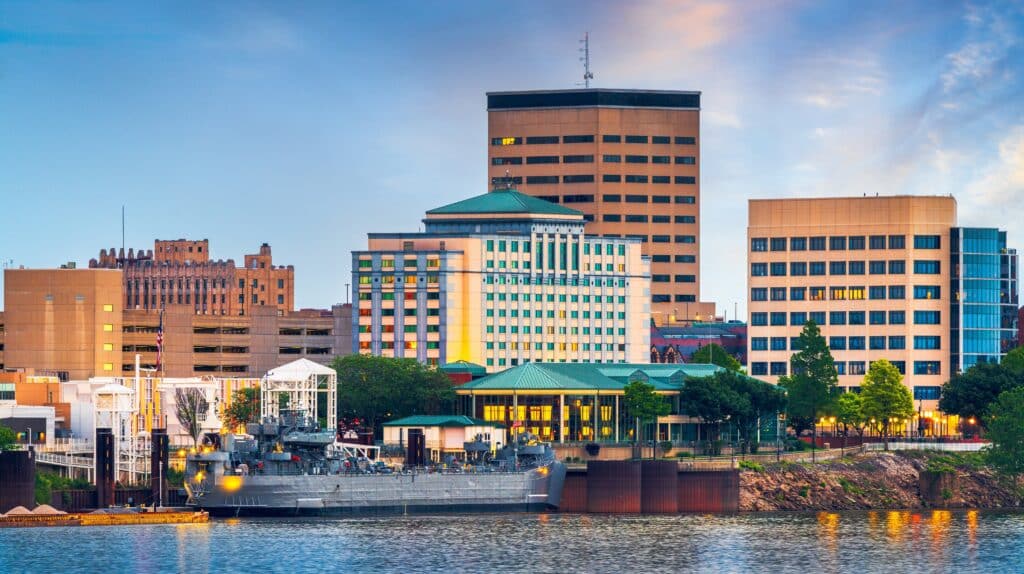
Nestled on a sweeping bend of the Ohio River, Evansville is southern Indiana’s cultural and commercial crown — a city whose character reflects both its riverfront legacy and its forward-looking optimism. Founded in 1812 and once a thriving hub for steamboats and manufacturing, Evansville today blends heritage with reinvention in a way that feels both authentic and full of promise.
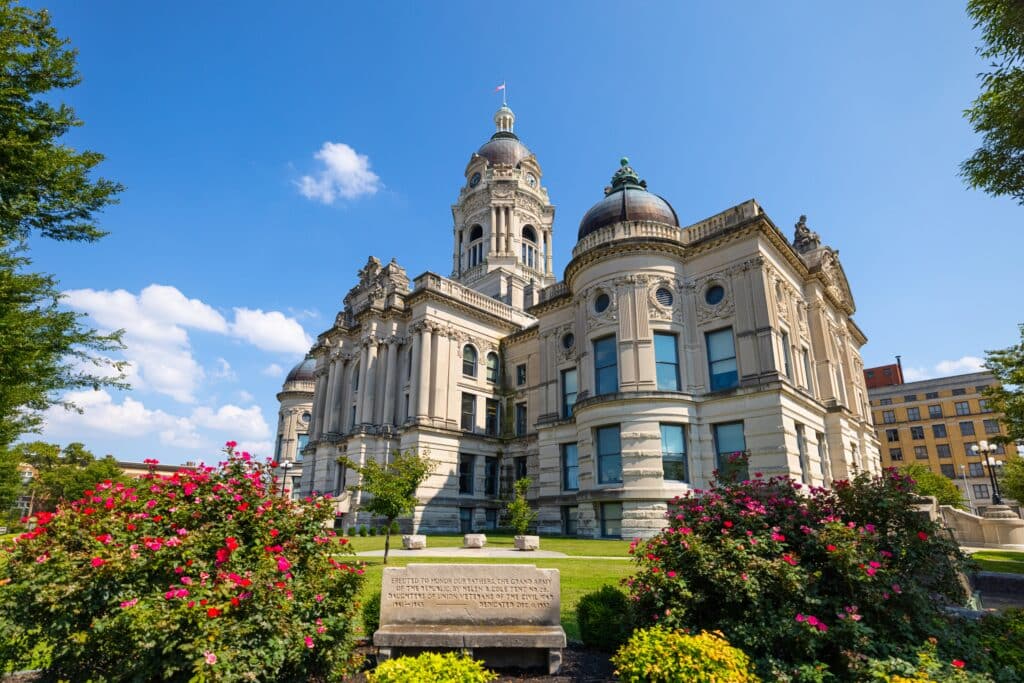
The Downtown Riverfront is the soul of the city. The Greenway Trail curves gracefully along the Ohio, offering cyclists and walkers stunning views of passing barges and golden sunsets. Anchoring this riverscape is the Evansville Museum of Arts, History & Science, whose gleaming glass prism addition houses a planetarium and exhibits that bring together art, innovation, and storytelling.
Nearby, the Historic District of Riverside Drive reveals elegant 19th-century mansions — reminders of Evansville’s prosperous steamboat era. In contrast, the Haynie’s Corner Arts District brims with creativity, featuring indie galleries, street art, and live performances that give the city its youthful pulse.

Evansville also celebrates its strong sense of community. From the West Side Nut Club Fall Festival, one of the largest street festivals in the nation, to the Victory Theatre’s grand performances, the city thrives on shared traditions.
Evansville is a place where the South begins to whisper into the Midwest — a bridge between worlds, a river town that carries its history gracefully into the future.
15. Terre Haute — The Crossroads of Culture and Resilience

On the banks of the Wabash River, Terre Haute stands as a city that has always found strength in reinvention. Once a powerhouse of industry and railroads, it has transformed itself into a center of education, the arts, and civic renewal — a model of how smaller American cities can thrive through adaptability.
At its heart lies Indiana State University, whose campus infuses the city with youthful energy and intellectual curiosity. The Swope Art Museum, tucked downtown in a stately Art Deco building, surprises visitors with works by Edward Hopper and Grant Wood — a gem of American realism in the heartland.
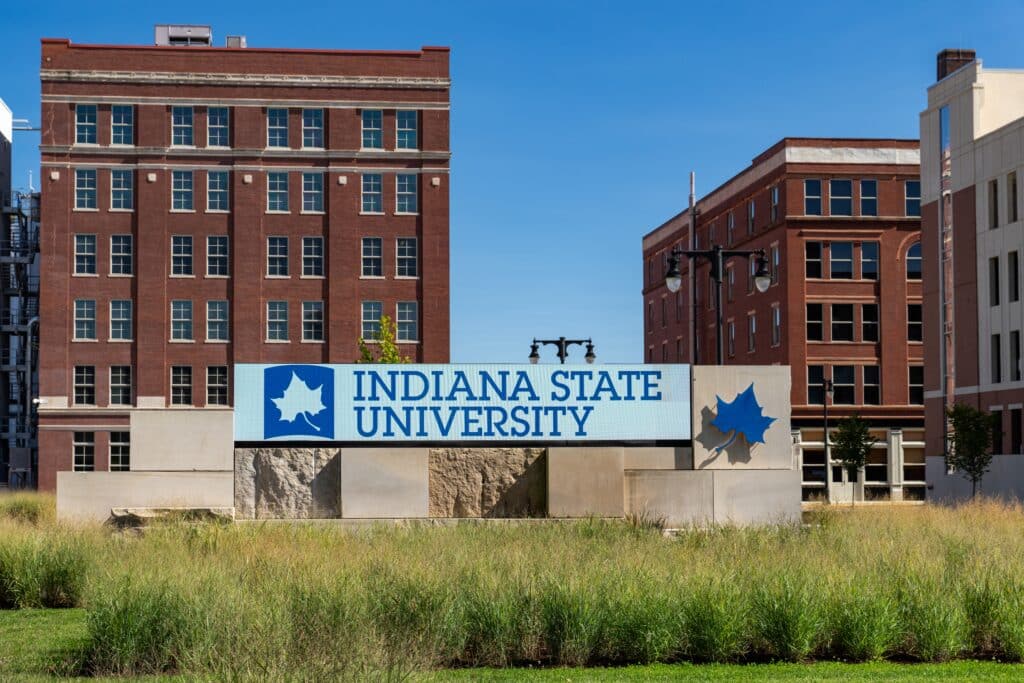
Terre Haute’s downtown has undergone a cultural revival. The Terre Haute Symphony Orchestra and the Community Theatre sustain a vibrant performing arts scene, while the Vigo County Historical Museum tells the story of local ingenuity and perseverance. Just beyond the city limits, the Wabashiki Wetlands offer serene escapes into nature, home to migratory birds and meandering trails.
Known as the “Queen City of the Wabash” in its 19th-century heyday, Terre Haute still lives up to its regal nickname — not through grandeur, but through grace. Its beauty lies in its people: hard-working, warm, and proud of their roots. Terre Haute is a reminder that in Indiana, progress and tradition walk hand in hand.
14. Columbus — The City of Modern Architecture

Few towns in America surprise as much as Columbus, Indiana — a small city that feels like an open-air museum of modern design. With fewer than 50,000 residents, Columbus is ranked among the world’s most architecturally significant cities, thanks to a visionary civic partnership that brought world-renowned architects to the heart of the Midwest.
It began with the Cummins Foundation, which offered to pay architectural fees for new public buildings if the city chose top-tier designers. The result is breathtaking. Eero Saarinen, I.M. Pei, Harry Weese, and Robert Venturi all left their mark — from the sculptural North Christian Church to the angular Clearninghouse for Design and the bold Columbus City Hall.

Walking through downtown feels like moving through a living gallery of postwar innovation. Public art, geometric forms, and experimental materials merge with tree-lined streets and small-town warmth. The Miller House and Garden, designed by Saarinen and interior designer Alexander Girard, is a masterpiece of mid-century modernism, blending simplicity with serenity.
Yet Columbus isn’t a museum piece — it’s a community that lives its values. Festivals, markets, and cultural events fill its plazas. Locals gather not just to admire their city’s design, but to celebrate its deeper spirit: a belief that creativity and civic pride can shape a better world.
Columbus proves that even the smallest American town can dream big — and make those dreams visible in concrete, steel, and light.
13. Madison — A Riverfront Jewel of Preservation

Set gracefully on the northern banks of the Ohio River, Madison is one of America’s best-preserved small towns — a living museum of 19th-century architecture, where cobblestone streets and brick storefronts evoke another era. Founded in 1809, Madison flourished as a river trade hub, and today its heritage is beautifully intact, woven seamlessly into a lively modern community.
Downtown Madison feels like stepping into a perfectly framed postcard. Over 130 blocks make up the Madison Historic District, one of the largest National Historic Landmarks in the United States. Greek Revival mansions, Federal-style row houses, and cast-iron façades line Main Street, where antique shops and cafés invite unhurried wandering.
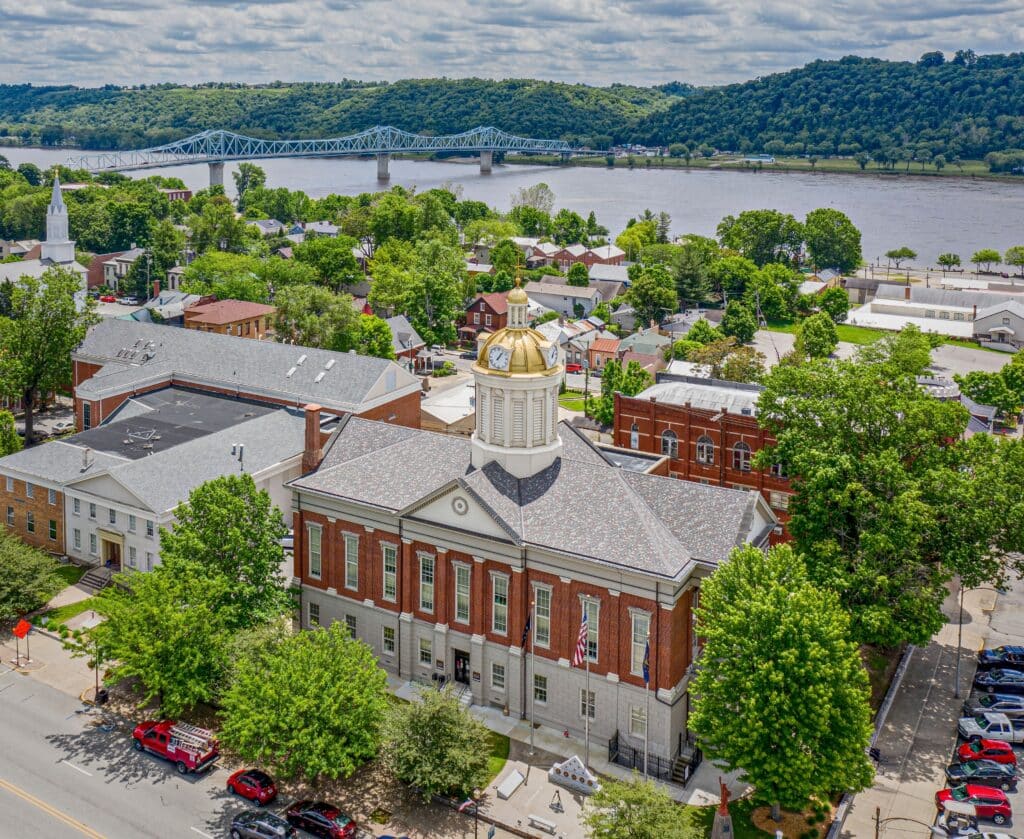
At the heart of the town, the Lanier Mansion State Historic Site — often called the “Crown Jewel of Madison” — overlooks the river in neoclassical grandeur, its columned porch glowing in late-afternoon light. The Madison Railroad Station Museum and Jefferson County History Center keep alive the stories of steam, trade, and community spirit.
Yet Madison is far from static. Each summer, the Madison Regatta brings hydroplane racing to the Ohio, while the Chautauqua Festival of Art transforms the riverfront into an open-air gallery. Add to that vineyards, trails, and a growing culinary scene, and Madison becomes more than a relic — it’s a rhythm, a lifestyle, a deep breath beside the river.
12. Brown County — The Soul of Indiana’s Wilderness

If Indiana has a heart made of forest and light, it beats in Brown County. Nestled in the state’s southern hills, this region — centered around the town of Nashville — is often called “The Little Smokies” for its rolling ridges and mist-filled valleys. It’s a landscape that feels almost sacred, and for over a century, it has drawn painters, musicians, and wanderers seeking beauty and quiet renewal.

At dawn, the forested slopes of Brown County State Park glow with amber and rose, a shifting mosaic of oak, maple, and hickory. Trails wind through overlooks like Ogle Lake and Hesitation Point, offering some of the most inspiring vistas in the Midwest. Artists have long flocked here — most famously in the early 1900s, when the Brown County Art Colony turned Nashville into a creative haven.

Today, Nashville remains the artistic soul of Indiana. Its streets overflow with galleries, pottery studios, and folk-music venues. Handmade crafts fill shop windows, and on weekends, the air hums with live bluegrass spilling from taverns and porches. The T.C. Steele State Historic Site preserves the home and studio of one of Indiana’s most beloved painters, whose works captured this landscape in all its moods.
Brown County is where simplicity meets transcendence. Whether hiking in mist, painting in sunlight, or sharing cider by a fireside, visitors sense something enduring — a reminder that beauty often lives in stillness.
11. Richmond — The Cradle of Jazz and Industry

On Indiana’s eastern border, where the Whitewater River winds past red-brick mills and iron bridges, lies Richmond, a city whose story harmonizes craftsmanship, innovation, and music. Once a powerhouse of early American manufacturing, Richmond earned an unexpected second legacy — as the birthplace of recorded jazz.
In the 1920s, Gennett Records, a division of the Starr Piano Company, invited pioneering musicians to record in its modest studio. The result was history: early sessions by Louis Armstrong, Bix Beiderbecke, and Jelly Roll Morton that shaped the future of American music. Today, the Gennett Records Walk of Fame honors these legends, its bronze medallions set into the pavement along the river.
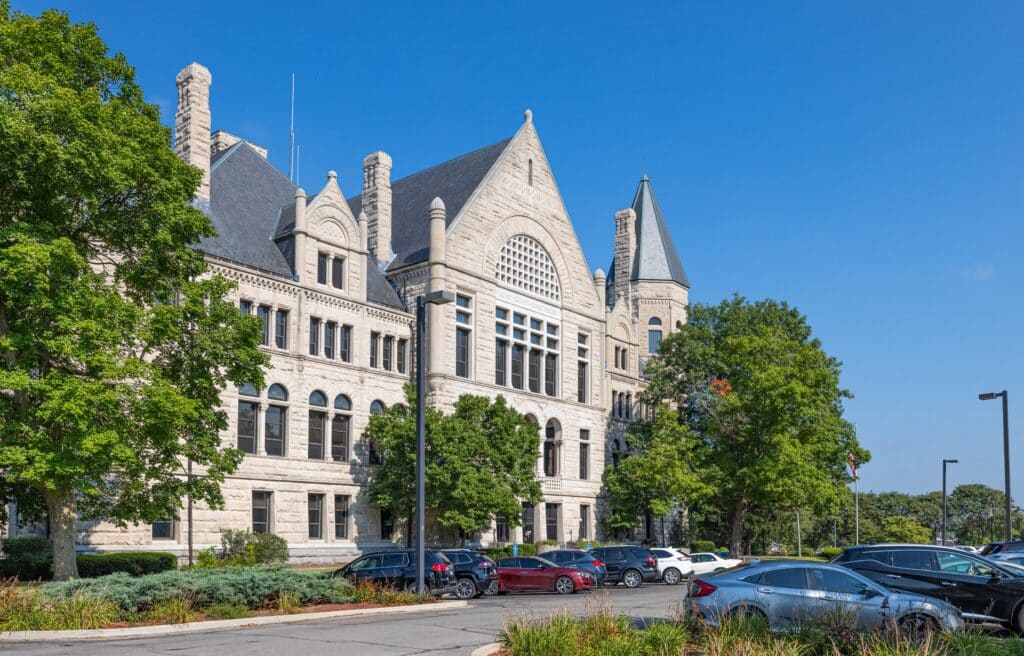
Beyond music, Richmond boasts a surprising elegance. Its historic neighborhoods showcase Victorian mansions, while the Wayne County Courthouse dominates downtown with Beaux-Arts grandeur. The Richmond Art Museum — one of the oldest in Indiana — curates a collection that blends Midwestern and national masterpieces.
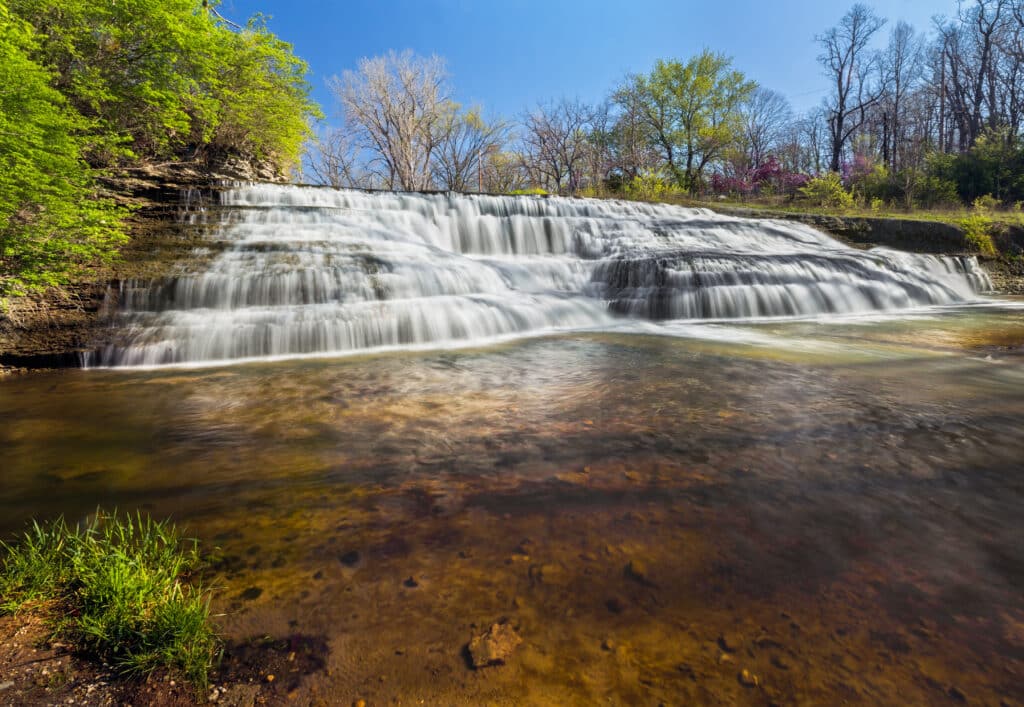
Nature also plays its part here. The Whitewater Gorge Trail offers peaceful walks along cliffs and waterfalls, linking the city’s industrial past to its green future. And every fall, the Melody of Light Festival fills the streets with lanterns and song — proof that Richmond’s musical soul is still very much alive.
Richmond is a microcosm of Indiana’s identity: industrious, artistic, and endlessly resilient — where steel strings and strong hands together built something enduring.
10. Michigan City — Where the Dunes Meet the Lake
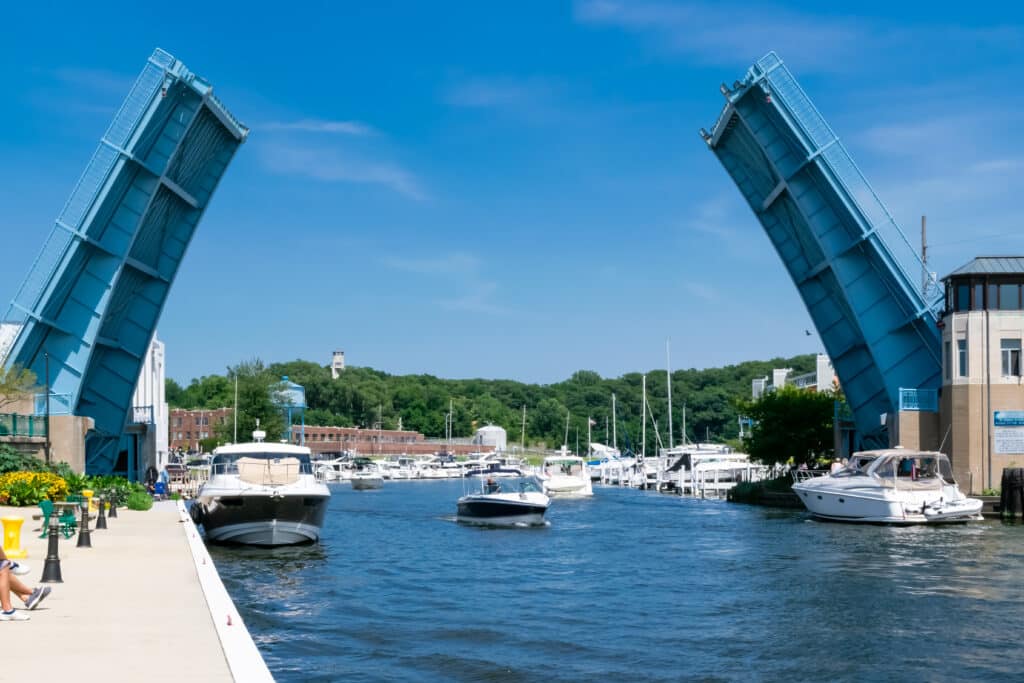
On Indiana’s northwestern edge, Michigan City stands at the meeting point of two powerful forces — water and sand. Overlooking the vast expanse of Lake Michigan, this city captures both the raw beauty of the Great Lakes and the unpretentious charm of a classic Midwestern beach town.
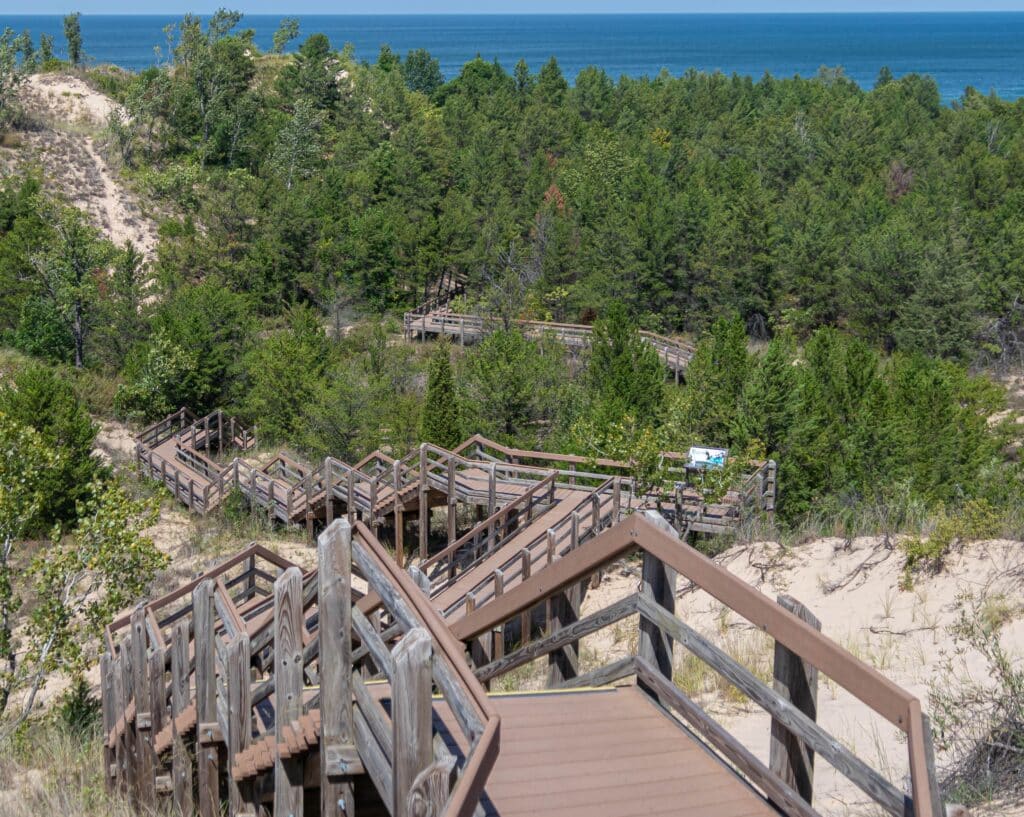
The city’s crown jewel is the Indiana Dunes National Park, a landscape of rolling dunes, wetlands, and forests that stretch for miles along the lakefront. The Mount Baldy Dune, towering over 120 feet, offers breathtaking views — especially at sunset, when the horizon glows in streaks of gold and violet. Visitors walk barefoot across shifting sands, feeling the wind that has shaped this coast for centuries.
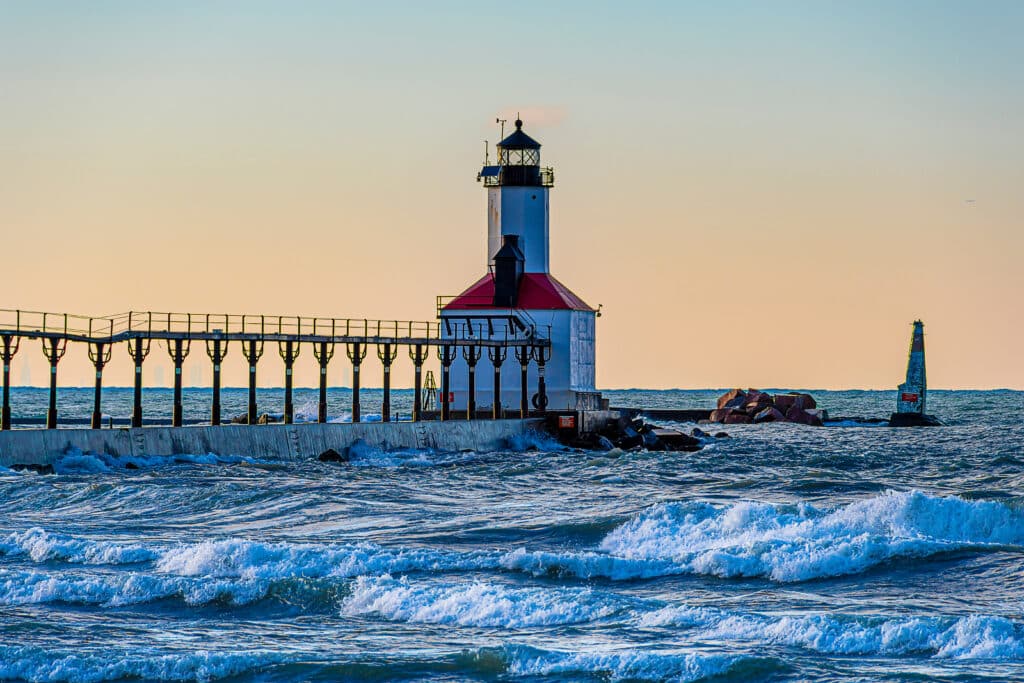
Down by the harbor, the Michigan City Lighthouse — the only remaining operational lighthouse in Indiana — stands as both a landmark and a symbol of endurance. Its red-roofed tower and boardwalk pier are beloved by photographers and dreamers alike. Nearby, Washington Park provides a beach, marina, and zoo, making it one of the state’s favorite summer destinations.
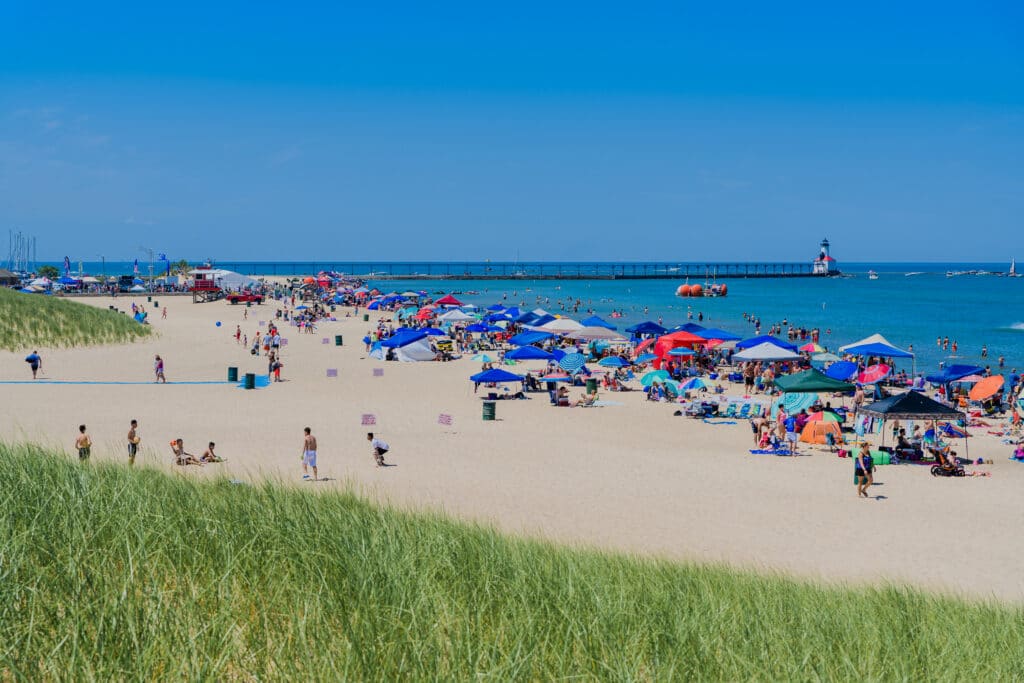
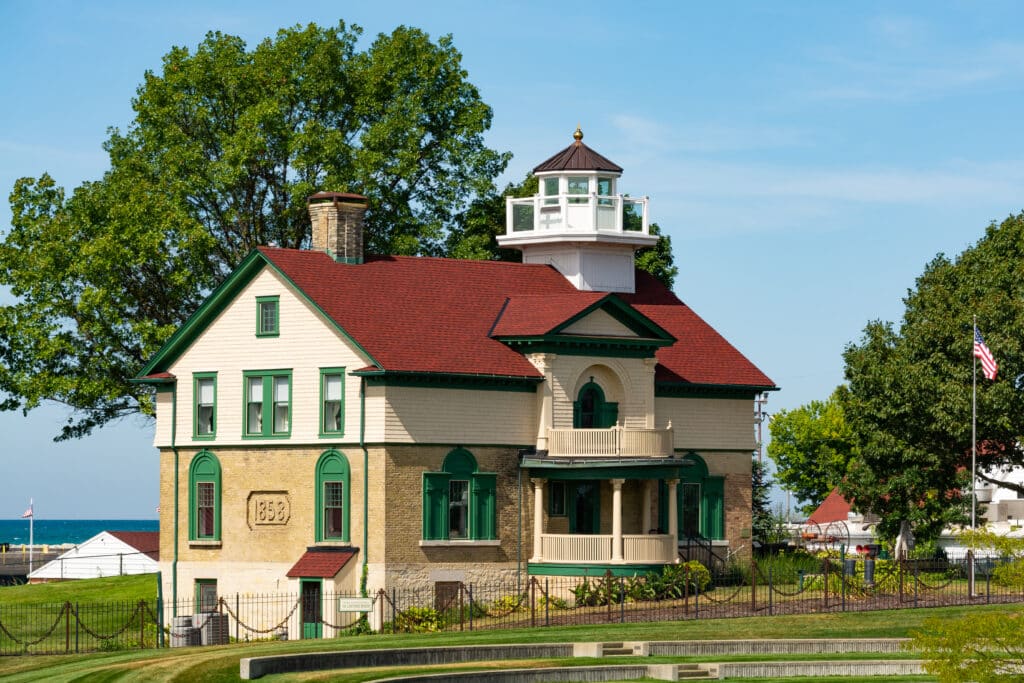
Yet Michigan City is not only about nature. Its Uptown Arts District brims with life: galleries, breweries, murals, and cafés occupy old storefronts, reflecting the city’s creative renaissance. Each year, the Great Lakes Grand Prix fills the lake with high-speed excitement, while quieter souls find peace in the Barker Mansion, a restored Gilded Age home that tells stories of industry and legacy.
Here, between wind and wave, Michigan City feels both eternal and evolving — a reminder that Indiana’s edge can be as wild and wondrous as any seacoast.
9. Elkhart — The Heart of the RV Capital and the Riverwalk

Known proudly as the RV Capital of the World, Elkhart tells a story of American mobility — of craftsmanship, innovation, and a community that quite literally helped build the nation’s wanderlust. Located along the St. Joseph and Elkhart Rivers, this northern Indiana city is as industrious as it is welcoming, balancing modern industry with natural beauty and cultural vibrancy.

Elkhart’s global fame comes from its role in recreational vehicle manufacturing, celebrated at the RV/MH Hall of Fame and Museum. Inside, visitors walk through decades of travel history — from 1930s Airstreams to sleek modern models — tracing the evolution of America’s love for the open road.

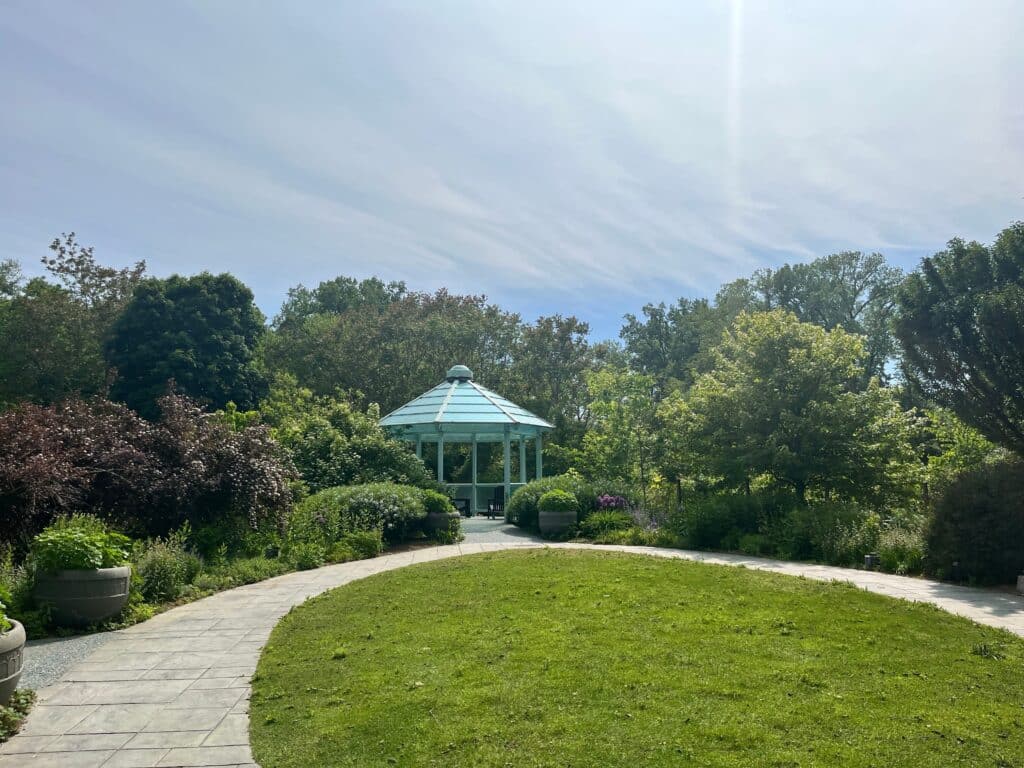
But beyond its factories and showrooms, Elkhart shines with quiet elegance. The Riverwalk is a ribbon of green that winds through downtown, crossing bridges and gardens where locals stroll, kayak, or enjoy summer concerts at the NIBCO Water and Ice Park. The Wellfield Botanic Gardens, a masterpiece of design and serenity, blend art, water, and horticulture into an oasis that feels almost enchanted.
Elkhart’s musical spirit runs deep too. It was once the “Band Instrument Capital of the World,” home to Conn and Selmer, two iconic makers of brass and woodwinds. The city honors this legacy through performances at the Lerner Theatre, a beautifully restored 1920s venue glowing with chandeliers and gold leaf.
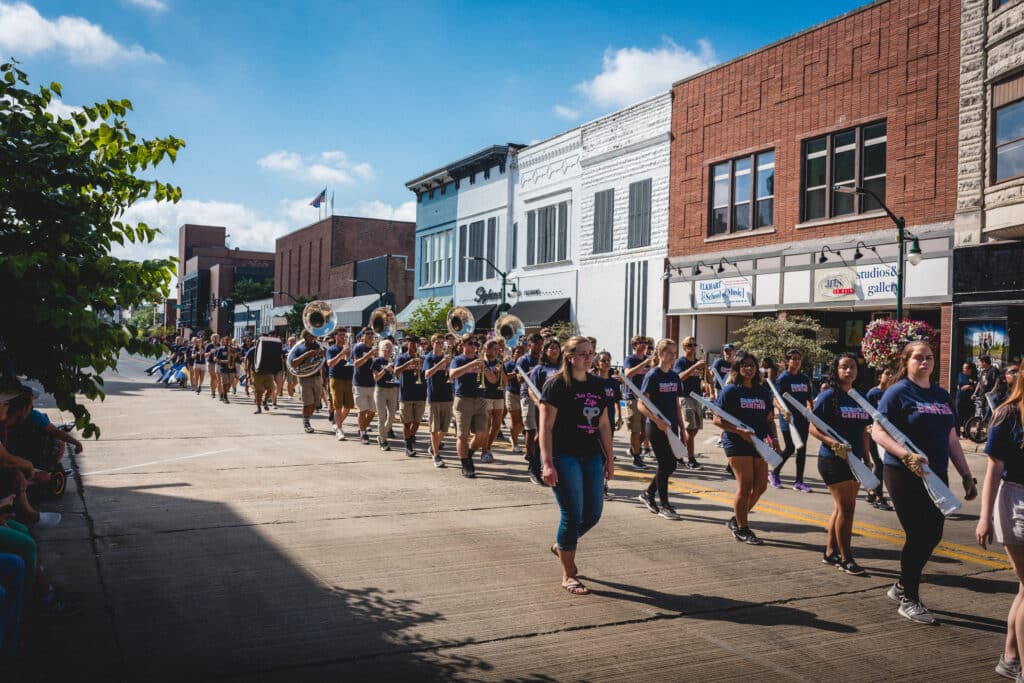
Elkhart embodies the best of Midwestern industriousness: creative, steady, and generous — a place where innovation doesn’t erase tradition, but grows from it.
8. Shipshewana — A Step Into Simplicity
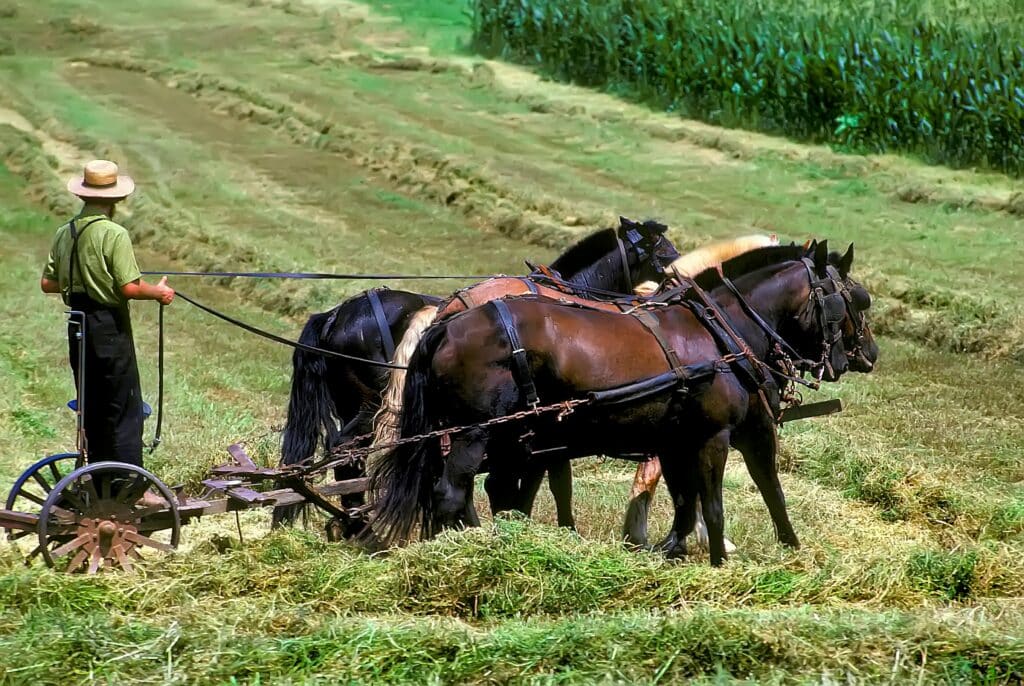
Few places in America feel as timeless as Shipshewana, a small town nestled in LaGrange County that serves as the heart of Indiana’s Amish Country. Life here moves at the pace of a horse-drawn buggy, and the air carries the scent of woodshops, fresh bread, and hay — reminders that simplicity, when lived with purpose, becomes a form of grace.

Every week, the Shipshewana Auction and Flea Market draws visitors from across the Midwest. It’s a lively spectacle — part trade fair, part cultural gathering — where Amish craftspeople sell quilts, furniture, and homemade preserves alongside antique dealers and farmers. The sound of auctioneers blends with the clip-clop of horses, creating a rhythm uniquely its own.
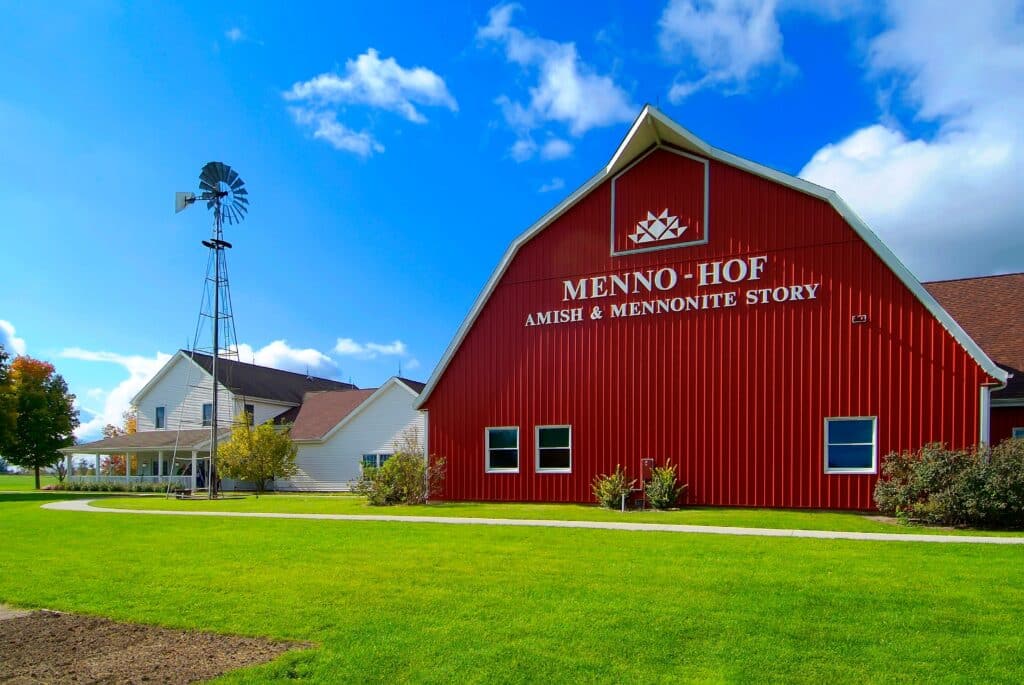
Nearby, the Menno-Hof Amish-Mennonite Information Center offers insight into the faith and history of these communities — their values of humility, family, and hard work. Visitors learn that what may appear “old-fashioned” is, in truth, a deeply intentional way of life.
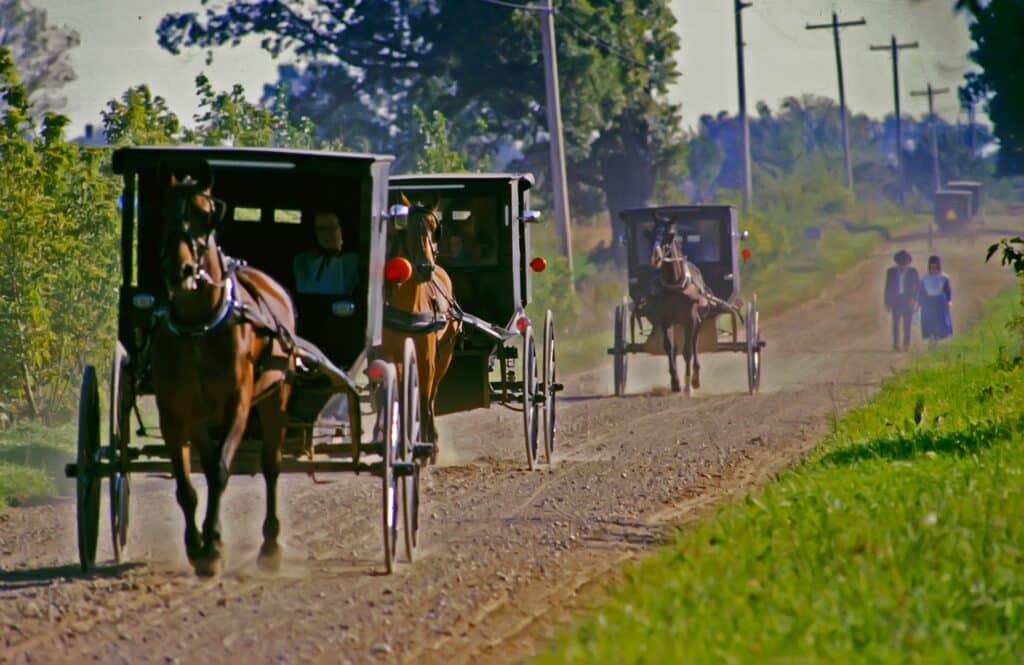
Shipshewana’s landscape is one of gentle hills and quiet farms, dotted with one-room schoolhouses and whitewashed barns. Evenings are lit not by neon, but by the golden glow of kerosene lamps. In the Blue Gate Theatre and Restaurant, music and comfort food bring locals and guests together over pie, laughter, and song.
To visit Shipshewana is to step out of time — to rediscover calm in a restless world. Here, beauty lies in stillness, and progress is measured not in speed, but in peace.
7. French Lick — Springs, Splendor, and Timeless Retreat
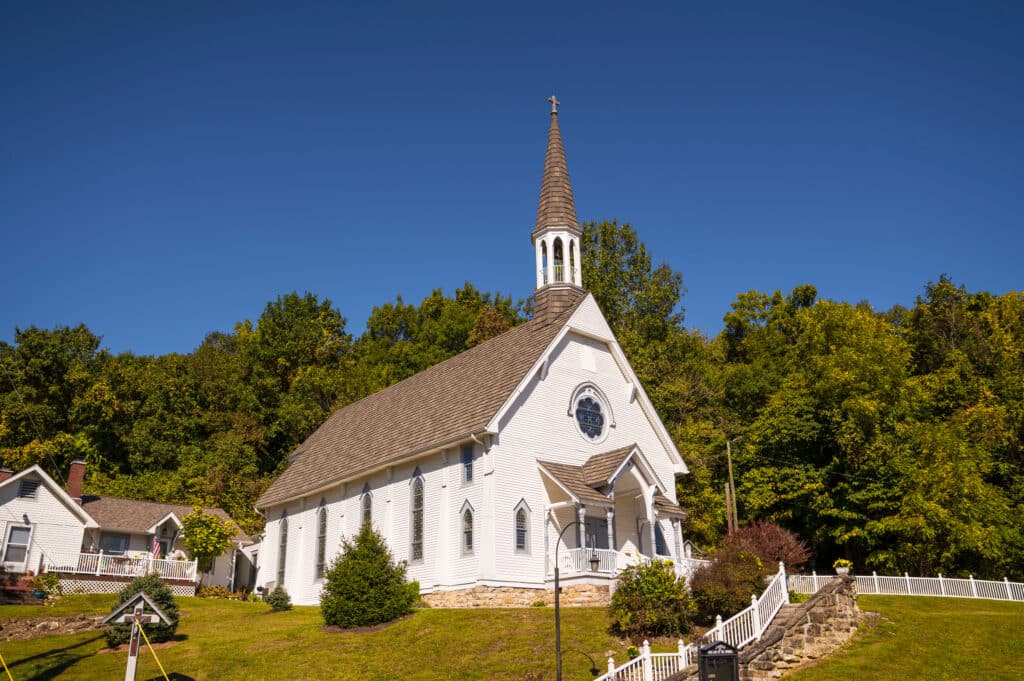
Tucked amid the wooded hills of southern Indiana, French Lick is a name that evokes a golden age of leisure — a place where mineral springs, grand hotels, and scenic railways came together to form one of America’s first true resort towns. Its story is one of transformation, from wilderness refuge to luxurious getaway, and its charm remains undiminished even after a century.
The town’s fame began with its mineral-rich springs, long revered by Native American tribes and later bottled and sold across the nation. By the late 1800s, visitors were arriving in droves to “take the waters,” and soon the opulent French Lick Springs Hotel rose from the hillsides, soon joined by its equally grand neighbor, the West Baden Springs Hotel.

Today, these restored landmarks still astonish. The West Baden’s vast domed atrium — once called the “Eighth Wonder of the World” — remains one of the most breathtaking architectural spaces in the Midwest, glowing like a lantern beneath the night sky. Visitors stroll through manicured gardens, dine beneath chandeliers, or relax in the spa, where echoes of old-world elegance linger in every marble corridor.
Beyond its resorts, French Lick offers golf courses, hiking trails, and a scenic railway that winds through Hoosier forestland. And of course, it’s also the hometown of basketball legend Larry Bird, whose name is spoken with pride from every porch to every gym.
French Lick is both memory and experience — a blend of glamour and nature, where the air still carries the faint, mineral scent of the springs that started it all.
6. New Harmony — The Town of Utopian Dreams
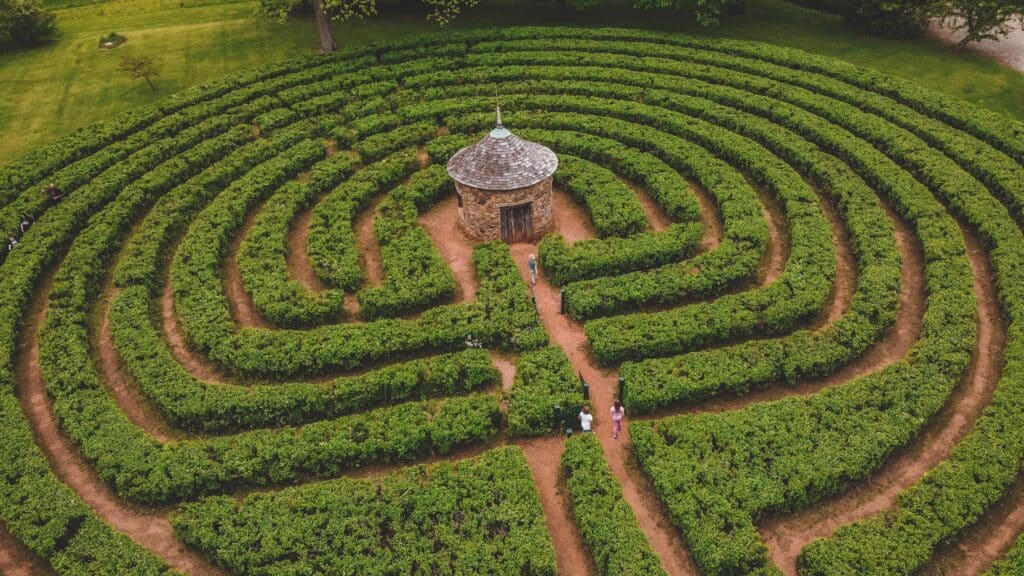
On the banks of the Wabash River, the village of New Harmony tells one of America’s most remarkable stories — that of a dream. Founded in 1814 by German pietists known as the Harmonists, and later purchased by social reformer Robert Owen, New Harmony became the site of one of the nation’s first utopian experiments: a community built on cooperation, equality, and enlightenment.
Though the utopia itself was short-lived, its legacy endures in the town’s quiet streets, graceful gardens, and persistent sense of idealism. Visitors can still walk among the Labyrinth Garden, patterned after the original Harmonist maze — a symbol of spiritual reflection and human aspiration. The Roofless Church, designed by modernist architect Philip Johnson, stands as a powerful statement of unity under the open sky.

History breathes here in every brick and beam. The Workingmen’s Institute, Indiana’s oldest public library, still welcomes scholars and wanderers alike. The Atheneum Visitor Center, a striking geometric structure by Richard Meier, serves as both gateway and metaphor — connecting past visions to future possibilities.
But perhaps New Harmony’s greatest gift is atmosphere. There’s a stillness here unlike anywhere else in Indiana — a contemplative beauty that encourages visitors to slow down, listen, and think. Artists, philosophers, and travelers continue to gather here, drawn by the same sense of possibility that inspired its founders.
New Harmony reminds us that even unrealized dreams can change the world — that hope itself can leave architecture, poetry, and peace behind.
5. Corydon — Indiana’s First Capital

Long before Indianapolis rose to prominence, Corydon served as Indiana’s first state capital — and even today, its quiet streets echo with the voices of the early republic. Nestled among limestone hills and shaded by ancient trees, Corydon preserves the dignity of history without losing the warmth of small-town life.
At the heart of the town stands the Old Capitol Building, a sturdy limestone structure built in 1816, the year Indiana joined the Union. Here, legislators once debated laws and laid the foundations of statehood. The Governor’s Mansion and Constitution Elm, beneath which the state’s first constitution was drafted, still stand as living testaments to that era of hope and determination.
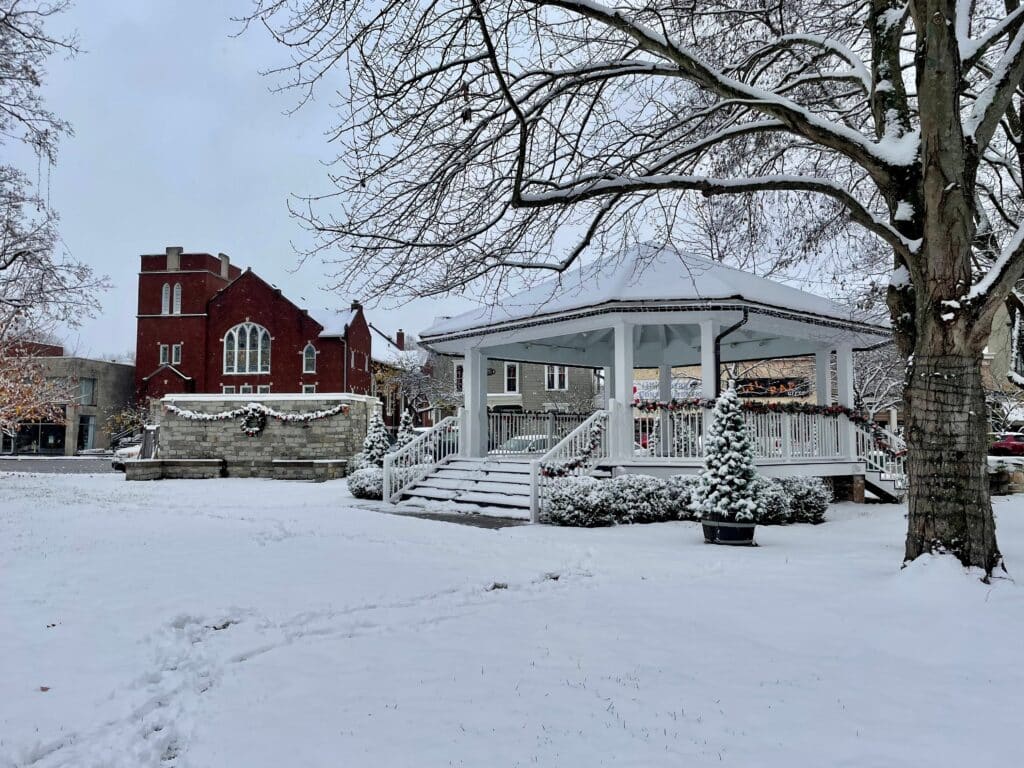
Yet Corydon is not merely a museum of the past. Its historic square hums with life — cafés, boutiques, and galleries fill restored storefronts, while bluegrass music spills from porches on summer nights. The Corydon Capitol State Historic Site offers tours that bring history vividly to life, while nearby Harrison-Crawford State Forest invites hikers into deep green woods and limestone caves.
Each July, the town celebrates Indiana’s statehood with festivals, reenactments, and parades — not out of nostalgia, but pride. Corydon stands as a reminder that democracy, like the land it grows from, needs roots. Here, those roots run deep, nourished by the same soil that once carried the dreams of pioneers and patriots.
4. Anderson — The City of Innovation and Renewal

Located along the White River in central Indiana, Anderson has long embodied the state’s restless spirit of invention. Once a booming manufacturing hub powered by natural gas, it became a cornerstone of the early automobile industry and home to General Motors’ Delco Remy division. Though industry has changed, Anderson’s sense of innovation and community pride endures.
The city’s history is still visible in its red-brick factories and broad boulevards, but its future glimmers in a wave of cultural and civic renewal. Downtown Anderson has seen a creative resurgence, with the Anderson Museum of Art, housed in a former Carnegie Library, showcasing local and regional talent. The Paramount Theatre Centre and Ballroom, a restored 1920s movie palace glowing with Spanish-style design, serves as a symbol of the city’s rebirth.
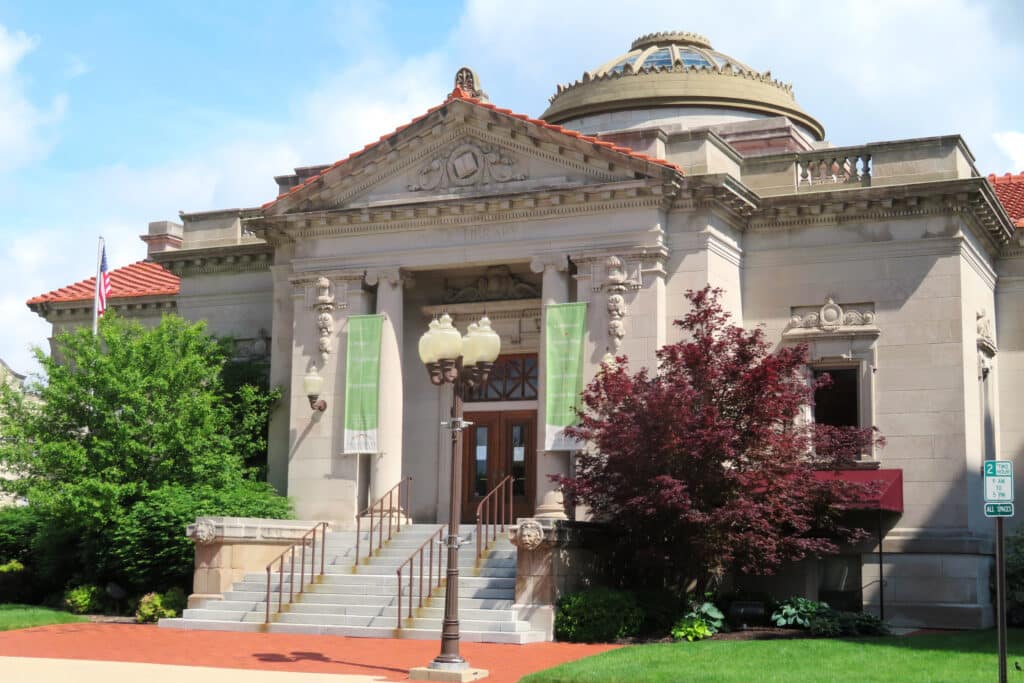
Anderson University adds youth and vitality, contributing to a growing arts and music scene. The city also celebrates its connection to spirituality and nature through Mounds State Park, where ancient earthworks — built by the Adena and Hopewell cultures over 2,000 years ago — form a striking testament to Indiana’s prehistoric past.
Anderson today balances grit with grace. It’s a city proud of its working-class roots, yet eager to reinvent itself through creativity, education, and civic engagement. Each mural, concert, and new business feels like another step toward a brighter chapter — proof that resilience can indeed be a kind of art.
3. Valparaiso — The City of Scholars and Sand

Perched near Indiana’s northern dunes, Valparaiso blends the intellectual pulse of a university town with the natural tranquility of its surrounding landscapes. Known affectionately as “Valpo,” this city has earned a reputation as one of northern Indiana’s cultural gems — refined, progressive, and deeply tied to both land and learning.
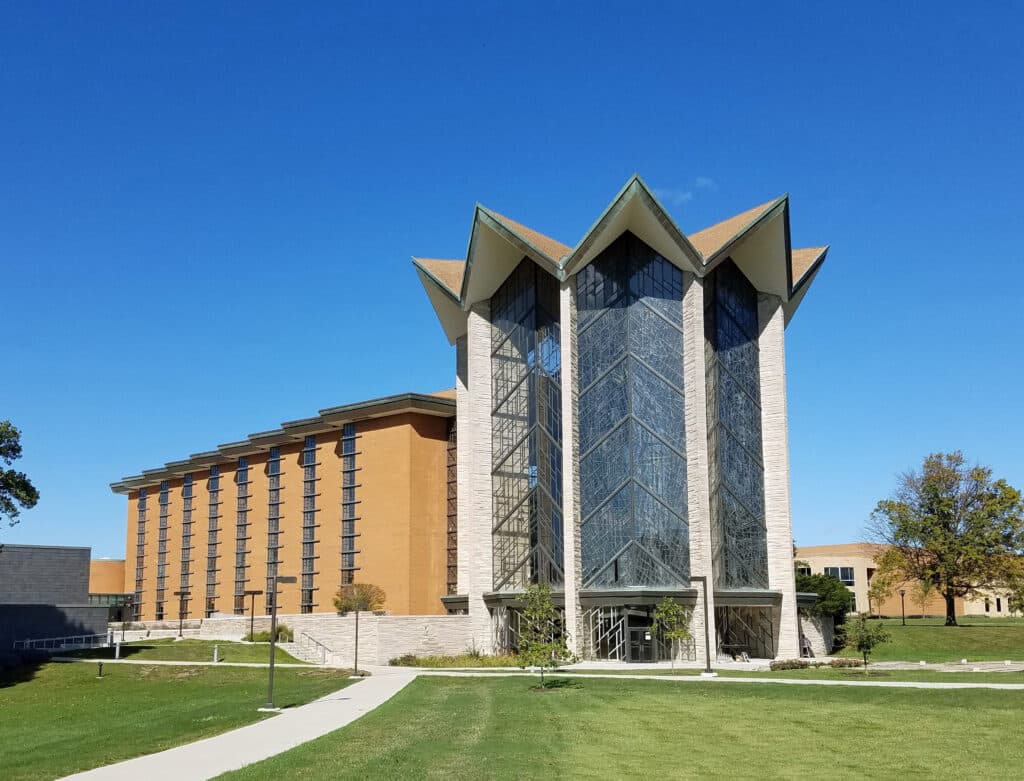
At its heart stands Valparaiso University, a Lutheran-founded institution whose campus centers around the striking Chapel of the Resurrection — one of the largest university chapels in the world. Its soaring modernist design and luminous stained glass windows make it both a place of worship and an architectural landmark.
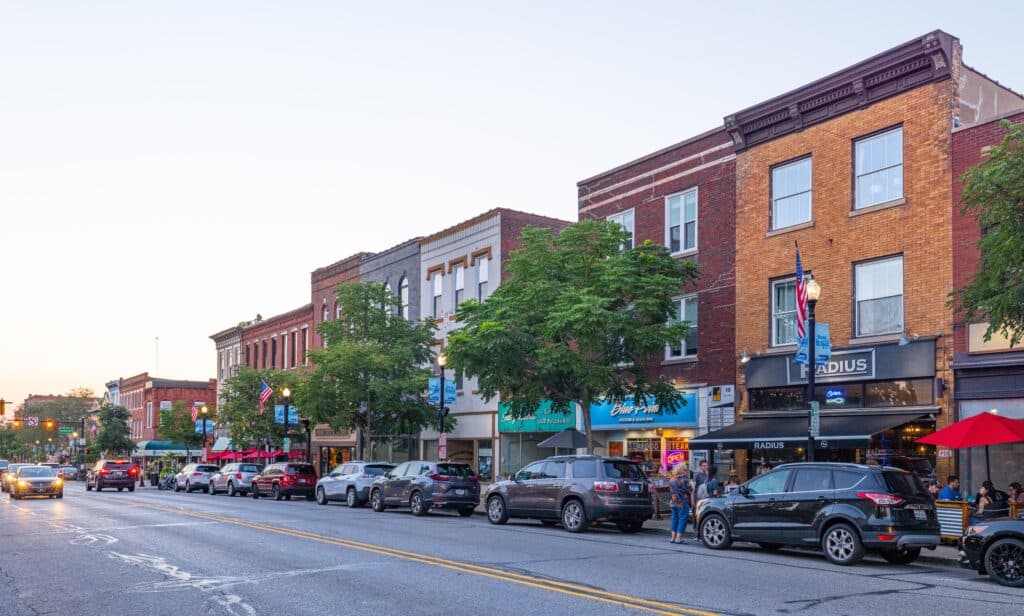
Downtown Valparaiso, meanwhile, exudes small-town sophistication. Brick streets lined with boutiques, cafés, and galleries invite leisurely exploration. Each summer, Central Park Plaza becomes the stage for concerts, farmers’ markets, and the Popcorn Festival, a lively celebration honoring native son Orville Redenbacher.
The city’s proximity to Indiana Dunes National Park adds another layer of wonder. Just minutes away, trails wind through shifting sands, forested ridges, and calm beaches — a reminder that nature and culture coexist harmoniously here.
Valparaiso thrives on balance: academia and artistry, tradition and innovation, the hum of students and the hush of pines. It is a city that educates the mind while soothing the soul.
2. Angola — The Lakeside Haven of the North
In Indiana’s far northeastern corner, where glacial hills cradle hundreds of sparkling lakes, lies Angola, a town that seems perpetually bathed in blue. Known as the “Gateway to the Lakes,” it’s a place where water defines both its geography and its way of life.

The nearby Pokagon State Park, with its clear waters, toboggan runs, and wooded trails, is one of Indiana’s most beloved natural retreats. Summer brings boaters, swimmers, and anglers to Lake James and Snow Lake, while winter transforms the park into a snowy wonderland of frozen beauty. The park’s Civilian Conservation Corps-era stone lodges and cabins add rustic charm to the landscape.

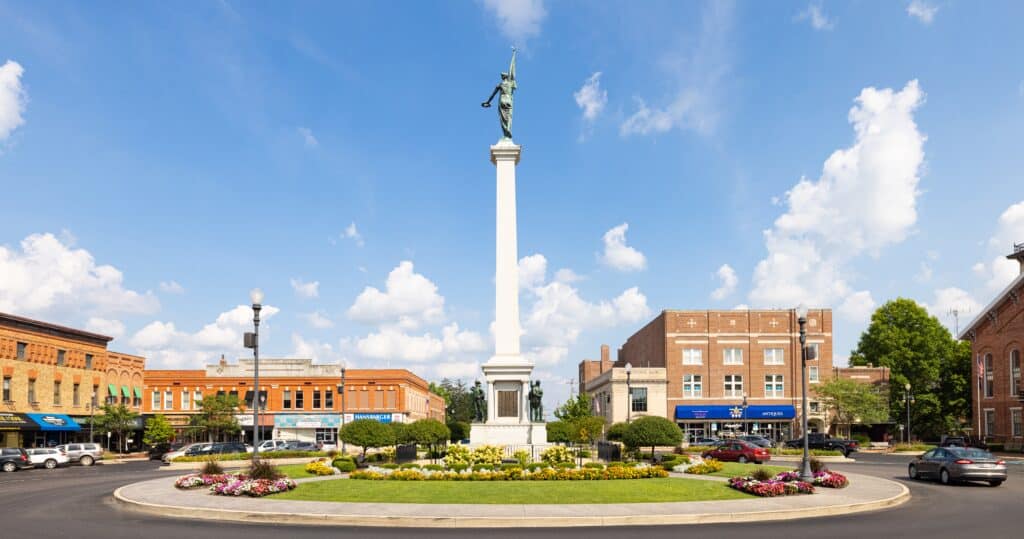
In town, Angola’s Public Square centers on the Soldiers’ Monument, a marble spire that has anchored community life since the 19th century. Around it, local shops, art studios, and cafés fill historic storefronts. The nearby Trine University contributes both innovation and youthful energy, hosting cultural events and exhibitions throughout the year.
What makes Angola special, though, is its timeless sense of contentment. It’s a place where mornings begin with mist rising off the water, and evenings end with the call of loons echoing through the trees. Life here unfolds at a gentler rhythm — one defined by reflection, connection, and the endless shimmer of sunlight on the lake.
1. Indianapolis — The Beating Heart of the Midwest

At the center of Indiana, both geographically and spiritually, stands Indianapolis — a city that defies the clichés of the Midwest. It is at once ambitious and grounded, a metropolis with the warmth of a small town and the energy of a national hub. Nicknamed “The Crossroads of America,” Indianapolis lives up to its name: roads, railways, and rivers converge here, and so do ideas, art, and sport.

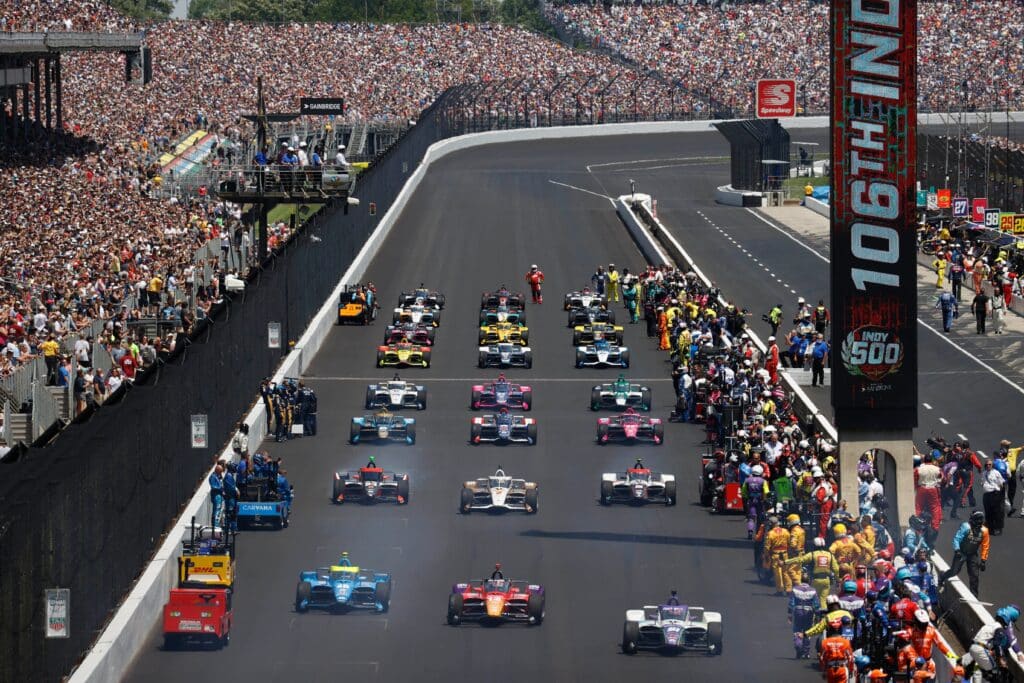
The city’s skyline rises gracefully from the flat plain, crowned by the Soldiers’ and Sailors’ Monument, a marble tower that honors Indiana’s veterans and anchors Monument Circle, one of the most beautiful urban spaces in the country. From here, cultural life radiates outward — the Indianapolis Museum of Art at Newfields, the Eiteljorg Museum (dedicated to Native American and Western art), and the historic Indianapolis Motor Speedway, where the annual Indy 500 transforms the city into a festival of speed and spectacle.
Yet, beyond its grandeur, Indianapolis thrives on community. Its Cultural Trail connects neighborhoods, greenways, and downtown landmarks, creating a living artery of art and movement. Food and craft culture flourish, too — from farm-to-table restaurants to independent breweries and jazz lounges that recall a golden age.
Indianapolis doesn’t shout for attention; it earns it quietly through quality, spirit, and sincerity. It is a city that moves — fast on the racetrack, slow in its charm — reminding visitors that the heart of America beats strongest where innovation meets authenticity.