
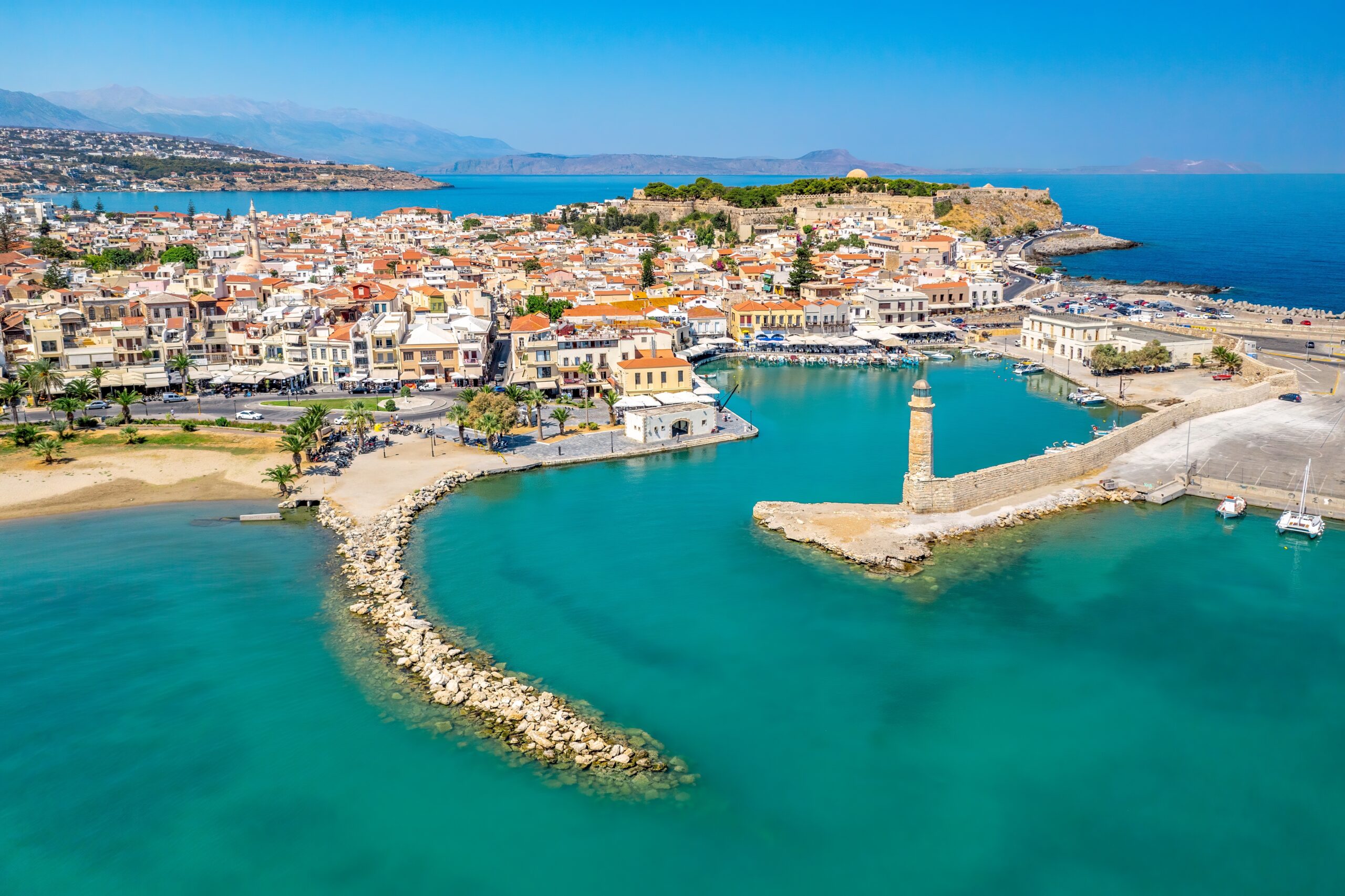
Greece is not a single landscape but a constellation — a country scattered like white petals upon a blue and breathing sea. Its islands rise from the Aegean and Ionian not merely as parcels of land, but as self-contained worlds, each shaped by wind, myth, stone, and time. To travel among them is to move through variations on a theme: the same sun, the same salt, yet endlessly different harmonies of color, scent, and sound.
The largest Greek islands possess a particular gravity. They are not fleeting impressions glimpsed from a ferry rail, but places with interior lives — mountains that generate weather, plains that once fed empires, villages where dialects linger like heirlooms. These islands have histories layered thickly as sedimentary rock: Bronze Age sanctuaries, Classical cities, Byzantine chapels, Venetian fortresses, Ottoman traces, modern harbors humming with cafés and scooters. Here, time does not erase; it accumulates.
To know these islands is to understand Greece itself as a dialogue between sea and land. The sea isolates, yet it also connects — carrying traders, invaders, pilgrims, poets. Olive trees cling to terraces carved by forgotten hands. Shepherds still read the sky. Bells mark the hour with a sound unchanged for centuries. Even the most touristed shore contains, just beyond the beach road, a path leading to quiet chapels, abandoned threshing floors, or wind-bent pines whispering in heat.
This guide unfolds as a countdown — beginning with the smallest among the great islands and rising steadily toward the largest, allowing scale to be felt rather than merely counted. Each chapter lingers, offering an immersive portrait shaped by landscape, memory, and lived rhythm. Together, these twenty islands form a single epic written in stone and water — vast enough to feel inexhaustible, intimate enough to feel like home.
20. Paros (196 km²)
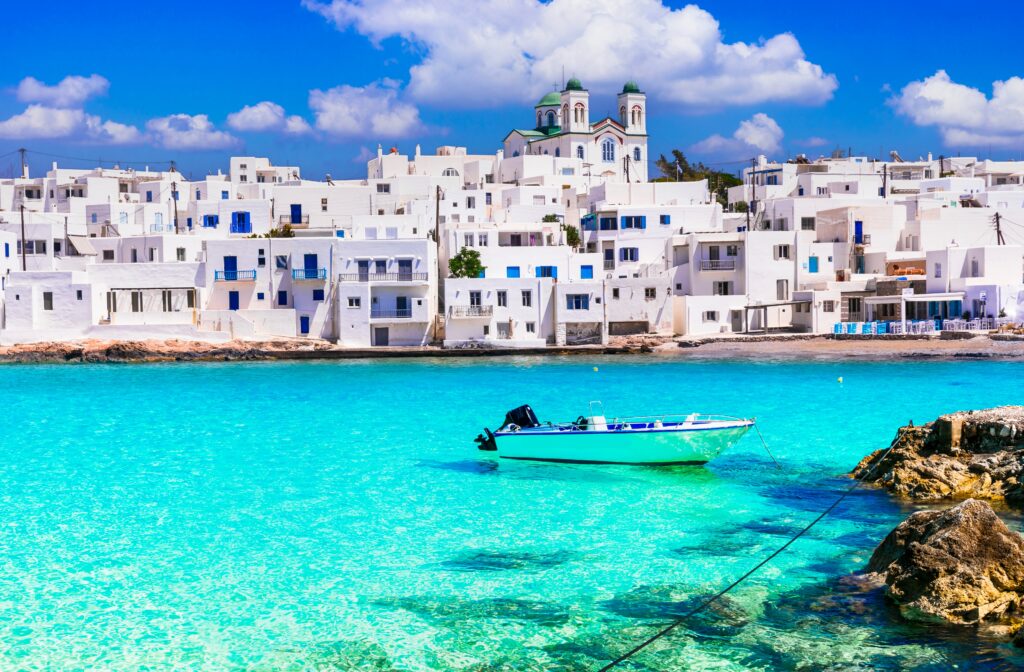
Paros enters the narrative quietly, confident in proportion rather than spectacle. In antiquity, its marble traveled farther than its name, quarried from the island’s hills and shipped across the Aegean to shape temples, statues, and sanctuaries whose fragments now populate museums from Athens to Rome. That same marble still governs the island’s light today, giving villages a soft luminosity that feels both ancient and immediate, reflective without glare.
Life on Paros unfolds with an ease that is earned rather than staged. In the harbor of Naoussa, fishing boats rock beside cafés, their paint sun-faded, their rhythms unchanged by fashion. Conversations lengthen naturally into evening. Inland, Lefkes rises with composed dignity, its stone lanes cooled by altitude and wind, its silence broken only by footsteps and bells. Here, time feels agricultural — measured by harvests, repairs, and return.
The land remains productive. Vines, figs, and olives persist alongside tourism, anchoring the island to a reality deeper than seasonal arrival and departure. Old paths still connect villages, marble thresholds bear the wear of centuries, and small chapels appear without warning, white against scrub and sky.
Paros’ coastline curves generously, beaches opening in long arcs shaped by the steady Meltemi. Sailors follow the wind; walkers follow the light. Evenings arrive slowly, the sky lingering in pale gold and rose, the island holding its breath before night.
Paros does not seek to impress. It understands measure — beauty held in balance, pleasure moderated by continuity. It is an island that knows when enough is exactly enough.
19. Skyros (209 km²)

Skyros feels inward and singular, a world held slightly apart from expectation. Its white town rises steeply above a darker, fertile base, crowned by a Byzantine castle that surveys both land and sea. This vertical contrast defines the island’s spirit — elevated yet rooted, austere above and generous below.
Traditions here endure not as performance but as inheritance. Woodcarving, ceramics, and embroidered dress are not revived arts but living practices, passed between generations without explanation. The small Skyrian horse, sturdy and self-possessed, moves through fields like a living emblem of continuity, unchanged in form and purpose.
The landscape alternates between shelter and exposure. Quiet coves open suddenly into wind-shaped shores. Hills roll gently inland, their soil dark and fertile, sustaining orchards and fields rather than spectacle. Villages remain self-contained, their rhythms shaped by long familiarity rather than novelty or display.
Skyros does not explain itself readily. It asks for attention, not admiration. Evenings fall early behind the hills, and silence arrives without apology. To know the island is to listen — to wind, to craft, to the slow confidence of a place that has never needed to persuade.
18. Ikaria (255 km²)
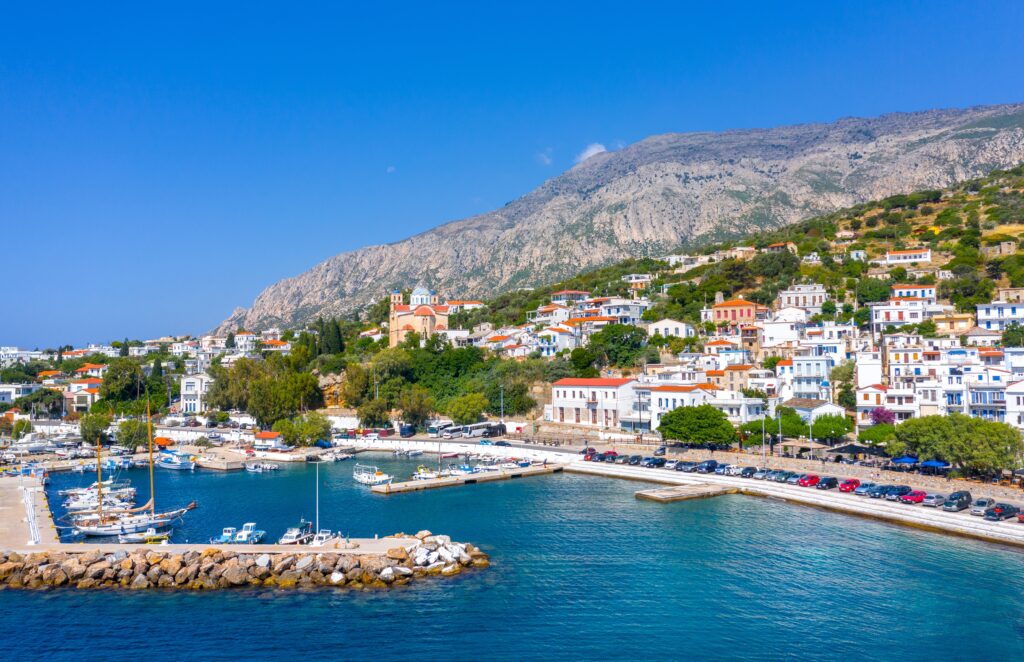
Ikaria stretches time. Steep mountains fracture the island into isolated communities where urgency dissolves and longevity feels natural rather than miraculous. Roads curve reluctantly; paths descend sharply to wild beaches where the sea asserts itself without concession or ornament.
Villages cling to slopes, bound together by festivals that last until dawn. Music, wine, and communal movement replace clocks and calendars. The island’s famous longevity emerges not from mystery but from method — daily walking on uneven ground, meals drawn from gardens and hillsides, and an unbroken sense of belonging.
The land is rugged and honest. Pine forests thicken the air with resin. Thermal springs rise unexpectedly, steaming in cool light. Ravines cut deep, directing water, shade, and movement. Modern life bends here, accommodating older priorities rather than replacing them.
Ikaria offers not escape but recalibration. It does not promise ease, only endurance — and the quiet joy that follows when life is lived at a pace the body remembers.
17. Kos (290 km²)
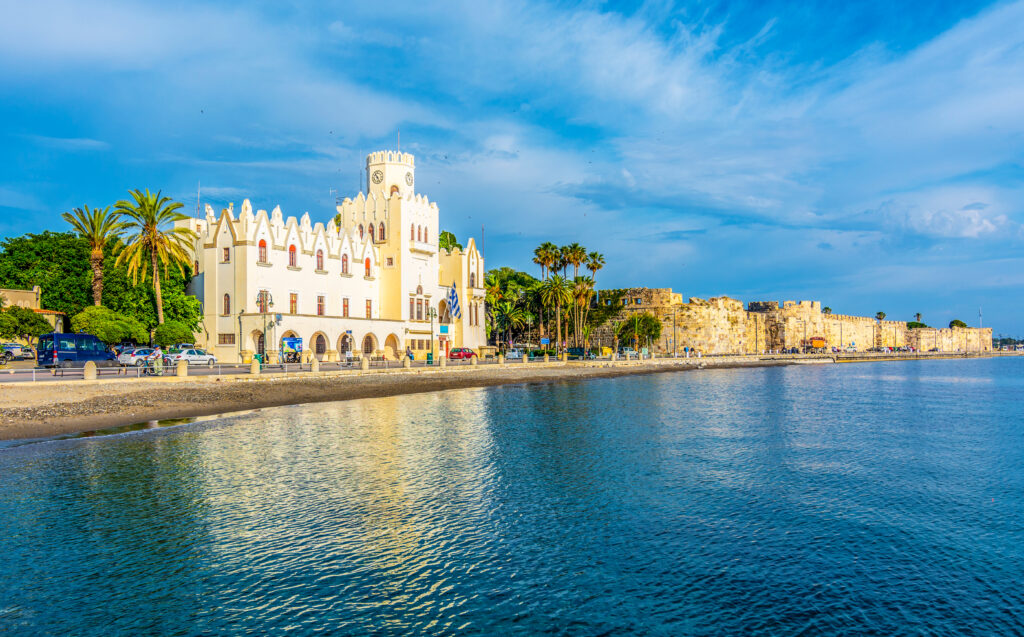
Kos is gentle and fertile, long associated with healing and balance. As the birthplace of Hippocrates, it carries an atmosphere of calm practicality, where thought and care once met beneath plane trees whose descendants still cast wide shade.
The land is generous and open. Flat plains stretch easily toward the sea, broken by low hills and cultivated fields. Ruins sit comfortably beside cafés and cycle paths, woven into daily life rather than isolated behind fences. Antiquity here feels companionable, not monumental.
Inland villages remain composed, their squares sociable and unhurried. Bread is baked slowly, conversations linger, and the afternoon heat is respected rather than resisted. Along the coast, long beaches invite walking as much as rest; the sea feels accessible, reassuring, a constant presence rather than a challenge.
Kos welcomes without emptiness. It offers ease without erasure, meaning without weight — an island where clarity and comfort coexist.
16. Kythira (300 km²)

Kythira floats apart, solitary and lyrical, unclaimed by island groups and largely untouched by fashion. Linked in myth to Aphrodite, it carries an undercurrent of longing and quiet sensuality, expressed not through excess but through restraint.
Waterfalls slip through ravines, appearing briefly before vanishing into rock. Abandoned villages speak of departure and return, their stone houses softened by wind and neglect. The sea feels vast, the sky unhurried, the silence articulate.
Life here moves gently. Cafés fill slowly, conversations unfold without agenda, and distances feel psychological as much as physical. Beaches are often empty, shaped by cliffs and wind rather than umbrellas. Beauty reveals itself gradually, requiring patience and attention.
Kythira invites reflection. It is an island of pauses — a place where memory settles, and where stillness becomes not absence, but presence.
15. Karpathos (324 km²)
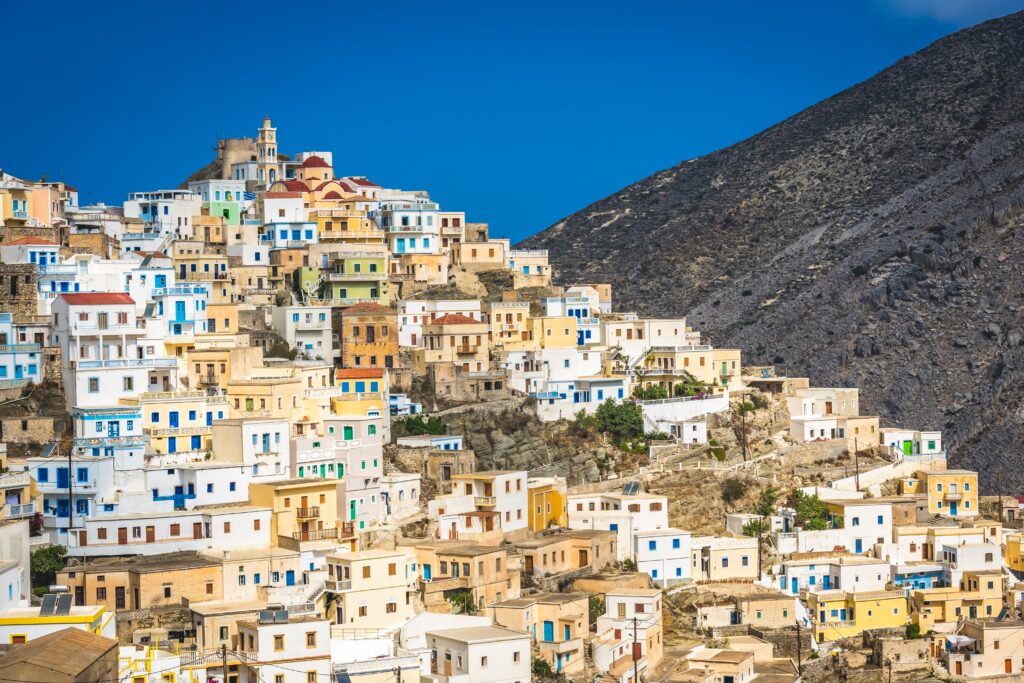
Karpathos feels resolute, suspended between Crete and Rhodes like a held breath. Mountains divide the island sharply, separating villages into self-contained worlds and preserving traditions with a clarity that feels almost defiant. Wind dominates daily life here, shaping architecture, temperament, and movement. Houses turn inward; doors are weighted against weather.
In the mountain village of Olympos, continuity is lived rather than curated. Dialect, dress, and ritual persist not as heritage but as necessity. Women bake bread in outdoor ovens, songs pass between generations without being written down, and social life revolves around kinship and endurance. Isolation has protected more than it has deprived.
The land is demanding. Terraces cling to slopes, goats move easily where humans must concentrate. Beaches are often dramatic and difficult to reach, rewarded with solitude rather than comfort. The sea is powerful, rarely ornamental, its color deepened by depth and wind.
Karpathos offers sincerity over ease. It gives back only what is fully met — attention, respect, physical presence. The island does not soften itself for visitors. Instead, it asks them to adjust, to slow, and to accept effort as part of beauty.
14. Lefkada (336 km²)
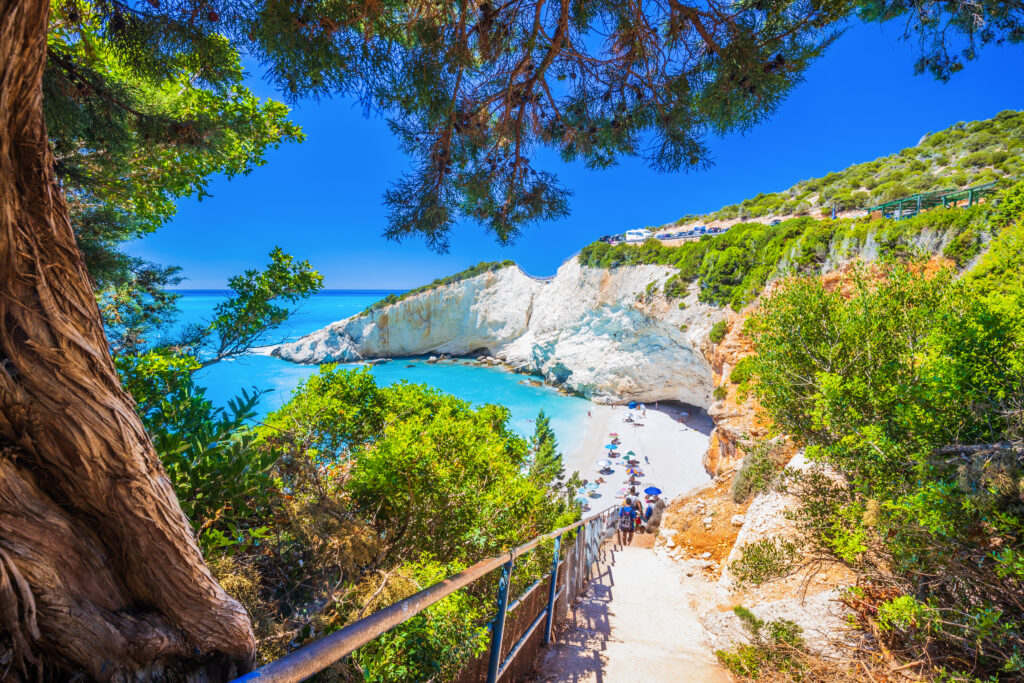
Lefkada announces itself boldly. White cliffs plunge into electric blue seas along its western coast, a vertical drama shaped by relentless wind and open horizon. The island feels sculpted rather than settled, defined by exposure and light.
Yet inland, Lefkada reveals another character. Villages cling to ridges, built historically to escape pirates and weather alike. Stone houses cluster tightly, their streets narrow and inward-facing. Here, resilience replaced ornament, and endurance shaped daily life.
Sailing and surfing dominate modern rhythms, following the reliable winds that sweep the Ionian. But evenings soften the island’s force. The sea darkens, the cliffs blush faintly, and the air fills with the sound of cicadas rather than surf.
Lefkada balances spectacle with quiet continuity. It reminds the visitor that even the most dramatic landscapes are lived in — cooked in, argued in, returned to.
13. Thassos (380 km²)
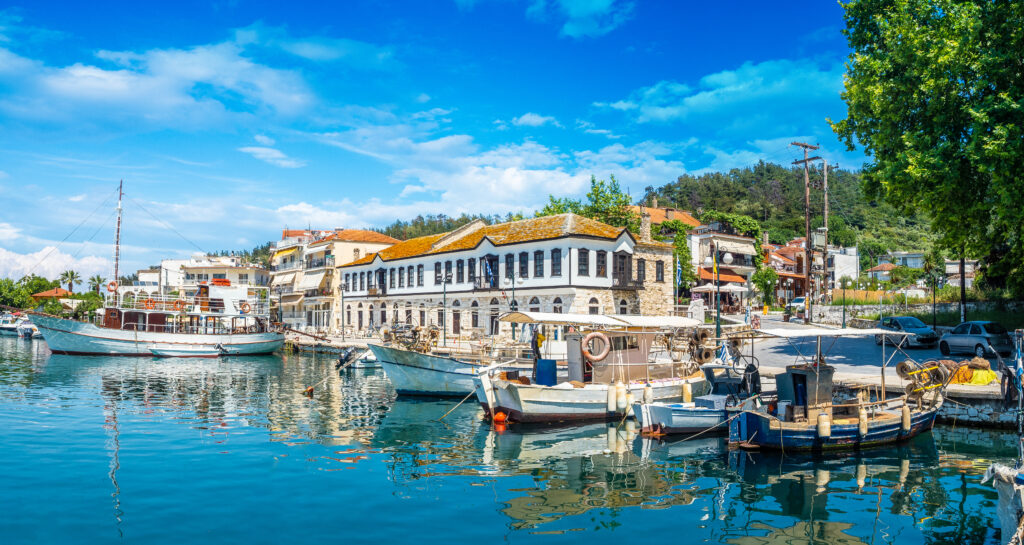
Thassos rises emerald from the northern Aegean, its forests descending nearly to the sea. Pine, plane, and oak define the island’s interior, lending it a coolness rare among Greek islands. Marble veins thread the mountains, pale against dark green, a reminder of the wealth that once flowed from these hills.
Ancient quarries lie silent now, their stepped faces softened by lichen and time. Springs emerge unexpectedly, feeding shaded villages where water is heard before it is seen. Life moves gently here, paced by forestry, farming, and the measured seasons of the north.
The coastline alternates between brightness and shadow. Pebbled coves open beneath forested slopes; beaches feel sheltered rather than exposed. Even in summer, the island retains a sense of inwardness.
Thassos does not announce itself loudly. It endures — rooted in forest, marble, and a slower, greener rhythm of Aegean life.
12. Andros (380 km²)
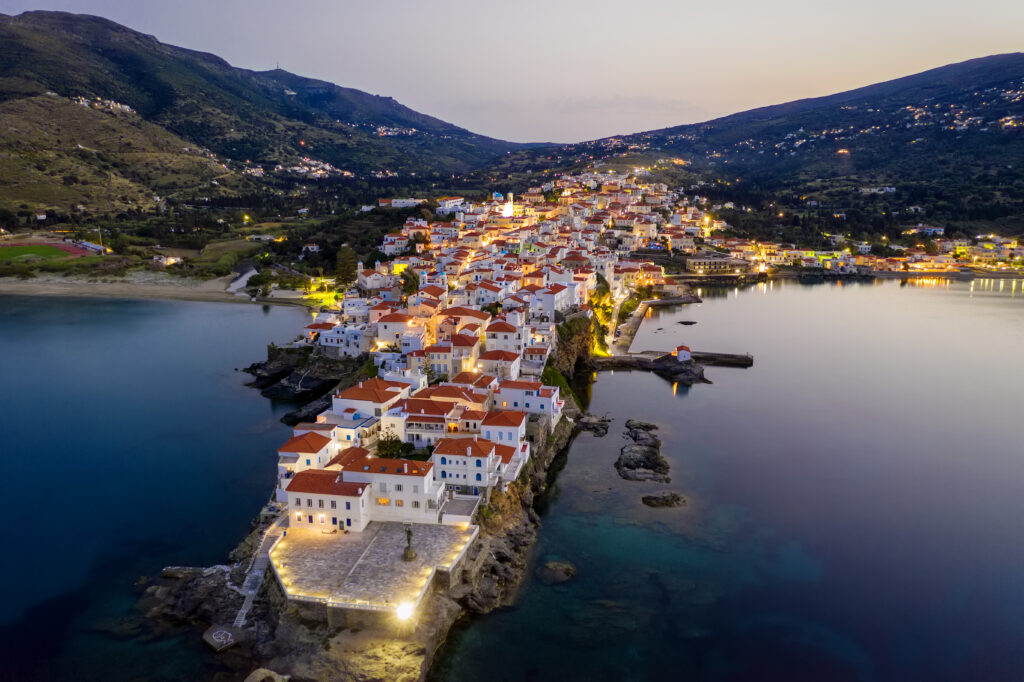
Andros is a study in movement and water. Unlike the arid image of the Cyclades, it is green and mountainous, threaded with streams, springs, and old stone paths that follow gravity rather than convenience. Walking here feels inevitable, a continuation of the island’s long relationship with terrain.
Maritime wealth once shaped Andros’ restraint. Neoclassical mansions overlook valleys dense with reeds and orchards, their faded elegance suggesting both prosperity and discipline. Inland, villages remain quietly intact, their squares shaded, their rhythms deliberate.
The sea is often restless. Northern winds roughen beaches into dramatic spaces of sound and motion, while southern coves offer brief calm. The contrast defines the island — beauty earned through effort, views revealed by ascent.
Andros rewards patience. It offers depth rather than display, discovery rather than instant pleasure — an island that opens gradually to those willing to move at its pace.
11. Zakynthos (406 km²)
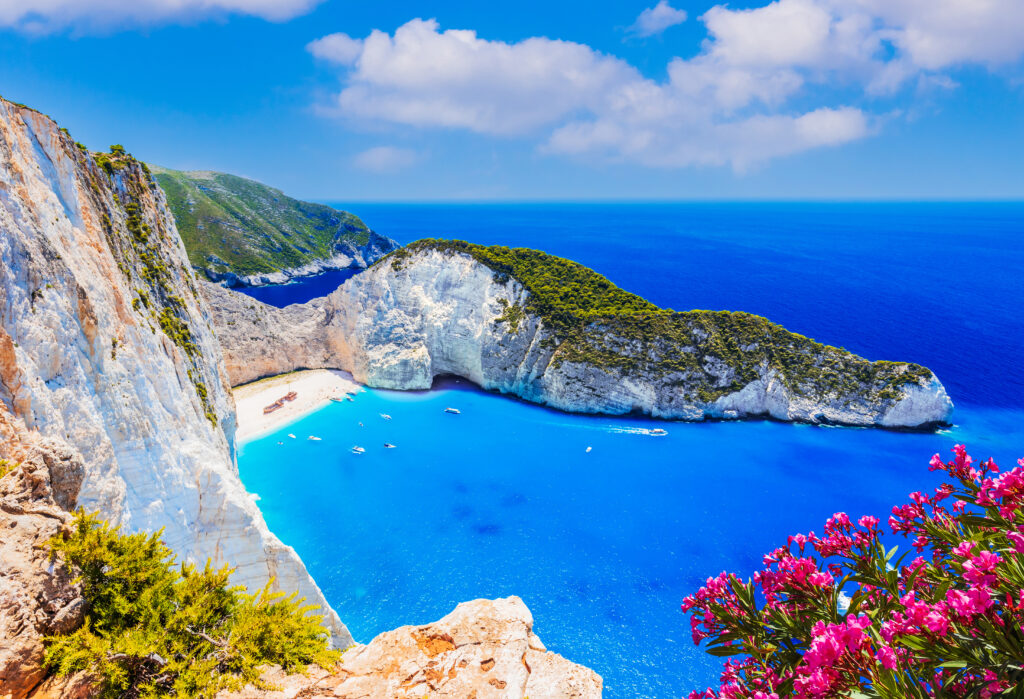
Zakynthos glows with Ionian color. White cliffs, turquoise coves, and wide skies define its image, shaped by light that feels almost theatrical. Yet beyond the iconic shores lies a softer interior, grounded in cultivation and sound.
Olive groves dominate the land, their silver leaves shifting with every breeze. Villages preserve strong musical traditions, especially choral singing that fills churches and squares with layered voices. Here, culture is shared aloud.
Along the southern coast, sea turtles return each year to nest, a quiet ritual of endurance that tempers human presence. Protection has become part of the island’s identity, a recognition that beauty requires care.
Zakynthos balances pleasure with responsibility. It welcomes the eye, but it also asks for gentleness — an island aware of its radiance and determined to preserve it.
10. Naxos (429 km²)
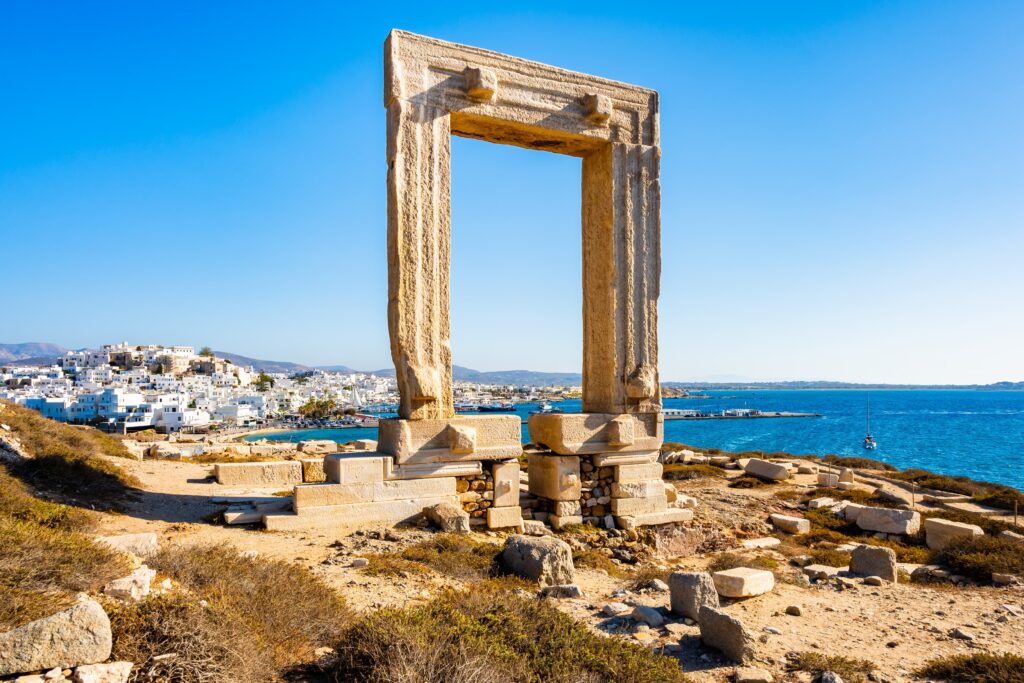
Naxos sits at the heart of the Cyclades not merely by geography but by temperament. It is an island capable of sustaining itself, its interior rising into Mount Zas, where clouds gather and soil deepens. Myth places Zeus here, raised among caves and stone, and the land still feels protective, inwardly strong.
Unlike its neighbors, Naxos is fertile. Terraces climb hillsides, stitched with olives, vines, and citrus. Villages retain agricultural purpose: marble doorways frame courtyards where cheese is dried, tools repaired, and time measured by necessity. Venetian towers rise unexpectedly above fields, reminders of layered authority and endurance.
The coast opens generously. Long beaches stretch unbroken, shaped by dependable winds that attract sailors and walkers alike. Yet even at the shore, the island never feels hollowed out. Inland life presses close, grounding pleasure in continuity.
Naxos feels complete. It offers abundance without excess, beauty without fragility — an island balanced between myth and meal, mountain and sea.
9. Lemnos (476 km²)
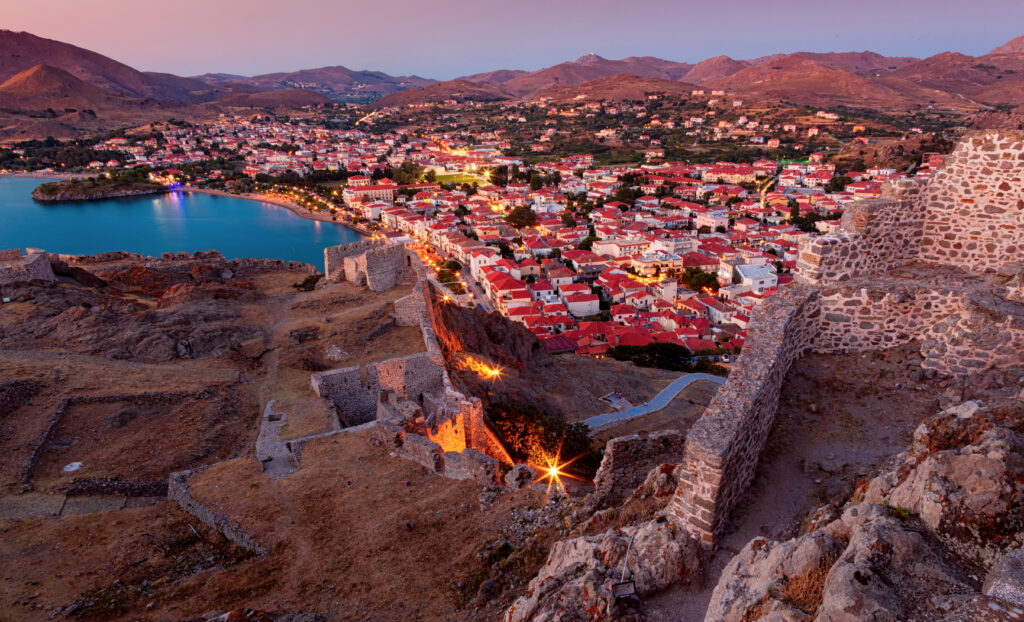
Lemnos feels elemental. Volcanic in origin and open in form, it replaces the vertical drama of other islands with breadth and wind. Rolling plains stretch toward wide horizons, creating a sense of space rare in the Greek imagination.
Agriculture defines the island’s identity. Grain fields, vineyards, and flocks shape daily rhythm. Labor is visible, honest, unadorned. Villages sit low against the land, practical rather than picturesque.
Beaches are long and quiet, shaped by wind rather than tourism. The sea meets land without ceremony, its presence constant but not overwhelming.
Lemnos offers calm without softness — an island of clarity, breadth, and unpretentious strength.
8. Samos (477 km²)
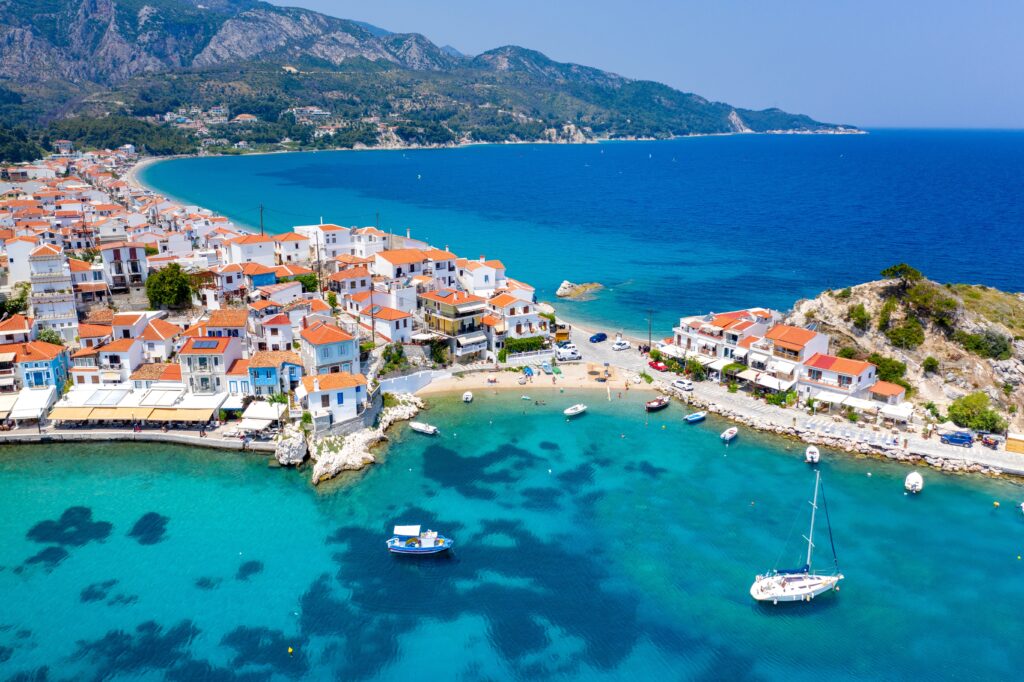
Samos rises steep and green, its mountains descending sharply into the eastern Aegean, close enough to Asia Minor to feel the pull of another shore. Vineyards climb terraced slopes, their roots gripping stone, their fruit turned patiently into wine shaped by sun and restraint.
Water defines the island’s interior. Springs cool shaded valleys, feeding orchards and villages where courtyards remain green even in high summer. Ancient engineering still astonishes: the Tunnel of Eupalinos cuts cleanly through rock, a triumph of geometry and foresight that reflects the island’s enduring respect for thought.
Sacred sites and quiet monasteries dot the hills, places of pause rather than proclamation. Daily life remains modest, grounded in work and repetition rather than display.
Samos invites harmony between mind and land. It is an island where intelligence feels embedded in terrain, where balance is practiced rather than theorized.
7. Corfu (592 km²)
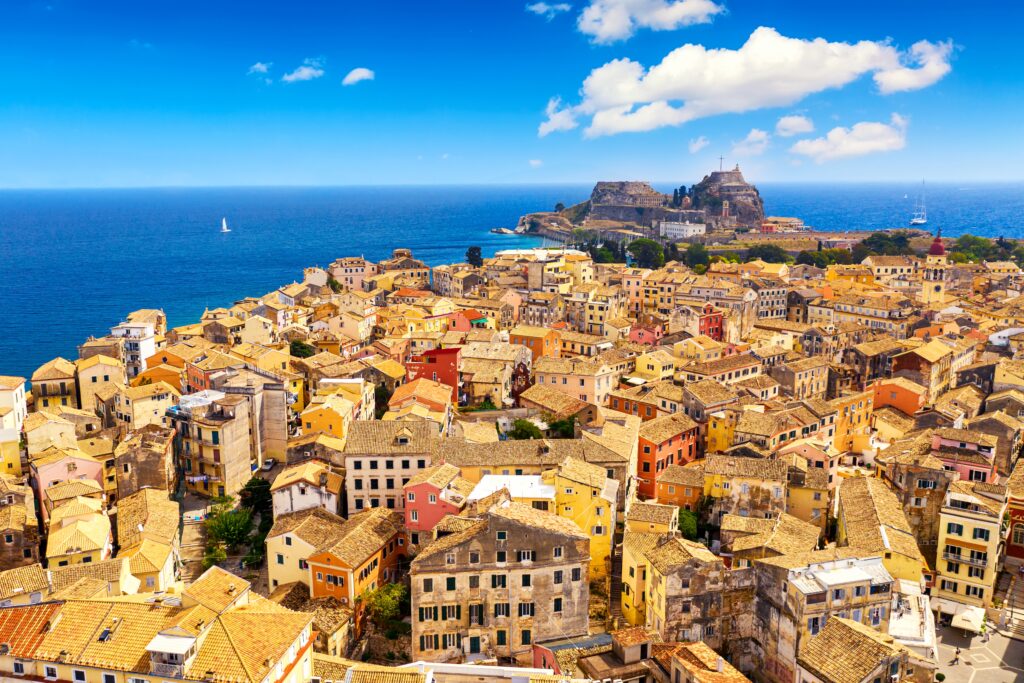
Corfu is lush and aristocratic, shaped decisively by Venetian rule. Arcaded streets, pastel facades, and imposing fortresses define its old town, lending it a European cadence distinct within Greece.
Beyond the city, olive groves blanket rolling hills, planted centuries ago to fuel maritime power. Villages remain musical places, their bands and choirs animating public life, especially during Easter when the island’s layered identity reveals itself fully.
Coastlines shift with geography — sandy shores to the west, sheltered coves to the east. The Ionian Sea softens everything it touches, lending grace even to fortification.
Corfu moves with composure. It carries history lightly, sustained by ritual, greenery, and a deep sense of belonging.
6. Chios (842 km²)
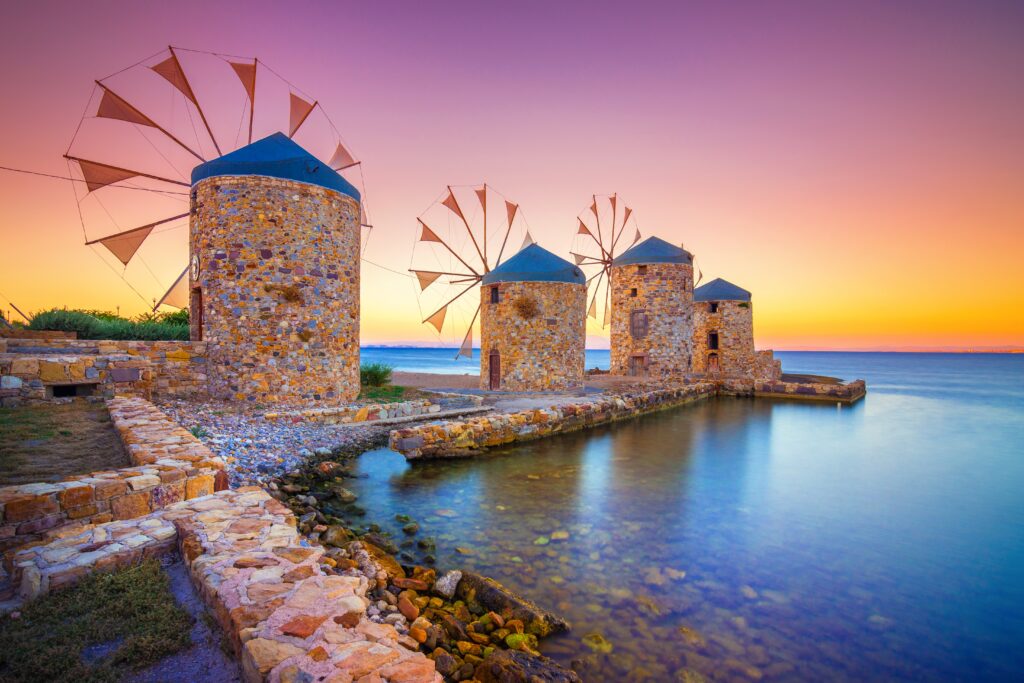
Chios is defined by mastic, a resin drawn patiently from the earth and shaped into economy, architecture, and habit. Fortified villages stand as geometric responses to centuries of vigilance, their narrow streets turned inward against threat and heat.
The island’s scale allows for contrast. Neoclassical estates recall Genoese prosperity, while Byzantine monasteries shimmer quietly in isolation. The landscape alternates between arid south and greener north, each shaping distinct rhythms of life.
Coastlines remain restrained, rocky and deliberate. Pleasure here is measured, practical.
Chios is exacting. It values order, craft, and continuity — an island that reveals itself fully only through attention.
5. Cephalonia (781 km²)
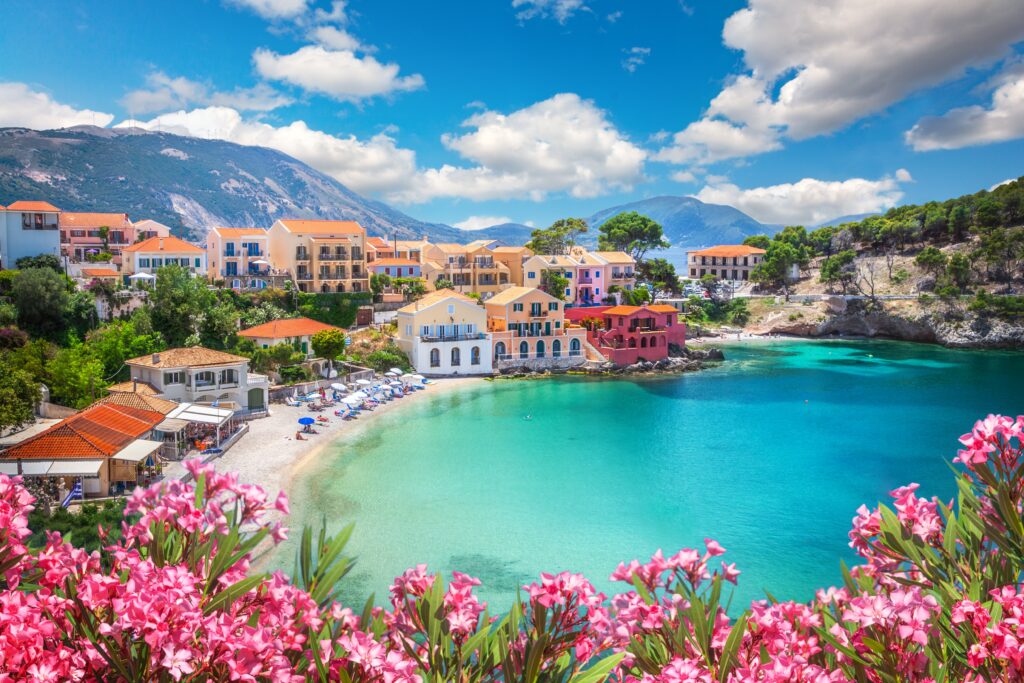
Cephalonia rises bold and luminous from the Ionian Sea, its scale immediately apparent in the sweep of its bays and the authority of its mountains. Earthquakes have reshaped both land and settlement here, leaving a landscape that feels dramatic, restless, and alive. Reconstruction bred resilience, humor, and a refusal to romanticize hardship.
Mount Ainos dominates the island’s interior, its slopes covered in rare fir forest that darkens the air and cools the light. From its heights, the Ionian appears improbably blue, its coves — Myrtos among them — carved sharply into white stone. Underground rivers vanish and reemerge without explanation, reminding visitors that logic here is provisional.
Villages feel grounded and expressive. Music and satire are woven into conversation; hospitality is generous without ceremony. Agriculture persists in pockets — vines, olives, honey — sustaining daily life beneath the island’s grandeur.
Cephalonia balances awe with warmth. It is an island that knows how to recover, how to laugh, and how to stand upright in the aftermath of change.
4. Rhodes (1,401 km²)
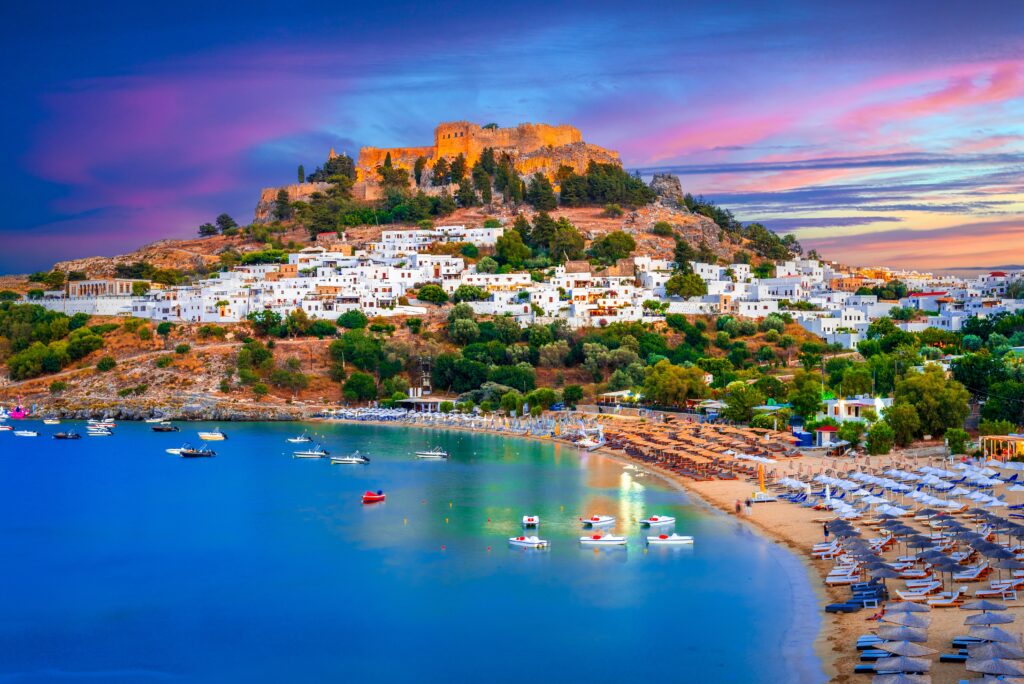
Rhodes stands at a crossroads of civilizations, its size and position making it both prize and passage. The medieval city remains astonishingly intact — walls, gates, and streets enclosing centuries of layered authority. Walking here is to move through time without leaving the present.
Beyond the city, the island opens into fertile valleys, wooded hills, and long, sunlit beaches. Ancient temples sit comfortably beside Byzantine chapels and Ottoman traces, each absorbed into the landscape rather than competing for dominance.
Villages retain confident rhythms, shaped by agriculture and trade. Light here feels celebratory, expansive, lingering longer than expected.
Rhodes hosts the world without losing itself — an island practiced in welcome, anchored by memory.
3. Lesbos (1,633 km²)
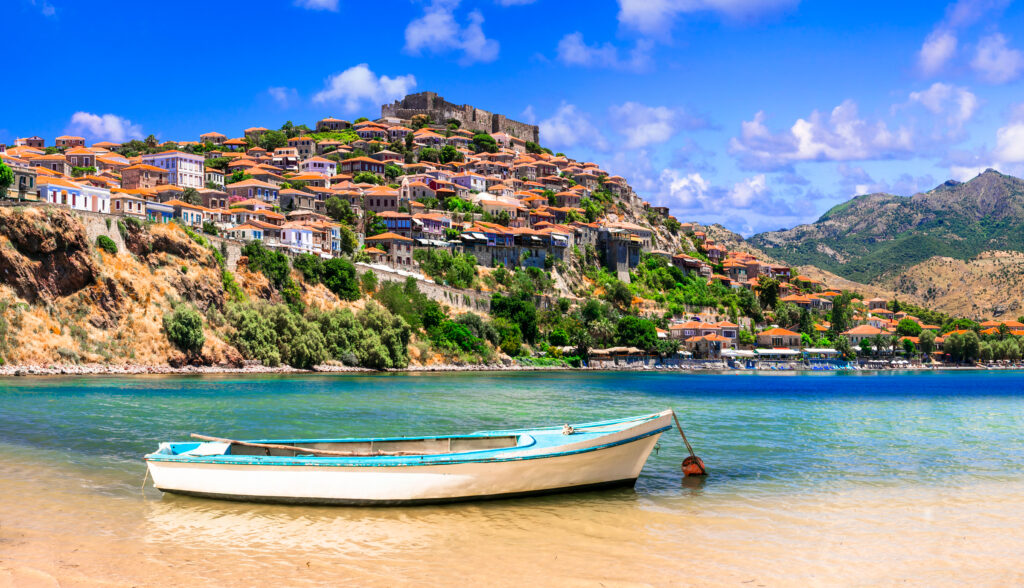
Lesbos unfolds generously, an island shaped as much by thought as by land. Olive groves stretch across hillsides in disciplined abundance, their silvery repetition creating a sense of order and calm. Poetry lives here not as relic but as inheritance; Sappho’s voice lingers in restraint and attention.
Wetlands host migrating birds, hot springs steam quietly, and stone villages gather around shaded squares. The island’s scale allows for pause — room to think, to wander, to return.
Daily life remains gentle and reflective. Meals are unhurried, conversations thoughtful. The sea is present but never overwhelming.
Lesbos offers depth without insistence — an island that rewards staying.
2. Euboea (Evia) (3,684 km²)
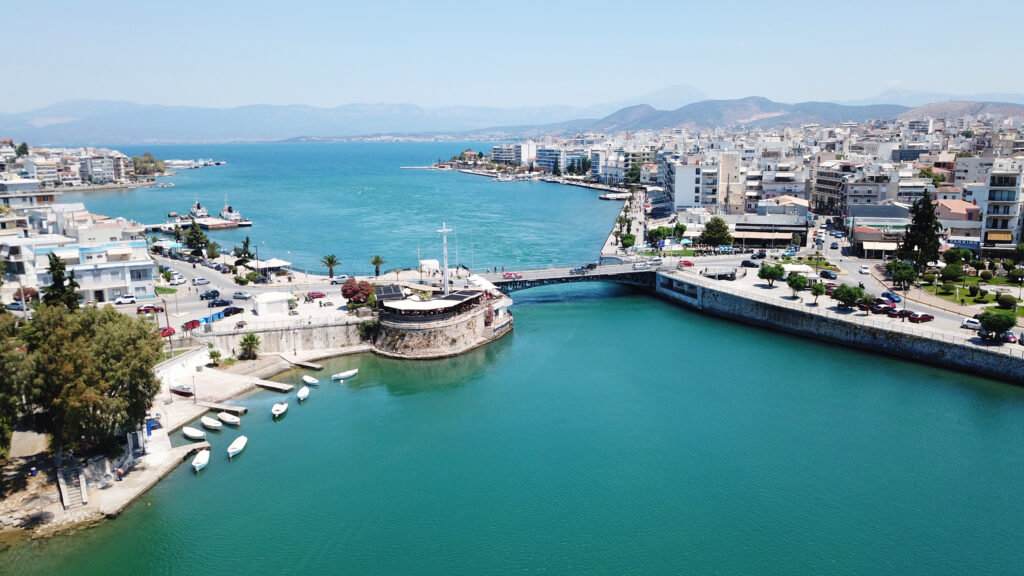
Euboea is immense and often overlooked, its proximity to the mainland disguising its scale. Mountains, forests, plains, and thermal springs create a mosaic of distinct regions, each with its own tempo and logic.
Life here is practical, untheatrical. Villages work the land, tend livestock, and preserve customs without spectacle. Beauty appears gradually — in deep gorges, high ridges, sudden views of sea.
Euboea resists simplification. It is not an island for passing through, but for understanding through repetition.
1. Crete (8,336 km²)

Crete is a world entire. Mountains generate their own weather; plains carry memories of ancient harvests and revolutions alike. The island’s size is not abstract — it is felt in distance, dialect, and defiance.
Minoan palaces recall Europe’s earliest civilization, while remote villages preserve fierce hospitality and independence. Gorges cut deep into stone, olive groves stretch endlessly, and the sea changes character from coast to coast.
Life here demands respect. Time must be given freely. Crete does not reveal itself quickly, nor does it forgive indifference.
To reach Crete is not to arrive at the end of Greece, but at its beginning — an island vast enough to contain the whole.