
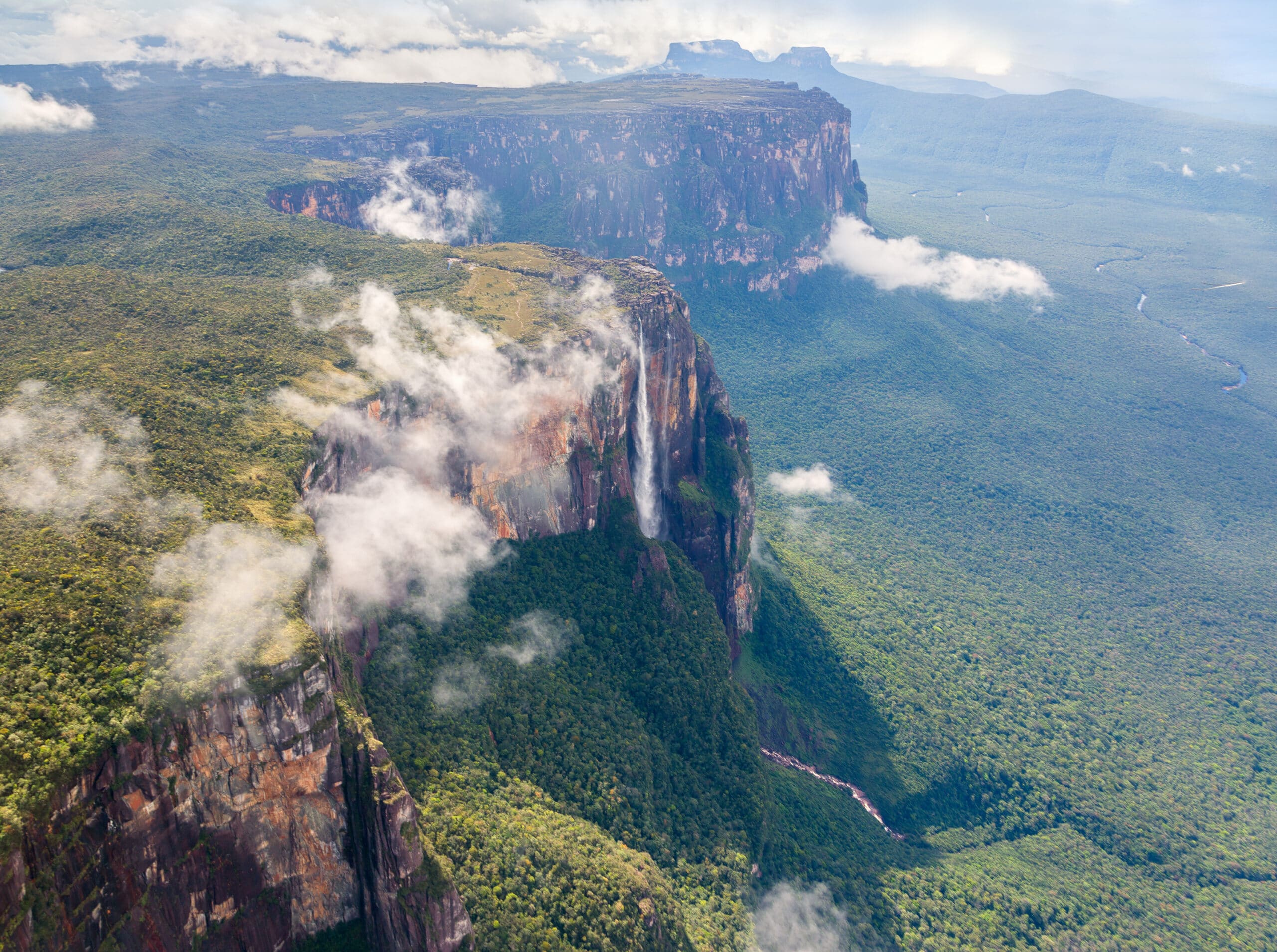
Venezuela is a country of grand contrasts and memorable experiences, where vibrant urban centers, iconic colonial towns, and some of the most extraordinary destinations on the continent coexist within a single national tapestry. Stretching from the sun-drenched Caribbean coast to the sweeping plains of the Llanos and the dramatic highlands of the Guiana Shield, the nation embodies a diversity of places, histories, and cultural traditions that reward exploration at every turn.
At its heart lies Caracas, the nation’s dynamic capital, where modernism and tradition meet along wide boulevards and in historic plazas. Museums, cultural institutions, and eclectic neighborhoods reflect Venezuela’s layered identity as a former Spanish colony, a crucible of independence movements, and a contemporary urban hub with distinctive character. Nearby, mountain vistas and hillside towns provide scenic escapes from the city’s pulse, adding depth to any urban stay.
Beyond the capital, Venezuela’s geographic variety unfolds in dramatic ways. The southeastern region of Canaima — anchored by the world-renowned Angel Falls — immerses travelers in landscapes that feel almost surreal. Here, deep river valleys, tabletop mountains known as tepuis, and remote Indigenous communities frame one of the world’s most unforgettable natural icons. Further south and east, the plateau town of Santa Elena de Uairén and the rolling plains of the Gran Sabana offer cultural insights and scenic charm shaped by centuries of rugged frontier life.
Along the Caribbean coast, island archipelagos such as Los Roques and La Tortuga blend sun, sea, and seaside living in ways that delight beach lovers and casual explorers alike, while historic cities such as Coro preserve colonial heritage in atmospheric old towns that feel timeless.
Add to this a rich array of regional foods, vibrant music and dance traditions, and festivals that animate plazas across the calendar, and Venezuela reveals itself as a country that invites both curiosity and deep appreciation. This guide explores the places, people, and experiences that make Venezuela a compelling travel destination.
20. Angel Falls & Canaima (Gateway Experience)
Angel Falls — Salto Ángel — is the world’s tallest uninterrupted waterfall and one of Venezuela’s most iconic sights. Plunging nearly 1,000 meters from a tabletop mountain, this dramatic cascade has captured imaginations since its first aerial discovery in the 1930s and remains a defining symbol of the country’s natural grandeur. Visiting Angel Falls is often a multi-stage adventure: most travelers fly into Puerto Ordaz or Ciudad Bolívar, then take a small plane to Canaima Village, a remote settlement that serves as the launching point for classic lagoon and river journeys.
From Canaima, traditional canoe rides up the Churún River provide access to viewpoints around the falls — experiences that feel immersive and memorable. The approach via river and jungle barge enhances the sense of discovery and gives visitors a deeper sense of place. Guided tours typically include several days of exploration around the larger Canaima National Park region, where dramatic table-top plateaus (tepuis) and riverine landscapes provide context to the falls’ dramatic setting.
Accommodations in Canaima Village range from rustic lodges to more comfortable guesthouses, and mealtimes often highlight regional Venezuelan cuisine. Each stay here feels like part of a broader adventure, connecting travelers with both local culture and one of the planet’s most unforgettable sights. Whether viewed from a distance or up close, Angel Falls stands as a must-see highlight and an essential first chapter in any journey through Venezuela.
19. Los Roques Archipelago (Caribbean Island Escape)
The Los Roques Archipelago is Venezuela’s premier Caribbean island destination, a chain of over 300 islands, cayos, and islets set in striking turquoise waters. Beaches of pure white sand, vibrant coral reefs, and easily accessible shallow bays make Los Roques a top choice for those seeking sun, sea, and quintessential island life.
Visitors typically fly from Caracas to El Gran Roque, the main inhabited island, where colorful houses, small cafés, and local guesthouses set the tone for a relaxed getaway. From there, day trips by boat let you island-hop to postcard beaches such as Cayo Sal, Cayo Muerto, and Cayo Peraza. Snorkeling among abundant fish and exploring secluded coves are favorite activities, but the island’s atmosphere — unhurried and open — is itself a major draw.
Dining here emphasizes seafood and fresh local ingredients, often served with Caribbean flair in rustic beachside venues. Evenings are laid-back, with sunsets over calm waters and clear skies that make for great stargazing.
Los Roques combines ease of access with a sense of remoteness and timelessness — ideal for travelers who want a classic island experience without large crowds. Its palette of blues, beaches dotted with coconut palms, and intimate village life make it a standout among Caribbean destinations.
18. Mérida – Andes & Mountain Culture
Set high in the Venezuelan Andes, Mérida is a vibrant university city with a distinctive cultural identity shaped by mountain life. Cobblestone streets, colorful market plazas, and colonial architecture create an inviting urban stage, while local restaurants and cafés offer flavors shaped by regional tradition.
One of Mérida’s most unforgettable experiences is riding the Teleférico de Mérida, one of the longest and highest cable car systems in the world, which climbs toward mountain peaks and offers sweeping Andean panoramas. The city itself bustles with youthful energy thanks to its student population, and its historic center features plazas, museums, and lively street life that reward exploration.
Markets such as the Mercado Principal showcase local produce, crafts, and foods, while surrounding mountain towns and villages add depth to any stay. Dining in Mérida ranges from traditional arepas and grilled meats to regional specialties enjoyed in casual settings.
For culture lovers and urban explorers alike, Mérida blends scenic grandeur with an engaging city experience, making it more than just a jumping-off point for peaks — it’s a destination in its own right.
17. Isla de Margarita & La Asunción
Known as the “Pearl of the Caribbean,” Isla de Margarita is one of Venezuela’s most popular coastal destinations, offering accessible beach culture, lively resort towns, and duty-free shopping. Popular beach stretches such as Playa El Agua and Playa Parguito draw domestic and international visitors alike, pairing soft sand and seaside dining with casual beach bars and water sports.
Island life here combines relaxation and activity: windsurfing and kiteboarding are particularly popular at places like Playa El Yaque, while quieter coves provide serene swimming and scenic rest. The nearby town of La Asunción serves as a cultural anchor for the island. Its historic center — with landmarks such as the Catedral Nuestra Señora de La Asunción and Santa Rosa Castle — offers insight into Venezuela’s early colonial history and a pleasant contrast to the beaches.
Dining on Margarita blends seafood with Caribbean and Venezuelan flavors, and evenings often involve lively local music and casual socializing. Island markets sell handmade crafts, beachwear, and souvenirs, contributing to an inviting, festive atmosphere.
Isla de Margarita’s mix of seaside vibrancy and historic charm makes it ideal for travelers seeking both beach enjoyment and cultural discovery in a single itinerary.
16. Coro & the Colonial Northwest
Coro, officially known as Santa Ana de Coro, is one of Venezuela’s earliest European settlements and today stands out for its exceptionally preserved colonial architecture. Its historic districts have earned recognition for showcasing an unusually rich array of Spanish and Dutch colonial buildings, churches, and public squares that feel almost transportive for visitors.
Wandering Coro’s cobblestone streets reveals pastel facades, ornate wooden doors, and plazas that reflect centuries of architectural heritage. The city itself serves as a base for exploring nearby landmarks including the Médanos de Coro — striking sand dunes that rise imperiously from flat terrain, offering memorable vistas and relaxed excursions just outside town.
Local museums and cultural centers share stories of the city’s past, from early colonial trade to more recent chapters in Venezuelan history. Traditional eateries and cafés provide opportunities to sample regional dishes while soaking up the relaxed pace of life.
Coro’s compact size makes it especially enjoyable on foot, and its historic ambiance appeals to those who appreciate architectural heritage. As one of Venezuela’s most atmospheric towns, it offers a distinct contrast to the country’s coastal and highland destinations, blending history, culture, and walkable charm in a compelling package.
15. Ciudad Bolívar – Historic Capital on the Orinoco
Ciudad Bolívar is one of Venezuela’s most charming cities, richly endowed with history, colonial architecture, and sweeping views of the Orinoco River. Founded in 1764, it became an important administrative and military center during the struggle for independence. Today, its historic quarter — particularly the Casco Histórico — is celebrated for its colorful colonial buildings, shaded plazas, and classic 18th- and 19th-century structures, many meticulously restored.
Wander through Plaza Bolívar, the city’s main square, where the pace of life remains relaxed and friendly. Nearby landmarks such as the Cathedral of Santa María and the stately old residences showcase elegant facades, high ceilings, and decorative ironwork that transport visitors to another era. A stroll along the Paseo Orinoco boardwalk — lined with benches and cafes — offers a perfect way to take in long river views and evening breezes.
Local museums further enrich the experience. The Casa de la Cultura and Museo del Estado Bolívar house artifacts and exhibits that illuminate both pre-independence history and the city’s cultural evolution. Delicious street food and regional dishes like cachapas and arepas await in small eateries near the plazas or along narrow streets.
Ciudad Bolívar also functions as a strategic jump-off point for regional travel, with tours often continuing deeper into southeastern Venezuela. Visitors appreciate that here you can combine historic urban exploration with scenic riverfront moments that define the essence of life along the Orinoco.
For travelers interested in architecture, history, and relaxed riverside ambience, Ciudad Bolívar stands out as one of Venezuela’s most captivating colonial capitals.
14. Choroní & the Central Coast
Choroní is a classic coastal escape that captures the essence of Venezuela’s northern Caribbean shoreline. Situated in Aragua state (about three hours from Caracas), this laid-back fishing town is known for its lush mountain backdrop, colonial architecture, and stunning beaches that combine ease of access with scenic appeal. While lesser-known internationally, Choroní is a beloved destination for Venezuelans and curious travelers alike — a place where beach culture intersects with vibrant local rhythm.
The town itself has narrow cobblestone streets and brightly colored facades that create a welcoming, almost storybook feel. Local vendors and cafés line the plaza, while shaded outdoor spaces invite you to linger with a fresh coconut or Venezuelan coffee in hand. Friendly interactions with residents add a layer of charm not always found in bigger resort areas.
From Choroní, access to beaches is straightforward and rewarding. Playa Grande, for example, offers sweeping white sands and gentle waves ideal for swimming and relaxation. Other nearby beach spots such as Ocumare de la Costa and scenic coves tucked into rocky headlands provide variety for visitors who enjoy hopping between beach settings in a single trip.
The surrounding landscape also supports day trips inland, with verdant hills and river valleys that contrast the coastal vibe. Paths and viewpoints yield beautiful vistas, while roadside eateries serve fresh seafood and Venezuelan staples that pair perfectly with a day by the sea.
Choroní’s blend of historic small-town feel, easy beach access, and coastal culture make it one of Venezuela’s most enjoyable seaside destinations for relaxed travelers and local explorers alike.
13. Morrocoy Coast & Chichiriviche
The Morrocoy Coast around Chichiriviche is one of Venezuela’s most charismatic coastal regions, known for its beaches, small island chains, and vibrant seaside towns. Chichiriviche, in Falcón state, serves as the gateway to this world of deep blue waters, calm bays, and bright coastal life that feels distinctly Caribbean yet uniquely Venezuelan.
Chichiriviche itself is a laid-back town with comfortable lodging, eateries serving fresh seafood, and a boardwalk that’s perfect for early evening strolls as the sun sinks into the sea. From here, boat tours take visitors to a constellation of nearby cayos (small islands), each offering something different: quiet coves, sandy shoals best for wading, and pockets of shade for relaxing with a picnic or cold drink.
Among the local favorites are beach spots where you can swim in calm, shallow waters that feel perfect for families and casual visitors, and others suited for brief snorkeling or gentle paddling. Cultural events, impromptu music on the shore, and seafood prepared with regional spices all contribute to the area’s friendly and unhurried pace of life.
Nearby culinary experiences add texture to any visit. Beach shacks and small restaurants serve dishes featuring fresh catch of the day, grilled local produce, and classic Venezuelan favorites like empanadas and arepas. Evenings can be relaxed with local music, small performances in coastal squares, or conversation with residents who know the heart of their home well.
For travelers seeking beach variety, seaside character, and a sense of informal adventure that isn’t overwhelmed by tourism crowds, Chichiriviche and the Morrocoy coast deliver a memorable Venezuelan shore experience.
12. Caracas – Capital Highlights
Caracas is Venezuela’s bustling capital and its most vibrant urban center. While it’s often bypassed in favor of coastal or mountainous destinations, the city is rich with cultural institutions, historic districts, and a dynamic blend of past and present that rewards exploration.
At the heart of the city is Plaza Bolívar, a grand civic square surrounded by emblematic buildings and monuments that tell the story of Venezuela’s independence era. Nearby, wide avenues and plazas showcase both traditional and modern architecture, offering a panorama of architectural eras. Museums such as the Museum of Contemporary Art and the Historical Museum of Caracas provide spaces for art lovers and history buffs alike.
Caracas also offers lively neighborhoods with varied personalities. El Hatillo, for example, is known for its colorful colonial streets, artisanal shops, and approachable cafés, creating a distinctly different feel from the bustling central districts. Las Mercedes is a hub of contemporary nightlife, restaurants, and upscale hangouts that draw locals and visitors alike.
Venezuelan cuisine in Caracas reflects both tradition and innovation: local diners and fine restaurants alike serve arepas, cachapas, and regional specialties alongside international influences. Markets and food stalls introduce travelers to street snacks and hidden gems.
For a comprehensive taste of urban Venezuela — its history, culture, and contemporary energy — Caracas offers a layered and stimulating destination that complements the country’s natural and coastal highlights.
11. Coche Island & Caribbean Outposts
Coche Island, located off the northeast coast near Margarita Island, is one of Venezuela’s lesser-discovered Caribbean spots, known for its crystalline waters, wide beaches, and laid-back rhythm. Unlike the more developed resorts, Coche has maintained a relaxed feel, with long sandy stretches that invite morning walks and sunset views that become signature moments for visitors.
The island’s beaches vary from broad, serene expanses ideal for lounging to shallow coves that gently lap at the shore. Local watercraft rentals and boat tours let you explore neighboring islets and smaller coves that can feel almost private on quieter days. Accommodation is charmingly simple yet comfortable, often with facilitated access to key beach points.
Close by, the smaller Los Frailes Archipelago offers additional options for island hopping. Each tiny cay delivers postcard-style views and opportunities to relax away from larger crowds. On the mainland routes between Margarita and Coche, quaint towns and food stands specialize in seafood and local Caribbean flavors, creating easy ways to combine island time with authentic Venezuelan beach culture.
Travel through this part of the Caribbean is best enjoyed over several days, letting you catch sunrise light over bays, enjoy local music in evening gatherings, and wander sandy shores at your own pace. Coche Island and its outposts provide a distinctive blend of gentle beach life and Caribbean character worth exploring beyond Venezuela’s better-known beaches.
10. Mount Roraima & Gran Sabana Gateway
Mount Roraima — often called the “Lost World” — is one of Venezuela’s most extraordinary destinations and a defining highlight of the Gran Sabana region. This flat-topped mountain (tepui) rises dramatically above the surrounding savanna and is widely recognized as the inspiration for adventure tales and surreal landscapes.
Roraima’s appeal begins long before you reach the summit. The journey usually starts in the scenic town of Santa Elena de Uairén, a vibrant frontier settlement near the Brazilian border. From there, multi-day treks lead through rolling grasslands, river crossings, and dramatic rock formations that gradually reveal Roraima’s monumental scale. The trek itself becomes part of the experience — every bend unveils new panoramas that feel cinematic and untamed.
Reaching the top is an unforgettable achievement. The plateau feels like a world of its own, with unique rock surfaces, hidden pools, and striking views that stretch across three countries. Guided tours ensure safe navigation and provide cultural insights from local guides who know the terrain intimately.
While it demands physical effort, Roraima rewards visitors with one of South America’s most iconic and adventurous landscapes. Accommodation during the trek is basic but comfortable, and meals are usually prepared by support crews who accompany groups.
For travelers seeking a once-in-a-lifetime highlight that combines physical challenge with visual reward, Mount Roraima stands above the ordinary itinerary and remains an essential chapter in any comprehensive visit to Venezuela.
9. Isla La Tortuga – Caribbean Escape
Isla La Tortuga offers a quieter, more secluded Caribbean experience compared with other coastal destinations in Venezuela — a perfect choice for travelers who want pristine beaches and peaceful shores away from the usual crowds. The island’s name, meaning “the turtle,” evokes its gentle atmosphere and long stretches of soft sand that seem tailor-made for relaxation.
Located in the vibrant Caribbean Sea to the north of the mainland, La Tortuga stands out for its quiet beauty and laid-back vibe. It is the largest of the Venezuelan federal islands in the region and remains relatively uninhabited and unspoiled. Long beach promenades, shallow turquoise waters, and low dunes define the coastline, making it an ideal backdrop for swimming, strolling, or lounging with a good book.
Reaching the island typically involves boat or charter flights from the mainland, adding to the sense of adventure. Although the infrastructure is uncomplicated and focused on simplicity, this contributes to the island’s charm rather than detracting from it. Accommodations are simple yet inviting, often featuring ocean views and easy access to beach life.
Dining options emphasize fresh catch of the day seafood, paired with cool beverages enjoyed under shaded palapas or in small beachside cafés. The island’s unhurried pace means most days fade into tranquil evenings with stunning sunsets and gentle sea breezes that define a true Caribbean escape.
For those looking to balance tropical scenery with quiet enjoyment and natural rhythm, Isla La Tortuga is one of Venezuela’s most delightful hidden coastal chapters.
8. El Hatillo – Caracas’ Historic Suburb
El Hatillo is a delightful contrast to Venezuela’s bustling capital — a small, historic suburb that feels more like a steeped-in-tradition town than a city neighborhood. Located on the outskirts of Caracas, it offers a compact and pedestrian-friendly historic district that highlights colonial architecture, quaint plazas, and a lively artisanal culture.
El Hatillo’s streets are lined with brightly painted buildings, small boutique shops, and cafés that spill out onto cobblestone lanes. The Plaza Bolívar of El Hatillo — not to be confused with the larger national square in Caracas — serves as the social heart of the neighborhood, where locals and visitors mingle, dine, and enjoy the relaxed pace of life.
Art galleries and artisan markets are key features, offering handcrafted goods, ceramics, textiles, and souvenirs that reflect local creativity. This makes El Hatillo a rewarding destination for travelers who enjoy exploring cultural niches and design-oriented spaces that aren’t always present in major city centers.
Restaurants here focus on both Venezuelan staples and contemporary interpretations, blending traditional flavours with modern presentation. Casual eateries are perfect for lunch breaks, while evening venues offer more refined options for dinner and drinks.
El Hatillo makes an excellent half-day or full-day excursion from central Caracas and acts as an inviting introduction to Venezuelan colonial charm before or after exploring the nation’s other highlights. Its friendly ambience, architectural detail, and local culture make it a standout urban visit.
7. Colonia Tovar – German-Venezuelan Village
Colonia Tovar feels like a slice of Germany nestled in the Venezuelan mountains. Founded in the 19th century by German immigrants, this alpine-styled town carries a distinct character unlike anywhere else in the country. Its Bavarian-inspired architecture, cobblestone streets, and cool highland climate create an enchanting setting that’s easy to explore on foot.
Perched within verdant hills, Colonia Tovar’s streets are a tapestry of half-timbered houses, flower boxes, and family-run shops. Small bakeries and cafés serve hearty fare reminiscent of central Europe, including locally produced breads, pastries, and microbrews inspired by traditional recipes. It’s a favorite destination for food lovers seeking a taste of fusion cuisine rooted in European and Venezuelan influences.
Scenic viewpoints dotted around the town’s edges reward visitors with panoramic mountain vistas. Much of the appeal lies in simple experiences: leisurely strolls through the plaza, sampling craft beer at a local tavern, or browsing artisanal olive oils, jams, and chocolates in boutique shops.
Colonia Tovar also hosts seasonal celebrations, including Oktoberfest-style events that blend local tradition with German warmth — complete with music, dancing, and communal feasts. Its unique character and welcoming atmosphere make it a memorable stop for travelers seeking quaint charm outside of Venezuela’s coastal and jungle routes.
6. Lechería & the Eastern Coast Urban Beach Scene
Lechería is one of Venezuela’s most dynamic coastal cities, where urban amenities meet seaside appeal. Located on the country’s northeastern coast near Barcelona and Puerto La Cruz, it combines modern developments with expansive beachfronts, vibrant marinas, and a social scene that attracts both locals and visitors alike.
The waterfront promenade serves as the focal point for daily life here — an elegant stretch where joggers, families, and food lovers mingle alongside yachts bobbing in the harbor. Wide boardwalks invite leisurely strolls at sunset, while cafés and seafood restaurants offer front-row views of the Caribbean horizon.
Beaches near Lechería vary from calm, family-friendly sands to more active sections where beach bars and social gatherings animate afternoons. Water sports, casual boat trips, and relaxed swims are popular, giving the city a versatile seaside character.
Dining and nightlife here reflect a balanced mix of contemporary urban tastes and coastal classics, with seafood, regional fare, and international menus coexisting. The city’s hospitality scene — including boutique hotels and stylish restaurants — makes it an easy choice for travelers who want sophistication combined with beach comfort.
Lechería’s blend of urban energy and seaside living makes it one of Venezuela’s most compelling coastal stops, especially for those who enjoy cosmopolitan comforts with ocean views close at hand.
5. Santa Elena de Uairén & Gran Sabana Towns
Santa Elena de Uairén is the bustling gateway town to Venezuela’s legendary Gran Sabana region, an area known for its dramatic landscapes and cultural richness. Located near the border with Brazil, this town serves as a lively base for exploring one of the country’s most distinctive inland regions.
Santa Elena itself is a market town with a relaxed pace and an approachable vibe. Its streets are lined with shops, cafés, and small bakeries where travelers can sample local flavors before heading out on excursions. The town’s strategic position makes it an ideal starting point for day trips and multi-day explorations into the rolling plains, iconic tabletop mountains (tepuis), and cascading waterfalls that define the surrounding region.
Beyond Santa Elena, the Gran Sabana’s charm lies in its network of small villages and rural settlements where Indigenous cultures flourish and traditional craftsmanship is common. Artisans sell woven textiles, beadwork, and handmade goods that reflect the area’s heritage. Friendly markets and roadside stands offer opportunities to taste regional foods and interact with local communities, enriching the travel experience.
Accessibility is a strong point here: well-marked routes connect Santa Elena to various attractions, and many tours depart from the town’s central plaza. Evening social scenes are informal but vibrant, with groups gathering around open-air cafés and music venues to share stories from the day’s adventures.
For travelers looking to connect a lively small-town experience with broader exploration of one of Venezuela’s most unique cultural landscapes, Santa Elena de Uairén and the towns of the Gran Sabana offer a warm and engaging introduction to this remarkable part of the country.
4. Valencia – Heart of Venezuelan Urban Life
Valencia is one of Venezuela’s largest and most dynamic cities, offering a blend of history, urban culture, and modern city life. Positioned near the shores of Lake Valencia, this inland metropolis has been an important commercial and cultural center for centuries, and its attractions reflect a rich tapestry of local identity, architecture, and cuisine.
The historic center of Valencia showcases charming plazas and colonial architecture that echo the city’s long past. Landmarks such as the Plaza Bolívar stand as social hubs where locals gather, street performers entertain, and markets bustle with regional products. Nearby, historic churches and civic buildings offer insight into the city’s evolution through colonial, republican, and modern eras.
Valencia’s cultural scene is vibrant. Museums, art galleries, and theaters host exhibitions, performances, and events that draw both residents and visitors. Museums often highlight regional history and art, while contemporary venues showcase modern creative expression from local and international artists alike.
Culinary life in Valencia blends traditional Venezuelan fare with influences from across the country. Local bakeries and cafés serve arepas, empanadas, and other Venezuelan staples, while more upscale restaurants focus on creative interpretations of classic dishes. Evening entertainment ranges from laid-back bars in historic districts to lively clubs and music venues that reflect the city’s energetic spirit.
Valencia’s location also makes it convenient for exploring surrounding areas — from scenic lakefront views to nearby cultural attractions — enhancing its appeal as both a destination in its own right and a base for regional travel. For those seeking a rich urban experience beyond Venezuela’s better-known coastal and mountain stops, Valencia offers engaging city life with deep local character.
3. Trujillo & Virgen de la Paz
Trujillo offers travelers a compelling mix of cultural heritage and landmark experiences, anchored by the monumental Monumento a la Virgen de la Paz — one of South America’s tallest statues. Perched atop a hillside overlooking the city, this impressive figure honors Our Lady of Peace and provides sweeping vantage points that highlight the region’s character.
The city below has a distinctly historic feel, with colonial-era architecture, plazas, and churches that reflect Trujillo’s longstanding role as a cultural crossroads. Wandering its streets, visitors encounter classic facades, local markets, and inviting cafés where regional cuisine and friendly banter define daily life.
The Monumento a la Virgen de la Paz site itself offers more than just dramatic views. Pilgrimage traditions and local festivities give the area cultural resonance beyond its physical scale. From the monument’s base, clear panoramas stretch over vast valleys, distant mountain ranges, and rural landscapes that emphasize regional diversity.
Trujillo’s cultural institutions further enrich a visit. Museums house displays on regional history and civic evolution, while town squares often host community events that reflect local traditions. Dining in Trujillo blends hearty Venezuelan staples with regional twists, and evening gatherings around plazas provide a relaxed yet lively sense of place.
For travelers interested in architectural landmarks, cultural depth, and urban personality beyond the coastal capitals, Trujillo and its signature monument offer a memorable and rewarding chapter in any Venezuelan itinerary.
2. Maracaibo & Lake Maracaibo Experience
Maracaibo is one of Venezuela’s most distinctive cities — a place where regional pride, economic history, and cultural vitality converge. Situated near the shores of Lake Maracaibo, one of South America’s largest lakes, the city has long served as an influential hub of commerce and cultural exchange in the northwest.
Historic neighborhoods reveal a layered past. The Old Town features colonial and republican-era buildings, while plazas and avenues offer lively spaces for dining, music, and social gatherings. Maracaibo’s identity is deeply rooted in local traditions, including vibrant music styles and spirited festivals that reflect Afro-Caribbean and Andean influences.
Lake Maracaibo itself adds a defining dimension to the city’s appeal. Promenades, waterfront cafés, and boat tours allow visitors to appreciate the vast water body that shapes the regional climate and daily rhythms. The scene around the lake at sunset — with reflections of city lights — creates an unforgettable backdrop for evening strolls and social moments.
Maracaibo’s cuisine is a highlight for many visitors. Local restaurants emphasize richly seasoned dishes and seafood, with regional specialties serving as markers of cultural identity. Street food vendors and lively markets invite exploration throughout the day, while evening entertainment ranges from relaxed bars to music venues pulsating with regional rhythms.
For travelers seeking urban character with a strong sense of place, Maracaibo offers a compelling and full-flavored experience built around waterfront life, culture, and regional heritage.
1. Médanos de Coro & Northwestern Coast
The region around Médanos de Coro offers travelers a striking complement to Venezuela’s historic towns and coastal cities. Near Coro, this area is famed for dramatic sand dunes that rise and shift along the northwestern coast, creating an intriguing landscape that has inspired exploration and appreciation for decades.
From the city of Coro, a UNESCO-listed colonial town celebrated for its preserved architecture and plazas, travelers can easily reach the dunes by road or guided tour. Once there, the Médanos’ dramatic grain-colored slopes offer an almost surreal backdrop for photography, gentle walks, and sunset vistas that capture the shifting light with remarkable effect.
Exploring the dunes can be a unique experience all on its own. Sand boarding is a recreational highlight for many visitors, while casual walks across the expansive dunes reward those who enjoy open-air simplicity and dramatic panoramas. The contrast between historic Coro’s colonial detail and the bold, almost minimalist terrain of the Médanos provides a compelling itinerary variation.
Nearby coastal towns add seaside character, with beachside cafés and markets where visitors can sample regional seafood and relax after a day of dune exploration. Colorful sunsets over the shifting sands and gentle ocean breezes make for memorable evenings.
Médanos de Coro and the surrounding northwestern coast serve as an excellent final chapter for a Venezuela guide, blending historic architecture with bold landscapes and vibrant coastal culture.