
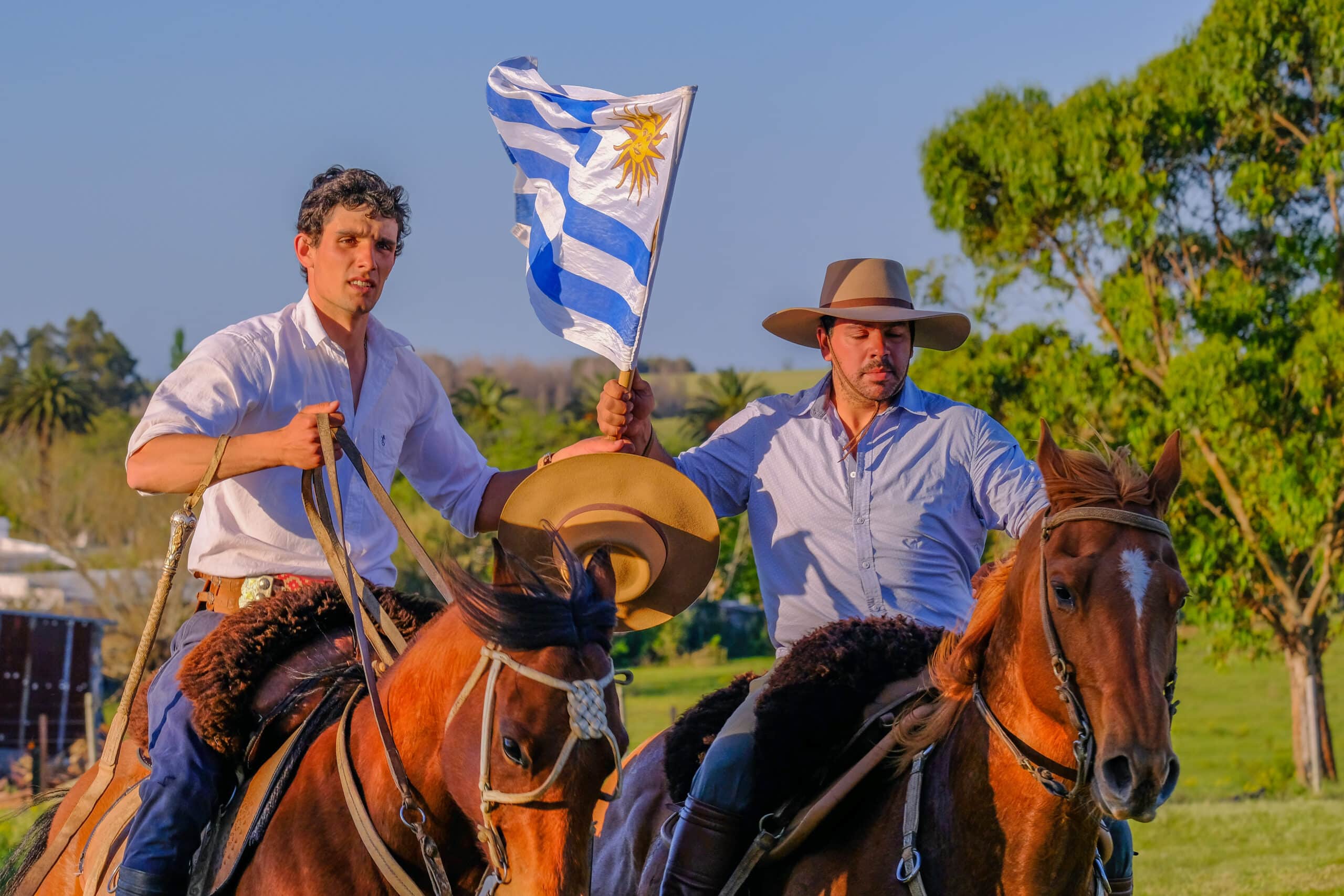
Uruguay is one of South America’s most approachable and quietly refined countries, offering travelers a balance of culture, comfort, and understated elegance. Situated between Brazil and Argentina, it has developed a strong national identity rooted in stability, openness, and a deep appreciation for everyday quality of life. Rather than overwhelming visitors with scale or spectacle, Uruguay rewards those who value atmosphere, rhythm, and authenticity.
The capital, Montevideo, is the country’s cultural and social anchor. Stretching along the Río de la Plata, the city blends historic neighborhoods with modern coastal living. The Ciudad Vieja reveals colonial architecture, museums, and lively plazas, while newer districts offer cafés, theaters, and a relaxed nightlife. The rambla, a long waterfront promenade, plays a central role in daily life, drawing residents outdoors at all hours.
Beyond Montevideo, Uruguay unfolds through a series of distinctive towns and regions. Colonia del Sacramento, with its preserved historic quarter, offers a glimpse into the country’s colonial past and is one of Uruguay’s most visited destinations. Along the Atlantic coast, resort towns such as Punta del Este and La Paloma combine seaside leisure with vibrant social scenes, attracting both international visitors and locals during the summer months.
Uruguayan culture is deeply social and strongly influenced by European traditions. Cafés, markets, and neighborhood gatherings form the backdrop of daily interaction. Food plays a central role, with long meals, shared plates, and a strong emphasis on beef, wine, and simple, well-prepared dishes. Even in smaller towns, dining is a social ritual rather than a quick necessity.
Uruguay appeals to travelers seeking a slower pace without sacrificing sophistication. Its destinations are easy to navigate, its cities feel safe and welcoming, and its cultural life is rich without being overwhelming. For those who appreciate subtle charm, thoughtful design, and genuine hospitality, Uruguay offers an experience that lingers well beyond the journey itself.
20. Montevideo – Uruguay’s Cultural Capital
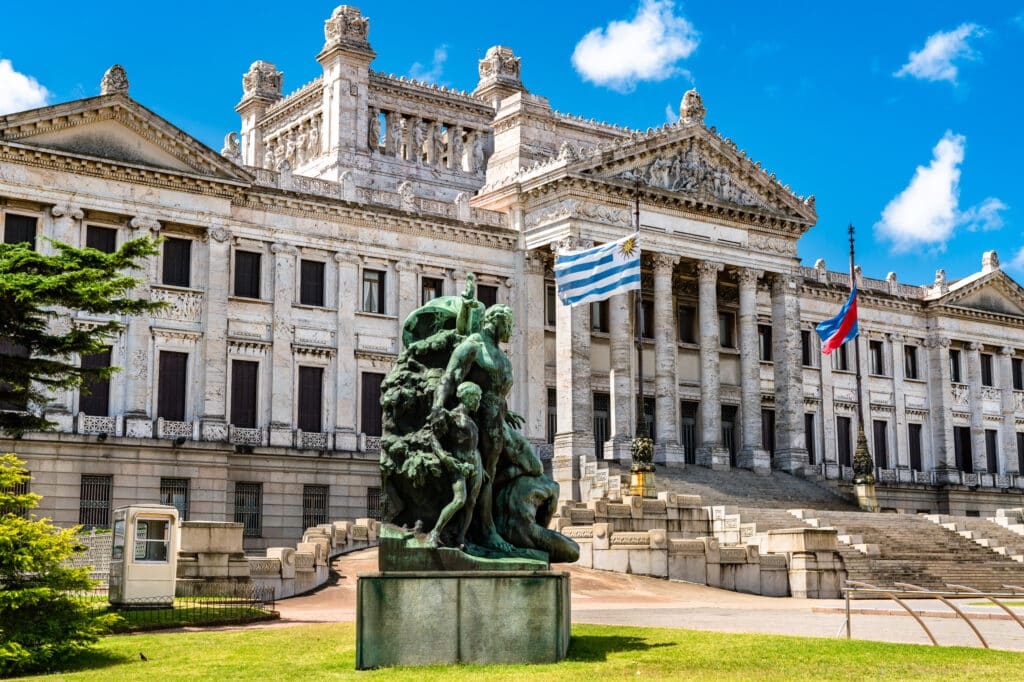
Montevideo is the heart of Uruguay — a capital that blends old-world elegance with a relaxed coastal rhythm. Stretching along the Río de la Plata, the city offers a balance of historic depth, vibrant neighborhoods, and everyday life that feels accessible and authentic. It is often described as understated, but its appeal grows with time spent exploring its streets, cafés, and waterfront promenades.
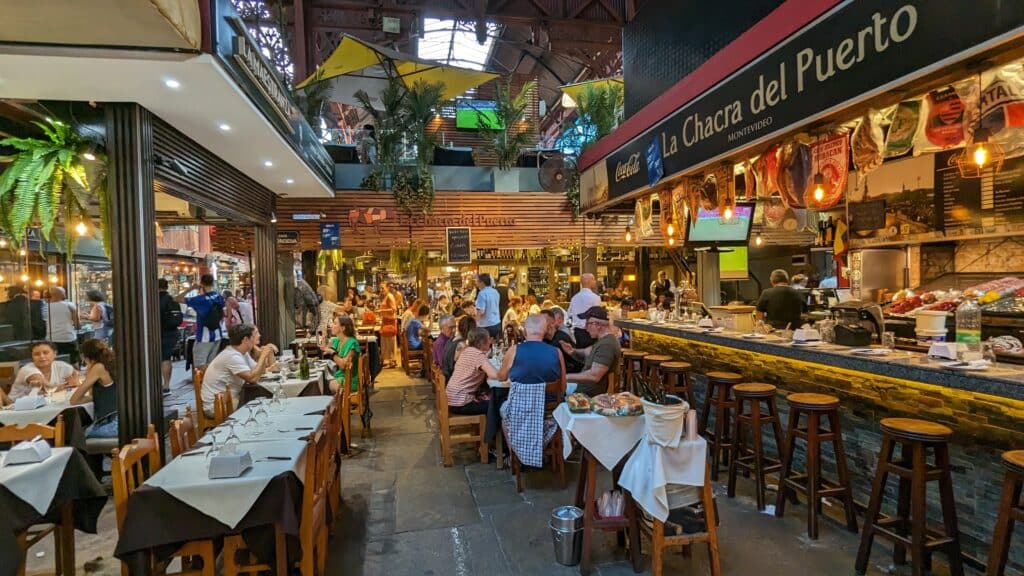
The Ciudad Vieja is Montevideo’s historic core, where colonial buildings, neoclassical façades, and art deco landmarks coexist. Walking its narrow streets reveals museums, galleries, bookshops, and traditional cafés that reflect the city’s intellectual heritage. The Mercado del Puerto is a centerpiece for visitors, offering classic Uruguayan cuisine in a lively, social atmosphere that emphasizes long meals and conversation.
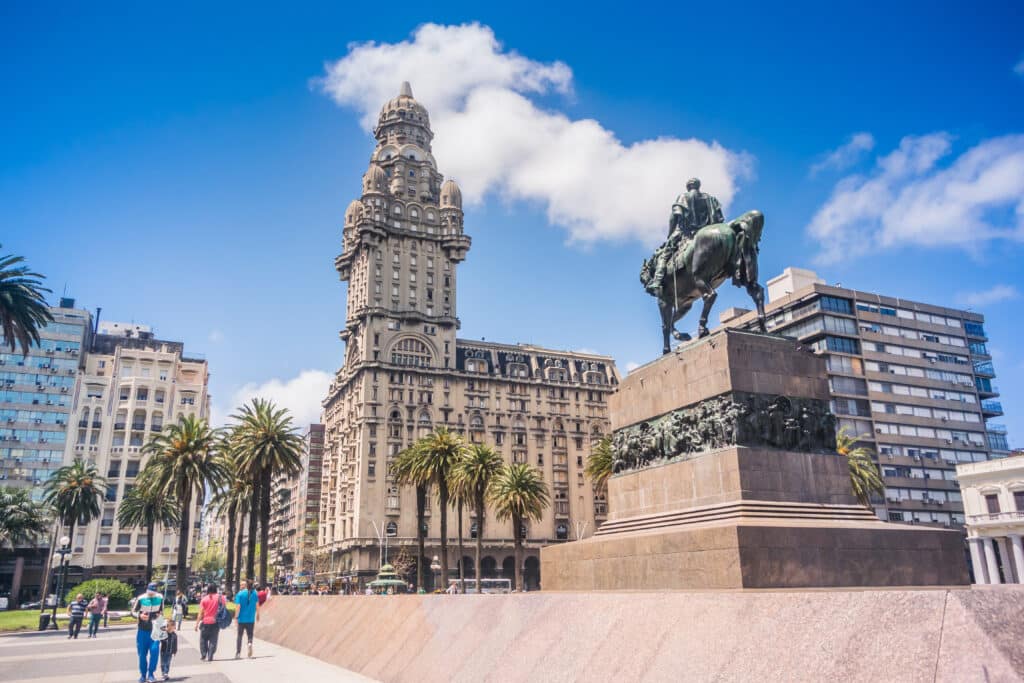
Beyond the old town, modern Montevideo unfolds through neighborhoods like Pocitos, Punta Carretas, and Parque Rodó, each offering its own character. Pocitos is known for its urban beach and café culture, while Punta Carretas blends upscale shopping with residential calm. Parque Rodó adds green space, cultural venues, and a youthful energy shaped by nearby universities.
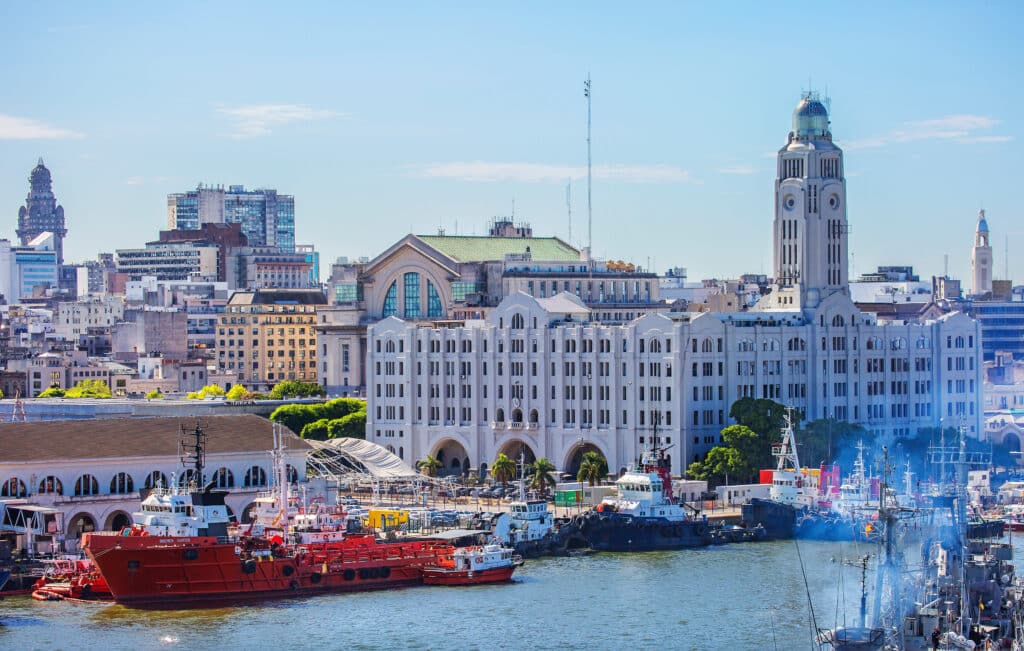
One of Montevideo’s defining features is the Rambla, a long waterfront promenade that runs for miles along the city’s edge. It serves as a social artery where locals jog, drink mate, cycle, or gather at sunset. This daily ritual reveals much about the city’s lifestyle — unhurried, communal, and grounded in simple pleasures.
Montevideo rewards travelers who appreciate culture, walkability, and authenticity over spectacle. It is a city best experienced slowly, through its rhythms, conversations, and understated charm.
19. Colonia del Sacramento – Timeless Riverfront Heritage
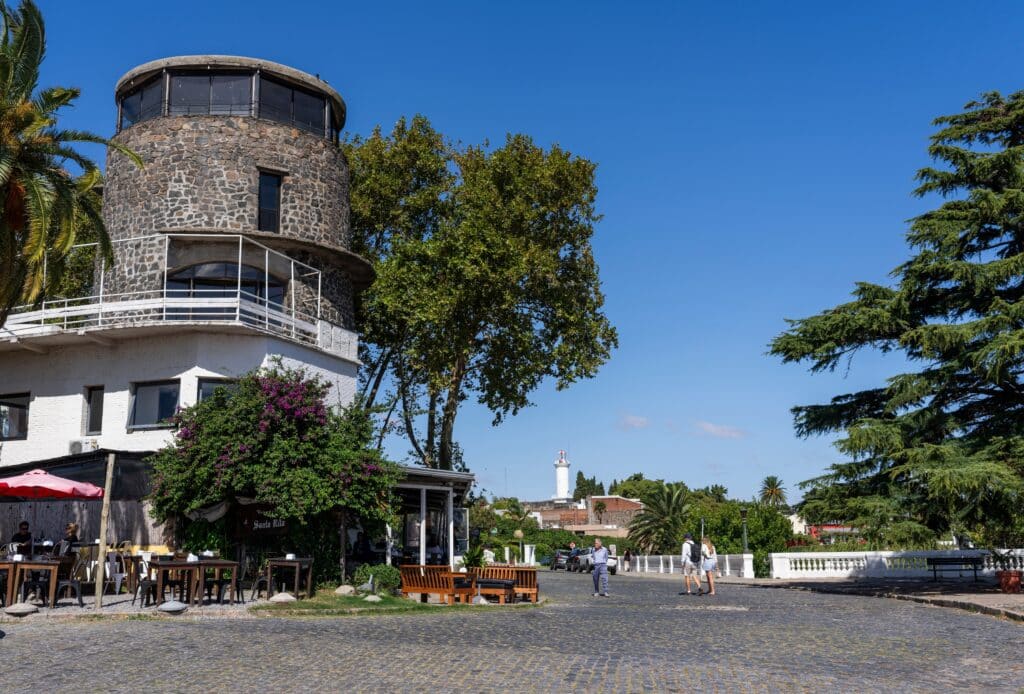
Colonia del Sacramento is one of Uruguay’s most enchanting destinations, celebrated for its preserved historic quarter and riverside charm. Located across the Río de la Plata from Buenos Aires, it feels worlds apart — quieter, slower, and deeply atmospheric. Its compact size makes it ideal for exploration on foot, allowing visitors to absorb its details without rush.
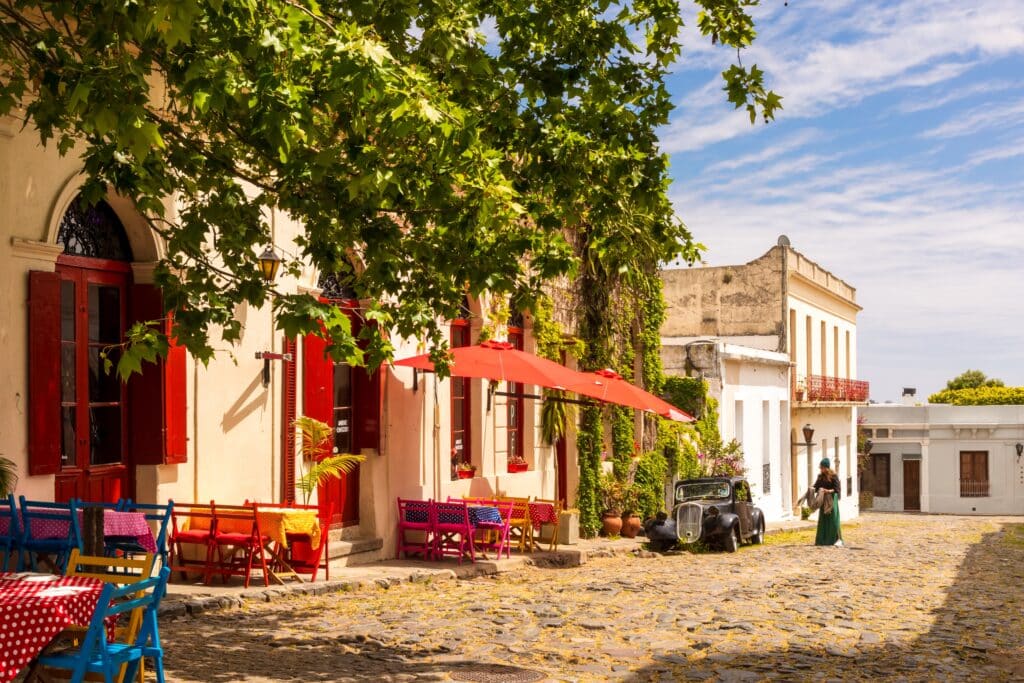
The Barrio Histórico, a UNESCO-recognized district, is the heart of Colonia’s appeal. Cobblestone streets, low colonial buildings, and weathered stone walls create a timeless setting. Portuguese and Spanish influences are visible in the architecture, reflecting the city’s layered past as a contested settlement between colonial powers. Small museums, antique shops, and artisan stores add texture without overwhelming the historic feel.
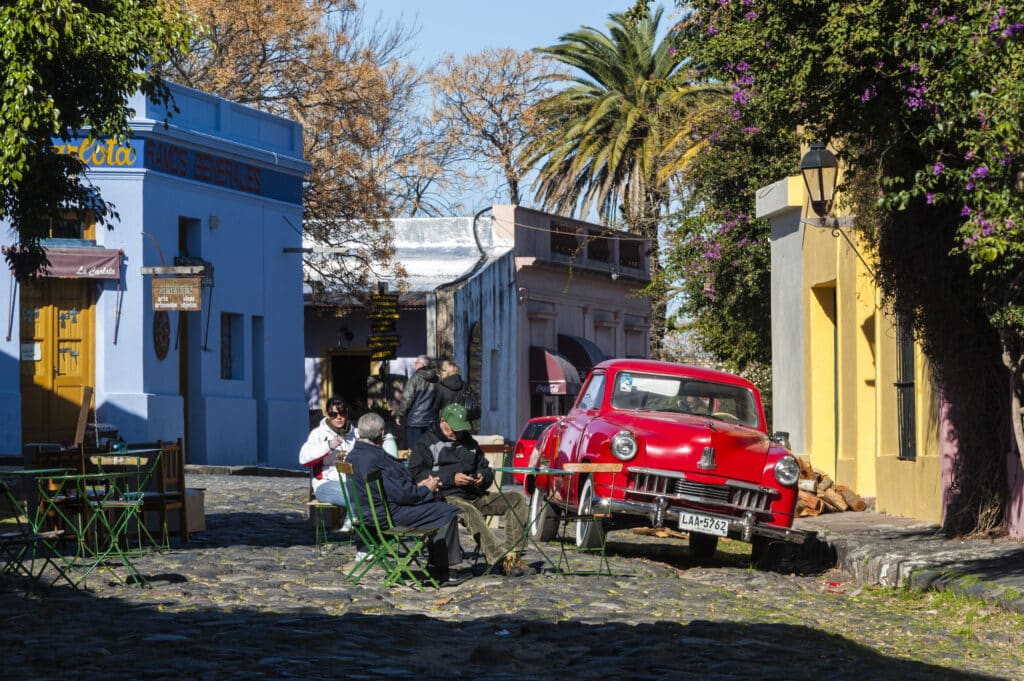
The riverfront is equally captivating. Strolling along the water reveals scenic viewpoints, old fortifications, and grassy spaces where locals gather to watch the sun set over the wide estuary. The lighthouse, though modest in scale, offers elevated views of the old town and river, reinforcing Colonia’s intimate relationship with its surroundings.
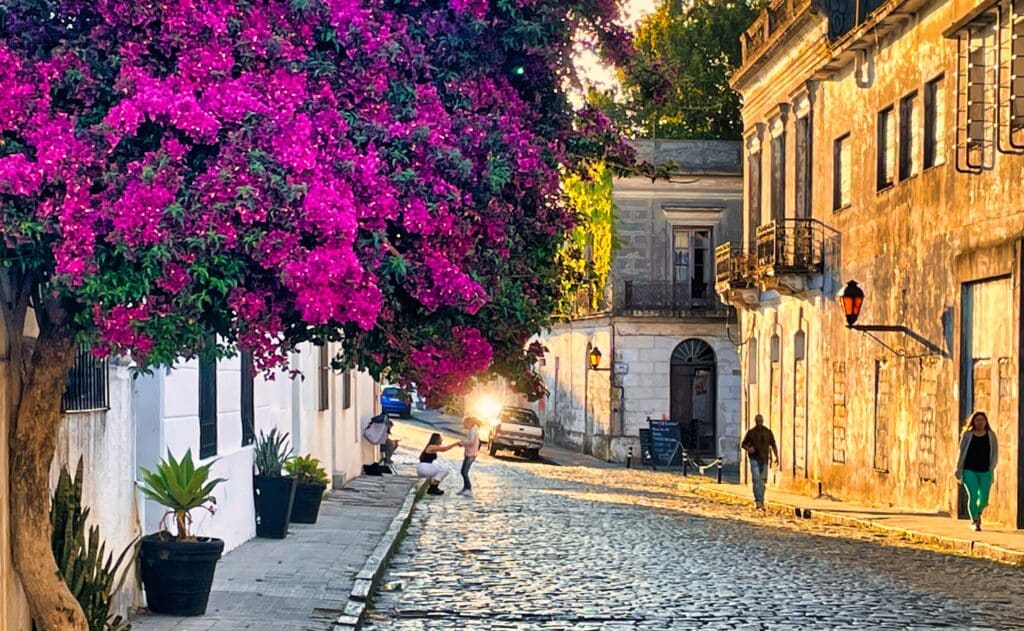
Dining in Colonia emphasizes simplicity and atmosphere. Many restaurants are set within restored historic buildings, offering regional dishes, wine, and relaxed service. Evening meals often stretch long into the night, accompanied by soft lighting and river breezes.
Colonia del Sacramento is not about major attractions or busy itineraries. Its magic lies in stillness, texture, and continuity. For travelers seeking romance, history, and a sense of stepping outside modern time, Colonia is one of Uruguay’s most memorable stops.
18. Punta del Este – Glamour and Coastal Energy
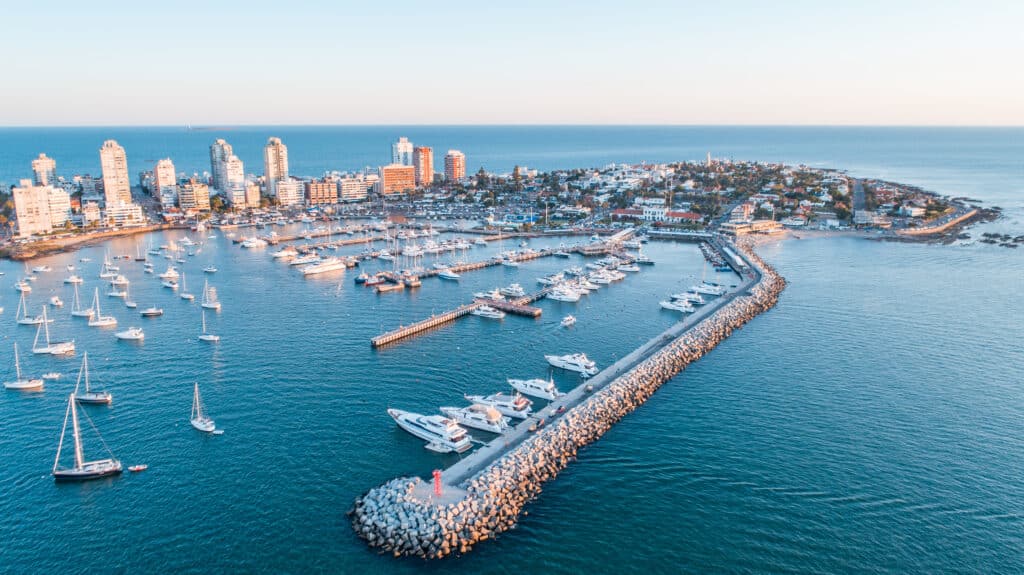
Punta del Este is Uruguay’s most internationally recognized destination, known for its mix of luxury, nightlife, and seaside living. Often compared to Mediterranean resort towns, it attracts a diverse crowd that includes regional elites, international travelers, artists, and beachgoers seeking both relaxation and social energy.

The city is defined by its dual coastline. Playa Mansa, facing the Río de la Plata, offers calm waters and tranquil sunsets, while Playa Brava, opening to the Atlantic, delivers stronger waves and a livelier atmosphere. The iconic hand sculpture emerging from the sand at Playa Brava has become one of Uruguay’s most photographed landmarks.
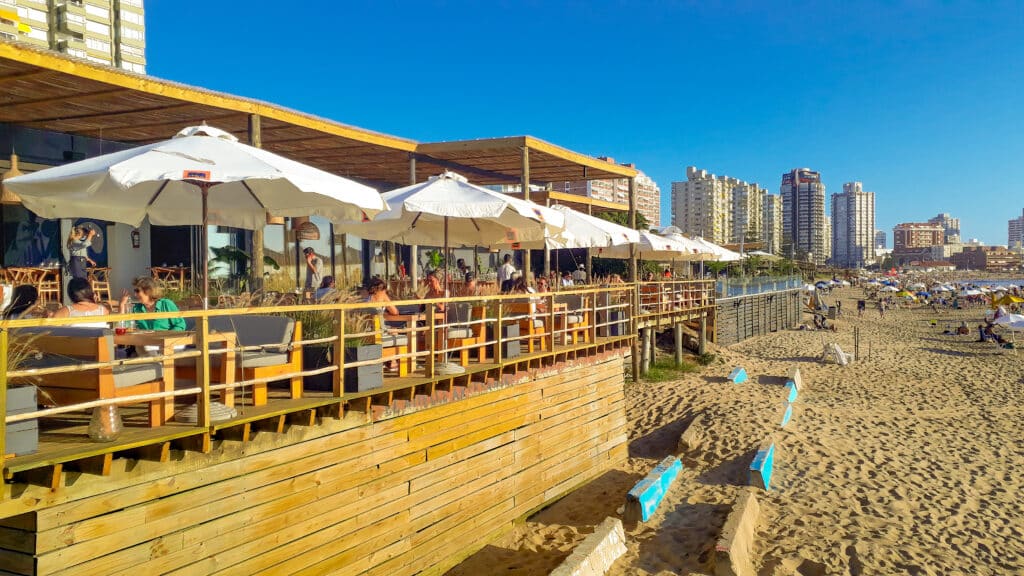
Beyond the beaches, Punta del Este features upscale dining, marina life, and seasonal cultural events. The port area is a focal point, lined with restaurants and cafés where visitors watch boats come and go while enjoying seafood and local wines. Evenings often transition seamlessly into nightlife, with bars, clubs, and lounges operating late into the night.
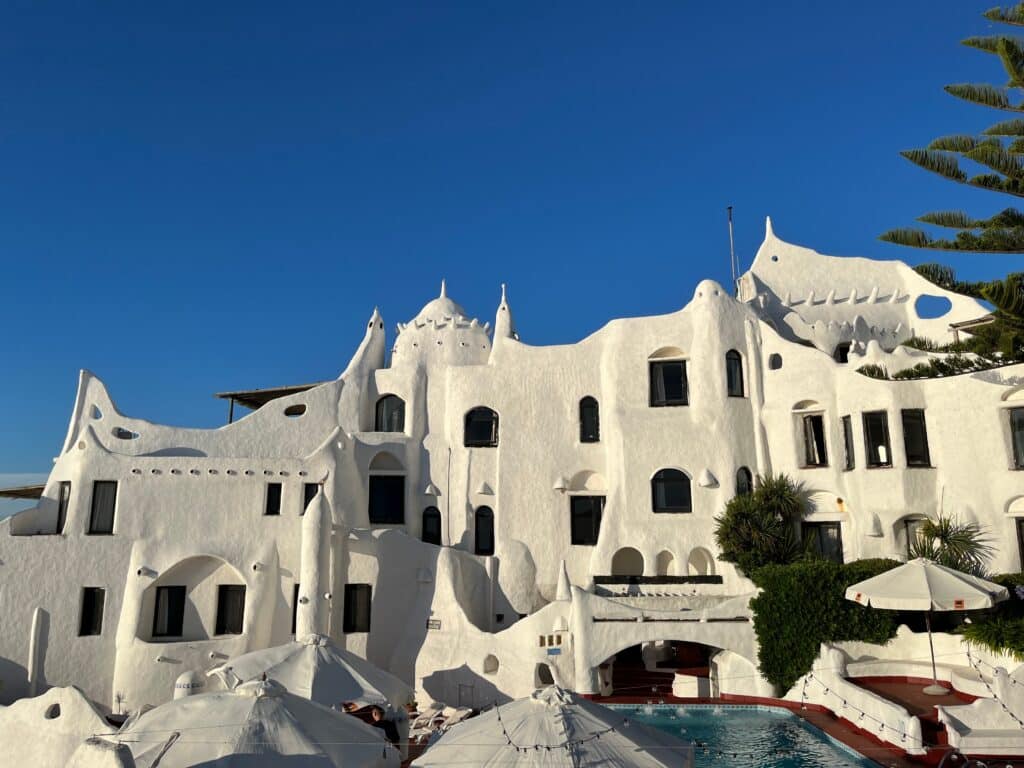
Just outside the city center, neighborhoods like La Barra and José Ignacio add variety. La Barra offers a more casual, bohemian feel with surf culture and relaxed dining, while José Ignacio leans toward understated luxury and minimalist design. Both areas attract visitors seeking alternatives to the city’s high-energy core.
Punta del Este thrives on contrast — calm mornings, social afternoons, and vibrant nights. It is a destination that adapts to different travel styles, whether one seeks beach leisure, sophisticated dining, or cosmopolitan entertainment.
17. Cabo Polonio – Remote Coastal Simplicity

Cabo Polonio stands apart from Uruguay’s more developed destinations, offering a deliberately simple and distinctive experience. Accessible only by special vehicles that cross sand dunes, this small coastal settlement feels intentionally removed from conventional travel patterns. Its appeal lies in minimalism, atmosphere, and a sense of escape.

The village consists of scattered houses, sandy paths, and a lighthouse that rises above the coastline. There are no paved streets, and most movement is done on foot. This lack of infrastructure is part of Cabo Polonio’s identity, encouraging visitors to slow down and engage with their surroundings more directly.
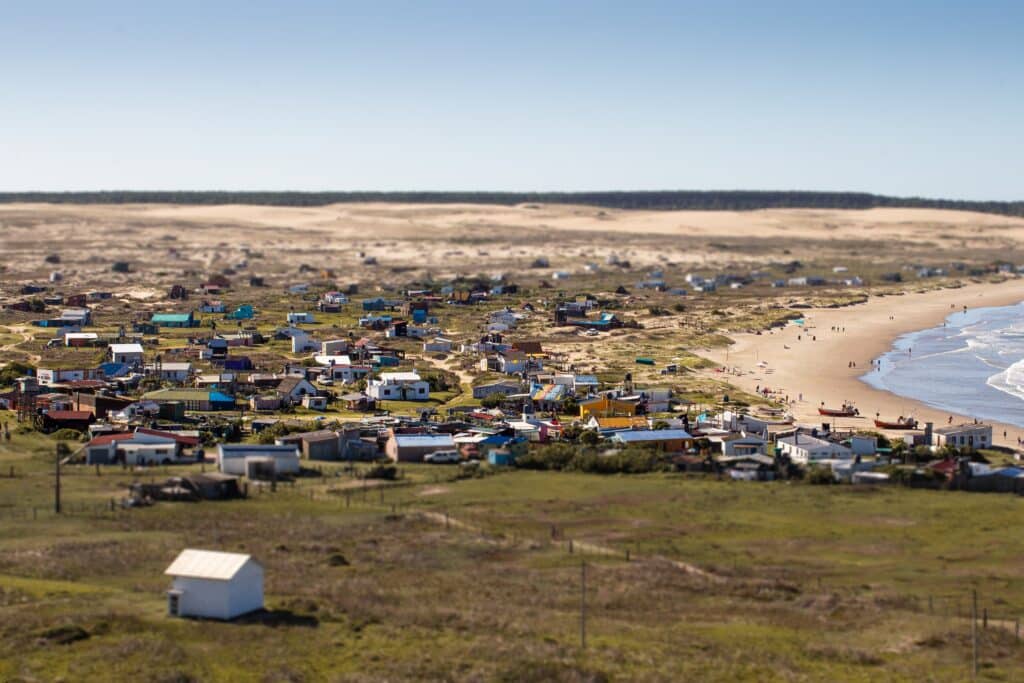
The coastline is dramatic, with rocky outcrops, wide beaches, and powerful waves. Walks along the shore reveal changing perspectives, from open ocean views to sheltered coves. The lighthouse area offers sweeping vistas and serves as a central gathering point, particularly during sunset hours when visitors and locals gather quietly.
Accommodations are simple and often rustic, ranging from basic guesthouses to small cabins. Dining options are limited but characterful, emphasizing fresh ingredients, casual service, and communal spaces. Evenings are low-key, often centered around candlelit meals and conversation rather than entertainment venues.
Cabo Polonio is best suited for travelers who value atmosphere over amenities. It offers a rare chance to disconnect, embrace simplicity, and experience a different pace of coastal life that contrasts sharply with Uruguay’s resort towns.
16. Piriápolis – Classic Seaside Tradition
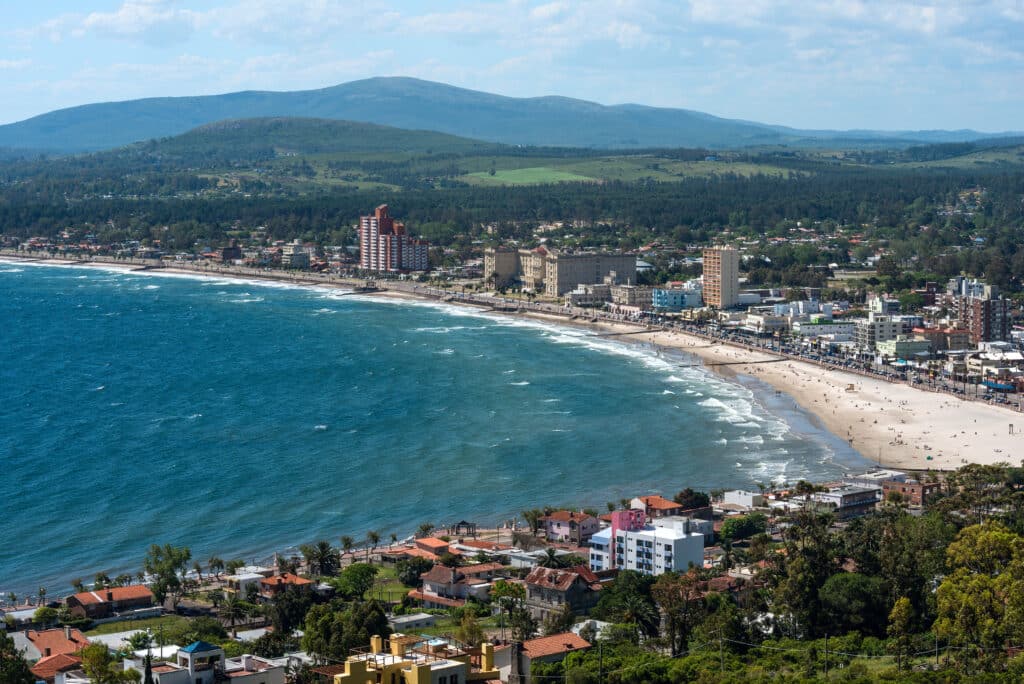
Piriápolis is one of Uruguay’s oldest resort towns, offering a nostalgic blend of seaside leisure, historic architecture, and small-town charm. Founded in the early 20th century, it was designed as a destination for relaxation and elegance, and much of that original vision remains visible today.
The waterfront promenade is the town’s central feature, lined with cafés, restaurants, and historic hotels. The beach itself is broad and inviting, ideal for swimming, walking, or simply watching daily life unfold. Unlike more glamorous resorts, Piriápolis maintains a relaxed, family-friendly atmosphere that appeals to visitors of all ages.
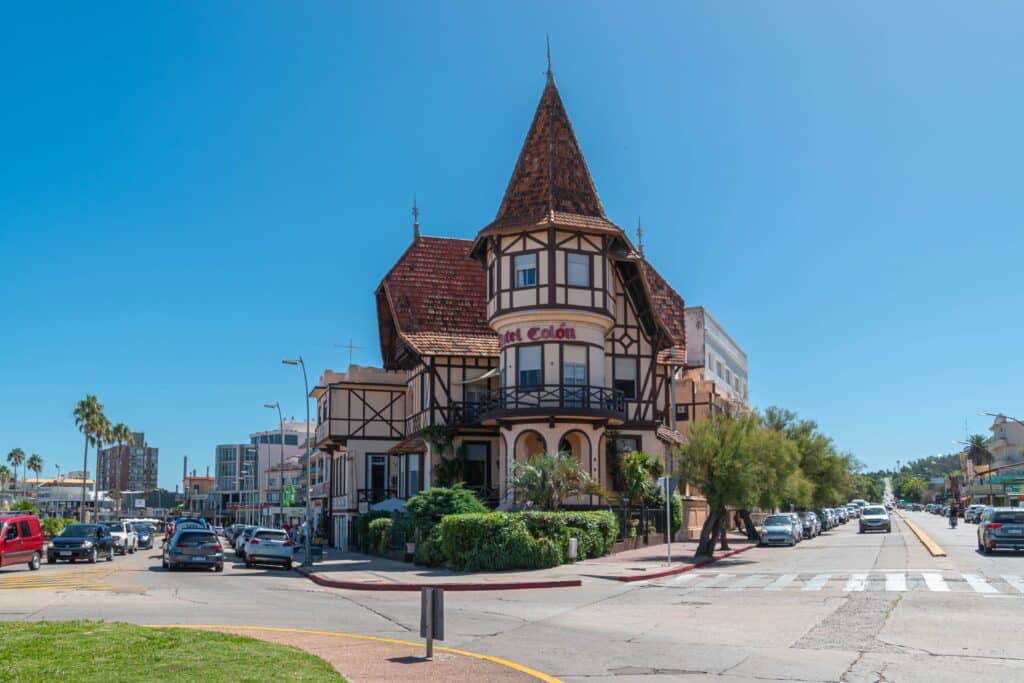
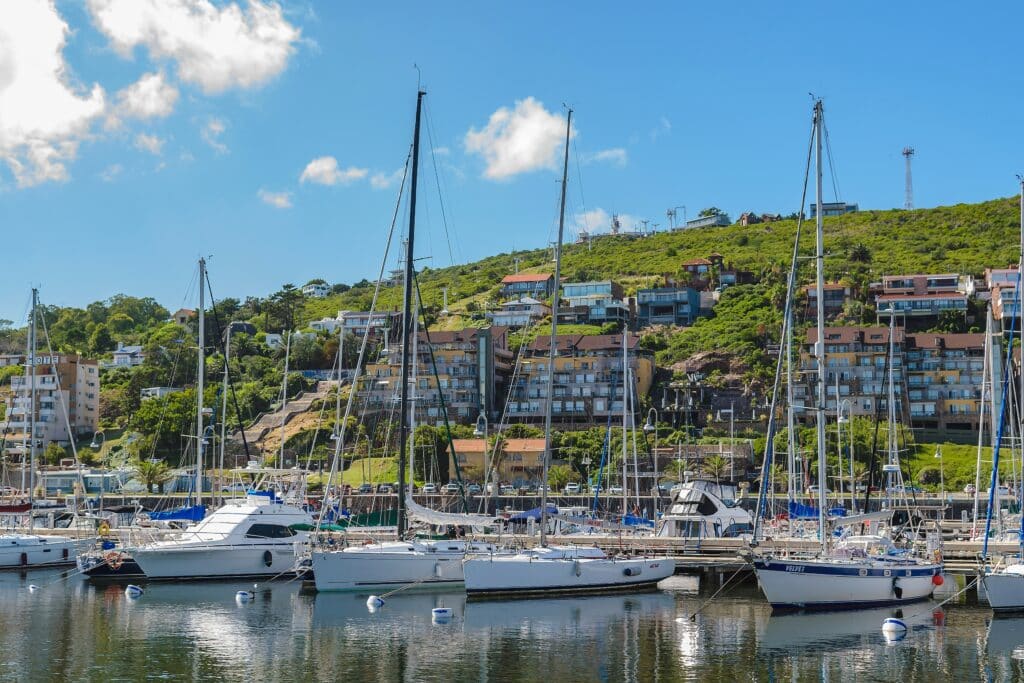
Architectural landmarks add depth to the town’s character. Buildings inspired by European styles reflect the ambitions of its founder, and several historic sites are scattered throughout the area. Nearby hills provide viewpoints that overlook the town and coastline, offering scenic perspectives without requiring strenuous effort.
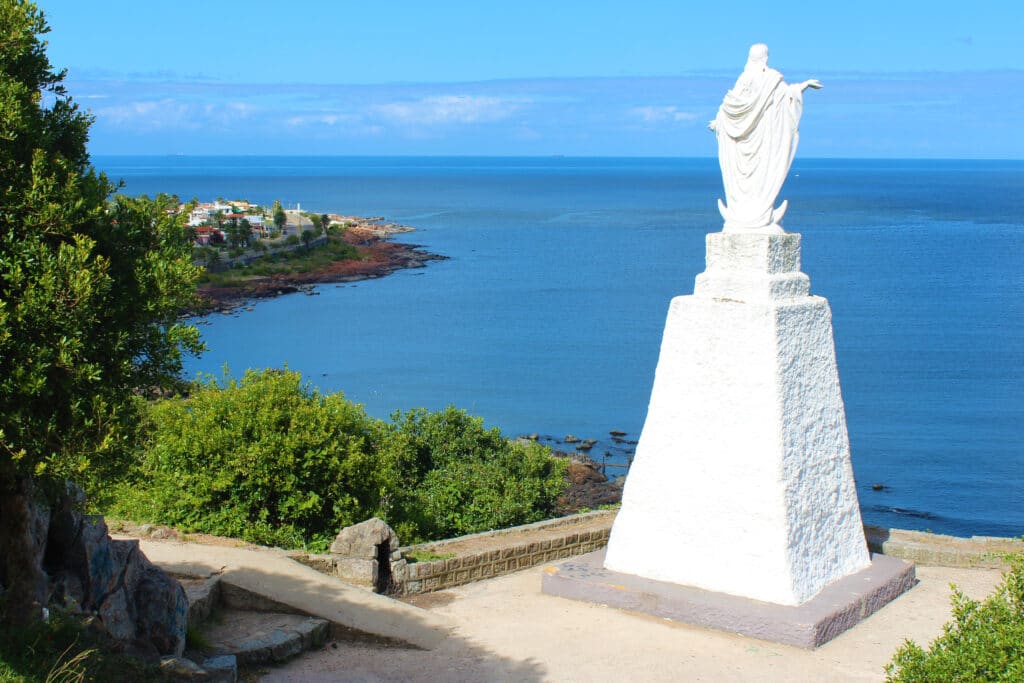
Dining in Piriápolis focuses on traditional fare, with seafood, grilled meats, and classic desserts served in unpretentious settings. Many establishments have operated for decades, contributing to the town’s sense of continuity and familiarity.
Piriápolis excels as a destination for travelers seeking authenticity and calm. It lacks the high-energy nightlife of Punta del Este but compensates with warmth, history, and a sense of enduring seaside tradition that remains distinctly Uruguayan.
15. Salto – Thermal City and Northern Gateway
Salto is Uruguay’s second-largest city and a key destination in the country’s north, known for its relaxed urban life, historic center, and role as a regional hub along the Uruguay River. It offers a distinctly different atmosphere from the southern coast, blending provincial calm with cross-border energy due to its proximity to Argentina.
The city’s historic core is walkable and understated, featuring colonial-era buildings, leafy plazas, and cafés where daily life unfolds at an unhurried pace. Plaza Artigas serves as the social heart of Salto, surrounded by government buildings, churches, and local businesses that reflect the city’s civic importance. Street life here feels genuine and lived-in, rather than curated for visitors.
Salto is especially known for its thermal complexes, which are integrated into the city’s leisure culture rather than positioned as luxury retreats. These facilities attract visitors from across Uruguay and neighboring countries, offering an easygoing social environment where families and couples spend long afternoons relaxing. The thermal areas are complemented by nearby hotels, restaurants, and entertainment venues.
Cultural life in Salto includes theaters, local museums, and seasonal events that celebrate regional identity. The city has a strong literary and artistic tradition, producing notable writers and musicians whose influence remains visible through cultural programming and community spaces.
Dining in Salto highlights hearty regional cuisine, with grilled meats, river fish, and traditional pastries served in modest but welcoming establishments. Evenings are calm and social, often centered around shared meals and riverside strolls.
Salto appeals to travelers interested in experiencing a more local, northern Uruguayan rhythm — one rooted in community, tradition, and understated hospitality.
14. Carmelo – Wine, Rivers, and Quiet Sophistication
Carmelo is one of Uruguay’s most refined small towns, offering a blend of riverside charm, wine culture, and understated elegance. Located near the confluence of the Uruguay River and the Río de la Plata, it has long attracted visitors seeking tranquility without isolation.
The town itself is compact and graceful, with tree-lined streets, historic homes, and a relaxed pace that encourages slow exploration. The riverfront promenade is a focal point, where cafés and viewpoints allow visitors to watch boats glide by while enjoying long, leisurely afternoons.
Carmelo is particularly known for its wineries, many of which are boutique operations emphasizing craftsmanship and hospitality. Tastings are intimate experiences, often hosted by owners or winemakers themselves. The surrounding countryside adds to the experience, with gently rolling landscapes that feel pastoral and refined rather than dramatic.
The town’s cultural life is subtle but present. Art galleries, small museums, and seasonal events contribute to a sense of quiet creativity. Carmelo attracts a mix of travelers — couples, wine enthusiasts, and those escaping busier destinations — all drawn by its calm confidence.
Dining here reflects the town’s character: thoughtful menus, quality ingredients, and an emphasis on local wine pairings. Meals are unhurried, service is personal, and evenings are defined by conversation rather than nightlife.
Carmelo excels as a destination for travelers who value refinement over spectacle. It offers a polished yet approachable experience that feels both distinctly Uruguayan and quietly international.
13. Rocha – Coastal Towns Beyond the Spotlight
The department of Rocha offers a series of coastal towns that feel refreshingly unpolished compared to Uruguay’s major resorts. Rather than a single focal city, Rocha’s appeal lies in its collection of small beach communities, each with its own rhythm and personality.
Towns such as La Paloma, La Pedrera, and Punta del Diablo attract visitors seeking authenticity and simplicity. Streets are casual, architecture is informal, and daily life revolves around the sea, cafés, and shared public spaces. These towns are especially appealing to travelers who prefer relaxed social scenes over structured resort experiences.
La Paloma serves as the region’s most established center, with a working port, broad beaches, and year-round residents. La Pedrera offers a more artistic and bohemian atmosphere, while Punta del Diablo retains a village-like feel that emphasizes community and informal dining.
Cultural expression in Rocha is woven into everyday life rather than formal institutions. Murals, craft markets, and music events appear organically, often organized by locals. The social scene is welcoming and unpretentious, making it easy for visitors to feel included.
Food in Rocha focuses on fresh, straightforward flavors. Small restaurants and food stands serve seafood, grilled dishes, and regional specialties without ceremony. Dining often takes place outdoors, reinforcing the region’s open, communal spirit.
Rocha’s coastal towns reward travelers who value character, local interaction, and a sense of place that hasn’t been overly curated.
12. Tacuarembó – Gaucho Heritage and Inland Identity
Tacuarembó represents Uruguay’s inland heartland, offering insight into the country’s gaucho traditions and rural culture. Located far from the coast, it provides a different perspective on national identity — one shaped by ranching, folklore, and strong regional pride.
The city center is modest but lively, anchored by plazas, cultural centers, and everyday commerce. Local museums highlight the history of rural life, music, and legendary figures associated with the region. Tacuarembó is often linked to traditional music styles, and live performances remain an important part of community life.
Festivals play a central role here. Annual celebrations dedicated to gaucho culture feature music, dance, horsemanship, and regional cuisine. These events are not staged solely for visitors; they are deeply rooted expressions of local identity, making them especially engaging to witness.
Dining in Tacuarembó emphasizes traditional fare, particularly grilled meats prepared with care and pride. Meals are social occasions, often shared among family and friends, reflecting the communal values of the region.
Evenings are calm, centered around conversation, music, and cultural gatherings rather than nightlife. Visitors who appreciate authenticity and cultural continuity will find Tacuarembó rewarding.
This chapter of Uruguay is ideal for travelers interested in understanding the country beyond its beaches — a place where traditions remain actively lived rather than preserved as display.
11. Durazno – Central Uruguay’s Cultural Crossroads
Durazno occupies a central position both geographically and culturally within Uruguay. Often overlooked by international travelers, it offers an authentic urban experience grounded in local life, history, and strong community traditions.
The city’s layout is orderly and approachable, with wide streets, public squares, and civic buildings that reflect its role as a regional administrative center. Plaza Independencia anchors the city’s social life, hosting gatherings, performances, and informal meetings throughout the week.
Durazno is known nationally for its cultural festivals, particularly music and folk events that draw visitors from across the country. These celebrations showcase Uruguayan traditions in a communal setting, reinforcing the city’s reputation as a cultural meeting point rather than a tourist enclave.
Museums and cultural centers provide insight into the region’s development and artistic contributions. While modest in scale, they emphasize storytelling and local voices, offering visitors meaningful context rather than spectacle.
Food culture in Durazno is rooted in tradition. Restaurants and cafés serve familiar dishes in relaxed settings, where hospitality and consistency matter more than innovation. The atmosphere encourages lingering rather than rushing.
Durazno appeals to travelers who enjoy discovering places that function primarily for their residents. It offers a genuine look at everyday Uruguay — calm, welcoming, and culturally grounded — making it a valuable chapter in a comprehensive national journey.
10. Paysandú – Riverfront Traditions and Local Pride
Paysandú is a lively river city in western Uruguay that blends regional history, strong local identity, and an inviting urban rhythm. Situated along the Uruguay River, it serves as an important cultural and commercial center for the surrounding agricultural region while maintaining a welcoming, provincial character.
The city’s waterfront is one of its defining features. Broad promenades and riverside parks create spaces where locals gather for walks, socializing, and informal events. The river connection also shapes Paysandú’s outlook, fostering strong ties with neighboring Argentina and a sense of openness that permeates daily life.
Paysandú’s historic center reflects its long civic tradition. Churches, civic buildings, and cultural institutions anchor the city’s core, while plazas act as meeting points for residents. Museums and memorials highlight moments of national and regional significance, reinforcing Paysandú’s reputation as a city proud of its role in Uruguayan history.
Cultural life here is vibrant and participatory. Annual festivals, music events, and public celebrations draw large crowds and emphasize collective experience rather than spectacle. The city is particularly known for its carnival traditions, which blend music, costume, and community involvement in an inclusive atmosphere.
Dining in Paysandú focuses on hearty, familiar flavors. Restaurants and parrillas serve classic Uruguayan dishes in relaxed settings, where conversation is as important as the meal itself. Cafés along the riverfront provide ideal spots for long afternoons and unhurried evenings.
Paysandú appeals to travelers seeking authenticity and strong local culture. It offers an engaging glimpse into Uruguay’s river cities — proud, social, and deeply connected to their communities.
9. Minas – Hills, History, and Small-Town Charm
Minas is the capital of Lavalleja Department and a city known for its scenic setting, cultural life, and relaxed pace. Surrounded by rolling hills and historic estates, it offers a blend of provincial elegance and everyday Uruguayan life that feels both grounded and welcoming.
The city center is compact and pleasant, with tree-lined streets, traditional houses, and lively plazas. Plaza Libertad serves as the heart of social life, where cafés, bakeries, and shops create a steady rhythm throughout the day. Minas has a strong sense of civic pride, reflected in well-maintained public spaces and active cultural institutions.
Minas is also a gateway to nearby historic landmarks and rural retreats. Elegant country estates and former aristocratic residences in the surrounding area hint at the region’s past prominence. These sites add depth to a visit without overwhelming the city’s calm atmosphere.
Cultural programming is a key part of life in Minas. The city hosts festivals, music performances, and literary events that attract visitors from across the country. Local museums and cultural centers emphasize regional stories, reinforcing Minas’ role as a cultural anchor for the interior.
Food culture here is traditional and comforting. Restaurants serve classic Uruguayan dishes, homemade desserts, and regional specialties in intimate settings. Meals are leisurely, often shared among families and friends.
Minas is ideal for travelers who appreciate small cities with character. It offers history, culture, and warmth without crowds, making it a rewarding stop for those exploring Uruguay beyond its major destinations.
8. Treinta y Tres – Eastern Uruguay’s Cultural Stronghold
Treinta y Tres is a city shaped by history, folklore, and regional pride. Located in eastern Uruguay, it holds a special place in the national narrative and continues to serve as a cultural reference point for the surrounding countryside.
The city’s name itself carries symbolic weight, commemorating a foundational moment in Uruguay’s independence story. This historical significance is reflected in monuments, museums, and public spaces that honor the city’s legacy. Visitors quickly sense that Treinta y Tres values remembrance and tradition as living elements of daily life.
The urban layout is modest and approachable, with plazas and civic buildings forming the core of activity. Markets, cafés, and neighborhood shops contribute to a sense of familiarity, making the city feel accessible rather than performative.
Cultural life in Treinta y Tres centers on music, poetry, and folklore. The city is associated with traditional Uruguayan musical forms, and performances are common during festivals and community gatherings. These events are deeply rooted in local participation, offering visitors a genuine cultural experience.
Dining emphasizes regional tastes and generous portions. Local establishments focus on grilled meats, traditional stews, and homemade desserts served in welcoming spaces. Social life often revolves around shared meals and informal gatherings.
Treinta y Tres appeals to travelers interested in Uruguay’s cultural backbone. It offers insight into the country’s identity away from coastal influences, highlighting traditions that continue to shape national life.
7. Rivera – Border Culture and Dual Identity
Rivera is one of Uruguay’s most unique cities, defined by its seamless connection with the Brazilian city of Santana do Livramento. Together, they form a single urban area divided only by an invisible border, creating a fascinating blend of languages, customs, and daily practices.
This dual identity shapes Rivera’s atmosphere. Portuguese and Spanish are spoken interchangeably, currencies circulate side by side, and cultural influences overlap naturally. For visitors, this creates a dynamic setting unlike any other in Uruguay.
The city center is lively and commercial, with shops, markets, and cafés reflecting cross-border commerce. Rivera is known for its shopping districts, which attract visitors from both countries seeking goods unavailable elsewhere. The retail scene is complemented by casual dining and street food that blends Uruguayan and Brazilian flavors.
Cultural events often reflect this fusion. Music, dance, and festivals incorporate elements from both traditions, creating a vibrant social calendar. Rivera’s openness and adaptability are among its strongest characteristics.
Dining options range from classic Uruguayan parrillas to Brazilian-influenced eateries, offering variety and informality. Evenings are social and animated, with residents accustomed to crossing borders as part of daily life.
Rivera is ideal for travelers curious about border dynamics and cultural exchange. It offers insight into how identity evolves through proximity and coexistence, making it one of Uruguay’s most distinctive urban experiences.
6. San José de Mayo – Historic Calm Near the Capital
San José de Mayo is one of Uruguay’s oldest cities and offers a tranquil counterpoint to the nearby capital. Located southwest of Montevideo, it retains a strong sense of tradition while remaining connected to modern life through its proximity to the metropolitan region.
The historic center features well-preserved architecture, churches, and civic buildings that reflect the city’s colonial origins. Plazas act as gathering spaces where residents socialize, read, and enjoy the slower pace that defines daily life here.
San José has a notable cultural legacy, particularly in literature and music. Museums and cultural institutions celebrate local figures and regional history, contributing to the city’s intellectual reputation. Events and exhibitions are frequent, emphasizing participation and education.
The city’s size makes it easy to explore on foot, and its calm streets invite wandering without agenda. Cafés and bakeries offer welcoming spaces for conversation, while family-run restaurants serve traditional dishes with consistency and care.
San José’s appeal lies in balance. It provides cultural depth without intensity, history without spectacle, and accessibility without crowds. For travelers who appreciate understated destinations, it offers a refined and authentic experience close to Uruguay’s capital.
5. Fray Bentos – Industrial Heritage and River Life
Fray Bentos is a city whose identity is closely tied to industry, innovation, and river commerce. Located along the Uruguay River in the west of the country, it played a significant role in global food production during the late 19th and early 20th centuries, shaping both its urban form and cultural outlook.
The city’s historic industrial district stands as a defining feature. Former processing facilities, warehouses, and administrative buildings reflect Fray Bentos’ era as an international export center. Today, these sites are integrated into the city’s cultural narrative, offering visitors insight into a chapter of Uruguayan history that extends far beyond national borders.
Beyond its industrial past, Fray Bentos functions as a calm, livable river city. The waterfront is a social gathering point where residents stroll, fish, and meet in the evenings. The river connection continues to influence local identity, reinforcing ties with neighboring Argentina and shaping a relaxed, outward-looking atmosphere.
The city center is modest and welcoming, with plazas, cafés, and civic buildings arranged in a practical layout. Cultural venues and museums focus on storytelling and heritage, emphasizing Fray Bentos’ unique contribution to national development.
Dining reflects regional tastes, with traditional parrillas, bakeries, and casual eateries serving familiar dishes in friendly settings. Social life is understated but warm, centered on conversation and community.
Fray Bentos appeals to travelers interested in history, industry, and everyday Uruguayan life. It offers a thoughtful, grounded experience that complements the country’s more leisure-oriented destinations.
4. Mercedes – Literary Roots and Riverfront Calm
Mercedes, the capital of Soriano Department, is one of Uruguay’s most refined small cities, known for its cultural life, literary heritage, and riverfront setting. Positioned along the Uruguay River, it offers a harmonious blend of intellectual tradition and relaxed urban living.
The city center is orderly and elegant, with wide streets, historic homes, and well-kept plazas. Mercedes has long been associated with writers, educators, and thinkers, and this legacy remains visible in its cultural institutions and public spaces. Bookshops, theaters, and libraries play an active role in daily life.
The riverfront promenade is a defining feature, providing space for walking, social gatherings, and quiet reflection. It reinforces the city’s calm rhythm and serves as a visual anchor for local identity.
Cultural events are frequent and well-attended. Festivals, concerts, and literary gatherings emphasize participation and accessibility rather than spectacle. This reinforces Mercedes’ reputation as a city that values dialogue, creativity, and shared experience.
Food culture in Mercedes is traditional and dependable. Restaurants focus on classic Uruguayan cuisine, with attentive service and generous portions. Cafés provide welcoming environments for long conversations and afternoon breaks.
Mercedes is ideal for travelers seeking refinement without formality. It offers cultural depth, historical continuity, and a relaxed pace that rewards those who enjoy thoughtful exploration and authentic local life.
3. Artigas – Northern Frontier and Cultural Exchange
Artigas is Uruguay’s northernmost departmental capital and a city shaped by frontier dynamics and cross-border exchange. Located near Brazil, it reflects a blend of influences that distinguish it from southern and coastal destinations.
The city center is compact and functional, anchored by plazas, municipal buildings, and local markets. Daily life unfolds openly, with residents accustomed to movement across borders and cultural overlap. This gives Artigas a practical, adaptable character rooted in real-world exchange rather than tourism.
Artigas is particularly known for its role in gemstone commerce, especially agates and amethysts sourced from the surrounding region. Shops and workshops display locally crafted pieces, adding a distinctive commercial identity to the city and offering visitors unique shopping opportunities.
Cultural life blends Uruguayan traditions with Brazilian rhythms. Music, language, and cuisine reflect this fusion, creating a social atmosphere that feels informal and welcoming. Events often emphasize regional pride and shared heritage rather than national boundaries.
Dining options range from traditional Uruguayan fare to Brazilian-influenced dishes, served in casual settings that encourage lingering. Social life is community-centered, with evenings spent in plazas, cafés, and family-run establishments.
Artigas appeals to travelers curious about border life and cultural blending. It offers a perspective on Uruguay that is outward-facing, pragmatic, and shaped by daily interaction beyond borders.
2. Trinidad – Quiet Capital of Flores
Trinidad is one of Uruguay’s smallest departmental capitals, offering a peaceful and intimate urban experience. As the center of Flores Department, it serves primarily its local population, making it an ideal destination for travelers seeking authenticity and calm.
The city is organized around a central plaza that functions as the heart of social life. Streets are quiet, clean, and easy to navigate, reflecting Trinidad’s orderly character. Civic buildings and cultural centers emphasize community engagement rather than monumentality.
Cultural activity in Trinidad is subtle but meaningful. Local museums and performance spaces highlight regional history, folk traditions, and artistic expression. Events are typically community-driven, allowing visitors to observe daily life rather than curated presentations.
Trinidad is also known as a base for exploring nearby cultural landmarks and historic sites in the surrounding countryside, though the city itself remains the primary draw for those interested in provincial life.
Dining is straightforward and comforting. Family-run restaurants serve traditional meals with consistency and warmth, reinforcing the city’s welcoming atmosphere. Cafés provide relaxed meeting places where conversation flows easily.
Trinidad’s appeal lies in its simplicity. It offers insight into Uruguay’s quieter interior — a place where routines are unhurried, relationships are close-knit, and visitors are received with genuine hospitality.
1. Paso de los Toros – River Town and Modern Renewal
Paso de los Toros is a river town in central Uruguay that balances tradition with recent development. Situated along the Río Negro, it has long served as a regional crossroads and continues to evolve while maintaining its local character.
The city’s layout is practical and approachable, with public spaces that encourage gathering and social life. The riverfront plays an important role, offering scenic walks and informal meeting points that define daily rhythms.
Paso de los Toros has gained renewed attention in recent years due to industrial investment, which has brought infrastructure improvements and economic activity. Despite this growth, the city retains a small-town feel, where familiarity and community remain central.
Cultural life reflects regional traditions, with festivals, music, and local celebrations punctuating the calendar. These events are rooted in participation rather than performance, offering visitors an authentic glimpse into local identity.
Food culture emphasizes classic Uruguayan dishes served in relaxed settings. Parrillas, bakeries, and cafés form the backbone of social interaction, where meals double as social rituals.
Paso de los Toros is well suited for travelers interested in observing how Uruguay’s interior cities adapt and grow while preserving their core values. It serves as a fitting conclusion to a journey through the country — grounded, evolving, and distinctly local.