
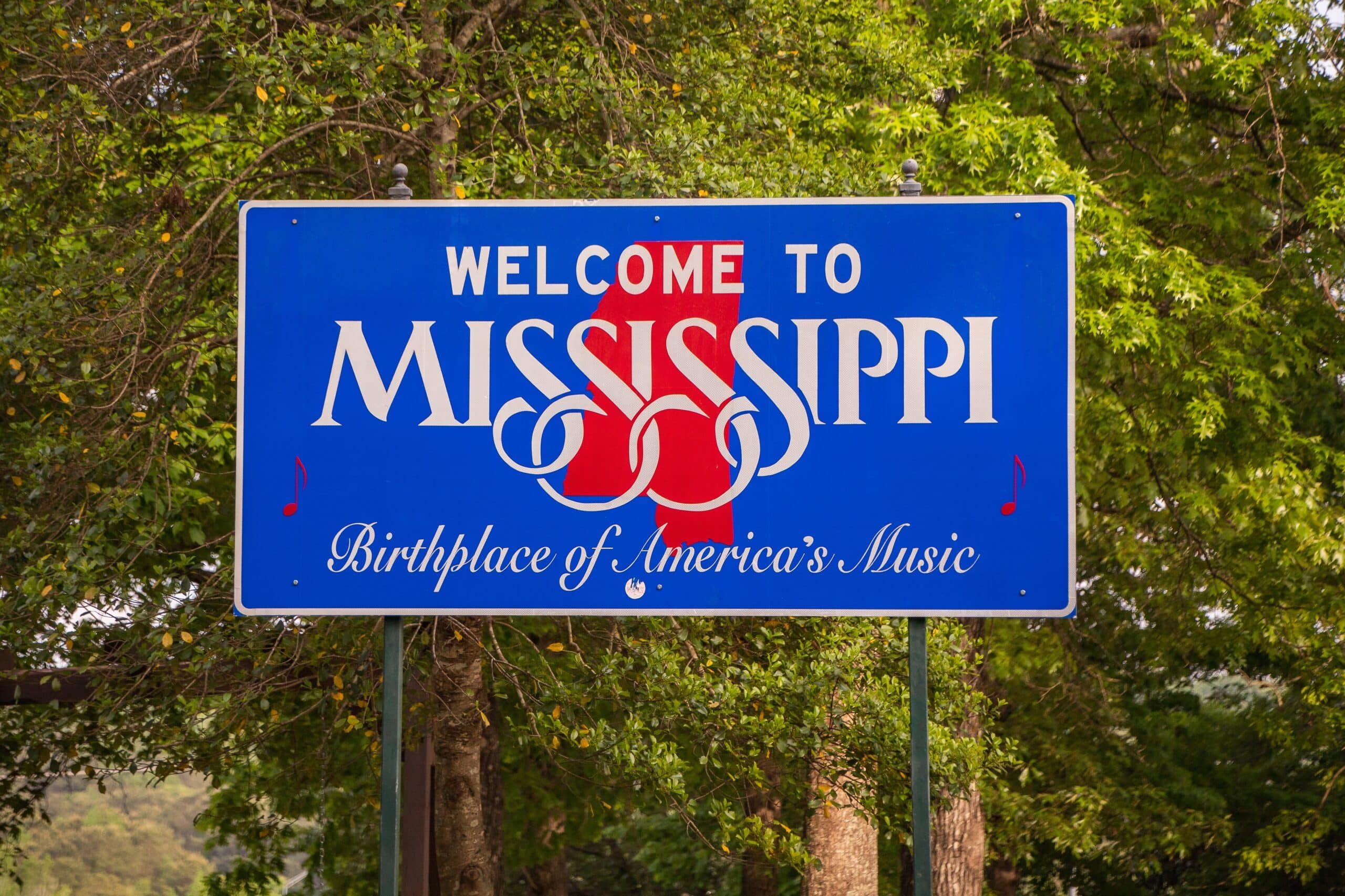
Mississippi is shaped less by spectacle than by continuity. Its landscapes unfold slowly, defined by water, soil, and memory rather than dramatic elevation or abrupt change. Rivers, coastal marshes, pine forests, and agricultural lowlands form a state where geography and history remain inseparable.
Movement through Mississippi follows natural systems. Rivers dictate settlement, roads trace former paths of trade and labor, and towns emerge where land and water allow persistence. The Mississippi River, Pearl River, Yazoo Basin, and Gulf Coast together form a network that has structured economy and culture for centuries.
Cultural depth here is layered rather than concentrated. Music, foodways, and community traditions arise from long-term presence, often tied to specific places and rhythms. Change occurs gradually, absorbed into existing structures rather than replacing them.
Mississippi’s landscapes hold memory visibly. Fields, levees, riverbanks, and small towns carry traces of past systems that continue to influence present life. The state resists simplification, revealing complexity through patience rather than immediacy.
20. Mississippi River Delta
The Mississippi River Delta stretches across the western edge of the state as a broad, flat expanse shaped almost entirely by water, sediment, and time. Elevation changes are minimal, yet the landscape carries enormous historical and ecological weight. This is land built slowly by river deposits, renewed and threatened by the same force that created it.
For centuries, seasonal flooding replenished the soil, depositing nutrient-rich sediment that made the Delta one of the most fertile agricultural regions in North America. Human intervention through levees and drainage systems altered that rhythm, protecting crops and settlements while disrupting natural renewal cycles. The land remains productive, but increasingly dependent on engineered systems.
Visually, the Delta feels expansive and exposed. Fields stretch toward distant tree lines, broken only by drainage canals, levees, and towns situated on slight rises. The horizon dominates perception, with weather patterns—heat, storms, fog—playing an outsized role in daily experience.
The Delta’s cultural history is inseparable from its agricultural systems. Labor structures shaped communities, music, foodways, and social organization. These histories remain visible in settlement patterns, land ownership, and local traditions.
Despite mechanization and demographic change, the Delta continues to operate at the scale of the land itself. Movement is slow, distances feel long, and continuity matters more than novelty.
The Mississippi River Delta represents the state’s foundational landscape, where water, labor, and memory remain tightly bound, and where the past continues to shape the present in visible, tangible ways.
19. Natchez
Natchez rises above the Mississippi River on high bluffs that provide rare elevation in an otherwise flat region. This geographic advantage shaped the town’s survival, prosperity, and enduring sense of identity. While floods reshaped lower river settlements, Natchez remained physically and symbolically above them.
As an early river port, Natchez benefited from trade while maintaining distance from the river’s destructive cycles. Streets, homes, and civic buildings reflect long-term continuity rather than rapid growth. Architecture is preserved not as spectacle, but as lived environment, integrated into daily routines.
The bluffs influence perception as much as protection. Views of the river emphasize scale and movement below, reinforcing awareness of geography’s role in shaping human activity. Gardens, terraces, and shaded streets soften the elevation, blending natural and built forms.
Natchez’s cultural life reflects longevity. Families, institutions, and traditions persist across generations, anchored by place rather than constant reinvention. Change occurs gradually, absorbed into existing frameworks.
The surrounding landscape—wooded hills and river lowlands—creates a sense of enclosure and distinction from the Delta beyond.
Natchez represents Mississippi’s elevated memory: a place where terrain allowed preservation, stability, and an ongoing dialogue between past and present.
18. Vicksburg
Vicksburg occupies a commanding bluff overlooking a dramatic bend in the Mississippi River, where terrain and water converge with lasting consequence. Its position made it strategically vital, shaping both its development and historical significance.
Steep streets and irregular ground define movement through the city. Unlike grid-based towns of flatter regions, Vicksburg’s layout responds directly to topography. Buildings step with the land, reinforcing awareness of elevation and slope.
The river below has shifted course over time, altering the city’s direct relationship to water. Once a bustling port, Vicksburg now stands apart from the main channel, a reminder of the river’s unpredictability. This separation reinforces themes of impermanence and adaptation.
Civic identity here is shaped by endurance rather than expansion. The city retains a compact scale, with historic districts closely interwoven with daily life.
Surrounding hills and valleys create a sense of enclosure distinct from the open Delta. Forested slopes soften the city’s edges, blending natural and built environments.
Vicksburg represents Mississippi’s strategic landscape, where geography dictated fate and where adaptation remains central to survival.
17. Mississippi Gulf Coast
The Mississippi Gulf Coast forms a narrow, low-lying corridor shaped by marshes, bays, and barrier islands. Water defines nearly every aspect of life here, from economy to architecture to daily movement.
Fishing, shipbuilding, and maritime trade historically anchored settlement close to the shoreline. Homes, docks, and businesses cluster near the water, reinforcing dependence and exposure. Hurricanes and tropical storms periodically disrupt this relationship, forcing rebuilding and adaptation.
Barrier islands offshore absorb wave energy, protecting the mainland while remaining unstable themselves. Their shifting forms highlight the coast’s impermanence and the necessity of flexibility.
Urban development remains linear, constrained between the Gulf and inland wetlands. Elevation is minimal, making resilience an ongoing process rather than a fixed achievement.
Cultural life persists through continuity rather than permanence. Foodways, festivals, and labor traditions endure even as structures change.
The Gulf Coast represents Mississippi’s edge condition—where survival depends on adaptation, memory, and acceptance of environmental risk.
16. Delta Blues Region
The Delta Blues Region is defined less by strict geography than by cultural emergence rooted in place. Music developed here as a direct response to landscape, labor, and isolation.
Agricultural work structured daily life, creating rhythms that translated into sound. Fields, roads, and river crossings shaped movement and exchange, allowing musical styles to circulate between small communities.
The region’s flat openness amplified solitude while enabling travel, producing a tension between isolation and connection. Storytelling became a way to articulate experience, embedding personal narratives within broader collective memory.
Blues music traveled outward, influencing national and global culture, yet its origins remain firmly tied to local conditions. Juke joints, front porches, and crossroads functioned as informal cultural centers.
Even as economic systems changed, the region retained its expressive identity. Music remains a living presence rather than a relic.
The Delta Blues Region represents Mississippi’s cultural resonance, where creative expression emerged directly from land, labor, and lived experience.
15. Jackson
Jackson functions as Mississippi’s civic and administrative core, defined more by infrastructure and institutions than by dramatic landscape. Its form reflects convergence—of roads, governance, commerce, and population.
The Pearl River skirts the city rather than defining it, offering presence without dominance. Floodplains and green spaces soften urban edges, reminding residents of natural systems beneath development.
Neighborhoods reveal layered histories through adaptation rather than wholesale replacement. Architecture, street patterns, and public spaces reflect gradual change shaped by social and economic forces.
As a transportation hub, Jackson connects regional economies and communities. Its scale remains moderate, reinforcing functionality over spectacle.
Cultural life reflects diversity and movement, shaped by migration and institutional presence.
Jackson represents Mississippi’s connective resilience, where continuity is maintained through adjustment rather than stasis.
14. Oxford
Oxford occupies rolling hills in northern Mississippi, where elevation introduces enclosure and variation absent from Delta landscapes. The terrain creates a sense of intimacy and structure.
Cultural life centers on education, literature, and long-term residence. Institutions anchor the town, encouraging continuity rather than rapid turnover.
The surrounding countryside remains influential. Fields, forests, and creeks shape seasonal rhythms and local identity.
Growth is measured and deliberate, preserving scale and coherence.
Oxford reflects Mississippi’s reflective interior, where place encourages contemplation and sustained presence.
13. Tombigbee River
The Tombigbee River flows through eastern Mississippi as a quiet but essential artery, connecting upland forests to lowland systems farther south. Its movement is gradual, emphasizing continuity rather than force.
Historically, the river supported transportation, agriculture, and settlement. Communities developed along its banks where water access enabled trade while remaining less exposed than the Mississippi River corridor.
The river’s banks reveal long-term interaction between water and work. Fields, forests, and small towns approach the river cautiously, respecting seasonal fluctuations.
Ecologically, the Tombigbee sustains wetlands, bottomland forests, and diverse wildlife. Flooding nourishes surrounding land rather than overwhelming it.
Modern infrastructure follows the river’s course, reinforcing its role as a connective landscape rather than a barrier.
The Tombigbee River represents Mississippi’s connective waterways—steady, sustaining, and quietly influential.
12. Natchez Trace Parkway
The Natchez Trace Parkway follows ancient travel corridors that long predate modern roads. Indigenous paths, trade routes, and early settler trails shaped its alignment.
Unlike highways designed for speed, the parkway emphasizes continuity and reflection. Curves follow terrain, preserving forest, fields, and historic sites.
Travel along the Trace encourages attentiveness. Pull-offs, footpaths, and quiet stretches invite engagement with landscape rather than bypassing it.
The surrounding environment remains largely intact, reinforcing a sense of temporal layering.
The parkway functions as both infrastructure and archive.
The Natchez Trace Parkway represents Mississippi’s layered pathways, where movement preserves memory.
11. Pascagoula River Basin
The Pascagoula River Basin stands as one of the most ecologically intact river systems in the contiguous United States. Flowing freely from inland forests to the Gulf of Mexico, it remains largely untouched by dams or extensive channelization, allowing natural processes to continue uninterrupted.
The basin encompasses swamps, floodplains, longleaf pine savannas, and hardwood bottomlands. Seasonal flooding replenishes soil, redistributes nutrients, and sustains diverse plant and animal communities. This cyclical rhythm defines the basin’s character, emphasizing renewal rather than control.
Human presence here is intentionally limited. Small communities and rural settlements exist along the basin’s margins, adapting their activities to water cycles instead of reshaping them. Fishing, hunting, and forestry occur at modest scales, reinforcing coexistence rather than dominance.
Sensory experience is central to the basin. Humidity, birdsong, slow currents, and filtered light through cypress and tupelo trees create a landscape defined by atmosphere rather than spectacle.
The Pascagoula functions as a biological refuge, supporting species increasingly rare elsewhere. Its continuity provides resilience not only for wildlife but also for regional ecological balance.
The Pascagoula River Basin represents Mississippi’s enduring wildness—a landscape where restraint preserves vitality and where natural systems remain the primary architects.
10. Yazoo Basin
The Yazoo Basin occupies northern Mississippi as a broad, managed landscape defined by flat terrain and slow-moving water systems. It serves as a transitional zone between the Delta’s alluvial lowlands and the state’s interior uplands.
Historically prone to flooding, the basin became one of the most engineered regions in Mississippi. Drainage canals, levees, and pumping stations structure the land, reflecting long-term efforts to balance agricultural productivity with flood control.
Despite these systems, water remains a dominant force. Heavy rains saturate fields, influence planting schedules, and shape daily decision-making. The land demands constant attention.
Agriculture dominates land use, yet wetlands and wooded corridors persist along waterways, maintaining ecological function within an altered environment.
Movement through the basin emphasizes scale and horizontality. Roads stretch straight and far, reinforcing the sense of openness.
The Yazoo Basin represents Mississippi’s managed interior, where human intervention and natural process remain in continuous negotiation.
9. Clarksdale
Clarksdale sits within the Delta’s flat expanse as a cultural crossroads shaped by agriculture, railroads, and movement. Its location made it a gathering point rather than an isolated settlement.
Rail lines once linked surrounding plantations to regional markets, drawing workers, musicians, and merchants into town. Streets and neighborhoods reflect this functional origin, closely tied to fields just beyond the urban edge.
Cultural influence here emerged organically from daily life. Music, storytelling, and social exchange developed in informal spaces—homes, streets, and gathering halls—rather than formal institutions.
Economic change altered industry but not identity. Structures adapted rather than disappeared, and cultural memory persisted through practice.
The town’s scale reinforces intimacy. Distances are short, connections familiar.
Clarksdale represents Mississippi’s expressive crossroads, where culture grew from proximity, labor, and shared experience.
8. DeSoto National Forest
DeSoto National Forest spans southern Mississippi as a landscape shaped by longleaf pine ecosystems, sandy soils, and intentional fire management. This environment contrasts with wetter lowlands and denser hardwood regions.
Prescribed burns play a central role, maintaining open forest structure and supporting plant species dependent on regular fire. These practices reflect stewardship rather than suppression.
Human use remains dispersed. Trails, campsites, and forest roads allow access while preserving ecological continuity. Recreation emphasizes immersion over development.
Light filters easily through widely spaced pines, creating a sense of openness uncommon in other forest types.
The forest’s rhythm follows natural cycles rather than extraction schedules.
DeSoto National Forest represents Mississippi’s stewardship landscape, where long-term care sustains ecological balance.
7. Greenville
Greenville lies along the eastern bank of the Mississippi River, separated from the water by extensive levee systems. The city’s form reflects ongoing negotiation with the river rather than direct engagement.
Historically a river port, Greenville developed around trade, agriculture, and transportation. Cotton, goods, and people moved through the city, shaping its economic and social structure.
As levees rose, the river became less visible but no less influential. Its presence is felt through commerce, flooding concerns, and regional identity.
Neighborhoods reveal layered history. Older districts sit alongside newer development, reflecting adaptation rather than replacement.
Cultural life remains regional, tied to Delta rhythms and river memory.
Greenville represents Mississippi’s adaptive river towns, where resilience emerges from adjustment rather than resistance.
6. Bienville National Forest
Bienville National Forest occupies the rolling uplands of central Mississippi, offering a landscape of mixed pine and hardwood forests, clear streams, and gently undulating terrain. This region contrasts sharply with the flat Delta and coastal lowlands, introducing enclosure, texture, and variation.
The forest’s soils and slopes shape both ecology and human use. Forestry has long been practiced here, but modern management emphasizes sustainability rather than extraction alone. Timber harvesting, wildlife conservation, controlled burns, and recreation coexist within a carefully balanced system designed to preserve long-term health.
Roads and trails follow natural contours instead of imposed grids, reinforcing the land’s authority over movement. Small clearings, campsites, and trailheads appear intermittently, allowing access without overwhelming the forest’s continuity.
Seasonal change is pronounced. Spring brings dense growth and swollen creeks, summer settles into humid stillness, autumn introduces color and clarity, and winter strips the forest to structure and sound.
Human presence remains modest and dispersed, encouraging observation rather than domination. The forest rewards patience, quiet, and attention to detail.
Bienville National Forest represents Mississippi’s interior balance, where stewardship, restraint, and terrain guide interaction between people and land.
5. Biloxi
Biloxi sits along the Mississippi Gulf Coast, shaped by maritime labor, tourism, and repeated cycles of destruction and rebuilding. Fishing, shipbuilding, and coastal trade historically anchored its economy, binding daily life directly to the Gulf.
The city’s relationship with water is intimate and exposed. Shorelines define movement, while hurricanes periodically erase and redraw boundaries. Recovery is not exceptional but expected, embedding resilience into civic identity rather than treating disaster as interruption.
Development patterns reflect constraint and compromise. Casinos, residences, and working waterfronts occupy narrow strips of land between highway and sea. Elevation remains minimal, reinforcing vulnerability and the need for adaptive design.
Cultural life persists through continuity rather than permanence. Foodways, labor traditions, and community rituals endure even as physical structures change.
Biloxi’s identity is not rooted in preservation but in repetition—building, losing, and rebuilding again.
Biloxi represents Mississippi’s coastal persistence, where survival depends on memory, adaptability, and acceptance of environmental risk.
4. Pearl River
The Pearl River flows through central and southern Mississippi, forming wetlands, oxbows, and forested floodplains that function as ecological corridors. Its movement is gradual, emphasizing continuity rather than force.
Unlike heavily engineered rivers, the Pearl remains largely free-flowing. Seasonal flooding nourishes surrounding land, replenishing soils and sustaining diverse plant and animal communities.
Communities along the river maintain cautious proximity. Development adapts to water cycles through elevation, setbacks, and acceptance of periodic inundation rather than rigid control.
The river links uplands to the Gulf, carrying sediment, nutrients, and memory across regions. Sound, reflection, and slow current define experience.
The Pearl River operates quietly but decisively, shaping settlement patterns without spectacle.
The Pearl River represents Mississippi’s interior water continuity—persistent, foundational, and essential to the state’s ecological balance.
3. Starkville
Starkville occupies the rolling uplands of eastern Mississippi, where elevation introduces variation absent from lowland regions. Fields, woodlots, and creeks shape the surrounding countryside, creating a landscape of moderate scale and enclosure.
The town balances agricultural roots with institutional presence. Education, research, and regional commerce intersect within a compact footprint, shaping a steady rhythm rather than rapid growth.
Development remains measured. The surrounding rural landscape stays visible and influential, preventing complete separation between town and countryside.
Seasonal change alters pace and perception. Planting, harvest, and academic calendars intertwine, reinforcing long-term continuity.
Starkville’s identity rests on function and persistence rather than spectacle.
Starkville represents Mississippi’s working interior—adaptive, grounded, and oriented toward sustained presence.
2. Horn Island
Horn Island lies off the Mississippi coast as a barrier island shaped by wind, tide, and shifting sand. Its form is constantly changing, absorbing storm energy before it reaches the mainland.
Vegetation stabilizes dunes temporarily, but erosion remains inevitable. The island exists in a state of adjustment rather than permanence.
Human presence is minimal and transient. There are no permanent settlements, only temporary visitation that reinforces the island’s impermanence.
Sound, sky, and water dominate experience. Isolation feels elemental rather than remote, shaped by exposure rather than distance.
Horn Island demonstrates resilience through flexibility. Survival depends on movement and surrender rather than resistance.
Horn Island represents Mississippi’s exposed edge, where land persists by yielding to natural forces.
1. Red Hills Region
The Red Hills Region stretches across northeastern Mississippi, defined by clay-rich soils, rolling hills, and mixed hardwood forests. This terrain contrasts sharply with the flat Delta and coastal plains.
Agriculture here adapts to slope and erosion-prone soil, producing smaller fields, pastureland, and diversified land use. Roads follow contours rather than imposed grids, reinforcing the authority of terrain.
Communities remain dispersed, shaped by land rather than density. Settlement patterns emphasize longevity over expansion.
The region functions as a transition zone, bridging upland and lowland systems ecologically and culturally.
Change arrives gradually, absorbed into existing patterns rather than imposed.
The Red Hills represent Mississippi’s upland transition, where continuity remains closely aligned with landscape and restraint.