
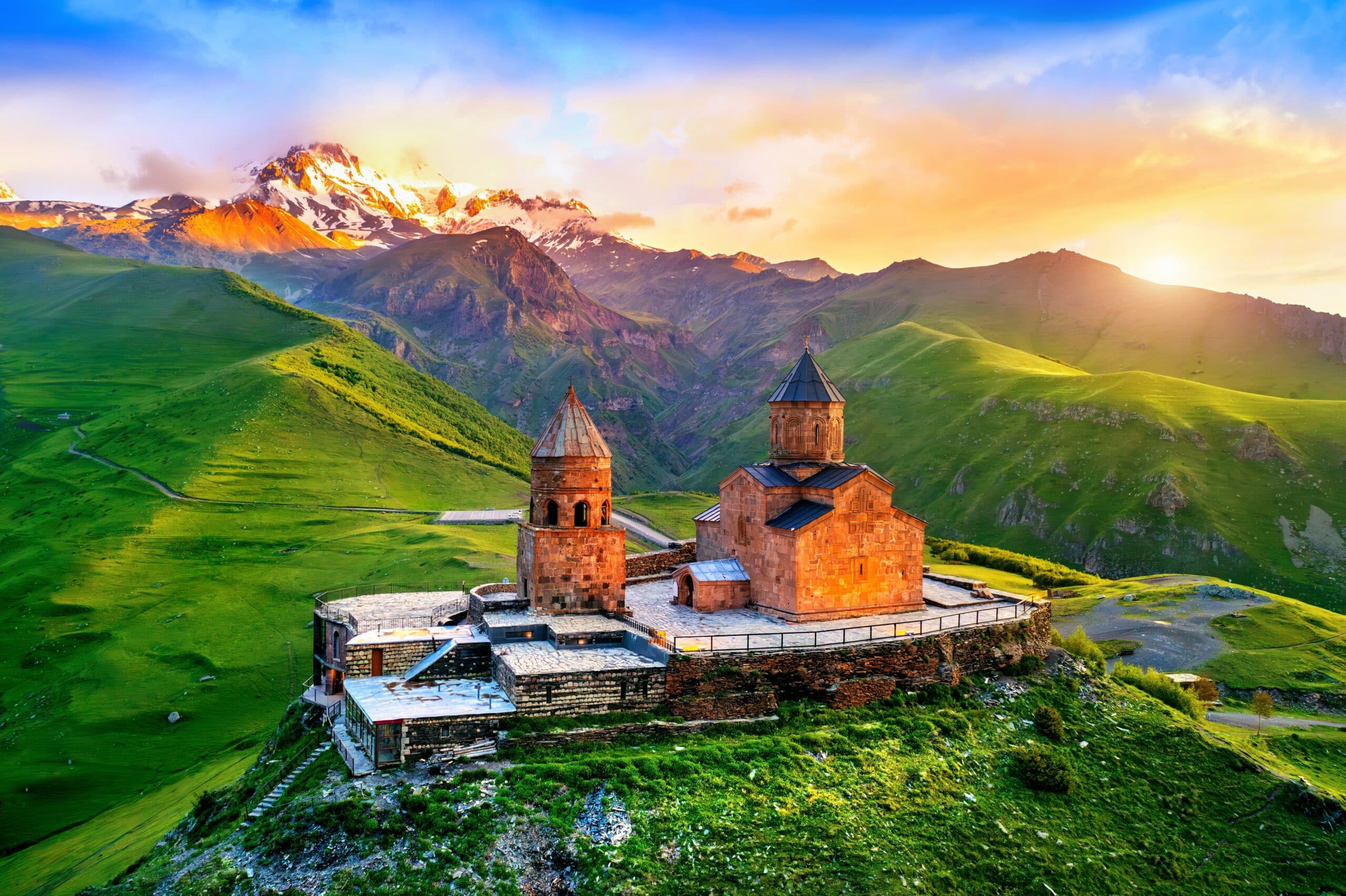
Georgia lies at the crossroads of Eastern Europe and Western Asia in the South Caucasus region. Geography defines the country through dramatic mountain systems, fertile river valleys, and a Black Sea coastline.
The Greater Caucasus Mountains form a towering northern boundary. Geography reinforces natural separation from the Russian Federation through high alpine ridges.
The Lesser Caucasus stretches across the south. Geography binds upland plateaus to volcanic formations and mineral-rich soils.
Between these ranges lies the Kura River basin. Geography emphasizes agricultural productivity supported by alluvial plains and moderate continental climate.
Western Georgia opens to the Black Sea. Geography requires adaptation to humid subtropical conditions along the coast and snow-heavy winters in alpine zones.
Georgia inspires through stark contrasts between snow-capped peaks, vineyard valleys, and maritime lowlands. The land teaches endurance through adaptation to altitude extremes and seismic activity, showing how resilience develops where tectonic uplift meets fertile river systems.
Endurance here is geological and climatic. Geography requires slope stabilization in mountainous regions and flood management in river basins. Stability depends on balancing alpine watershed protection with agricultural sustainability in lowlands.
Georgia reflects a nation shaped by Caucasus mountain building and Black Sea influence. Visitors encounter a landscape where resilience emerges from coexistence between glacial summits, rolling valleys, and coastal plains.
20. Tbilisi
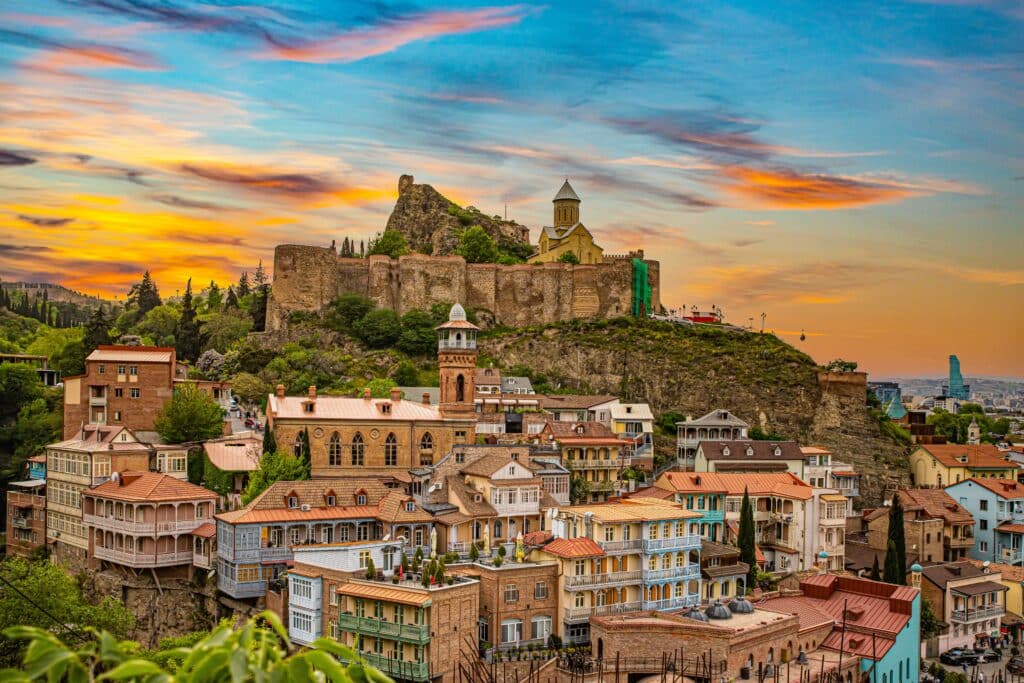
Tbilisi lies in eastern Georgia along the banks of the Kura River within a narrow valley surrounded by hills. Geography here is riverine basin enclosed by semi-arid slopes.
The Kura cuts through limestone and sandstone ridges. Geography reinforces settlement along a strategic valley corridor connecting east and west.
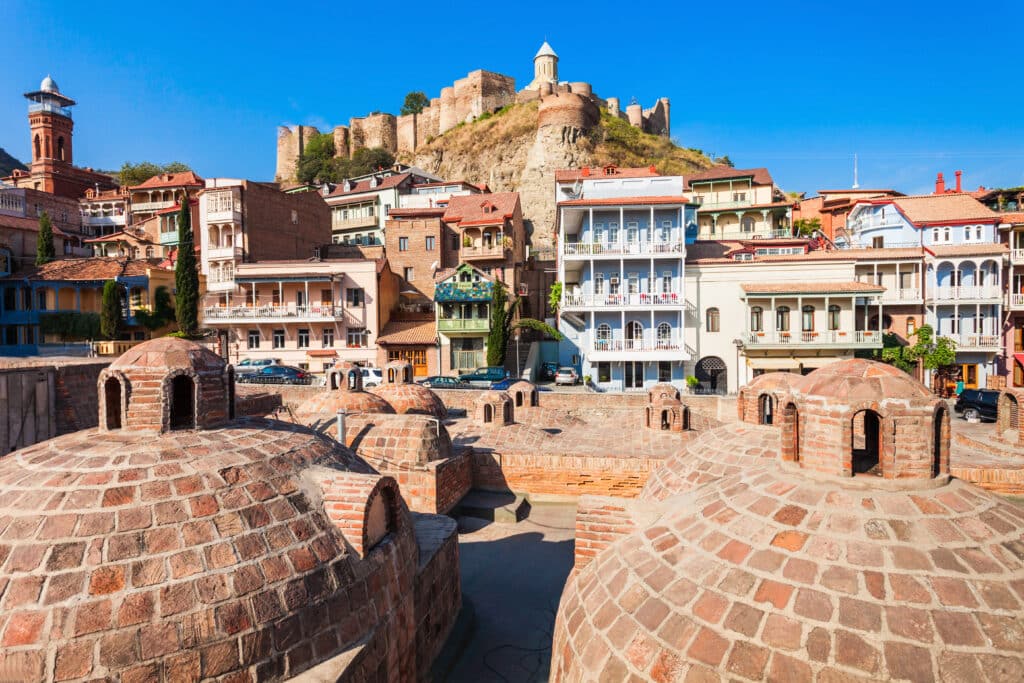
Hills rise steeply above the urban core. Geography binds development to terraced slopes and river crossings.
The climate is continental with hot summers and cool winters. Geography requires adaptation to seasonal temperature extremes and limited rainfall compared to western Georgia.
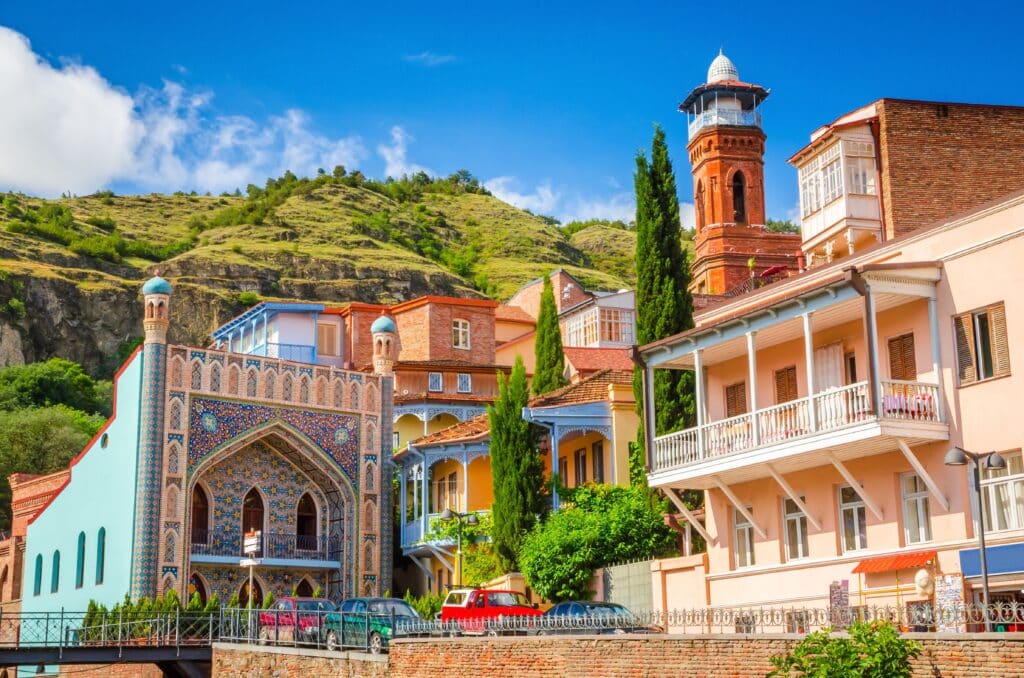
Seismic activity influences structural planning. Geography emphasizes tectonic sensitivity within the Caucasus region.
Tbilisi inspires through its layered hillside setting overlooking the winding river. The land teaches endurance through adaptation to valley confinement and climatic variation, showing how resilience develops where river corridors intersect mountain foothills.
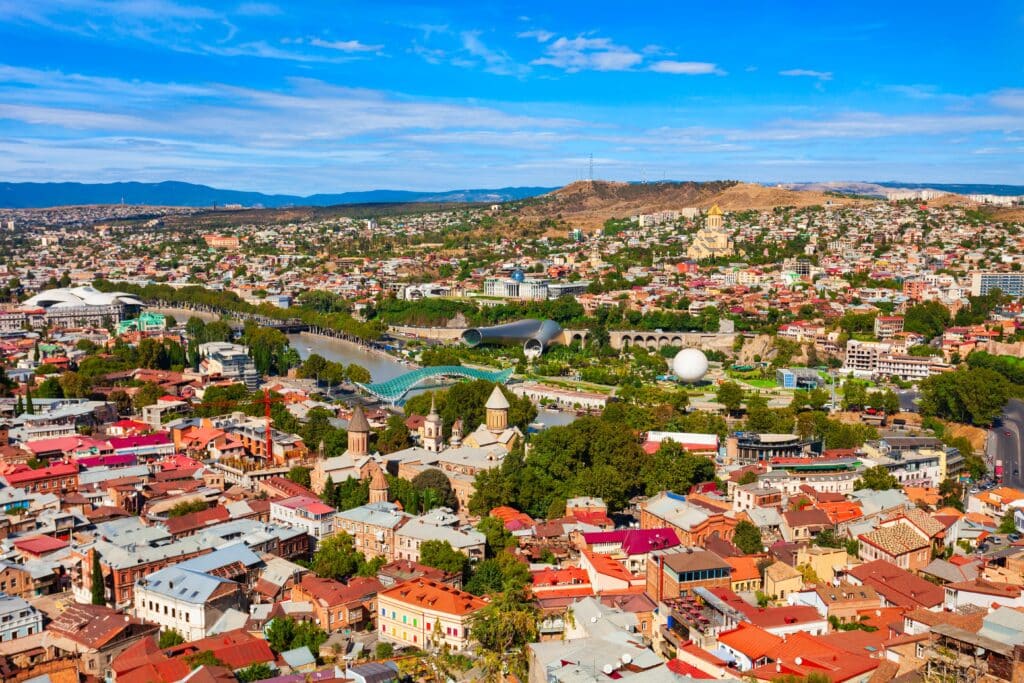
Endurance here is geological and hydrological. Geography requires earthquake-resistant construction and riverbank management. Stability depends on maintaining watershed integrity upstream.
Tbilisi reflects Georgia’s eastern basin geography shaped by tectonic forces and river erosion. Visitors encounter a landscape where resilience emerges from coexistence between rocky hills and flowing river channels.
19. Batumi

Batumi lies on the eastern shore of the Black Sea in southwestern Georgia. Geography here is coastal lowland backed by subtropical hills of the Lesser Caucasus.
The Black Sea shapes Batumi’s maritime climate. Geography reinforces humid subtropical conditions with abundant rainfall throughout the year.

Low coastal plains extend inland before rising into forested hills. Geography binds settlement to narrow flat strips between sea and mountain slopes.
Rivers descending from the Adjara highlands empty near the city. Geography requires adaptation to heavy precipitation and runoff management.

The coastline curves gently, forming a natural maritime corridor. Geography emphasizes marine connectivity and climatic moderation compared to eastern Georgia.
Batumi inspires through its alignment between palm-lined shore and mist-covered hills. The land teaches endurance through adaptation to high rainfall and coastal exposure, showing how resilience develops where subtropical vegetation meets mountainous terrain.
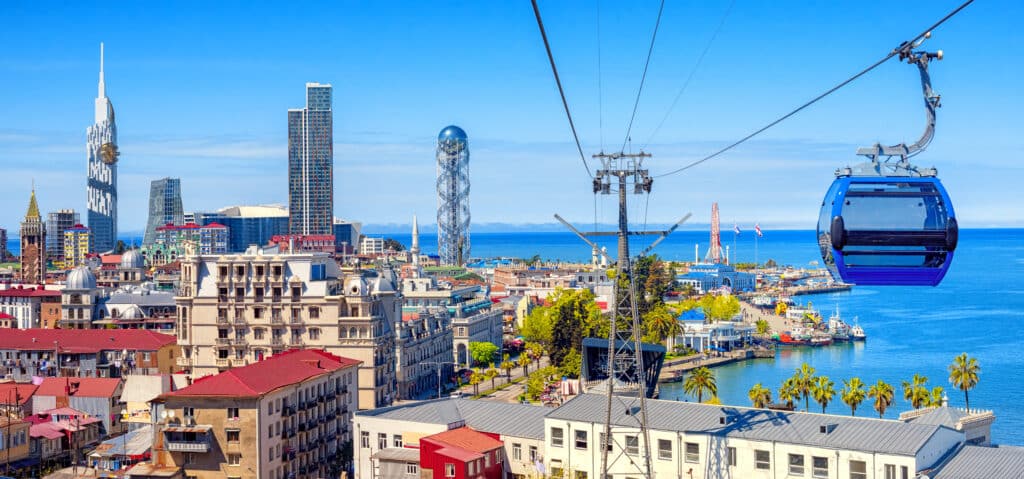
Endurance here is climatic and hydrological. Geography requires slope stabilization and careful coastal management. Stability depends on protecting upland forests that regulate river discharge into the Black Sea.
Batumi reflects Georgia’s western maritime geography shaped by humid air masses from the sea and rising Caucasus foothills. Visitors encounter a landscape where resilience emerges from coexistence between subtropical coast and forested mountains.
18. Kazbegi (Stepantsminda)
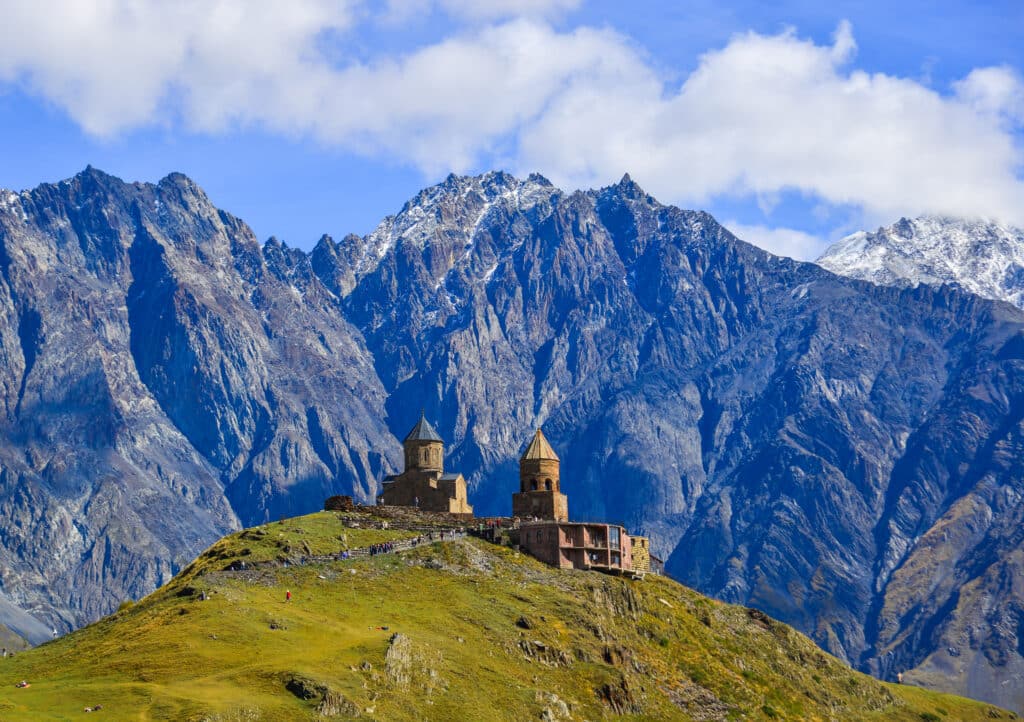
Stepantsminda lies in northern Georgia near the Russian border within the Greater Caucasus range. Geography here is alpine valley surrounded by towering glaciated peaks.
Mount Kazbek rises prominently above the region. Geography reinforces extreme elevation contrast and dramatic relief.
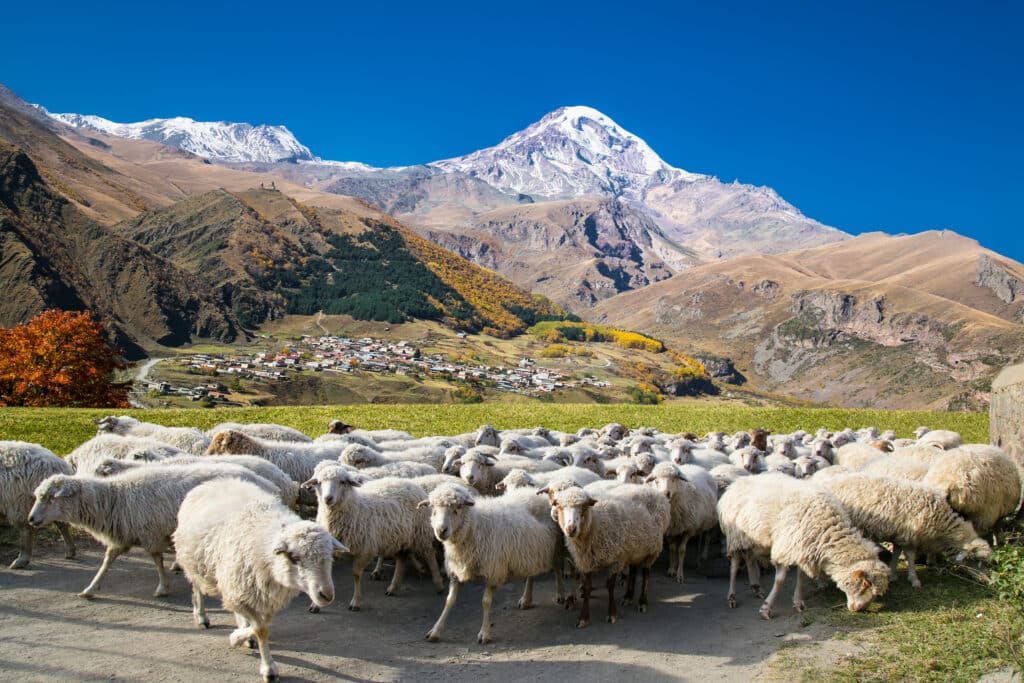
The Terek River flows through the valley. Geography binds settlement to narrow river terraces carved by glacial and fluvial processes.
Winters are harsh with heavy snowfall. Geography requires adaptation to altitude and limited agricultural land.
Mountain passes connect the area to lower regions. Geography emphasizes natural corridors shaped by tectonic uplift.
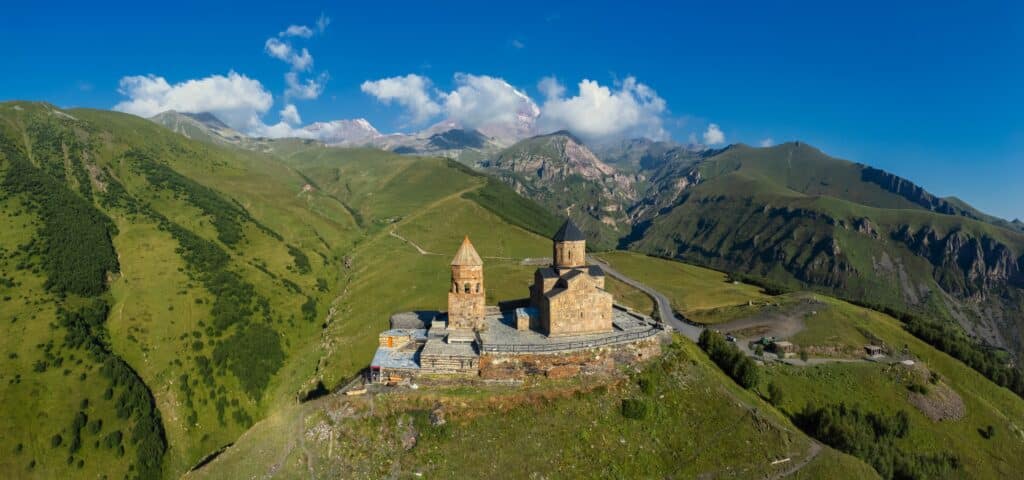
Kazbegi inspires through snow-capped summits and deep valleys. The land teaches endurance through adaptation to alpine climate and seismic terrain, showing how resilience develops where glaciers, rivers, and mountain ridges converge.
Endurance here is climatic and geological. Geography requires avalanche awareness and slope management. Stability depends on protecting fragile alpine ecosystems and glacial watersheds.
Kazbegi reflects Georgia’s northern highland geography shaped by Caucasus mountain building. Visitors encounter a landscape where resilience emerges from coexistence between high-altitude peaks and narrow inhabited valleys.
17. Kutaisi
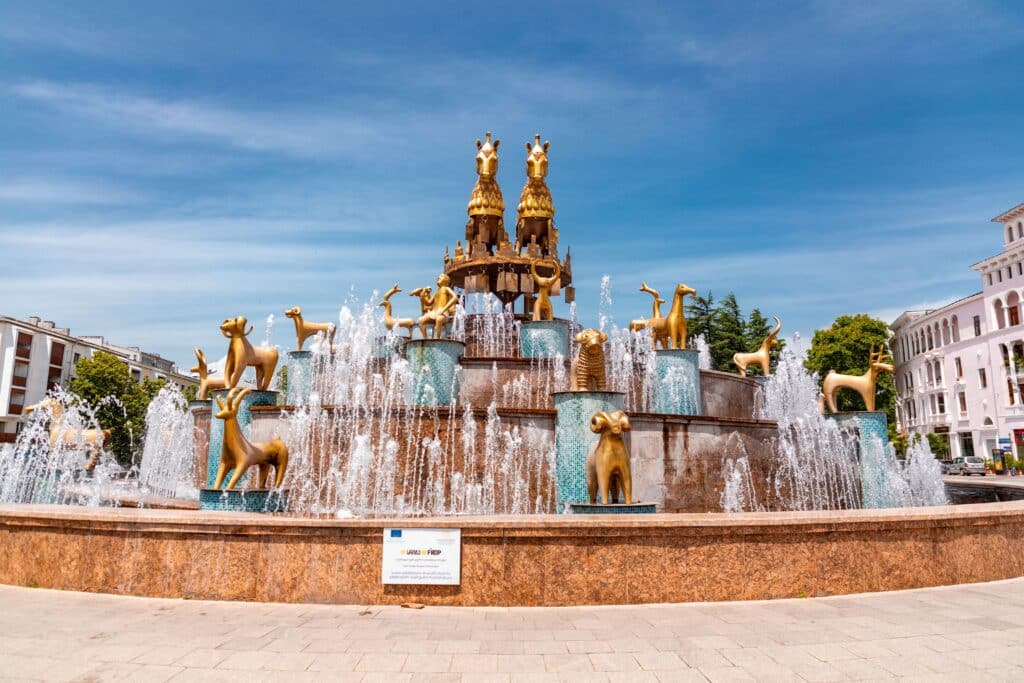
Kutaisi lies in western Georgia along the Rioni River within a broad fertile valley. Geography here is lowland basin influenced by proximity to the Black Sea and surrounding hills.
The Rioni River flows westward toward the sea. Geography reinforces agricultural productivity across alluvial plains.
Rolling hills frame the valley edges. Geography binds settlement to fertile soils enriched by river sediments.
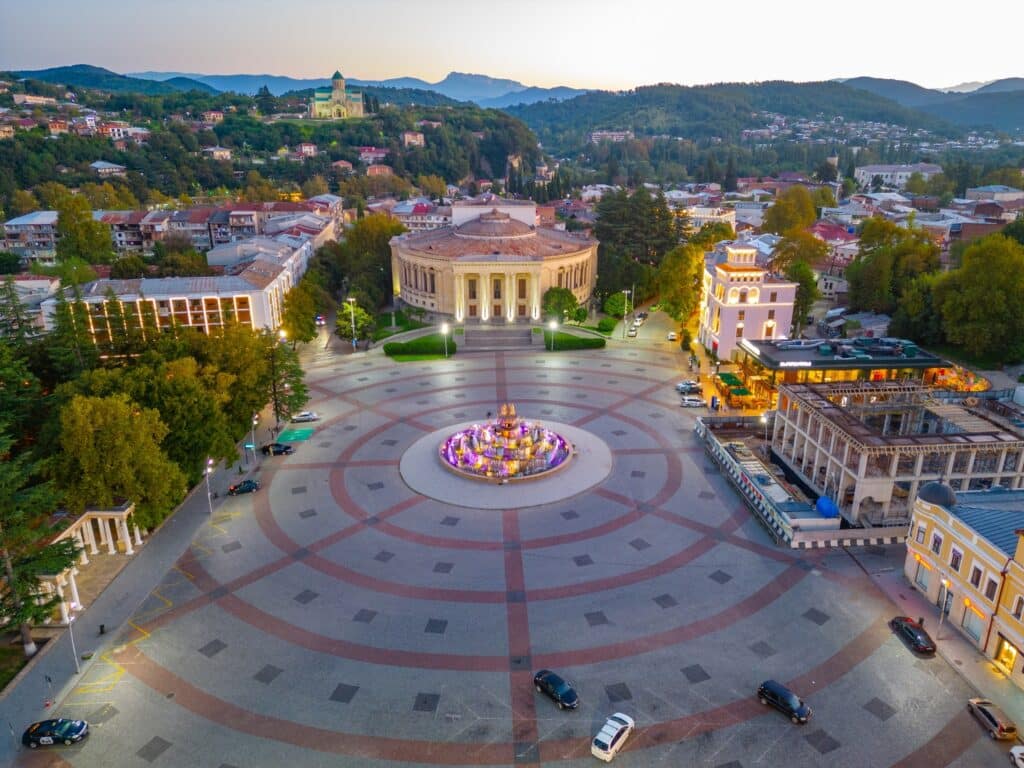
The climate is humid and milder than eastern Georgia. Geography requires adaptation to steady rainfall and occasional flooding.
Karst formations appear in surrounding limestone zones. Geography emphasizes geological diversity within the Imereti region.
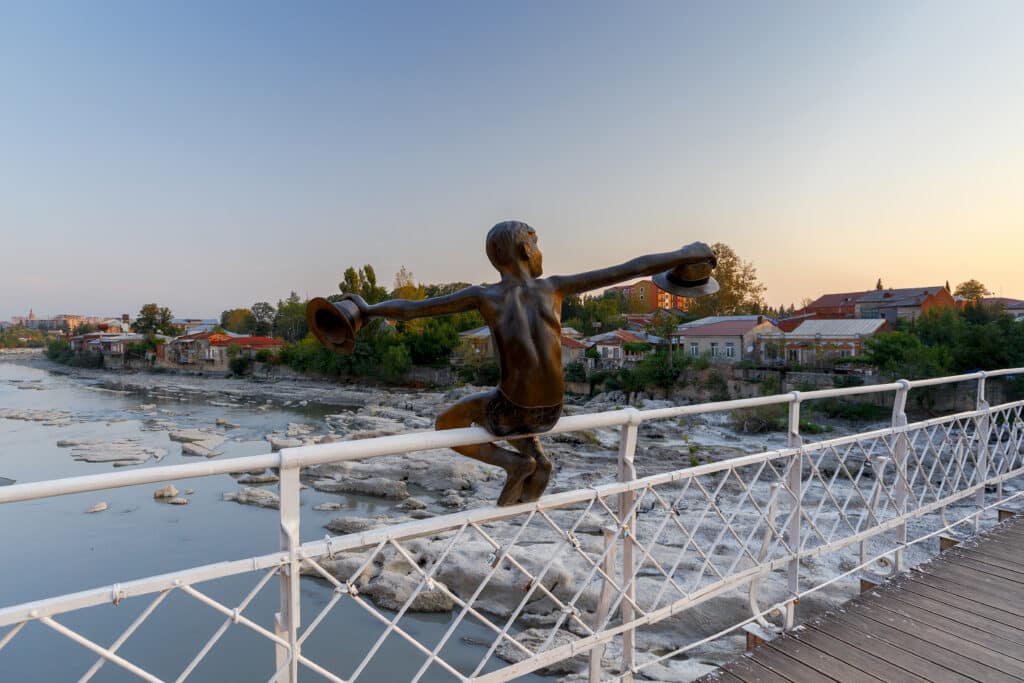
Kutaisi inspires through its river-centered landscape and green valley surroundings. The land teaches endurance through adaptation to hydrological cycles and fertile terrain, showing how resilience develops where rivers nourish lowland agriculture.
Endurance here is agricultural and hydrological. Geography requires river management and preservation of soil fertility. Stability depends on maintaining watershed health in surrounding uplands.
Kutaisi reflects Georgia’s western valley geography shaped by river systems and maritime climatic influence. Visitors encounter a landscape where resilience emerges from coexistence between fertile plains and gently rising hills.
16. Svaneti
Svaneti lies in northwestern Georgia within the Greater Caucasus range. Geography here is alpine and glaciated, defined by some of the highest peaks in the country.
Towering summits rise above deep river valleys. Geography reinforces isolation shaped by rugged terrain and heavy winter snowfall.
Glacial rivers descend rapidly toward lower basins. Geography binds settlement to narrow terraces carved between steep slopes.
Forested lower elevations transition into alpine meadows. Geography requires adaptation to altitude gradients and seasonal climatic extremes.
Mountain passes remain snowbound in winter months. Geography emphasizes natural barriers created by tectonic uplift and glacial erosion.
Svaneti inspires through dramatic vertical relief and expansive alpine vistas. The land teaches endurance through adaptation to altitude, avalanches, and seismic activity, showing how resilience develops where glacial systems define the landscape.
Endurance here is climatic and geological. Geography requires slope stabilization and watershed protection. Stability depends on preserving alpine ecosystems that regulate river flow downstream.
Svaneti reflects Georgia’s high Caucasus geography shaped by ongoing mountain building and glacial forces. Visitors encounter a landscape where resilience emerges from coexistence between snow-fed rivers and towering granite peaks.
15. Mtskheta
Mtskheta lies north of Tbilisi at the confluence of the Kura and Aragvi rivers. Geography here is river junction basin framed by low hills.
The meeting of two major rivers defines the landscape. Geography reinforces fertile alluvial soils and strategic settlement location.
Hills rise gently around the confluence. Geography binds development to elevated ground above flood levels.
The climate is continental with moderate rainfall. Geography requires adaptation to seasonal river fluctuations.
Transport routes converge along river corridors. Geography emphasizes the role of waterways in shaping movement and habitation.
Mtskheta inspires through panoramic views of rivers merging beneath hillside horizons. The land teaches endurance through adaptation to hydrological cycles and tectonic terrain, showing how resilience develops where waterways intersect.
Endurance here is fluvial and geological. Geography requires floodplain management and erosion control. Stability depends on maintaining upstream watershed health.
Mtskheta reflects Georgia’s eastern basin geography shaped by river convergence and surrounding hills. Visitors encounter a landscape where resilience emerges from coexistence between flowing rivers and protective ridgelines.
14. Borjomi
Borjomi lies in south-central Georgia within a forested gorge carved by the Mtkvari River. Geography here is mountainous valley shaped by volcanic and tectonic processes.
The Mtkvari cuts through steep slopes. Geography reinforces narrow valley settlement between rising ridges.
Dense forests blanket surrounding hills. Geography binds biodiversity to humid mountain conditions.
Mineral springs emerge along geological fault lines. Geography requires preservation of groundwater systems and slope stability.
The climate is cooler than eastern lowlands. Geography emphasizes elevation-driven temperature moderation.
Borjomi inspires through its deep green gorge and mountain air. The land teaches endurance through adaptation to upland terrain and seismic activity, showing how resilience develops where mineral-rich waters surface within forested valleys.
Endurance here is ecological and geological. Geography requires forest conservation and watershed protection. Stability depends on safeguarding springs fed by underground aquifers.
Borjomi reflects Georgia’s southern mountain geography shaped by tectonic uplift and volcanic substrata. Visitors encounter a landscape where resilience emerges from coexistence between forested slopes and flowing river corridors.
13. Gudauri
Gudauri lies along the Georgian Military Highway in the Greater Caucasus range north of Tbilisi. Geography here is high alpine plateau framed by steep mountain ridges.
Elevations exceed 2,000 meters above sea level. Geography reinforces prolonged winter snowfall and short cool summers.
Deep valleys descend toward the Aragvi River basin. Geography binds settlement to ridge-top corridors where roads can traverse high terrain.
The climate is harsh in winter with heavy snow accumulation. Geography requires adaptation to avalanche risk and limited vegetation.
Mountain passes connect the region to lower valleys. Geography emphasizes natural transit routes shaped by tectonic uplift.
Gudauri inspires through sweeping views of snow-covered peaks and expansive alpine horizons. The land teaches endurance through adaptation to altitude extremes and winter isolation, showing how resilience develops where high mountain plateaus meet narrow transport corridors.
Endurance here is climatic and geological. Geography requires slope stabilization and careful infrastructure planning in seismic terrain. Stability depends on preserving alpine meadows that prevent erosion during snowmelt.
Gudauri reflects Georgia’s northern highland geography shaped by Caucasus mountain building and glacial processes. Visitors encounter a landscape where resilience emerges from coexistence between towering summits and exposed alpine ridges.
12. Vardzia
Vardzia lies in southern Georgia along the Mtkvari River within a rugged volcanic landscape. Geography here is canyon terrain carved into soft rock cliffs rising above the river valley.
The Mtkvari flows through a deep gorge. Geography reinforces natural defense through steep canyon walls.
Rock formations display evidence of tectonic and volcanic activity. Geography binds settlement to carved cliff faces overlooking fertile valley floors.
The region experiences a continental climate with hot summers and cold winters. Geography requires adaptation to seasonal extremes and limited rainfall.
Terraced slopes surround the river corridor. Geography emphasizes agricultural use of narrow arable land between canyon and upland plateau.
Vardzia inspires through dramatic cliffside expanses overlooking the winding river. The land teaches endurance through adaptation to canyon terrain and seismic instability, showing how resilience develops where communities anchor themselves within volcanic rock formations.
Endurance here is geological and hydrological. Geography requires erosion control and preservation of canyon ecosystems. Stability depends on protecting riverbanks and surrounding steppe vegetation.
Vardzia reflects Georgia’s southern volcanic geography shaped by tectonic uplift and river incision. Visitors encounter a landscape where resilience emerges from coexistence between sheer canyon walls and flowing river systems.
11. Telavi
Telavi lies in eastern Georgia within the Alazani Valley at the foothills of the Greater Caucasus. Geography here is fertile basin framed by mountain slopes.
The Alazani River flows southward through the valley. Geography reinforces agricultural productivity through rich alluvial soils.
The Caucasus Mountains rise prominently to the north. Geography binds cold mountain air to valley microclimates.
The climate is continental with warm summers and moderate rainfall. Geography requires irrigation systems during dry periods.
Rolling hills and vineyards extend across the basin. Geography emphasizes gradual transition from lowland valley to alpine foothills.
Telavi inspires through open valley views backed by snow-capped peaks. The land teaches endurance through adaptation to seasonal variation and seismic terrain, showing how resilience develops where fertile plains meet protective mountain walls.
Endurance here is agricultural and climatic. Geography requires watershed management and slope conservation in adjacent highlands. Stability depends on maintaining soil fertility and safeguarding mountain forests.
Telavi reflects Georgia’s eastern basin geography shaped by river deposition and Caucasus uplift. Visitors encounter a landscape where resilience emerges from coexistence between vineyard valleys and rising alpine ridges.
10. Ushguli
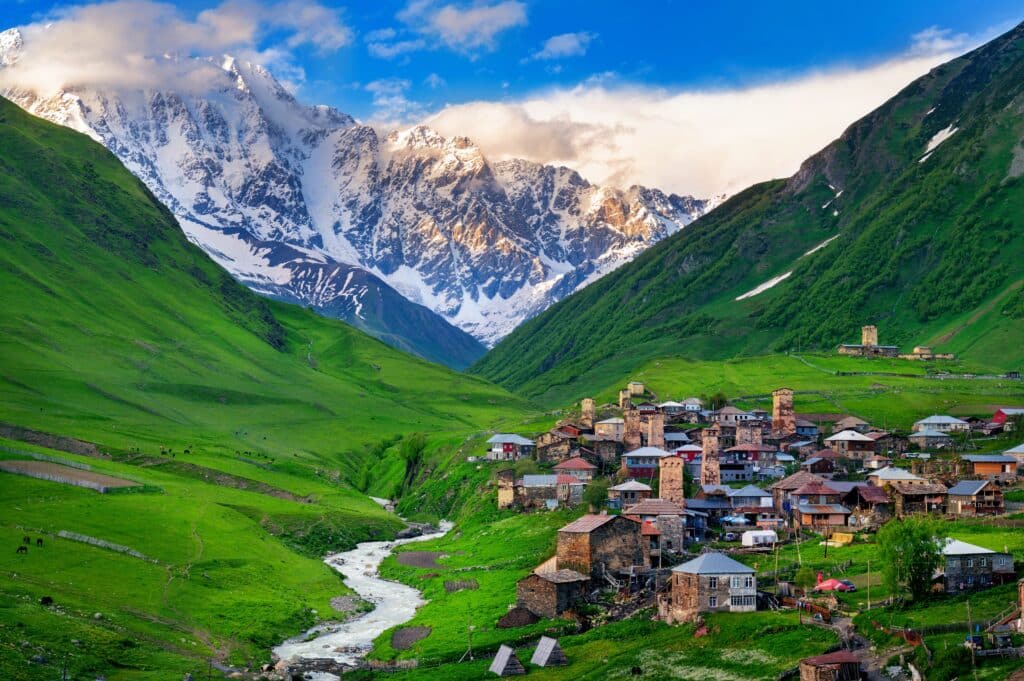
Ushguli lies in Upper Svaneti at the foot of Mount Shkhara in the Greater Caucasus range. Geography here is extreme alpine valley surrounded by glaciated peaks exceeding 5,000 meters.
The Enguri River originates from glaciers near the settlement. Geography reinforces dependence on snowmelt-fed waterways.
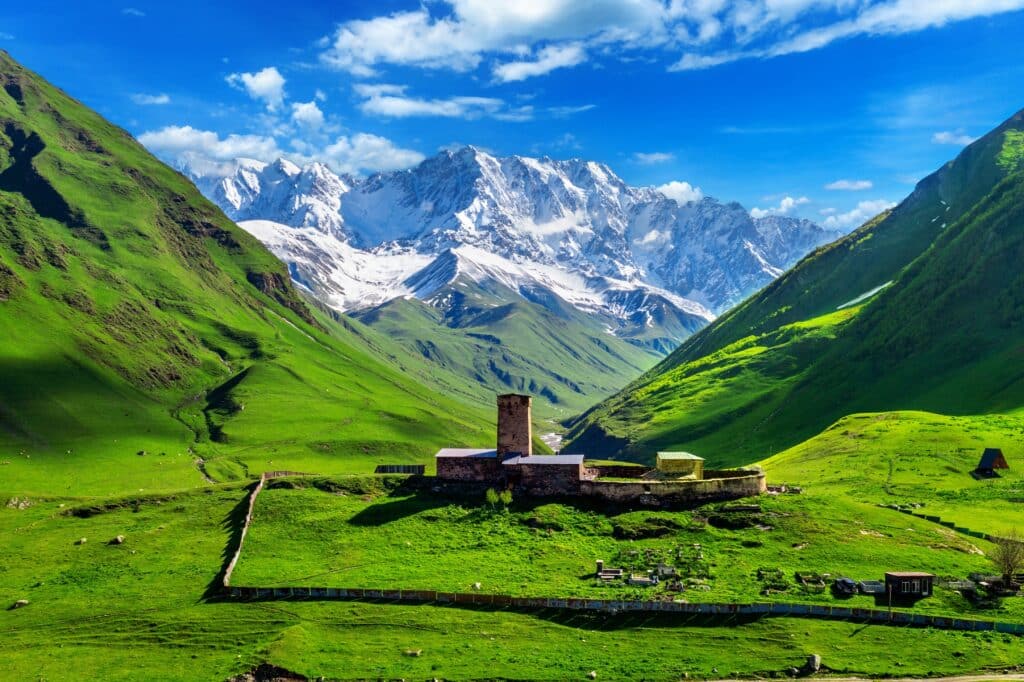
Steep slopes rise sharply around the village. Geography binds habitation to narrow terraces protected from avalanches and landslides.
Winters are long and severe with deep snowfall. Geography requires adaptation to isolation and limited growing seasons.
High mountain passes restrict seasonal access. Geography emphasizes remoteness shaped by tectonic uplift and glacial carving.
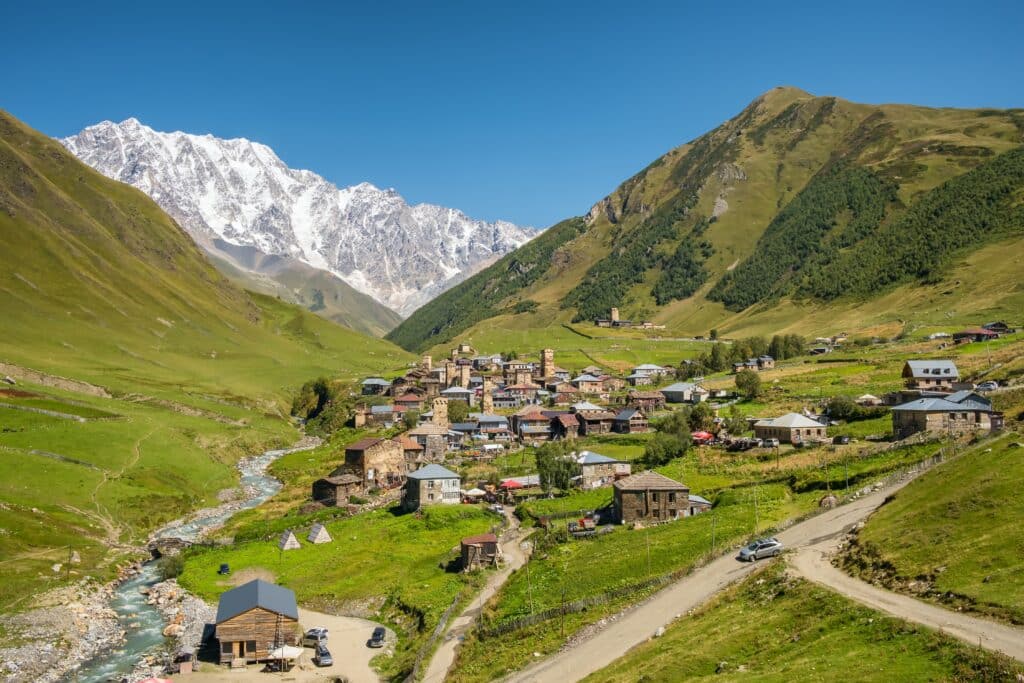
Ushguli inspires through sweeping mountain vistas and proximity to massive icefields. The land teaches endurance through adaptation to altitude and climatic extremes, showing how resilience develops where communities persist beneath towering Caucasus summits.
Endurance here is climatic and hydrological. Geography requires protection of alpine meadows and careful management of glacial watersheds. Stability depends on maintaining slope vegetation that prevents erosion during snowmelt.
Ushguli reflects Georgia’s highest inhabited alpine geography shaped by glacial processes and mountain building. Visitors encounter a landscape where resilience emerges from coexistence between snow-fed rivers and jagged peaks.
9. Gori
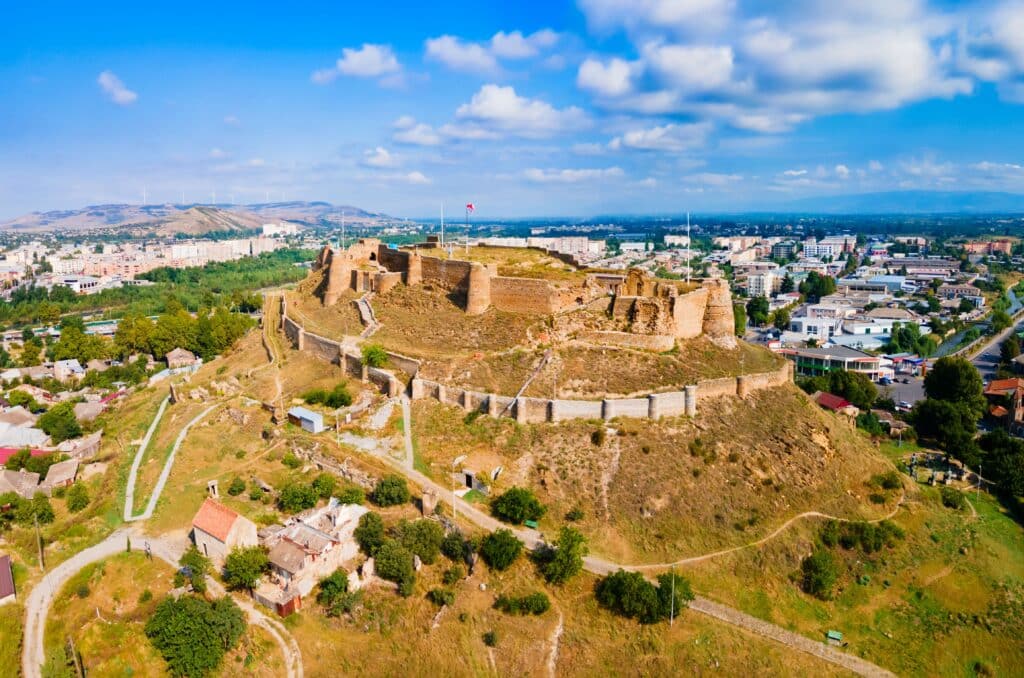
Gori lies in central Georgia within the Kartli plain near the confluence of several tributaries feeding the Kura River. Geography here is broad lowland framed by foothills.
The Great Liakhvi River flows through the region. Geography reinforces fertile soils formed by river deposition.
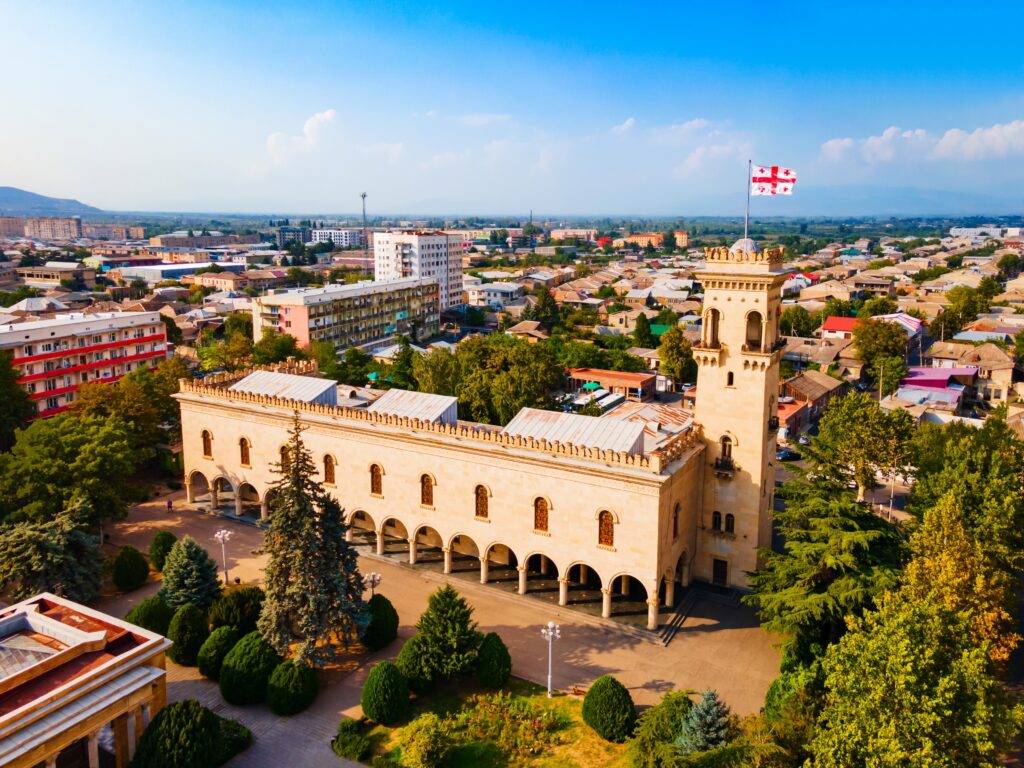
Gentle hills rise toward the Lesser Caucasus. Geography binds agricultural land to valley floors and irrigation networks.
The climate is continental with hot summers and cool winters. Geography requires adaptation to periodic drought and seasonal river changes.
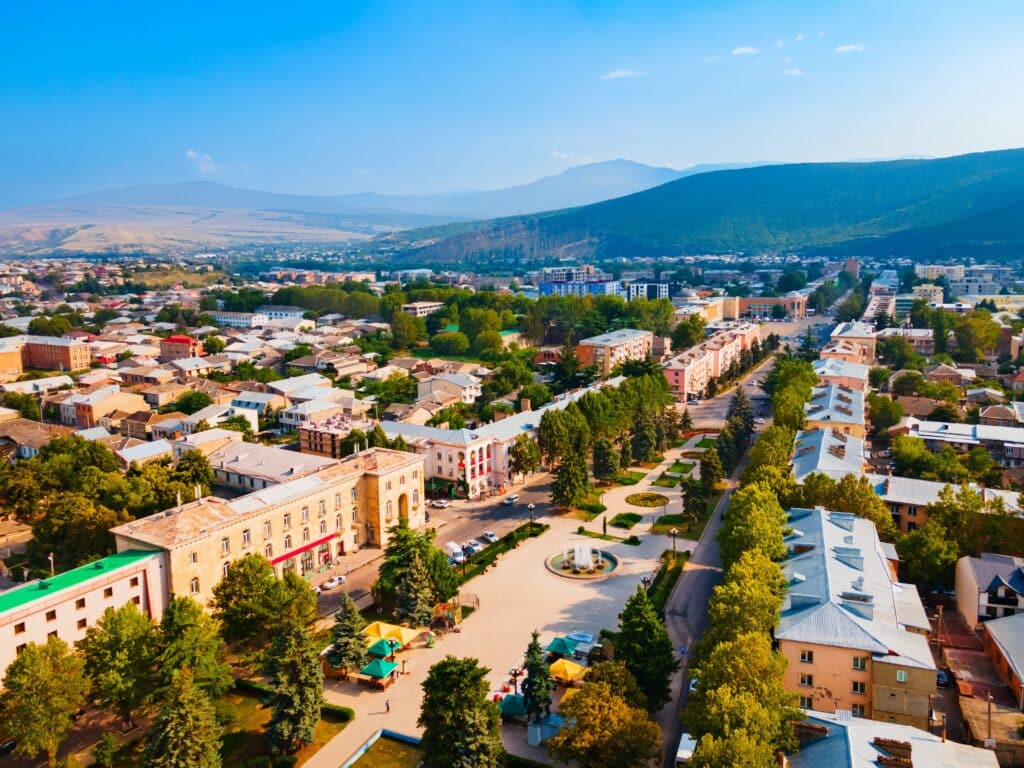
Transport routes converge across the plain. Geography emphasizes natural corridors linking eastern and western Georgia.
Gori inspires through expansive valley views beneath distant mountain silhouettes. The land teaches endurance through adaptation to open plain exposure and climatic fluctuation, showing how resilience develops where river-fed agriculture sustains settlement.
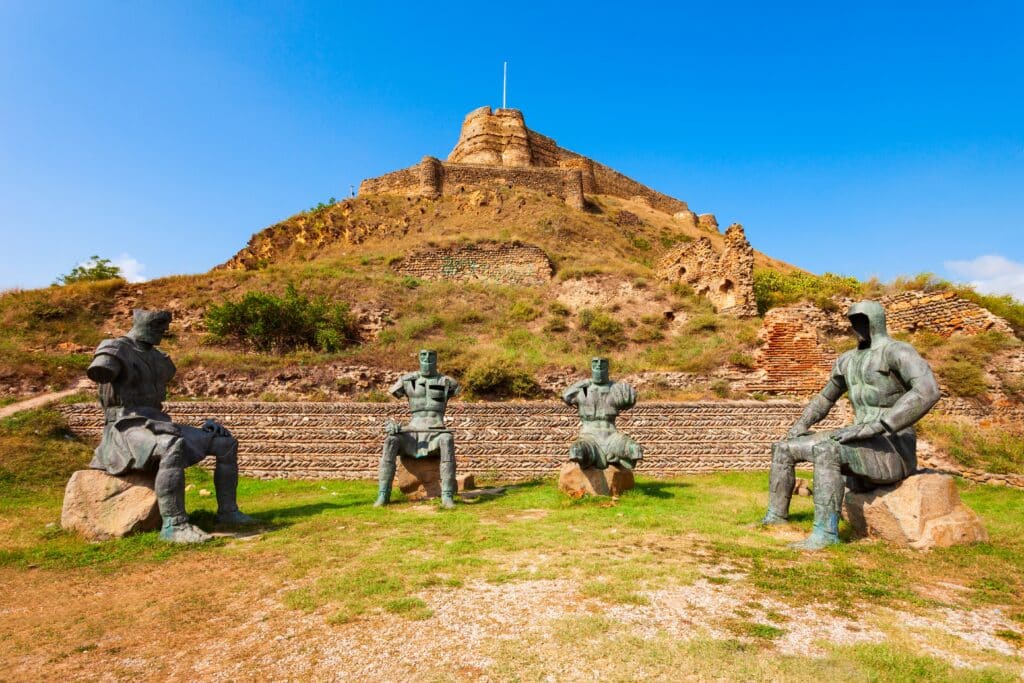
Endurance here is agricultural and hydrological. Geography requires irrigation systems and floodplain management. Stability depends on protecting watershed integrity in surrounding foothills.
Gori reflects Georgia’s central lowland geography shaped by river systems and steppe-like plains. Visitors encounter a landscape where resilience emerges from coexistence between fertile basins and rising hill ranges.
8. Signagi
Signagi stands on a hilltop overlooking the Alazani Valley in eastern Georgia. Geography here is elevated ridge terrain commanding expansive views of vineyard plains below.
The Alazani River flows across the valley floor. Geography reinforces fertile agricultural land supported by mountain runoff.
The Greater Caucasus rises to the north. Geography binds cold alpine air to valley microclimates.
Rolling hills descend from the ridge toward the basin. Geography requires slope stabilization and erosion control.
The climate is continental with warm summers and moderate rainfall. Geography emphasizes seasonal agricultural cycles.
Signagi inspires through panoramic vistas across the valley framed by distant snow-capped peaks. The land teaches endurance through adaptation to altitude and climatic variation, showing how resilience develops where elevated ridges oversee fertile plains.
Endurance here is climatic and geological. Geography requires careful land management on sloped terrain. Stability depends on preserving forests in the surrounding foothills that regulate watershed systems.
Signagi reflects Georgia’s eastern ridge geography shaped by river deposition and Caucasus uplift. Visitors encounter a landscape where resilience emerges from coexistence between hillside settlement and expansive valley agriculture.
7. Zugdidi
Zugdidi lies in western Georgia on the Colchis Plain near the foothills of the Greater Caucasus. Geography here is lowland plain shaped by river systems flowing toward the Black Sea.
The Enguri River runs north of the city. Geography reinforces fertile alluvial soils deposited across flat terrain.
Marshlands historically characterized parts of the Colchis basin. Geography binds settlement to drained and cultivated land.
The climate is humid subtropical with abundant rainfall. Geography requires adaptation to moisture-rich conditions and flood management.
Mountain ridges rise in the distance toward Svaneti. Geography emphasizes transition from coastal plain to alpine highlands.
Zugdidi inspires through its wide horizons framed by distant peaks. The land teaches endurance through adaptation to wet lowland environments, showing how resilience develops where river-fed plains meet rising mountain corridors.
Endurance here is hydrological and agricultural. Geography requires careful water regulation and soil conservation. Stability depends on protecting upstream forests that regulate Enguri River flow.
Zugdidi reflects Georgia’s western plain geography shaped by Black Sea humidity and river deposition. Visitors encounter a landscape where resilience emerges from coexistence between fertile lowlands and distant Caucasus summits.
6. Akhaltsikhe
Akhaltsikhe lies in southern Georgia along the upper Mtkvari River within a mountainous volcanic region. Geography here is high plateau intersected by river valleys.
The Mtkvari carves a corridor through rolling uplands. Geography reinforces settlement along navigable valley floors.
Volcanic hills and basalt formations dominate surrounding terrain. Geography binds soil composition to ancient tectonic and volcanic processes.
The climate is continental with cold winters and warm summers. Geography requires adaptation to altitude-driven temperature swings.
Mountain passes link the region to Armenia and Turkey. Geography emphasizes strategic corridors shaped by natural relief.
Akhaltsikhe inspires through its elevated plateau views and rugged surroundings. The land teaches endurance through adaptation to volcanic terrain and seasonal extremes, showing how resilience develops where upland valleys sustain habitation.
Endurance here is geological and climatic. Geography requires slope conservation and watershed management. Stability depends on protecting upland vegetation that prevents erosion into the Mtkvari basin.
Akhaltsikhe reflects Georgia’s southern highland geography shaped by tectonic uplift and river incision. Visitors encounter a landscape where resilience emerges from coexistence between volcanic plateaus and river valleys.
5. Anaklia
Anaklia lies on Georgia’s Black Sea coast near the mouth of the Enguri River. Geography here is coastal delta where freshwater meets marine currents.
The Enguri disperses sediments into the sea. Geography reinforces formation of sandy shoreline and low-lying wetlands.
Flat terrain characterizes the coastal strip. Geography binds settlement to elevated areas protected from seasonal flooding.
The Black Sea moderates temperatures year-round. Geography requires adaptation to humid subtropical conditions and storm exposure.
Wetlands support biodiversity along the estuary. Geography emphasizes ecological balance between river discharge and coastal ecosystems.
Anaklia inspires through open sea horizons and expansive coastal plains. The land teaches endurance through adaptation to tidal influence and monsoon-like rainfall patterns, showing how resilience develops where delta landscapes meet maritime climate.
Endurance here is coastal and hydrological. Geography requires mangrove and wetland preservation alongside shoreline protection. Stability depends on maintaining sediment flow and regulating development in flood-prone zones.
Anaklia reflects Georgia’s western maritime geography shaped by river delta formation and Black Sea influence. Visitors encounter a landscape where resilience emerges from coexistence between estuarine wetlands and open coastal waters.
4. Mestia
Mestia lies in Upper Svaneti within a high valley of the Greater Caucasus. Geography here is alpine basin surrounded by snow-covered peaks and glacial systems.
The Mestiachala River flows through the valley, fed by nearby glaciers. Geography reinforces reliance on snowmelt and seasonal runoff.
Towering summits rise sharply above the settlement. Geography binds habitation to narrow terraces protected from avalanche paths.
Winters are long with heavy snowfall. Geography requires adaptation to altitude extremes and limited agricultural land.
Mountain passes restrict access for part of the year. Geography emphasizes isolation shaped by tectonic uplift and glacial carving.
Mestia inspires through dramatic mountain silhouettes and fast-flowing alpine rivers. The land teaches endurance through adaptation to high elevation and seismic terrain, showing how resilience develops where glaciated peaks dominate narrow valleys.
Endurance here is climatic and hydrological. Geography requires preservation of alpine meadows and protection of glacial watersheds. Stability depends on preventing slope erosion during rapid snowmelt.
Mestia reflects Georgia’s northern highland geography shaped by Caucasus mountain building and ice-driven erosion. Visitors encounter a landscape where resilience emerges from coexistence between snow-fed rivers and towering ridgelines.
3. Poti
Poti lies on the eastern coast of the Black Sea at the mouth of the Rioni River. Geography here is coastal delta characterized by wetlands and low-lying plains.
The Rioni deposits sediment before entering the sea. Geography reinforces formation of marshlands and fertile soils.
Flat terrain dominates the surrounding area. Geography binds settlement to slightly elevated ground above flood-prone zones.
The humid subtropical climate brings significant rainfall. Geography requires adaptation to water management and storm exposure.
Coastal lagoons support diverse ecosystems. Geography emphasizes ecological interaction between freshwater inflow and marine currents.
Poti inspires through wide coastal horizons and expansive wetland landscapes. The land teaches endurance through adaptation to delta hydrology and maritime weather patterns, showing how resilience develops where river systems meet the Black Sea.
Endurance here is hydrological and coastal. Geography requires flood control infrastructure and preservation of wetland buffers. Stability depends on maintaining sediment balance and upstream watershed protection.
Poti reflects Georgia’s western maritime geography shaped by river deposition and Black Sea influence. Visitors encounter a landscape where resilience emerges from coexistence between estuarine plains and open sea.
2. Omalo
Omalo lies in the Tusheti region of northeastern Georgia within the Greater Caucasus range. Geography here is remote alpine plateau enclosed by steep mountain ridges.
The Pirikiti and Gometsari ranges surround the settlement. Geography reinforces isolation and limited seasonal access.
High-altitude meadows extend across rolling uplands. Geography binds pastoral land use to short summer growing seasons.
Winters bring heavy snow and block mountain passes. Geography requires adaptation to prolonged isolation and extreme cold.
Rivers descending from the plateau feed tributaries of the Alazani basin. Geography emphasizes watershed importance for eastern Georgia.
Omalo inspires through sweeping highland panoramas and rugged alpine terrain. The land teaches endurance through adaptation to altitude and climatic severity, showing how resilience develops where communities inhabit plateau landscapes above 2,000 meters.
Endurance here is climatic and ecological. Geography requires slope conservation and protection of fragile alpine grasslands. Stability depends on preserving headwater streams that sustain downstream valleys.
Omalo reflects Georgia’s northeastern alpine geography shaped by tectonic uplift and mountain erosion. Visitors encounter a landscape where resilience emerges from coexistence between high-altitude plateaus and surrounding snow-capped peaks.
1. Tskaltubo
Tskaltubo lies in western Georgia within the Imereti region, northwest of Kutaisi on the Colchis Plain. Geography here is lowland basin influenced by karst formations and underground water systems.
The terrain is gently rolling with limestone substrata. Geography reinforces development of extensive cave networks and mineral-rich groundwater.
Subterranean rivers flow through porous rock layers. Geography binds the surface landscape to hidden hydrological systems shaped by dissolution processes.
The climate is humid subtropical with consistent rainfall. Geography requires careful groundwater management and flood control in low-lying areas.
Forested hills rise toward the north. Geography emphasizes transition from flat plain to upland limestone ridges.
Tskaltubo inspires through its calm lowland setting and proximity to karst landscapes. The land teaches endurance through adaptation to groundwater dynamics and seasonal rainfall, showing how resilience develops where surface plains overlay complex subterranean systems.
Endurance here is hydrological and geological. Geography requires protection of aquifers and preservation of surrounding forests that regulate infiltration. Stability depends on maintaining balance between groundwater extraction and natural recharge.
Tskaltubo reflects Georgia’s western lowland geography shaped by karst processes and Black Sea climatic influence. Visitors encounter a landscape where resilience emerges from coexistence between fertile plains and hidden limestone formations beneath.