
Egypt is not merely a country—it is a civilization that continues to breathe. Few places on Earth carry such a profound sense of time, where millennia unfold not as distant history, but as a living presence etched into stone, riverbanks, and desert horizons. From the fertile ribbon of the Nile to the vast silence of the Sahara, Egypt offers a journey through humanity’s earliest ambitions, beliefs, and artistic expressions.
This land has shaped the world’s imagination for thousands of years. Pharaohs, scholars, builders, and mystics transformed Egypt into a center of power and knowledge whose influence reached far beyond its borders. Temples aligned with the stars, tombs built for eternity, and cities planned with cosmic order reveal a culture deeply concerned with meaning, balance, and the afterlife. Yet Egypt is not frozen in antiquity. It is vibrant, complex, and profoundly human.
Life in Egypt still follows ancient rhythms. The Nile continues to nourish fields and communities as it has for thousands of years. Markets buzz with voices, color, and ritual, while calls to prayer echo across cities that blend Islamic heritage, Coptic tradition, and modern life. Hospitality remains instinctive and generous, rooted in shared meals, conversation, and pride in identity.
Egypt’s landscapes are as powerful as its monuments. Golden deserts stretch endlessly beneath open skies, while oases appear like miracles of green and water. Along the Red Sea, coral reefs flourish in crystal-clear waters, revealing another layer of natural wonder.
20. Sharm El Sheikh: Where Desert Stillness Meets the Red Sea
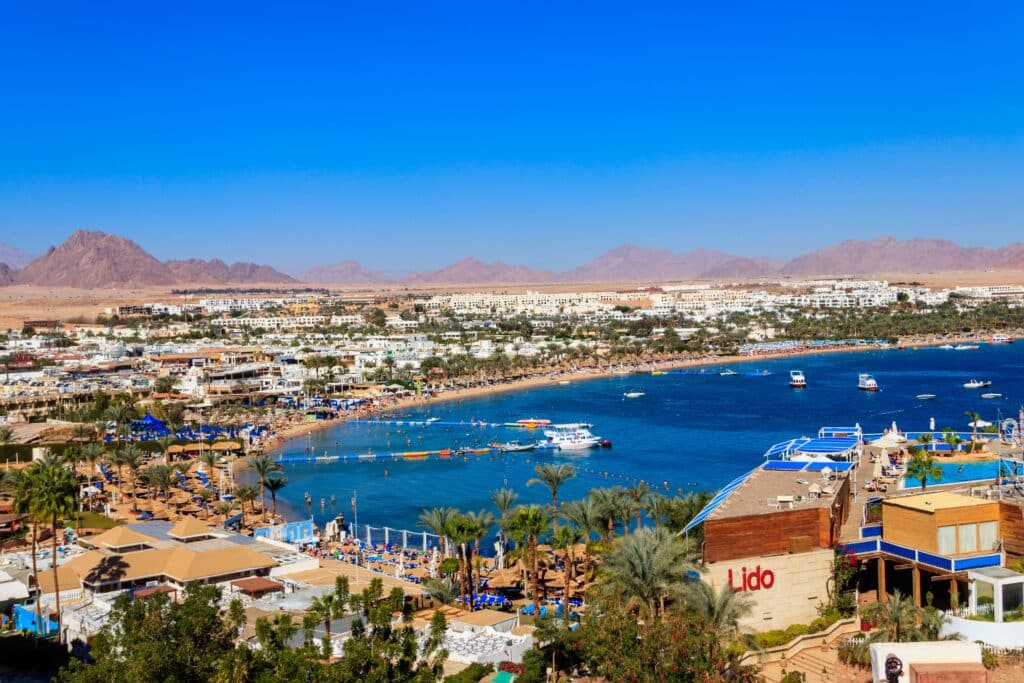
Sharm El Sheikh lies at the southern tip of Egypt’s Sinai Peninsula, where desert mountains descend into some of the clearest waters in the world. Framed by the Red Sea on one side and arid wilderness on the other, the city is defined by contrast—between stillness and motion, silence and color, land and reef.
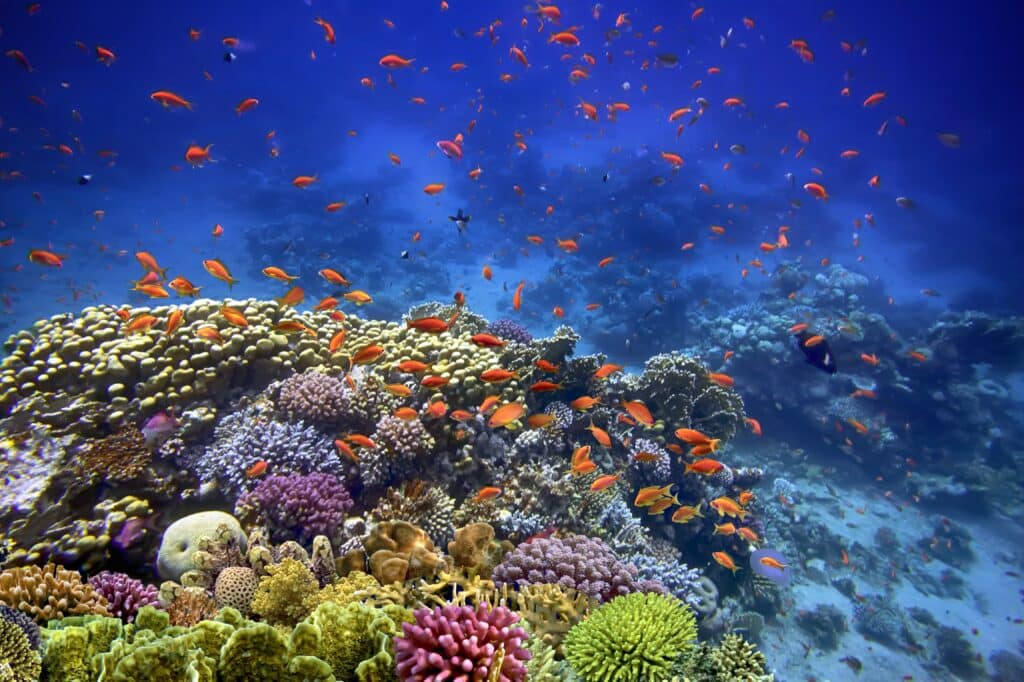
What first draws visitors to Sharm El Sheikh is the sea. Coral reefs thrive just offshore, forming underwater landscapes of extraordinary richness. Fish move in dense schools, corals grow in sculptural forms, and visibility extends for remarkable distances. This marine environment has made the city one of the world’s premier diving and snorkeling destinations, yet its appeal goes beyond recreation. The reefs represent delicate ecosystems, carefully protected through conservation zones and regulated access.
Above the waterline, the desert asserts its presence. Mountains glow red and gold at sunrise, while vast open spaces reinforce a sense of isolation and calm. Excursions into the Sinai reveal Bedouin traditions rooted in navigation, hospitality, and survival within harsh conditions. These encounters connect modern travel with ancient desert knowledge.
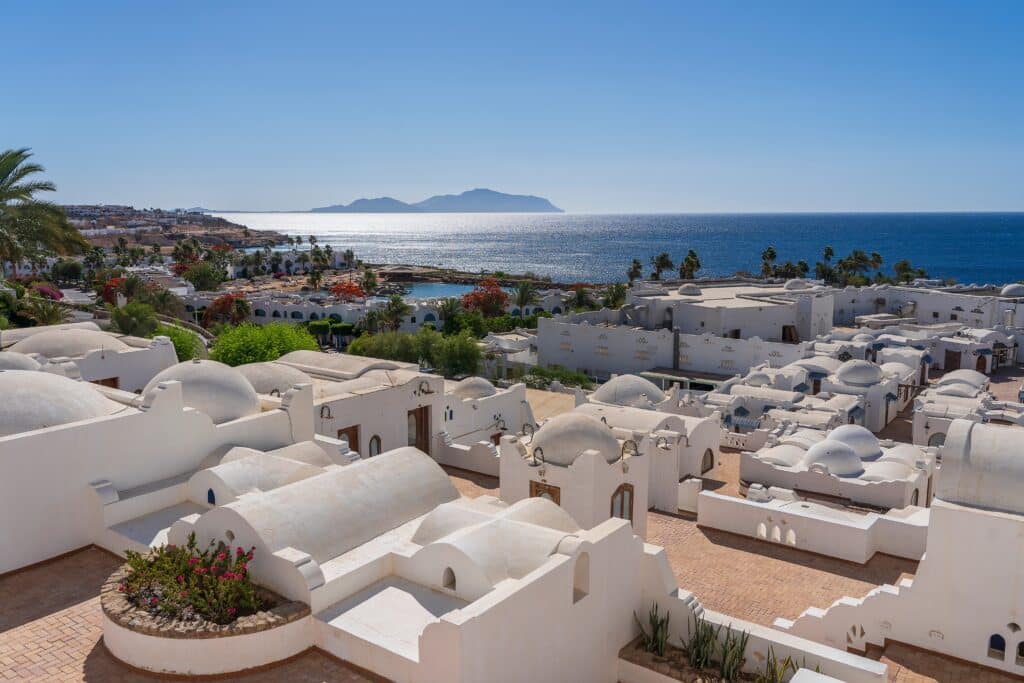
Sharm El Sheikh also holds diplomatic significance. Its quiet isolation and secure setting have made it a frequent host for international summits, reinforcing its role as a place of dialogue as well as retreat. This dual identity—resort and meeting ground—adds depth to its reputation.
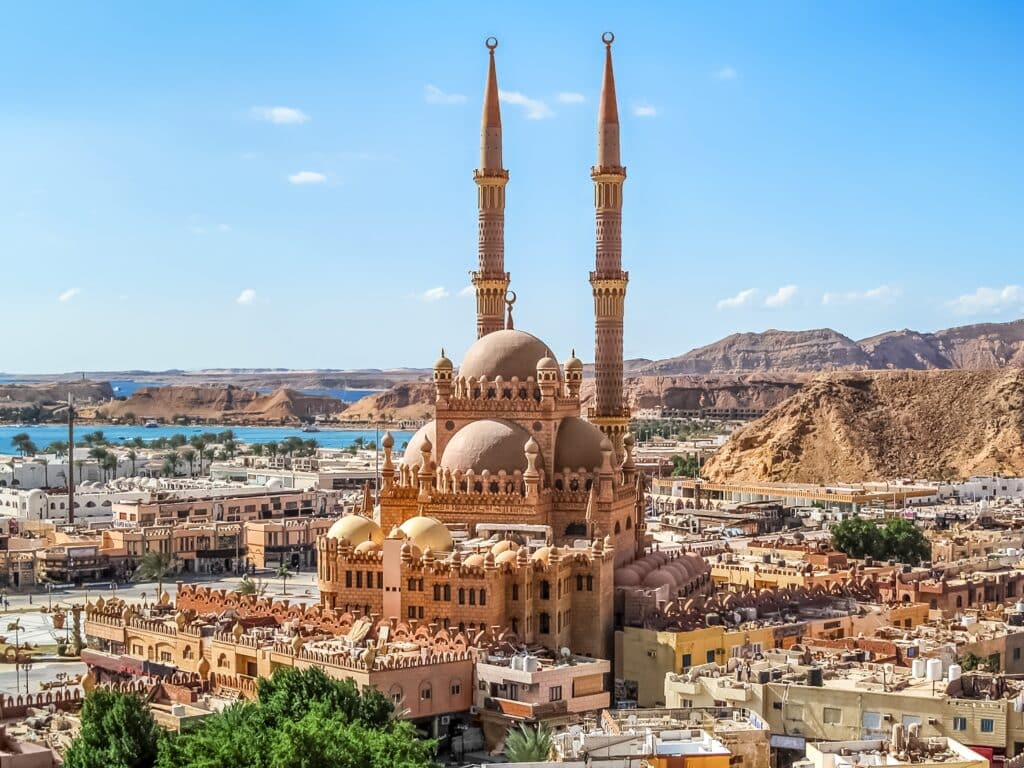
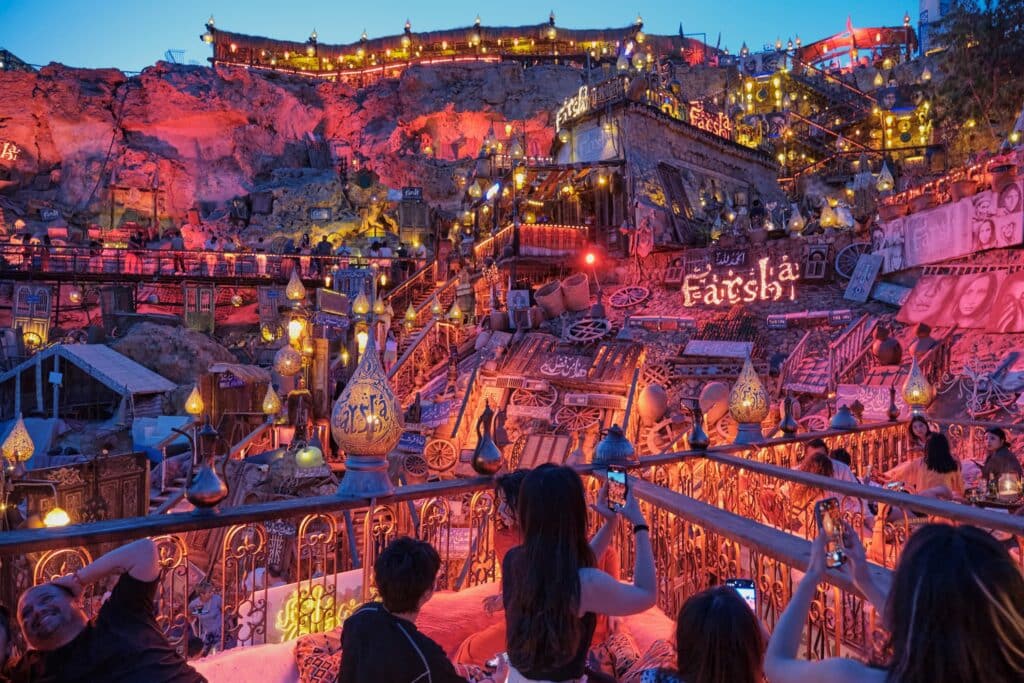
Despite modern development, the city maintains an atmosphere of ease. Evenings unfold along the coast, where light reflects across water and conversation slows. Life here follows natural rhythms rather than urban urgency.
Sharm El Sheikh represents Egypt at its most serene. It is a place where nature remains central, where protection enables beauty, and where the meeting of desert and sea creates balance. In its clarity and calm, the city offers not escape, but restoration.
19. Port Said: City of Passage and Poise
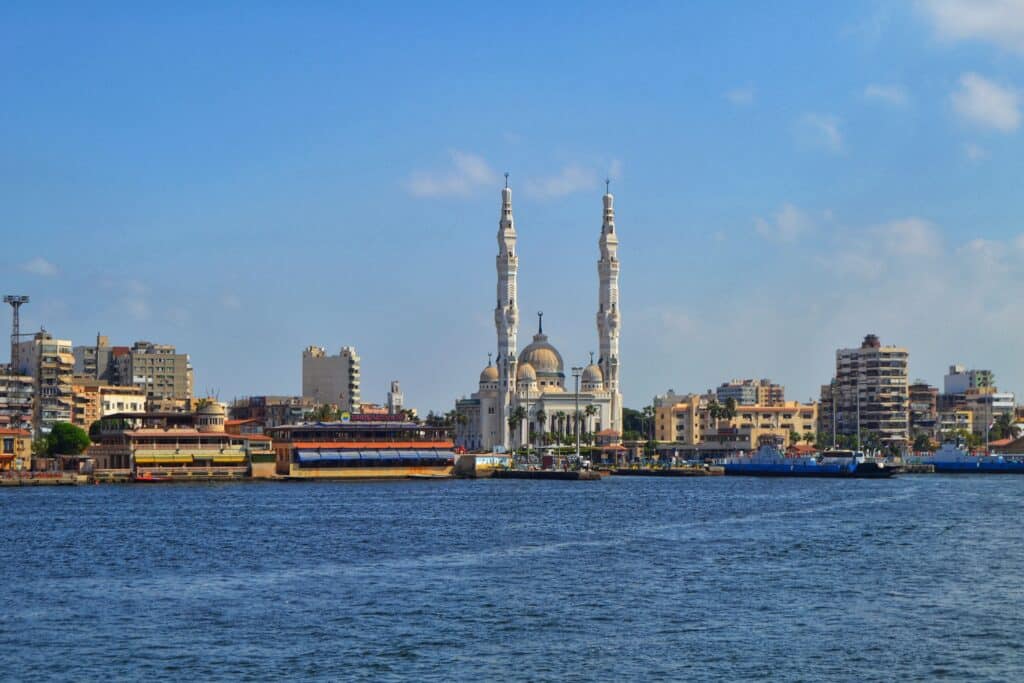
Port Said rises at the northern entrance of the Suez Canal as a city defined by passage, precision, and quiet distinction. Positioned between the Mediterranean Sea and one of the world’s most vital waterways, it has long stood at the intersection of global movement and Egyptian identity.
Founded in the nineteenth century during the construction of the Suez Canal, Port Said was conceived as a functional port city, yet it developed a character that extends beyond logistics. European-influenced architecture, wide streets, and historic balconies give the city a distinctive aesthetic, blending maritime pragmatism with cosmopolitan elegance.
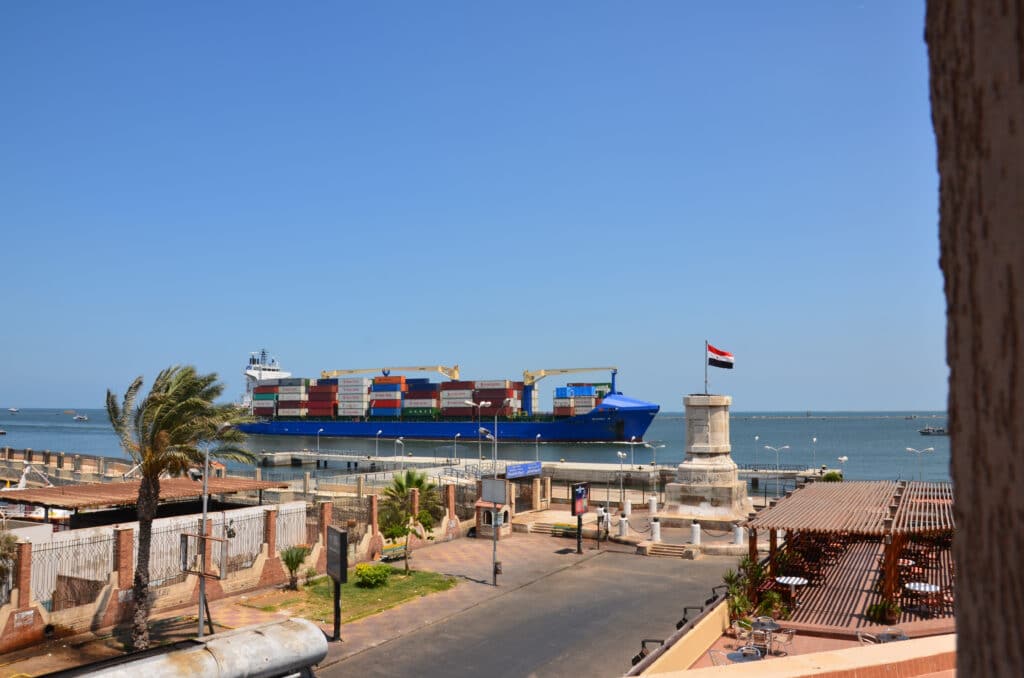
The canal shapes daily life. Massive ships pass continuously, carrying goods between continents, reminding residents that their city operates on a global scale. This constant movement fosters a sense of awareness and discipline, where time, coordination, and responsibility matter.
Port Said also holds a powerful place in Egypt’s national memory. It became a symbol of resistance and resilience during periods of conflict, particularly in the mid-twentieth century. Monuments, museums, and collective memory reflect a city that endured hardship without losing cohesion or pride.
Beyond its strategic role, Port Said maintains a strong communal identity. Markets, cafés, and seaside promenades anchor social life, offering moments of calm against an industrial backdrop. The Mediterranean softens the city’s edges, bringing light, breeze, and rhythm.
Culturally, Port Said balances openness and rootedness. Its people are shaped by exposure to the world yet deeply connected to national belonging. This duality gives the city its quiet confidence.
Port Said is not a city that demands attention through grandeur. Instead, it earns respect through function, history, and steadiness. Standing at the threshold between seas, it embodies Egypt’s role as both guardian of passage and anchor of continuity—poised, purposeful, and enduring.
18. Egypt’s New Administrative Capital: Designing Tomorrow
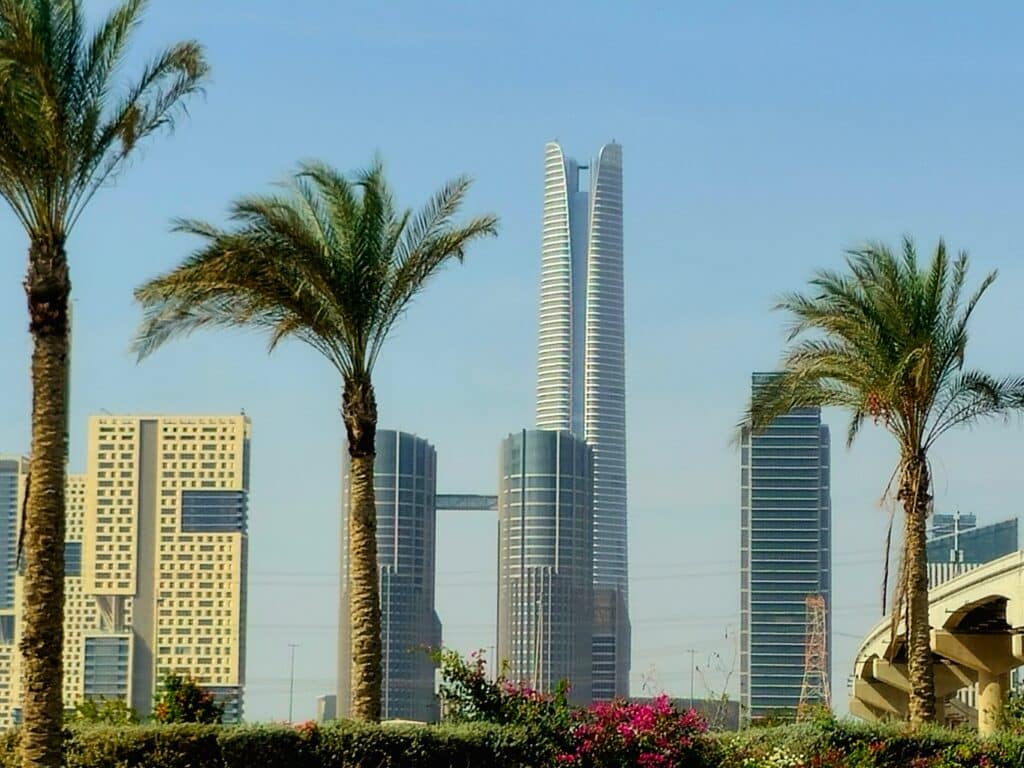
Egypt’s New Administrative Capital rises east of Cairo as one of the most ambitious urban projects in the country’s modern history. Conceived to relieve pressure on the historic capital, it represents a deliberate step toward redefining governance, infrastructure, and national vision for the twenty-first century.
Planned rather than inherited, the city reflects intentional design. Wide boulevards, integrated transport networks, government districts, and residential zones are structured for efficiency and scale. Unlike Cairo’s organic density, the new capital emphasizes order, accessibility, and long-term growth.
At its core lies the transfer of state institutions—ministries, parliament, and diplomatic quarters—signaling a physical and symbolic shift in how Egypt organizes power. This relocation allows Cairo to preserve its cultural depth while the new capital assumes administrative focus.
Architecture blends contemporary ambition with symbolic reference. Government buildings, cultural centers, and mosques incorporate modern materials alongside visual cues drawn from Egypt’s monumental past. The city’s skyline, including Africa’s tallest tower, projects confidence rooted in aspiration rather than nostalgia.
Green spaces and smart-city technologies play a central role. Digital infrastructure, renewable energy integration, and urban planning prioritize sustainability and livability, positioning the city as a model for future development rather than a replica of existing forms.
The New Administrative Capital represents Egypt looking forward without erasing its past. It is not meant to replace Cairo’s soul, but to complement it with function and foresight. As it grows, the city embodies a national desire to plan deliberately, govern efficiently, and build continuity between heritage and progress. It stands as Egypt’s architectural statement of intention—measured, modern, and resolutely future-facing.
17. Temple of Philae: Sanctuary of Devotion and Survival

The Temple of Philae stands as one of ancient Egypt’s most poetic monuments, a sanctuary shaped as much by devotion as by endurance. Dedicated primarily to Isis, goddess of motherhood, magic, and rebirth, Philae was among the last active centers of ancient Egyptian religion, remaining sacred well into the Christian era.
Originally built on Philae Island near Aswan, the temple complex occupied a liminal space between worlds—geographically at Egypt’s southern frontier and spiritually between life, death, and renewal. Pilgrims once arrived by boat, approaching the sanctuary across shimmering water, reinforcing the sense of transition that defined worship here.
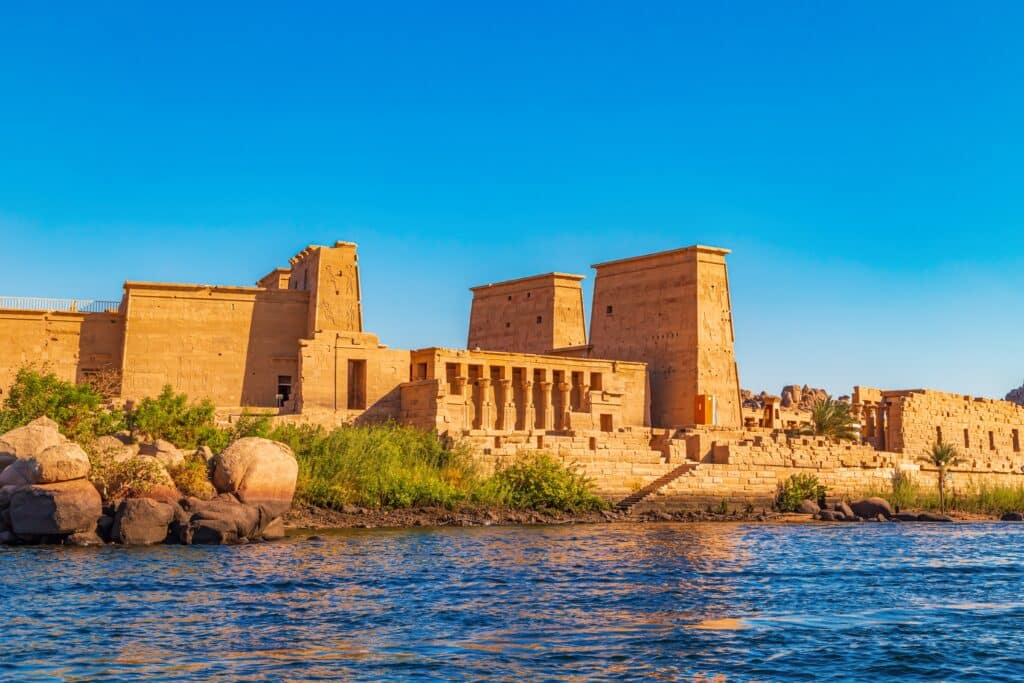
Architecturally, Philae reflects elegance rather than monumentality. Colonnaded courtyards, pylons carved with ritual scenes, and intimate chambers create a rhythm of procession and pause. Reliefs depict Isis resurrecting Osiris, royal offerings, and cosmic order restored through divine balance. Every surface reinforces continuity and sacred protection.
The temple’s modern history adds another layer of meaning. In the twentieth century, rising waters from the Aswan High Dam threatened to submerge Philae entirely. An international rescue effort dismantled and relocated the complex stone by stone to nearby Agilkia Island. This unprecedented project preserved not only architecture, but cultural memory itself.
Today, Philae feels suspended between antiquity and modern reverence. Reflections dance across stone, birds nest among columns, and silence replaces ancient ritual. The temple remains whole because humanity chose preservation over loss.
Philae is a testament to Egypt’s spiritual resilience. It proves that sacred places can survive not only through belief, but through collective responsibility. In its stones live devotion, adaptation, and the enduring power of reverence across time.
16. Saqqara: The Blueprint of Eternity
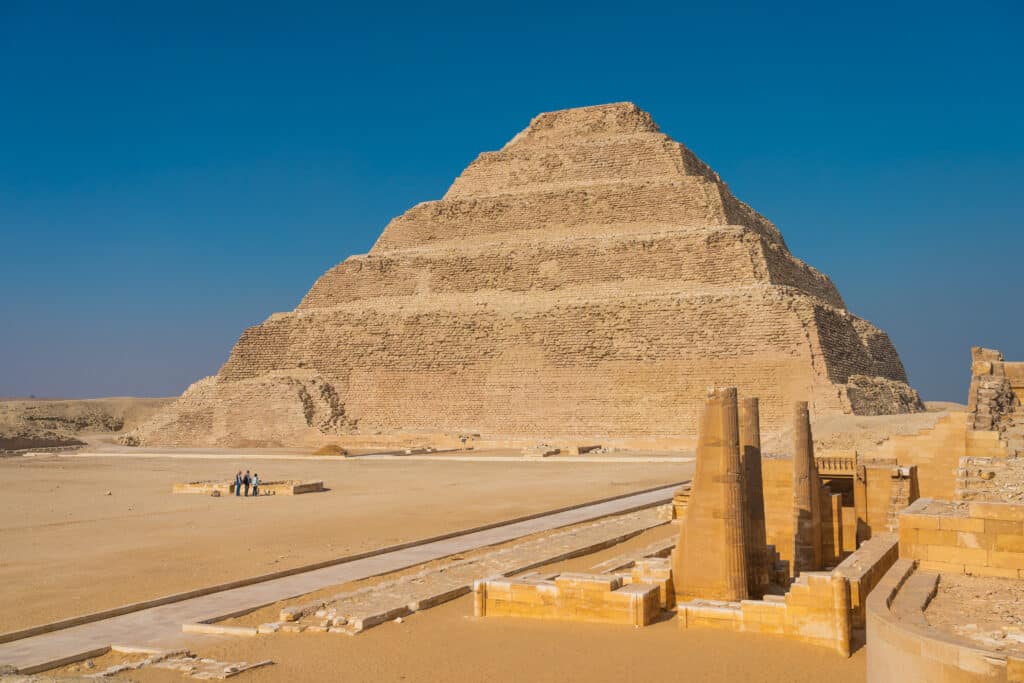
Saqqara stretches across the desert west of Memphis as one of Egypt’s most important and expansive archaeological landscapes. More than a single monument, it is a necropolis that records the evolution of Egyptian belief, architecture, and ambition across millennia.
At its heart rises the Step Pyramid of Djoser, the world’s earliest large-scale stone monument. Designed by the architect Imhotep during the Third Dynasty, it marked a radical transformation in burial practice. What began as a traditional mastaba evolved upward into six stacked levels, redefining how humans shaped eternity in stone.
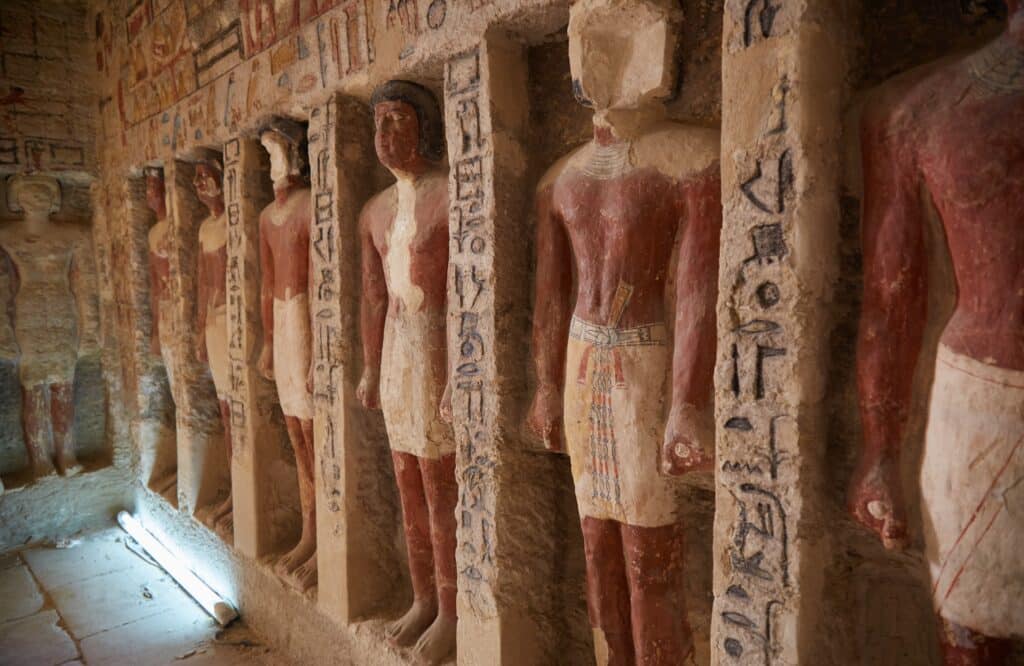
Surrounding the pyramid lies a vast ceremonial complex of courtyards, temples, and symbolic structures. These spaces were not meant for the dead alone, but for the continuation of royal authority beyond death. Architecture here became a tool for immortality.
Saqqara’s importance extends far beyond Djoser. Tombs from later dynasties reveal richly carved reliefs depicting daily life—farming, hunting, music, and ritual—suggesting that the afterlife was envisioned as an eternal continuation of earthly order. These scenes preserve voices of officials, artisans, and families otherwise lost to time.
Unlike more dramatic sites, Saqqara demands patience. Its monuments are spread across sand and silence, rewarding attentive exploration rather than immediate spectacle. Each structure builds upon the last, forming a dialogue across centuries.
Saqqara is the intellectual foundation of ancient Egypt. It is where architecture learned to ascend, belief learned permanence, and memory found structure. In its quiet expanse, Egypt first taught stone how to dream of eternity.
15. Temple of Hatshepsut: Architecture of Authority
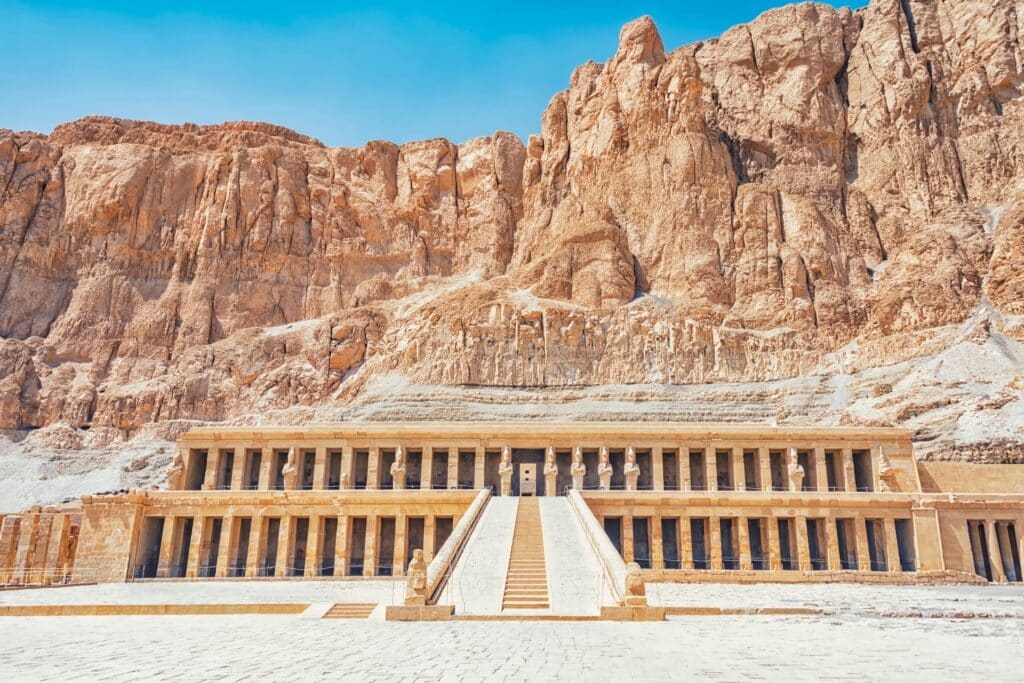
The Temple of Hatshepsut rises against the cliffs of Deir el-Bahari as one of ancient Egypt’s most refined architectural statements. Built for one of Egypt’s most remarkable rulers, it reflects not conquest, but legitimacy, vision, and control through design.
Hatshepsut, a female pharaoh ruling during the Eighteenth Dynasty, faced the challenge of authority in a male-dominated tradition. Her mortuary temple answered that challenge with clarity and confidence. Rather than dominating the landscape, it mirrors it, aligning terraces, ramps, and colonnades with the surrounding limestone cliffs.

The temple unfolds horizontally across three ascending levels, connected by ramps that guide movement upward. This progression reinforces order and balance rather than intimidation. Reliefs narrate divine birth, royal achievement, and the famous expedition to Punt, presenting Hatshepsut as both chosen by the gods and capable of prosperity.
Unlike earlier mortuary temples, this structure integrates nature as architecture. Light, shadow, and proportion work together to create harmony rather than monumentality. The temple feels composed, deliberate, and intellectually assured.
Though later rulers attempted to erase Hatshepsut’s legacy, the temple endured. Its restoration reveals the resilience of thoughtful design over political erasure.
The Temple of Hatshepsut represents a different kind of power—measured, symbolic, and enduring. It shows that authority can be expressed through balance rather than force, and that architecture can preserve truth even when history attempts silence.
14. Grand Egyptian Museum: A Civilization Reassembled
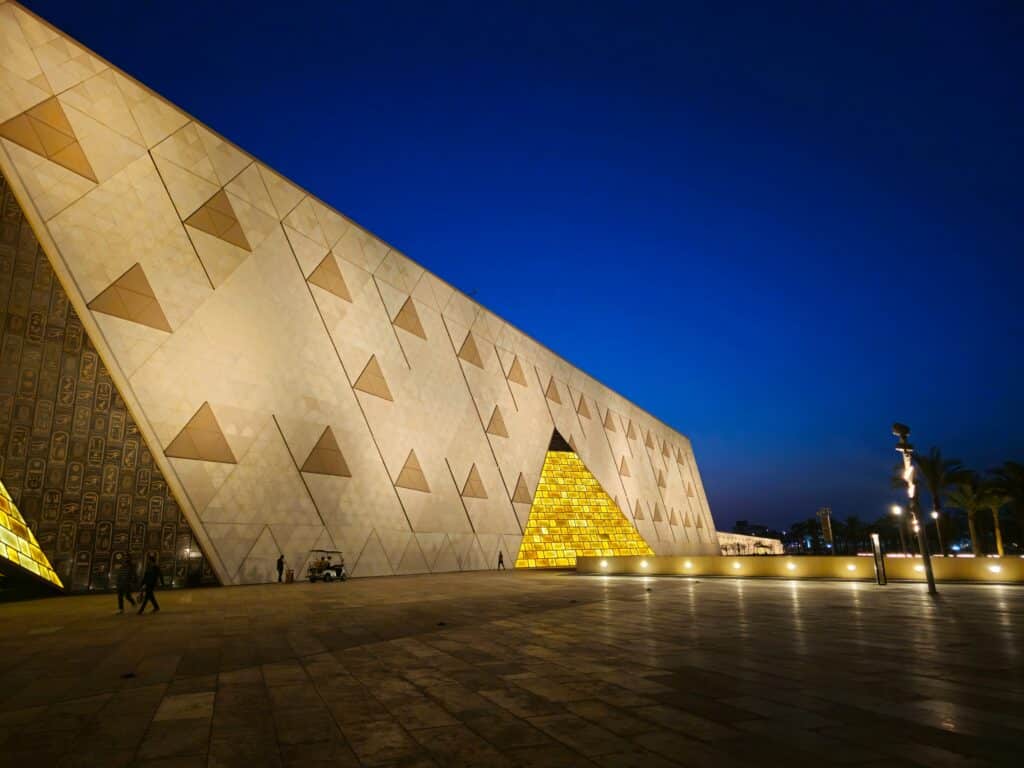
The Grand Egyptian Museum stands on the Giza Plateau as the most ambitious cultural project in Egypt’s modern history. Conceived as a gateway between past and future, it redefines how ancient civilization is preserved, interpreted, and shared with the world.

Unlike traditional museums, the Grand Egyptian Museum is monumental in both scale and intent. Its architecture embraces transparency and openness, framing views of the pyramids while drawing visitors inward through light-filled galleries. This dialogue between ancient and contemporary creates continuity rather than separation.
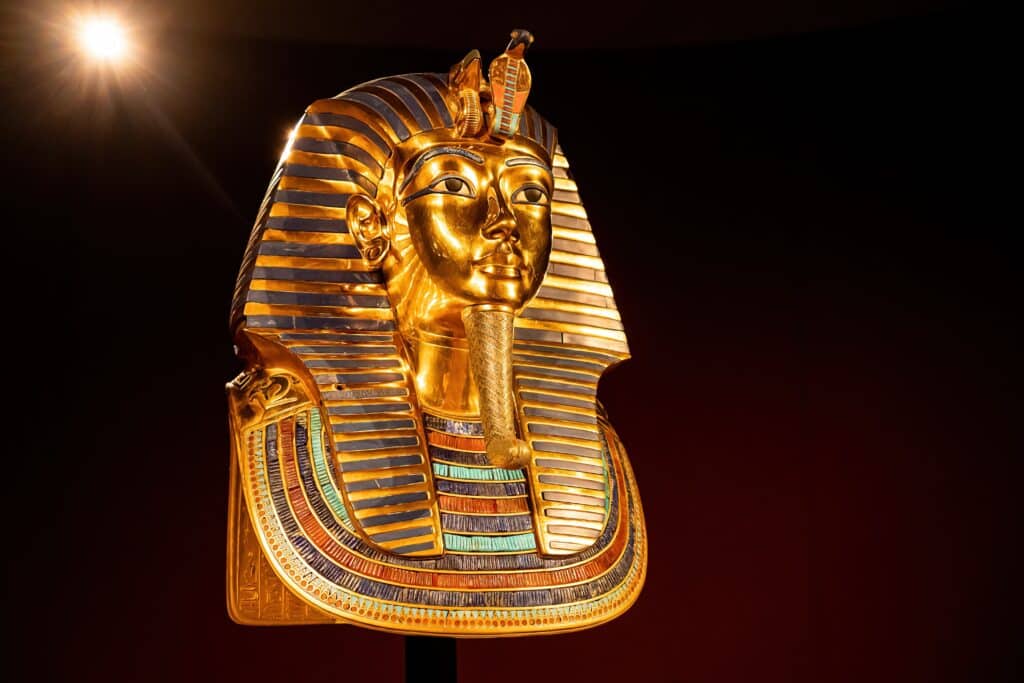
The museum houses an unparalleled collection, including the complete treasures of Tutankhamun displayed together for the first time. Artifacts once scattered across institutions now form cohesive narratives, allowing deeper understanding of craftsmanship, belief, and daily life.
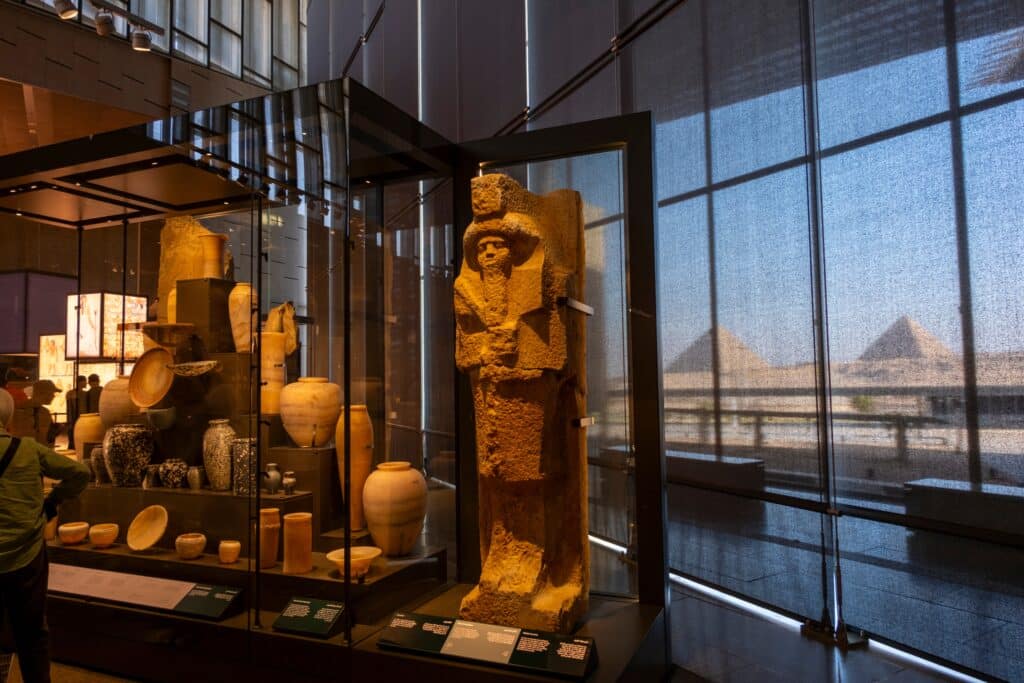
Beyond display, the museum functions as a research and conservation center. Advanced laboratories preserve fragile objects, ensuring longevity through science rather than storage. Education spaces invite dialogue, positioning Egypt not only as guardian of its past, but as an active interpreter of it.
The Grand Egyptian Museum also reclaims narrative authority. It presents Egyptian history through Egyptian context, perspective, and stewardship, reinforcing cultural ownership after centuries of external control.
This museum is not a container of relics; it is an act of restoration. It reunites fragments of civilization into a coherent whole, proving that heritage thrives when respected, studied, and shared responsibly. The Grand Egyptian Museum stands as Egypt’s statement of continuity—ancient, modern, and confidently its own.
13. Cairo: The Pulse of a Living Civilization
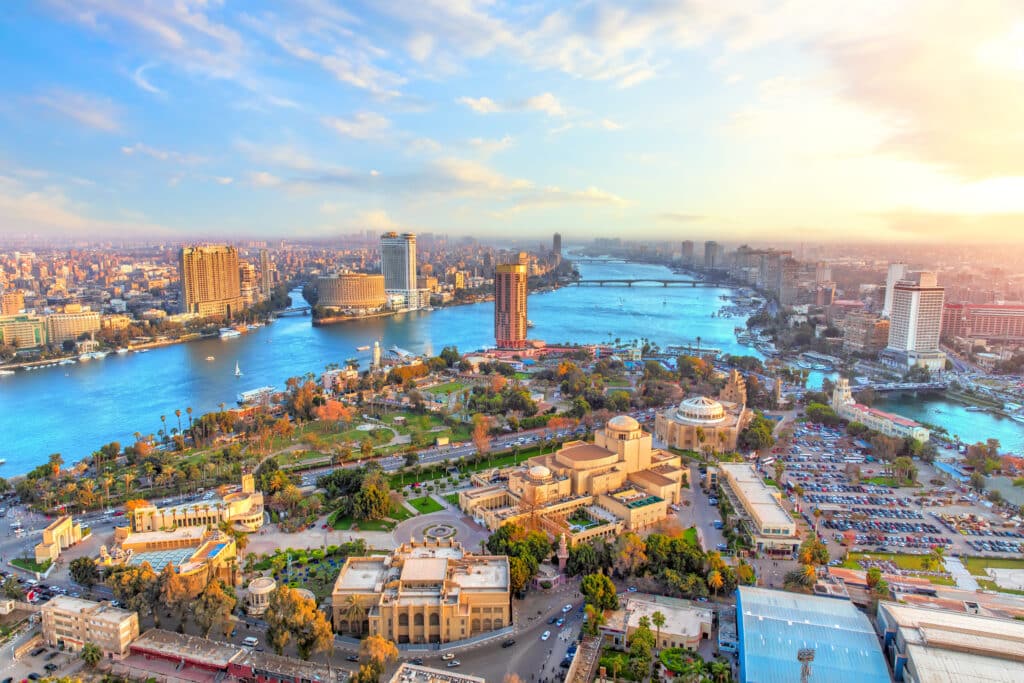
Cairo is a city of immense scale and unstoppable energy, where ancient history and modern life collide in extraordinary ways. Often overwhelming at first glance, it reveals its beauty gradually, through contrast, rhythm, and resilience. Cairo is not meant to be consumed quickly—it must be felt, observed, and lived.
At its edges rise the Pyramids of Giza, silent and eternal, standing as the most powerful symbols of human ambition ever built. These monuments anchor Cairo to deep time, reminding visitors that this city exists in constant dialogue with antiquity. Yet within the city itself, life surges forward relentlessly.
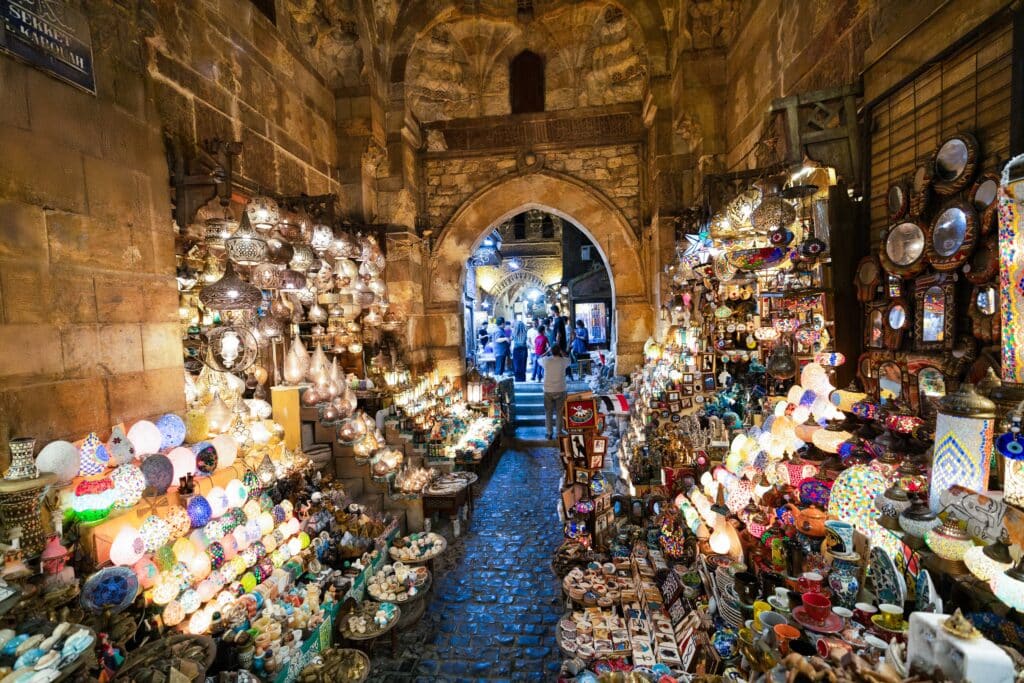
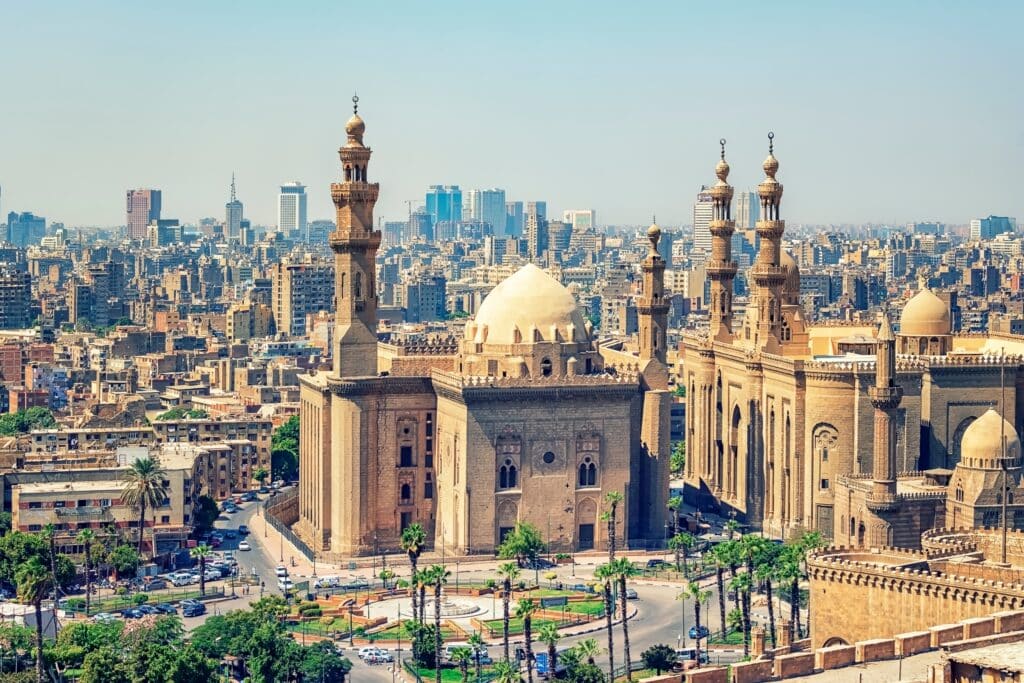
Islamic Cairo offers a labyrinth of mosques, madrasas, and historic streets where craftsmanship, faith, and commerce intertwine. The call to prayer flows across rooftops, guiding daily life through sound and ritual. Nearby, Coptic Cairo preserves some of the oldest Christian sites in the world, revealing another layer of Egypt’s spiritual identity.
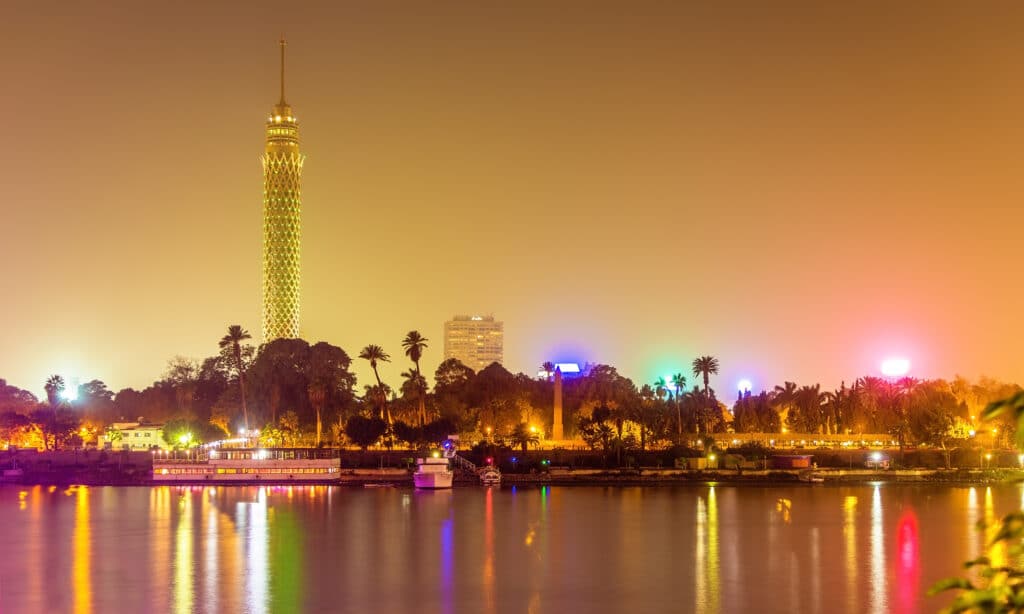
Modern Cairo pulses with traffic, conversation, art, and creativity. Cafés overflow with debate, laughter, and strong coffee. Along the Nile, feluccas drift slowly at sunset, offering moments of calm amid the intensity.
Cairo is not polished—it is powerful. It reflects Egypt’s complexity, endurance, and humanity. To understand Egypt, one must begin here, in a city that refuses stillness and embodies the continuity of life itself.
12. Giza: Monuments of Eternity

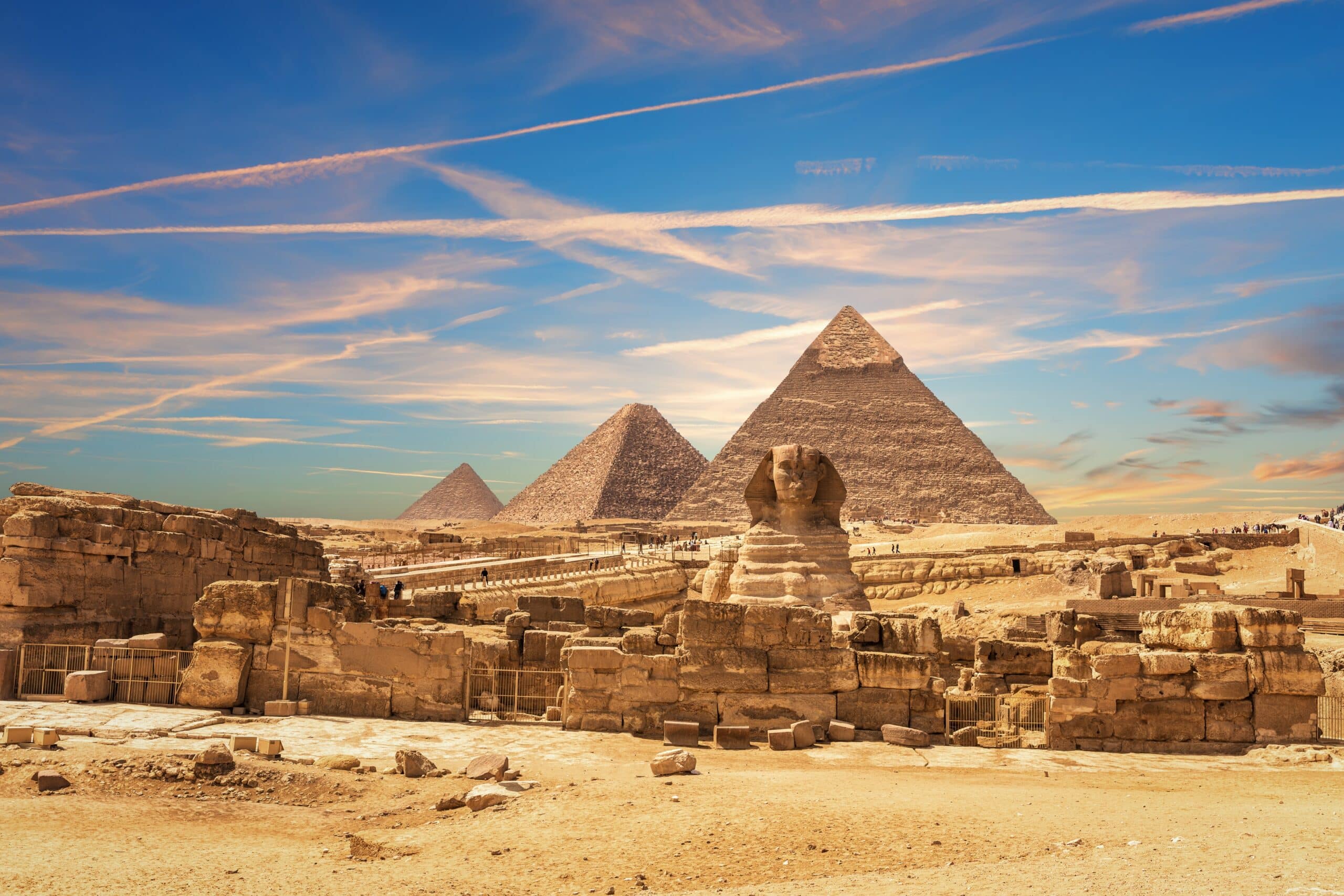
Giza stands as one of the most awe-inspiring places on Earth, home to monuments that have transcended time itself. The Great Pyramid, the Pyramid of Khafre, and the Pyramid of Menkaure rise from the desert plateau with a presence that feels almost unreal, defying both age and explanation.
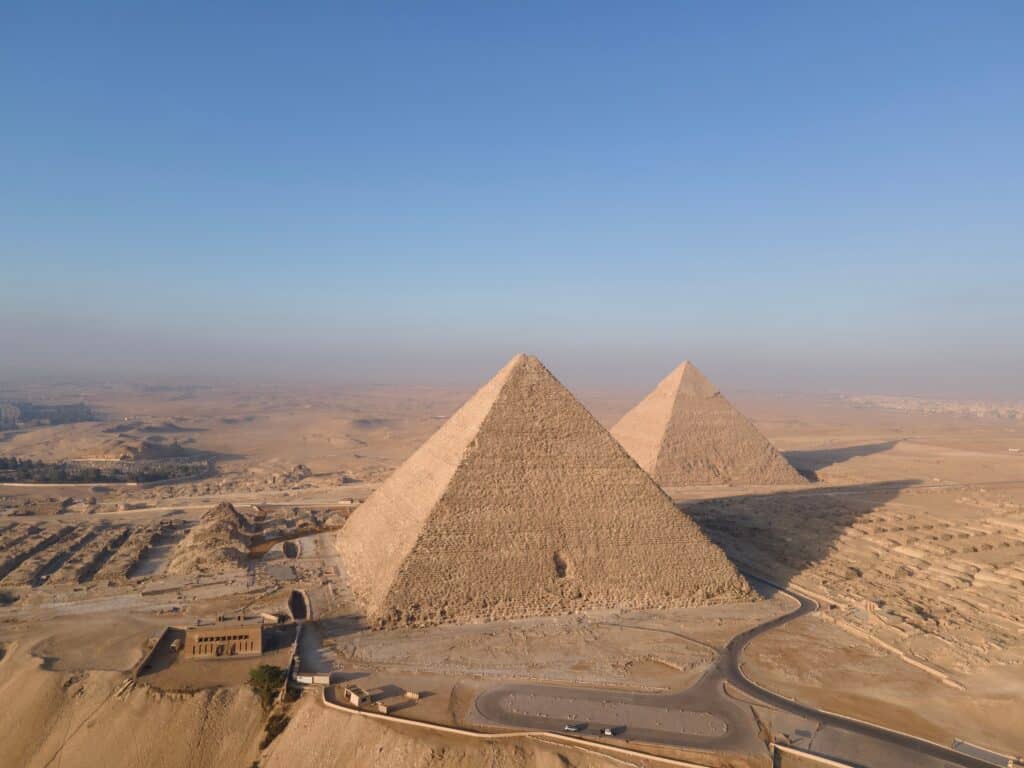
Built more than four thousand years ago, these structures were designed not merely as tombs, but as gateways to eternity. Their precise alignment, monumental scale, and enduring stability continue to inspire wonder and debate. Standing before them, visitors experience a humbling sense of humanity’s earliest desire to reach beyond mortality.
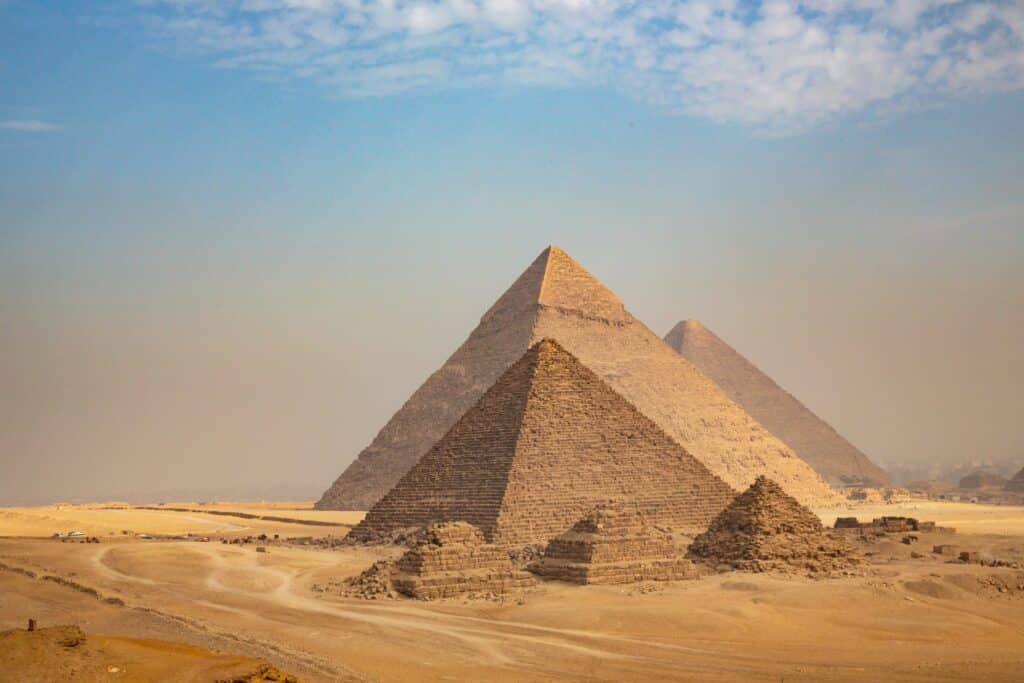
The Great Sphinx watches silently nearby, carved from a single mass of limestone, its gaze fixed toward the horizon. Both guardian and mystery, it embodies Egypt’s fusion of symbolism, power, and spiritual imagination.
Despite their global fame, the pyramids retain an atmosphere of solemnity. The surrounding desert, vast and open, reinforces their isolation from time. Light shifts across stone surfaces throughout the day, revealing textures shaped by centuries of wind and sun.
Giza is not simply a historical site—it is an encounter with permanence. It forces reflection on ambition, belief, and legacy, reminding visitors that some human creations are meant not for generations, but for eternity.
11. Luxor: The World’s Greatest Open-Air Museum

Luxor rises along the Nile as a city of extraordinary concentration, holding more ancient wonders than any other place on Earth. Built upon the ruins of ancient Thebes, it was once the capital of Egypt’s New Kingdom and the spiritual center of the ancient world.
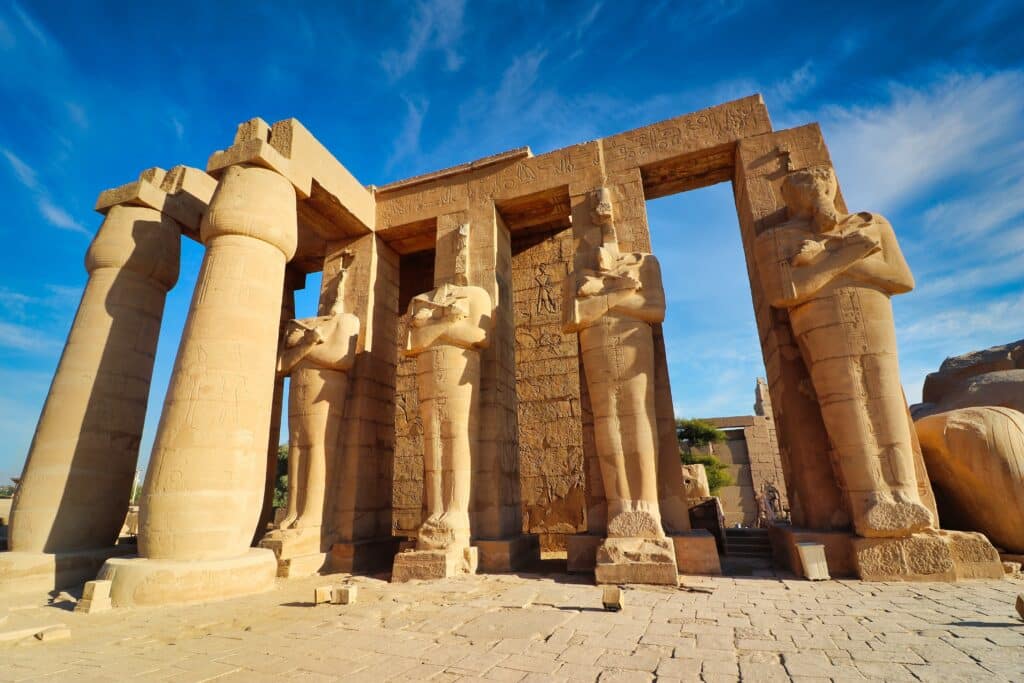
On the east bank, the temples of Luxor and Karnak stand as monuments to divine order and royal authority. Karnak’s vast hypostyle hall, with its towering columns, overwhelms the senses, revealing the scale of devotion and power that shaped ancient Egypt. Processional avenues once linked temples in ceremonies that mirrored cosmic cycles.
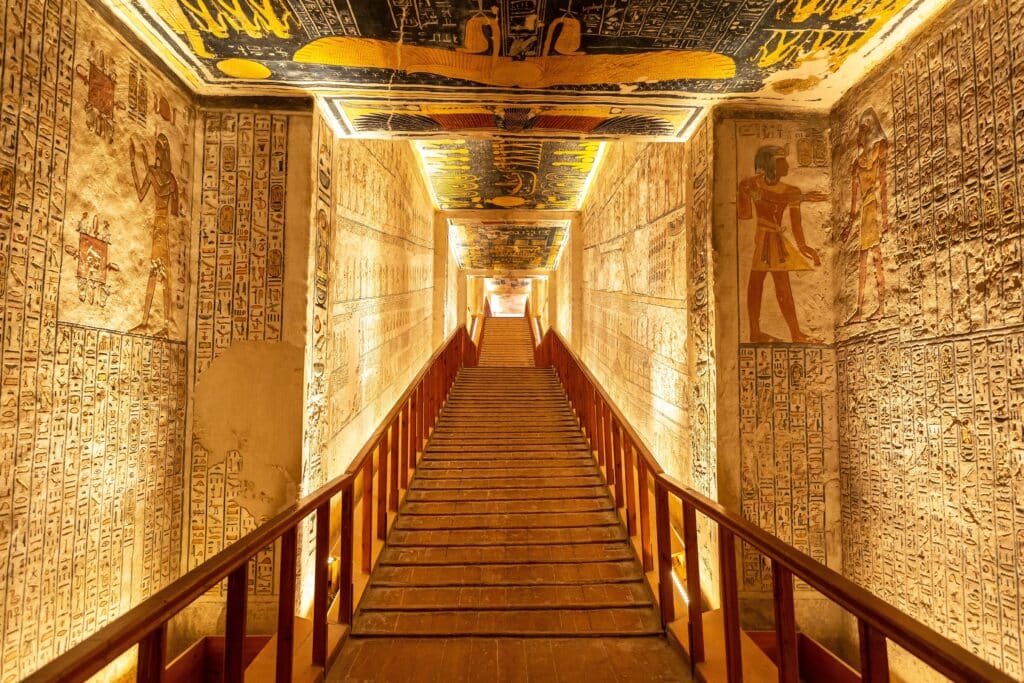
Across the river, the west bank unfolds as a landscape of death and rebirth. The Valley of the Kings hides richly decorated tombs carved deep into the mountains, built to protect pharaohs on their journey to the afterlife. Nearby, the Temple of Hatshepsut rises in elegant terraces against the cliffs, reflecting balance and architectural harmony.

Luxor is uniquely immersive. Ancient monuments exist alongside modern villages, fields, and river life, creating a seamless connection between past and present. Life continues where history once ruled.
To walk through Luxor is to walk through myth, belief, and human aspiration on a monumental scale. Few places offer such direct contact with the foundations of civilization.
10. Aswan: Grace at the Edge of the Nile
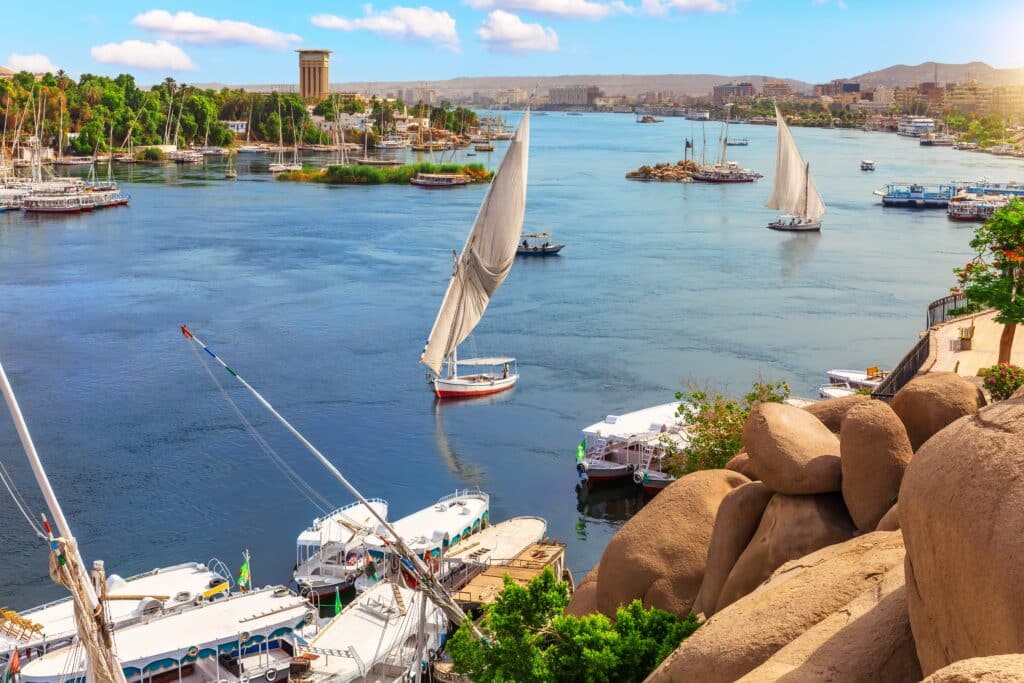
Aswan offers a gentler, more contemplative side of Egypt. Located near the southern edge of the Nile Valley, it has long been a meeting point of cultures, trade, and natural beauty. The pace here slows, allowing the river, sky, and stone to shape daily life.
Granite quarries once supplied stone for Egypt’s greatest monuments, and remnants such as the Unfinished Obelisk reveal the immense labor behind ancient ambition. Nearby, temples rescued from flooding—most famously Philae—stand gracefully on islands, surrounded by shimmering water.

Nubian culture thrives in Aswan, expressed through colorful villages, music, and hospitality. Homes painted in bright hues line the riverbanks, reflecting a deep connection to place and identity. Feluccas glide quietly across the Nile, offering timeless views of palm-fringed islands and golden hills.
Aswan feels intimate and luminous. It is a place of transitions—between Upper Egypt and Nubia, desert and river, antiquity and living culture. The city offers peace without emptiness, history without weight.
Aswan reveals Egypt’s softer strength, reminding travelers that civilization is sustained not only by monuments, but by harmony with nature and community.
9. Alexandria: Where the Mediterranean Meets Memory
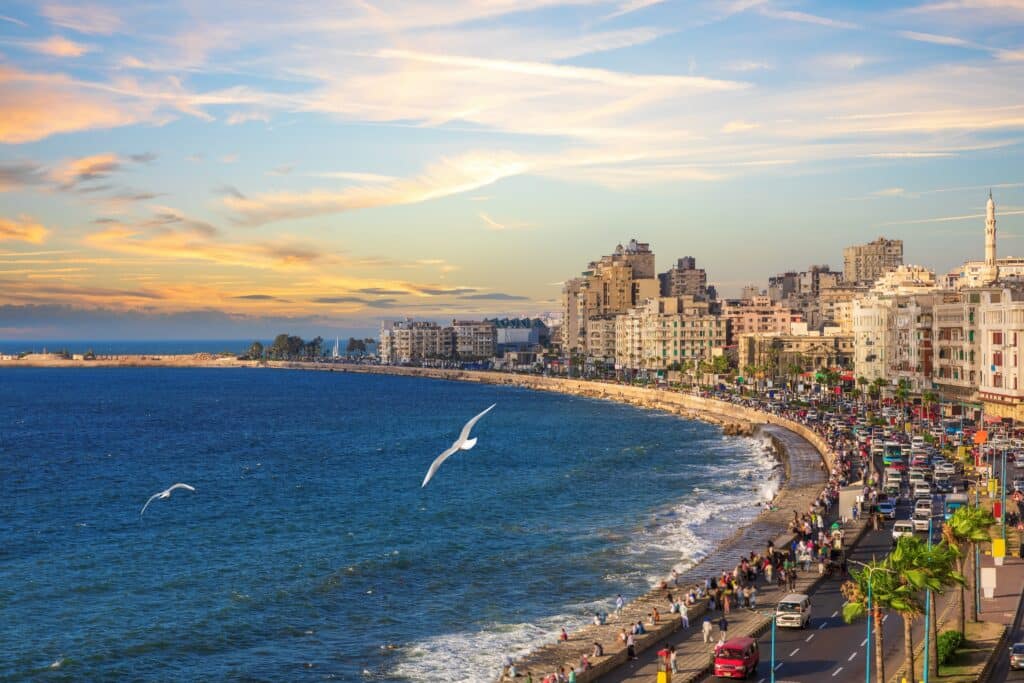
Alexandria stretches along the Mediterranean with a character unlike any other Egyptian city. Founded by Alexander the Great, it was once the intellectual capital of the ancient world, home to the legendary Library of Alexandria and a beacon of scholarship, science, and cultural exchange. Today, its legacy survives in atmosphere rather than monuments alone.

The city feels outward-looking, shaped by sea air, shifting light, and cosmopolitan memory. Waves crash against the Corniche as cafés line the waterfront, echoing a time when poets, philosophers, and traders from across the Mediterranean passed through its streets. Alexandria’s identity has always been fluid, absorbing influences while maintaining its own introspective rhythm.
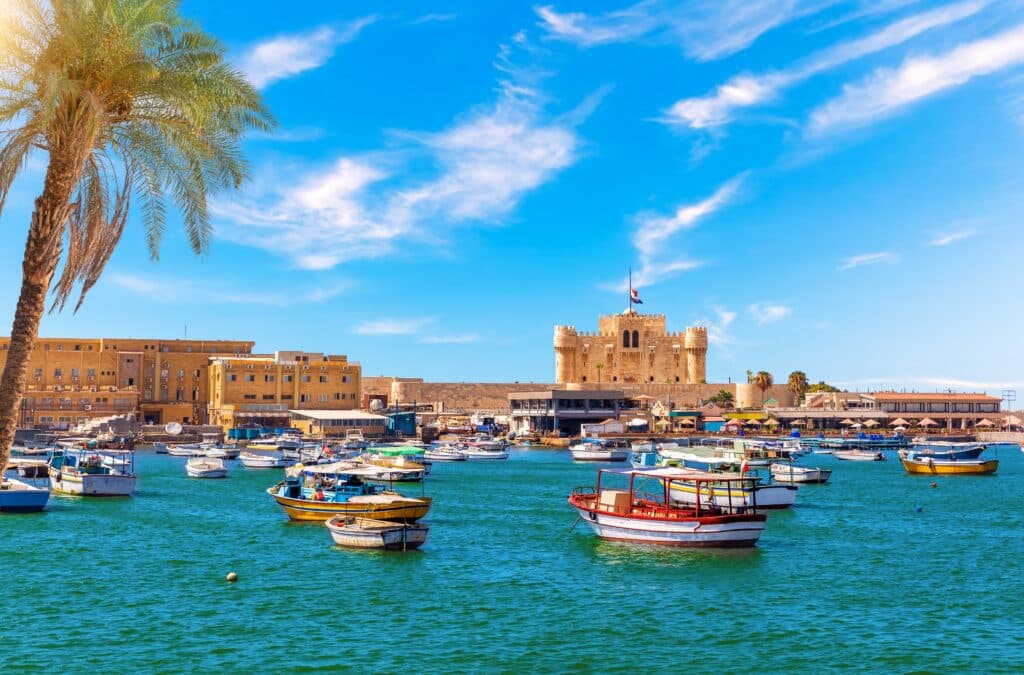
Historic landmarks such as the Citadel of Qaitbay rise where the ancient Lighthouse once stood, symbolizing continuity rather than loss. Beneath the modern city, archaeological layers reveal submerged ruins and forgotten quarters, reminding visitors that much of Alexandria still lies unseen.
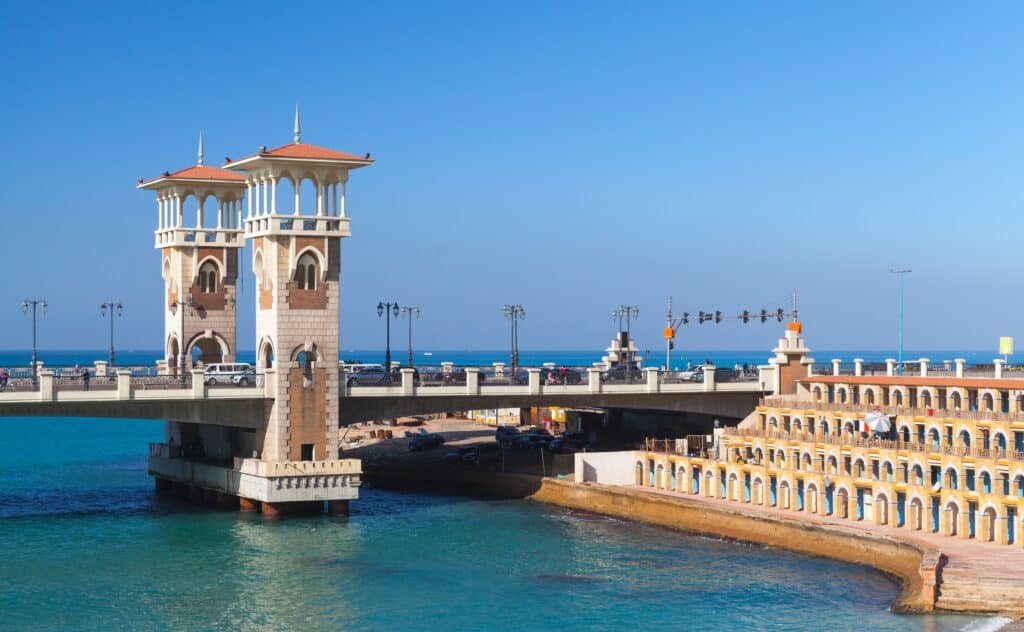
Neighborhoods carry a quiet elegance, with faded balconies, colonial-era buildings, and bookstores that reflect a lingering literary soul. The modern Bibliotheca Alexandrina stands as a contemporary tribute to the city’s intellectual heritage, reconnecting Alexandria to its ancient role as a center of knowledge.


Alexandria is reflective rather than monumental. It invites long walks, conversations, and contemplation. This is a city defined not by spectacle, but by memory, melancholy, and the enduring dialogue between land, sea, and thought.
8. Abu Simbel: Power Carved in Stone
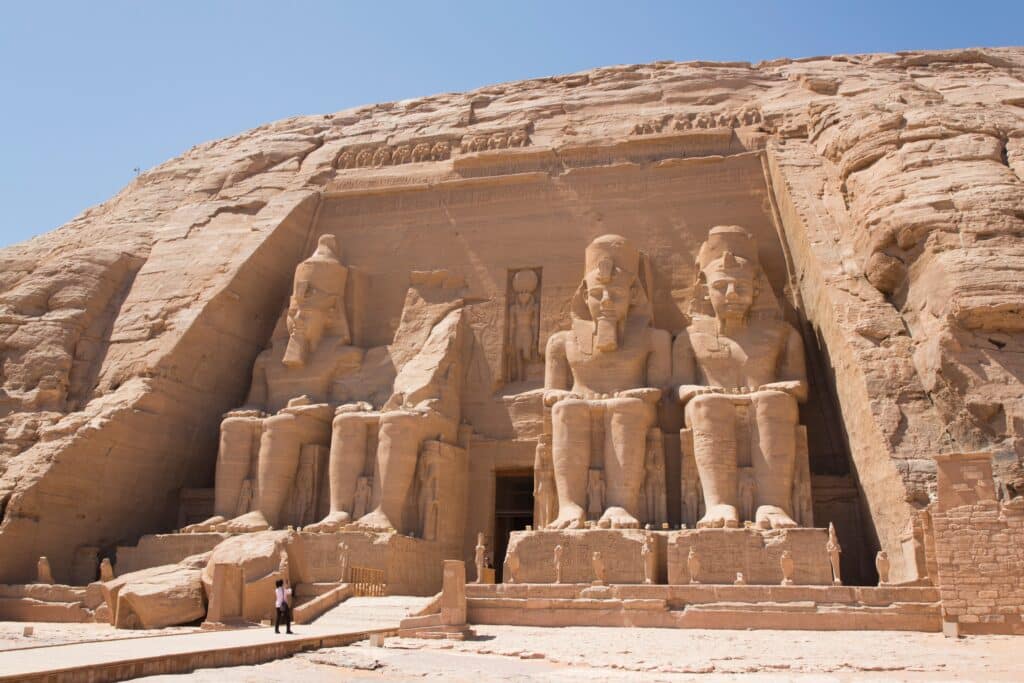
Abu Simbel stands at Egypt’s southern frontier as one of the most commanding expressions of ancient power ever created. Carved directly into sandstone cliffs during the reign of Ramses II, the twin temples were designed to awe gods, rivals, and future generations alike.
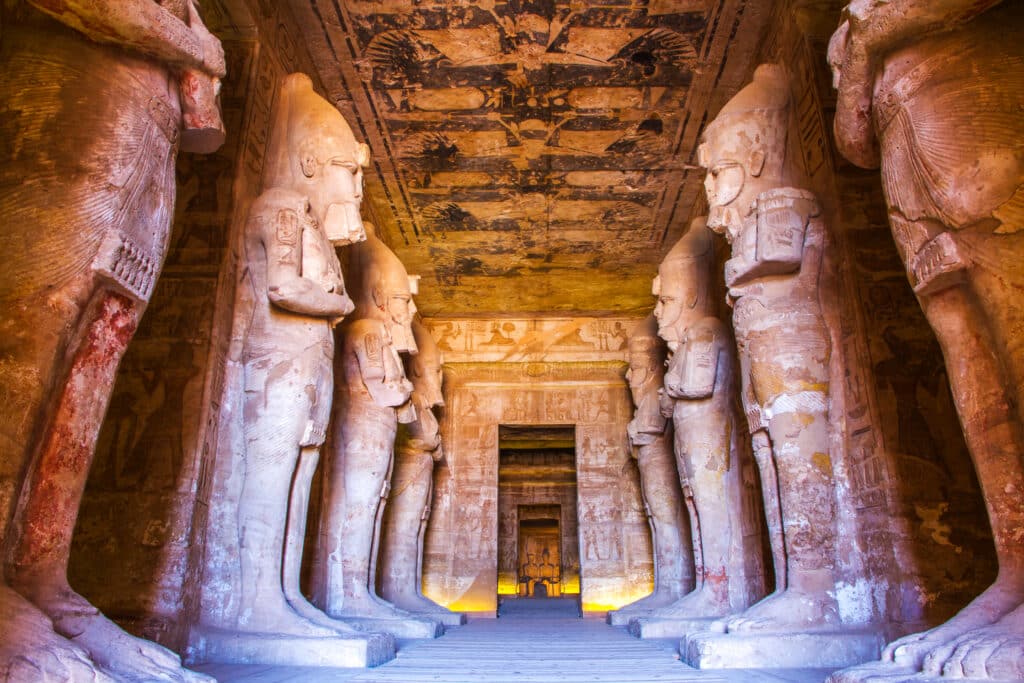
The Great Temple’s colossal seated statues gaze outward with unwavering authority, embodying royal ambition and divine alignment. Inside, chambers and reliefs celebrate military victories and sacred order, culminating in a sanctuary precisely aligned with the sun. Twice a year, sunlight penetrates the temple to illuminate the inner statues, revealing extraordinary astronomical precision.

Nearby, the smaller temple dedicated to Queen Nefertari honors love, balance, and partnership, a rare gesture in ancient royal architecture. Together, the temples express both dominance and harmony, strength and devotion.

In the twentieth century, Abu Simbel was relocated stone by stone to save it from flooding caused by the Aswan High Dam—an engineering feat that mirrors the ambition of its original builders. This rescue reinforces the site’s symbolic power, linking ancient and modern determination.
Surrounded by desert silence and vast skies, Abu Simbel feels isolated yet monumental. It is not merely a relic of history, but a statement about permanence, vision, and humanity’s desire to be remembered beyond time.
7. Siwa Oasis: Sanctuary of the Western Desert
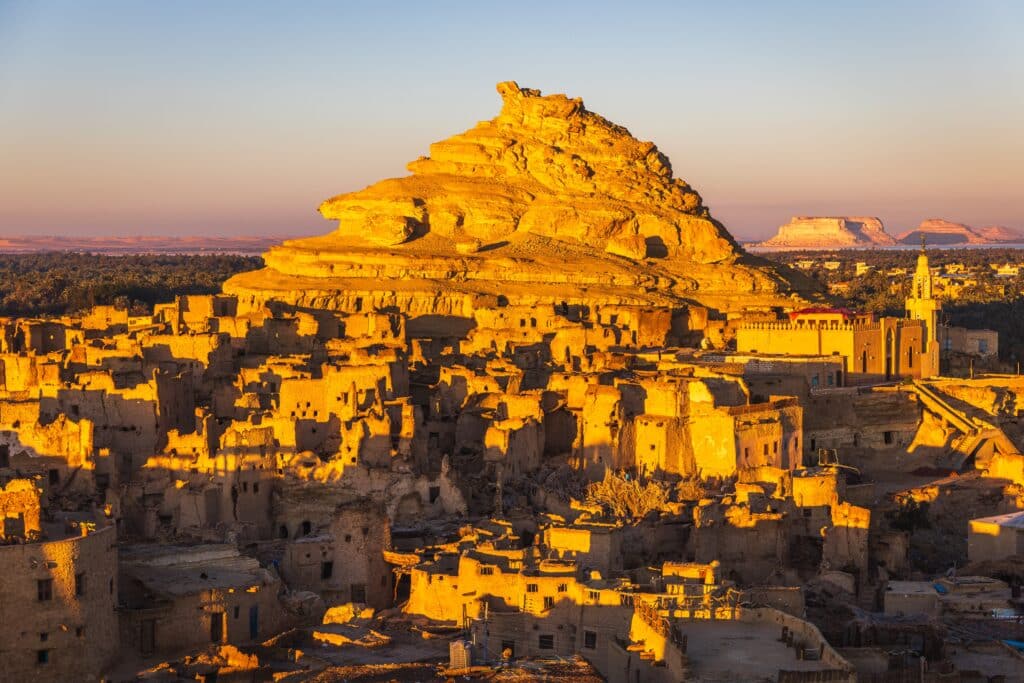
Siwa Oasis emerges from Egypt’s Western Desert like a world apart, defined by palm groves, salt lakes, and a deeply rooted cultural identity. Isolated for centuries, Siwa developed traditions, language, and architecture distinct from the Nile Valley, preserving a rare sense of continuity.
Ancient mud-brick structures rise organically from the landscape, blending seamlessly with earth and light. The ruins of Shali Fortress overlook the oasis, offering views of shimmering water and endless dunes. Nearby, the Temple of the Oracle once drew figures such as Alexander the Great, reinforcing Siwa’s spiritual significance.

Life in Siwa moves gently. Date harvests, olive groves, and communal rituals guide daily rhythm, emphasizing sustainability and balance. Natural springs offer moments of renewal, while salt lakes reflect the sky with astonishing clarity.
Siwa’s beauty is understated yet powerful. It offers silence, reflection, and a deep connection to land. Travelers come not for monuments, but for perspective. Siwa reminds visitors that civilization does not always advance through expansion—it can endure through harmony, resilience, and restraint.
6. Dahab: Simplicity by the Red Sea
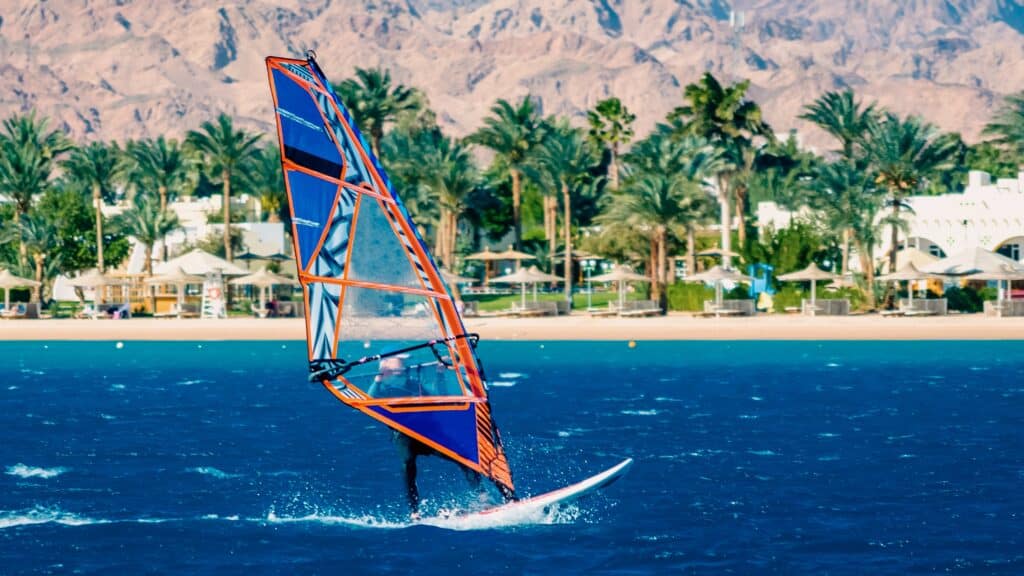
Dahab began as a small Bedouin fishing village and has retained a sense of openness and ease that distinguishes it from larger resort towns. Set along the Red Sea in the Sinai Peninsula, it is framed by desert mountains and crystal-clear water, creating a striking balance of elements.
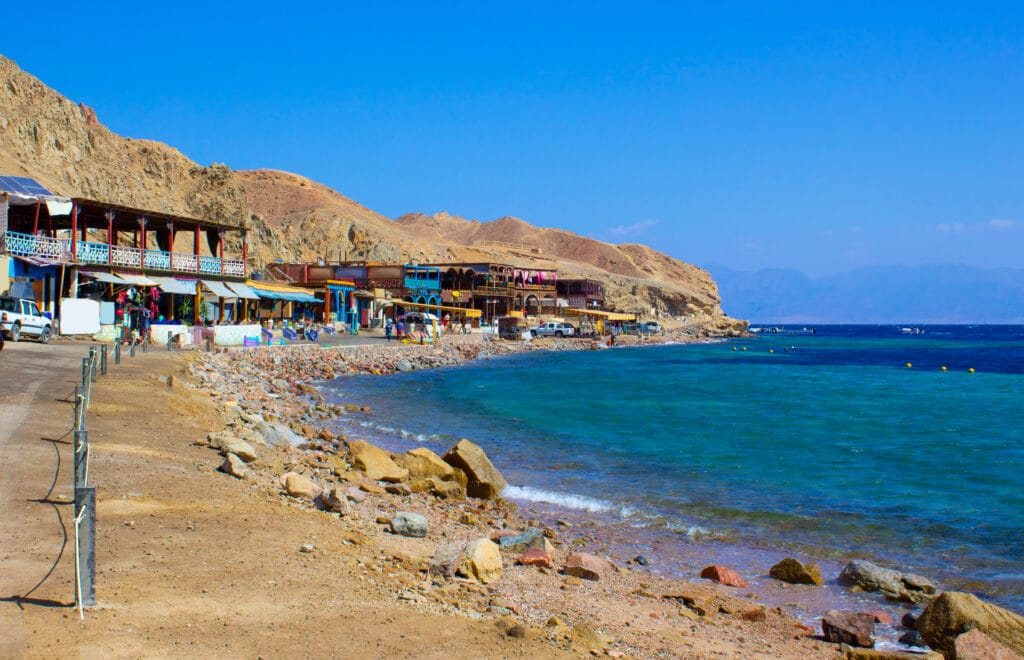
The sea defines life here. Coral reefs flourish just offshore, drawing divers and snorkelers from around the world. Beneath the surface lies a vibrant ecosystem, while above it, the shoreline invites calm walks and quiet reflection.

Dahab’s charm lies in its lack of urgency. Cafés line the water, cushions replace chairs, and conversations stretch easily into evening. Bedouin hospitality shapes the town’s spirit, offering warmth without formality.
At sunset, mountains glow red and gold, reinforcing the sense of stillness. Dahab does not impress through grandeur—it restores through simplicity. It offers a version of Egypt rooted in balance, nature, and unhurried presence.
5. Sinai Mountains: Sacred Heights
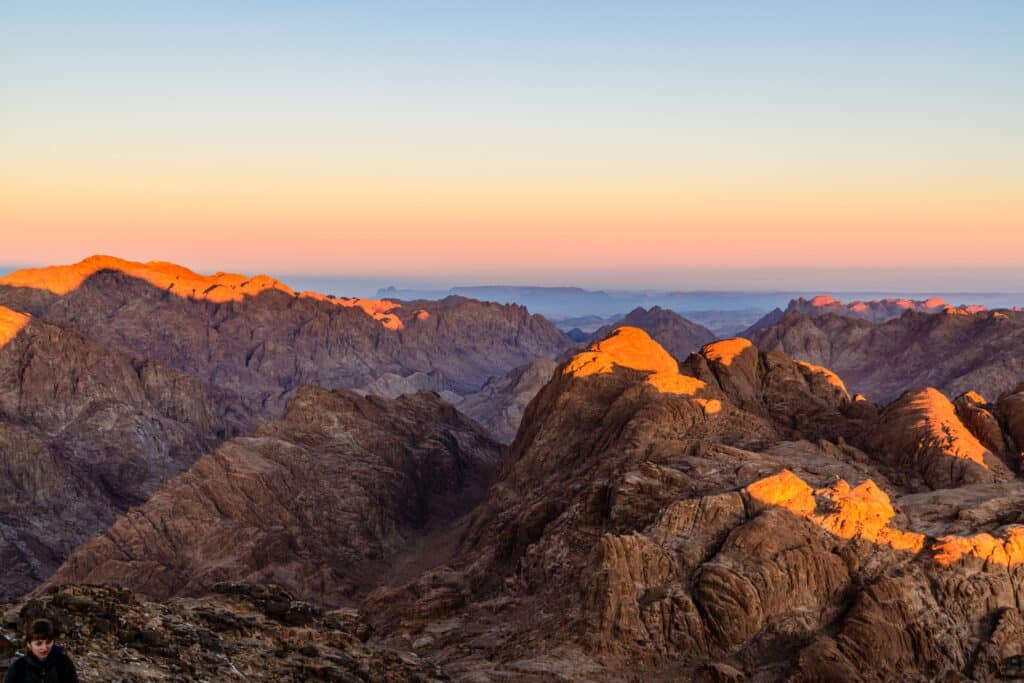
The Sinai Mountains rise with quiet majesty, their rugged peaks shaped by wind, stone, and spiritual history. This region has long been associated with revelation and retreat, drawing pilgrims, seekers, and travelers across centuries.
Mount Sinai, traditionally linked to the story of Moses, remains a place of profound symbolic power. The ascent before dawn leads through darkness and silence, culminating in sunrise views that stretch endlessly across jagged ridges and open sky. The experience feels deeply personal, shaped by effort and stillness.
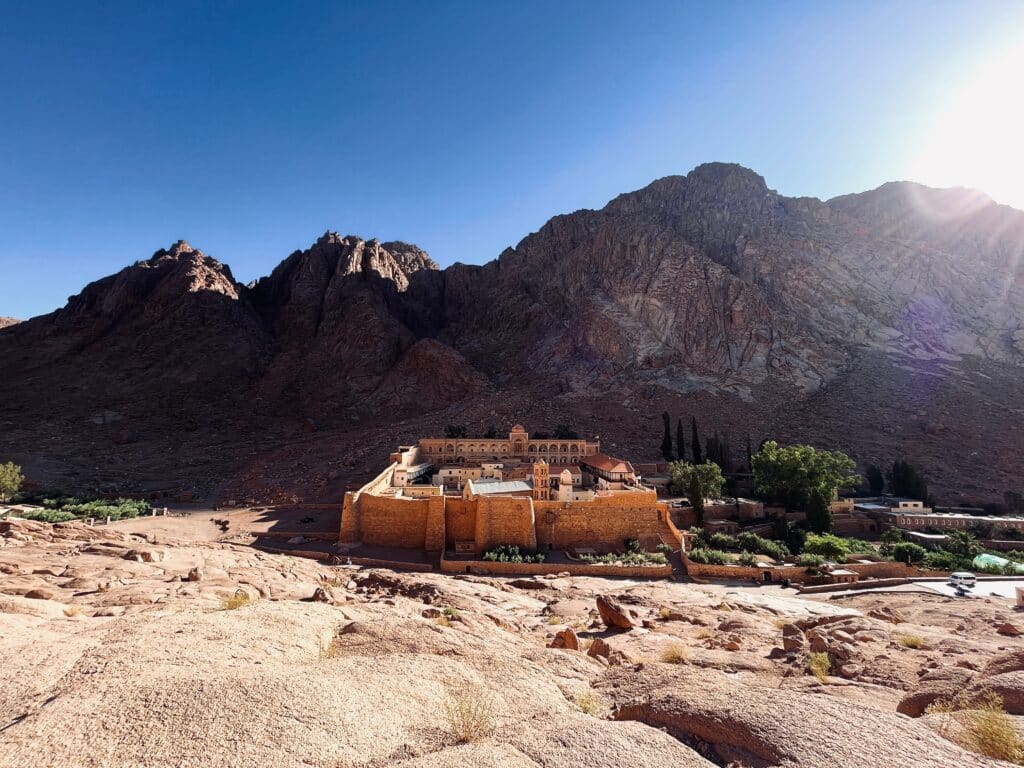
At the mountain’s base, Saint Catherine’s Monastery stands as one of the oldest continuously inhabited Christian monasteries in the world. Its presence reflects centuries of coexistence, preservation, and devotion in a harsh landscape.
The Sinai Mountains are not defined by comfort, but by clarity. They strip experience down to essentials—stone, breath, light, and belief. This is a place where Egypt’s spiritual depth feels raw and immediate.
4. The White Desert: Sculpture by Wind and Time

The White Desert is one of Egypt’s most surreal landscapes, a place where nature appears to have stepped into abstraction. Located deep in the Western Desert, this protected area is famous for its chalk rock formations sculpted by wind and sand over millions of years. Shapes emerge that resemble mushrooms, towers, animals, and silent guardians standing alone against the horizon.
During the day, the desert glows softly under the sun, its white surface reflecting light and creating a dreamlike openness. At sunset, colors shift dramatically—from pale ivory to rose, gold, and lavender—transforming the landscape into a living canvas. At night, the desert becomes profoundly still, illuminated only by stars that feel impossibly close.
Despite its apparent emptiness, the White Desert holds life and memory. Nomadic routes once crossed these lands, guided by stars and intuition. Fossils embedded in the stone reveal that this desert was once a seabed, reminding visitors of Earth’s constant transformation.
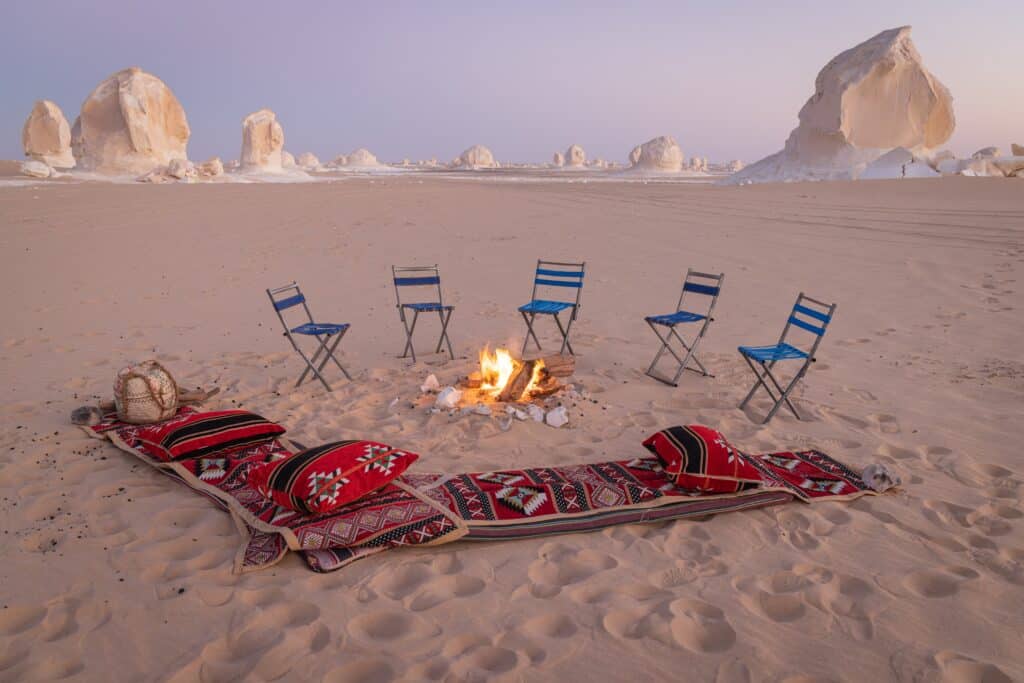
Camping here is an experience of deep silence and perspective. Without artificial light or noise, time seems to dissolve. The vastness encourages humility, reflection, and a renewed awareness of scale.
The White Desert reveals Egypt beyond monuments and cities. It speaks of endurance, change, and the quiet artistry of nature. This is a place not to be conquered or explained, but simply witnessed.
3. El Minya: Middle Egypt’s Hidden Legacy
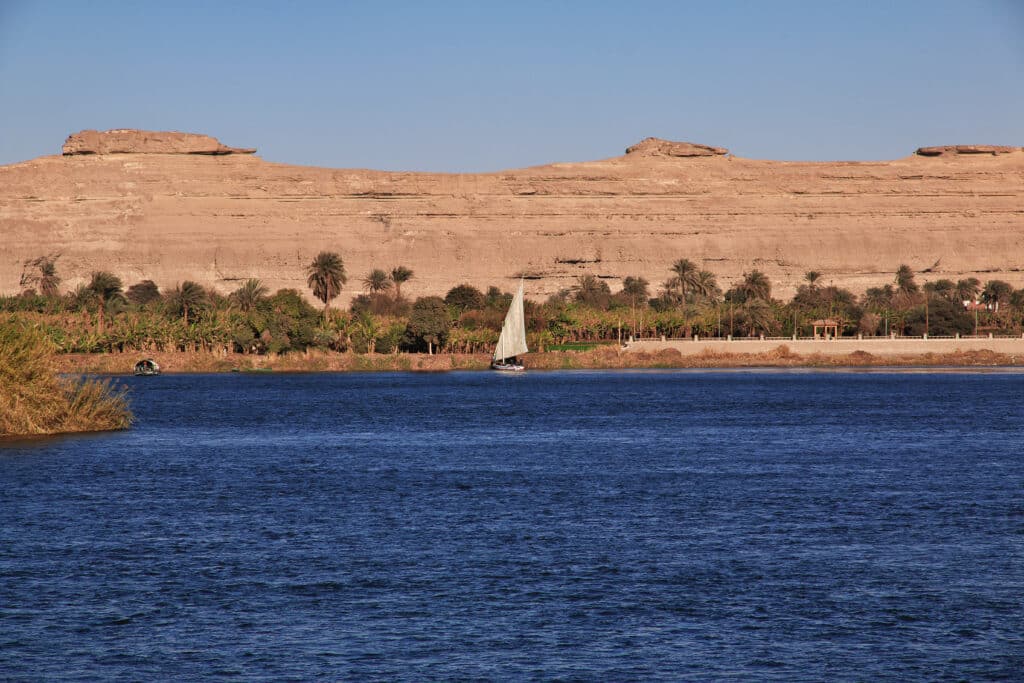
El Minya stretches along a fertile bend of the Nile in Middle Egypt, often overlooked yet rich in archaeological and cultural significance. This region offers insight into ancient Egyptian life beyond royal capitals, revealing how belief, art, and daily existence intertwined.
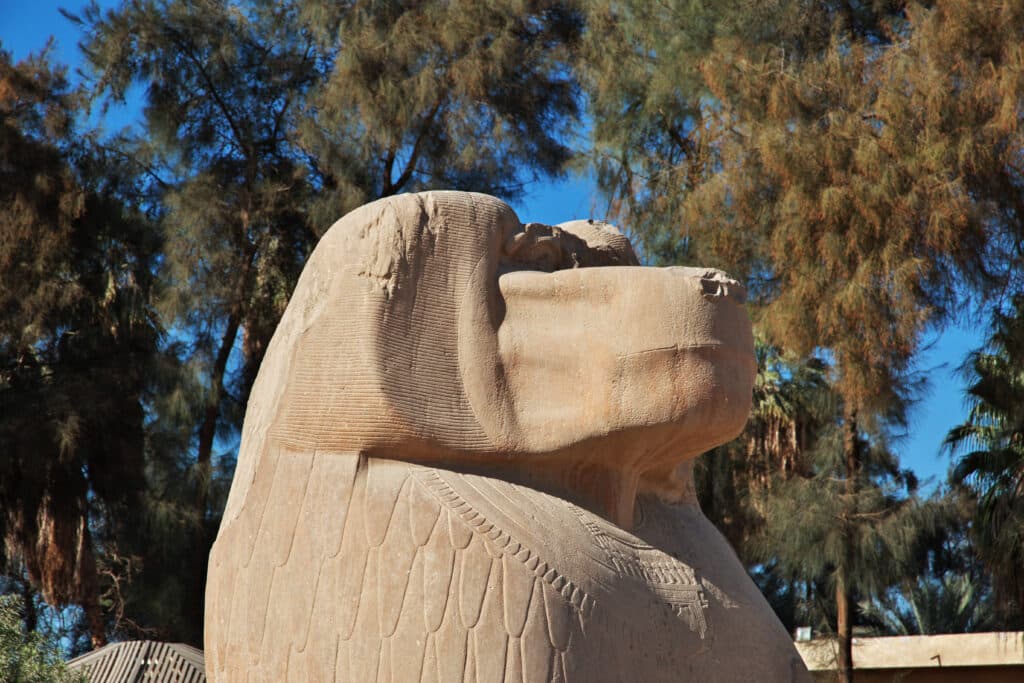
Nearby sites such as Beni Hasan preserve rock-cut tombs adorned with vivid scenes of wrestling, agriculture, and ceremony. These images provide rare detail about social life, professions, and values during the Middle Kingdom. Unlike grand temples, these tombs feel personal and narrative-driven.
El Minya also holds deep religious history. Early Christian monasteries carved into cliffs reflect Egypt’s role in shaping monastic tradition. The surrounding landscape—fields, palm groves, and limestone hills—creates a gentle balance between agriculture and spirituality.
The city itself moves at a slower pace, rooted in community and routine. Markets, riverbanks, and neighborhood cafés reflect everyday Egypt, offering authenticity rather than spectacle.
El Minya invites curiosity and patience. It rewards travelers who seek context rather than highlights, revealing Egypt’s continuity through ordinary lives and regional memory.
2. Fayoum: Oasis of Nature and Art
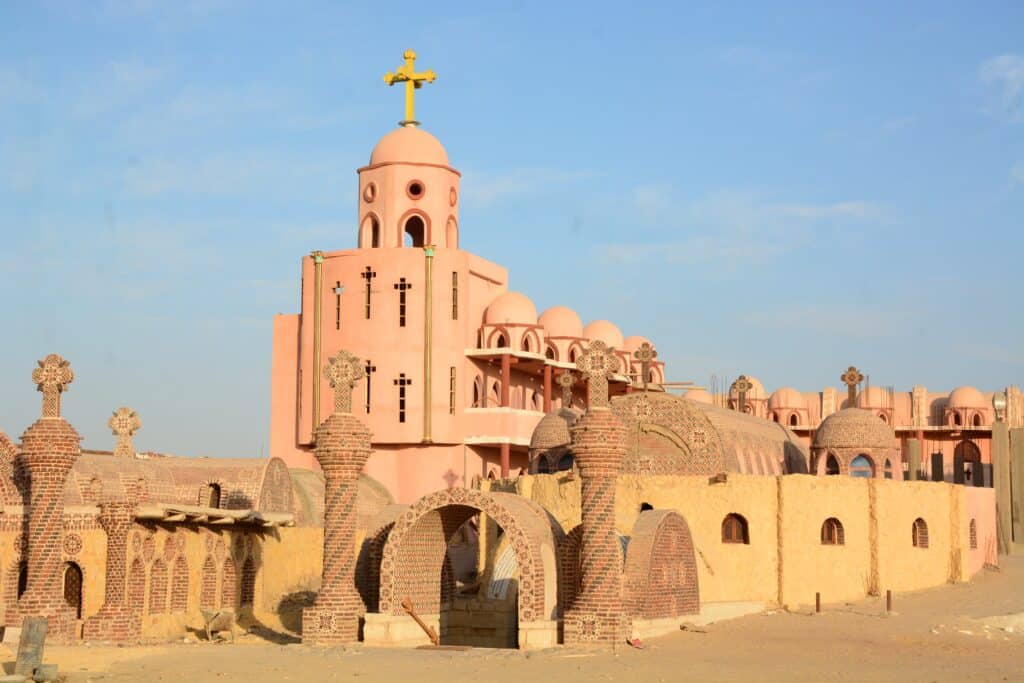
Fayoum is one of Egypt’s most diverse and surprising regions, where desert, water, agriculture, and art coexist in rare harmony. Fed by a branch of the Nile, this oasis has sustained life for thousands of years and continues to offer renewal and creativity.

Lake Qarun stretches wide beneath open skies, attracting birds and reflecting shifting light throughout the day. Nearby, waterfalls spill unexpectedly into desert landscapes, reinforcing Fayoum’s sense of contrast and abundance.
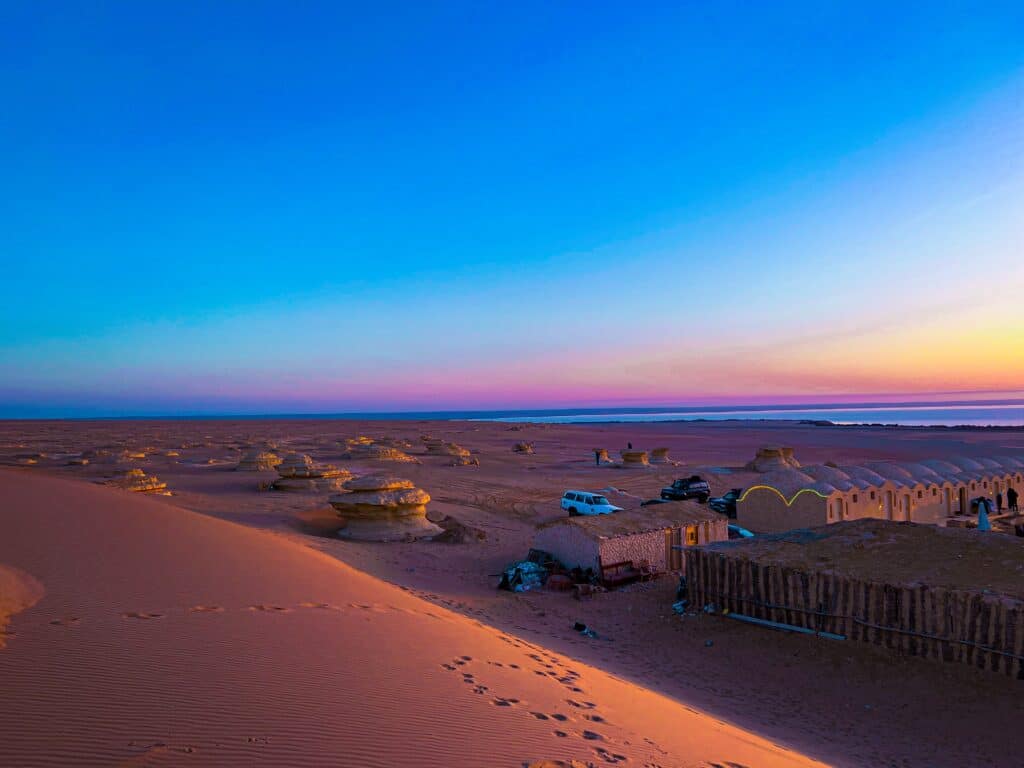
The region is also known for its artistic heritage. Fayoum portraits—remarkably realistic Roman-era funerary paintings—reveal human faces across centuries with startling intimacy. Today, villages like Tunis continue this creative spirit through pottery, craftsmanship, and ecological design.
Life in Fayoum is grounded and generous. Farmers, artisans, and families maintain strong ties to land and tradition while embracing sustainable innovation. The pace encourages engagement rather than observation.
Fayoum shows how Egypt’s richness extends beyond ancient grandeur. It offers balance—between past and present, nature and culture—revealing a quieter, deeply human dimension of the country.
1. Marsa Alam: Where Desert Meets Reef
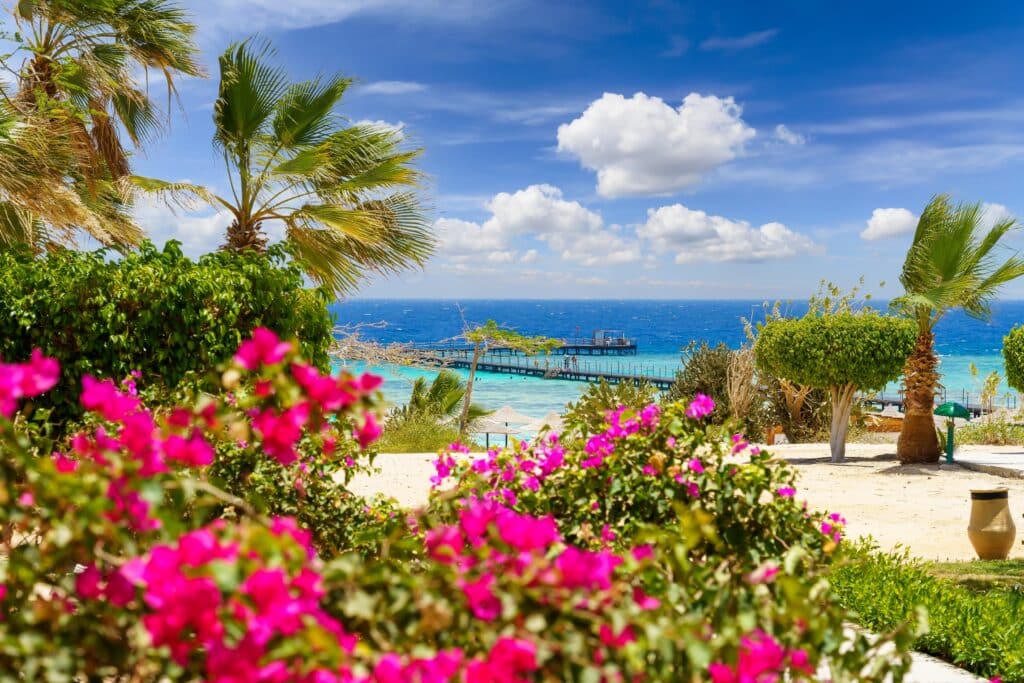
Marsa Alam lies along Egypt’s southern Red Sea coast, where desert mountains descend toward some of the world’s most pristine coral reefs. Once a remote outpost, it remains defined by space, light, and natural purity.
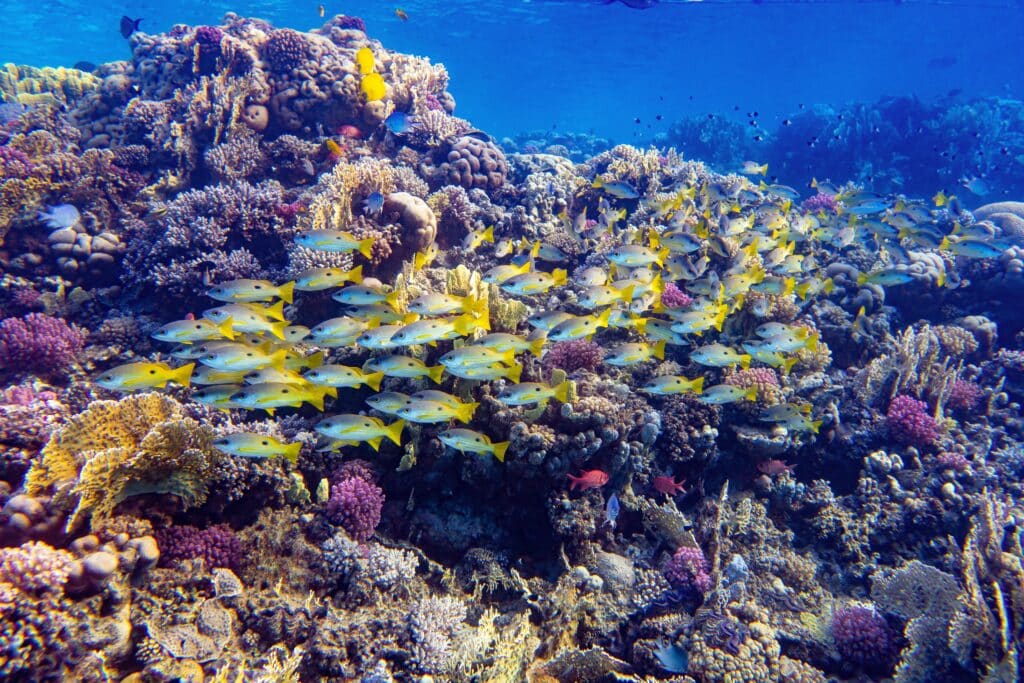
The sea here is exceptional—clear, vibrant, and alive with marine species. Coral gardens flourish just offshore, offering encounters with turtles, dolphins, and colorful fish. Unlike busier resorts, Marsa Alam preserves a sense of quiet immersion.
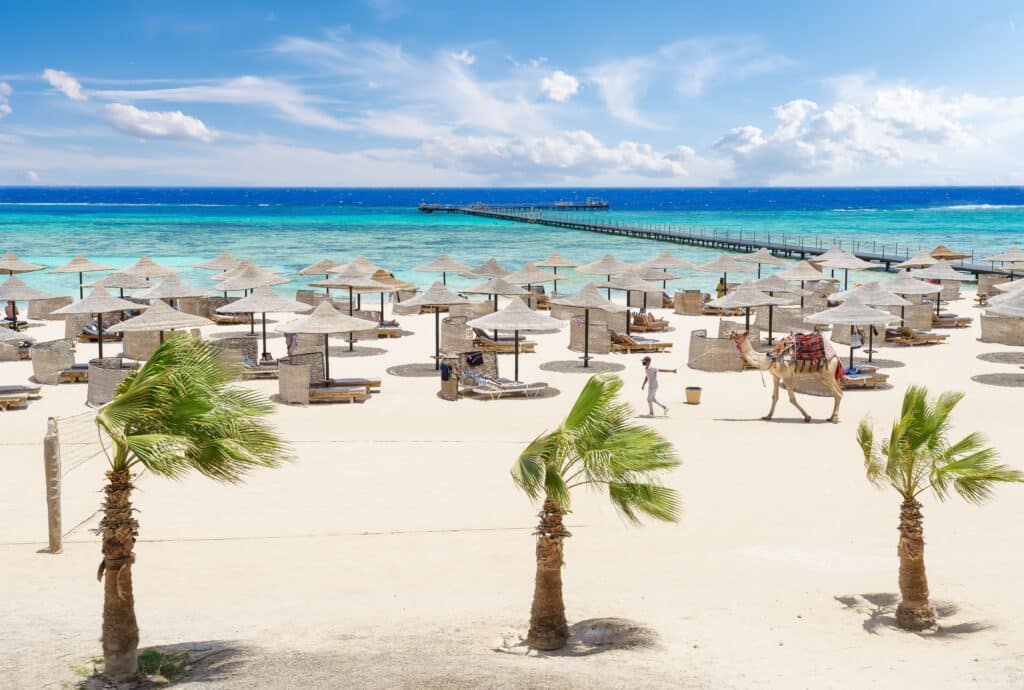
On land, the desert dominates. Mountains glow softly at sunrise and sunset, reinforcing isolation and openness. Ancient emerald mines and Roman ruins hint at long-standing human presence shaped by trade and survival.
Marsa Alam appeals to those seeking connection rather than entertainment. It is restorative and elemental, revealing Egypt’s raw beauty through simplicity and scale.