
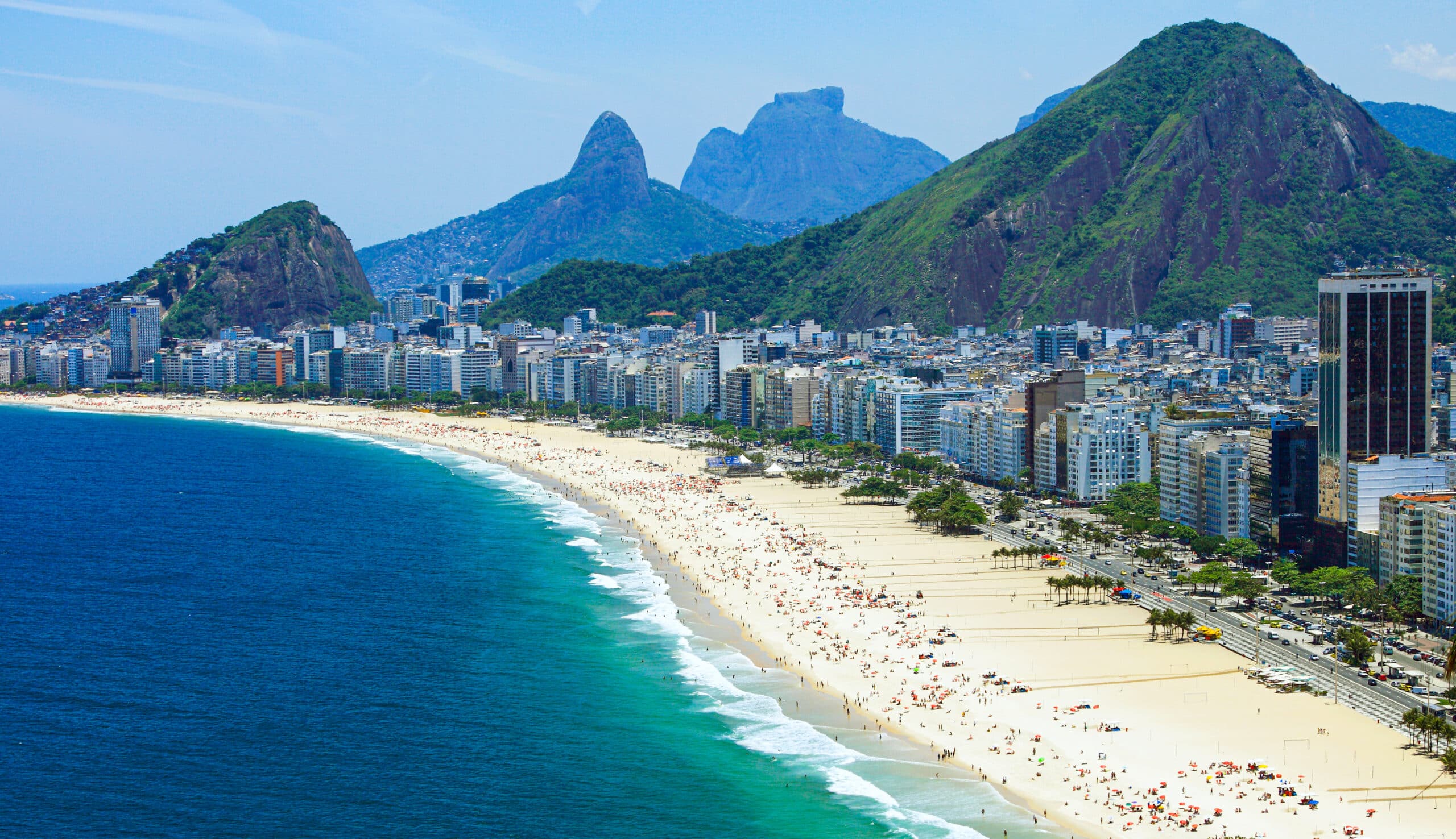
Brazil is a country of extraordinary scale and contrast, offering some of the most memorable places in the world for culture, history, landscapes, and urban life. Stretching from the equatorial north to the temperate south, Brazil presents a vast mosaic of cities, coastlines, historic towns, dramatic natural landmarks, and cultural regions that feel distinct from one another. Each part of the country offers its own rhythm, identity, and sense of place.
Brazil’s cities are among the most dynamic in the Americas. From iconic coastal metropolises to carefully preserved colonial towns, urban life blends music, cuisine, architecture, and street culture into experiences found nowhere else. Beaches are not simply scenery but social spaces, while historic centers preserve layers of Indigenous, African, and European influence. Inland regions reveal waterfalls, canyons, and dramatic landscapes that have become defining symbols of the country.
Cultural diversity is one of Brazil’s greatest attractions. Afro-Brazilian traditions thrive alongside Indigenous heritage and European influences, shaping festivals, food, and everyday life. Each region expresses Brazil differently—through music styles, local cuisine, religious traditions, and architectural forms. Travel within Brazil often feels like crossing borders between cultures rather than moving within a single nation.
20. São Paulo
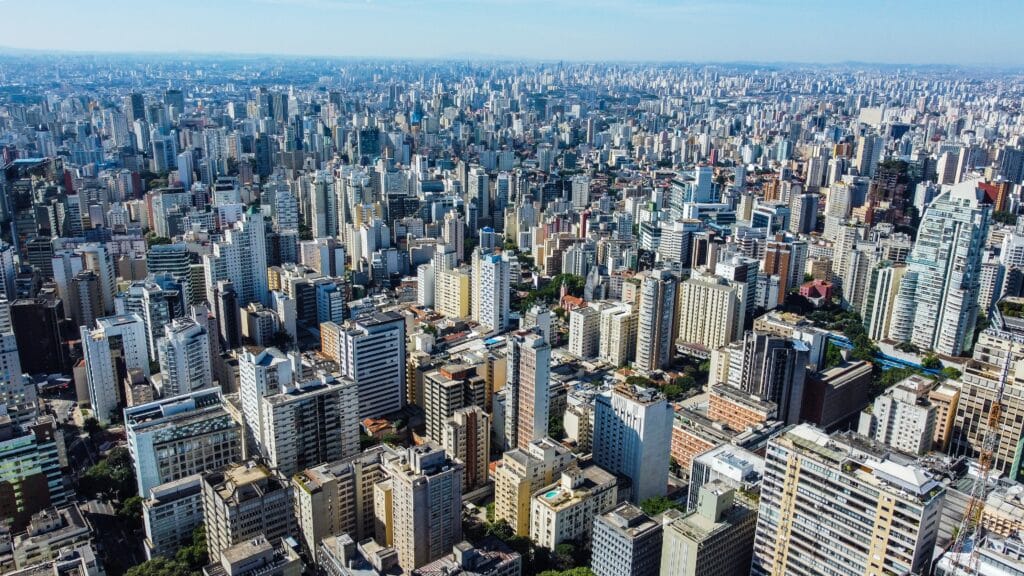
São Paulo is Brazil’s largest city and its undisputed economic and cultural powerhouse. Vast, fast-paced, and endlessly diverse, it offers a very different experience from Brazil’s coastal cities. São Paulo’s appeal lies in its scale, diversity, and cultural depth rather than scenery alone.
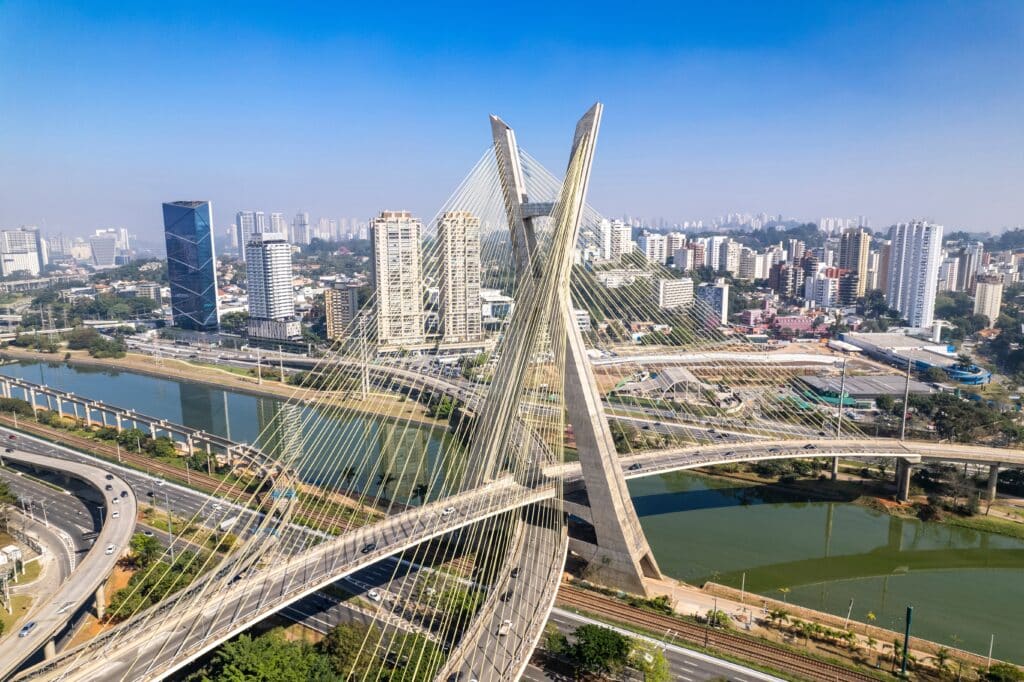
The city is a global culinary capital, boasting one of the most diverse food scenes in the world. Influences from Italian, Japanese, Middle Eastern, African, and regional Brazilian cuisines converge in thousands of restaurants, markets, and street-food venues. Neighborhoods like Liberdade reflect strong immigrant identities, while districts such as Vila Madalena showcase contemporary art, nightlife, and creative culture.
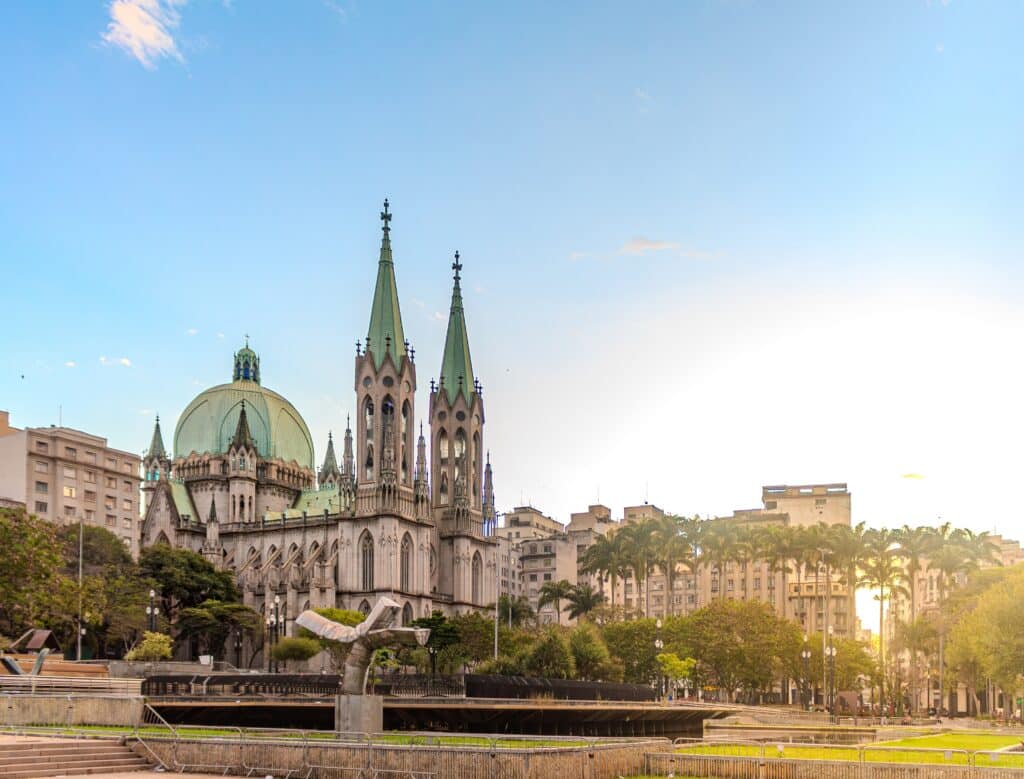
São Paulo is also Brazil’s leading center for museums, galleries, and performing arts. Institutions dedicated to art, design, film, and music attract international attention, while street art transforms entire avenues into open-air exhibitions. Shopping districts range from luxury fashion streets to sprawling informal markets.
Despite its size, São Paulo offers intimate cultural spaces, hidden cafés, and neighborhood communities that reward exploration. It is a city that reveals itself gradually, offering depth rather than immediate spectacle. For travelers seeking culture, gastronomy, and urban intensity, São Paulo is one of South America’s most rewarding destinations.
19. Salvador
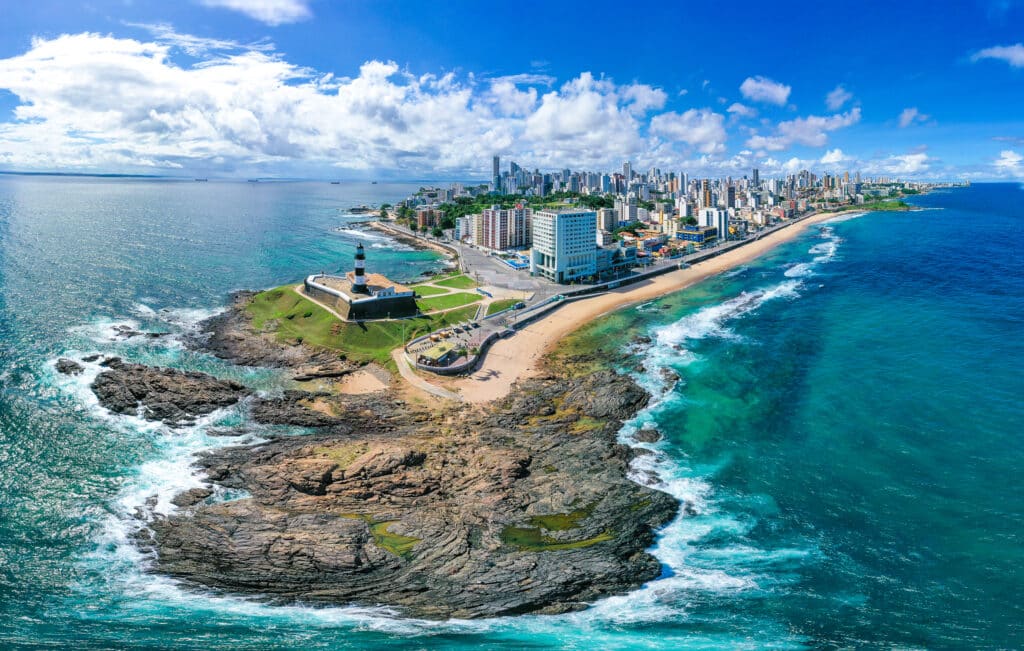
Salvador is one of Brazil’s most culturally rich cities and the historic heart of Afro-Brazilian identity. Founded in the 16th century, it was the country’s first capital and remains a place where history, music, religion, and daily life are deeply intertwined. Salvador’s atmosphere is defined by rhythm, color, and tradition.
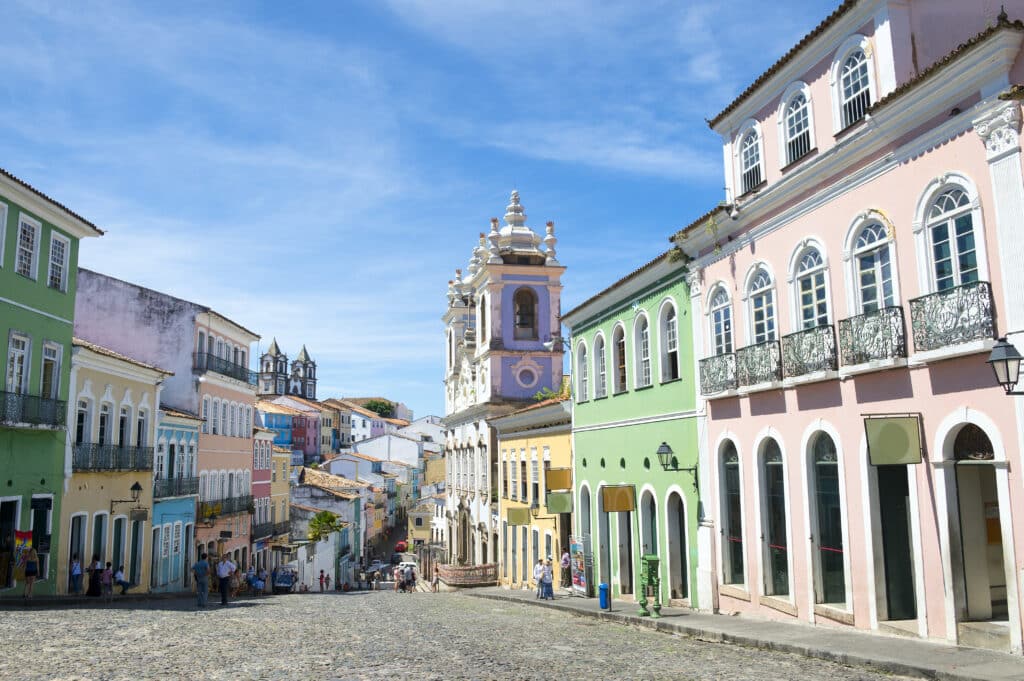
The historic center, Pelourinho, features brightly painted colonial buildings, cobblestone streets, and baroque churches. Music fills the streets, with drumming, dance, and informal performances shaping the city’s soundscape. Afro-Brazilian traditions are central to Salvador’s identity, influencing religious practices, cuisine, and festivals throughout the year.
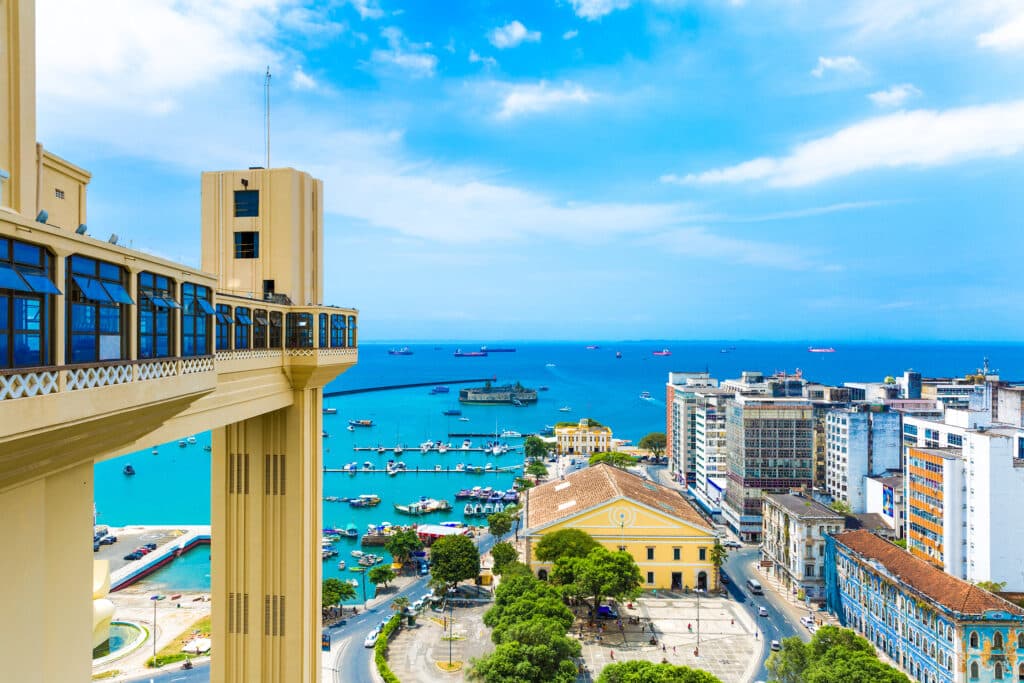
Salvador’s coastline adds another dimension to the city, with beaches ranging from urban stretches to quieter seaside neighborhoods. Food is a highlight, particularly dishes rooted in African heritage, known for bold flavors and distinctive ingredients.
Festivals play a major role in city life, especially Carnival, which takes on a unique character here, emphasizing music, community participation, and street celebrations. Salvador offers a powerful sense of continuity between past and present, making it one of Brazil’s most distinctive and meaningful destinations.
18. Brasília
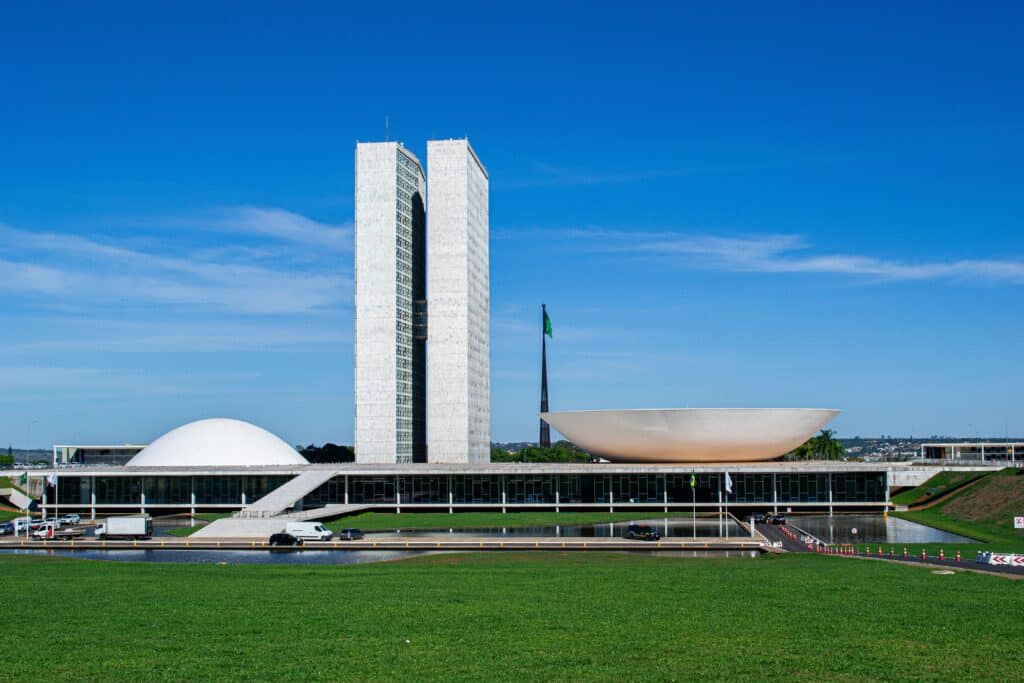
Brasília is one of the world’s most unusual capital cities, designed and built in the mid-20th century as a bold national project. Planned from scratch, it represents modernist ideals through wide avenues, monumental architecture, and carefully structured neighborhoods. The city feels unlike any other place in Brazil.
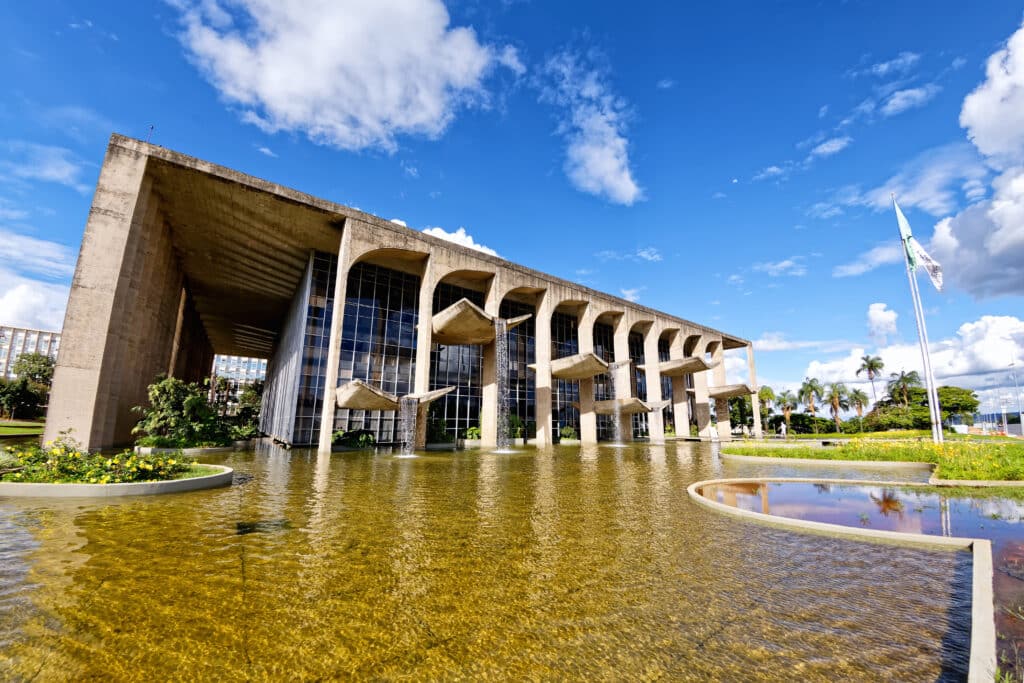
Its layout follows a symbolic form, with residential, governmental, and commercial zones clearly defined. Iconic buildings designed by Oscar Niemeyer dominate the cityscape, featuring sweeping curves, vast open spaces, and striking geometric forms. Government complexes, cathedrals, and cultural institutions are architectural landmarks in their own right.
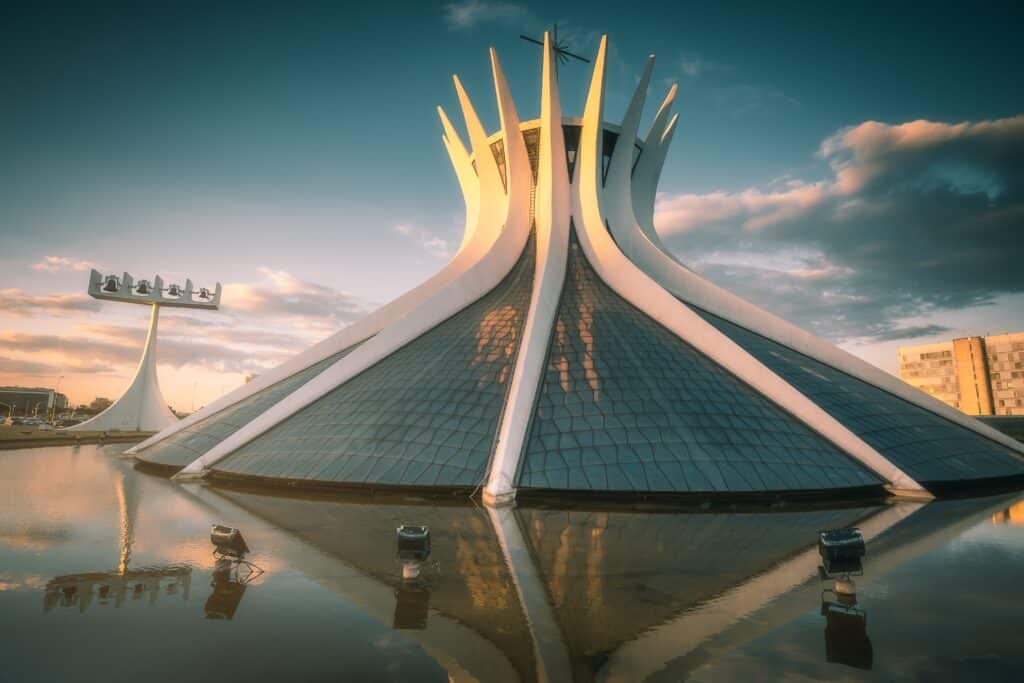
Brasília offers a calmer pace compared to older Brazilian cities. Residential areas are spacious and green, while cultural life centers around museums, theaters, and political institutions. The city’s unique design encourages exploration by car, offering expansive views and carefully composed vistas.
Though often debated for its unconventional layout, Brasília stands as a remarkable example of modern urban planning and architectural ambition. For travelers interested in design, history, and political symbolism, it is one of Brazil’s most fascinating destinations.
17. Iguazu Falls (Brazilian Side)
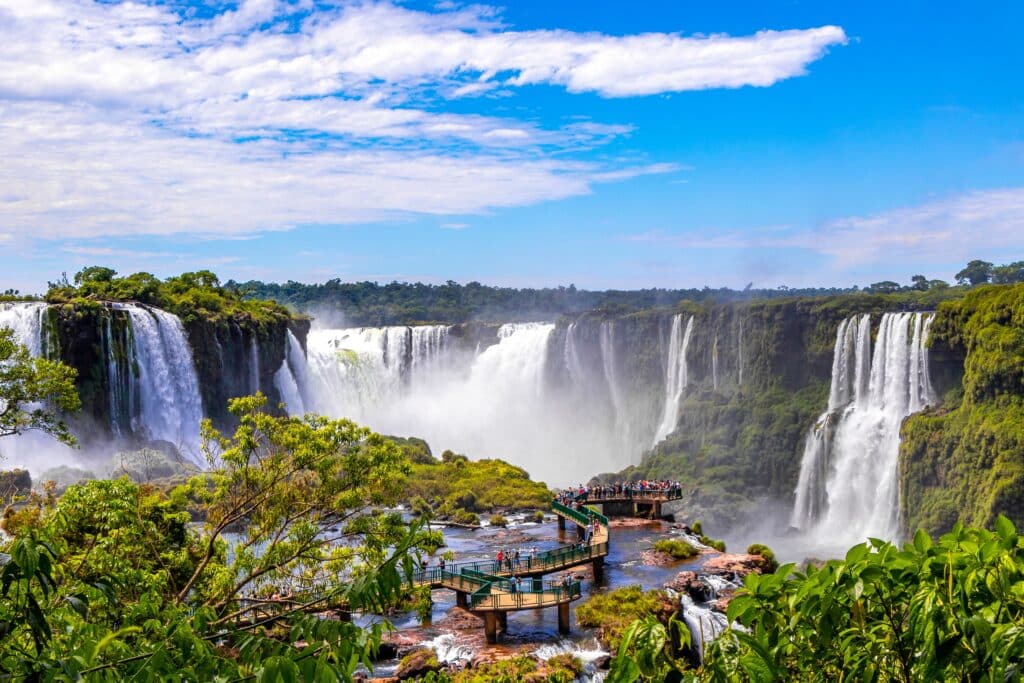
Iguazu Falls ranks among the most spectacular natural attractions in the world. Located on Brazil’s border with Argentina, the falls consist of hundreds of individual cascades stretching across a vast horseshoe-shaped cliff. The sheer scale and power of the water create an overwhelming visual and sensory experience.
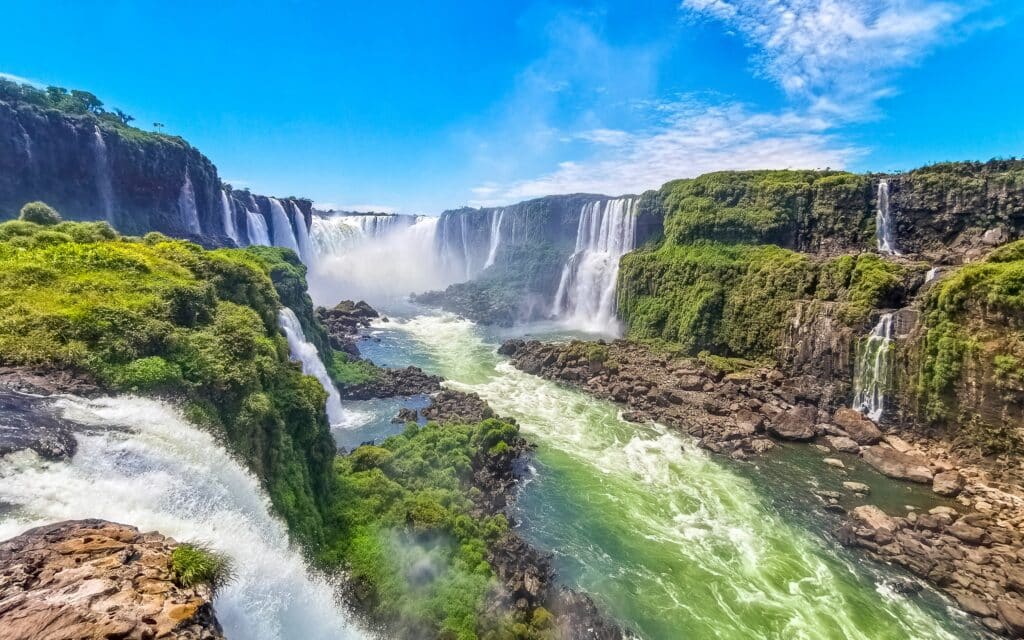
The Brazilian side offers panoramic viewpoints that reveal the full extent of the falls, making it ideal for first-time visitors. Walkways and observation platforms provide close-up views of massive torrents plunging into mist-filled gorges. The experience is immersive, with sound, spray, and movement dominating every angle.
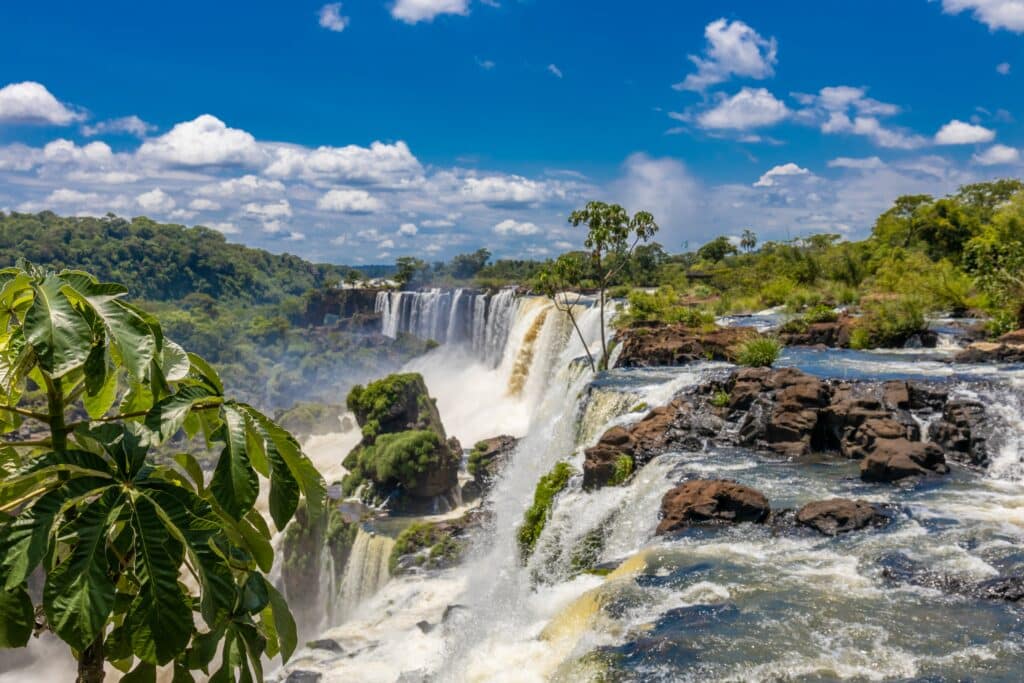
Nearby, the city of Foz do Iguaçu serves as a base for exploring the region, offering international dining, hotels, and access to nearby attractions. The area’s location at the junction of three countries adds cultural variety, with easy cross-border connections.
Iguazu Falls is not just a single viewpoint but a journey through different perspectives, each revealing new dimensions of the landscape. It stands as one of Brazil’s most awe-inspiring places and a highlight of any visit to South America.
16. Lençóis Maranhenses
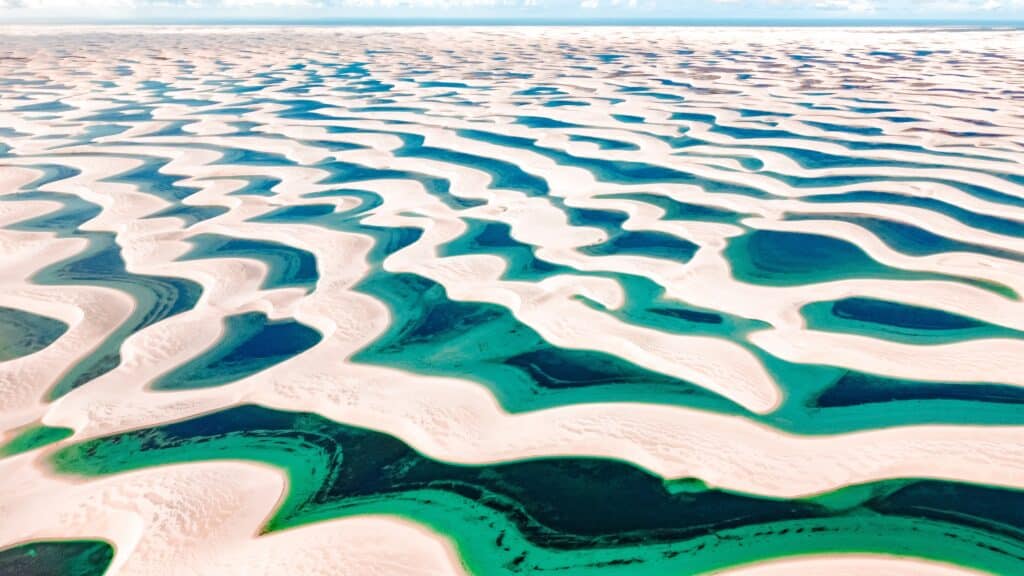
Lençóis Maranhenses is one of Brazil’s most visually striking destinations, known for its vast landscapes of rolling white dunes interspersed with seasonal lagoons. Located in the northeastern state of Maranhão, the region feels otherworldly, offering scenery unlike anywhere else in the country. The contrast between bright sand, blue water, and wide skies creates a sense of scale and openness that leaves a lasting impression.
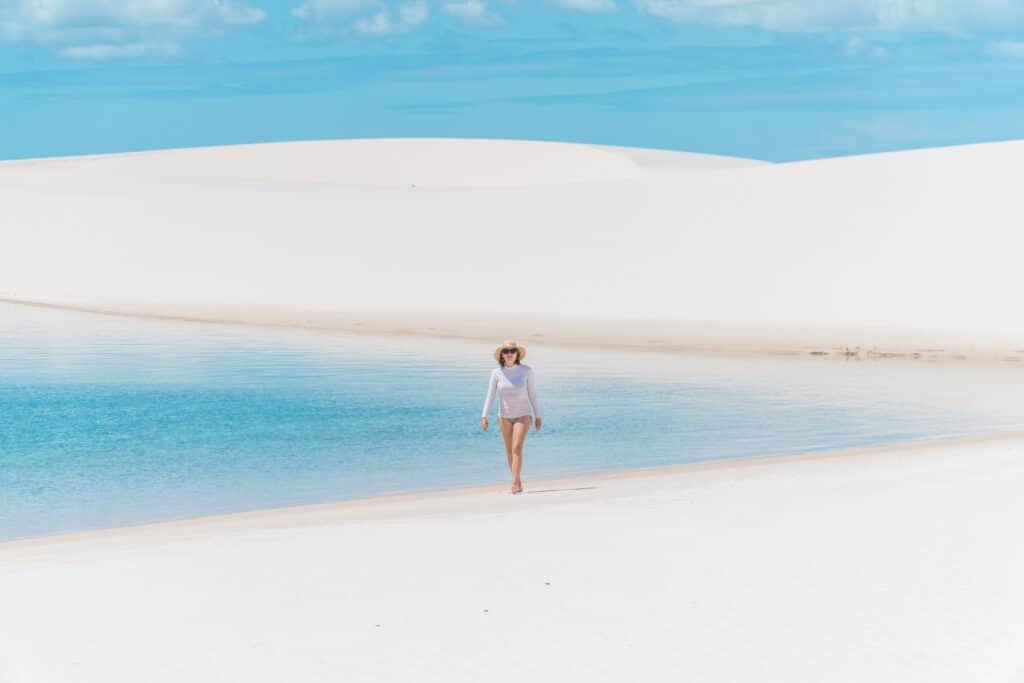
The main gateway town, Barreirinhas, serves as a base for guided excursions into the dunes using off-road vehicles. From there, visitors explore dune fields on foot, moving between lagoons and panoramic viewpoints. Walking across the soft sand reveals ever-changing patterns shaped by wind and light, making each visit feel unique. Sunrise and sunset are particularly memorable, when colors shift dramatically across the landscape.
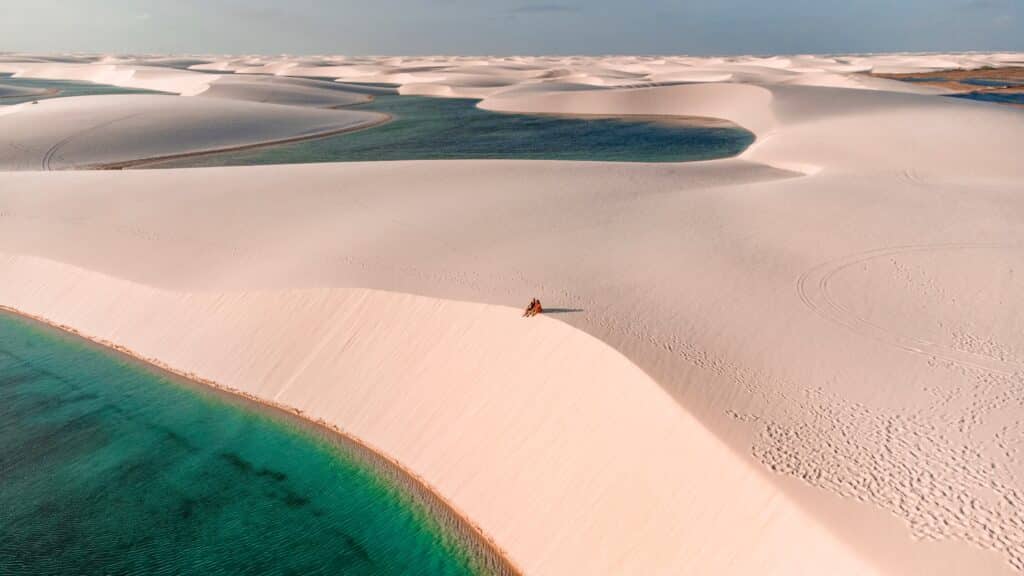
Smaller villages such as Atins provide a quieter, more laid-back experience, attracting travelers who enjoy a slower pace and simple charm. Accommodations range from rustic guesthouses to stylish boutique lodgings, often blending local materials with modern comfort.
Lençóis Maranhenses offers an experience defined by space, light, and movement rather than urban attractions. Its appeal lies in its visual impact and the feeling of exploring a vast, open terrain. For travelers seeking one of Brazil’s most distinctive and photogenic destinations, Lençóis Maranhenses stands apart as a place that feels almost surreal in its beauty.
15. Fernando de Noronha
Fernando de Noronha is Brazil’s most exclusive island destination, renowned for its dramatic coastal scenery, clear waters, and relaxed atmosphere. Located far off Brazil’s northeastern coast, the archipelago feels remote and refined, attracting travelers seeking both beauty and tranquility.
The islands are defined by rugged cliffs, crescent-shaped beaches, and striking rock formations rising from the sea. Viewpoints along coastal trails offer sweeping vistas, while beaches such as Baía do Sancho and Baía dos Porcos consistently rank among the most beautiful in the world. The water clarity enhances the visual appeal, making swimming and boating especially rewarding.
Fernando de Noronha maintains a low-key, intimate feel. Accommodations are mostly small pousadas and boutique hotels, emphasizing personalized service and understated luxury. Dining focuses on fresh seafood and Brazilian specialties, often enjoyed in casual, open-air settings.
Life on the island moves at a slower pace, encouraging visitors to disconnect and focus on simple pleasures—sunsets, scenic walks, and time by the water. Nightlife is minimal, replaced by relaxed evenings and stargazing.
Fernando de Noronha stands as a destination defined by elegance, isolation, and natural drama. Its limited access and controlled development contribute to a sense of exclusivity. For travelers seeking Brazil’s most refined island experience, it offers an unmatched combination of scenery and serenity.
14. Ouro Preto
Ouro Preto is one of Brazil’s most important historic towns, offering an immersive journey into the country’s colonial past. Located in the mountains of Minas Gerais, the town is known for its steep streets, baroque architecture, and rich artistic heritage.
Founded during the gold rush of the 18th century, Ouro Preto quickly became a center of wealth and culture. Today, its historic core remains remarkably intact, featuring ornate churches, stone bridges, and pastel-colored houses cascading down hillsides. Churches such as São Francisco de Assis are masterpieces of Brazilian baroque design, combining architecture, sculpture, and interior art.
Walking through Ouro Preto feels like stepping back in time. Narrow streets reveal hidden courtyards, small museums, and traditional shops selling local crafts. The town also has a strong student presence, giving it youthful energy alongside its historic character.
Cultural events and religious festivals play an important role in local life, adding color and ceremony to the streets throughout the year. Traditional Minas Gerais cuisine—known for hearty flavors and comfort dishes—is another highlight.
Ouro Preto offers depth rather than spectacle. Its appeal lies in atmosphere, history, and artistic detail. For travelers interested in Brazil’s colonial era and architectural heritage, it is one of the country’s most rewarding destinations.
13. Recife and Olinda
Recife and Olinda form one of Brazil’s most culturally rich urban regions, blending historic heritage with modern coastal life. Recife, the capital of Pernambuco, is a dynamic city built around rivers, bridges, and beaches, while neighboring Olinda offers one of the best-preserved colonial centers in the country.
Recife’s neighborhoods range from modern beachfront districts to historic areas featuring restored buildings and cultural institutions. The city is known for its strong musical traditions, vibrant street life, and thriving arts scene. Beaches such as Boa Viagem provide a lively urban seaside atmosphere.
Olinda, perched on hills overlooking Recife, contrasts with its colorful colonial houses, cobblestone streets, and ornate churches. The historic center is compact and walkable, offering panoramic views and countless photo opportunities. Olinda’s Carnival is among Brazil’s most famous, known for giant puppets, street parades, and participatory celebrations.
The region’s cuisine reflects northeastern flavors, with seafood, regional stews, and local desserts playing a central role. Markets, music venues, and festivals keep the area lively year-round.
Together, Recife and Olinda offer a blend of energy and tradition. They are destinations where history and contemporary culture coexist seamlessly, making the region one of Brazil’s most engaging places to explore.
12. Florianópolis
Florianópolis, often called “Floripa,” is one of Brazil’s most desirable lifestyle destinations. Located in southern Brazil, the city spans an island and mainland areas, offering a unique combination of urban life, beaches, and relaxed living.
The island features a wide range of neighborhoods, each with its own character. Some areas are lively and social, while others feel quiet and residential. The city center provides shopping, dining, and cultural venues, while coastal districts focus on beach culture and outdoor activities.
Florianópolis is known for its high quality of life, attracting both Brazilian and international residents. Cafés, restaurants, and beach bars create a laid-back atmosphere, while historic sites reflect the island’s Portuguese heritage. Traditional fishing villages coexist with modern developments, adding to the city’s charm.
The beaches vary widely in character, from calm bays ideal for swimming to long stretches favored by surfers. This diversity makes Florianópolis appealing to a broad range of travelers.
Florianópolis stands out as a place where natural beauty meets livability. It offers not just sights to see, but a way of life that many visitors find deeply appealing. For those seeking balance between city comforts and coastal living, it is one of Brazil’s top destinations.
11. Paraty
Paraty is one of Brazil’s most charming historic towns, located along the coast between Rio de Janeiro and São Paulo. Known for its exceptionally preserved colonial center, Paraty offers a rare combination of architectural heritage, coastal scenery, and cultural life. The town’s cobblestone streets, whitewashed buildings, and colorful doors create a timeless atmosphere that feels carefully suspended between past and present.
The historic center is closed to most vehicle traffic, encouraging visitors to explore on foot. Churches, small museums, artisan shops, and cafés line the streets, while traditional pousadas occupy restored colonial houses. Paraty’s layout follows a unique design, with streets that intentionally flood during high tide, reflecting the town’s original urban planning.
Cultural life is central to Paraty’s identity. The town hosts major festivals throughout the year, including a renowned international literary festival that attracts writers and thinkers from around the world. Music, art exhibitions, and local celebrations give Paraty a lively yet refined character.
The surrounding region adds depth to the experience, with scenic coastal roads, nearby islands, and countryside areas accessible by boat or short drives. Cuisine blends coastal flavors with regional Brazilian influences, often enjoyed in relaxed, candlelit settings.
Paraty appeals to travelers seeking atmosphere, history, and elegance rather than fast-paced tourism. Its carefully preserved charm and cultural vitality make it one of Brazil’s most enchanting destinations.
10. Curitiba
Curitiba is widely regarded as one of Brazil’s most thoughtfully designed cities, offering a refined urban experience distinct from the country’s larger metropolises. Located in southern Brazil, the city is known for its organization, cultural institutions, and high quality of urban life.
The city center features pedestrian-friendly streets, historic buildings, and modern architectural landmarks. Curitiba’s museums, theaters, and cultural centers are among the best in the country, with a strong emphasis on design, visual arts, and performance. The Oscar Niemeyer Museum stands out as an architectural icon and cultural hub.
Neighborhoods throughout Curitiba reflect its diverse immigrant heritage, particularly influences from Eastern Europe, Italy, and Germany. These influences appear in cuisine, festivals, and neighborhood identities. Traditional bakeries, cafés, and local markets contribute to a relaxed yet sophisticated atmosphere.
Curitiba also offers extensive public spaces, shopping districts, and a thriving restaurant scene that blends Brazilian flavors with international cuisine. The city’s efficient transportation and organized layout make it easy to explore, even for first-time visitors.
Curitiba appeals to travelers who appreciate structure, culture, and livability. It is not a city of dramatic spectacle, but one that rewards time and attention. For those interested in urban design, cultural depth, and a calm yet engaging pace, Curitiba stands among Brazil’s most underrated destinations.
9. Natal
Natal is one of northeastern Brazil’s most inviting coastal cities, offering a combination of relaxed urban life, striking scenery, and regional culture. Located at Brazil’s easternmost point, the city enjoys a bright, open atmosphere shaped by sun, sea breezes, and wide horizons.
The city’s beaches are central to daily life, with long stretches of sand lining much of the coastline. Urban beaches are lively and social, while quieter areas offer more secluded settings. Along the shore, beach bars and restaurants serve regional dishes and fresh seafood, creating a casual and welcoming dining culture.
Natal’s historic center provides insight into the city’s origins, featuring colonial-era structures and cultural landmarks. Nearby dunes and viewpoints add visual drama, offering panoramic perspectives over the city and coastline. Boat rides and excursions along the coast are popular ways to experience the surrounding scenery.
The city’s culture reflects northeastern traditions, with music, dance, and festivals playing an important role in local life. Markets showcase regional crafts and foods, while nightlife ranges from laid-back beach venues to lively music spots.
Natal is an ideal destination for travelers seeking warmth, simplicity, and scenic beauty without overwhelming crowds. Its relaxed pace, friendly atmosphere, and coastal appeal make it one of Brazil’s most accessible and enjoyable seaside cities.
8. Manaus (City Experience)
Manaus is one of Brazil’s most unusual cities, offering a striking contrast between historic grandeur and modern urban life. Located deep within northern Brazil, the city rose to prominence during the rubber boom of the late 19th and early 20th centuries, a legacy still visible today.
The city’s most iconic landmark is the Teatro Amazonas, a lavish opera house built during Manaus’s period of immense wealth. Surrounding historic districts feature ornate buildings, plazas, and markets that reflect European architectural influences blended with Brazilian character. Walking these areas reveals a city shaped by ambition, trade, and cultural exchange.
Modern Manaus is a bustling regional center, with shopping districts, riverfront areas, and a diverse population drawn from across Brazil. Markets and food stalls showcase regional flavors, while restaurants offer both traditional and contemporary cuisine.
River views play an important role in city life, with promenades and boat traffic adding movement and energy. Cultural festivals, music events, and performances highlight Manaus’s evolving identity as both historic city and modern hub.
Manaus appeals to travelers interested in history, architecture, and urban contrasts. Its unique setting and cultural legacy make it one of Brazil’s most distinctive city experiences.
7. Bonito
Bonito is one of Brazil’s most carefully curated destinations, known for its organized tourism, small-town atmosphere, and visually striking surroundings. Located in the state of Mato Grosso do Sul, Bonito offers a refined and well-managed visitor experience that sets it apart from many other Brazilian destinations.
The town itself is compact and welcoming, with tree-lined streets, local restaurants, and comfortable accommodations ranging from guesthouses to boutique lodges. Bonito’s appeal lies in the quality of experiences offered rather than urban attractions, with activities carefully scheduled and regulated through local agencies.
Day trips from Bonito lead to crystal-clear rivers, caves, and waterfalls, each accessed through guided visits that emphasize organization and safety. Floating excursions, cave tours, and scenic trails are among the most popular activities, offering memorable visual experiences.
Evenings in Bonito are relaxed and social, centered around dining and casual gatherings. Local cuisine emphasizes regional flavors and fresh ingredients, often enjoyed in open-air settings.
Bonito is ideal for travelers who appreciate structure, clarity, and high-quality experiences. Its combination of small-town charm and carefully managed attractions makes it one of Brazil’s most polished and rewarding destinations.
6. Belém
Belém is one of Brazil’s most culturally distinctive cities, serving as a historic gateway between inland regions and the Atlantic coast. Founded in the early 17th century, Belém retains strong colonial character while functioning as a lively regional capital. Its riverside location shapes daily life, commerce, and cuisine, giving the city a rhythm unlike anywhere else in Brazil.
The historic center features forts, churches, and plazas that reflect Portugal’s influence, while waterfront areas remain central gathering points. Belém is especially known for its markets, most famously the Ver-o-Peso complex, where stalls overflow with regional foods, crafts, and everyday goods. Visiting the market offers an immersive introduction to local flavors and traditions.
Food is one of Belém’s greatest attractions. Restaurants and street vendors showcase distinctive regional dishes rarely found elsewhere in the country. Dining is deeply social, with meals reflecting long-standing culinary traditions passed down through generations.
Cultural life thrives through music, festivals, and religious celebrations, particularly large annual events that draw visitors from across Brazil. Museums and cultural centers provide insight into the city’s history and evolving identity.
Belém offers a rich, layered experience that feels rooted and authentic. For travelers interested in history, cuisine, and regional culture, it is one of Brazil’s most rewarding urban destinations.
5. São Luís
São Luís is one of Brazil’s most visually distinctive historic cities, renowned for its extensive collection of colonial buildings decorated with traditional Portuguese tiles. Located on an island along Brazil’s northern coast, the city offers a unique blend of European architecture and Afro-Brazilian cultural expression.
The historic center, a UNESCO-listed area, features hundreds of preserved buildings with ornate façades, balconies, and tiled exteriors. Walking its streets reveals churches, mansions, and public squares that reflect the city’s colonial past. Restoration efforts have helped maintain the area’s historic character while introducing cultural venues and cafés.
Music and dance are central to São Luís’s identity. The city is considered the birthplace of several important musical traditions, which are celebrated through festivals and street performances. These cultural expressions give the city a lively, participatory atmosphere.
Local cuisine reflects regional flavors and traditions, with seafood and regional ingredients playing prominent roles. Dining is often informal and social, emphasizing shared plates and relaxed settings.
São Luís appeals to travelers who appreciate architecture, history, and cultural authenticity. Its strong sense of place and preserved urban fabric make it one of Brazil’s most atmospheric historic cities.
4. Gramado
Gramado is one of Brazil’s most unusual destinations, known for its European-inspired architecture, alpine atmosphere, and polished tourism infrastructure. Located in the southern state of Rio Grande do Sul, the town feels more like a small mountain resort than a typical Brazilian city.
The town’s streets are lined with timber-framed buildings, manicured gardens, and decorative streetlights, creating a storybook setting. Gramado’s appeal is especially strong during cooler months, when its cozy cafés, chocolate shops, and wine bars come to life. Seasonal festivals draw visitors from across the country, particularly during winter and holiday periods.
Dining is a highlight, with restaurants specializing in fondue, grilled meats, and European-influenced cuisine. Chocolate factories and specialty shops add to the town’s distinctive character. Gramado also offers theaters, museums, and entertainment venues designed to appeal to families and couples alike.
The surrounding region provides scenic drives and neighboring towns that complement Gramado’s resort-like atmosphere. Well-maintained infrastructure and attention to detail contribute to a smooth and comfortable visitor experience.
Gramado stands apart as a destination of charm and escapism. For travelers seeking a refined, cozy retreat with a European feel, it is one of Brazil’s most unique places.
3. Porto Alegre
Porto Alegre is the capital of Rio Grande do Sul and a city shaped by strong regional identity and intellectual life. Positioned along the shores of a large inland lake, the city blends urban sophistication with a relaxed southern Brazilian character.
The city center features historic buildings, public markets, and cultural institutions that reflect Porto Alegre’s long-standing role as a political and cultural hub. Museums, theaters, and bookstores contribute to an active intellectual scene, while cafés and public spaces encourage conversation and social life.
Porto Alegre’s neighborhoods offer varied experiences, from traditional districts to modern areas filled with restaurants and nightlife. The city is known for its appreciation of good food, particularly grilled meats and local culinary traditions enjoyed in social settings.
Waterfront areas provide scenic promenades and gathering spots, especially popular at sunset. Cultural events, music performances, and local festivals add energy throughout the year.
Porto Alegre appeals to travelers interested in culture, conversation, and regional identity. It is a city best experienced slowly, through neighborhoods, food, and shared social spaces.
2. João Pessoa
João Pessoa is one of Brazil’s most underrated coastal cities, offering a relaxed atmosphere, historic charm, and beautiful urban beaches. Located in northeastern Brazil, the city combines a compact historic center with modern seaside neighborhoods.
The old town preserves colonial buildings, churches, and public squares that reflect centuries of history. Cultural institutions and restored architecture provide insight into the city’s past while maintaining a calm, welcoming feel. The waterfront area is a focal point of daily life, with promenades, cafés, and beachside restaurants.
João Pessoa is known for its peaceful rhythm and sense of balance. Unlike larger coastal cities, it avoids congestion while still offering excellent dining, nightlife, and cultural activities. Music, particularly regional styles, plays an important role in the city’s identity.
Beaches are easily accessible and integrated into the urban fabric, making them part of everyday routines rather than separate tourist zones. Evening strolls along the shore are a common local tradition.
João Pessoa is ideal for travelers seeking a slower-paced coastal city with authenticity and charm. Its combination of history, livability, and scenic setting makes it a fitting conclusion to Brazil’s best places.
1. Rio de Janeiro
Rio de Janeiro is Brazil’s most iconic city, famous for its dramatic setting between mountains, sea, and urban neighborhoods. Few places in the world combine natural spectacle and city life as seamlessly as Rio, where beaches, hills, and dense urban districts coexist in constant motion. The city’s visual identity—curving coastline, granite peaks, and colorful neighborhoods—creates an immediate and unforgettable impression.
The beaches of Copacabana and Ipanema function as social centers, where daily life unfolds through sports, music, and casual gatherings. Inland, neighborhoods such as Santa Teresa preserve historic architecture, winding streets, and artistic communities, offering contrast to the modern high-rises along the shore. Rio’s cultural life is deeply tied to music and celebration, most famously expressed through Carnival, which transforms the city into a massive open-air festival.
Landmarks define the skyline and shape the visitor experience. Panoramic viewpoints reveal the city’s scale and geography, while historic districts reflect colonial and imperial periods. Museums, theaters, and cultural institutions showcase Brazil’s artistic heritage, while nightlife ranges from traditional samba venues to contemporary clubs.
Rio de Janeiro is more than a postcard city—it is a place of intense energy, creativity, and contrasts. Its ability to combine beauty, culture, and urban vitality makes it one of the most compelling destinations not only in Brazil but worldwide.