
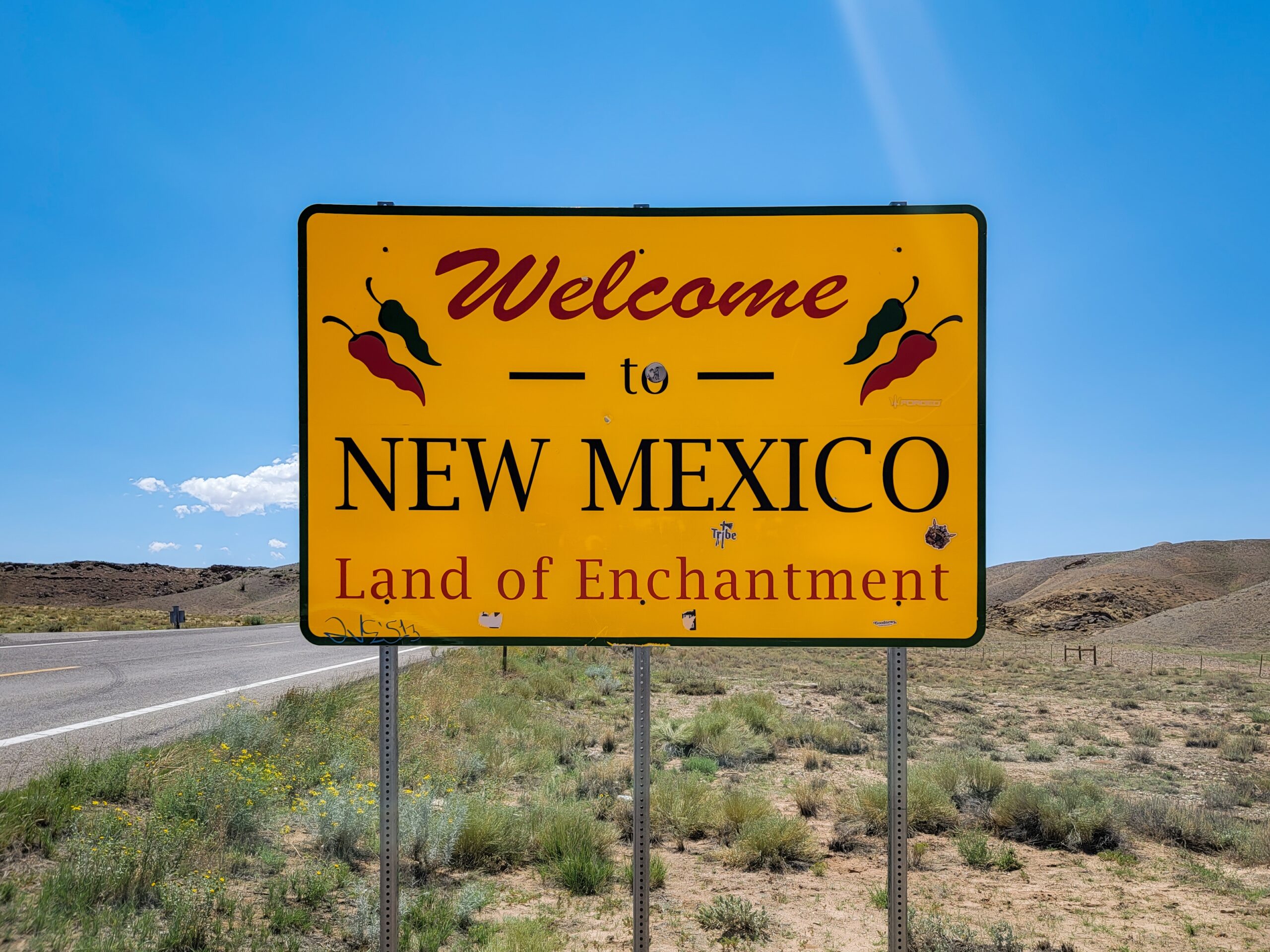
New Mexico is not a place that reveals itself quickly. It is a land shaped by time rather than speed, where vast distances encourage patience and silence carries meaning. Here, the American West meets something older, deeper, and more complex—a convergence of Indigenous civilizations, Spanish colonial legacy, and modern frontier spirit that resists simplification.
The landscape itself is elemental. High desert stretches beneath immense skies, punctuated by volcanic fields, red rock mesas, and snowcapped mountains rising unexpectedly from arid plains. Light behaves differently here—clear, sharp, and transformative—giving the land a sense of constant revelation. Sunrise and dusk feel ceremonial, marking time more than hours ever could.
Culture in New Mexico is inseparable from place. Pueblo communities have lived on this land for centuries, maintaining traditions that remain vibrant and lived rather than preserved. Spanish influence endures in language, architecture, and faith, layered seamlessly with Native and Anglo histories. Rather than competing, these identities coexist in quiet complexity.
New Mexico’s cities and towns are defined not by scale, but by character. Adobe structures, earth-toned streetscapes, and deep artistic traditions foster an atmosphere of continuity. Creativity flourishes here—not as spectacle, but as necessity—expressed through painting, weaving, music, and storytelling rooted in land and memory.
Above all, New Mexico offers space: physical, emotional, and spiritual. It invites contemplation rather than consumption. Those who come seeking spectacle may be surprised; those who come seeking depth often find themselves changed. The state’s true power lies not in what it shows immediately, but in what it allows one to feel slowly.
16. Santa Fe — Where History Breathes
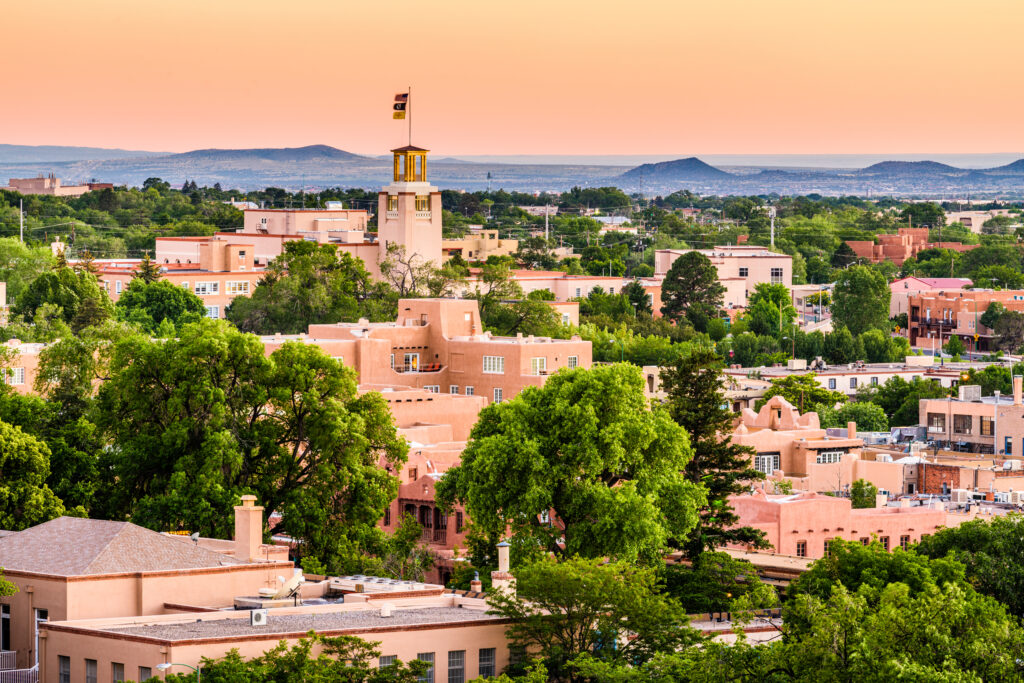
Santa Fe stands apart from any other American capital. At over four hundred years old, it is the oldest state capital in the United States, yet it feels neither static nor antiquated. Instead, Santa Fe exists in a state of quiet continuity, where history remains present, breathing through adobe walls and sunlit plazas.
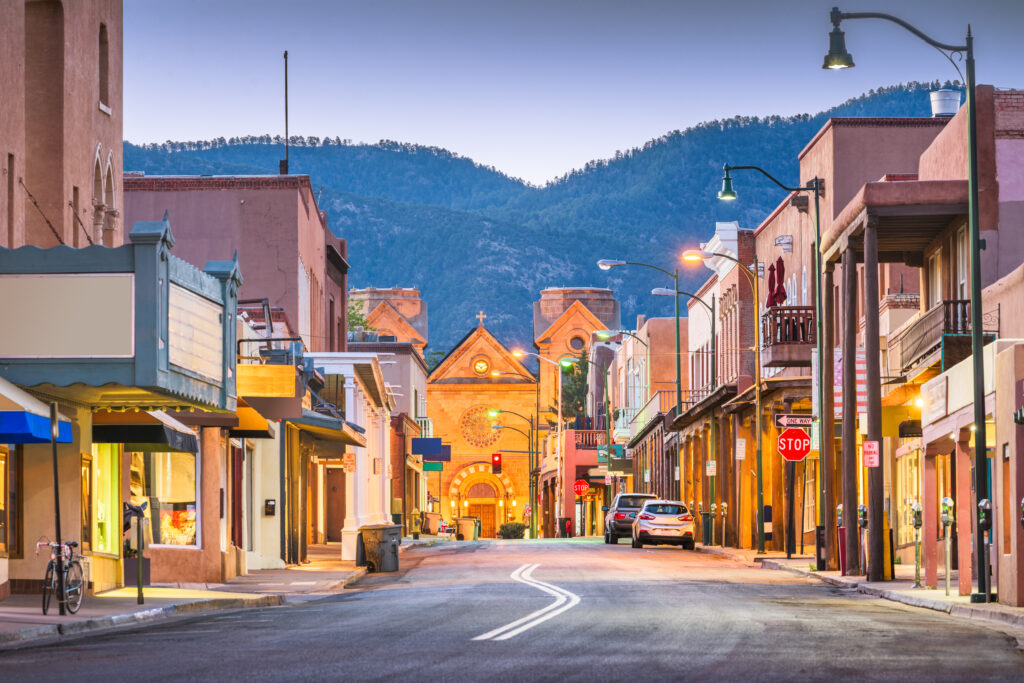
Architecture defines the city’s character. Earth-toned buildings rise low against the horizon, honoring traditional Pueblo and Spanish forms. This aesthetic is not nostalgic imitation but civic commitment, enforced by design codes that preserve visual harmony. As a result, Santa Fe feels unified—rooted in place rather than trend.
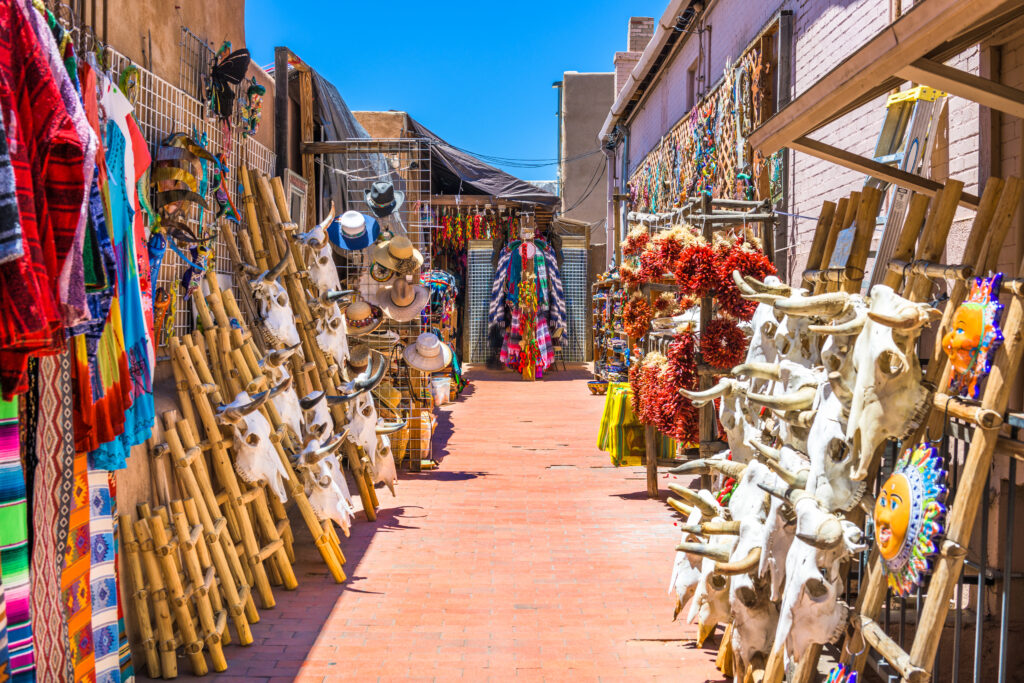
Cultural life here is profound. Museums, galleries, and performance spaces reflect centuries of artistic exchange. Native American craftsmanship, Hispanic traditions, and modern experimentation coexist naturally, creating a city where creativity feels inherited rather than manufactured.
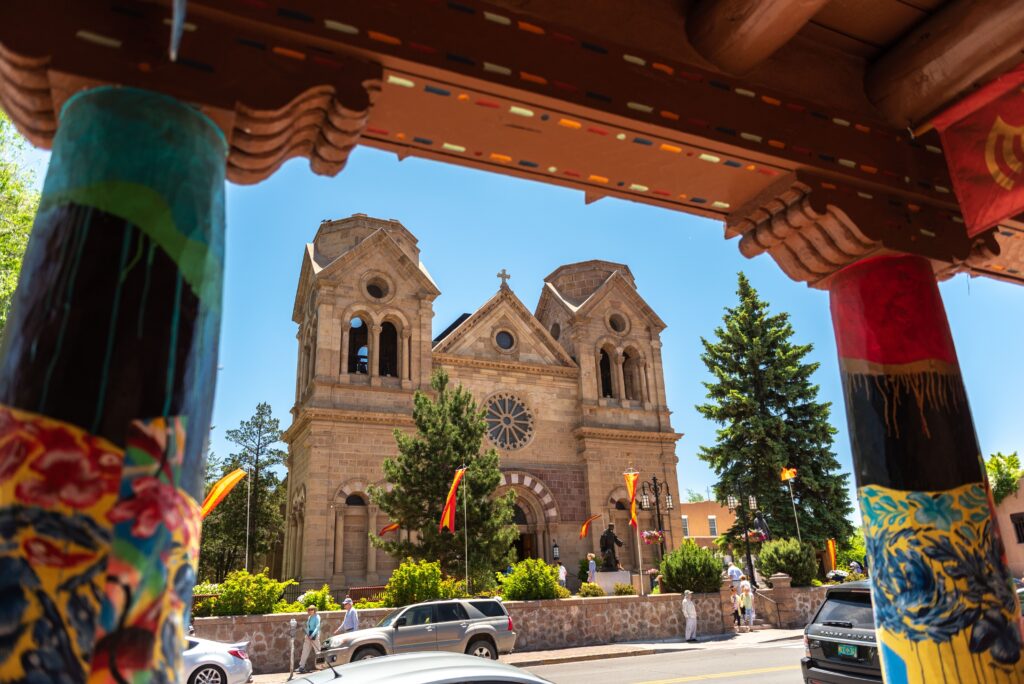
The Plaza remains the city’s symbolic heart. It is a gathering place rather than monument, hosting markets, ceremonies, and daily life. Surrounding streets unfold gently, inviting wandering rather than urgency.
Santa Fe’s elevation and surrounding mountains shape its rhythm. Seasons are distinct; winters bring snow and clarity, summers offer dramatic skies and evening storms. Nature is never distant, reinforcing the city’s balance between settlement and landscape.
Santa Fe is not a city that demands attention—it rewards attentiveness. It asks visitors to slow down, to notice texture, shadow, and story. In doing so, it reveals itself as one of the most quietly powerful places in the American Southwest.
15. Taos — Edge of Earth and Spirit
Taos occupies a threshold—geographically, culturally, and emotionally. Situated where desert meets mountain, it is a place defined by contrast. The Sangre de Cristo Mountains rise abruptly behind the town, while the surrounding plateau stretches wide and spare, creating a sense of both enclosure and exposure.
The town’s heart lies in Taos Pueblo, a UNESCO World Heritage Site and one of the oldest continuously inhabited communities in North America. Its multi-story adobe structures stand as living architecture, not relics, embodying centuries of adaptation and spiritual continuity. The presence of the Pueblo anchors Taos with authority and humility.
Taos has long attracted artists, writers, and seekers. The light, clarity of air, and dramatic landscape foster introspection and expression. Yet Taos resists romanticization. Its beauty is stark, its winters severe, its culture rooted in resilience rather than fantasy.
The Rio Grande Gorge cuts a dramatic path nearby, its depth hidden until suddenly revealed. Standing at its edge reinforces Taos’s emotional geography—beauty paired with gravity, openness with consequence.
Taos is not gentle, but it is honest. It offers no polish, only presence. Those who linger often find that its power lies not in what it promises, but in what it demands: attention, respect, and patience.
14. Albuquerque — River, Desert, and Renewal
Albuquerque stretches wide beneath the Sandia Mountains, its scale reflecting both geography and ambition. Bisected by the Rio Grande, the city exists in dialogue with water in a desert landscape—a relationship that has shaped settlement here for centuries.
The river corridor provides life and contrast. Cottonwood forests line its banks, creating a green artery through an otherwise arid cityscape. This ribbon of shade and movement anchors Albuquerque physically and symbolically.
The city’s neighborhoods reflect layered history. Old Town preserves Spanish colonial roots, while surrounding districts reveal postwar expansion and contemporary reinvention. Albuquerque’s identity is not singular—it is composite, shaped by Native, Hispanic, and Anglo influences.
The Sandia Mountains rise sharply to the east, shifting color throughout the day. Their presence defines the city’s horizon and offers immediate access to elevation, snow, and perspective. From above, Albuquerque reveals its scale and openness—urban life held lightly within vast land.
Culturally, Albuquerque balances practicality and creativity. It is a working city with deep artistic undercurrents, expressed in festivals, cuisine, and everyday ritual. The annual Balloon Fiesta captures this spirit perfectly—spectacle rooted in landscape rather than excess.
Albuquerque embodies modern New Mexico: expansive, layered, and evolving, yet deeply grounded in land and history.
13. White Sands National Park — Motion in Stillness
White Sands defies logic. Vast dunes of pure gypsum rise and fall across the desert, their color shifting with the sun from brilliant white to soft rose and blue-gray. Unlike sand elsewhere, gypsum reflects light rather than absorbing it, creating a landscape that feels luminous and weightless.
Movement defines the park, though nothing appears to move. Winds reshape the dunes constantly, erasing footprints within hours. What remains is impermanence made visible—a reminder that landscapes, like lives, are never fixed.
The silence here is profound. Sound seems absorbed by the dunes, heightening awareness of wind, breath, and space. The horizon dissolves, creating a sense of scale that disorients and humbles.
Despite appearances, White Sands is alive. Plants and animals have adapted with ingenuity, evolving lighter coloration and nocturnal habits. Life persists quietly, in rhythm with an environment that demands adaptation.
White Sands is not dramatic in the conventional sense. There are no cliffs or forests, no obvious landmarks. Its power lies in abstraction—space reduced to form and light. Visitors often leave changed, not because they saw something grand, but because they experienced stillness so complete it felt transformative.
12. Chaco Culture National Historical Park — Geometry of the Sacred
Chaco Canyon is not merely a ruin; it is a proposition. Set within a stark, high-desert basin, its monumental great houses rise with mathematical precision, aligned to celestial events and cardinal directions. The effect is unsettling and awe-inspiring—architecture as cosmology, stone as scripture.
Between the ninth and twelfth centuries, Chaco was a cultural and ceremonial center of extraordinary reach. Roads extended outward for miles in straight, improbable lines, connecting distant communities across unforgiving terrain. These were not paths of convenience, but of intention—routes that bound a region through ritual, trade, and shared belief.
Standing before Pueblo Bonito, the largest great house, one senses deliberateness at every scale. Walls several stories high were constructed without mortar, yet remain intact centuries later. Doorways frame the sky; windows track the sun and moon. Nothing here was accidental.
The canyon itself is austere. Vegetation is sparse, water scarce. This severity heightens the power of what was achieved. Chaco’s builders imposed order not by dominating the land, but by aligning with forces larger than themselves—time, movement, and light.
Chaco asks visitors to slow down. To walk its plazas is to enter a silence heavy with meaning. Modern interpretations fall short; the canyon resists simplification. It remains a place of reverence for Pueblo peoples today, reminding us that history is not finished, only layered.
11. Ruidoso & Lincoln National Forest — Mountain Refuge and Memory
Ruidoso rests within the forested folds of the Sierra Blanca, offering a counterpoint to New Mexico’s deserts. Pines replace scrub, streams replace arroyos, and cool air reshapes the rhythm of days. It is a place of retreat, long favored by those seeking altitude and respite.
The surrounding Lincoln National Forest spreads across varied elevations, supporting wildlife, wildflowers, and winding trails. In summer, the mountains hum with quiet recreation; in winter, snow transforms the landscape into one of stillness and contrast.
Ruidoso’s identity is inseparable from its surroundings. The town feels provisional, shaped by seasons and visitors, yet anchored by long-standing local traditions. Its pace encourages lingering—slow walks, long meals, conversations that stretch into evening.
Nearby Lincoln carries historical weight. Once home to Billy the Kid, the village preserves a rough-edged chapter of the American frontier. History here feels tangible, unpolished, and unresolved.
Together, Ruidoso and Lincoln National Forest reveal New Mexico’s softer side—one defined not by severity, but by shelter. They remind visitors that the state’s identity is not singular, but layered, shifting with elevation and memory.
10. The Gila Wilderness — Where the Wild Remains
The Gila Wilderness is one of the last truly untamed places in the continental United States. Designated as the nation’s first wilderness area, it remains largely roadless, uncompromised, and defiantly wild.
Here, mountains fold into canyons carved by clear rivers, and forests give way to grasslands and cliffs. The terrain is demanding, the distances deceptive. Travel is slow, deliberate, and deeply immersive.
Ancient cliff dwellings cling to canyon walls, remnants of the Mogollon culture. Reaching them requires effort, reinforcing their sacred isolation. These structures feel earned rather than displayed, discoveries rather than attractions.
Wildlife moves freely—elk, deer, mountain lions—unconstrained by fences or boundaries. Silence dominates, broken only by wind, water, and the occasional call of a bird. The wilderness enforces humility.
The Gila does not cater to convenience. It offers no shortcuts, no guarantees. What it gives instead is presence—a rare opportunity to experience land on its own terms. In an era of constant connectivity, the Gila stands as a refuge for those willing to step away and listen.
9. Bandelier National Monument — Stone, Fire, and Memory
Bandelier National Monument unfolds across a dramatic landscape of volcanic tuff, where cliffs have been carved by both wind and human hands. Here, the Ancestral Pueblo people shaped their homes directly into the canyon walls, creating dwellings that feel inseparable from the stone itself.
Ladders lead upward into small alcoves hollowed from soft rock, while ceremonial kivas lie recessed into the canyon floor. These spaces speak quietly of daily life—cooking, gathering, worship—activities carried out in harmony with a demanding environment. The cliff dwellings are not monumental in scale, yet their ingenuity is profound.
Frijoles Canyon forms the heart of Bandelier, its cottonwoods and seasonal creek offering a ribbon of green amid rugged terrain. Trails follow ancient paths, guiding visitors past petroglyphs etched into dark basalt—symbols whose meanings are partially lost but deeply evocative.
What distinguishes Bandelier is its balance of accessibility and reverence. While well-preserved and thoughtfully interpreted, it resists feeling overly curated. The land remains central, asserting its presence alongside human history rather than serving merely as a backdrop.
Bandelier invites reflection on impermanence. The stone endures; cultures rise and move on. Walking these trails becomes an act of listening—one that asks visitors to slow down and consider how deeply place shapes identity.
8. Silver City — Frontier Grit and Creative Renewal
Silver City was born of mining and survival, its streets shaped by ambition, hardship, and sudden fortune. Today, it wears its past openly while embracing a quieter renaissance rooted in art, education, and community.
Once a boomtown fueled by silver veins in the surrounding mountains, the city retains a rugged independence. Victorian storefronts line the historic district, now housing galleries, cafés, and small theaters. The past is not polished away but woven into daily life.
Western New Mexico University lends the town an intellectual pulse, attracting students, writers, and musicians who bring fresh energy without erasing the city’s character. Murals bloom on brick walls, festivals fill the streets, and creativity finds space to grow.
Just beyond town, the Gila National Forest stretches outward, offering access to wilderness, hot springs, and ancient ruins. This proximity to wildness shapes Silver City’s rhythm—adventurous by day, reflective by night.
Silver City thrives on authenticity. It does not reinvent itself for visitors; instead, it invites them into a living narrative. The result is a place that feels grounded, resilient, and quietly hopeful—a testament to reinvention without forgetting.
7. The Very Large Array — Listening to the Universe
On the wide plains of the San Agustin Basin, the Very Large Array (VLA) appears almost surreal. Dozens of massive radio telescopes stretch across the landscape, their white dishes turning silently toward the sky. It is a place where science meets vastness.
Each antenna stands over eighty feet tall, yet against the open horizon they seem both imposing and strangely delicate. Together, they form one of the world’s most powerful astronomical observatories, capable of detecting radio waves from distant galaxies, black holes, and cosmic events billions of years old.
The choice of location was deliberate. The basin’s isolation minimizes interference, creating an ideal environment for listening rather than seeing. Unlike optical telescopes, the VLA reveals an invisible universe—signals that pass unnoticed through everyday life.
Visitors are welcome, and the experience is unexpectedly poetic. Walking among the dishes, one senses humanity’s quiet curiosity, our desire to understand forces far beyond our scale. The land remains dominant, the sky immense.
The VLA embodies a modern kind of spirituality—one rooted in inquiry rather than belief. It reminds us that New Mexico’s sense of mystery extends outward as well as inward, connecting ancient land to the furthest reaches of the cosmos.
6. Carlsbad Caverns — The Cathedral Beneath the Desert
Beneath the sun-scorched Chihuahuan Desert lies one of the most astonishing landscapes in North America. Carlsbad Caverns descends into darkness not as a void, but as a vast underground cathedral sculpted by time, water, and chemistry.
Entering the cavern is a slow surrender to scale. The natural entrance spirals downward, revealing chambers that grow steadily larger until the sense of proportion dissolves entirely. Stalactites hang like frozen chandeliers, while stalagmites rise from the floor as if summoned from the earth itself.
The Big Room—one of the largest cave chambers in the world—feels almost unreal. Walking its trails, visitors move through silence broken only by the echo of footsteps and distant dripping water. Every formation tells a story measured in millennia, not moments.
At dusk, the caverns briefly return to the surface world as thousands of bats spiral into the evening sky, an ancient ritual linking underground mystery to open desert air. It is a reminder that even the most hidden places are connected to life above.
Carlsbad Caverns humbles without overwhelming. It offers wonder without spectacle, inviting awe rooted in patience and deep time.
5. Las Cruces & the Organ Mountains — Where Desert Meets Sky
Las Cruces rests at the edge of dramatic contrast, where the fertile Rio Grande Valley meets the jagged silhouette of the Organ Mountains. The city’s character is shaped by this meeting of softness and severity.
At its heart lies a relaxed, sunlit rhythm. Historic Mesilla Plaza anchors the region’s cultural memory, with adobe buildings, shaded arcades, and a deep sense of continuity. Life here moves deliberately, attentive to heat, light, and tradition.
The Organ Mountains rise abruptly east of town, their sharp peaks forming a natural skyline that feels both protective and forbidding. Trails lead into canyons scented with creosote and juniper, offering hikers sudden elevation and breathtaking views across the desert basin.
Las Cruces balances heritage with forward motion. New Mexico State University brings energy and innovation, while farmers’ markets, local vineyards, and art spaces maintain a strong sense of place.
This is a city that understands space—not as emptiness, but as freedom. It invites residents and visitors alike to breathe deeper, look farther, and live more expansively.
4. Chimayó — Faith, Earth, and Endurance
Tucked into the foothills of northern New Mexico, Chimayó feels suspended between worlds. Small, quiet, and deeply spiritual, it is best known as one of the most sacred pilgrimage sites in North America.
The Santuario de Chimayó stands unassumingly among cottonwoods and fields, its adobe walls blending seamlessly into the land. Inside, pilgrims gather around a small pit of earth believed to possess healing power—a belief carried across centuries.
Chimayó’s spirituality is inseparable from its soil. This is farming country, where red chile fields glow in autumn and generations have worked the same land. The rhythm of planting and harvest mirrors the rhythms of prayer and tradition.
Beyond faith, Chimayó preserves remarkable craftsmanship. Local weaving traditions produce intricate textiles dyed with natural pigments, patterns echoing both Spanish and Indigenous influences.
Chimayó resists spectacle. Its power lies in intimacy, humility, and continuity. It offers a vision of New Mexico rooted not in grandeur, but in devotion—to land, memory, and the quiet persistence of belief.
3. Truth or Consequences — Healing Waters and Desert Stillness
Truth or Consequences occupies a unique place in New Mexico’s cultural imagination. Named after a 1950s radio show, the town carries a sense of playful eccentricity layered over something far older: a deep relationship with water, heat, and healing.
The Rio Grande curves gently through the town, sustaining life in a landscape otherwise shaped by aridity. Natural hot springs have drawn people here for centuries, long before the town acquired its modern name. Today, bathhouses line the riverbank, offering mineral-rich waters in quiet, contemplative spaces where time seems to slow.
Unlike spa towns built for spectacle, Truth or Consequences remains unpolished and sincere. Murals, modest galleries, and desert gardens reflect a community that values creativity without pretension. Evenings arrive softly, with pastel skies and a stillness broken only by birdsong or wind.
Beyond town, Elephant Butte Lake opens into wide horizons, its shimmering surface contrasting with the surrounding volcanic hills. The landscape encourages introspection—long walks, unhurried conversations, and a reconnection with physical and emotional balance.
Truth or Consequences offers restoration not through luxury, but through simplicity. It reminds visitors that healing often comes from quiet immersion rather than dramatic transformation.
2. Taos Plateau & Rio Grande Gorge — Where Earth Breaks Open
North of Taos, the land reveals one of New Mexico’s most striking geological features: the Rio Grande Gorge. Carved deep into volcanic basalt, the gorge cleaves the plateau with sudden, dramatic force.
Standing at its rim, the vastness is startling. The river far below appears almost delicate, winding through sheer rock walls that tell a story of erosion, eruption, and unimaginable time. The Taos Plateau stretches outward in all directions, a high desert plain shaped by ancient lava flows.
Despite its starkness, the region hums with life. Raptors ride thermals above the canyon, while pronghorn antelope roam the open grasslands. Silence dominates, broken occasionally by wind or the distant rush of water.
Nearby, Taos itself reflects the plateau’s creative magnetism. Artists, writers, and seekers have long been drawn to this threshold between elevation and emptiness. The landscape fosters both humility and inspiration.
The gorge does not invite conquest; it demands reverence. It is a place that reminds visitors how small human presence is within the vast narrative of the earth.
1. Hobbs & the Southeastern Plains — Industry, Grit, and Open Horizons
In southeastern New Mexico, the landscape flattens into broad plains where sky dominates land. Hobbs rises from this openness as a city shaped by resilience, industry, and frontier pragmatism.
The region’s economy has long been tied to oil, gas, and agriculture, industries that demand endurance and adaptability. Hobbs reflects this working character in its straightforward architecture, strong community institutions, and deep sense of local pride.
Yet beneath the utilitarian exterior lies a quieter richness. Nearby sand dunes ripple under the wind, while grasslands stretch toward the Texas border in endless variation of color and light. Sunsets here feel immense, filling the horizon with fire and shadow.
Hobbs also plays an important cultural role, housing museums, performing arts spaces, and educational centers that anchor life in the region. The city serves as a crossroads between New Mexico and the Southern Plains, blending influences from both.
This corner of the state tells a different New Mexico story—one of perseverance rather than romance, effort rather than mysticism. It completes the portrait of a state defined by contrast, depth, and enduring spirit.