
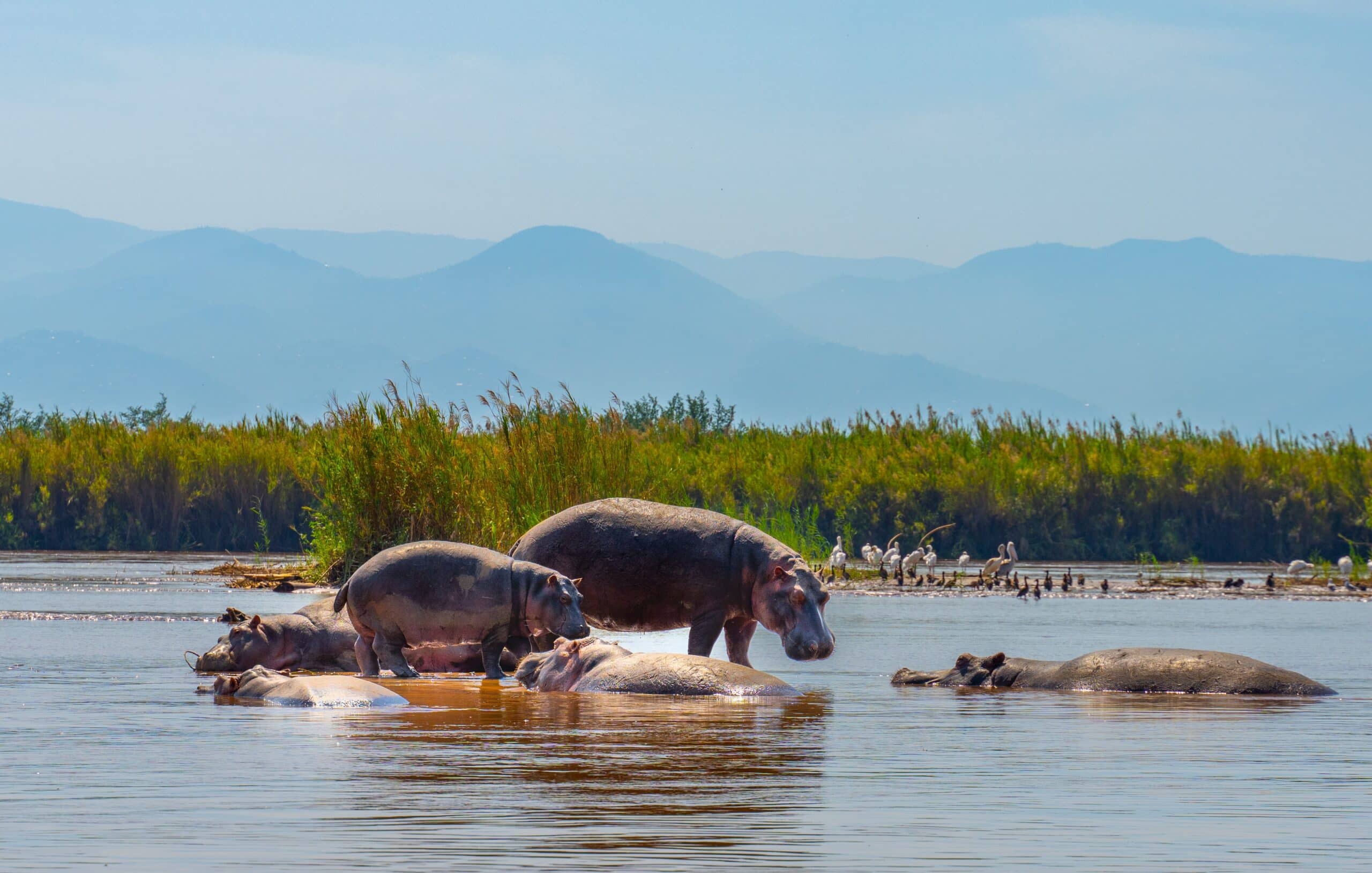
Burundi sits at the heart of Africa’s Great Lakes region, defined by elevation, water, and compressed space. Though small in area, the country’s geography is dense with variation. Hills rise quickly from the shores of Lake Tanganyika, folding the land into ridges, valleys, and plateaus that shape how people live, move, and understand distance.
The western edge is anchored by Lake Tanganyika, one of the world’s deepest freshwater bodies. Its presence moderates climate, supports fishing and trade, and draws settlements toward its long shoreline. From the lake, the land climbs sharply into highlands, where cooler temperatures and fertile soils favor agriculture. Geography here is vertical rather than expansive. Elevation replaces distance as the defining measure.
Burundi’s hills dominate perception. Roads curve and climb, villages cling to slopes, and fields are carved carefully into gradients. The land does not allow excess sprawl. Settlement is intimate, shaped by terrain that requires negotiation rather than force. Geography encourages closeness—between homes, between people, between daily labor and land.
Rainfall is generous but uneven, reinforcing attentiveness to season and slope. Soil fertility sustains dense rural populations, yet erosion remains a constant concern, reminding communities of the land’s fragility. Burundi’s geography rewards care and punishes neglect.
There is no sharp divide between urban and rural here. Even the capital reflects its surroundings, shaped by hills and proximity rather than dominance. Movement across Burundi is slow not because of resistance, but because geography insists on awareness.
To move through Burundi is to move vertically, rhythmically, and deliberately. Each destination reveals how land shapes endurance in close quarters. This section approaches Burundi through places that reflect its compressed scale and elevated character, offering entry into a country where geography concentrates meaning rather than dispersing it.
15. Bujumbura
Bujumbura sits along the northeastern shore of Lake Tanganyika, where Burundi’s steep highlands descend abruptly into water. Geography defines the city through contrast. Behind it, hills rise quickly; before it, the lake stretches vast and deep. The city exists in compression between elevation and expanse.
Lake Tanganyika moderates climate and shapes daily rhythm. Fishing, transport, and shoreline trade orient life toward water, while inland hills influence settlement density and movement. Geography restricts outward sprawl, encouraging linear growth along the lakeshore rather than broad expansion.
Movement in Bujumbura reflects this constraint. Roads follow the narrow band between slope and water, reinforcing awareness of limits. The city does not dominate its landscape; it negotiates with it. Hills remain present in every direction, shaping visibility and orientation.
Bujumbura inspires through immediacy. Geography allows no abstraction. Land and water assert themselves daily, reminding inhabitants of dependence on both. The city’s character emerges from this balance—neither fully maritime nor fully highland.
As Burundi’s primary urban center, Bujumbura demonstrates how geography can concentrate significance without scale. Its importance comes from position rather than size. Here, land compresses experience, teaching that identity can form powerfully where geography insists on proximity, restraint, and continuous engagement with place.
14. Gitega
Gitega lies in Burundi’s central highlands, where elevation defines climate, agriculture, and pace. Geography here is steady and enclosed. Hills surround the city, creating a sense of containment that shapes movement and settlement.
Cooler temperatures and fertile soils support farming across surrounding slopes. Fields are carefully carved into gradients, reinforcing attentiveness to land. Geography rewards patience and maintenance rather than speed or expansion.
Gitega’s position encourages balance. Roads connect outward, but the city remains inwardly focused, drawing strength from its agricultural hinterland. Geography discourages sprawl, keeping development compact and legible.
Gitega inspires through grounded continuity. The land supports endurance by offering predictability without ease. Elevation moderates extremes, allowing life to proceed deliberately.
The city teaches that centrality does not require dominance. Gitega’s importance emerges from stability shaped by hills that hold rather than expose. Geography here reinforces cohesion, reminding visitors that endurance often grows strongest where land encourages steadiness over ambition.
13. Rumonge
Rumonge rests along Lake Tanganyika south of Bujumbura, where shoreline curves gently and hills recede slightly from the water. Geography here softens, allowing broader interaction between land and lake.
Fishing remains central, and the lake dictates rhythm. Boats, beaches, and markets align with water levels and weather. Inland, slopes rise gradually, supporting small-scale farming that complements lake-based livelihoods.
Movement follows natural contours. Roads trace the shoreline, while footpaths climb inland, reinforcing dual orientation toward water and elevation. Geography allows flexibility without erasing constraint.
Rumonge inspires through balance. The land offers openness without abandoning structure. Life unfolds between lake and hill, shaped by awareness of both.
The town teaches that geography can ease without flattening identity. Rumonge reflects a Burundi where land relaxes slightly, offering room for adaptation while maintaining the discipline imposed by elevation and water. Here, continuity emerges through integration rather than tension.
12. Ngozi
Ngozi lies in northern Burundi’s highlands, where elevation sharpens climate and land use. Geography here is pronounced. Hills rise closely together, creating narrow valleys and limited flat ground.
Agriculture dominates daily life. Fertile soils support crops adapted to cooler temperatures, while terraced slopes reflect careful negotiation with gravity. Geography demands precision; mistakes are visible and costly.
Settlement patterns remain dense but organized, clustered where land allows. Roads wind deliberately, shaped by terrain rather than efficiency. Geography slows movement, reinforcing awareness of effort and distance.
Ngozi inspires through discipline. The land does not permit excess or haste. Life proceeds through attentiveness to slope, season, and soil.
The town teaches that geography can cultivate resilience through constraint. Where land limits options, understanding deepens. Ngozi stands as an example of how elevation shapes endurance, forming identity through continuous engagement with terrain that insists on respect.
11. Kirundo
Kirundo sits in northeastern Burundi near lakes and wetlands that interrupt the highland landscape. Geography here blends elevation with water, creating variation within a compact space.
Seasonal lakes influence agriculture and settlement. Rainfall can transform terrain quickly, demanding adaptability. Geography teaches vigilance, as abundance and scarcity alternate sharply.
Movement follows dry ground and water edges, reinforcing responsiveness to changing conditions. The land does not allow complacency; it requires constant adjustment.
Kirundo inspires through adaptability. Geography resists predictability, shaping resilience through experience with fluctuation.
The town teaches that geography’s variability can strengthen endurance. Kirundo reflects a Burundi where land shifts demand awareness, reminding visitors that survival often depends on reading subtle changes in terrain and water together.
10. Muyinga
Muyinga lies in northeastern Burundi, where highland ridges begin to descend toward broader plains and wetlands. Geography here marks transition. Elevation remains present, but slopes soften, allowing wider agricultural use and more dispersed settlement.
Rainfall supports mixed farming, and the land accommodates both crops and grazing. Fields extend across gentle inclines, reflecting a geography that permits expansion without ease. The terrain rewards attentiveness rather than intensity.
Movement in Muyinga follows practical routes shaped by land and season. Roads connect surrounding communities, reinforcing the town’s role as a regional anchor rather than a terminus. Geography encourages circulation shaped by necessity.
Muyinga inspires through adaptability. The land does not impose dramatic constraint, but it does not offer abundance freely. Life unfolds through steady engagement with soil and climate.
The town teaches that geography’s transitional zones often foster resilience. Muyinga reflects a Burundi where identity forms through adjustment, grounded in land that asks for balance between effort and opportunity.
9. Makamba
Makamba rests in southern Burundi near the Tanzanian border, where land lowers and climate warms. Geography here feels more open than in the highlands, though elevation remains influential.
Agriculture dominates, supported by soils suited to varied crops. Settlement spreads across accessible terrain, reinforcing awareness of distance rather than compression. Geography allows movement without enclosure.
Roads extend outward toward borders and interior regions alike, positioning Makamba as a connector shaped by proximity rather than centrality. Geography supports interaction across boundaries.
Makamba inspires through openness. The land does not isolate; it links. Life here reflects familiarity with transition and passage.
The town teaches that geography near borders encourages outward orientation. Makamba stands as a place shaped by land that invites exchange, reminding visitors that connection can be geographic as much as cultural.
8. Bururi
Bururi sits high in southern Burundi’s mountains, where elevation reshapes climate and visibility. Geography here is assertive. Hills rise sharply, enclosing valleys and narrowing routes.
Cooler temperatures and fertile soils support agriculture adapted to slope and altitude. Terracing reflects careful negotiation with gravity. Geography rewards precision and patience.
Movement is deliberate. Roads curve and climb, slowing pace and reinforcing awareness of effort. Geography discourages haste.
Bururi inspires through discipline. The land demands respect, shaping endurance through constraint rather than abundance.
The town teaches that mountainous geography cultivates attentiveness. Bururi reflects a Burundi where elevation forms character, reminding visitors that resilience often grows where land insists on careful engagement.
7. Kayanza
Kayanza lies in northern Burundi’s highlands, where rainfall is abundant and soil exceptionally fertile. Geography here emphasizes productivity shaped by elevation.
Tea plantations and agriculture dominate the landscape, anchoring the town firmly in land-based livelihoods. Slopes are used intensively but carefully, reflecting long familiarity with terrain.
Movement follows agricultural rhythms. Roads link farms to processing centers, reinforcing connection between land and labor. Geography supports continuity through cultivation.
Kayanza inspires through diligence. The land offers reward, but only through sustained effort. Geography teaches commitment rather than ease.
The town demonstrates how fertile highland geography can sustain dense settlement without excess. Kayanza stands as a place where land shapes identity through work, repetition, and care.
6. Cibitoke
Cibitoke sits in northwestern Burundi near the Rusizi River, where highlands descend toward low-lying plains. Geography here opens suddenly, introducing breadth into Burundi’s typically compressed landscape.
The river influences agriculture and movement, supporting fertile floodplains and cross-border interaction. Geography encourages adaptability to water cycles and soil variation.
Settlement spreads more loosely than in the hills, reflecting land that allows horizontal expansion. Geography changes pace, inviting broader movement.
Cibitoke inspires through contrast. The openness reshapes perception, offering relief from elevation’s constraints.
The town teaches that geography’s lowlands introduce flexibility into a mountainous country. Cibitoke reflects how land variation broadens identity, reminding visitors that even within compressed landscapes, space can suddenly expand.
5. Rutana
Rutana lies in southeastern Burundi, where highland ridges begin to descend toward broader lowlands and river systems. Geography here signals transition. Elevation remains present, but slopes ease, allowing land to open gradually and reshape patterns of settlement and movement.
Agriculture dominates daily life, supported by soils that respond well to seasonal rainfall. Fields spread across gentler terrain, and farming practices reflect adaptation rather than intensity. Geography rewards familiarity with seasonal change, as rainfall variability shapes both yield and routine.
Movement through Rutana follows practical corridors shaped by land and water. Roads link surrounding communities without urgency, reinforcing the town’s role as a regional support center rather than a focal destination. Geography encourages continuity through connection rather than concentration.
Rutana inspires through quiet persistence. The land does not impose dramatic challenge, nor does it offer effortless abundance. Instead, it invites steady engagement, reinforcing resilience through repetition and care.
The town teaches that transitional geographies often cultivate balance. Rutana reflects a Burundi where land eases without losing structure, reminding visitors that endurance can form in landscapes that neither overwhelm nor retreat, but quietly sustain life through moderation.
4. Ruyigi
Ruyigi sits in eastern Burundi near the Tanzanian border, where highland terrain softens into rolling land and open agricultural space. Geography here favors accessibility and outward orientation.
The land supports farming suited to moderate slopes and seasonal rainfall. Settlement spreads across the countryside, reinforcing familiarity with distance rather than compression. Geography allows movement to extend rather than climb.
Roads connect Ruyigi to cross-border routes, positioning the town as a point of passage shaped by geography rather than scale. The land encourages interaction beyond national boundaries, reinforcing exchange as part of daily life.
Ruyigi inspires through openness. The landscape does not enclose or restrict; it invites movement and awareness of broader space. Geography teaches that connection can emerge naturally where land permits flow.
The town demonstrates how border geographies shape identity through interaction. Ruyigi reflects a Burundi influenced by proximity and passage, reminding visitors that geography can quietly expand perspective by encouraging outward engagement.
3. Isale
Isale rests within Burundi’s central highlands, where hills rise closely together and valleys narrow movement. Geography here is intimate and demanding. The land folds tightly, shaping settlement patterns that cling to slope and contour.
Agriculture dominates, with terraced fields reflecting careful adaptation to gradient and soil. Geography rewards precision; erosion and runoff remain constant concerns. Life depends on understanding slope, rainfall, and timing.
Movement through Isale is deliberate. Roads curve and climb, reinforcing awareness of effort and elevation. Geography slows pace not through resistance, but through insistence on attentiveness.
Isale inspires through discipline. The land offers little margin for error, shaping resilience through careful practice rather than excess. Identity here forms through sustained engagement with terrain that requires respect.
The town teaches that geography’s tight spaces can cultivate strength. Where land compresses possibility, understanding deepens. Isale reflects a Burundi shaped by hills that demand care, reminding visitors that endurance often grows strongest where land insists on being met thoughtfully and consistently.
2. Nyanza-Lac
Nyanza-Lac sits at Burundi’s southern edge along Lake Tanganyika, where water broadens perspective after long passages through hills. Geography here opens outward, offering horizontal relief from vertical terrain.
The lake shapes climate, livelihood, and movement. Fishing and transport orient life toward water, while inland hills recede slightly, allowing broader settlement along the shoreline. Geography encourages interaction with distance rather than enclosure.
Movement follows the lake’s edge. Boats and roads structure daily rhythm, reinforcing awareness of horizon and flow. Geography reshapes pace, allowing life to stretch rather than compress.
Nyanza-Lac inspires through openness. The lake introduces scale into a country defined by closeness, teaching that breadth can coexist with grounding.
The town reflects how water reshapes identity. Nyanza-Lac reminds visitors that geography’s expanses can offer renewal without erasing discipline, allowing Burundi’s compressed landscapes to breathe through contact with vastness.
1. Mabayi
Mabayi lies in northwestern Burundi near forested hills and river valleys, where vegetation thickens and rainfall increases. Geography here emphasizes enclosure and fertility, shaping a landscape of density rather than distance.
Agriculture adapts to abundant moisture, and settlement remains closely tied to land use. Fields and homes interlock, reinforcing proximity between labor and livelihood. Geography supports productivity while demanding care to manage erosion and runoff.
Movement follows narrow paths shaped by terrain and vegetation. Roads remain secondary to foot travel, reinforcing intimacy with land. Geography insists on local knowledge.
Mabayi inspires through closeness. The land does not allow detachment; daily life unfolds in immediate relation to soil and slope. Geography teaches responsibility through proximity.
The town demonstrates how dense landscapes shape identity through care and repetition. Mabayi reflects a Burundi where land holds life tightly, reminding visitors that endurance can emerge where geography draws people close to what sustains them.